Uploaded Tactic
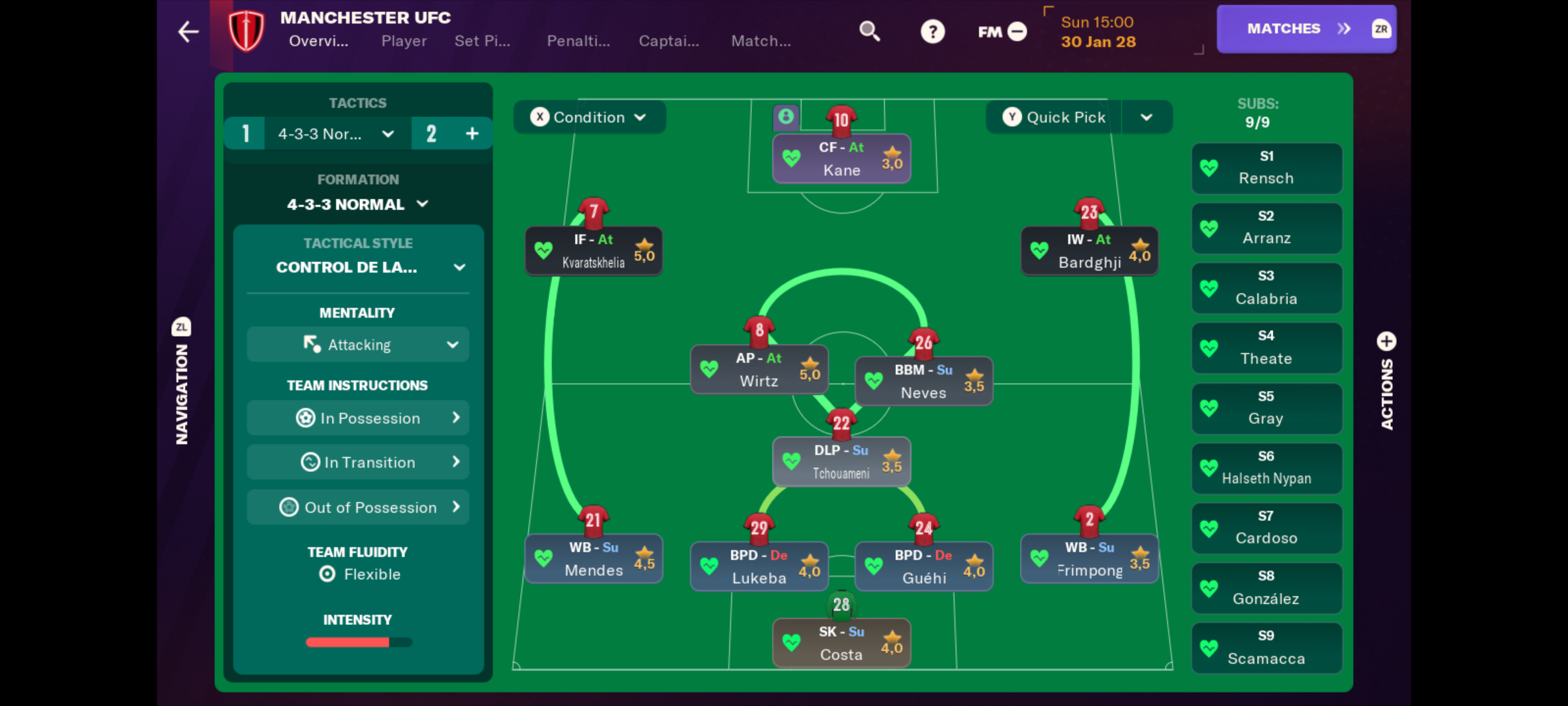
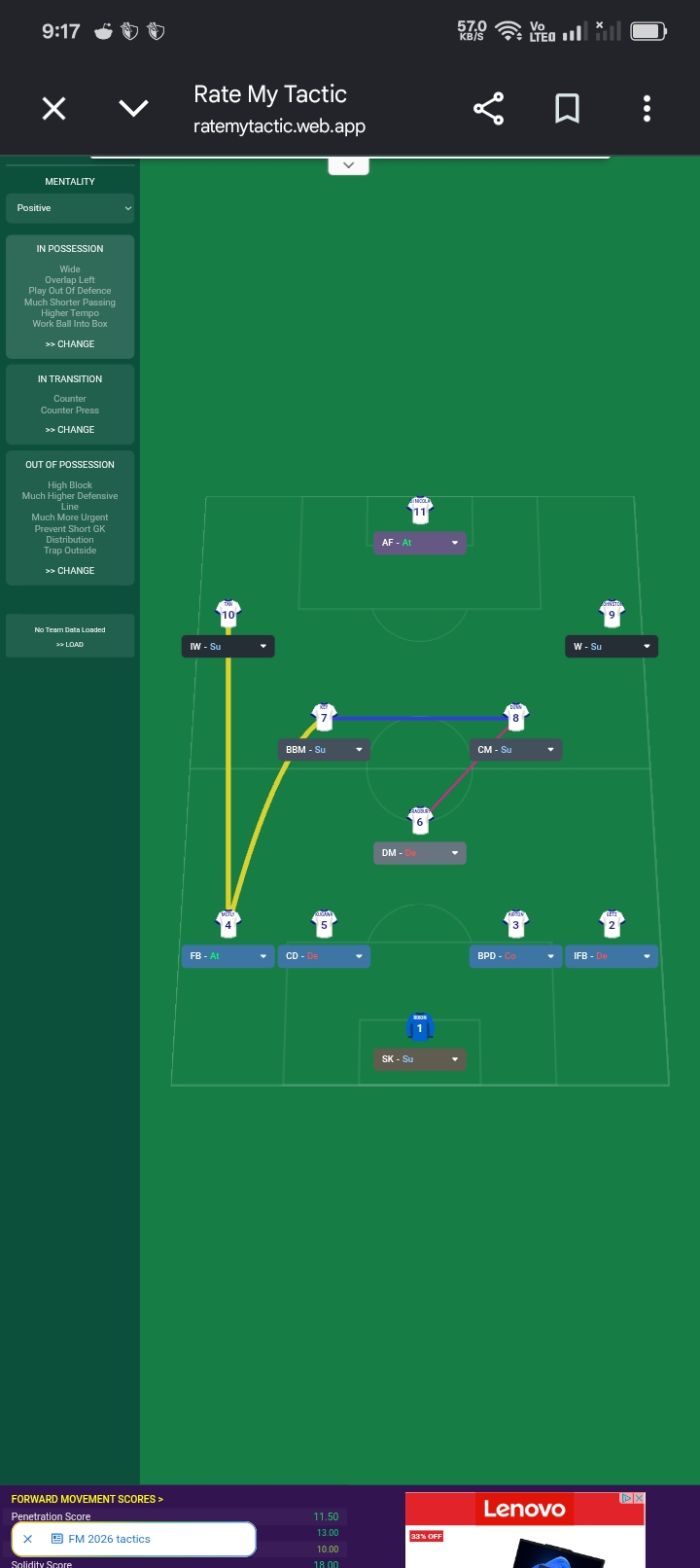
Formation & Style
Tactical Style:Control de la...
Mentality:Attacking
Formation:4-3-3
Team Fluidity:Flexible
In Possession
Work Ball Into Box
Play Out of Defence
Focus Play Down the Left
In Transition
Counter-Press
Counter
Out of Possession
Higher Defensive Line
Higher Line of Engagement
Prevent Short GK Distribution
Team Shape Without Ball
Shape:Compact
Description:The team maintains a solid block with a higher defensive line to compress space.
Evidence:Higher Defensive Line at [2,1] and [2,5] combined with pressing instructions.
Team Shape With Ball
Shape:Fluid
Description:Players interchange positions, with wide players cutting inside, creating vertical and horizontal movement.
Evidence:Focus Play Down the Left and inside forward roles in the setup.
Phase Description
Attacking Play
The team aims to create scoring opportunities through patient build-up and fluid interchanges in the midfield.
Defensive Transition
Quick recovery through counter-pressing to regain possession.
Main Focus
Utilizing width while allowing midfielders to support attacks.
Key Strengths
Dynamic Attack
Utilizing inside forwards and attacking midfielders creates diverse attacking options.
Midfield Control
Control in midfield through roles that support both defence and attack.
Fluid Transitions
Quick transitions from defence to attack enable counter-attacks.
Conflicting Directions
High Line Risks
A higher defensive line may expose the backline to quick attackers.
Over-reliance on Wing Play
Focusing too much on wide play might lead to predictable attacking patterns.
Single Point of Failure in Midfield
Dependence on the deep-lying playmaker for distribution might be exploited.
Tactical Suggestions
Increase Width
Encouraging wing-backs to overlap can stretch opponent defenses.
Add More Pressing
Increasing pressing intensity can disrupt opposition build-up more effectively.
Support from Full-Backs
Encouraging full-backs to join the attack can create overloads.
Ask Questions About Your Lineup
Related Tactics
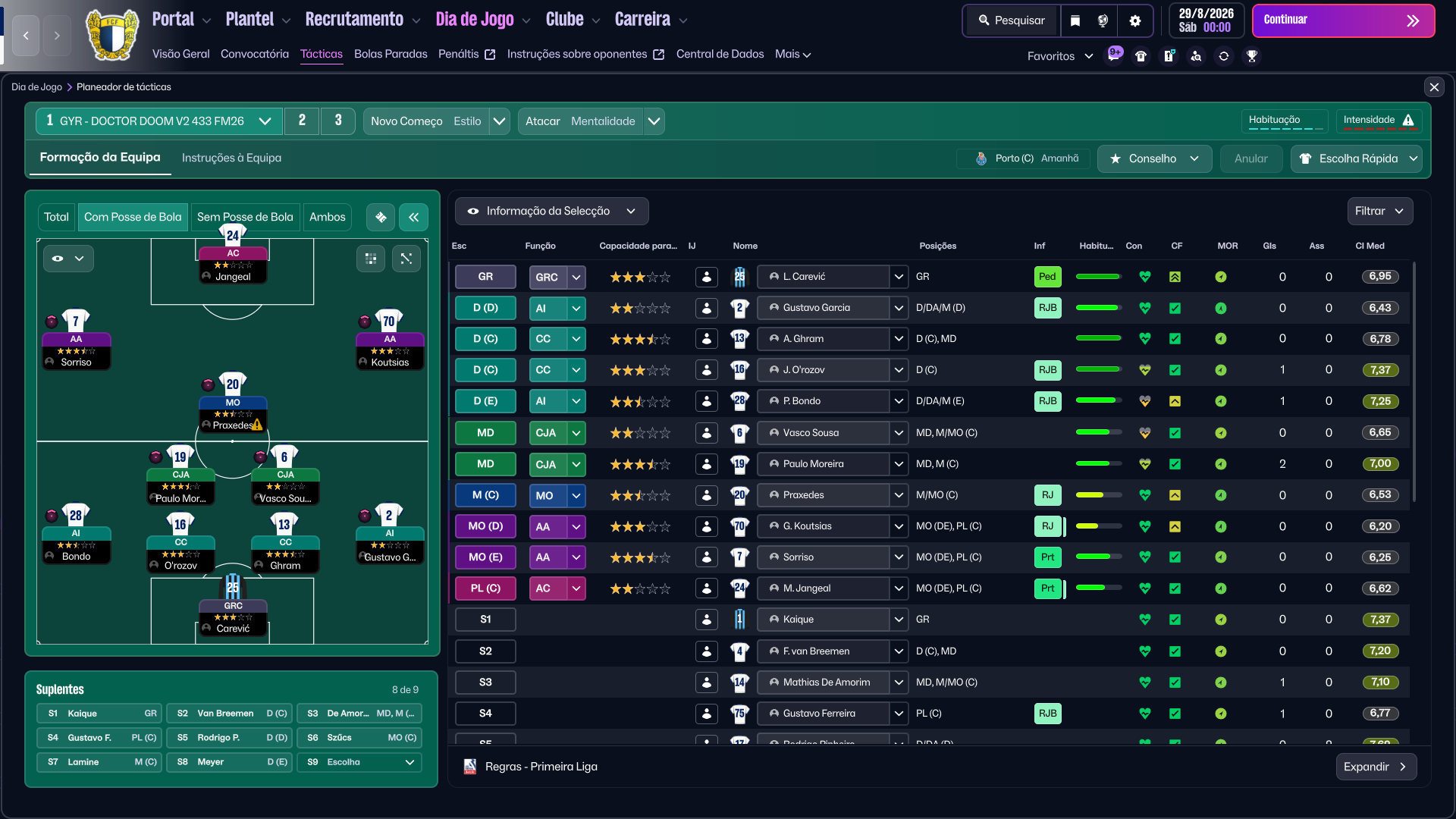
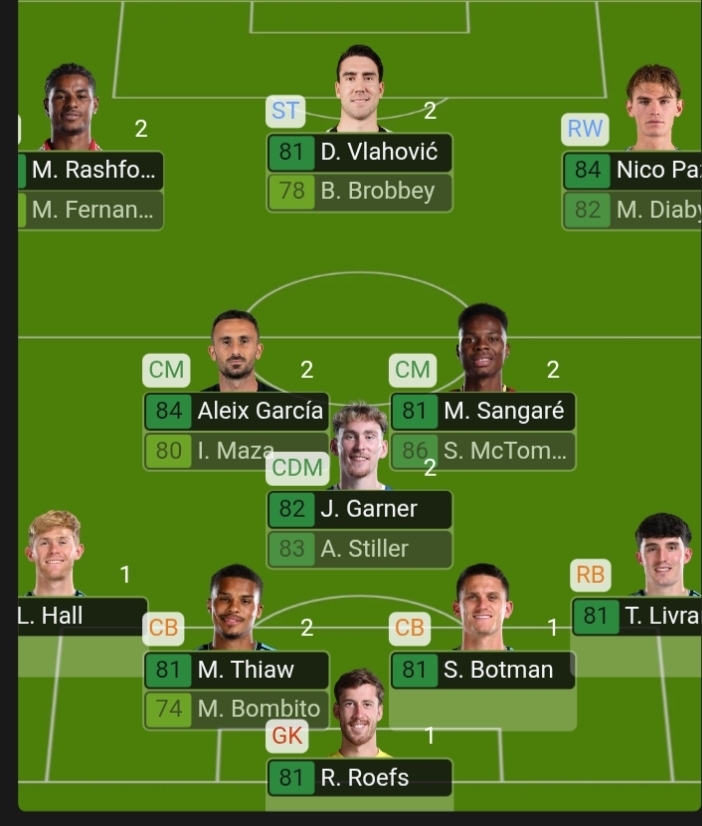
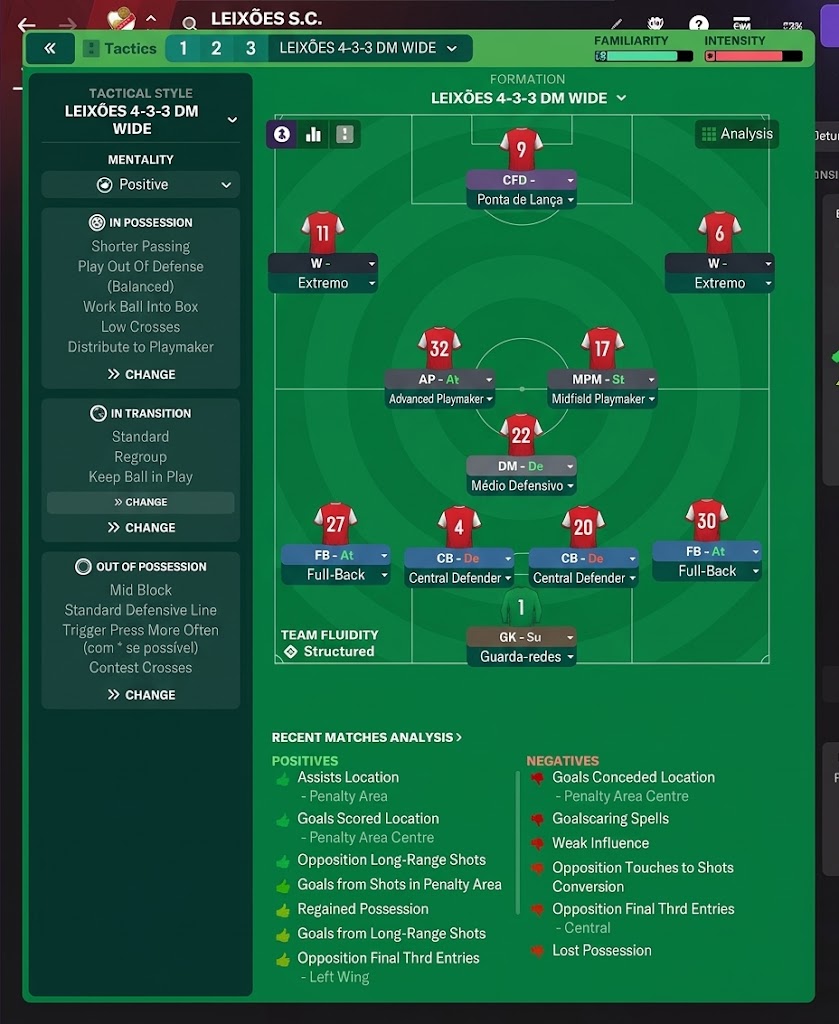
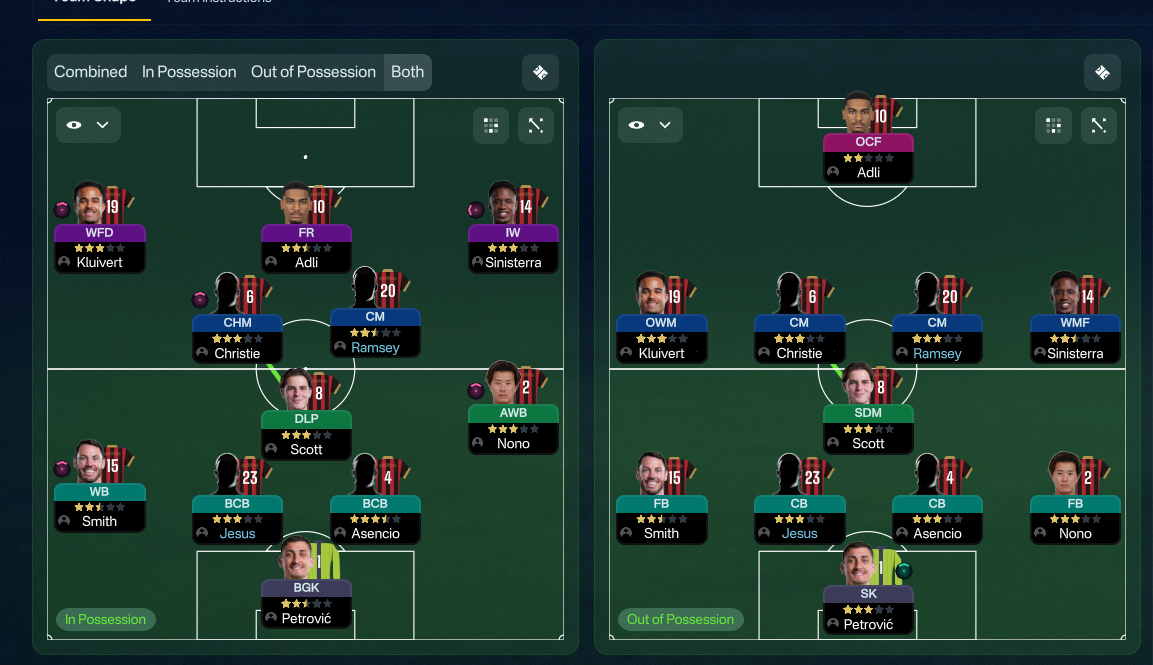
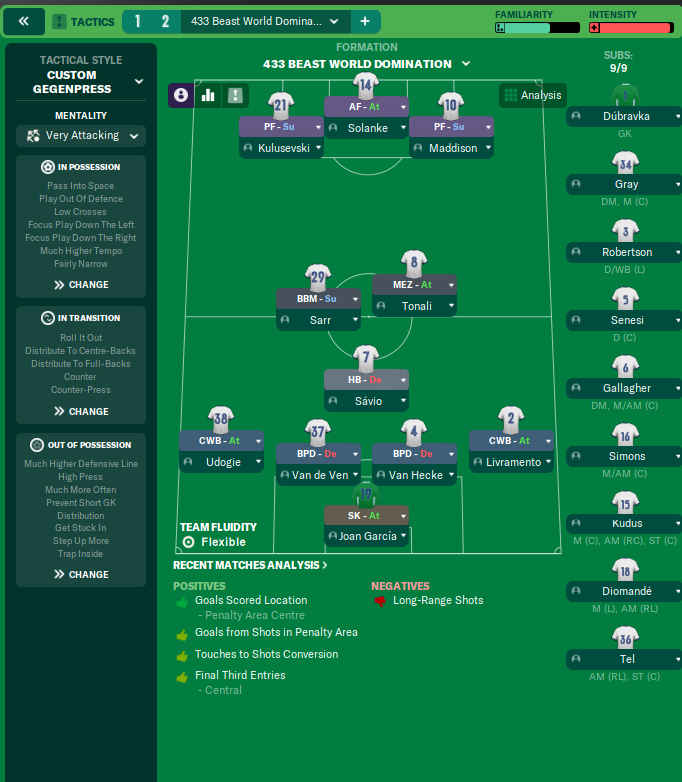
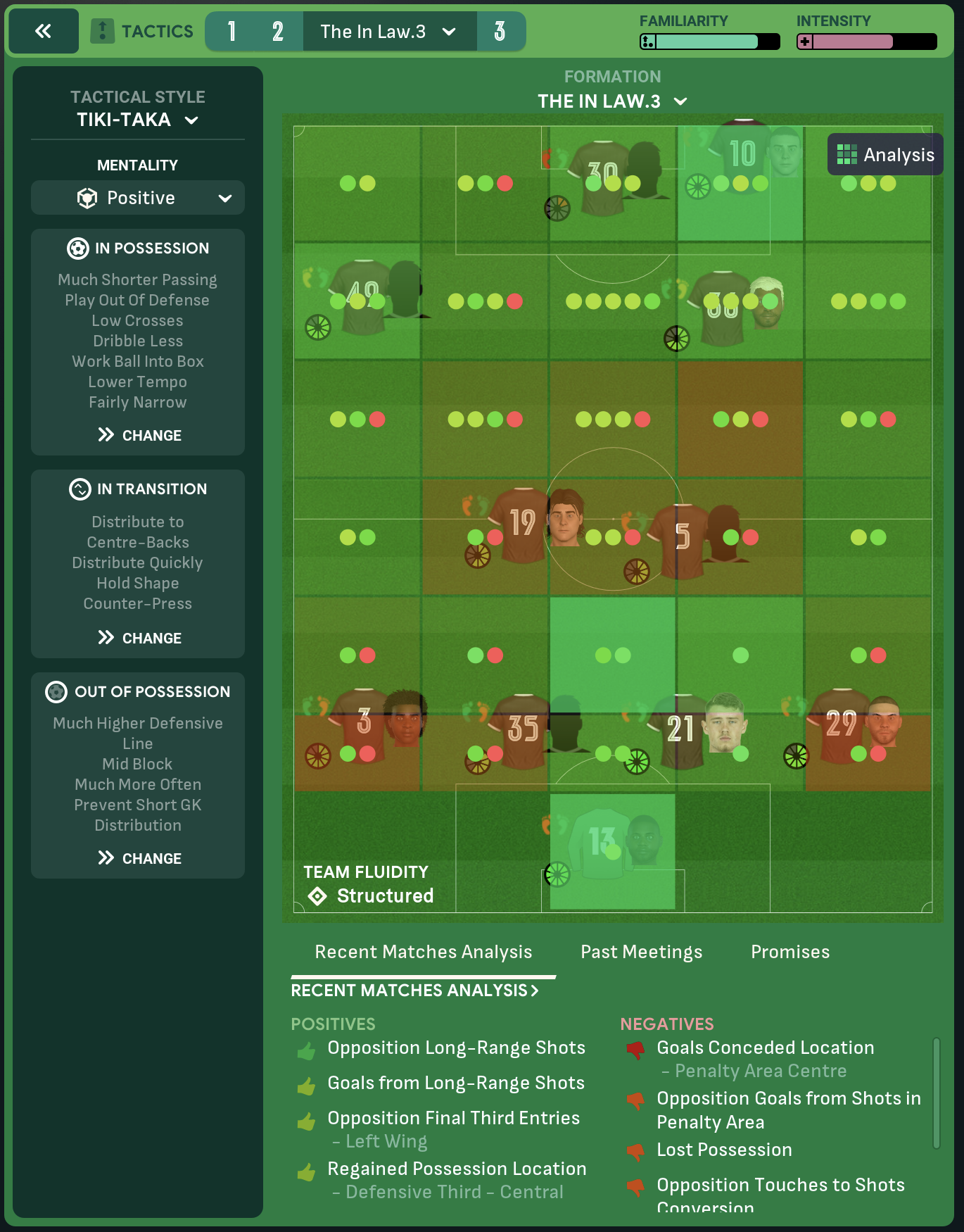
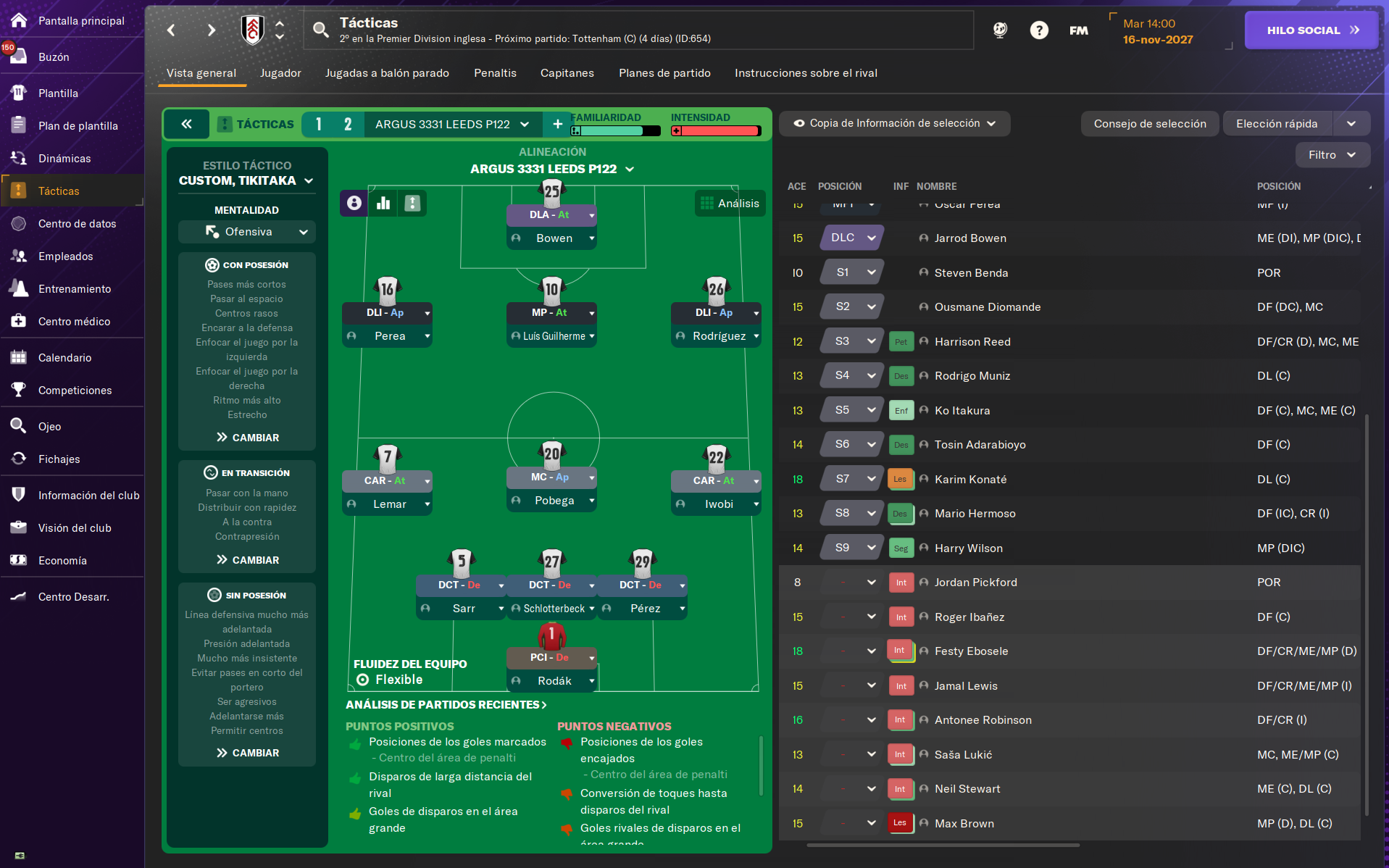
Guides for this formation
The tactical theory behind the 4-3-3: roles, instructions, and the trade-offs that decide whether the system holds up.
Foundations
Understanding the 4-3-3 Formation
Master the classic 4-3-3: player roles, tactical variations, and the trade-offs that decide whether it sings or stalls.
Read guide
Player pairings
Midfield Trios
Holder, runner, creator: the role distribution rule for three-man midfields, the AMC variants, and the antipatterns that break them.
Read guide
Playing styles
Gegenpressing: A Full Guide
Klopp-style gegenpressing in FM, including squad profile, line-and-press pairing, sustainable workload, and the antipatterns to avoid.
Read guide