Uploaded Tactic
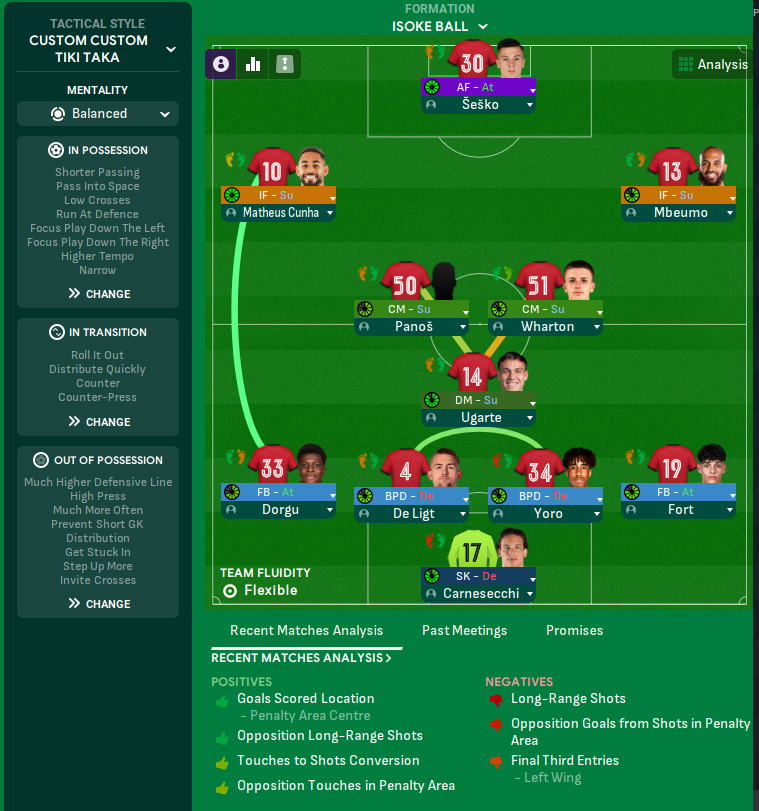
Formation & Style
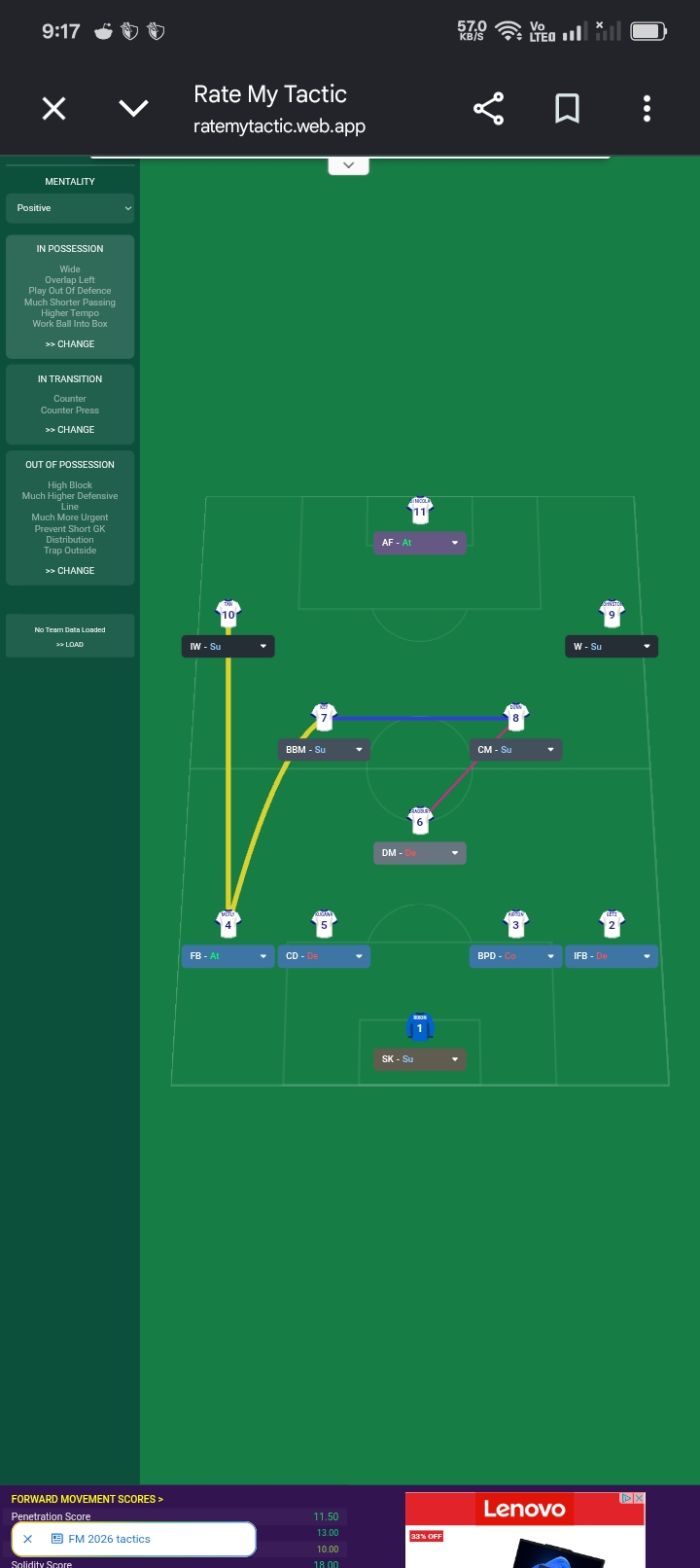
Tactical Style:TIKI TAKA
Mentality:Balanced
Formation:4-3-3
Team Fluidity:Flexible
In Possession
Shorter Passing
Pass Into Space
Low Crosses
Run At Defence
Focus Play Down Left
Focus Play Down Right
Higher Tempo
Narrow
In Transition
Roll It Out
Distribute Quickly
Counter
Counter-Press
Out of Possession
Much Higher Defensive Line
High Press
More Often Prevent Short GK Distribution
Get Stuck In
Step Up More
Invite Crosses
Team Shape Without Ball
Shape:4-4-2
Description:Defensive organization adapts to a compact shape, with players maintaining close proximity to limit the opposition's space.
Evidence:High Defensive Line + Get Stuck In + Ball-Playing Defenders at [2,2], [2,3] aiding distribution.
Team Shape With Ball
Shape:4-3-3
Description:Attack heavily relies on width and quick interplay between forwards, allowing inside forwards to cut in and create chances.
Evidence:Use of Inside Forwards (IF-S) on wings and an Advanced Forward (AF-A) centralized at [6,3], enhancing goal potential.
Phase Description
Attacking Play
Tiki-taka style emphasizes short passing and movement, utilizing width efficiently while maintaining high tempo.
Defensive Transition
Quick recovery is emphasized through counter-pressing to regain possession immediately after losing the ball.
Main Focus
Creating goal-scoring opportunities through intricate passing patterns and exploiting spaces in the opponent's defense.
Key Strengths
Effective Movement and Passing
The combination of narrower width and shorter passing promotes fluid movement, making it hard for opponents to track players.
Robust Central Midfield Control
The presence of three midfielders allows for versatility and control in the center of the pitch.
High Pressing Approach
The implementation of a high press creates opportunities to regain possession quickly, disrupting opponents' build-up play.
Conflicting Directions
Risk of Defensive Gaps
Having high defensive lines while pressing may lead to gaps that opponents can exploit in transition.
Limited Wing Play Effectiveness
Both inside forwards and attacking full-backs can crowd the space on the flank, limiting direct wing play options.
Dependence on Midfield Coordination
Central midfielders need to work harmoniously to avoid being outnumbered during transitions or in defending.
Tactical Suggestions
Consider Adjusting Defensive Line Height
Lowering the defensive line could reduce the risk of being caught on counter-attacks after pressing.
Utilize More Width in Attack
Incorporate wider play utilizing wingers to stretch the opposition's defense and create more space for central attacks.
Increase Midfield Rotations
Encouraging midfield players to rotate positions could enhance fluidity and unpredictability in midfield.
Ask Questions About Your Lineup
Related Tactics
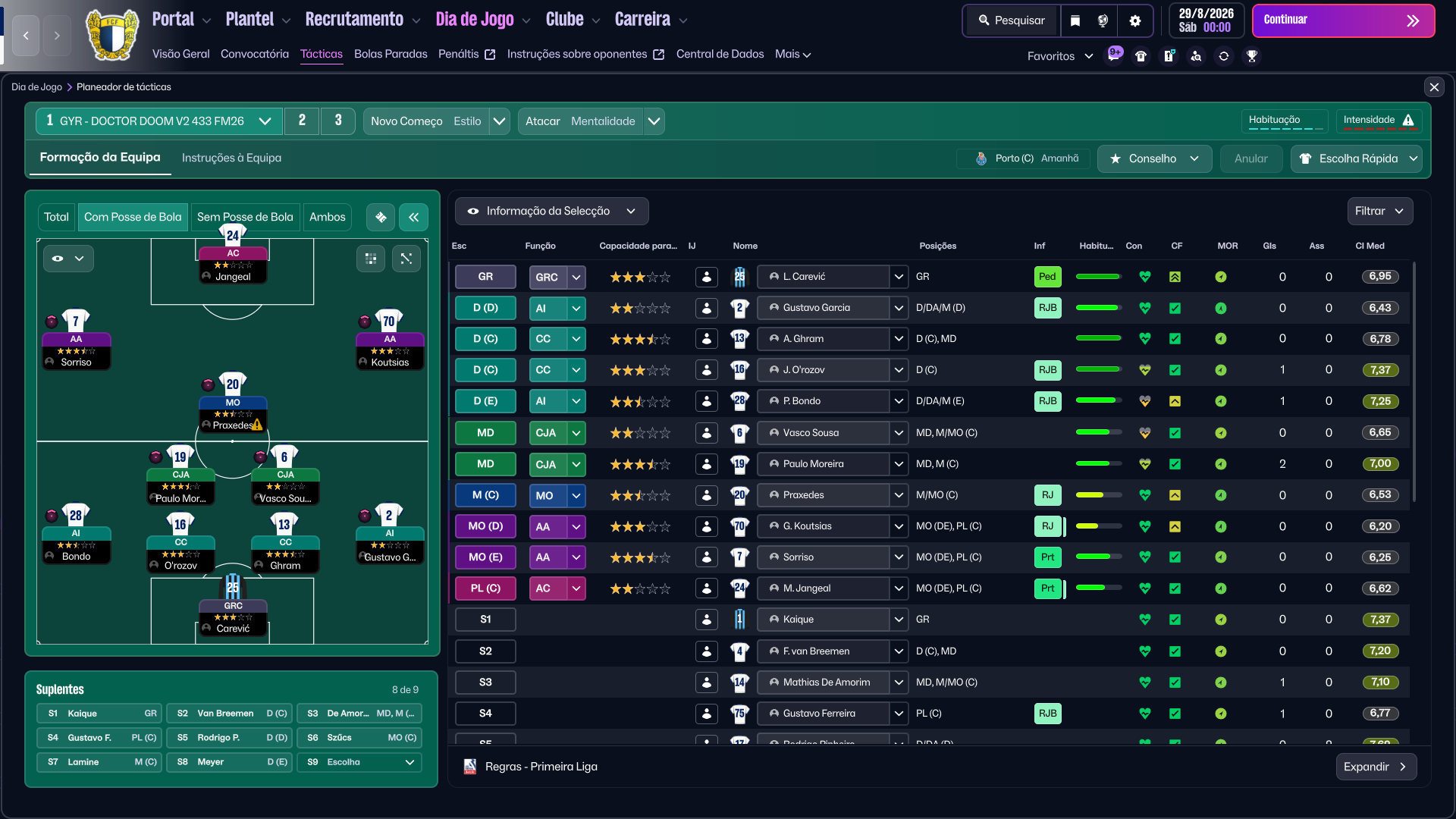
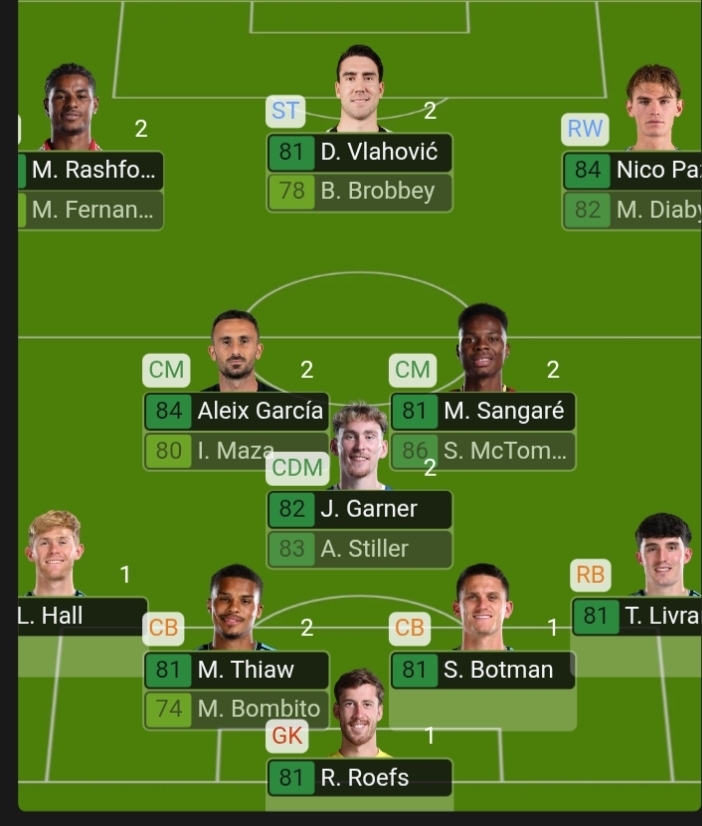
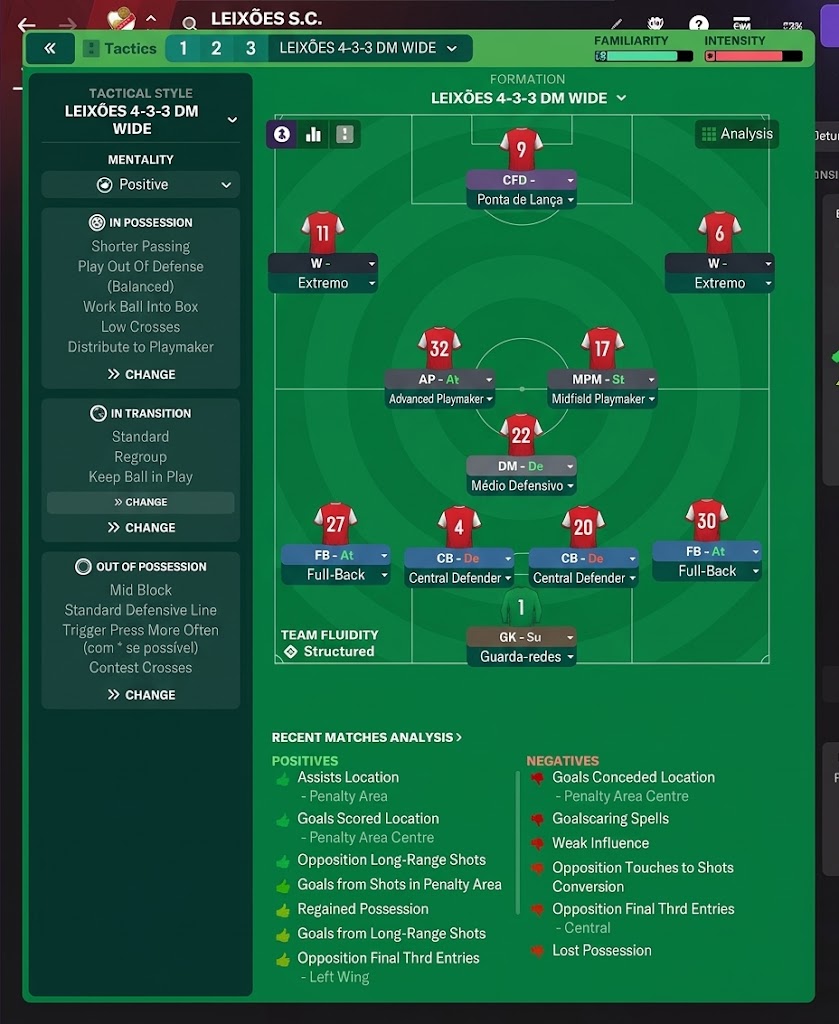
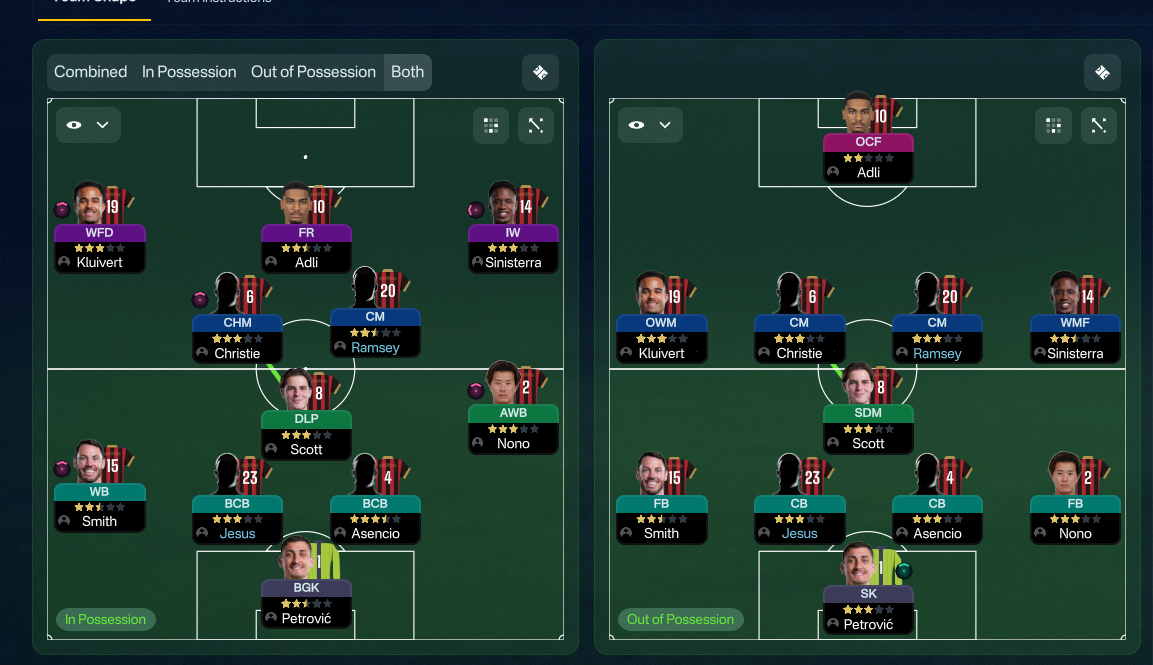
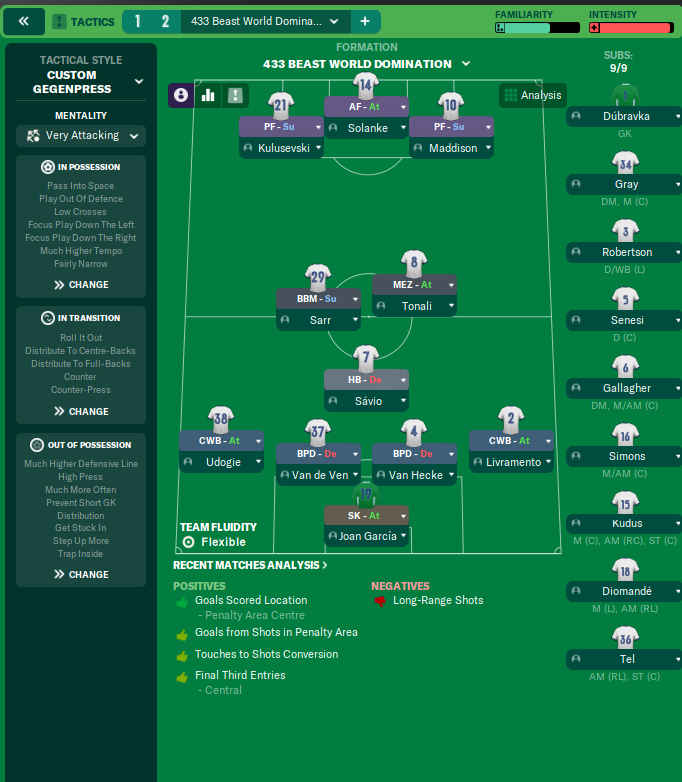
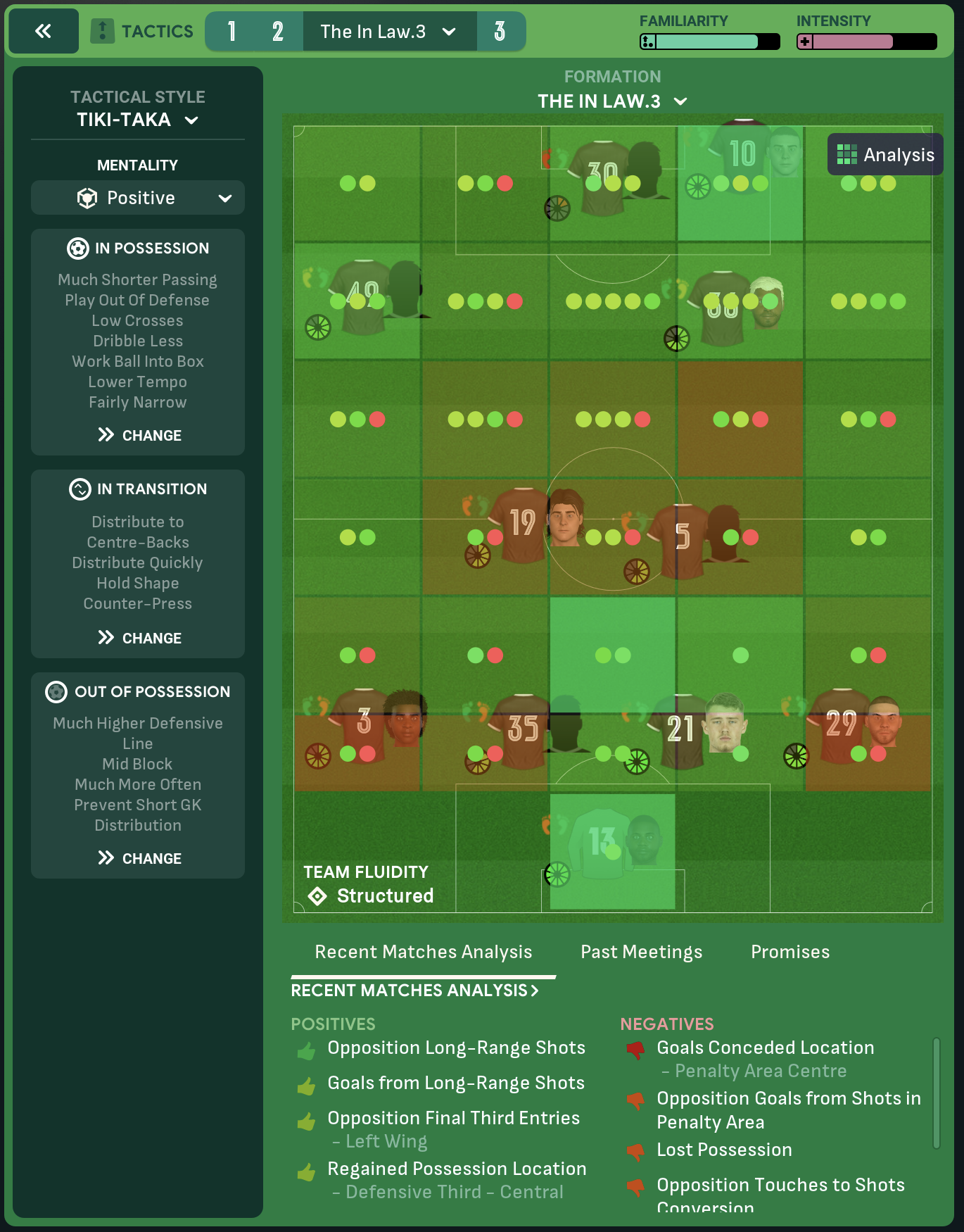
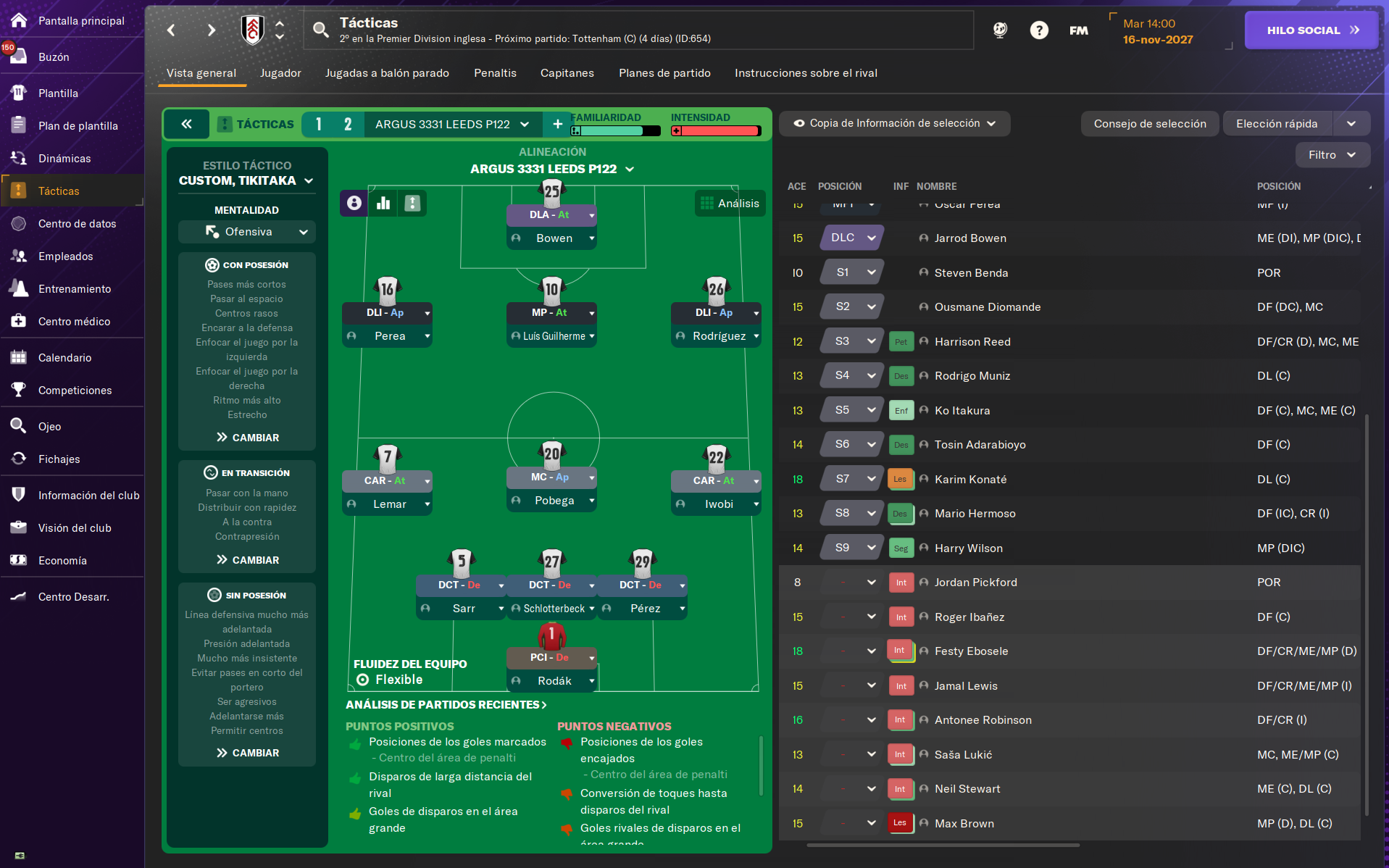
More TIKI TAKA tactics
Guides for this formation
The tactical theory behind the 4-3-3: roles, instructions, and the trade-offs that decide whether the system holds up.
Foundations
Understanding the 4-3-3 Formation
Master the classic 4-3-3: player roles, tactical variations, and the trade-offs that decide whether it sings or stalls.
Read guide
Player pairings
Midfield Trios
Holder, runner, creator: the role distribution rule for three-man midfields, the AMC variants, and the antipatterns that break them.
Read guide
Playing styles
Gegenpressing: A Full Guide
Klopp-style gegenpressing in FM, including squad profile, line-and-press pairing, sustainable workload, and the antipatterns to avoid.
Read guide