Uploaded Tactic
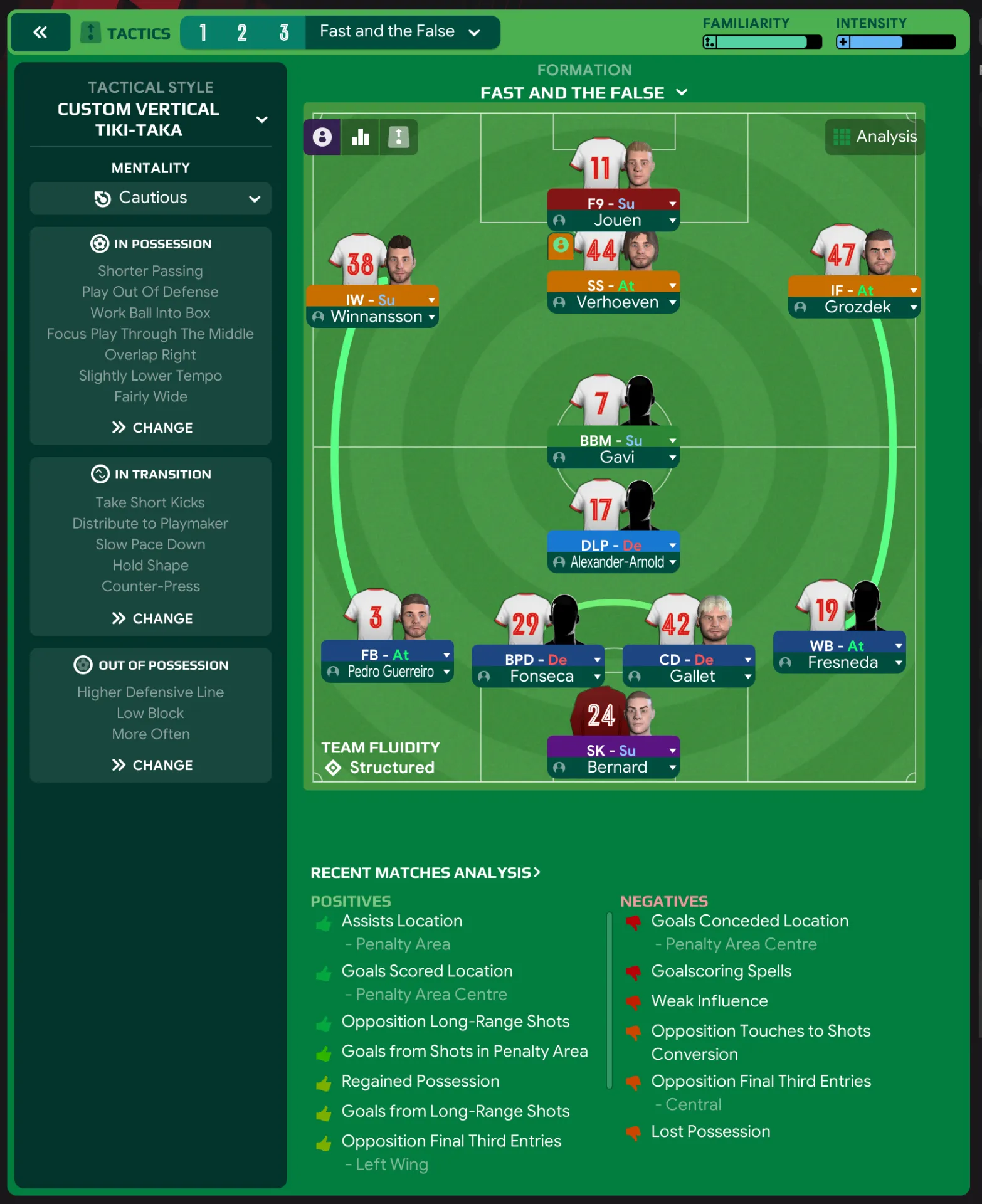
Formation & Style
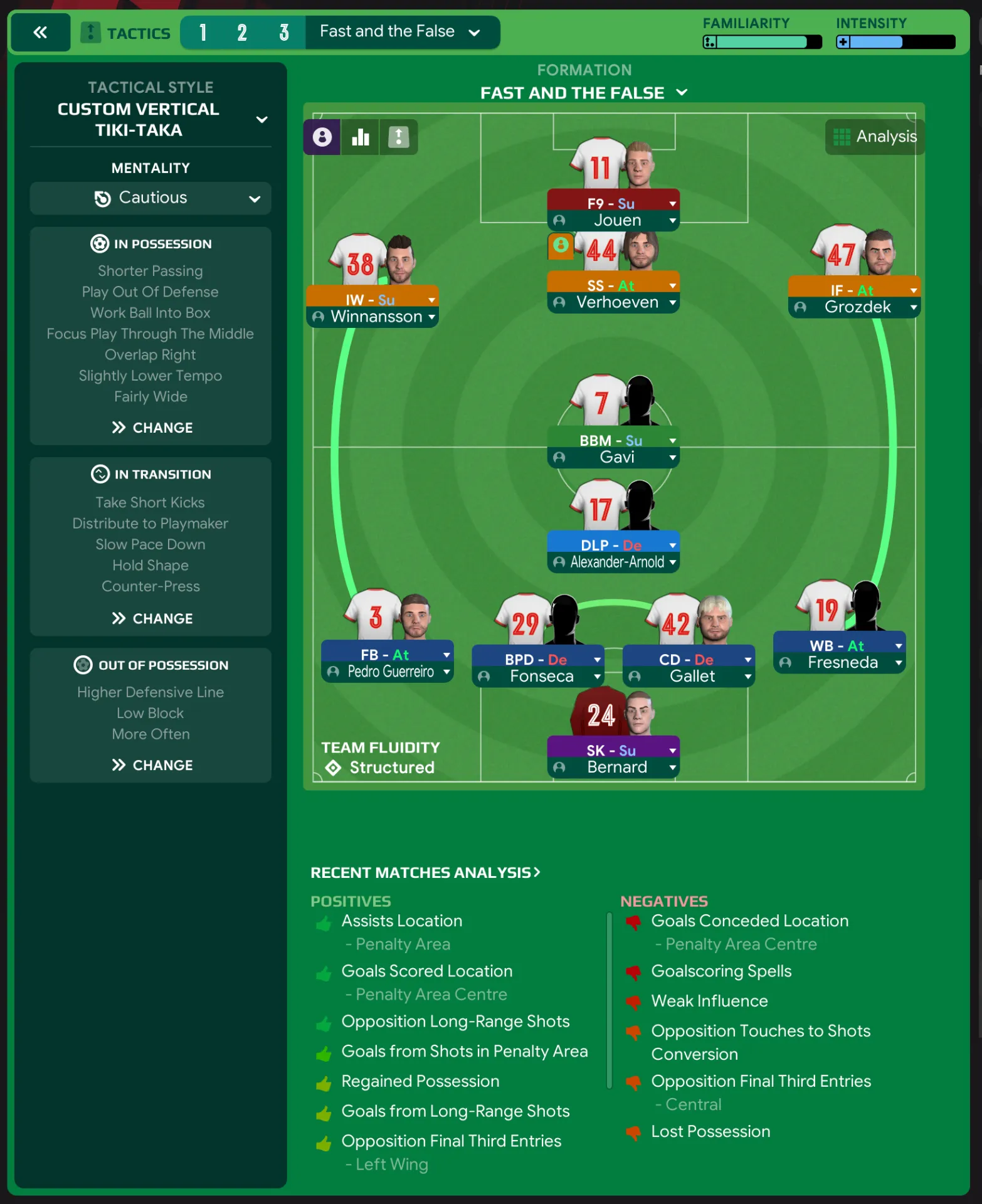
Tactical Style:Custom Vertical Tiki-Taka
Mentality:Cautious
Formation:4-3-3
Team Fluidity:Structured
In Possession
Shorter Passing
Play Out Of Defense
Work Ball Into Box
Focus Play Through The Middle
Slightly Lower Tempo
Fairly Wide
In Transition
Take Short Kicks
Distribute to Playmaker
Slow Pace Down
Hold Shape
Counter-Press
Out of Possession
Higher Defensive Line
Low Block
More Often
Team Shape Without Ball
Shape:4-2-3-1
Description:Stable defensive formation with players maintaining their positions while engaging in lower block.
Evidence:Higher Defensive Line with a Low Block instruction suggests a balance between retaining shape and pressuring opposition builds.
Team Shape With Ball
Shape:4-3-3
Description:Fluid attacking structure focused on exploiting spaces in central areas with overlapping runs from full-backs.
Evidence:Use of Inside Forward and Shadow Striker with a False Nine indicates a desire to create overloads in attacking zones.
Phase Description
Attacking Play
Combination play through the midfield with an emphasis on short passing and creating space through movement.
Defensive Transition
Focus on maintaining shape while applying pressure to regain possession as quickly as possible.
Main Focus
Utilize width and intelligent movement to break down opposition defenses.
Key Strengths
Structured Possession Play
Utilizing a cautious tiki-taka style allows for better control and buildup play.
Dynamic Forward Movement
The movement of the front three creates confusion in defenses.
Effective Wing Play
Exposure from wide areas due to overlapping full-backs.
Conflicting Directions
Defensive Depth vs. Offensive Intensity
High defensive line can expose team to counter-attacks.
Tempo Management
Slightly lower tempo could hinder rapid transitions.
Midfield Transition Pressure
Potential for weakness during midfield battles.
Tactical Suggestions
Adjust Defensive Line
Consider lowering the defensive line if facing fast counter-attacks.
Increase Tempo in Transition
Enhance attacking swiftness to exploit defensive weaknesses.
Introduce More Direct Wingers
Utilize wingers to create more width and stretching of opposition.
Ask Questions About Your Lineup
Related Tactics
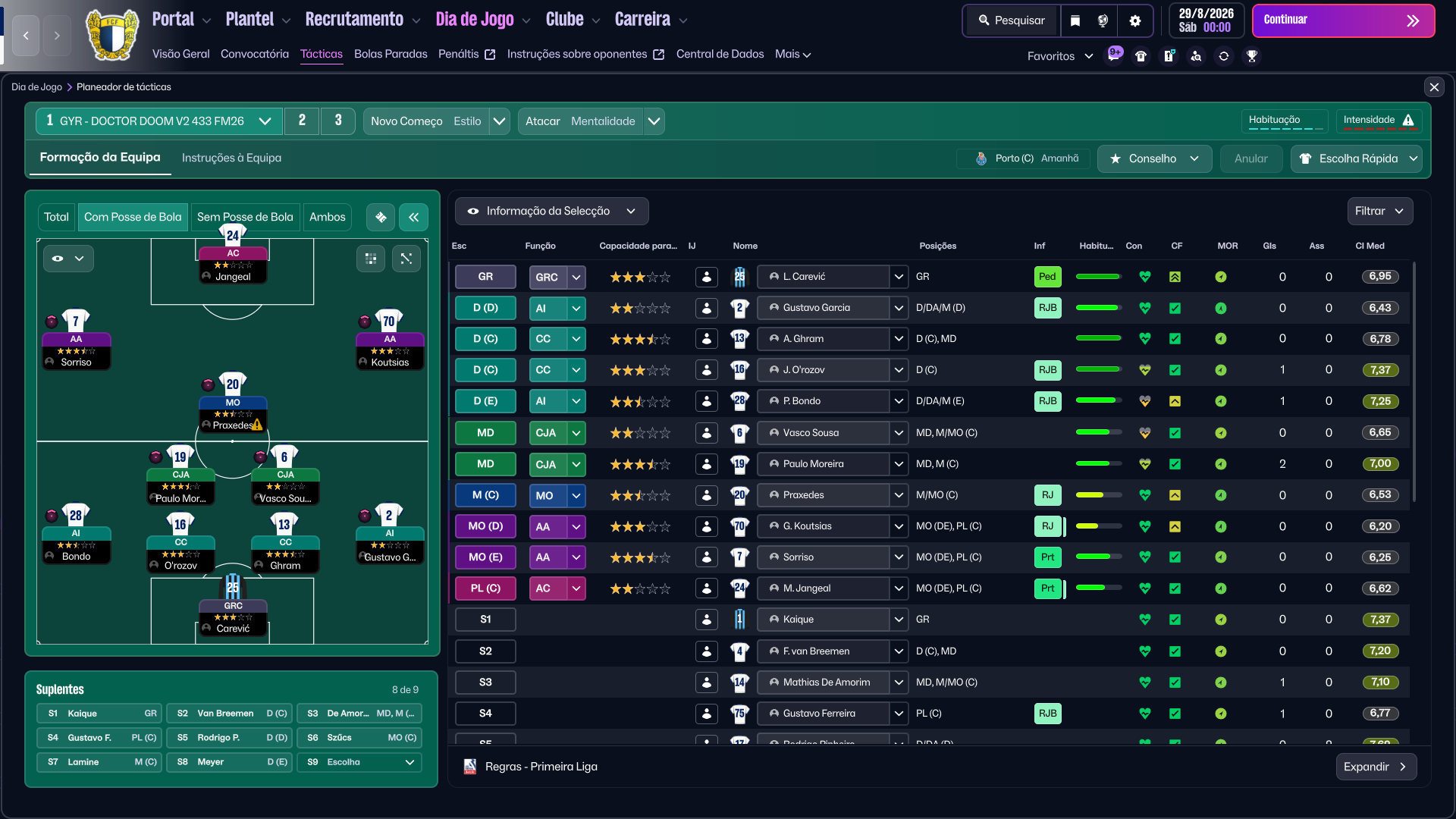
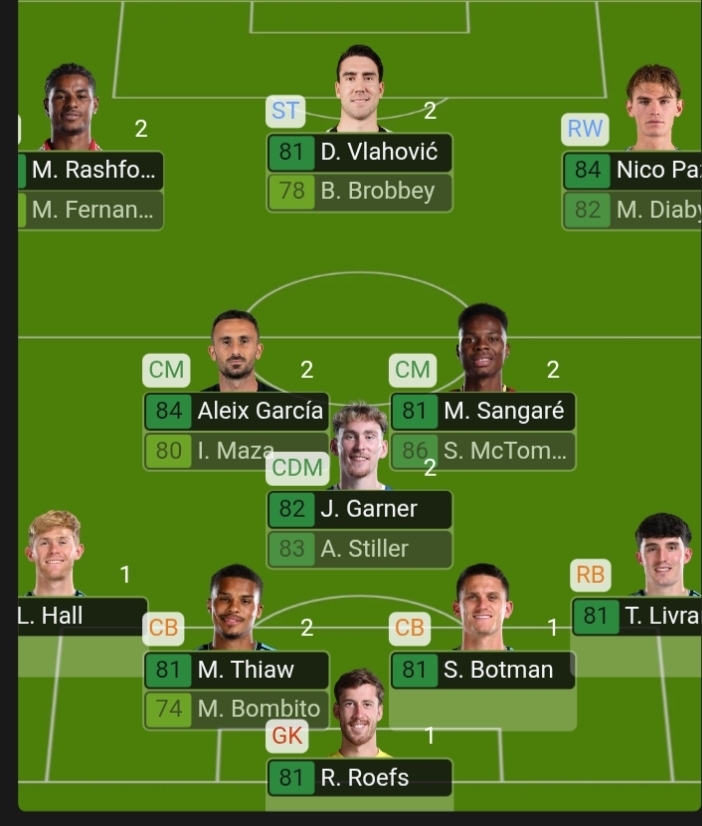
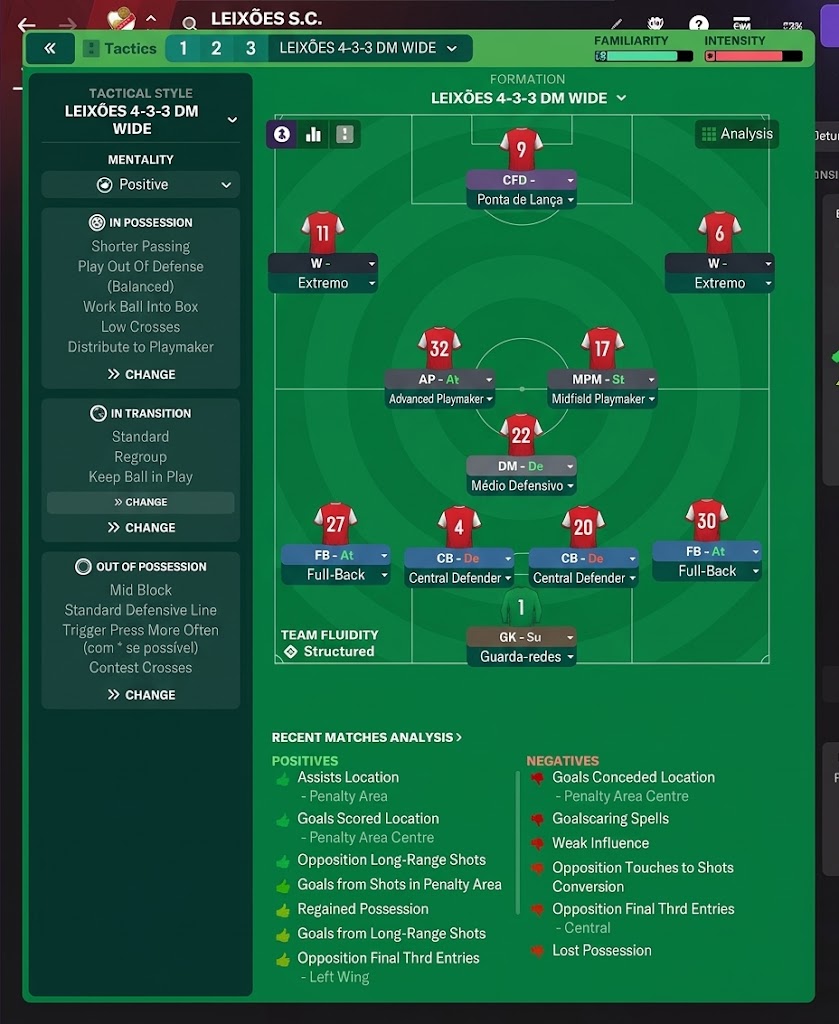
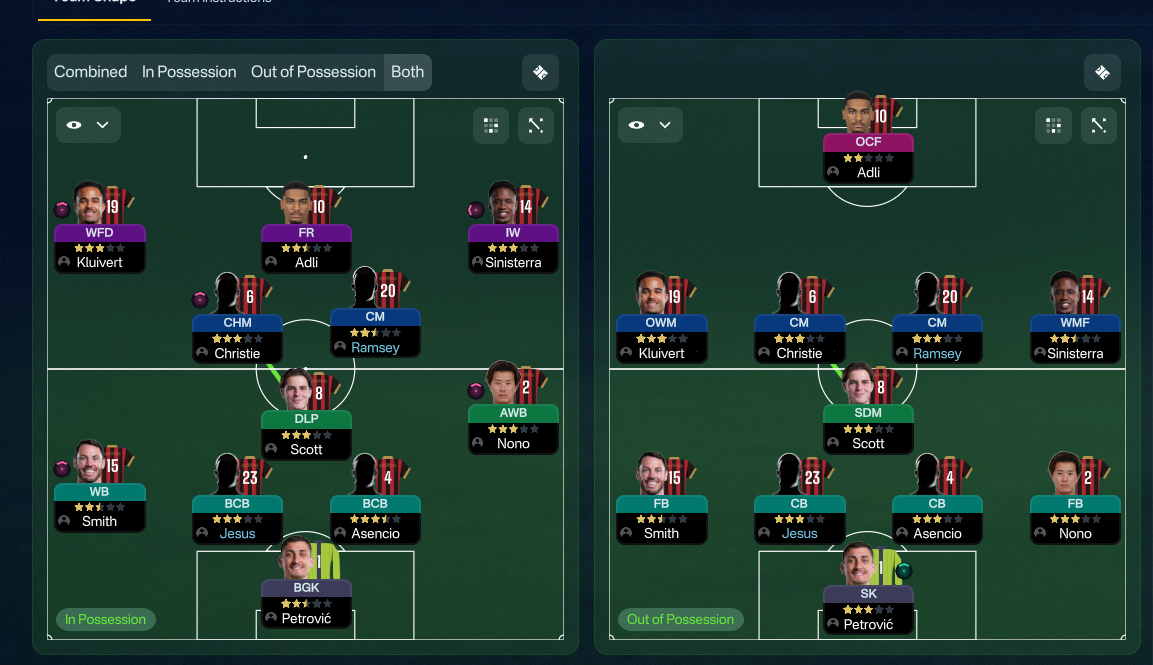
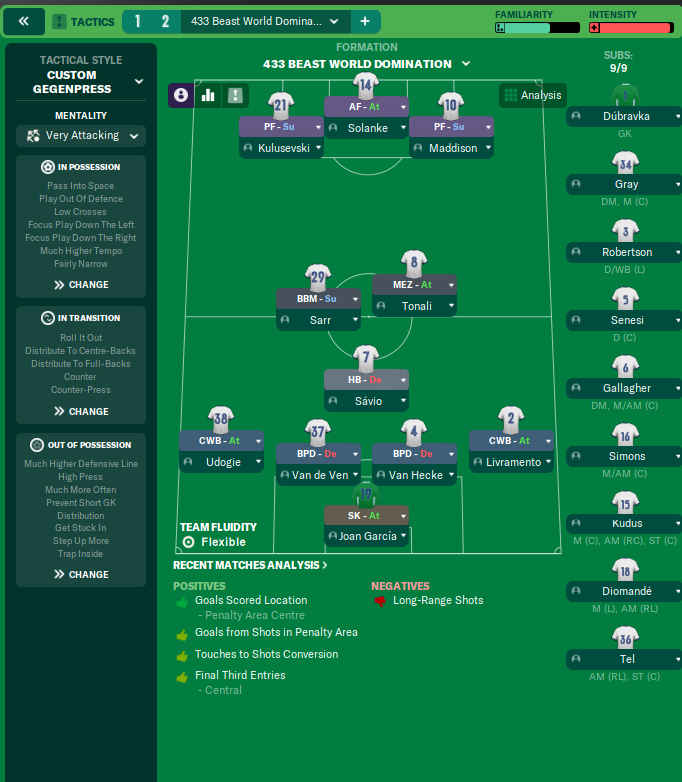
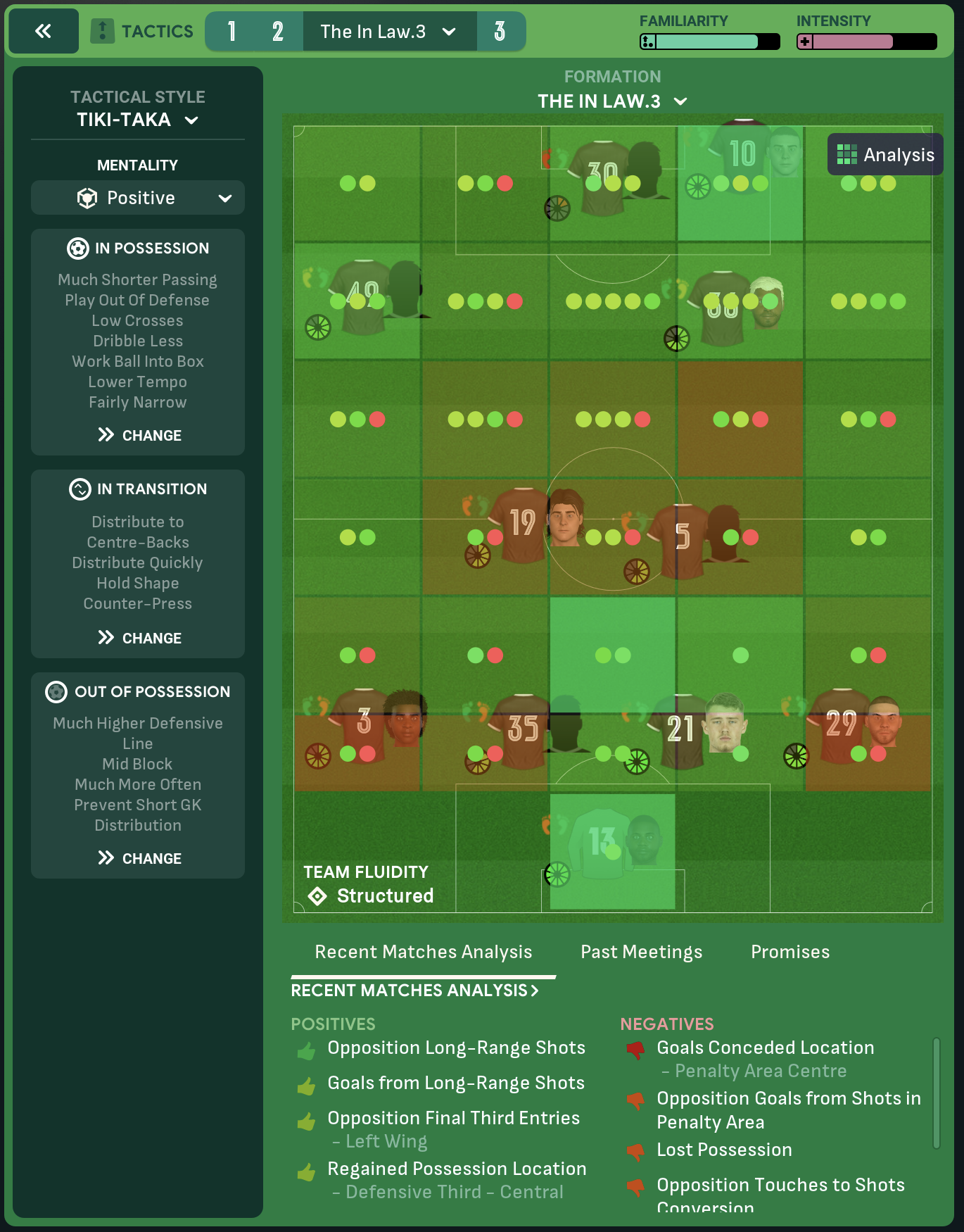
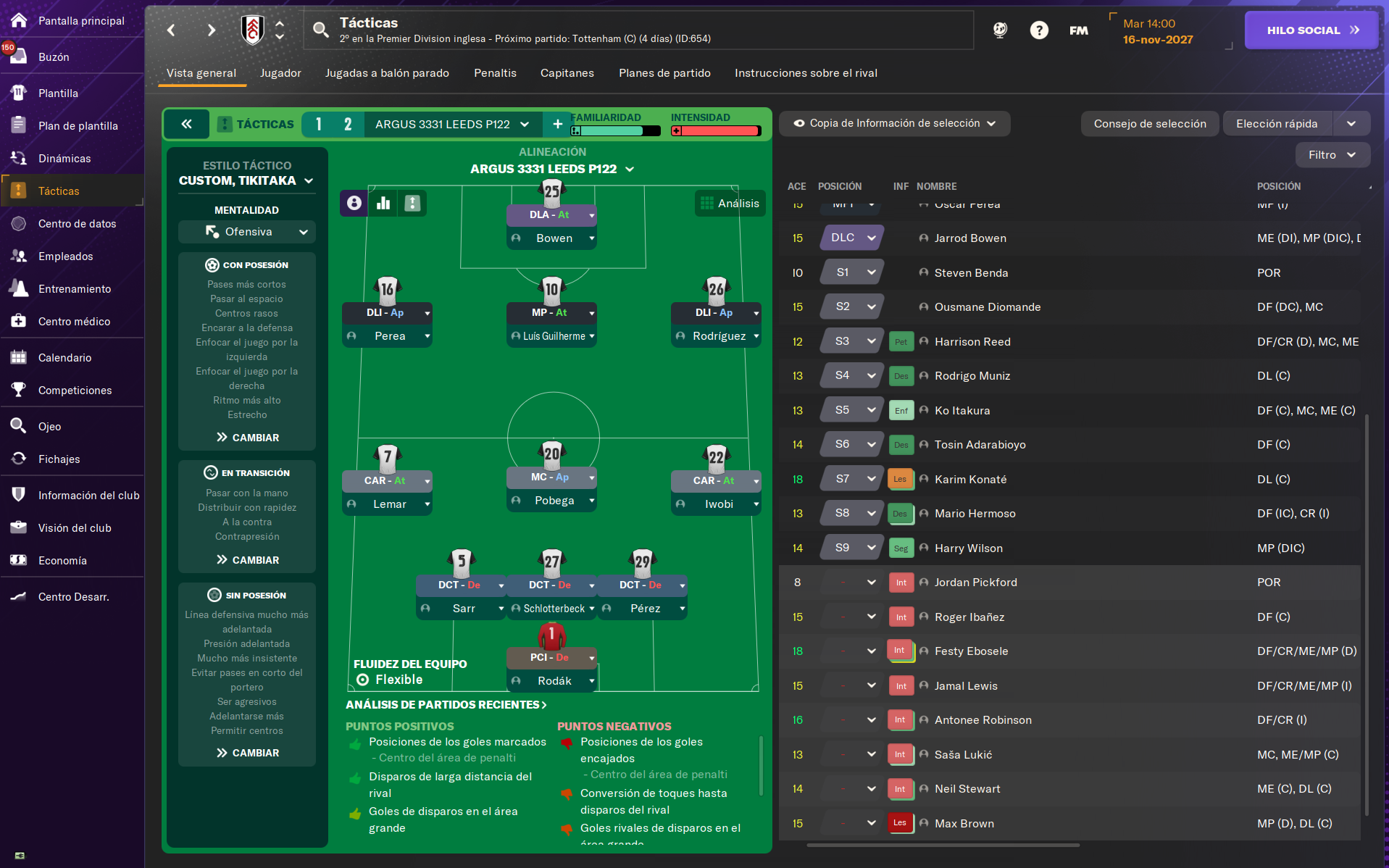
More Custom Vertical Tiki-Taka tactics
Guides for this formation
The tactical theory behind the 4-3-3: roles, instructions, and the trade-offs that decide whether the system holds up.
Foundations
Understanding the 4-3-3 Formation
Master the classic 4-3-3: player roles, tactical variations, and the trade-offs that decide whether it sings or stalls.
Read guide
Player pairings
Midfield Trios
Holder, runner, creator: the role distribution rule for three-man midfields, the AMC variants, and the antipatterns that break them.
Read guide
Playing styles
Gegenpressing: A Full Guide
Klopp-style gegenpressing in FM, including squad profile, line-and-press pairing, sustainable workload, and the antipatterns to avoid.
Read guide