Uploaded Tactic
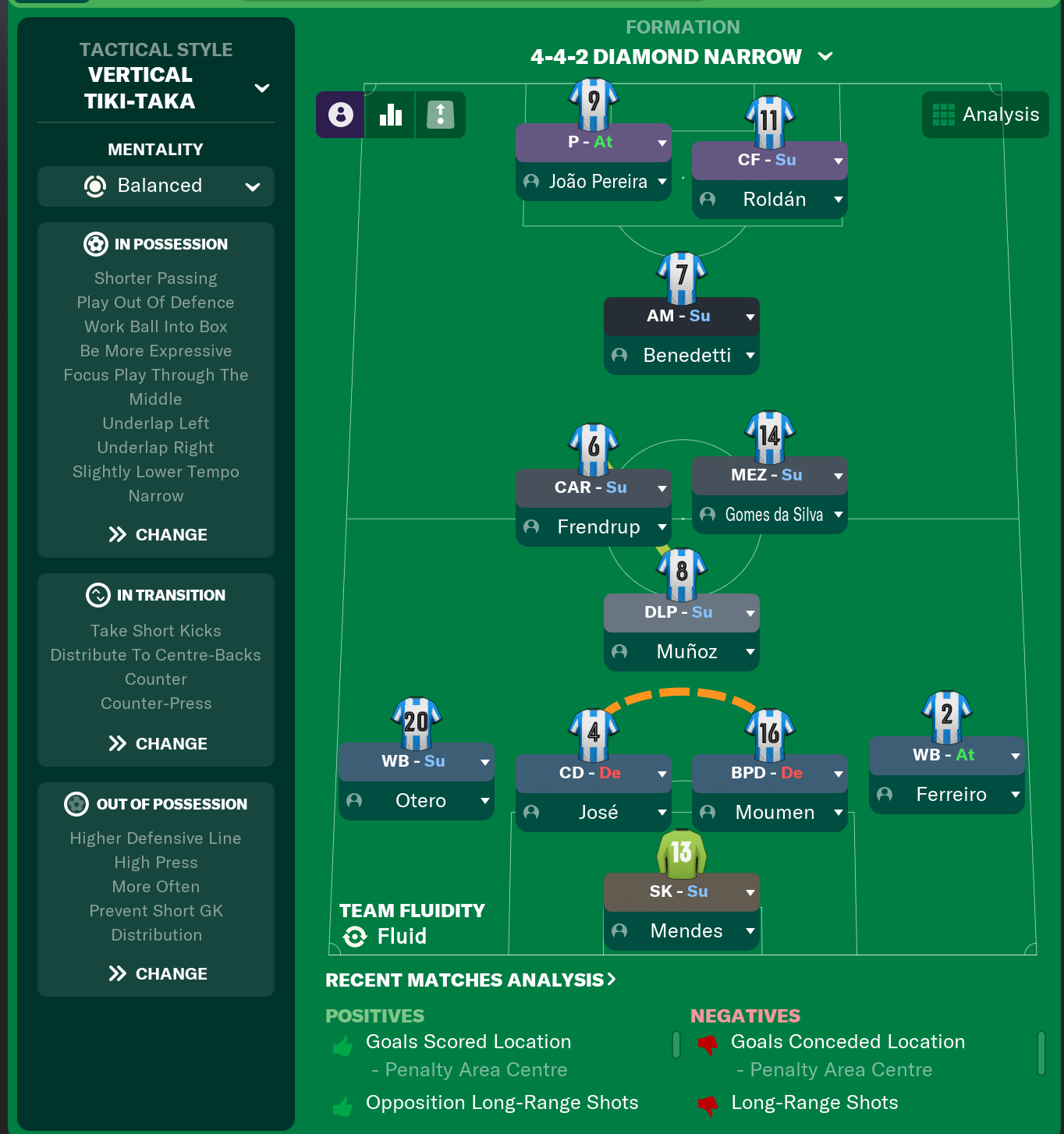
Formation & Style
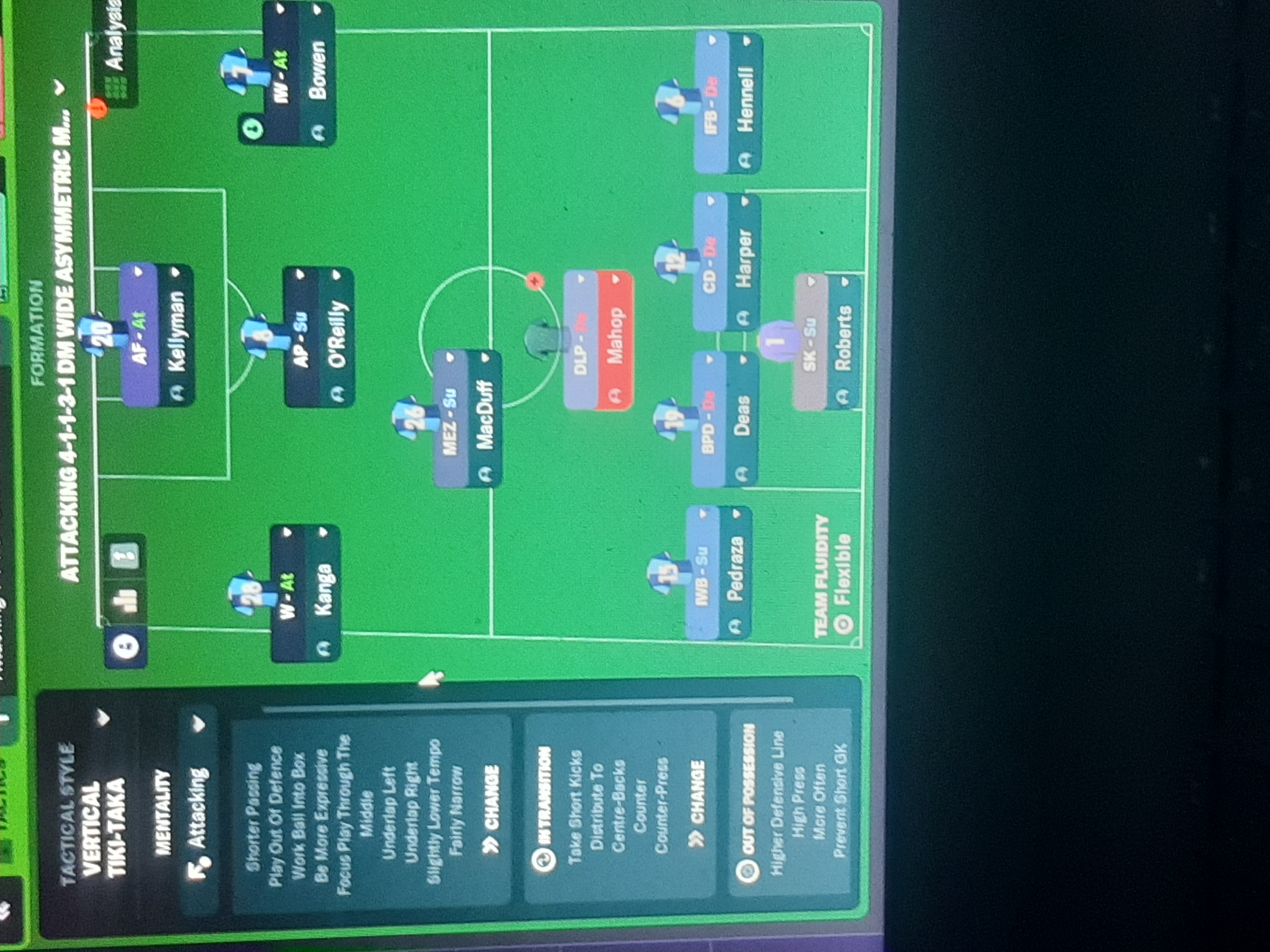
Tactical Style:Vertical Tiki-Taka
Mentality:Balanced
Formation:4-4-2 Diamond Narrow
Team Fluidity:Fluid
In Possession
Shorter Passing
Play Out Of Defence
Work Ball Into Box
Be More Expressive
Focus Play Through The Middle
Underlap Left
Underlap Right
Slightly Lower Tempo
Narrow
In Transition
Take Short Kicks
Distribute To Centre-Backs
Counter
Counter-Press
Out of Possession
Higher Defensive Line
High Press
More Often
Prevent Short GK Distribution
Team Shape Without Ball
Shape:Narrow with High Defensive Line
Description:Compact central shape designed to win the ball back quickly, but may leave space on the flanks.
Evidence:Higher Defensive Line and High Press indicate an aggressive stance.
Team Shape With Ball
Shape:Diamond with Focus on Central Play
Description:Utilizes width via wing-backs and attacking midfielder to penetrate defensive lines, creating overloads.
Evidence:Underlap left/right and Work Ball Into Box indicate emphasis on controlled set-ups in the final third.
Phase Description
Attacking Play
Fluid passing sequences focusing on ball retention and quick progression through the middle, often utilizing underlaps by the wing-backs.
Defensive Transition
Ensuring pressure on the ball immediately after losing possession, with a focus on winning back the ball quickly.
Main Focus
Dominating possession and creating high-quality chances through tactical interplay.
Key Strengths
Possession-based Play
High number of passing options in midfield fosters intricate play.
Utilizing Width
Wing-backs provide width and allow the central tandem to exploit spaces.
Dynamic Forward Play
Variety in striker roles leads to varied attacking strategies and goal threats.
Conflicting Directions
Defensive Stability
High pressing combined with a high defensive line may lead to vulnerability against counter-attacks.
Wide Play Vulnerability
Narrow midfield diamond leaves the flanks occasionally exposed, especially if wing-backs are caught upfield.
Pressure Management
Frequent pressing could lead to fatigue over time, limiting late-game effectiveness.
Tactical Suggestions
Consider Width in Transition
Incorporate more width into transition play to stretch opposition defenses.
Adjust Pressing Intensity
Evaluate whether to reduce pressing intensity in certain matches to enhance stamina.
Utilize More Player Rotation
Given the tactical intensity, more squad rotation could maintain freshness.
Ask Questions About Your Lineup
Related Tactics
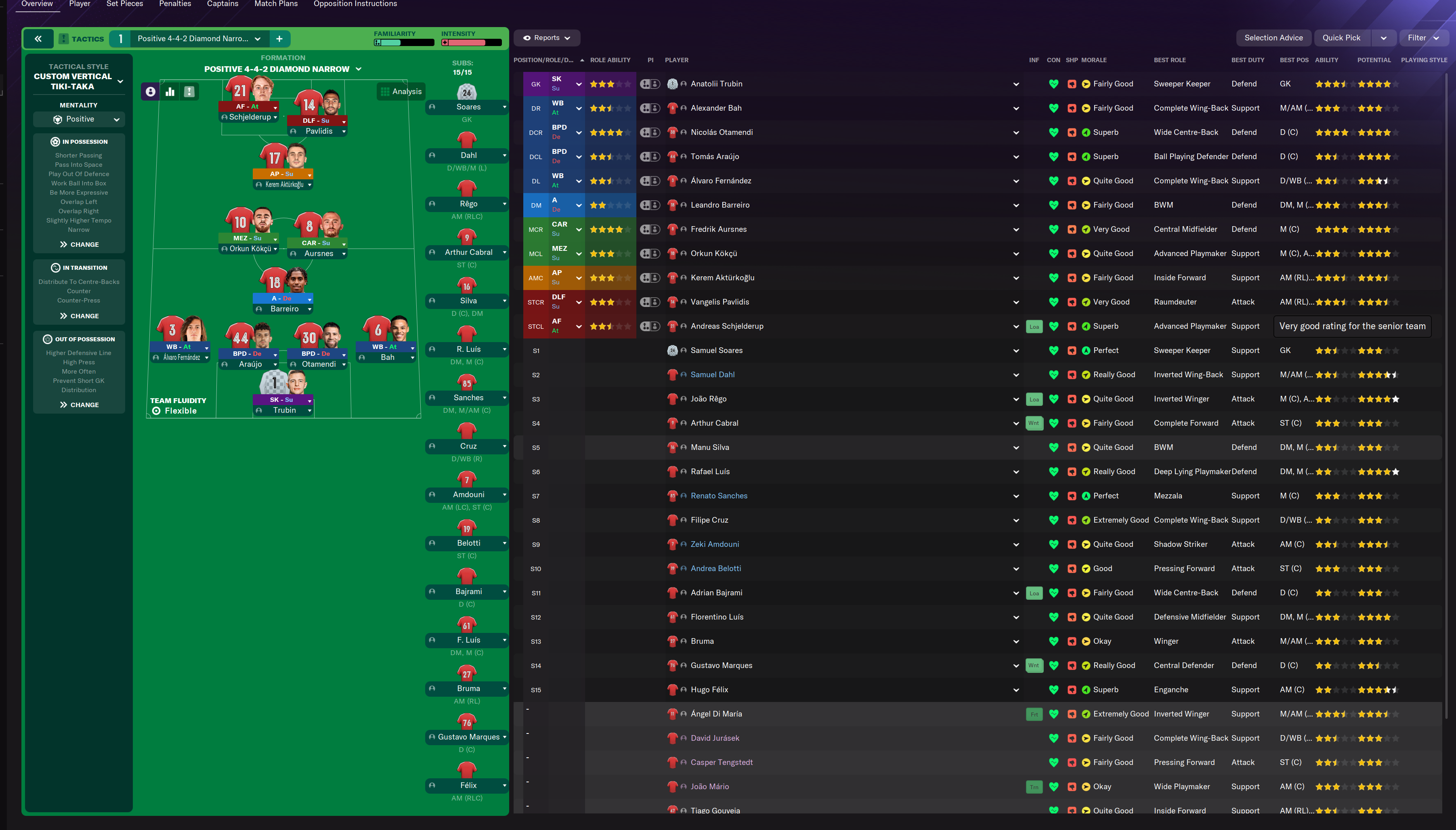
Tiki-Taka 4-4-2 Diamond Narrow
Tiki-Taka
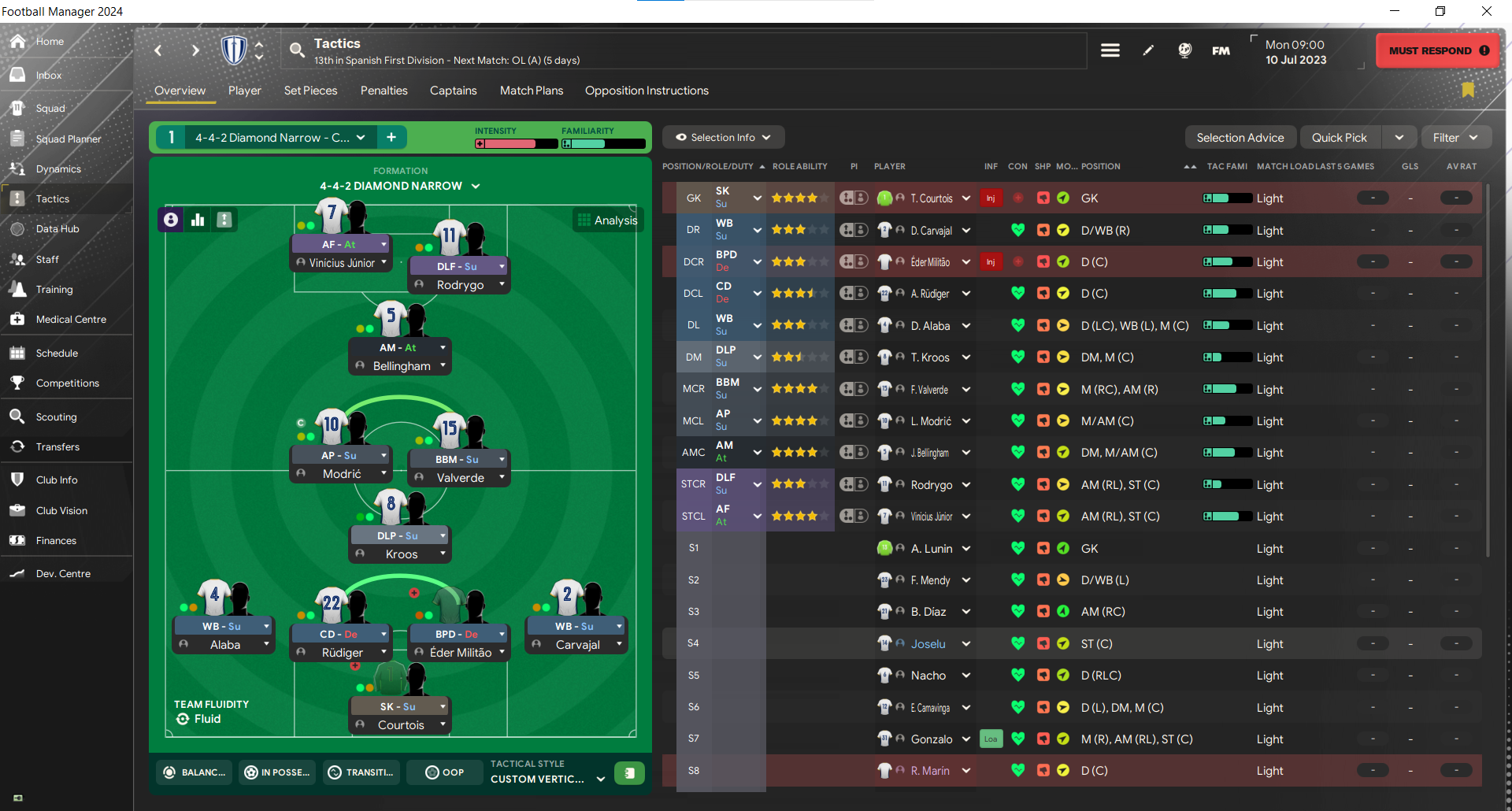
Vertical Tiki-Taka 4-4-2 Diamond Narrow
Custom Vertical Tiki-Taka
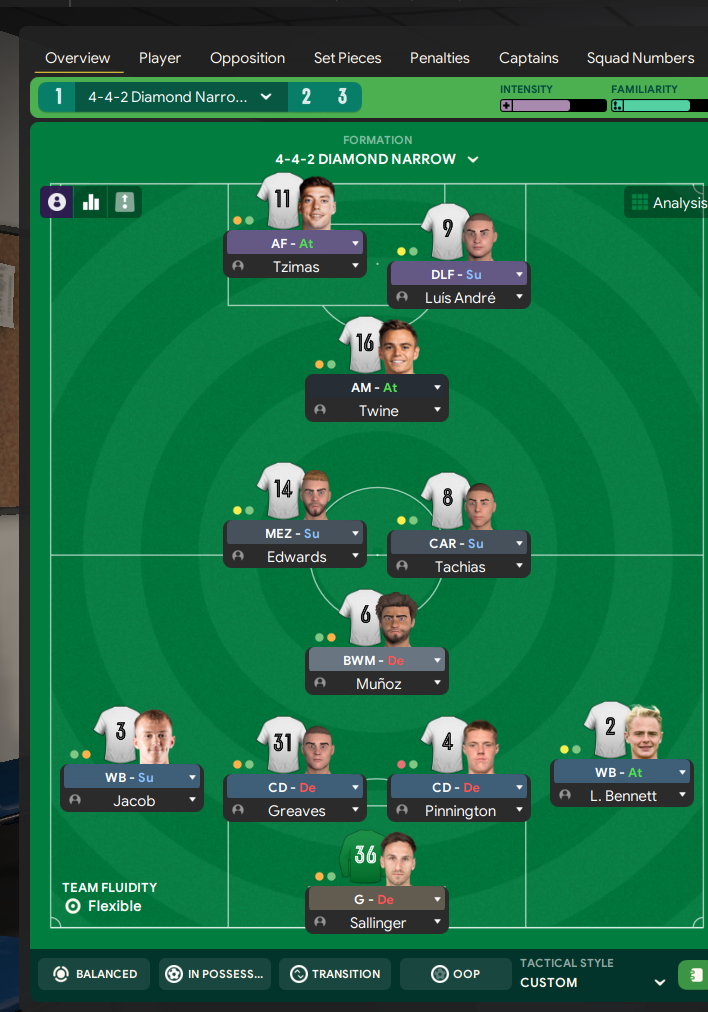
4-4-2 Diamond Narrow Formation
Custom
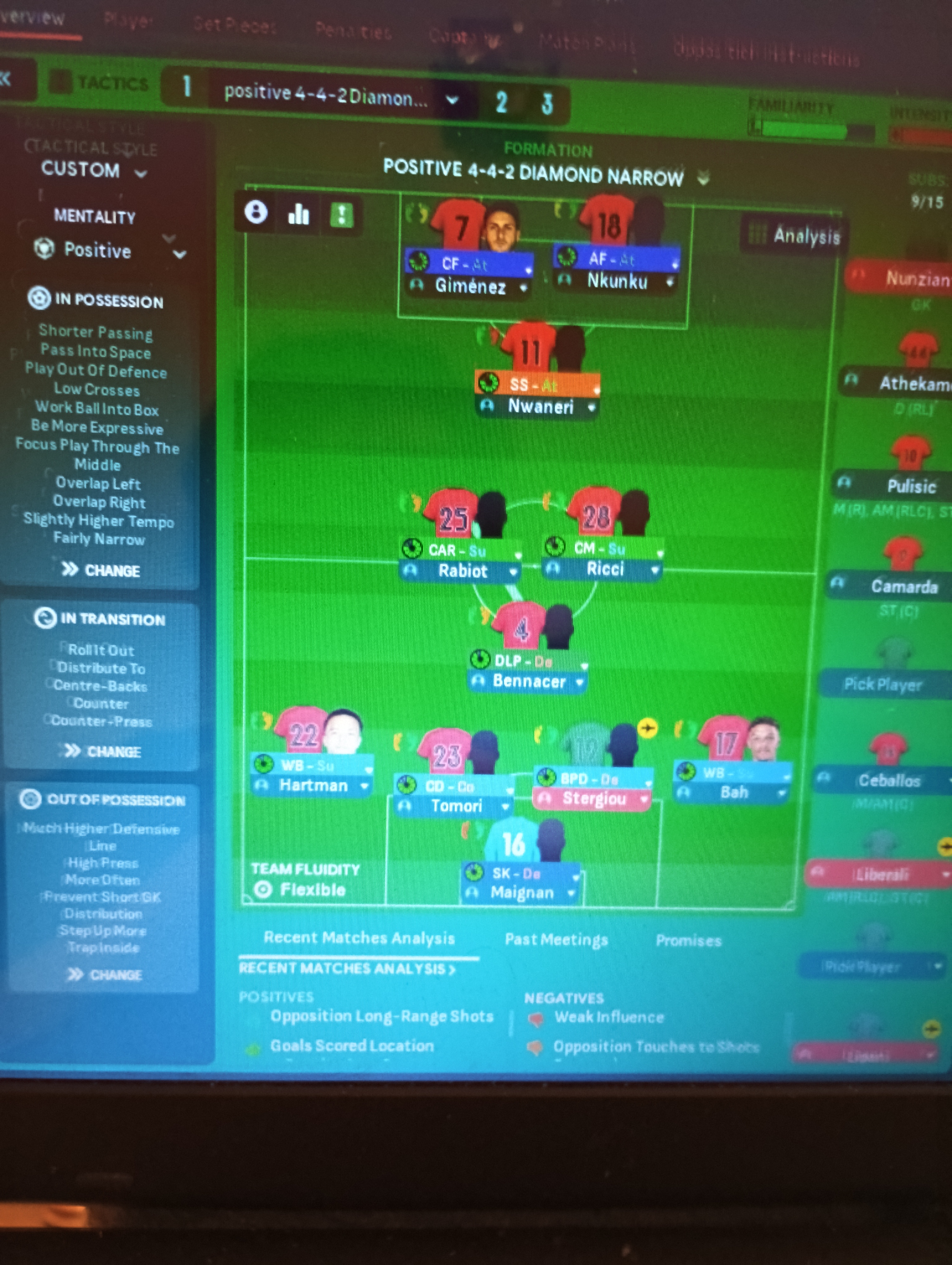
4-4-2 Diamond Narrow Formation
Custom
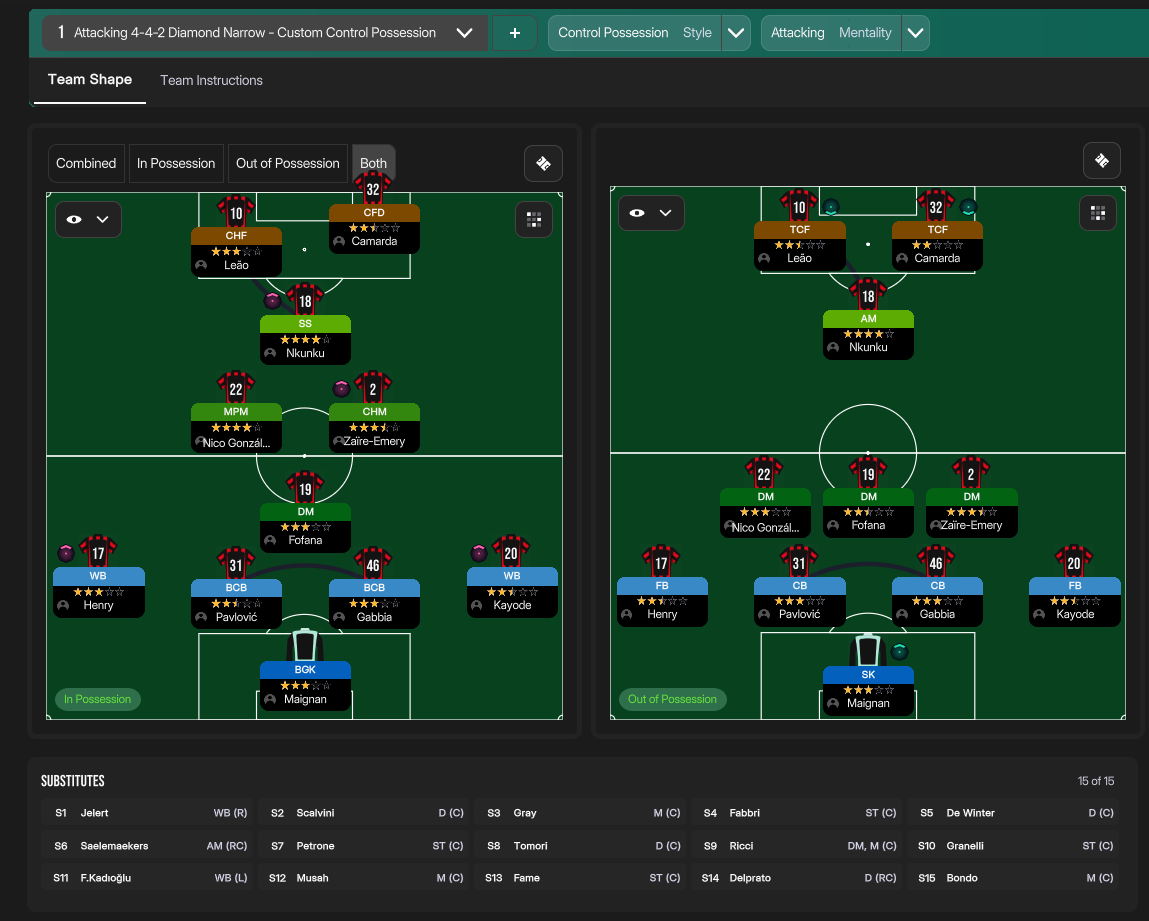
Control Possession 4-4-2 Diamond Narrow
Control Possession
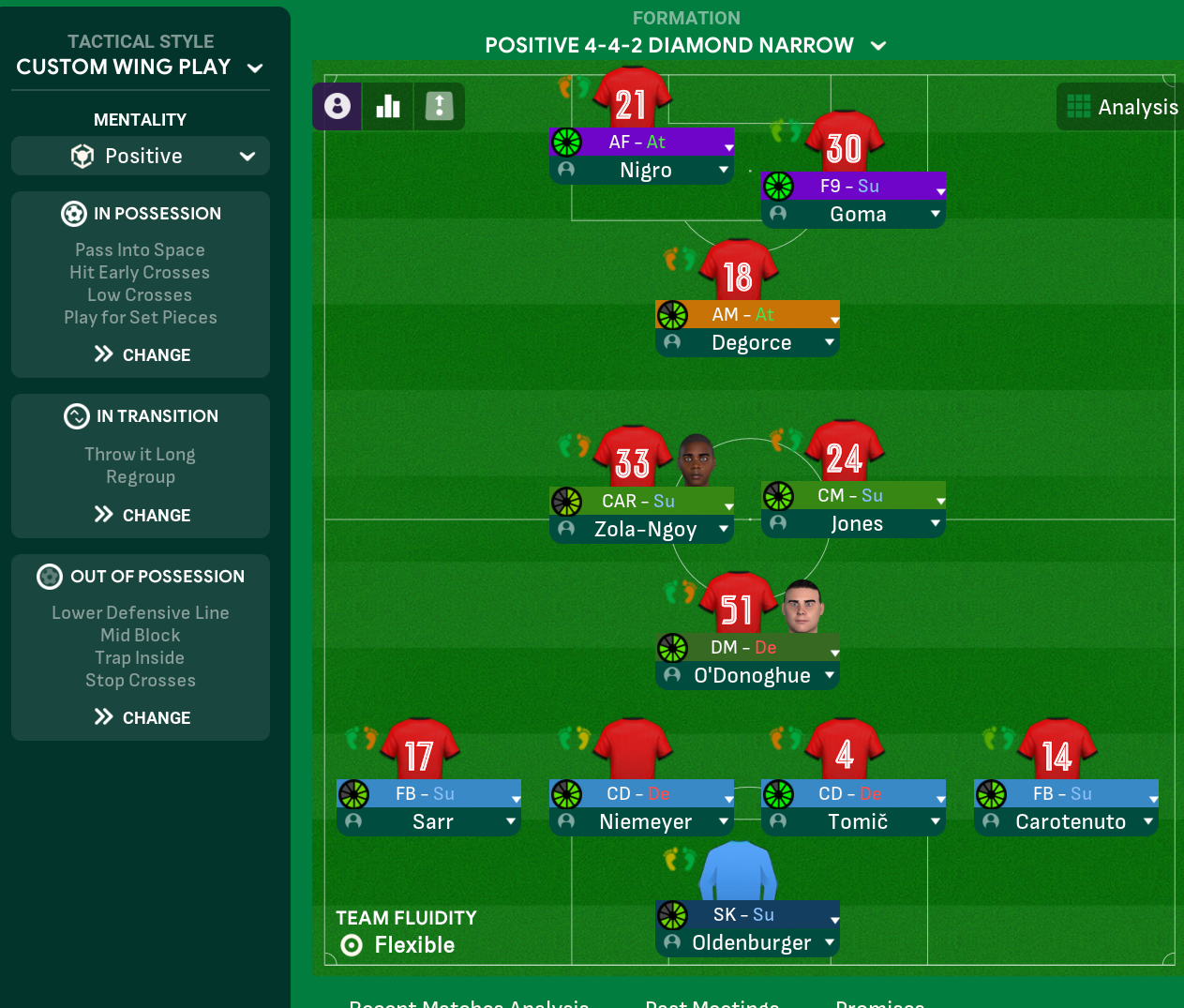
Wing Play 4-4-2 Diamond Narrow
Custom Wing Play
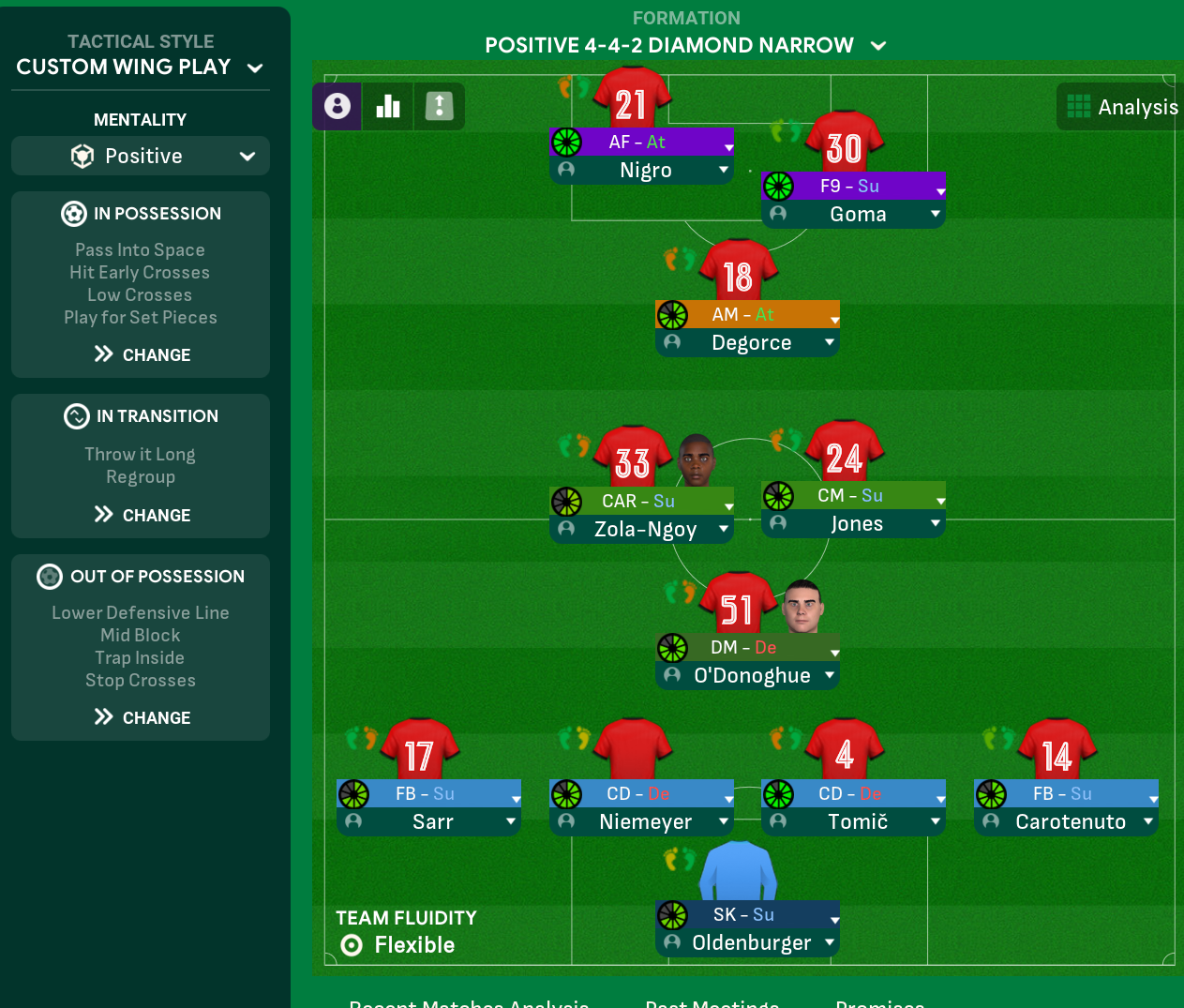
Wing Play 4-4-2 Diamond Narrow
Custom Wing Play
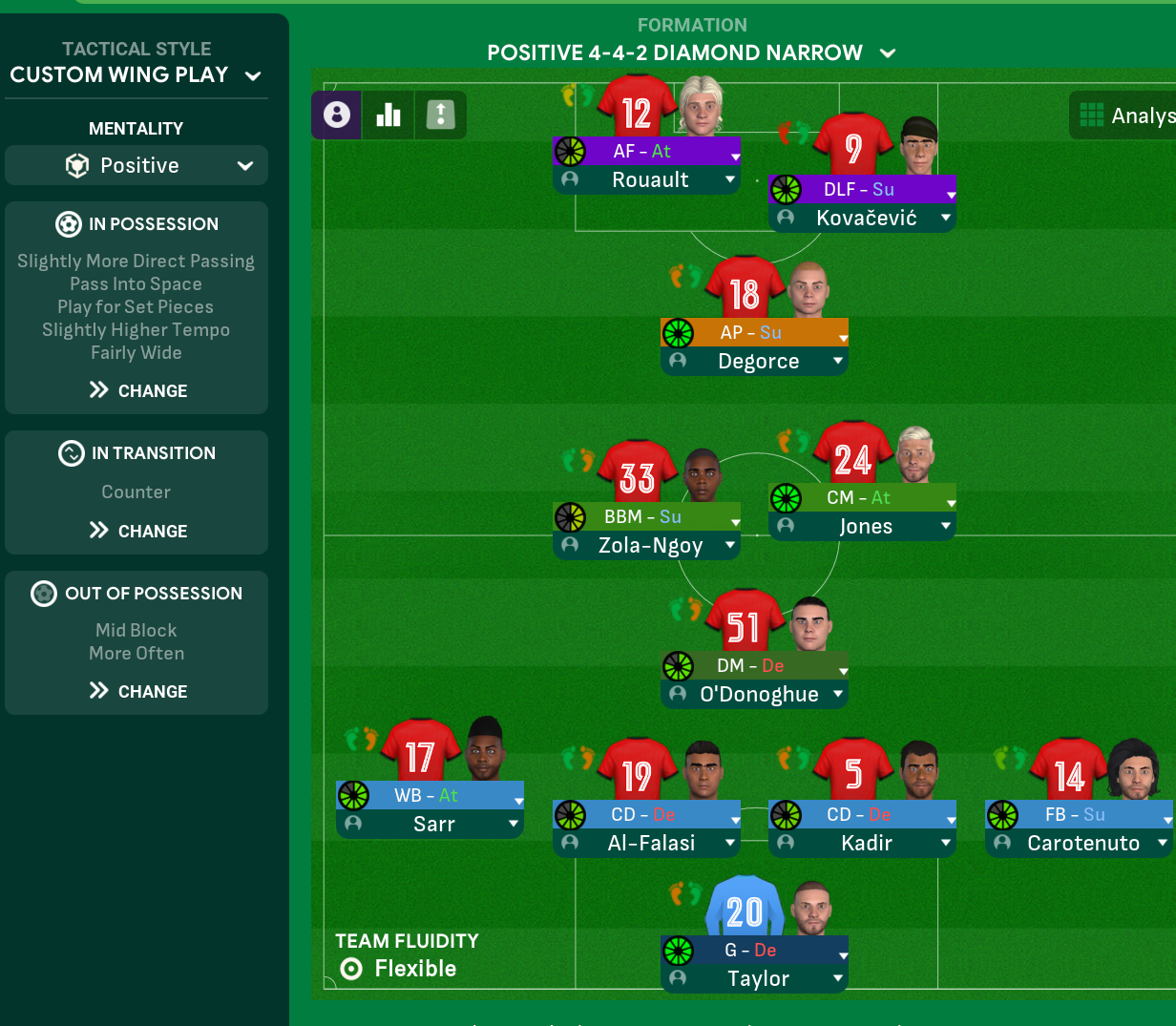
Wing Play 4-4-2 Diamond Narrow
Custom Wing Play
More Vertical Tiki-Taka tactics
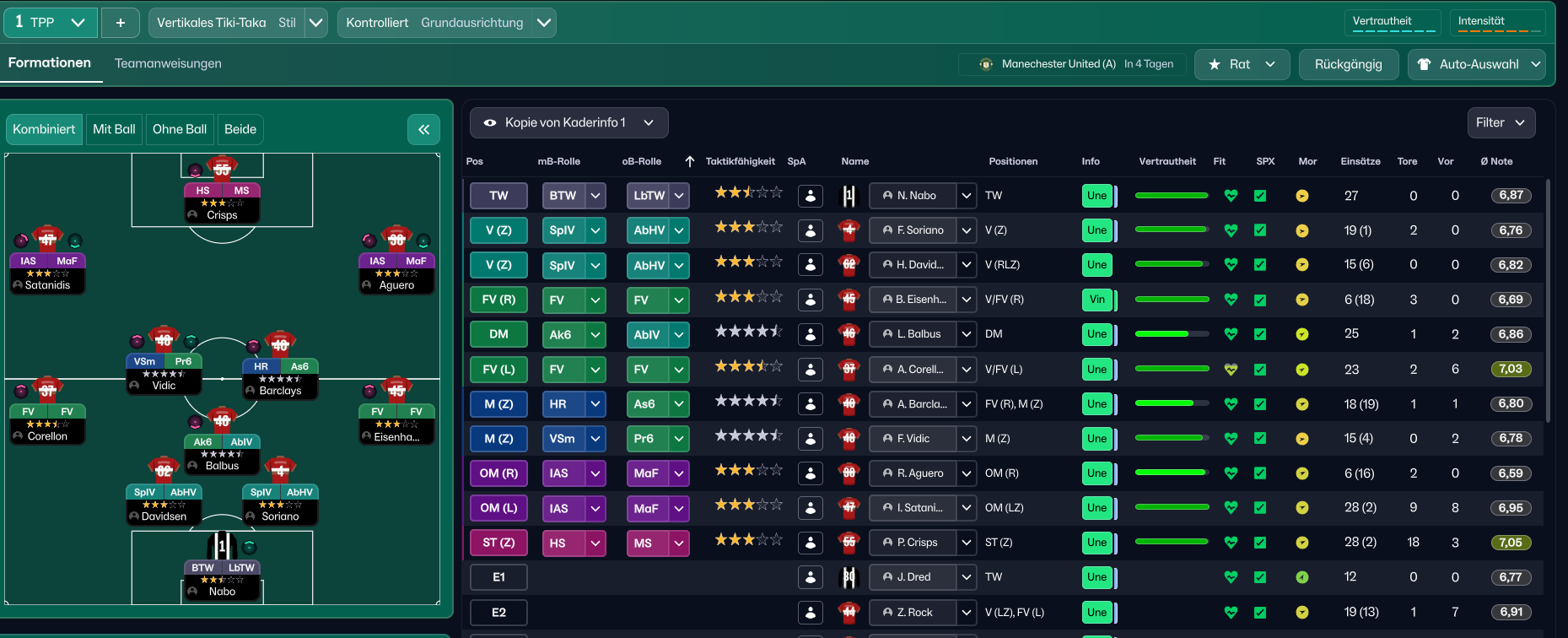
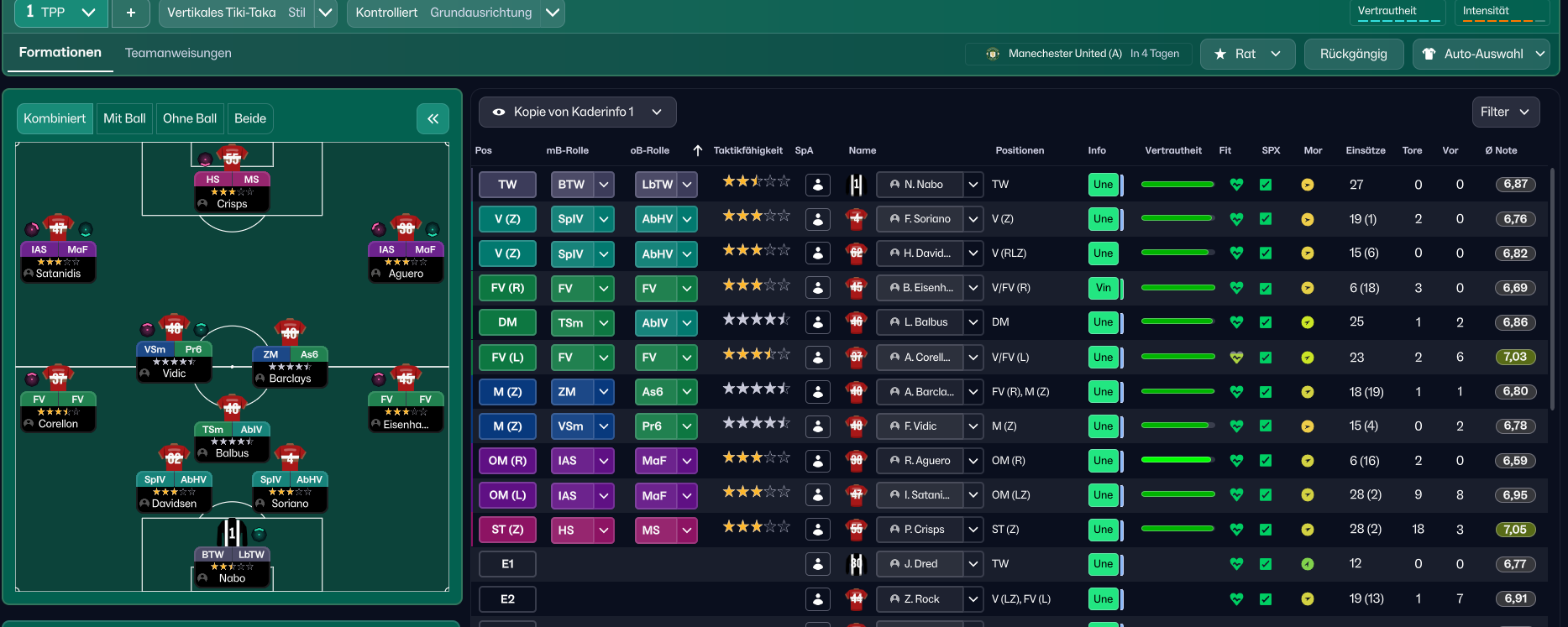
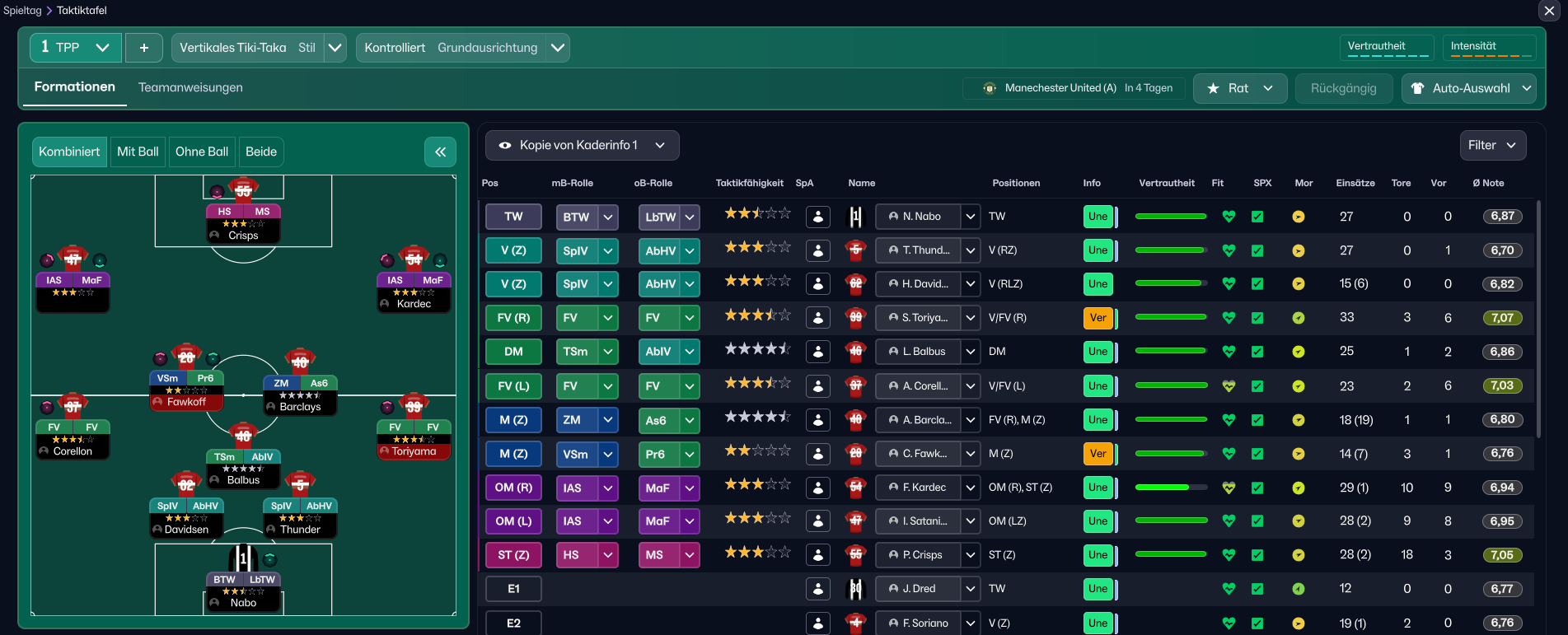
Guides for this formation
The tactical theory behind the 4-4-2 Diamond Narrow: roles, instructions, and the trade-offs that decide whether the system holds up.
Player pairings
Midfield Pairs in 4-2-3-1 and 4-4-2
Double pivots and flat pairs in 4-2-3-1 and 4-4-2: when each pairing works, when it collapses, and the AMC unicorn that rescues both.
Read guide
Playing styles
Direct, Vertical Football
Long-ball football done well in FM. When direct, vertical play is the right choice, and what the Direct Passing TI actually changes.
Read guide
Playing styles
Counter-Attacking Excellence
Sit deep, win the ball, and break in three passes. The roles, instructions, and squad profile that make it work.
Read guide