Uploaded Tactic
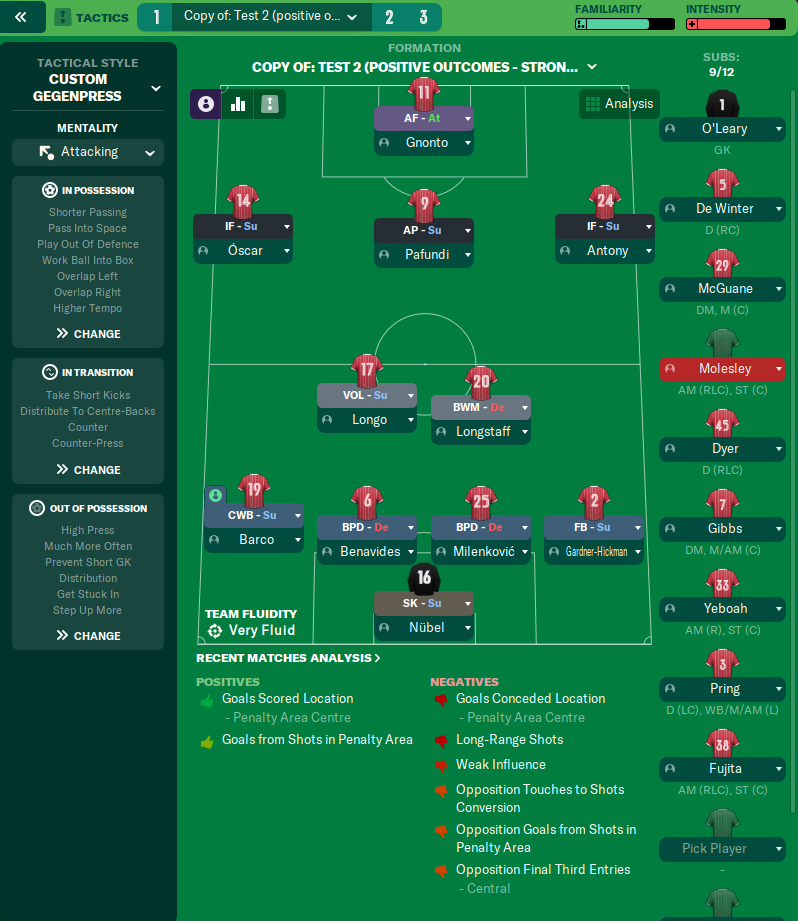
Formation & Style
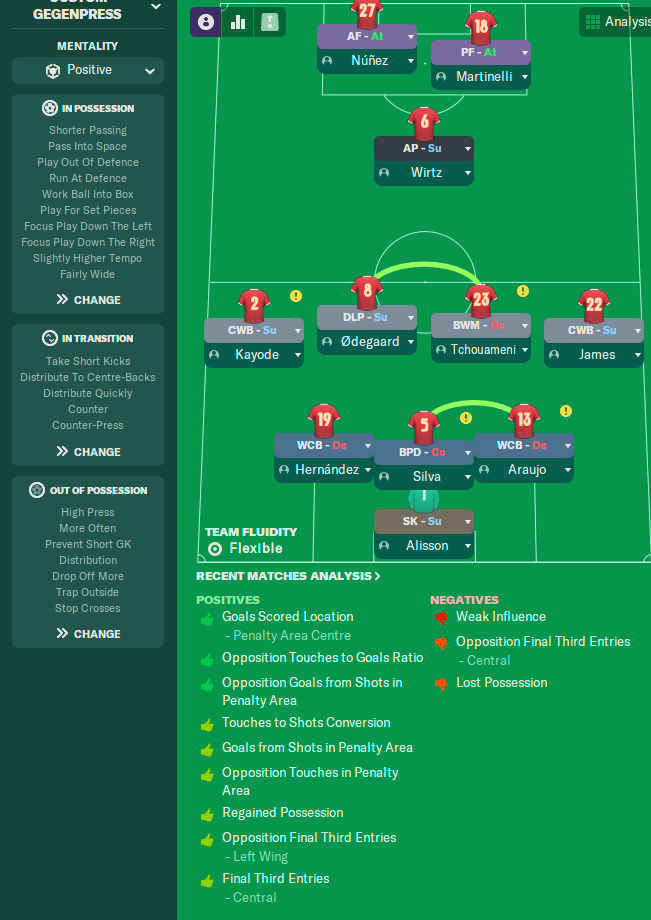
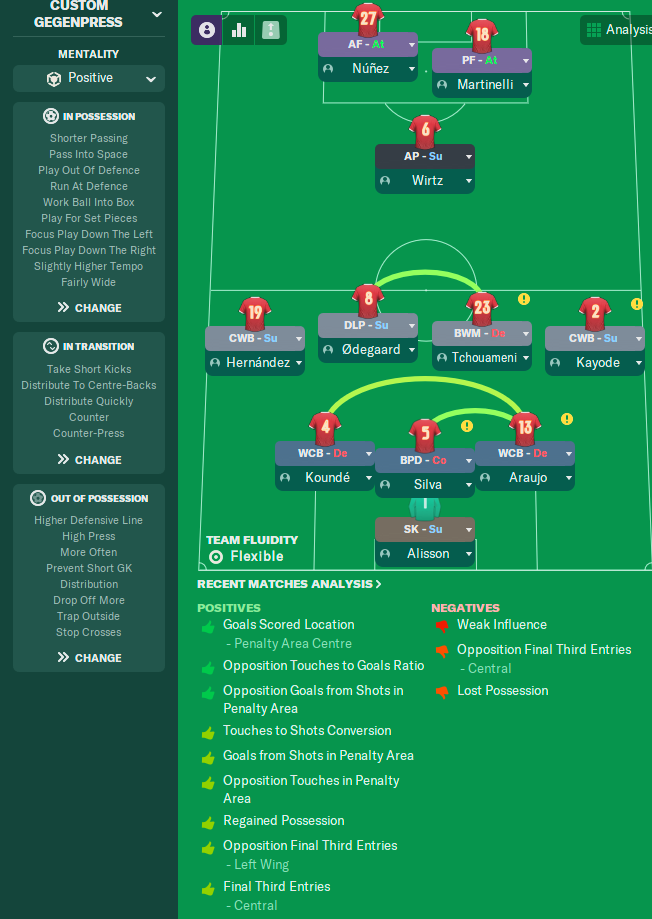
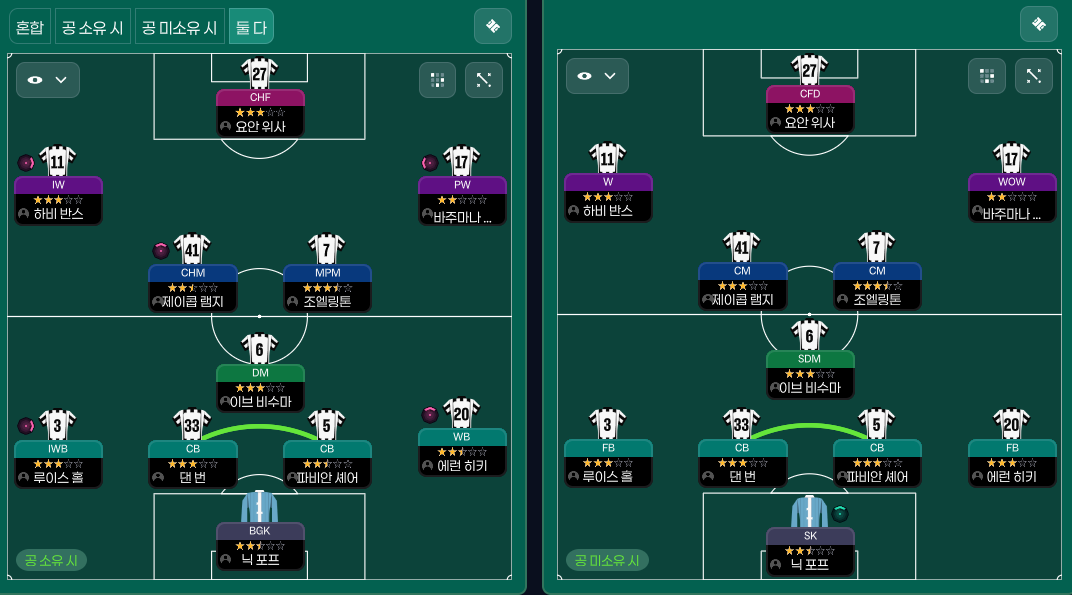
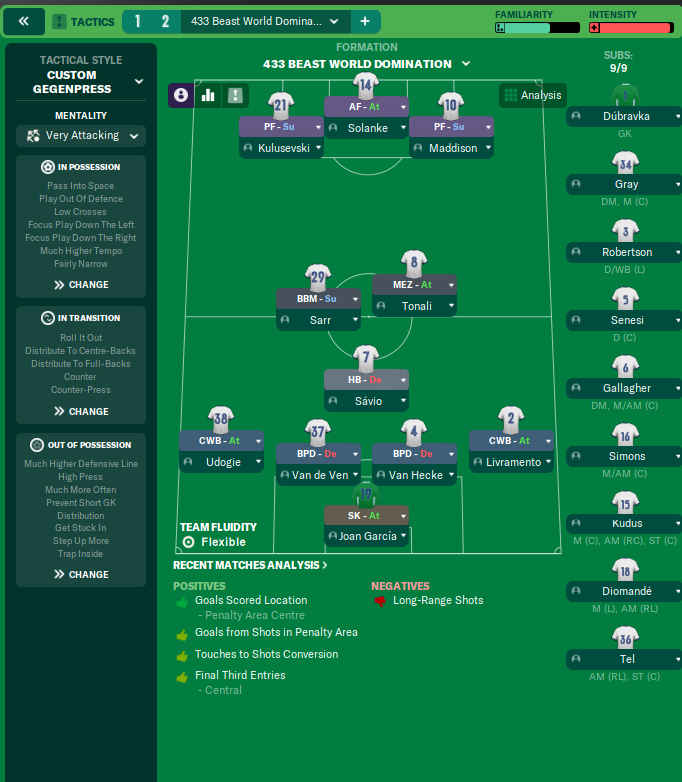
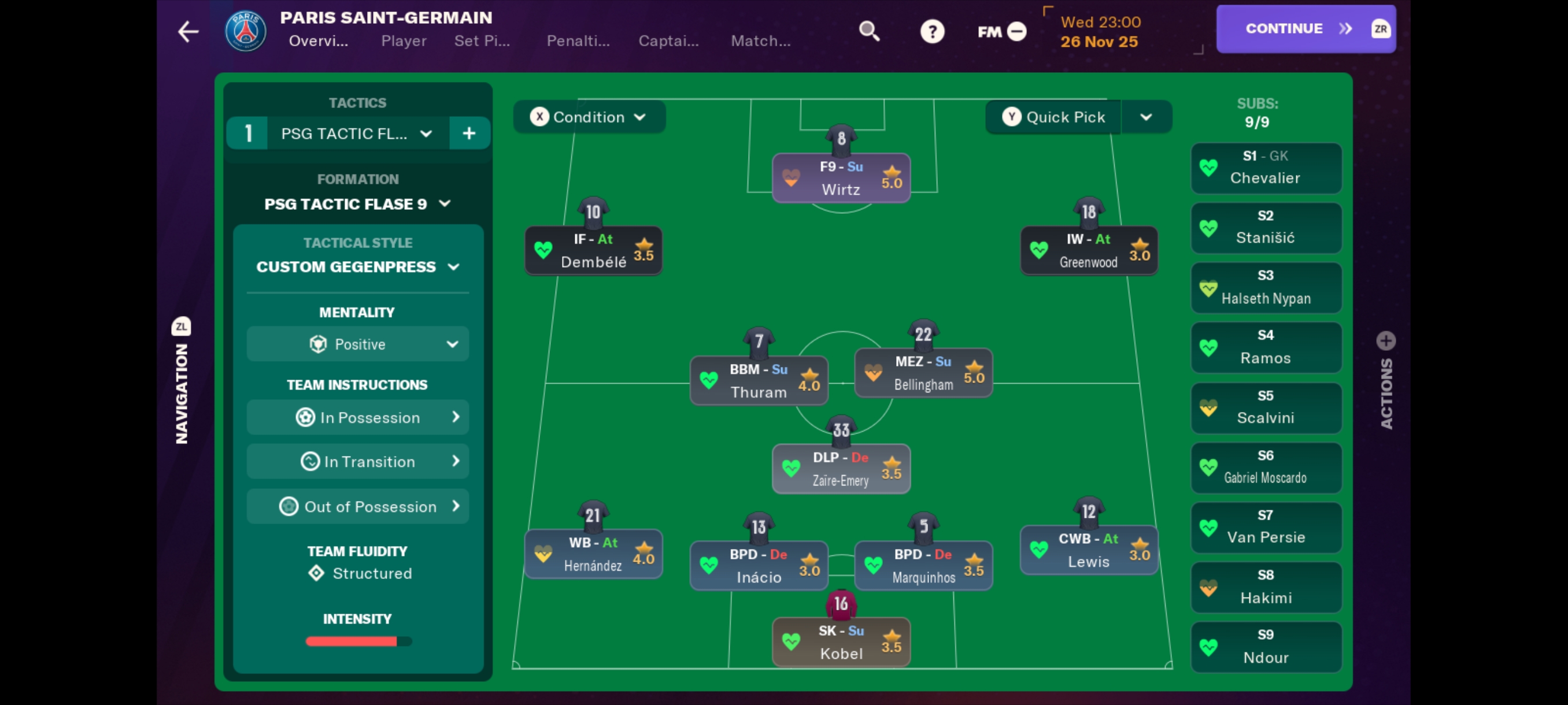
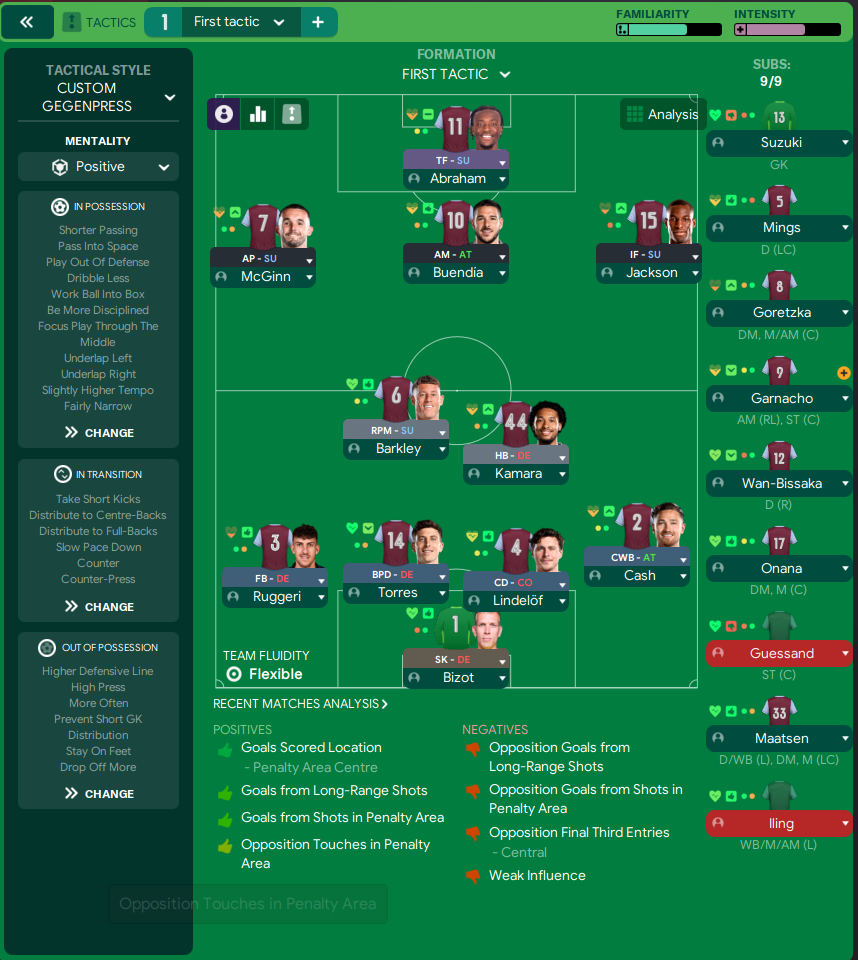
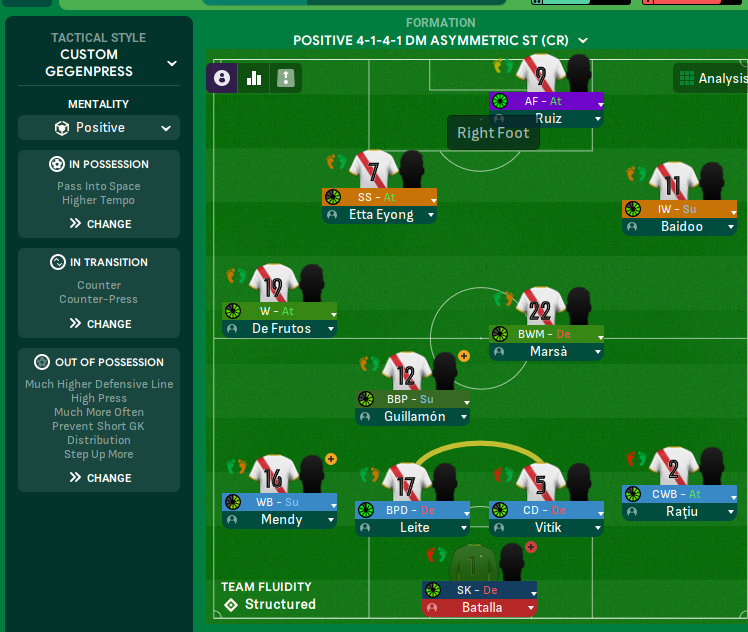
Tactical Style:Custom Gegenpress
Mentality:Attacking
Formation:3-2-4-1
Team Fluidity:Very Fluid
In Possession
Shorter Passing
Pass Into Space
Work Ball Into Box
Overlap Left
Overlap Right
Higher Tempo
In Transition
Take Short Kicks
Distribute To Centre-Backs
Counter
Counter-Press
Out of Possession
High Press
Much More Often Prevent Short GK Distribution
Get Stuck In
Team Shape Without Ball
Shape:Compact with high pressing
Description:Defensive shape aims to contain space and create pressure on ball carriers effectively.
Evidence:High Press and Get Stuck In instructions emphasize aggressive defending.
Team Shape With Ball
Shape:Fluid with wide play
Description:Attacking shape allows for dynamic movement, utilizing overlapping runs from wing-backs and inside forwards cutting inside.
Evidence:Overlap Left, Overlap Right, and Higher Tempo instructions align with the fluid attack.
Phase Description
Attacking Play
Focus on short and precise passing while maintaining high tempo to break the opposition's lines. Overlapping runs from the wing-back on the left create width and space.
Defensive Transition
Quickly pressurize opponents to regain possession following loss along with a counter-press approach.
Main Focus
Utilizing width and through-balls to exploit gaps in opponent's defense.
Key Strengths
Strong Attack Through the Middle
Utilization of advanced playmaker centralizes attacks effectively.
Fluid Wing Play
Complete wing-back supports attacks enhancing width.
Defensive Solidity
Two ball-playing defenders can initiate counter-attacks.
Conflicting Directions
Risk of Overcommitment
High pressing may leave gaps at the back if opponents bypass initial pressure.
Vulnerability to Counter-Attacks
Pushing players forward may leave the defensive line exposed if losing possession.
Inconsistency in Midfield Balance
With two roles relying on support, defensive duties may be compromised.
Tactical Suggestions
Consider an Anchor Role
An anchor could provide more stability in defensive transitions.
Adjust Pressing Intensity
Fine-tune pressing to avoid overcommitment and maintain defensive organization.
Utilize More Direct Play
In specific matches, direct play could stretch defenses for a quick score.
Ask Questions About Your Lineup
Related Tactics
More Custom Gegenpress tactics
Guides for this formation
The tactical theory behind the 3-2-4-1: roles, instructions, and the trade-offs that decide whether the system holds up.