Uploaded Tactic
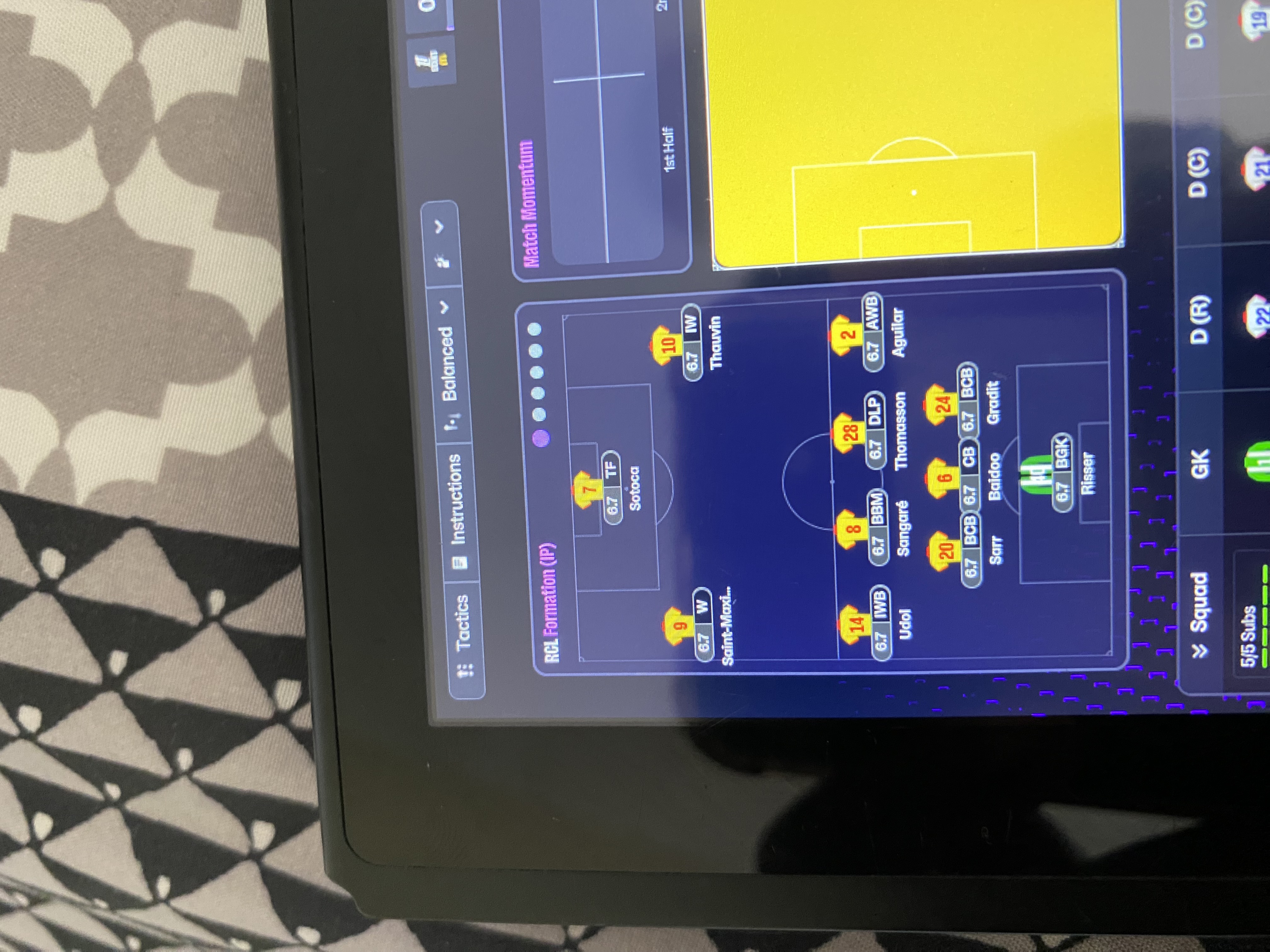
Formation & Style
Tactical Style:Balanced
Mentality:Positive
Formation:3-2-4-1
Team Fluidity:Fluid
In Possession
Play Out of Defence
Work Ball Into Box
Cross More Often
In Transition
Counter-Press
Counter
Out of Possession
Higher Defensive Line
Higher Line of Engagement
Prevent Short GK Distribution
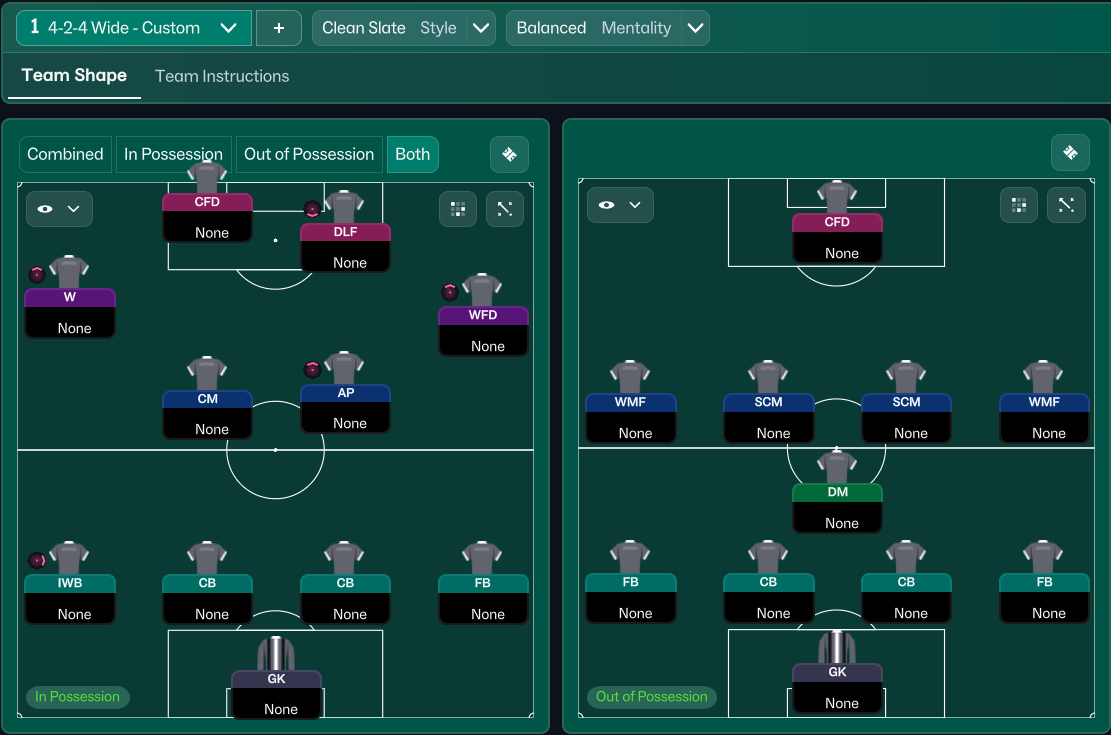
Team Shape Without Ball
Shape:Compact
Description:The team maintains a solid three-man defense with wing-backs providing width.
Evidence:3 Ball-Playing Defenders at [2,1], [2,3], [2,5] aid defensive solidity.
Team Shape With Ball
Shape:Fluid with width
Description:Attacking shape features wide players and a target forward for aerial support.
Evidence:Target Forward [6,3] and Wingers at [5,2] and [5,4] create space.
Phase Description
Attacking Play
Focus on building through the middle with support from overlapping wing-backs.
Defensive Transition
Quick transition to support the counter-pressing strategy.
Main Focus
Utilizing width and playmaking from the midfield.
Key Strengths
Solid Defensive Foundation
The inclusion of three Ball-Playing Defenders enhances defensive solidity while allowing fluid ball distribution.
Effective Wide Play
Wingers and Inverted Wing-Backs contribute to attacking width, stretching the opponent's defense.
Midfield Balance
The combination of a Box-to-Box Midfielder and Deep-Lying Playmaker ensures both defensive cover and creative output.
Conflicting Directions
Potential Over-reliance on Wing Play
If the wings are tightly marked, the attack might become predictable and heavily reliant on central play.
Vulnerability on Counter-attacks
Pushing wing-backs forward may leave space at the back for counter-attacking teams.
Three at the Back Risks
While strong during build-up, three defenders may be exposed against teams employing two strikers.
Tactical Suggestions
Consider a more Balanced Midfield
Introducing a more defensively-minded midfielder could strengthen the midfield against transitions.
Adjust Wing-Back Duties
Changing the Inverted Wing-Back to a more conservative role could improve defensive stability.
Exploit Central Play more
Encouraging more passing through the center may create additional spaces for Wingers.
Ask Questions About Your Lineup
Related Tactics
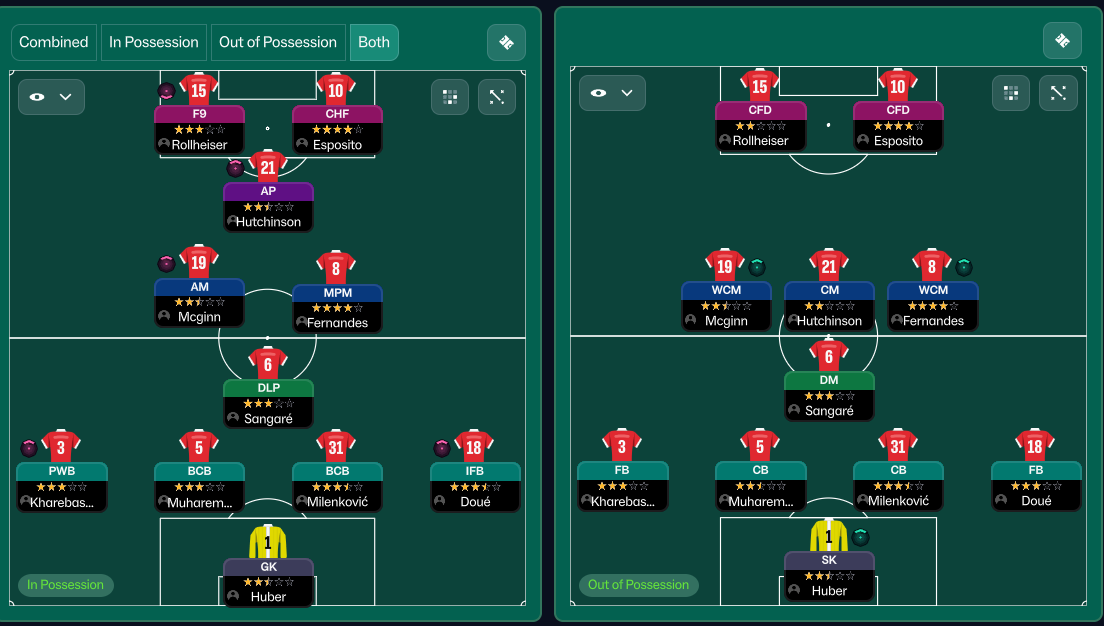
More Balanced tactics
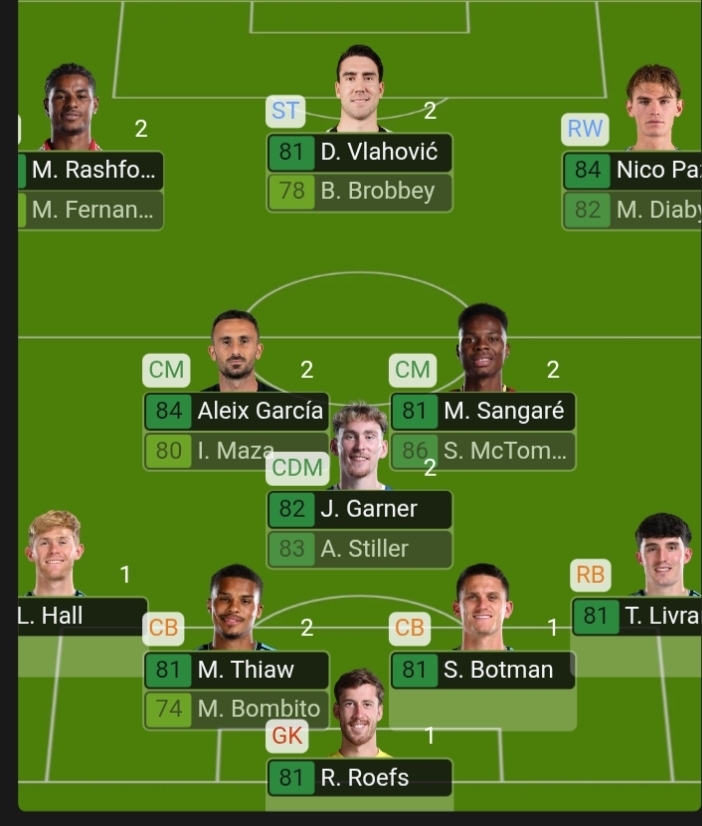
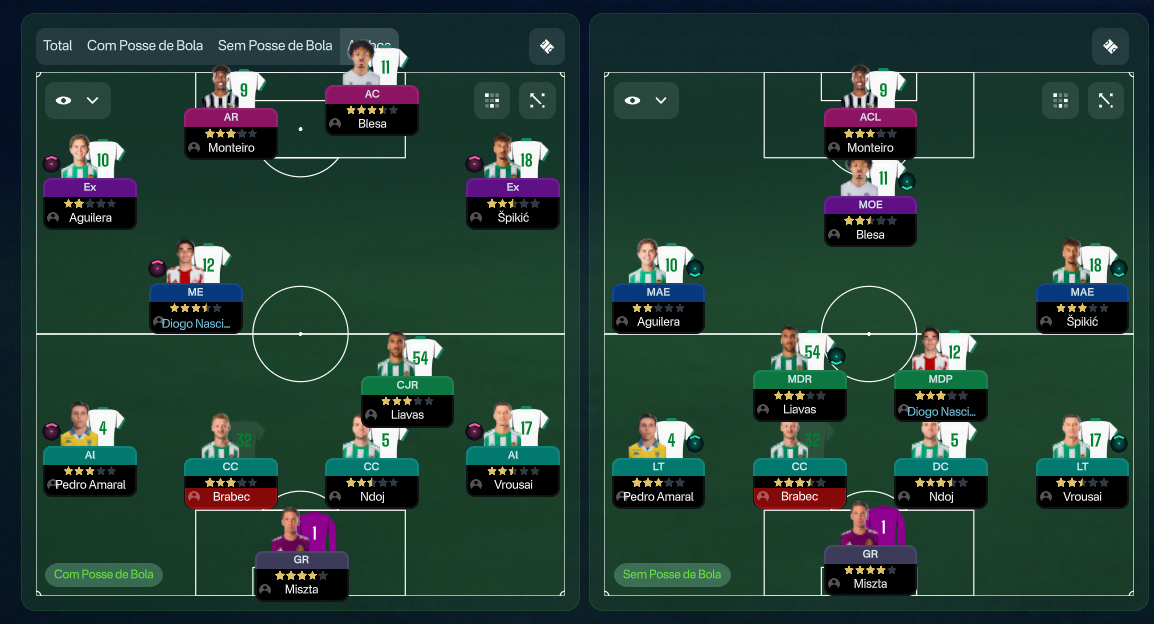
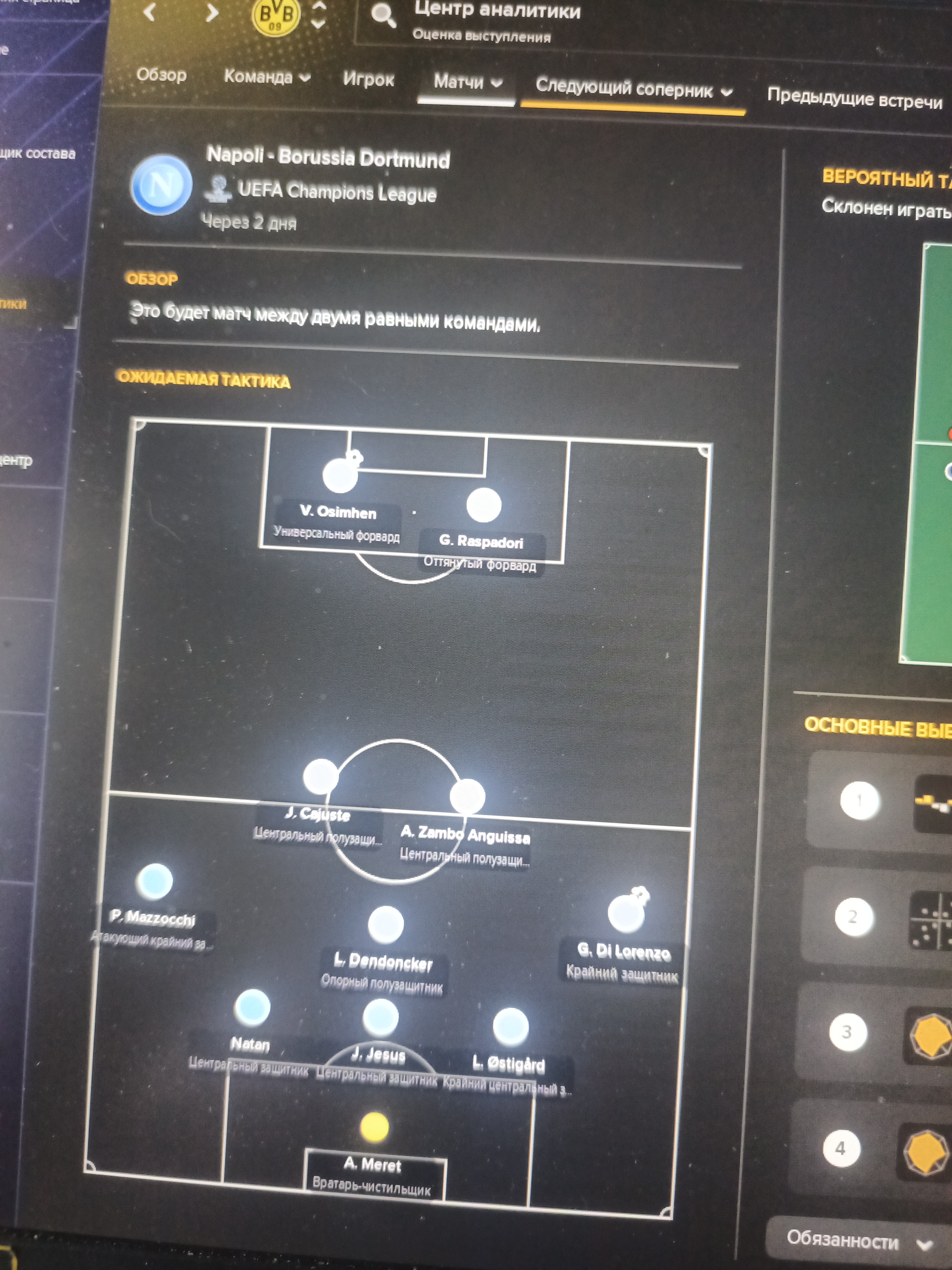
Guides for this formation
The tactical theory behind the 3-2-4-1: roles, instructions, and the trade-offs that decide whether the system holds up.