Uploaded Tactic
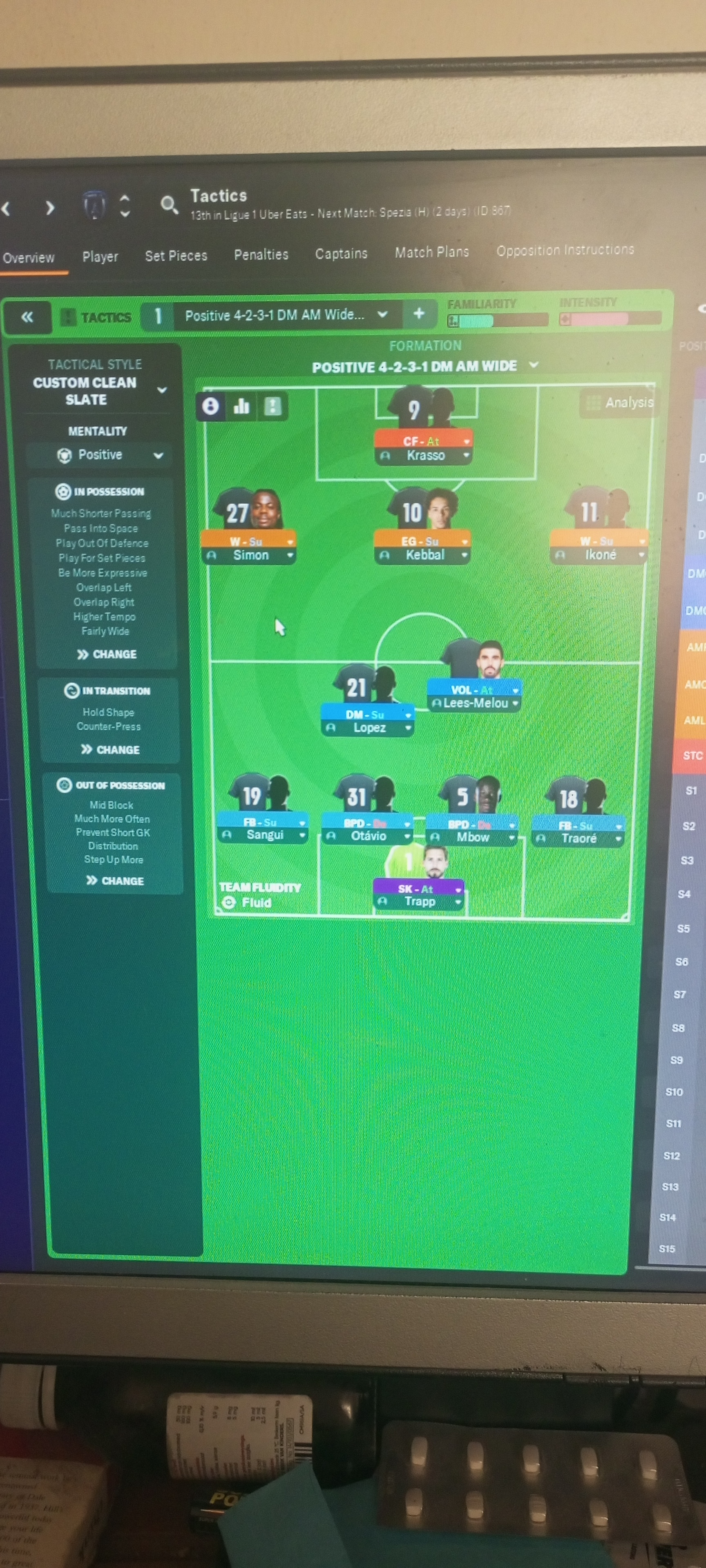
Formation & Style
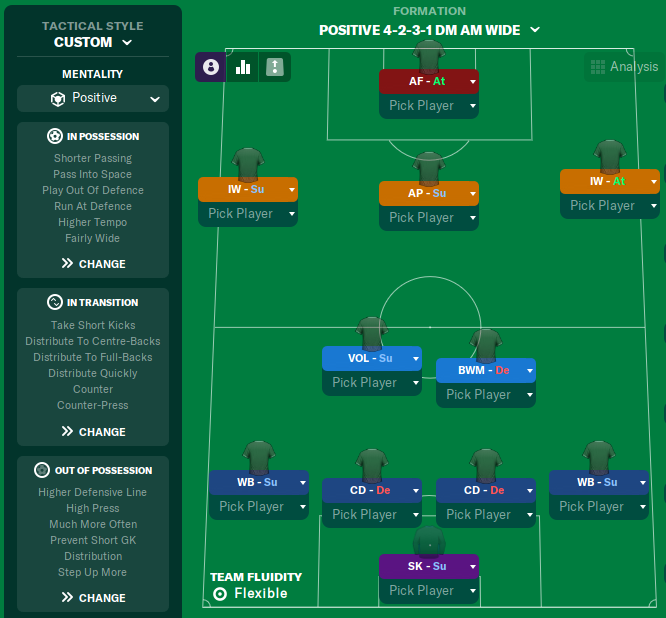
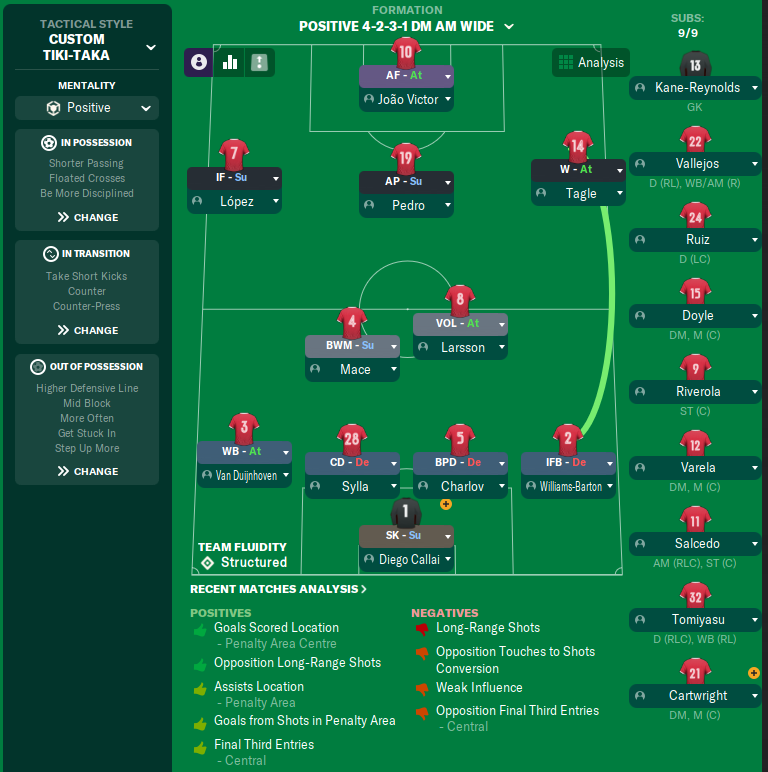
Tactical Style:Custom Clean Slate
Mentality:Positive
Formation:4-2-3-1 DM Wide
Team Fluidity:Fluid
In Possession
Much Shorter Passing
Pass Into Space
Play Out Of Defence
Play For Set Pieces
Be More Expressive
Overlap Left
Higher Tempo
Fairly Wide
In Transition
Hold Shape
Counter-Press
Out of Possession
Mid Block
Much More Often Prevent Short GK Distribution
Step Up More
Team Shape Without Ball
Shape:Mid Block
Description:The team adopts a structured mid-block to limit opposition advance and transition into pressing.
Evidence:'Mid Block' instruction alongside stable defensive positioning.
Team Shape With Ball
Shape:4-2-3-1
Description:Fluid shape with dynamic movement; wingers and Enganche create confusion in the defensive line.
Evidence:'Overlap Left' and 'Be More Expressive' indicate fluid attacking intentions.
Phase Description
Attacking Play
Focus on swift passing and exploiting space through overlaps, especially on the left.
Defensive Transition
Quick to reorganize with a mid-block and counter-pressing to regain possession.
Main Focus
Use width to create opportunities and maintain attacking pressure.
Key Strengths
Fluid Attacking Movement
Utilizing wingers and the Enganche creates fluidity, allowing for varied attacking threats.
Defensive Resilience
Two Ball-Playing Defenders in central positions provide solid defensive coverage and support for build-up.
Versatile Midfield Roles
Mixture of Volante and Deep-Lying Playmaker offers both defensive stability and attacking options.
Conflicting Directions
High Tempo vs. Defensive Solidity
The emphasis on high tempo may drain players' stamina, impacting defensive solidity later in matches.
Fluidity vs. Positioning Discipline
While fluidity promotes creativity, it may lead to positional disorganization during defensive phases.
Counter-Pressing Balance
Counter-pressing requires commitment; players may overcommit, leading to spaces for opposition counterattacks.
Tactical Suggestions
Adjust Midfield Balance
Consider adjusting the role of the DM to better support both defense and attack.
Experiment with Higher Defensive Line
Advancing the defensive line could optimize pressing opportunities but requires pacey CBs.
Implement Zone Marking
Eschew man marking to maintain team structure during defensive transitions.
Ask Questions About Your Lineup
Related Tactics
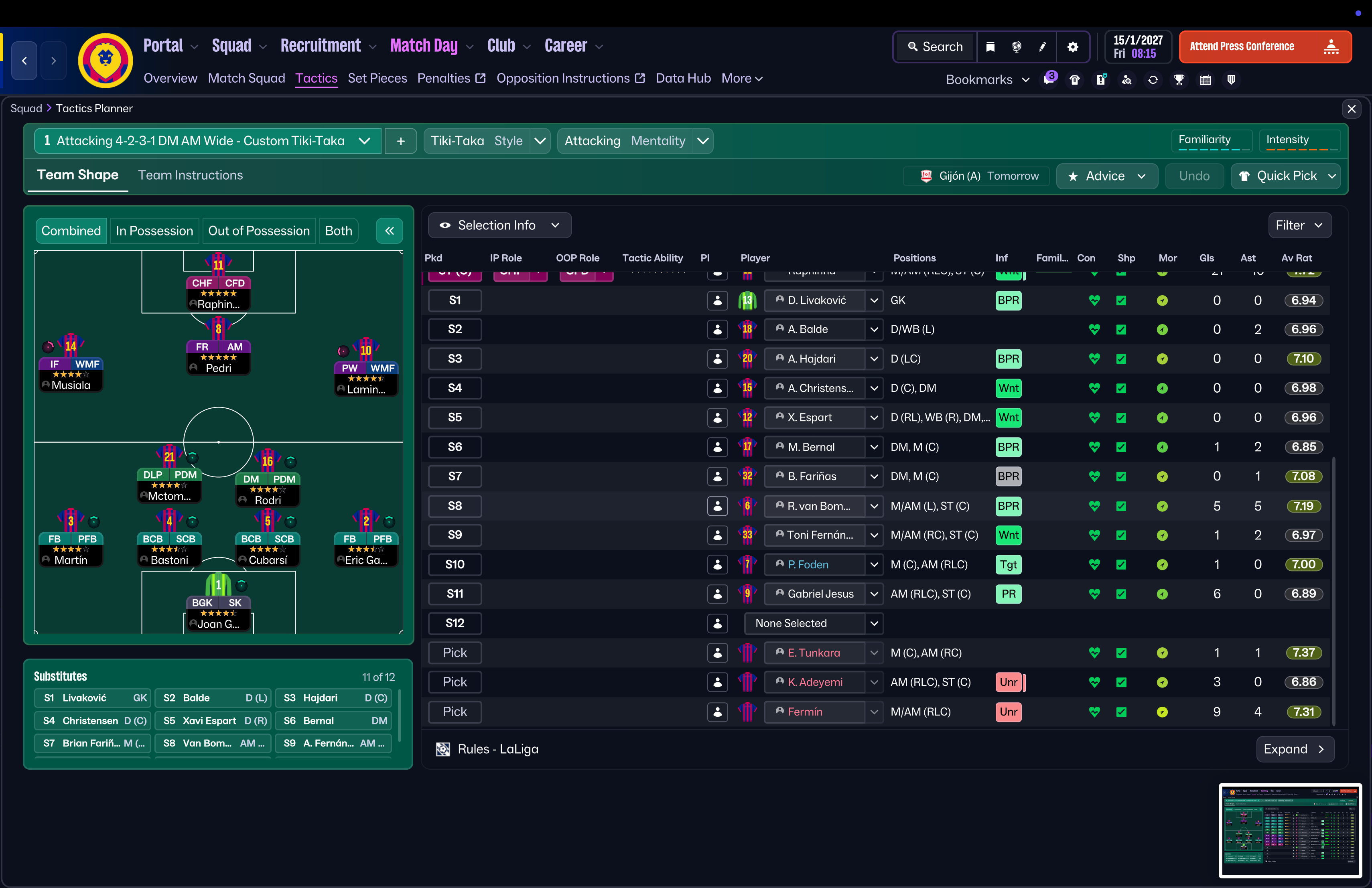
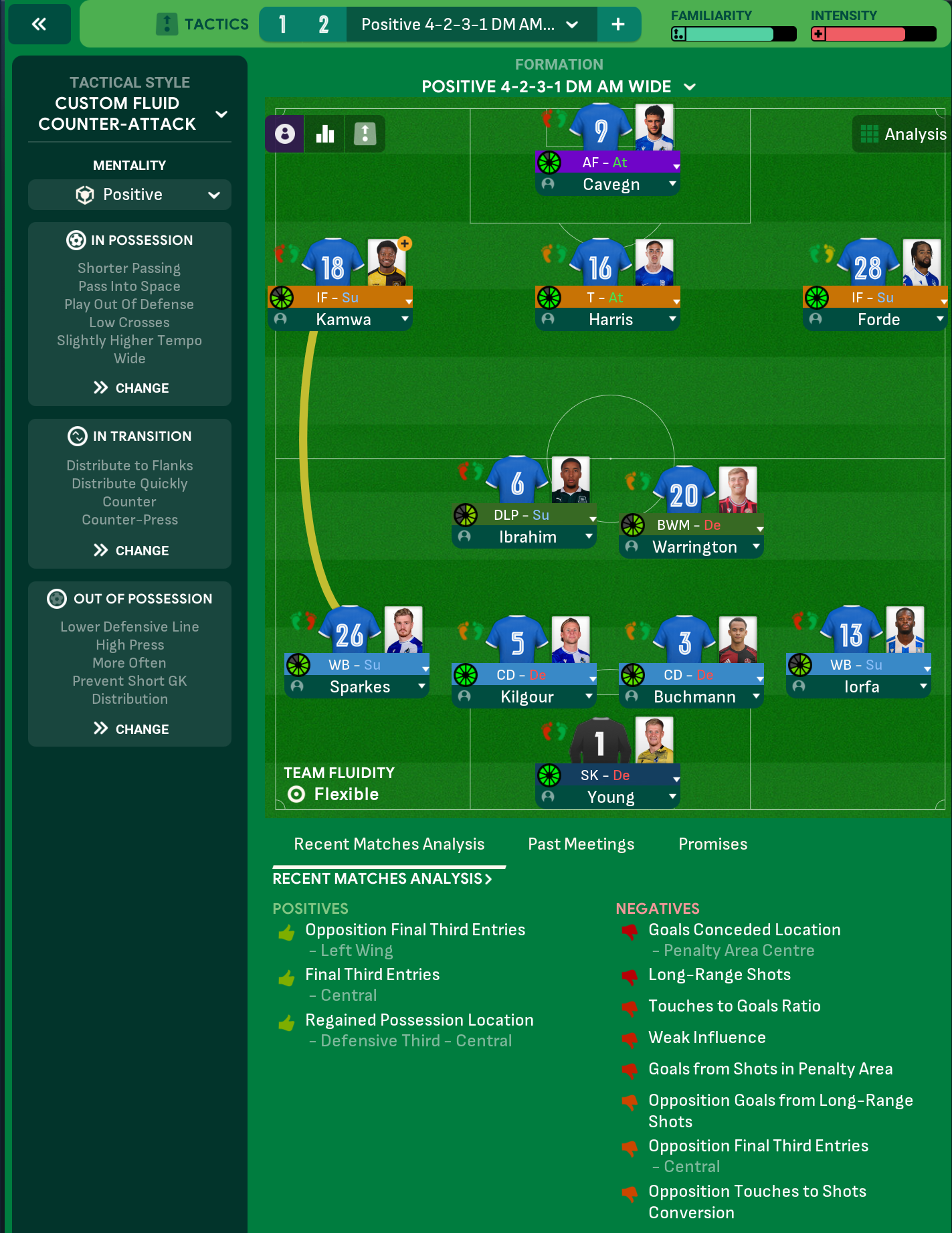
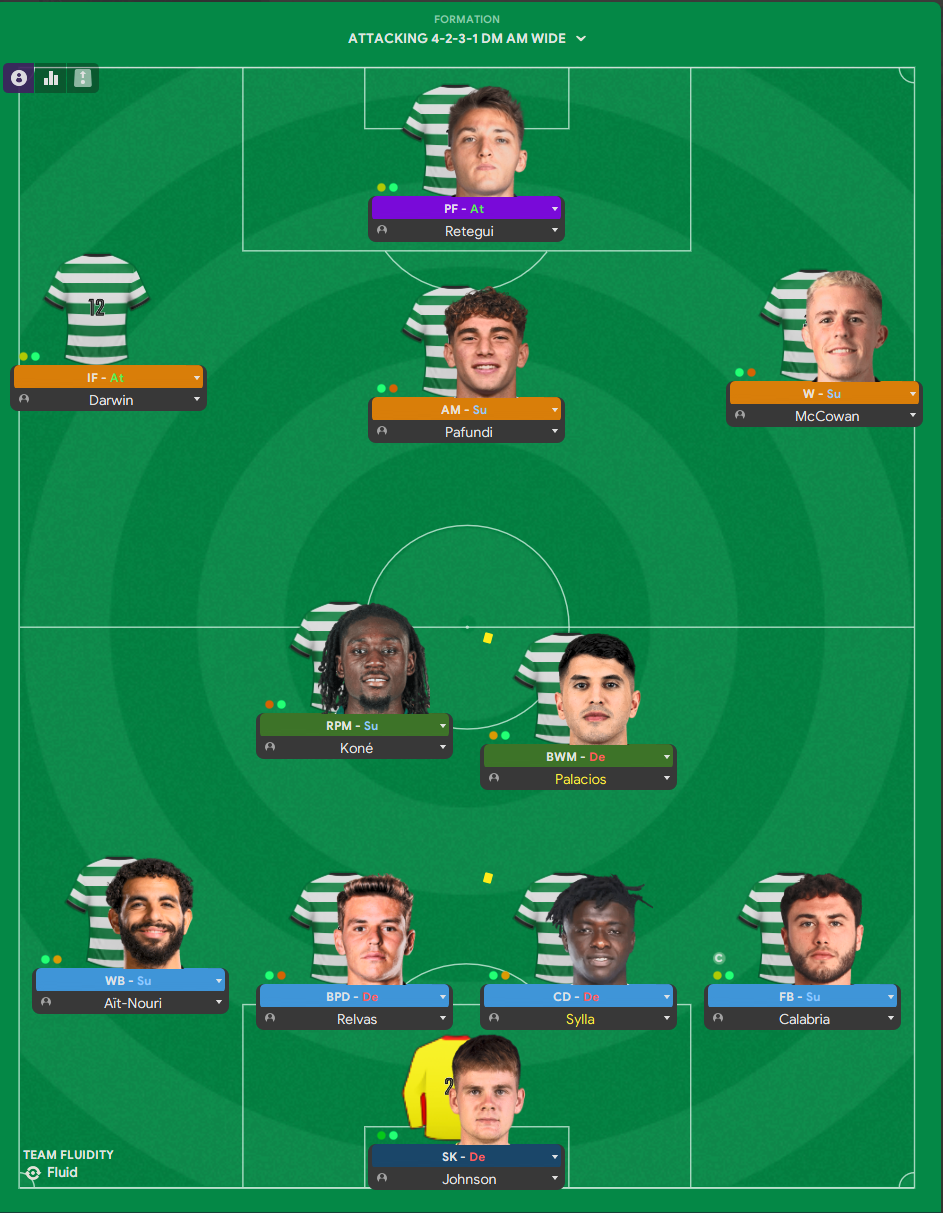
More Custom Clean Slate tactics
Guides for this formation
The tactical theory behind the 4-2-3-1 DM Wide: roles, instructions, and the trade-offs that decide whether the system holds up.
Player pairings
Midfield Pairs in 4-2-3-1 and 4-4-2
Double pivots and flat pairs in 4-2-3-1 and 4-4-2: when each pairing works, when it collapses, and the AMC unicorn that rescues both.
Read guide
Playing styles
Gegenpressing: A Full Guide
Klopp-style gegenpressing in FM, including squad profile, line-and-press pairing, sustainable workload, and the antipatterns to avoid.
Read guide