Uploaded Tactic
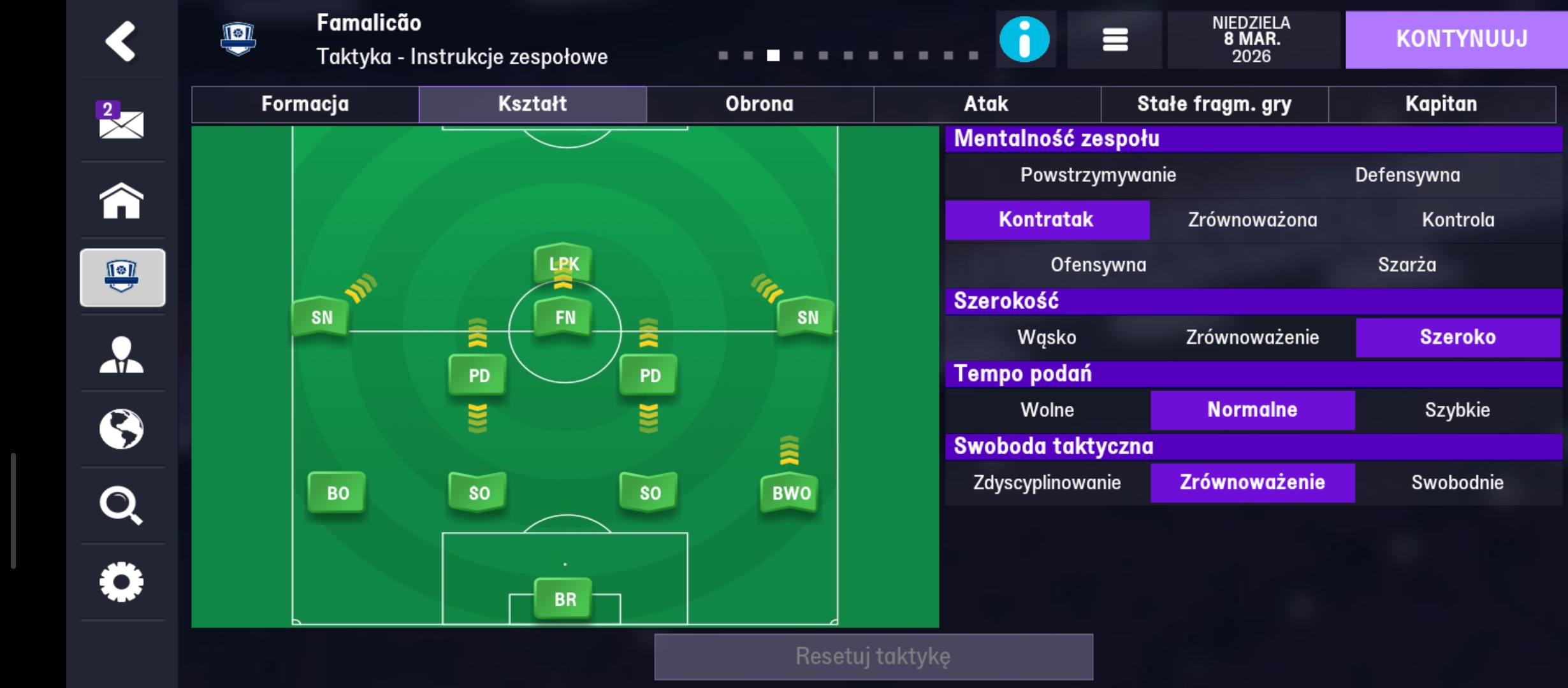
Formation & Style
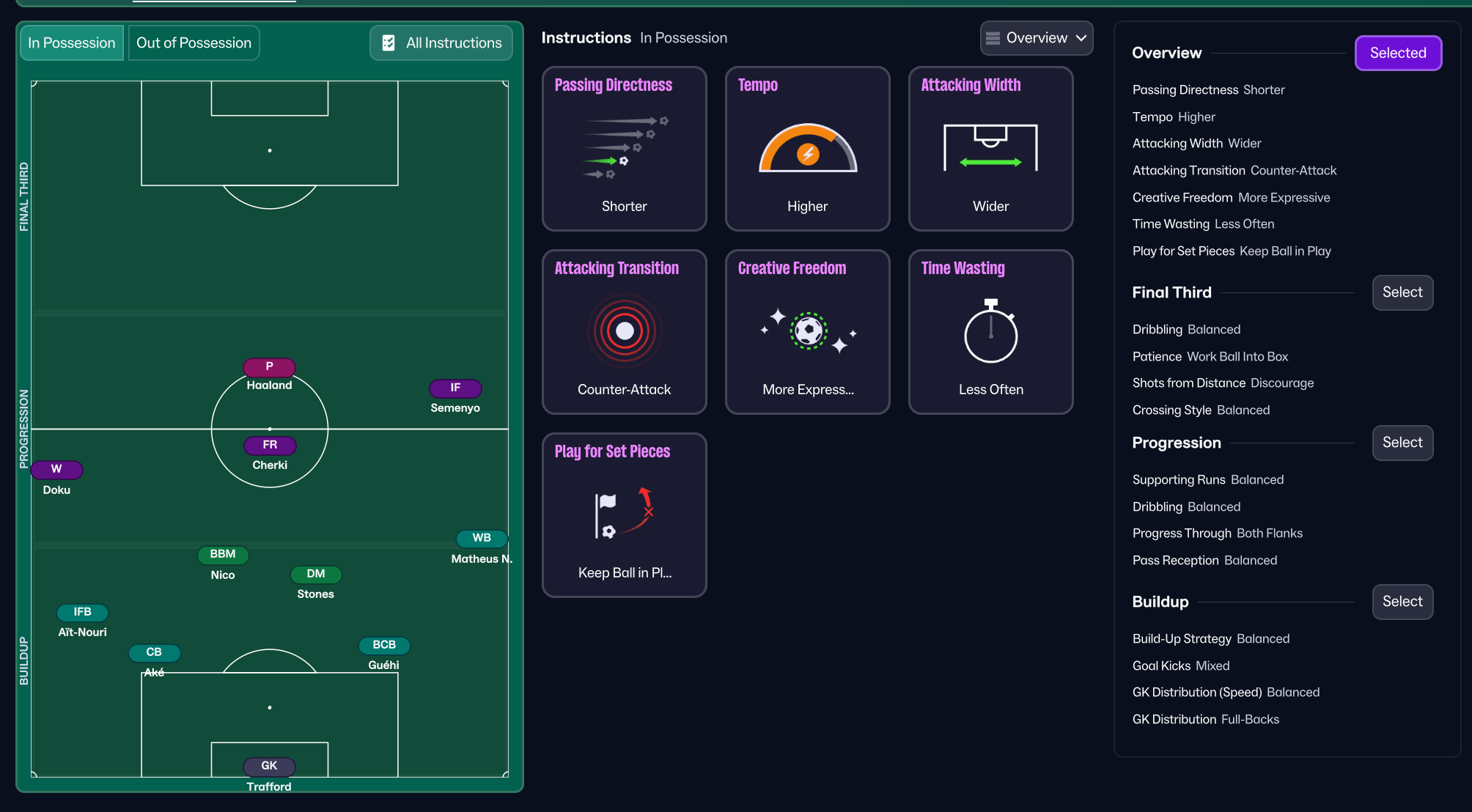
Tactical Style:Counter-Attack
Mentality:Defensive
Formation:4-2-3-1
Team Fluidity:Balanced
In Possession
Shorter Passing
Maintain Width
Quick Tempo
In Transition
Balanced Transition
Counter-Press
Out of Possession
Higher Defensive Line
Higher Line of Engagement
Discipline
Team Shape Without Ball
Shape:4-2-3-1
Description:Well-organized and compact shape when out of possession, allowing for quick recovery.
Evidence:Defensive lines are maintained through full-backs and ball-playing defenders.
Team Shape With Ball
Shape:4-2-3-1
Description:Using width and fast transitions, supported by inside movements from wingers.
Evidence:Inside Forward and Winger roles are positioned to stretch the opposition.
Phase Description
Attacking Play
Focus on quick transitions utilizing the width and pace of the wingers.
Defensive Transition
Counter-press quickly to regain possession upon losing the ball.
Main Focus
Balancing possession while remaining compact defensively.
Key Strengths
Defensive Solidity
The defensive line is well-structured with ball-playing defenders, allowing for effective build-up from the back.
Attacking Versatility
The attacking front has the flexibility to switch between central attacks and wide plays.
Counter-Attacking Threat
Utilizing quick transitions to exploit spaces left by opponents.
Conflicting Directions
Overcommitment in Attack
Potential for players to push too far forward, leaving gaps in defense.
Possession Imbalance
Difficulty maintaining possession against high-pressing teams.
Lack of Midfield Width
Midfield may become congested leading to limited passing options.
Tactical Suggestions
Introduce a Taller Target Man
A target man could provide an aerial threat and hold-up play.
Utilize More Through Balls
Encouraging the DM to distribute through balls to advancing wingers could enhance play.
Adjust Defensive Line
Experimenting with a lower defensive line could help avoid quick counter-attacks.
Ask Questions About Your Lineup
Related Tactics
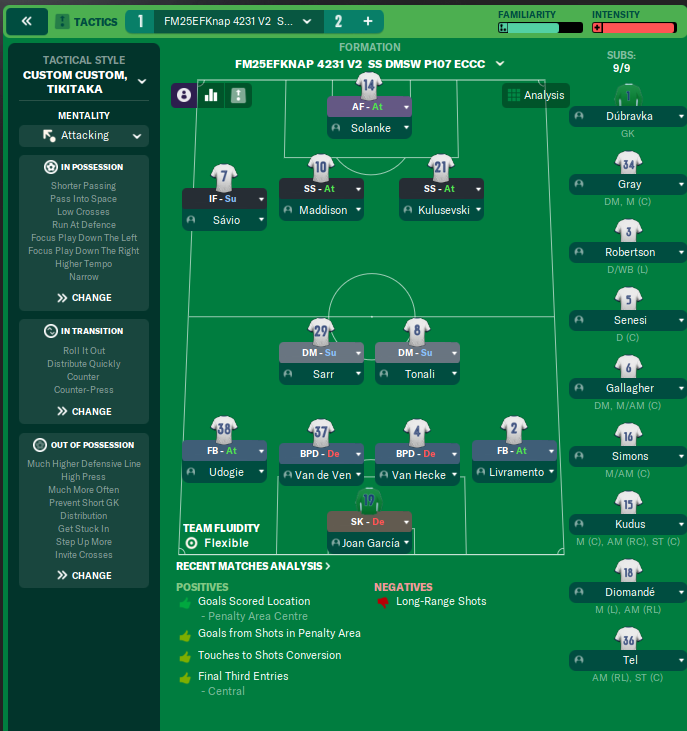
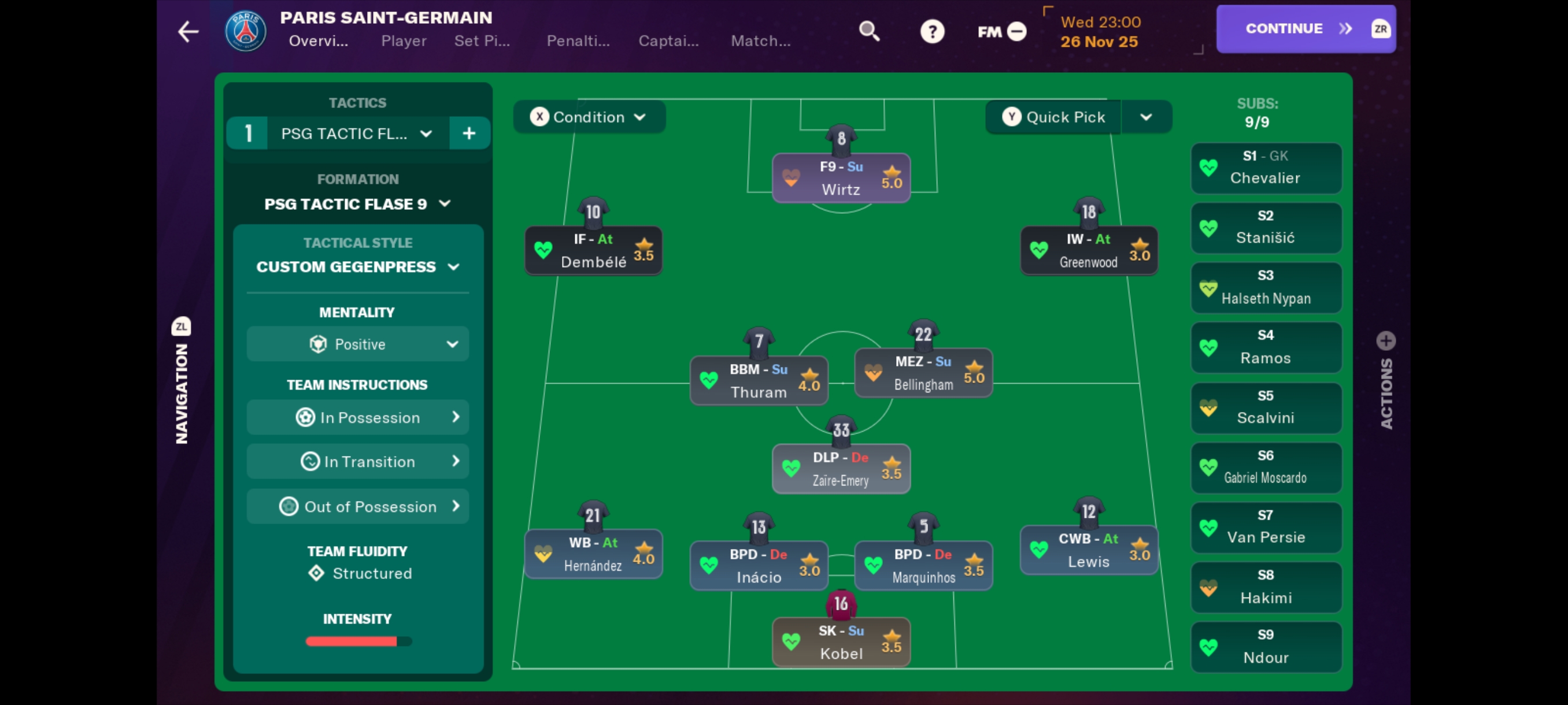
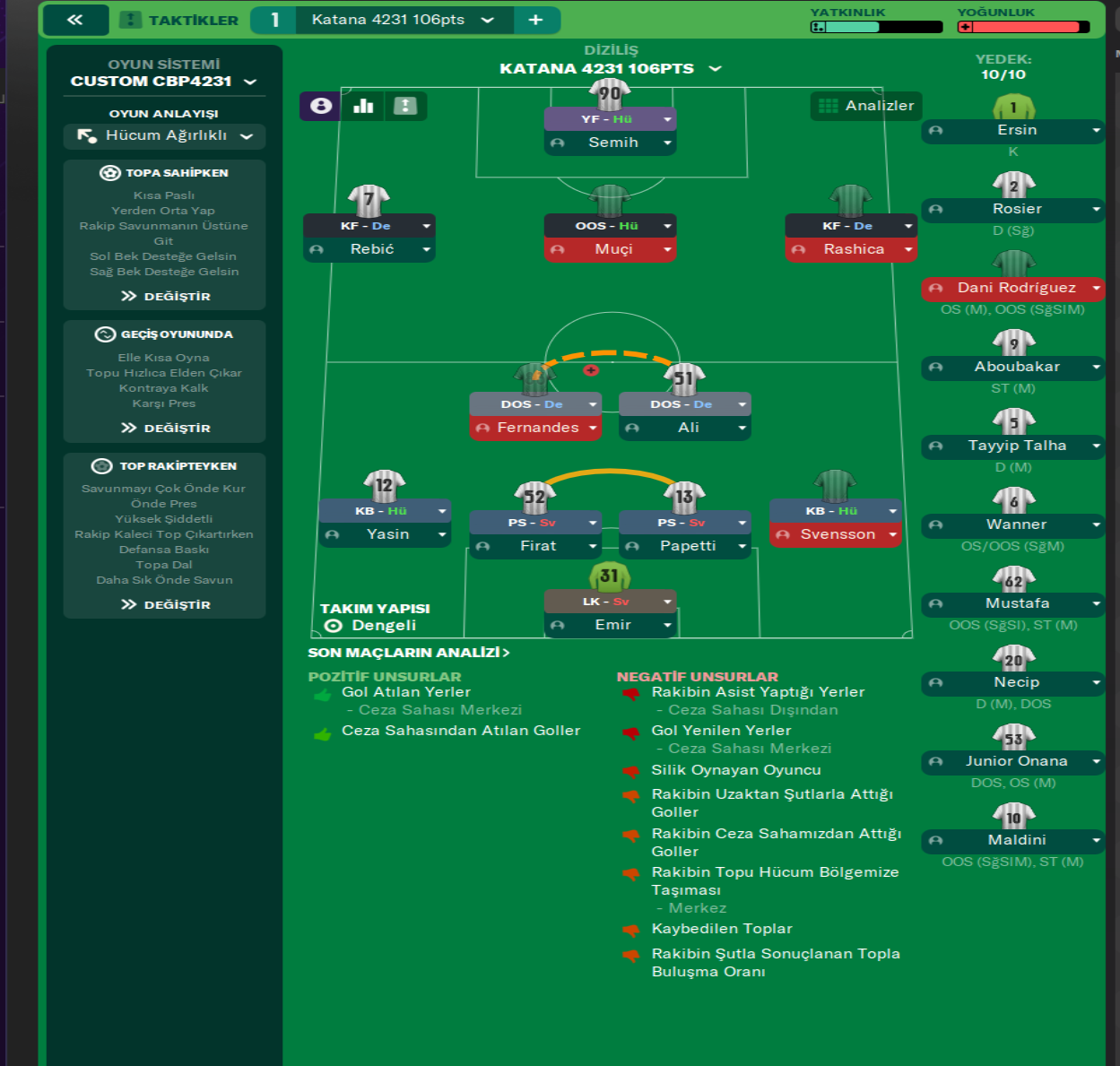
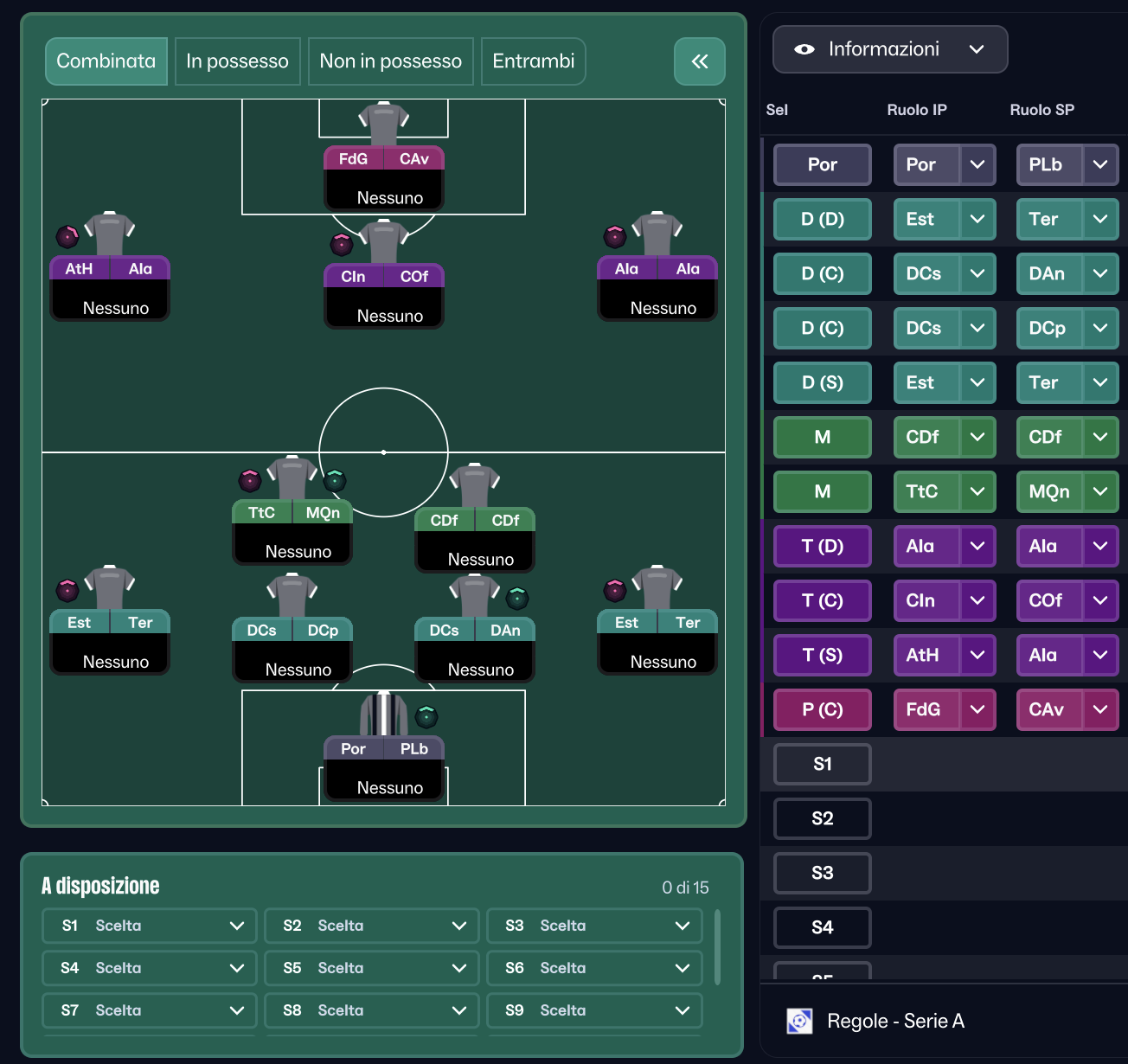
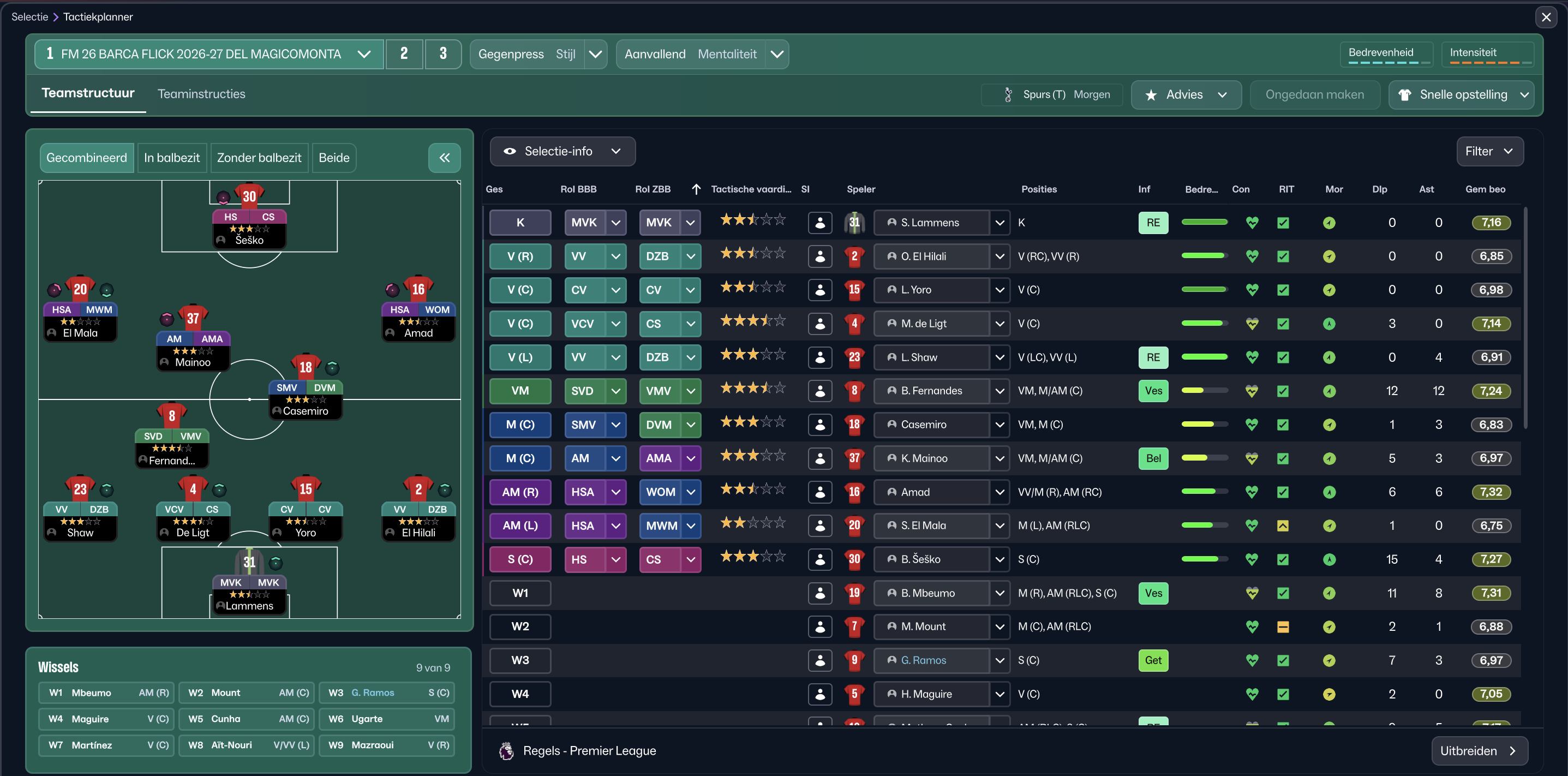
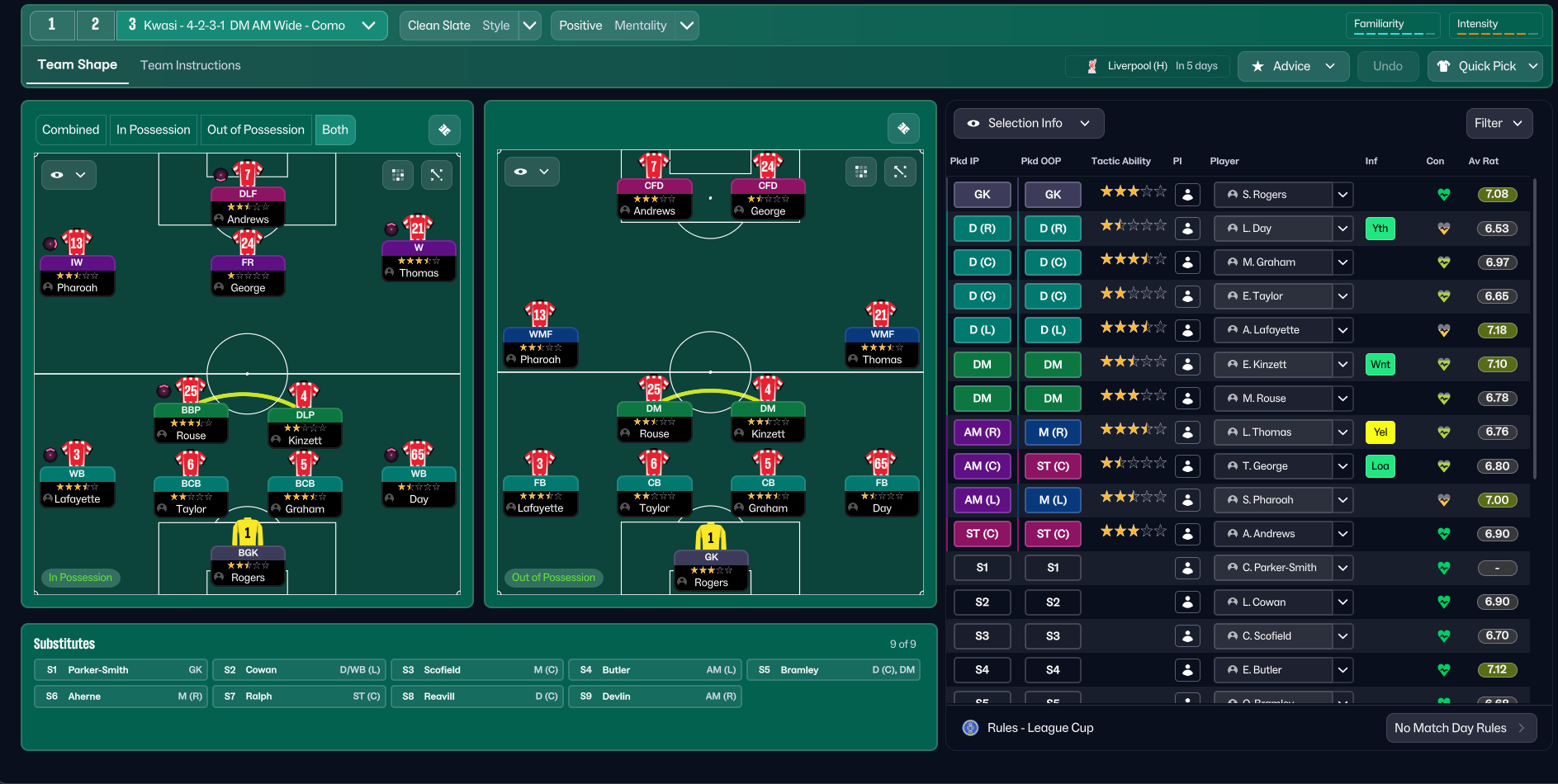
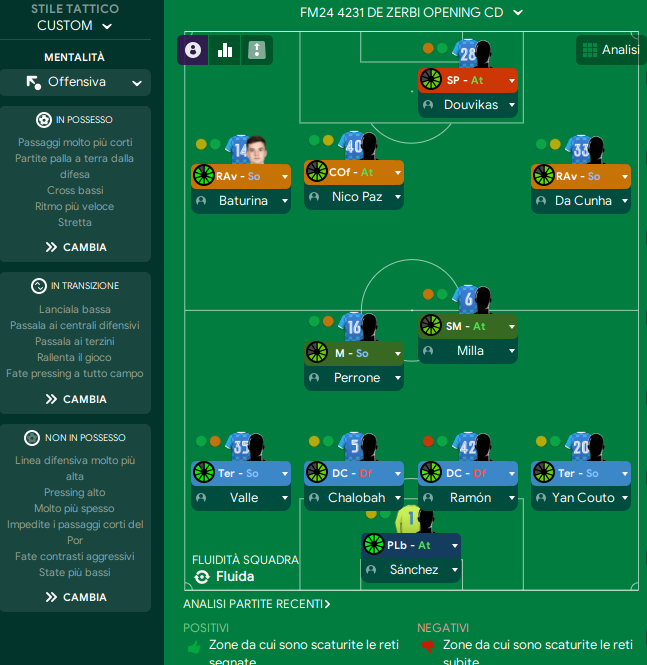
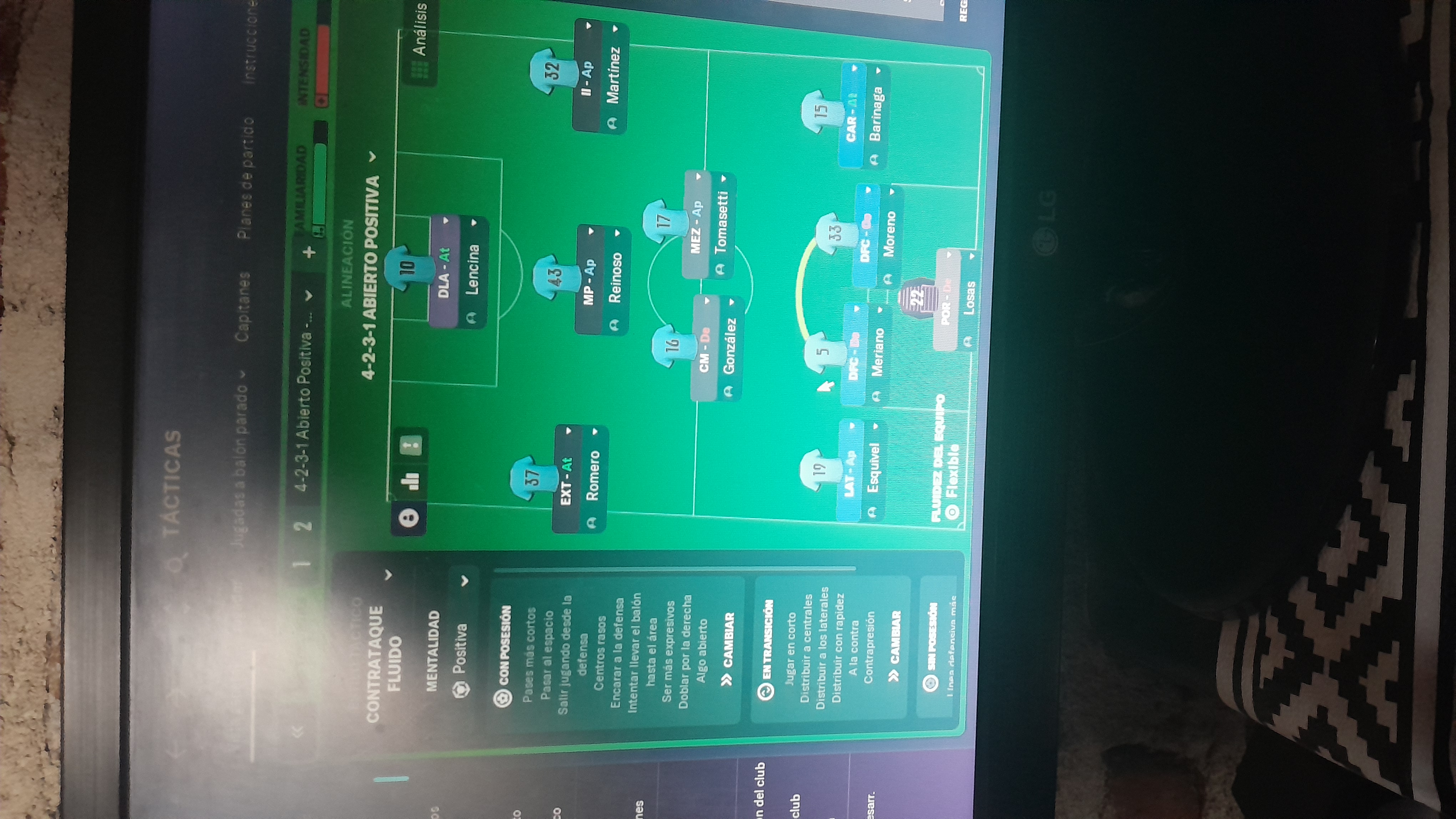
More Counter-Attack tactics
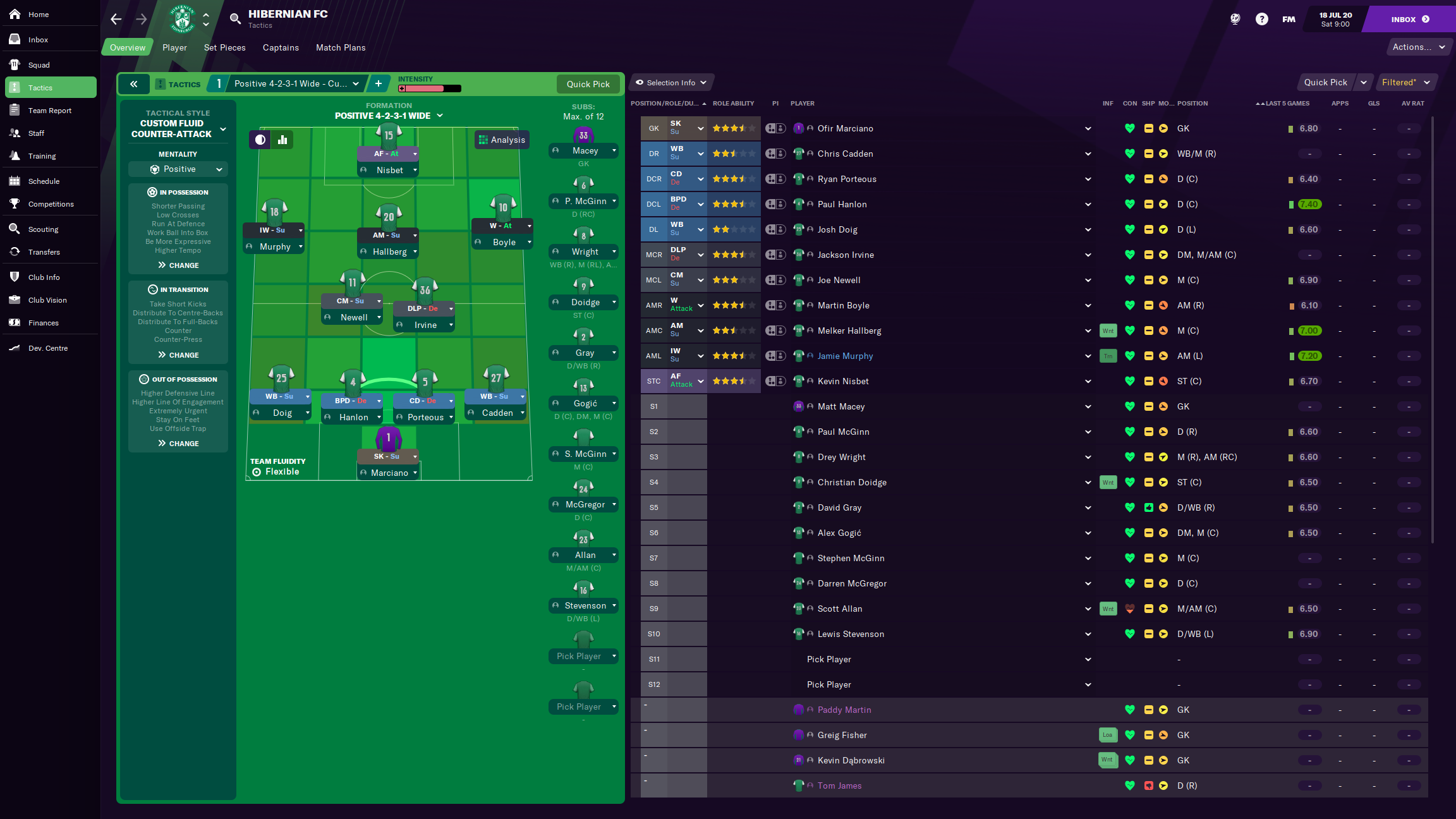
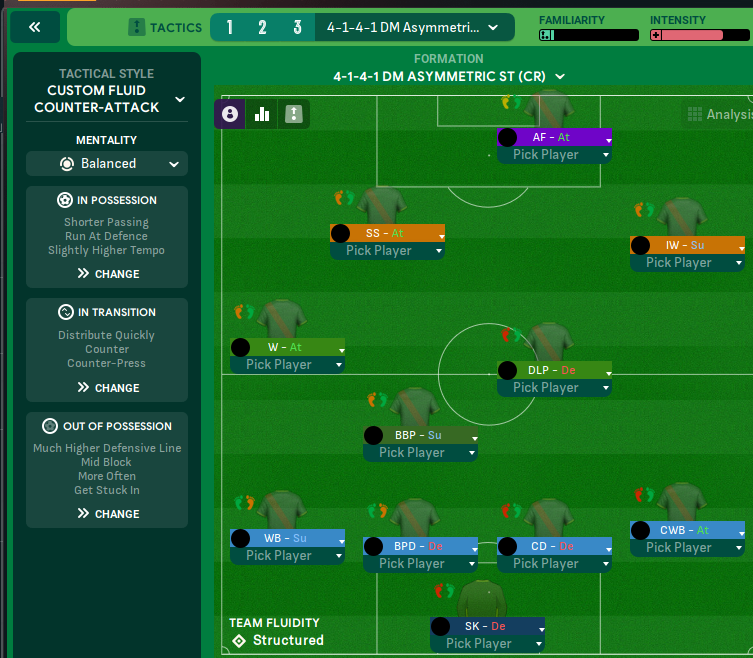
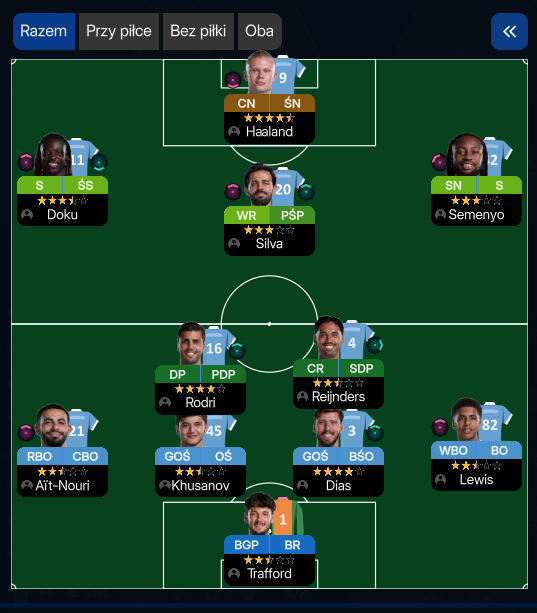
Guides for this formation
The tactical theory behind the 4-2-3-1: roles, instructions, and the trade-offs that decide whether the system holds up.
Player pairings
Midfield Pairs in 4-2-3-1 and 4-4-2
Double pivots and flat pairs in 4-2-3-1 and 4-4-2: when each pairing works, when it collapses, and the AMC unicorn that rescues both.
Read guide
Playing styles
Gegenpressing: A Full Guide
Klopp-style gegenpressing in FM, including squad profile, line-and-press pairing, sustainable workload, and the antipatterns to avoid.
Read guide