Uploaded Tactic
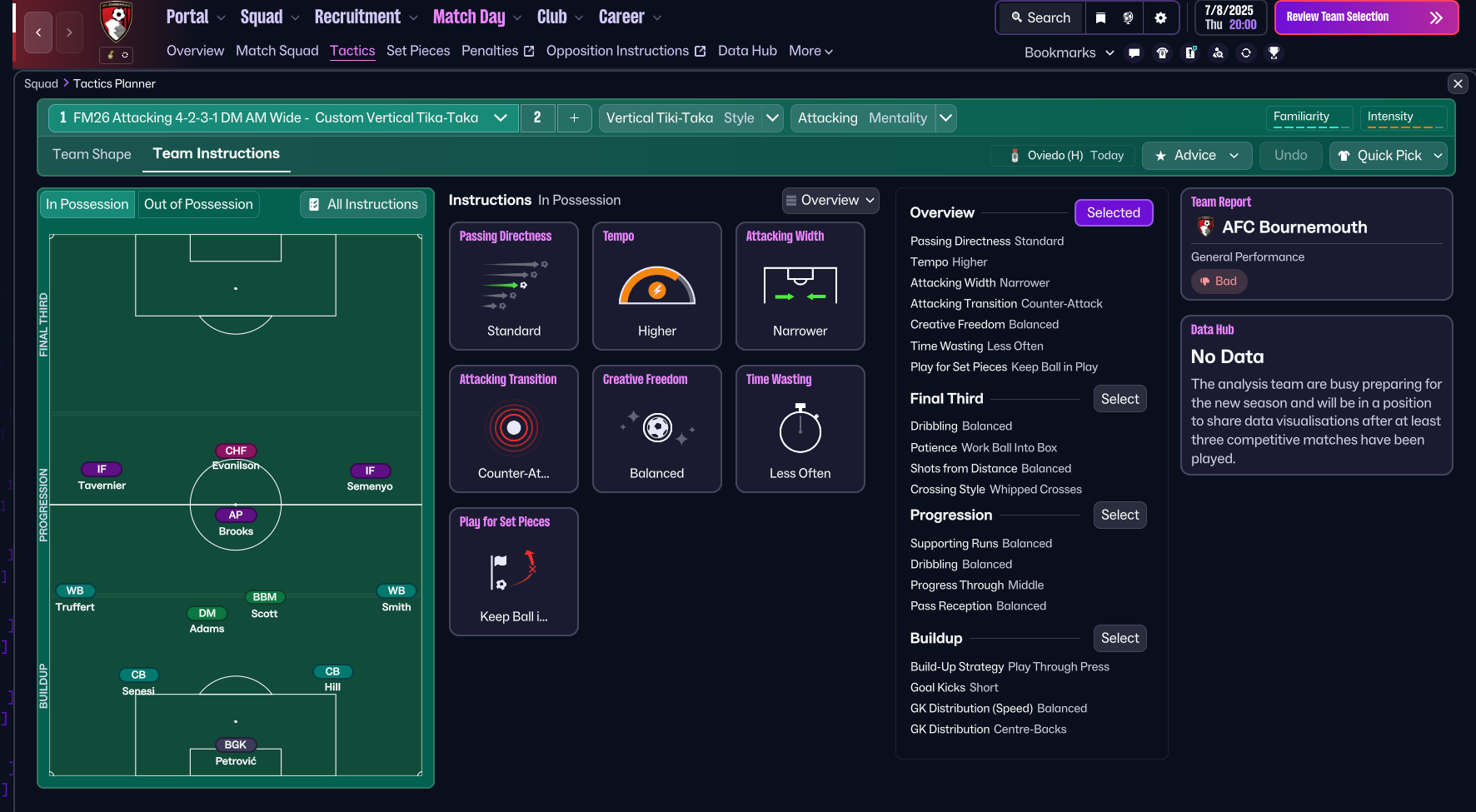
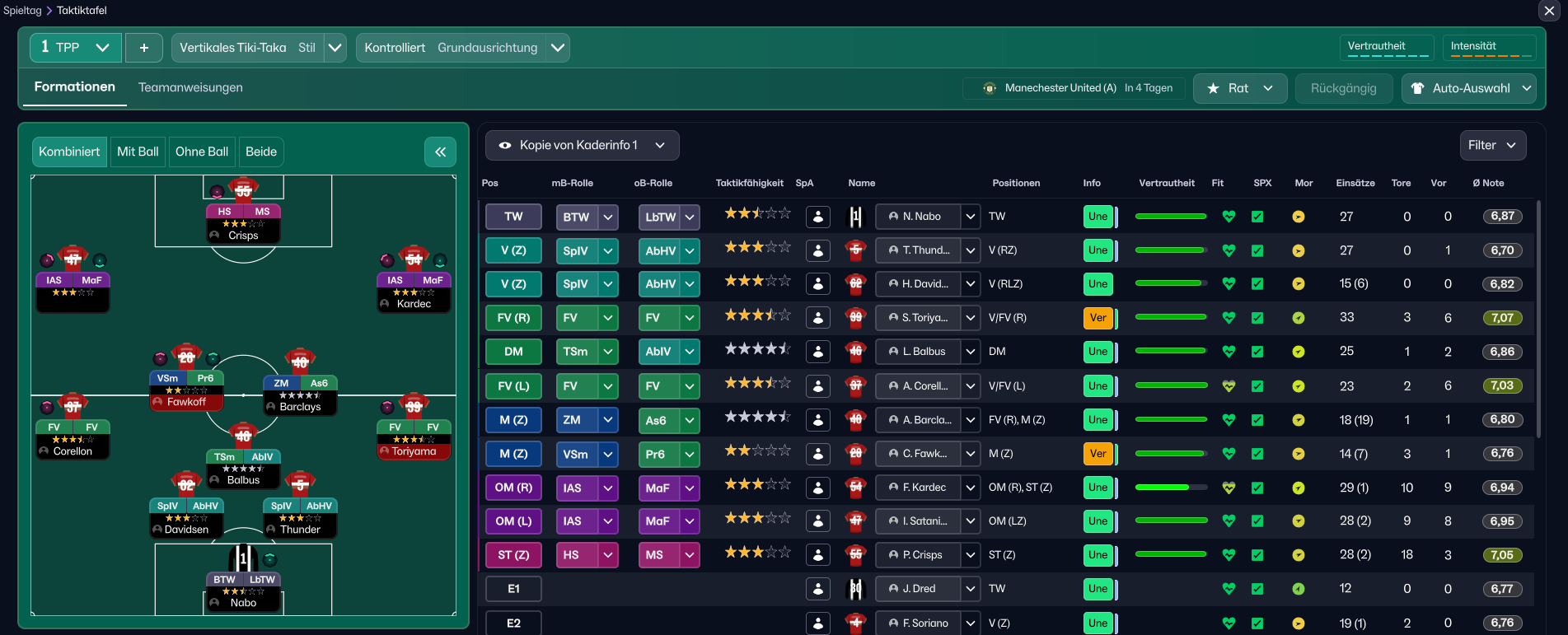
Formation & Style
Tactical Style:Vertical Tiki-Taka
Mentality:Attacking
Formation:4-2-3-1
Team Fluidity:Structured
In Possession
Passing Directness: Standard
Tempo: Higher
Attacking Width: Narrower
Creative Freedom: Balanced
Time Wasting: Less Often
In Transition
Attacking Transition: Counter-Attack
Out of Possession
Pressing Intensity: Balanced
Team Shape Without Ball
Shape:Flat 4
Description:A solid defensive unit works together to manage opposition threats effectively.
Evidence:CBs operate as a unit at the back with DM providing cover.
Team Shape With Ball
Shape:Fluid 4-3-3
Description:Wide players stretching the defense while the center forward occupies central defenders.
Evidence:Inside forwards pulling wide creates space for the advanced playmaker.
Phase Description
Attacking Play
The team uses quick passes to bypass defenses, aiming for central penetration.
Defensive Transition
The team looks to regain possession quickly through counter-pressing.
Main Focus
Dominating possession while utilizing width through wing-backs for crossing opportunities.
Key Strengths
Fluid Attacking Movement
The inside forwards and center forward create a dynamic attacking front.
Strong Midfield Control
The double pivot can effectively control the game and provide support.
Versatile Wing Play
Wing-backs provide width and depth in attack.
Conflicting Directions
Counter-Pressing Limitations
While aiming to regain possession quickly, teams with slow transition may struggle.
Narrow Width Issue
Narrow attacking width can lead to predictable play.
Dependence on Central Figure
Excessive reliance on the CHF could result in attacking stagnation.
Tactical Suggestions
Broaden Width in Attack
Consider widening the attacking width to stretch defenses.
Adjust Pressing Intensity
Evaluate the current pressing strategy to be less predictable.
Dynamic Roles for Wing-Backs
Explore alternative roles that enhance offensive contribution.
Ask Questions About Your Lineup
Related Tactics
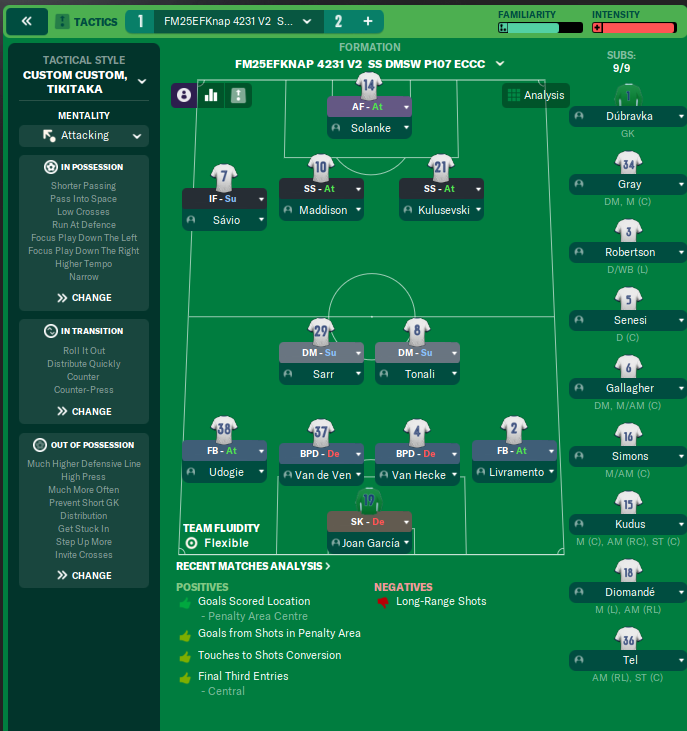
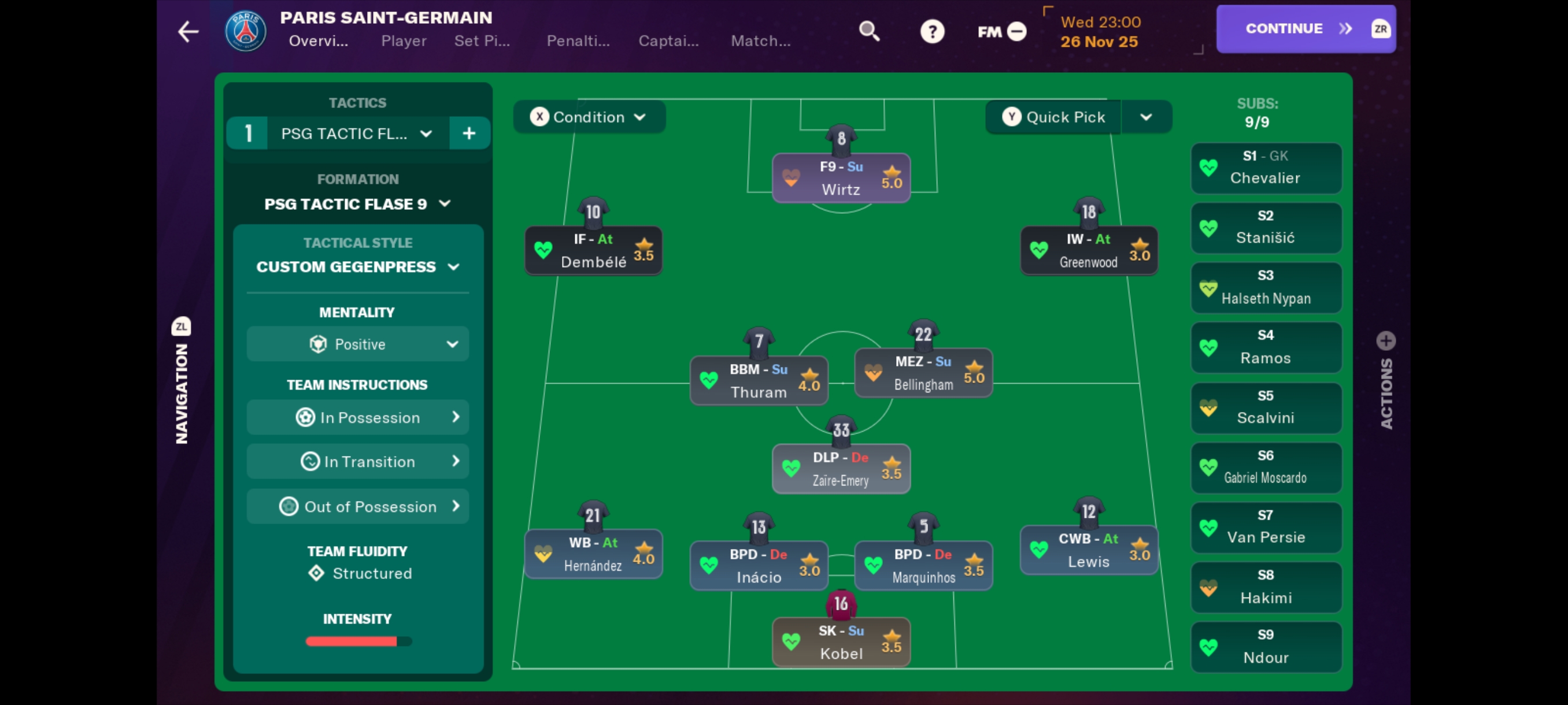
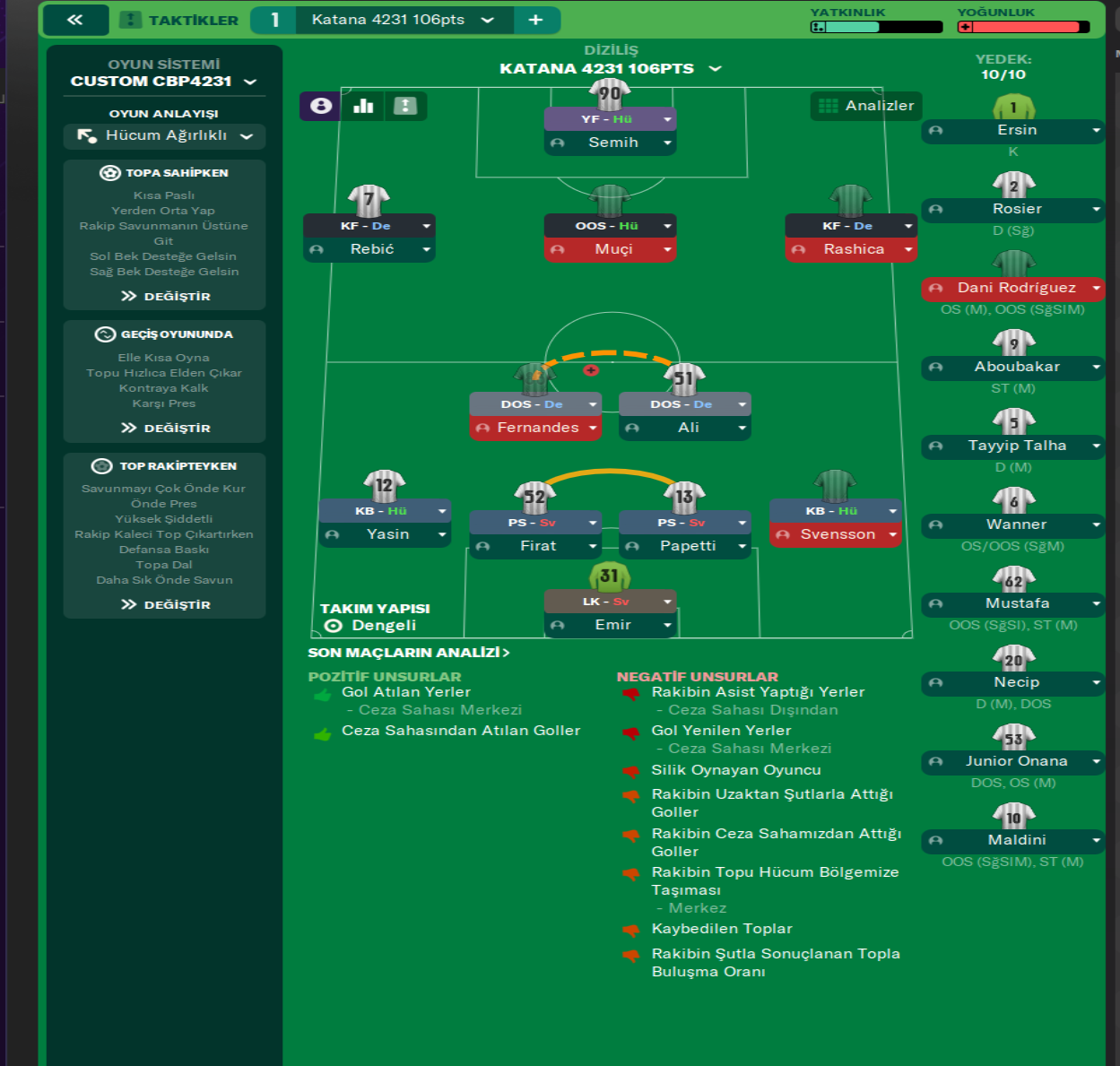
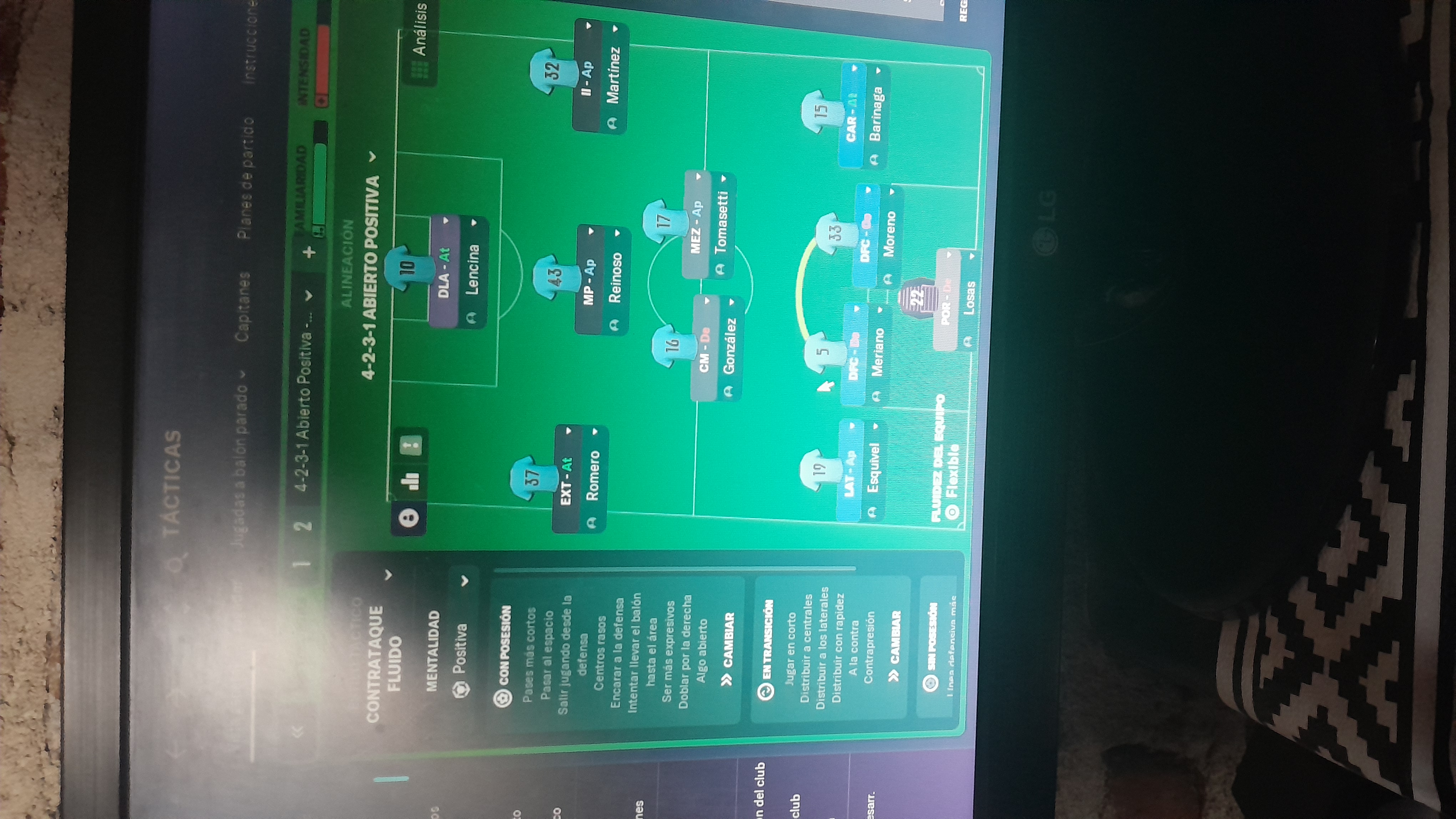
More Vertical Tiki-Taka tactics
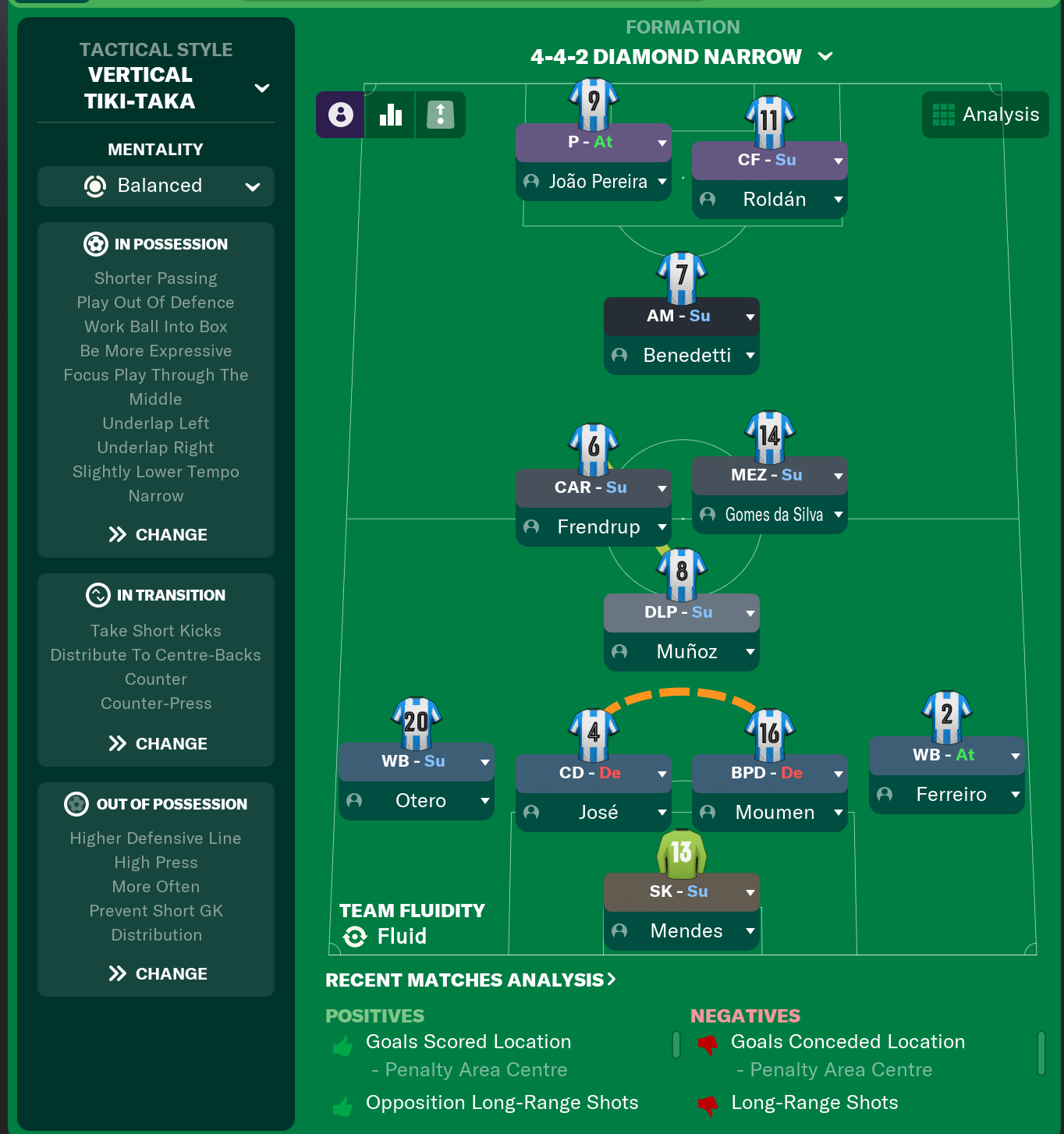
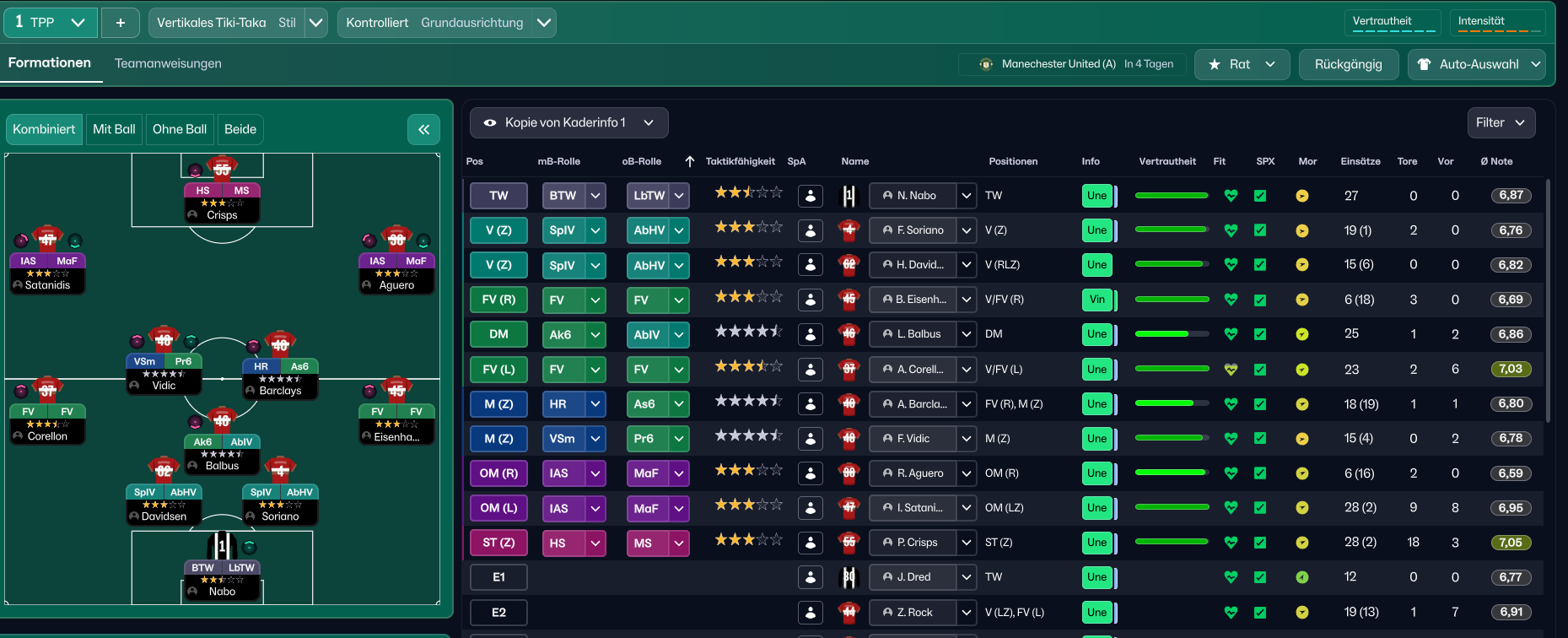
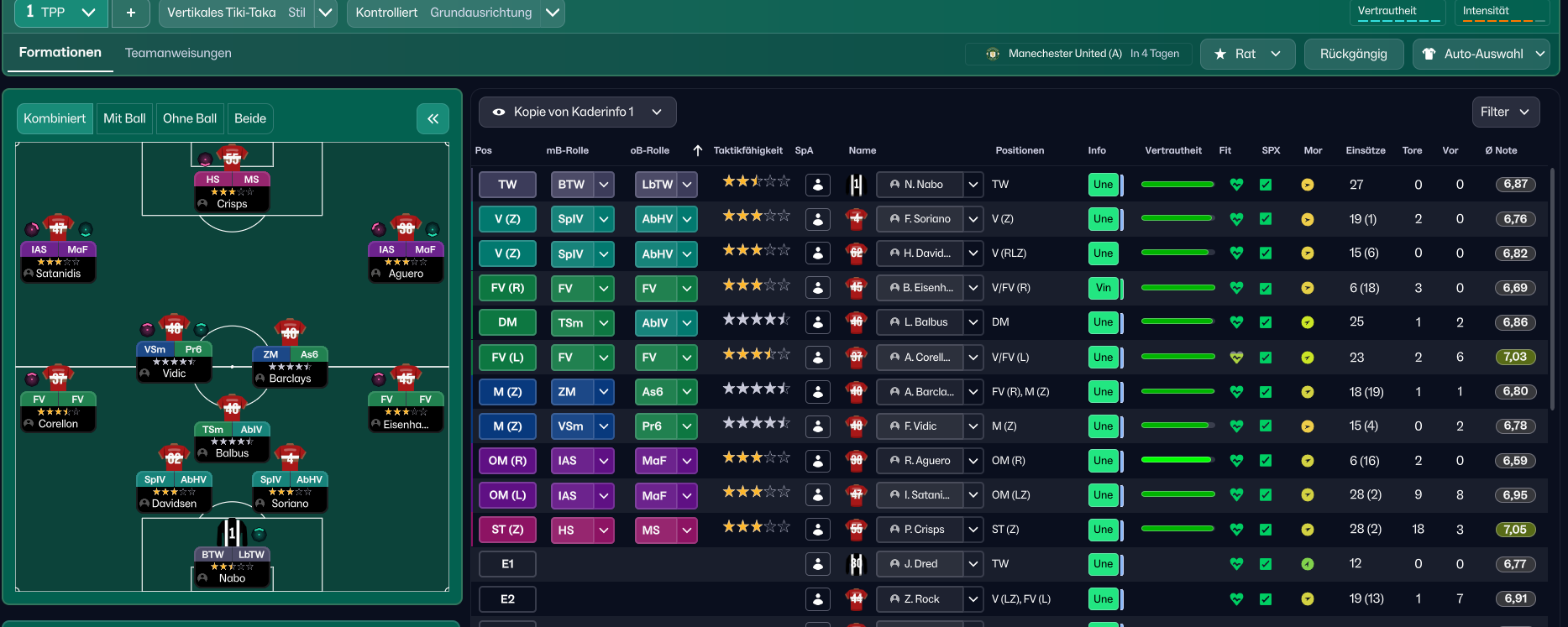
Guides for this formation
The tactical theory behind the 4-2-3-1: roles, instructions, and the trade-offs that decide whether the system holds up.
Player pairings
Midfield Pairs in 4-2-3-1 and 4-4-2
Double pivots and flat pairs in 4-2-3-1 and 4-4-2: when each pairing works, when it collapses, and the AMC unicorn that rescues both.
Read guide
Playing styles
Gegenpressing: A Full Guide
Klopp-style gegenpressing in FM, including squad profile, line-and-press pairing, sustainable workload, and the antipatterns to avoid.
Read guide