Uploaded Tactic
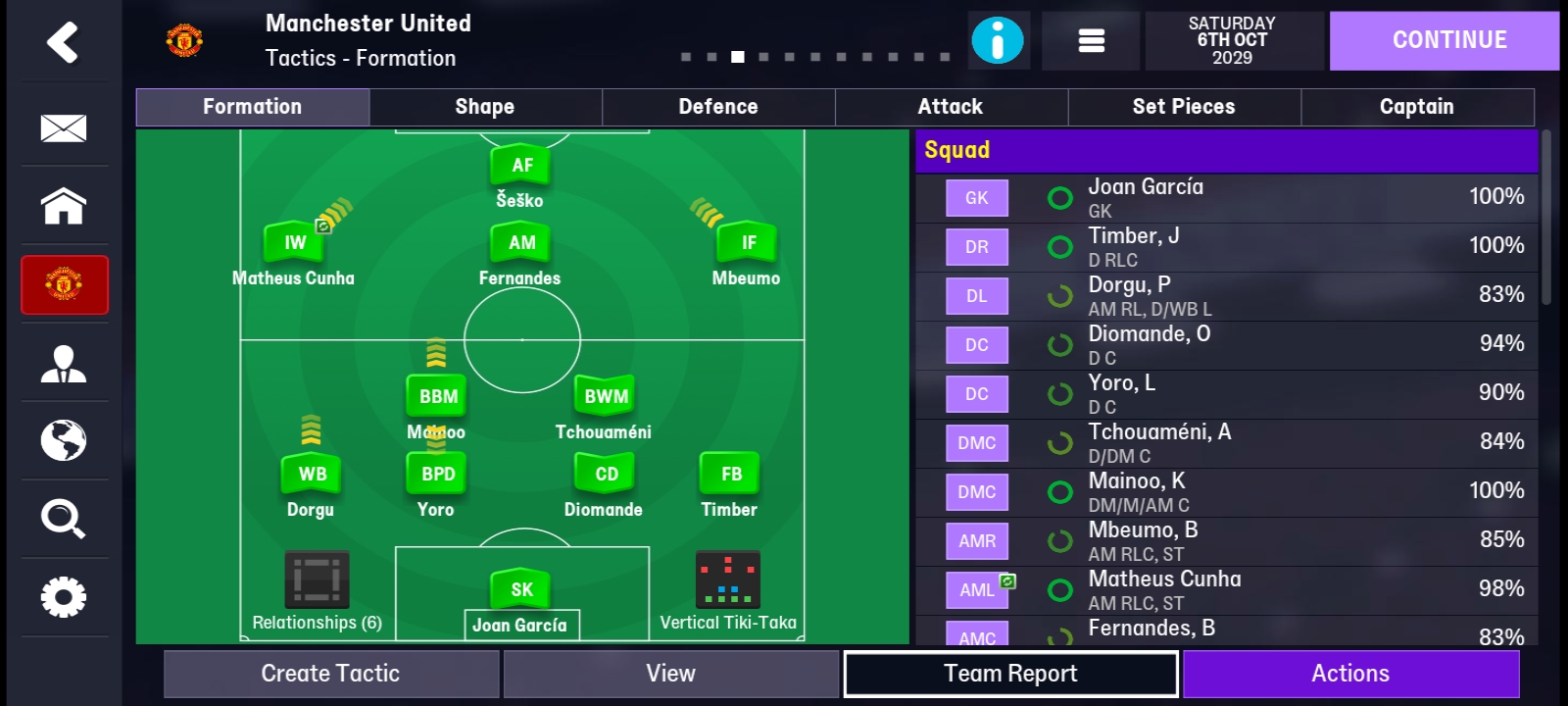
Formation & Style
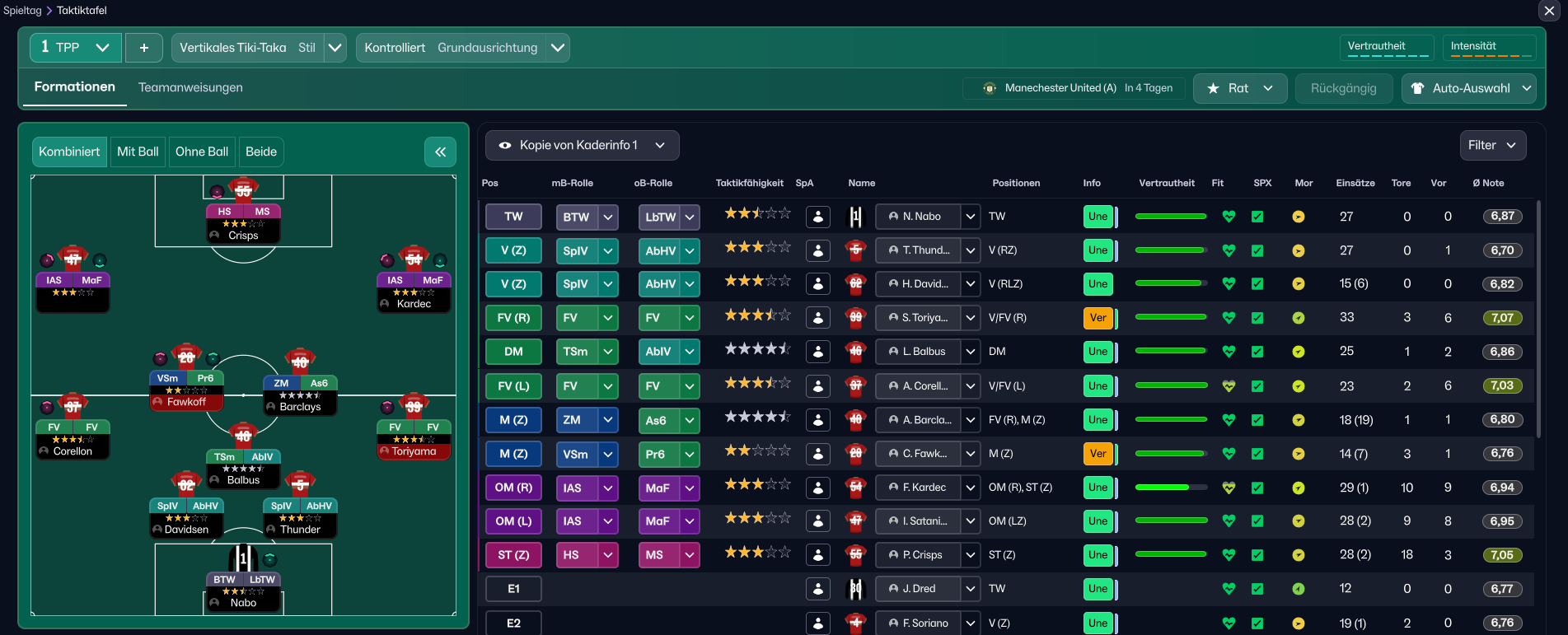
Tactical Style:Vertical Tiki-Taka
Mentality:Positive
Formation:4-2-3-1
Team Fluidity:Structured
In Possession
Short Passing
Retain Possession
Work Ball Into Box
In Transition
Counter
Counter-Press
Out of Possession
High Press
Prevent Short GK Distribution
Higher Defensive Line
Team Shape Without Ball
Shape:4-2
Description:A compact shape allowing for tight defensive unit while being prepared to hit on the counter.
Evidence:CB-D at [2,3], BPD-D at [2,2], BWM-S at [3,2], DL-WB at [2,4]
Team Shape With Ball
Shape:4-3-3
Description:Fluid attacking structure allowing for width and presence in the central areas.
Evidence:IF-A at [6,2], IF-A at [6,4], AM-S at [5,3], AF-A at [6,3]
Phase Description
Attacking Play
Utilizes quick, short passes with the aim of maintaining possession and incrementally working into the box.
Defensive Transition
Immediacy in counter-pressing to regain possession before the opposition can break.
Main Focus
Possession-oriented play with a strong emphasis on attacking through the middle.
Key Strengths
Fluid Attacking Movement
The use of inside forwards combined with an advanced forward provides various attacking angles.
Defensive Stability
The inclusion of a ball-winning midfielder alongside a deep-lying playmaker ensures a strong midfield presence.
Possession Retention
The tactical style promotes possession, leading to more goal-scoring opportunities.
Conflicting Directions
Possible Lack of Width
Utilizing two inside forwards may narrow the attack, risking predictability.
Defensive Vulnerability on Flanks
The wing-back and full-back need to balance between attacking and defensive duties.
Over-relying on Short Passing
The short passing instruction may stall play when faced with well-organized defenses.
Tactical Suggestions
Consider Inverted Wing-Backs
Adopting inverted wing-backs could add width and maintain space for inside forwards.
Adjust Pressing Intensity
A high press may lead to fatigue; adjusting could help maintain defensive stability.
Introduce a More Defensive Midfielder
Adding an additional defensive midfielder could provide more cover against counter-attacks.
Ask Questions About Your Lineup
Related Tactics
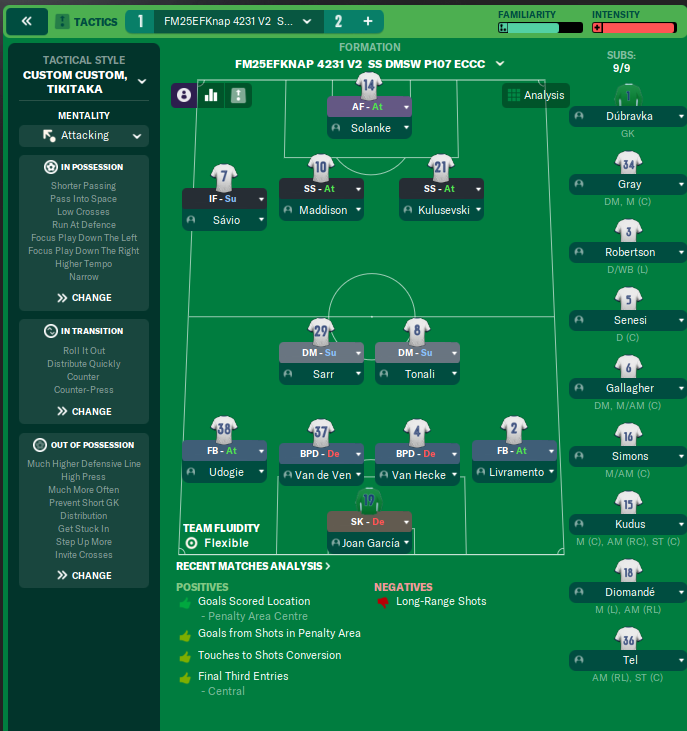
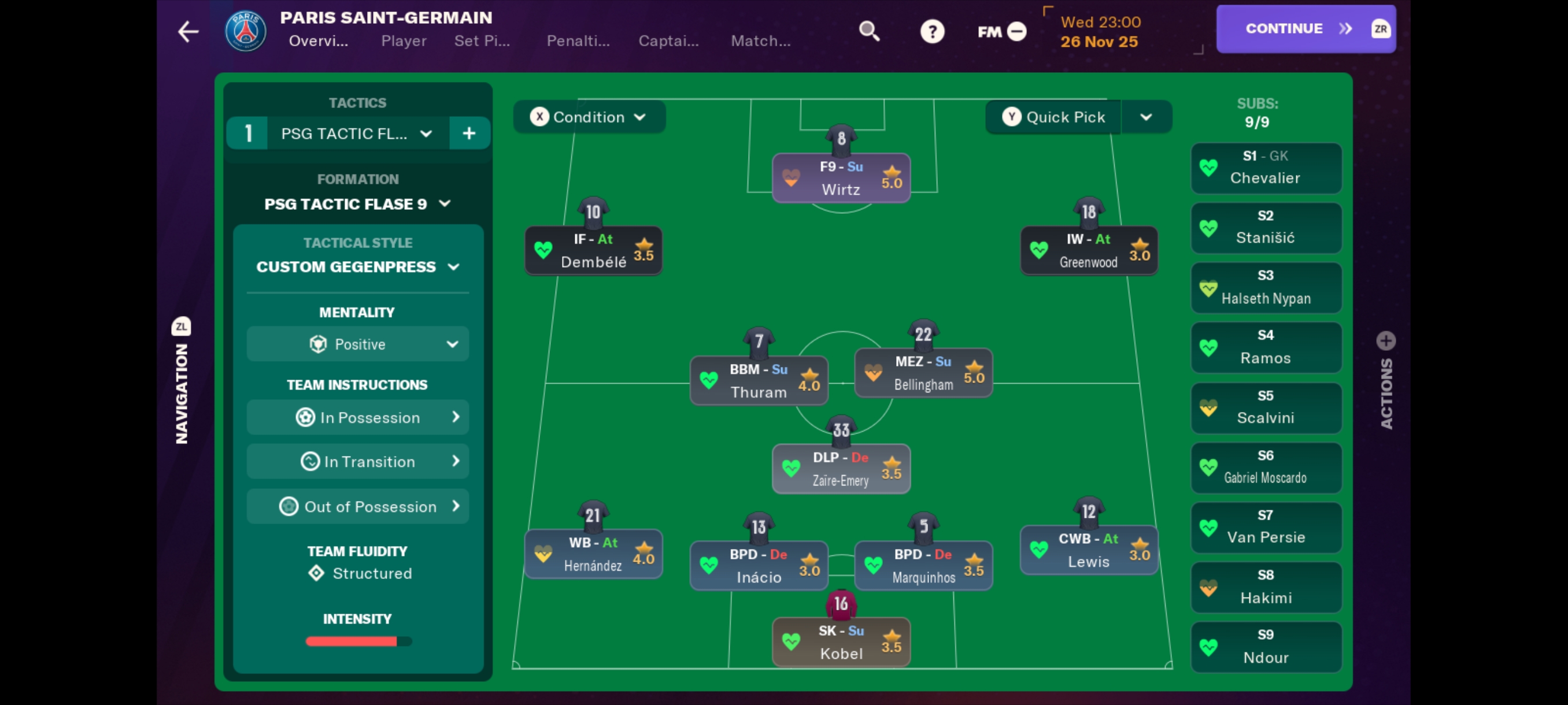
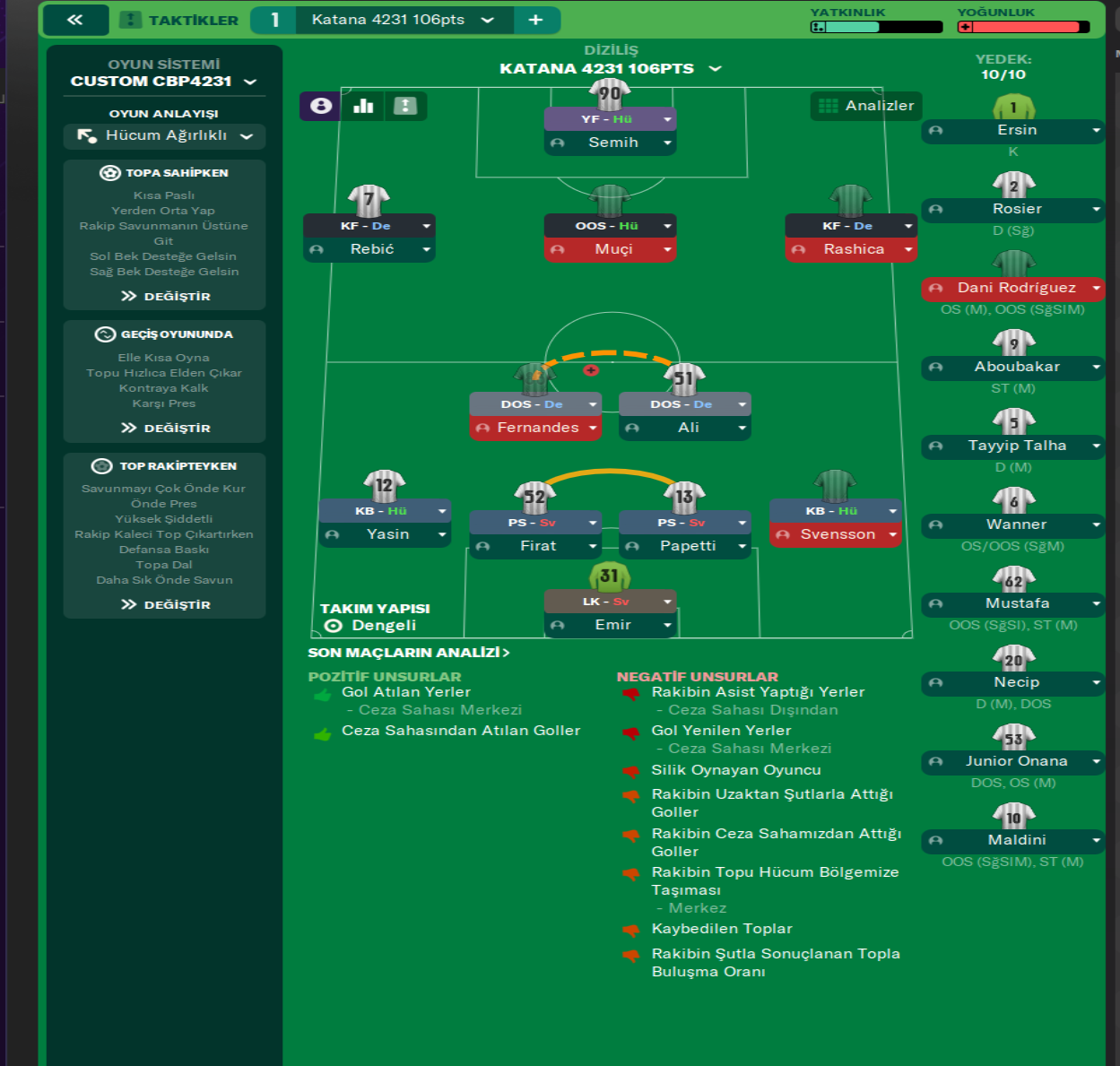
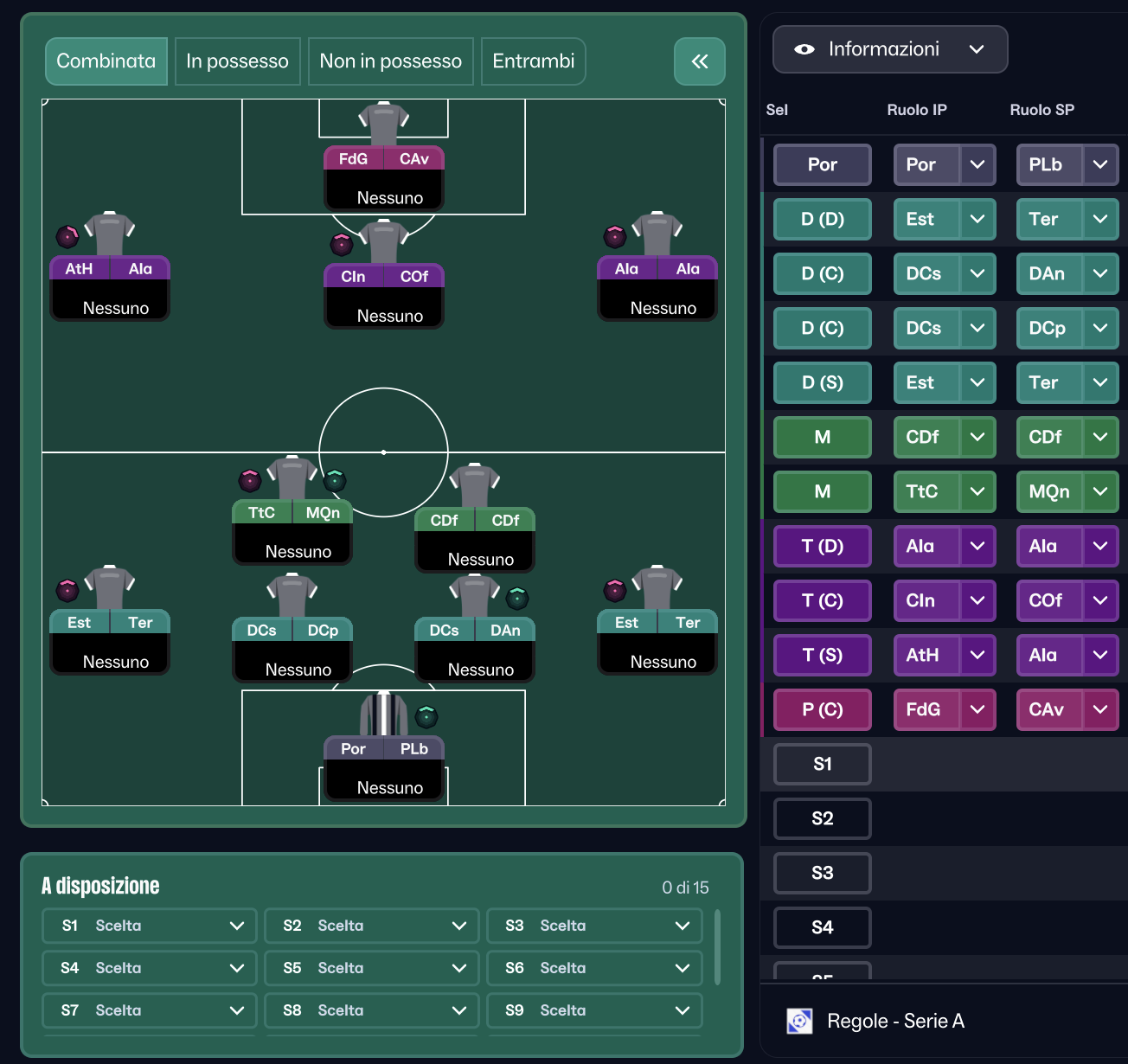
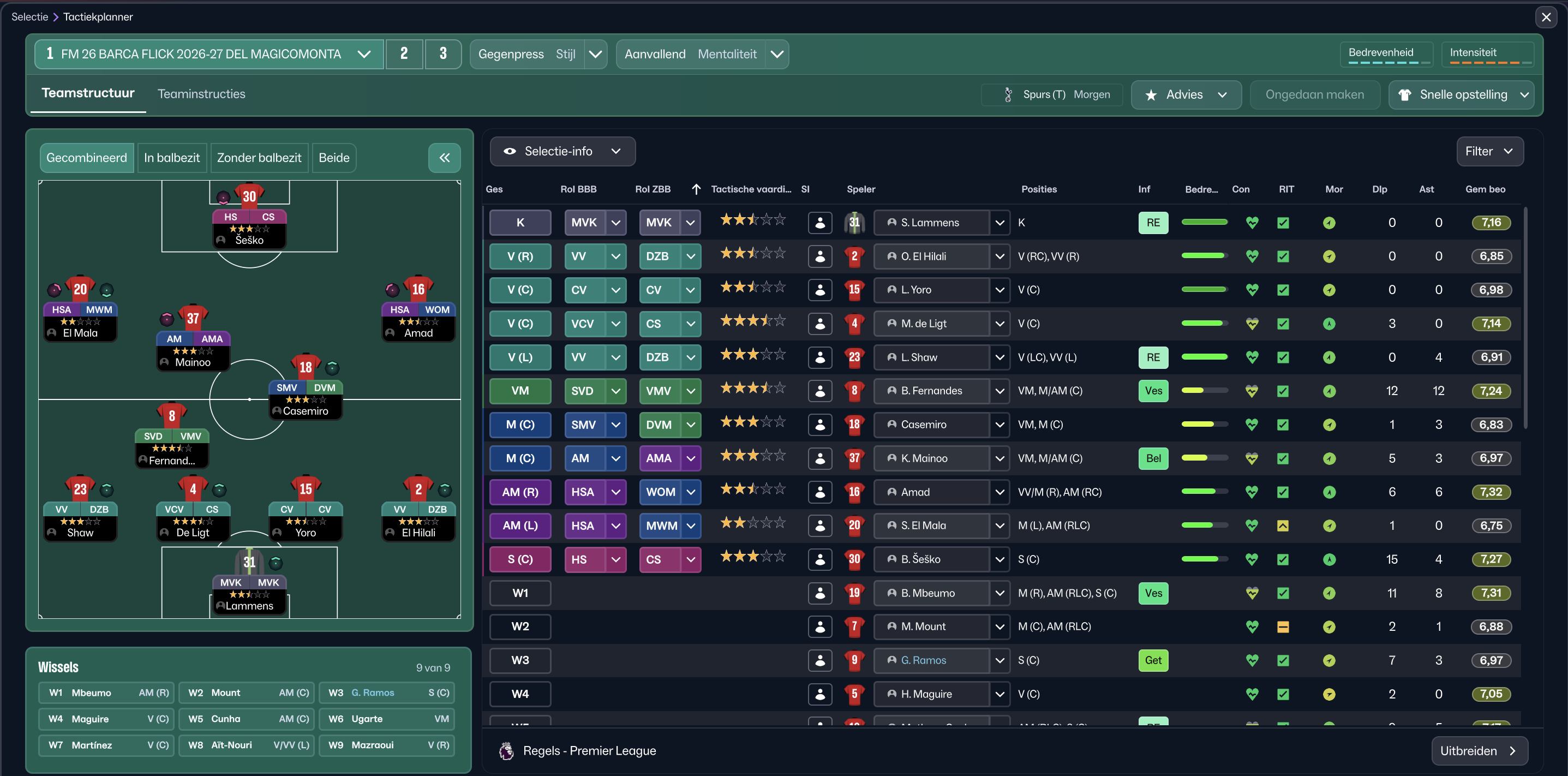
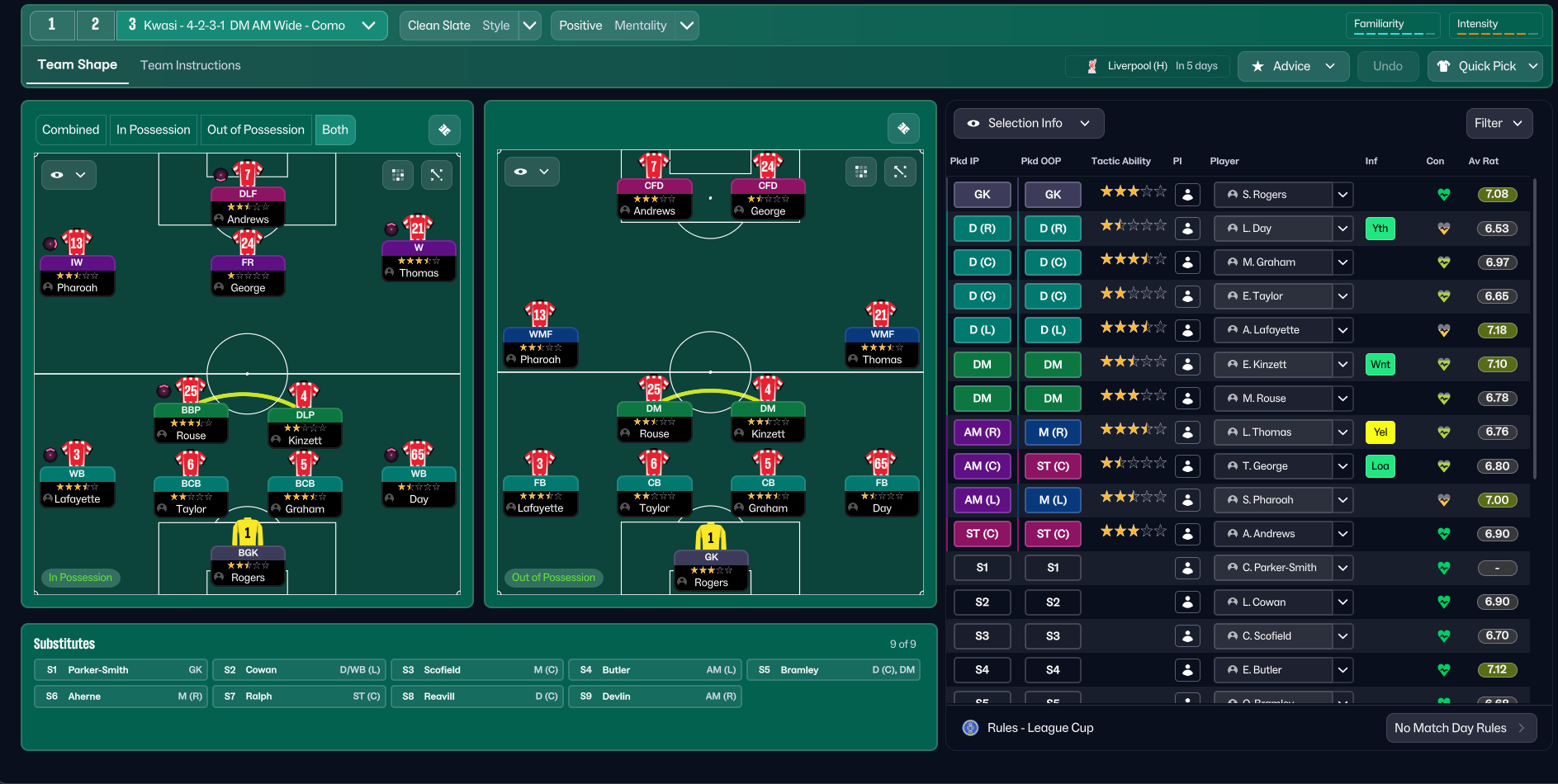
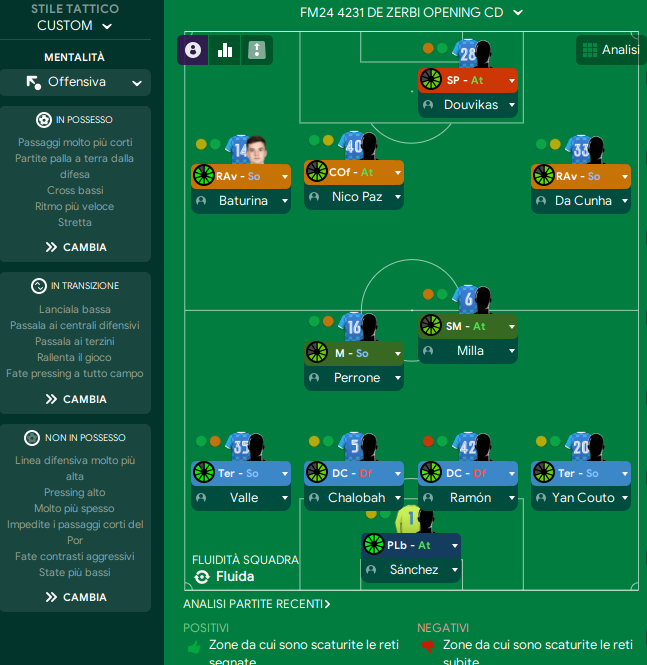
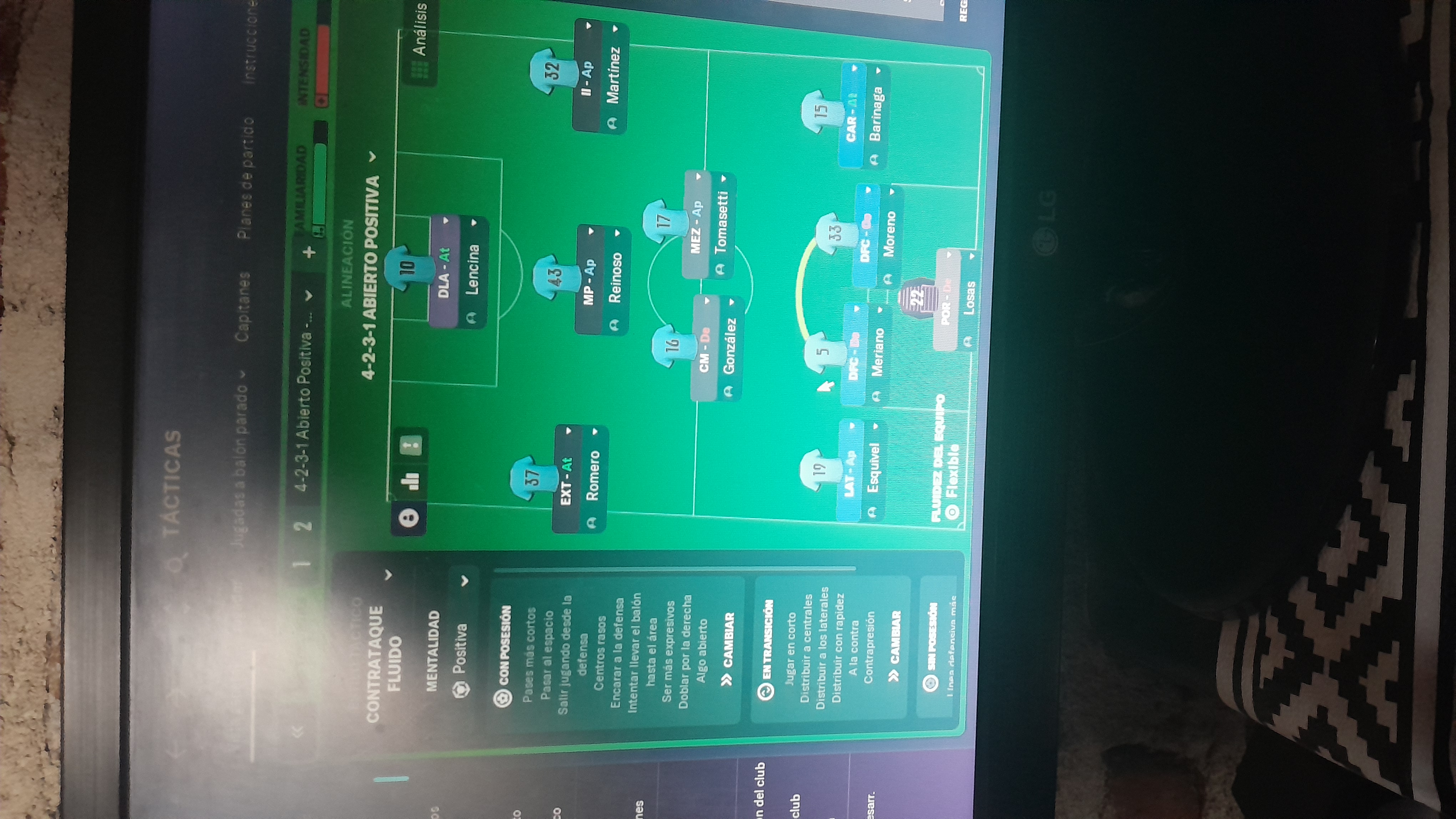
More Vertical Tiki-Taka tactics
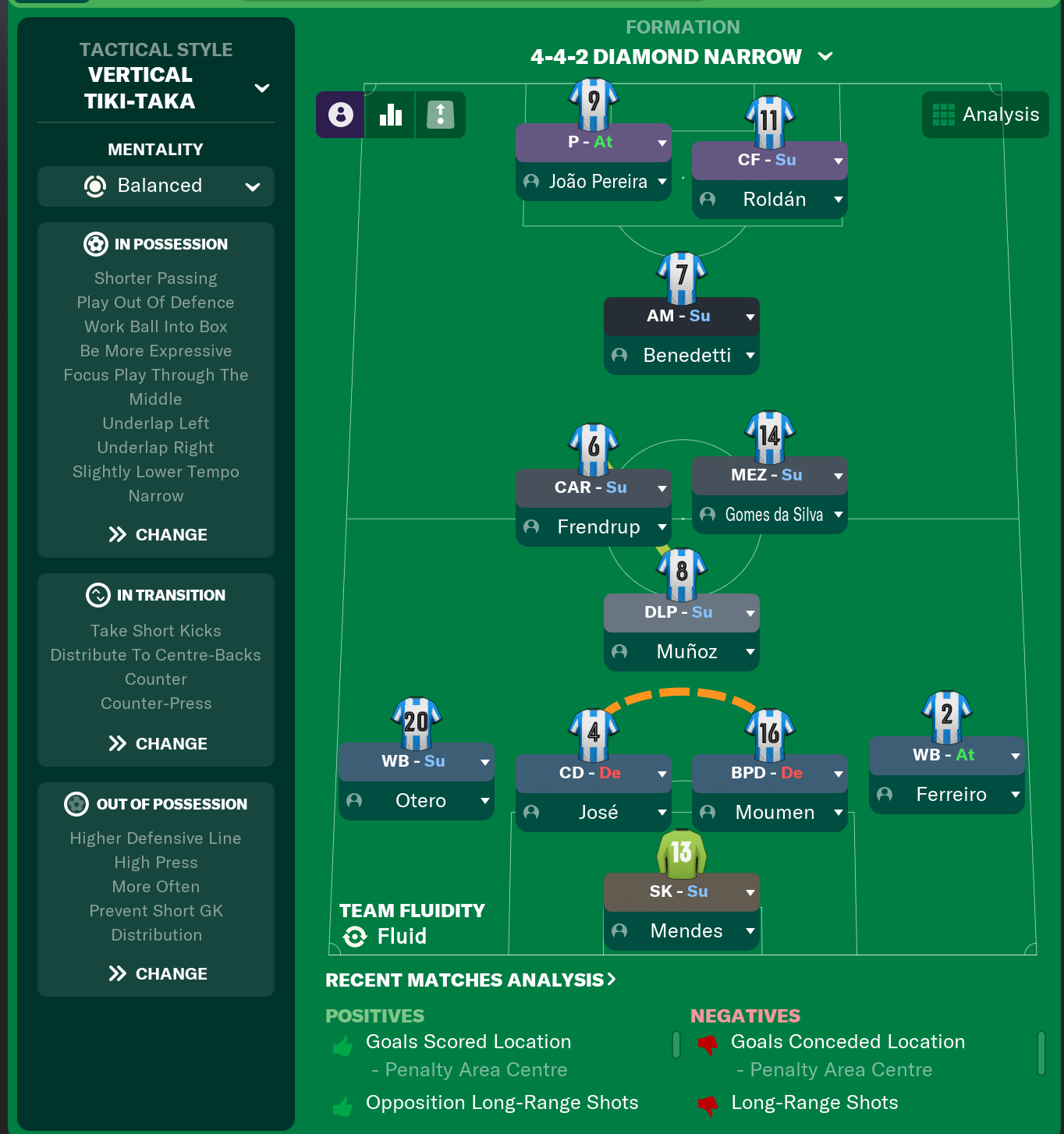
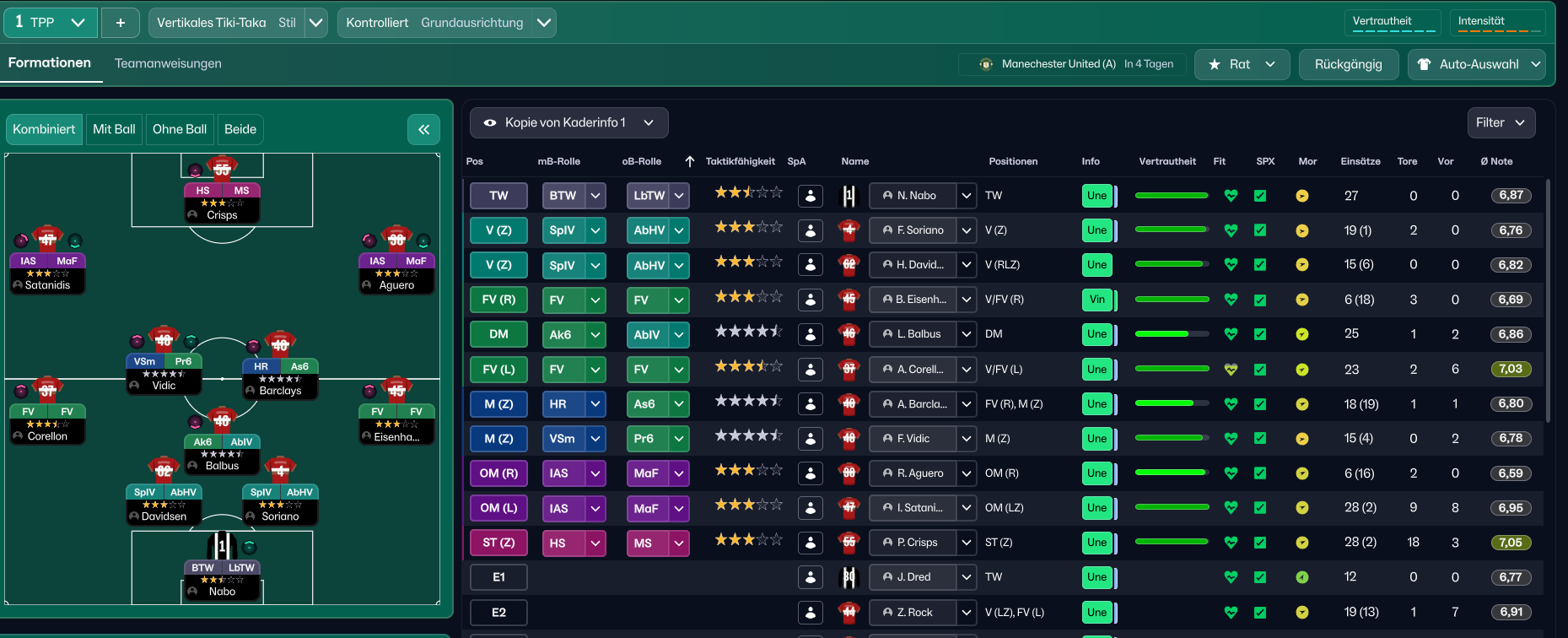
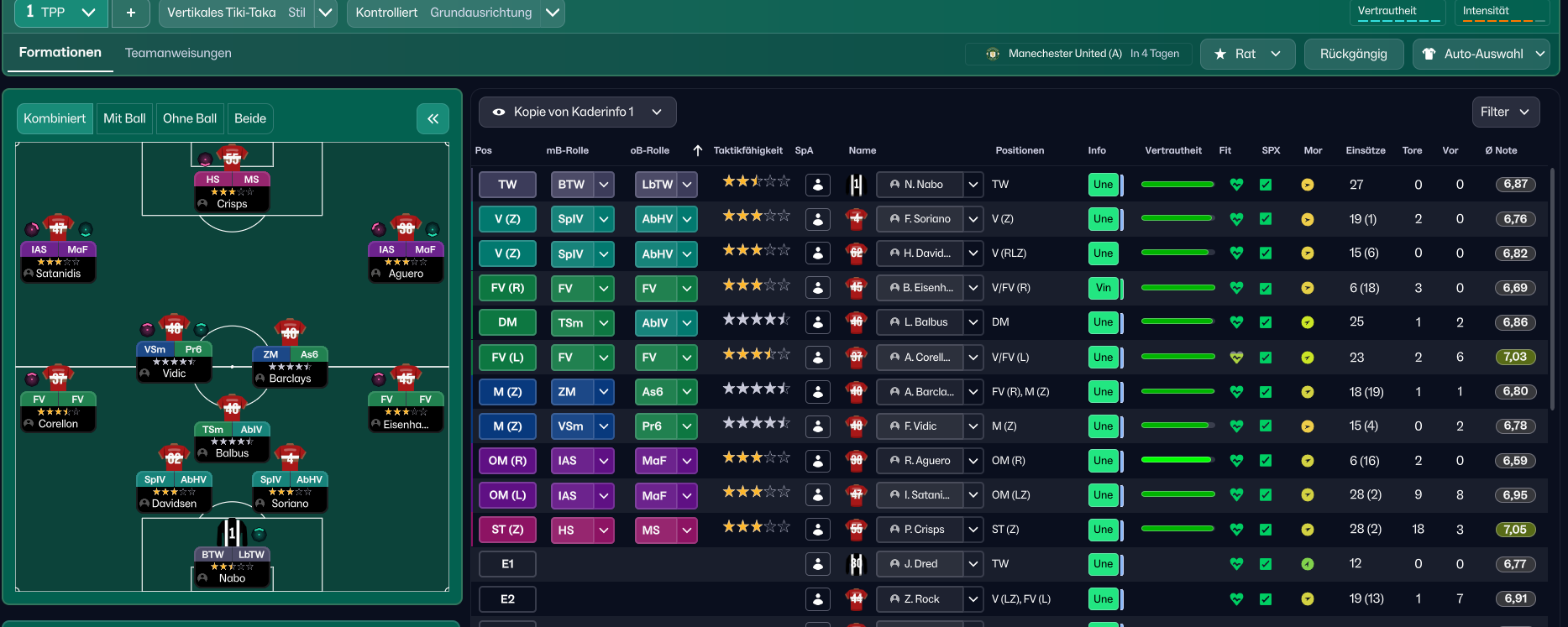
Guides for this formation
The tactical theory behind the 4-2-3-1: roles, instructions, and the trade-offs that decide whether the system holds up.
Player pairings
Midfield Pairs in 4-2-3-1 and 4-4-2
Double pivots and flat pairs in 4-2-3-1 and 4-4-2: when each pairing works, when it collapses, and the AMC unicorn that rescues both.
Read guide
Playing styles
Gegenpressing: A Full Guide
Klopp-style gegenpressing in FM, including squad profile, line-and-press pairing, sustainable workload, and the antipatterns to avoid.
Read guide