Uploaded Tactic
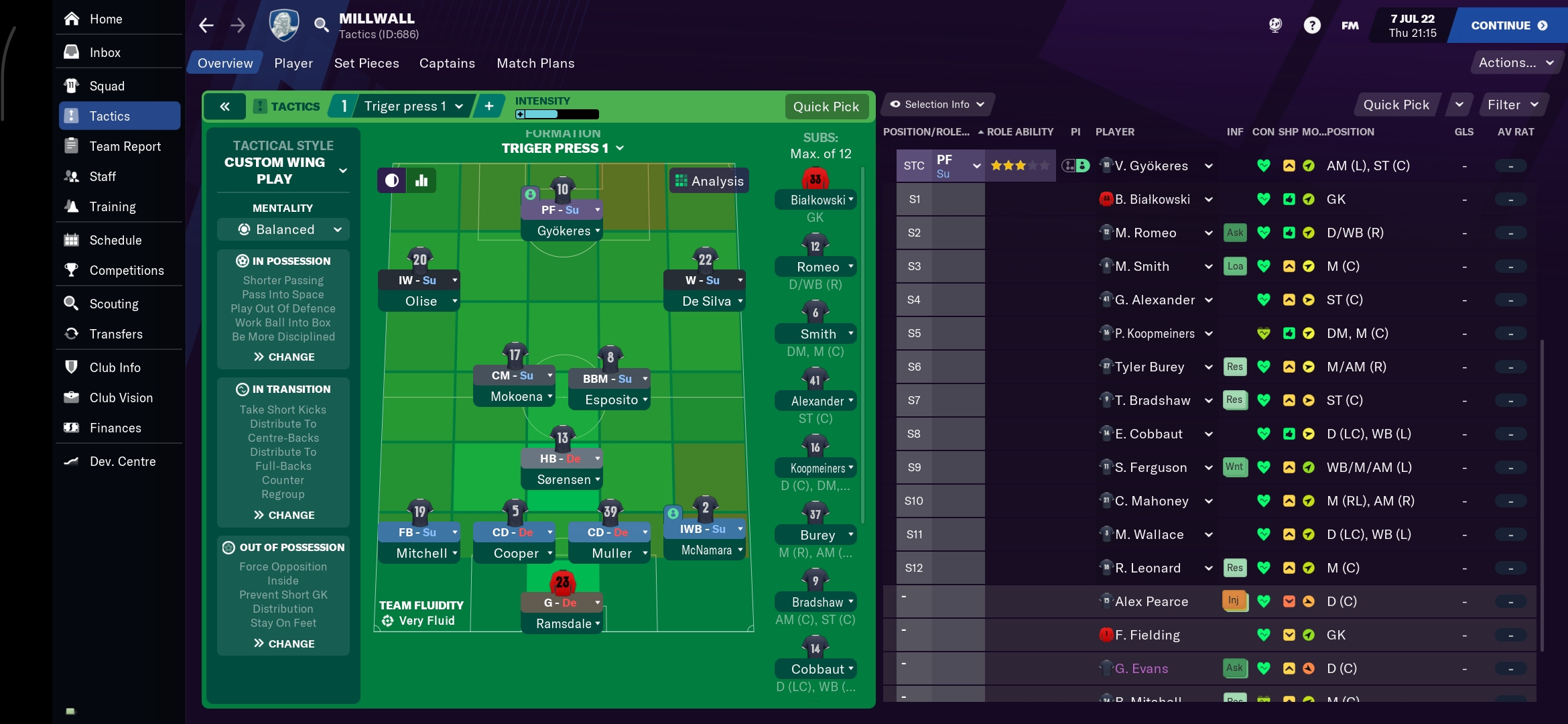
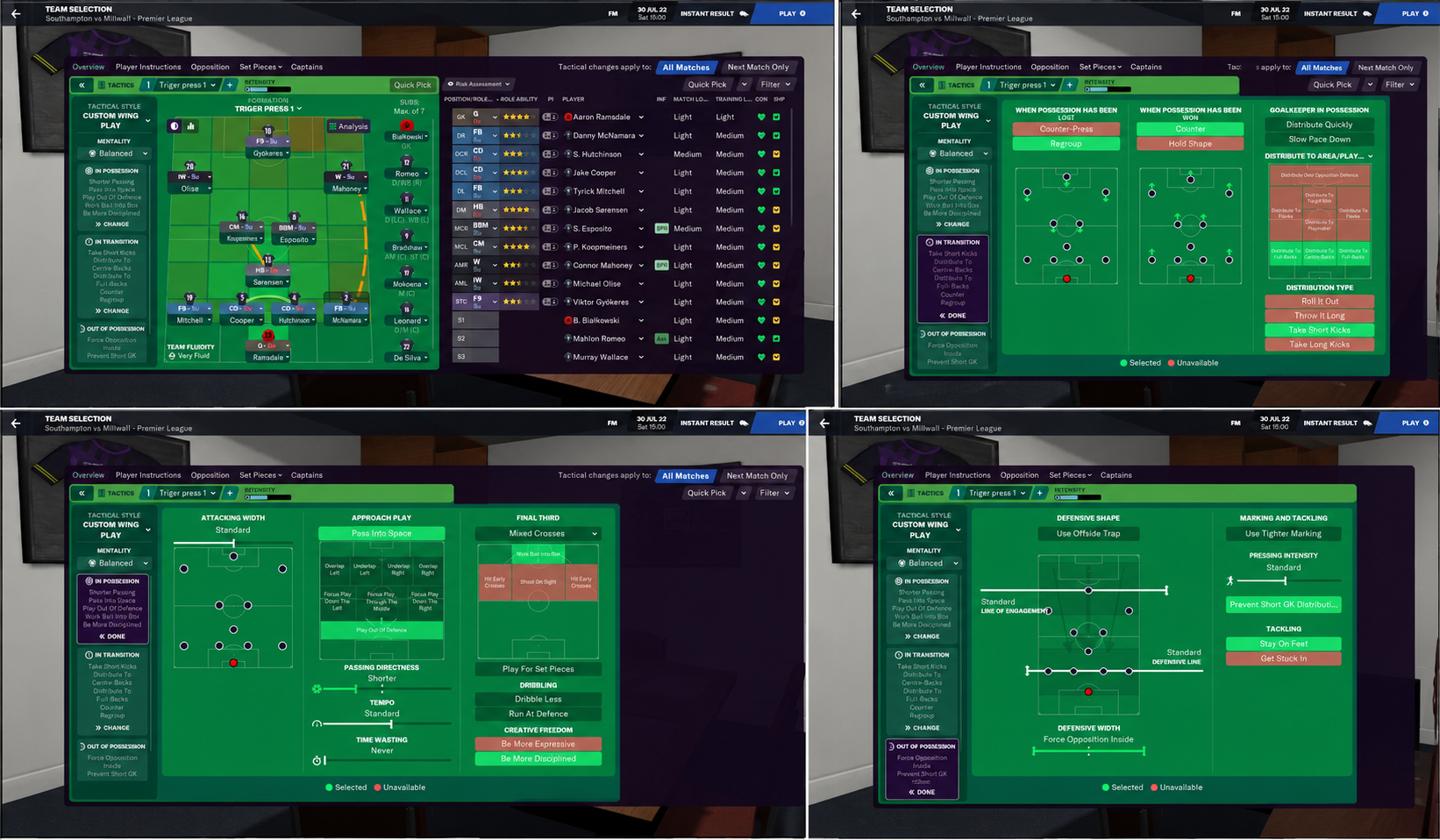
Formation & Style
Tactical Style:Custom Wing Play
Mentality:Balanced
Formation:4-2-3-1
Team Fluidity:Very Fluid
In Possession
Shorter Passing
Pass Into Space
Play Out Of Defence
Work Ball Into Box
Be More Disciplined
In Transition
Take Short Kicks
Distribute To Centre-Backs
Distribute To Full-Backs
Counter
Regroup
Out of Possession
Force Opposition Inside
Prevent Short GK Distribution
Stay On Feet
Team Shape Without Ball
Shape:4-2
Description:Well-structured defensive shape maintaining a compact midfield line, key to limiting opposition opportunities.
Evidence:HB-De at [3,2] and two CD-De at [2,2] and [2,3] provide stability and support for defensive transitions.
Team Shape With Ball
Shape:4-3
Description:Presents a fluid attacking shape with width from the wings and central penetration through the box-to-box midfielder.
Evidence:IW-Su at [6,1] and W-Su at [6,5] effectively stretch opposition defenses for better attacking lanes.
Phase Description
Attacking Play
Utilizes width primarily through inverted winger and wing play to create chances in central areas, emphasizing ball retention.
Defensive Transition
Focuses on regaining possession quickly while maintaining shape, ready to regroup.
Main Focus
Prioritizes short, disciplined build-up while capitalizing on space with pacey wingers and an active striker.
Key Strengths
Strong Defensive Structure
The formation provides a solid base with a half-back supporting a back four, allowing for effective defensive transitions.
Dynamic Attacking Play
The combination of inverted winger and winger creates space and opportunities for the striker and attacking midfielders.
Midfield Versatility
Utilization of a box-to-box midfielder allows for high stamina and contribution both defensively and offensively.
Conflicting Directions
Countering High Press
The team may struggle against high-pressing opponents, potentially disrupting their build-up play.
Defensive Depth
While the defensive four is strong, quick transitions from opponents could exploit spaces behind the full-backs.
Player Fatigue
High-intensity pressing could lead to player fatigue over match durations, especially in tight schedules.
Tactical Suggestions
Adjust Defensive Width
Consider reducing the width of the defensive line to prevent exploitation of space on the flanks.
Enhance Squad Rotation
Implement rotation of players to maintain energy levels during demanding match periods.
Incorporate Mezzala
Introducing a Mezzala role could provide additional dynamism in midfield, linking play more effectively.
Ask Questions About Your Lineup
Related Tactics
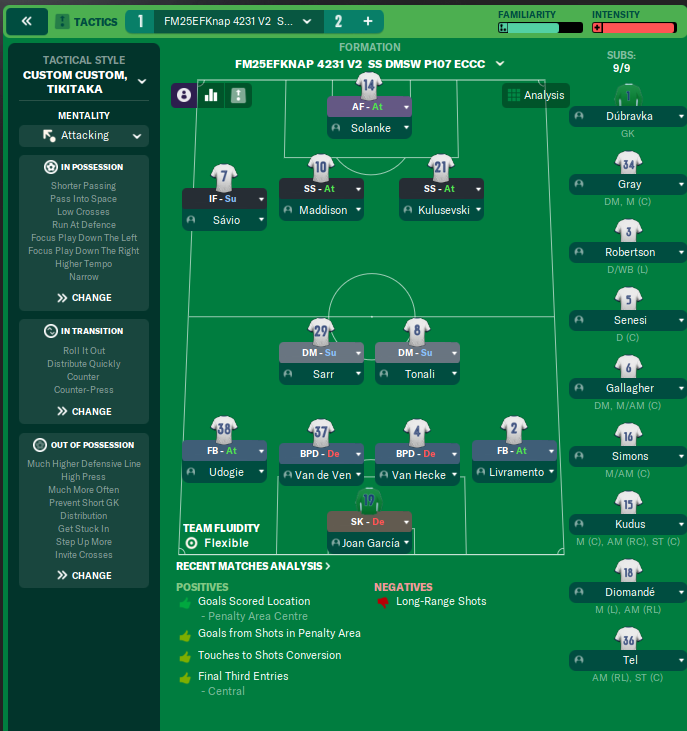
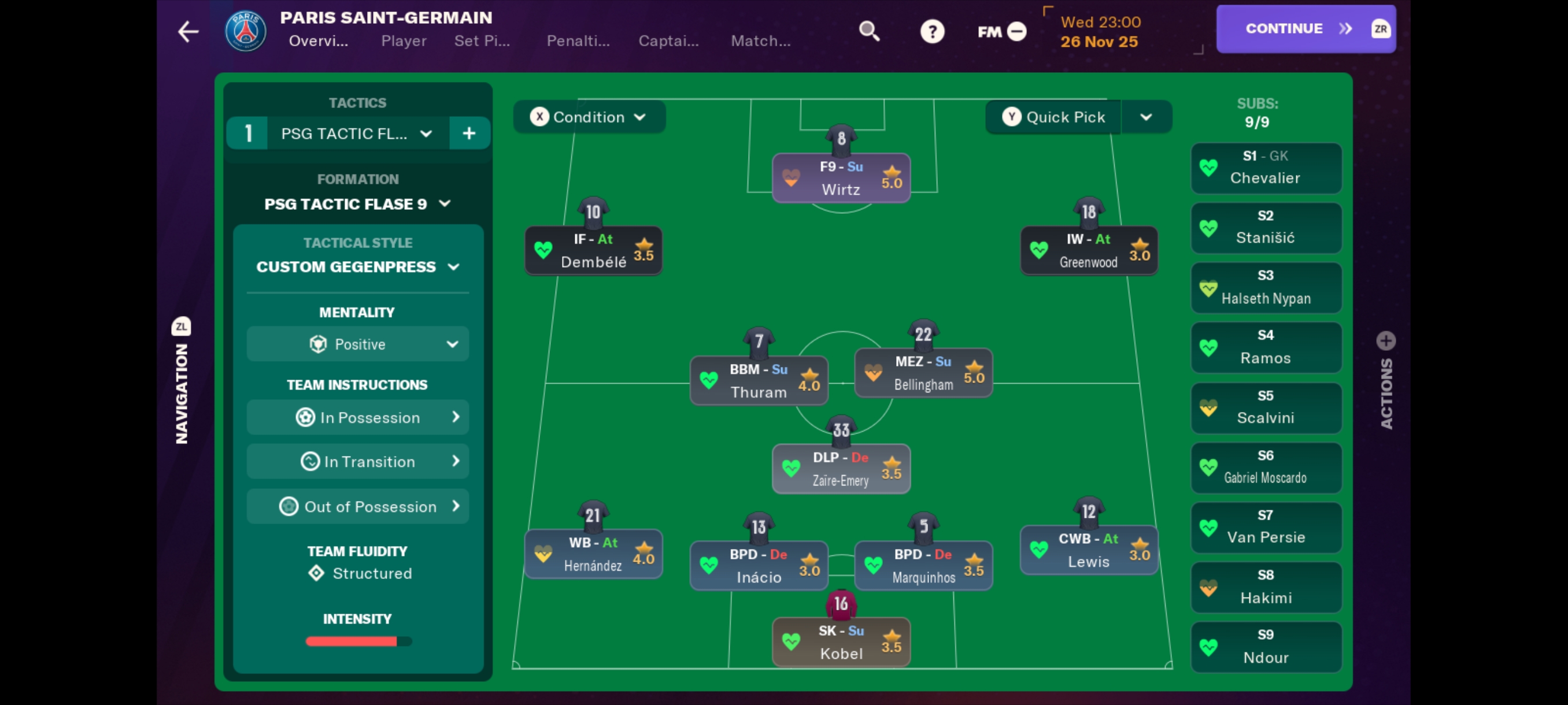
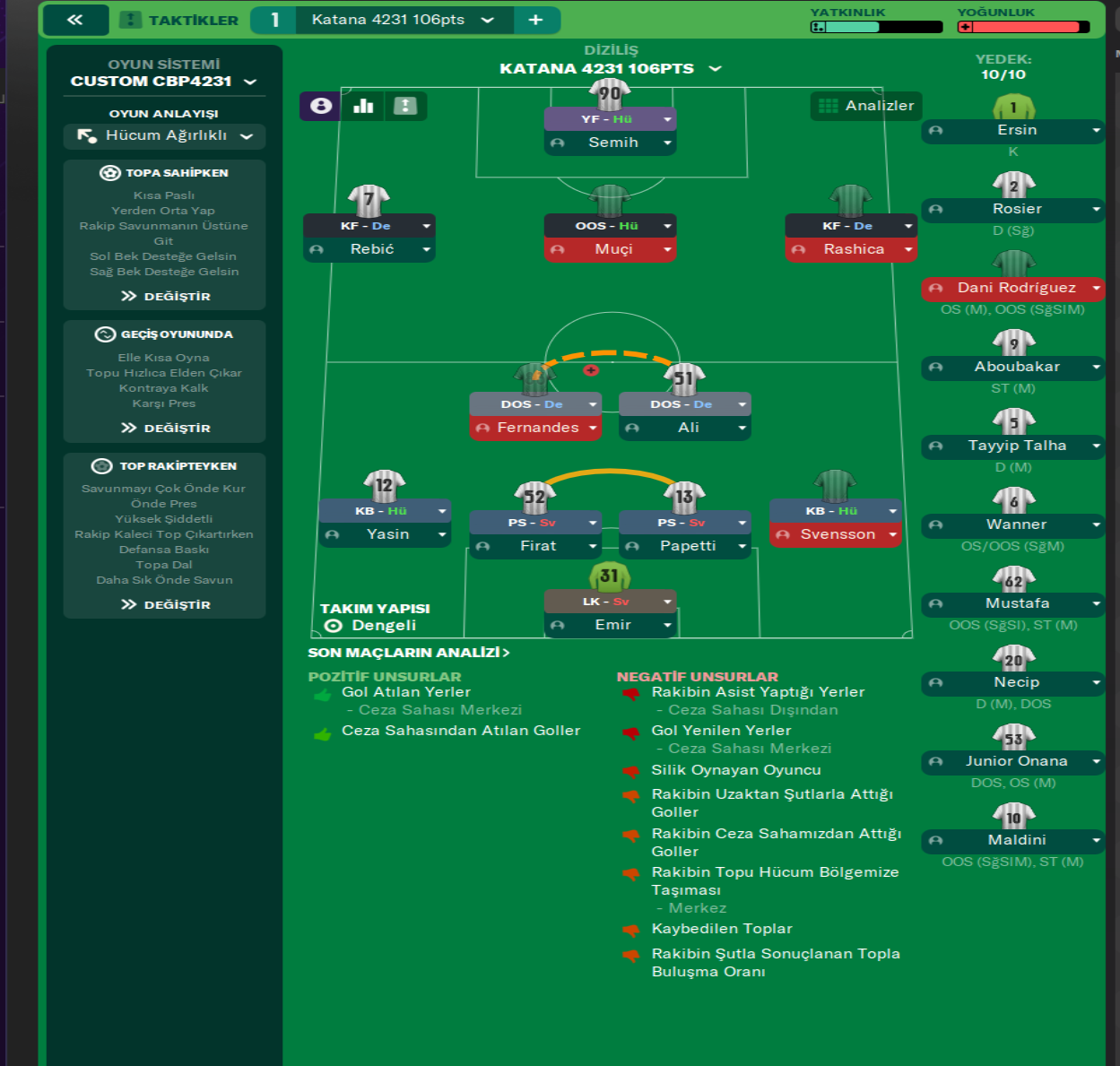
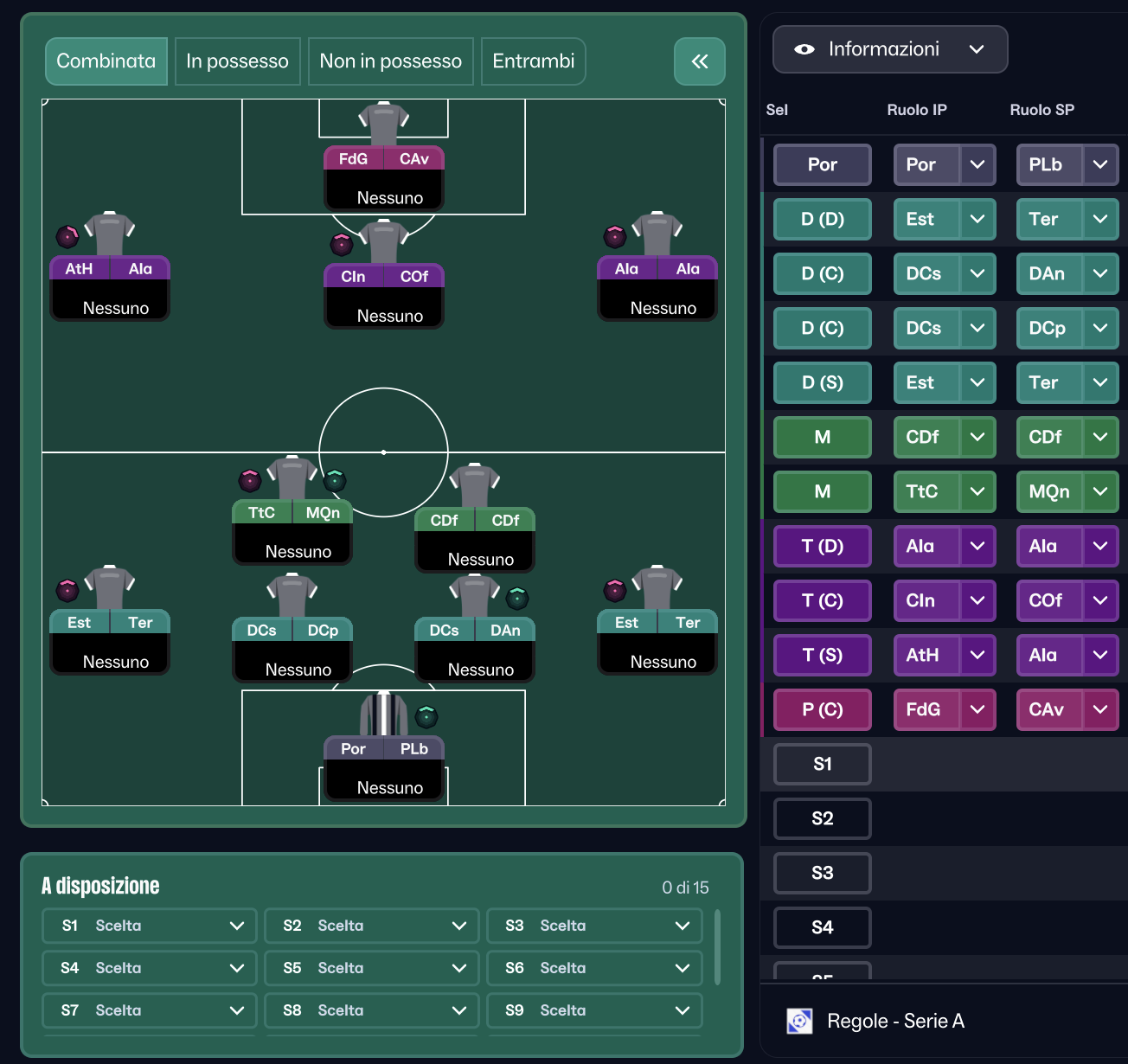
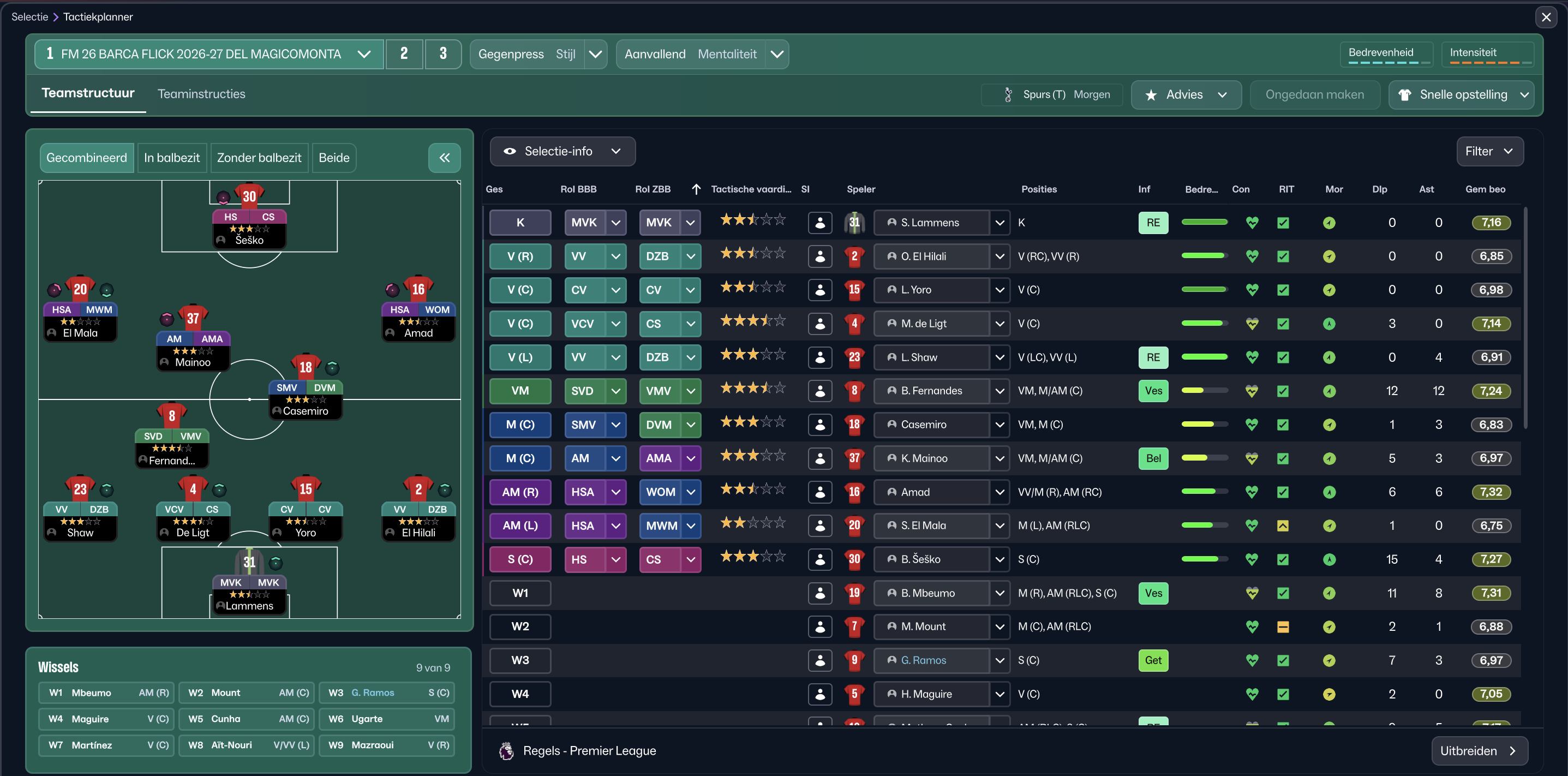
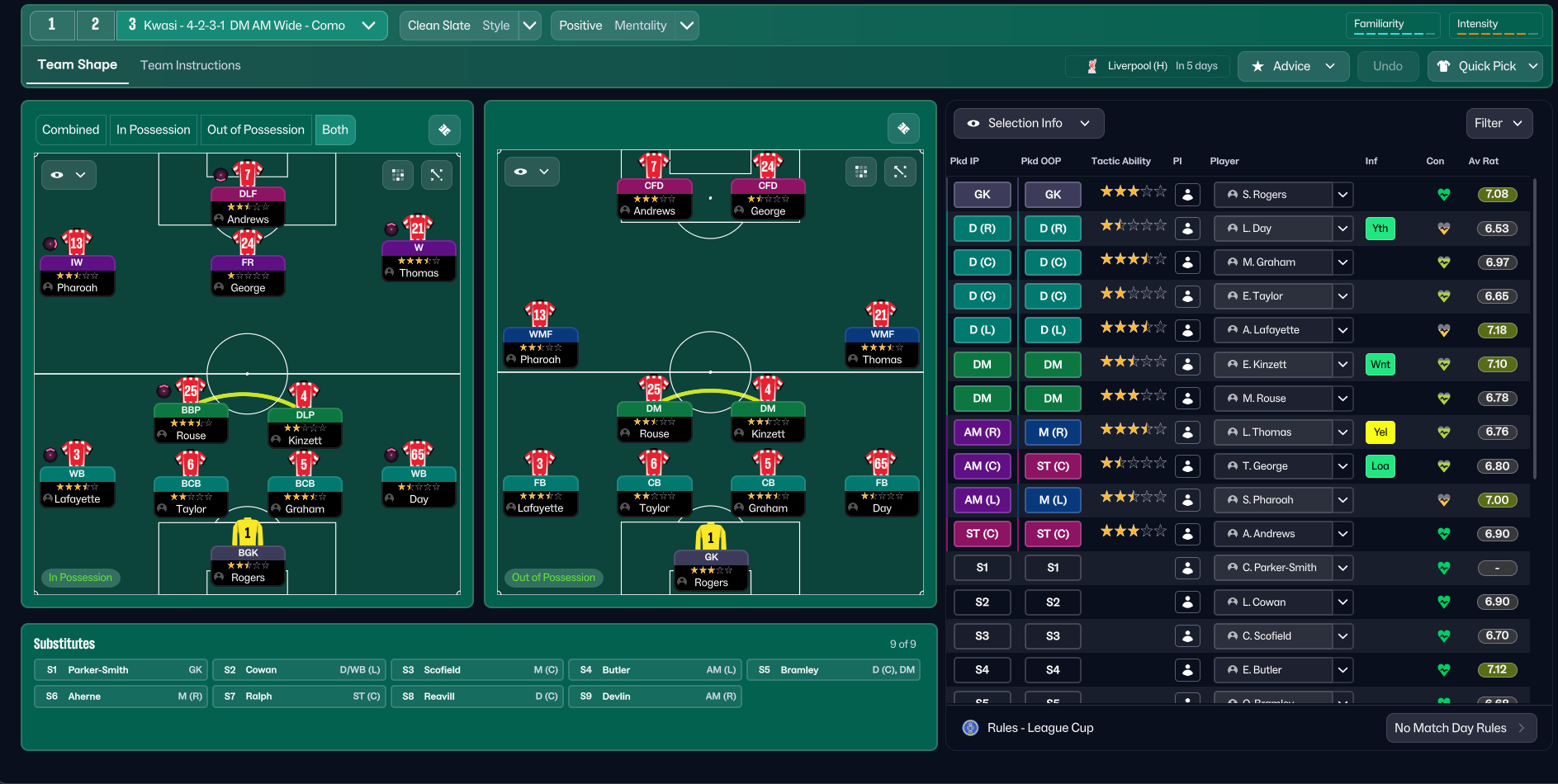
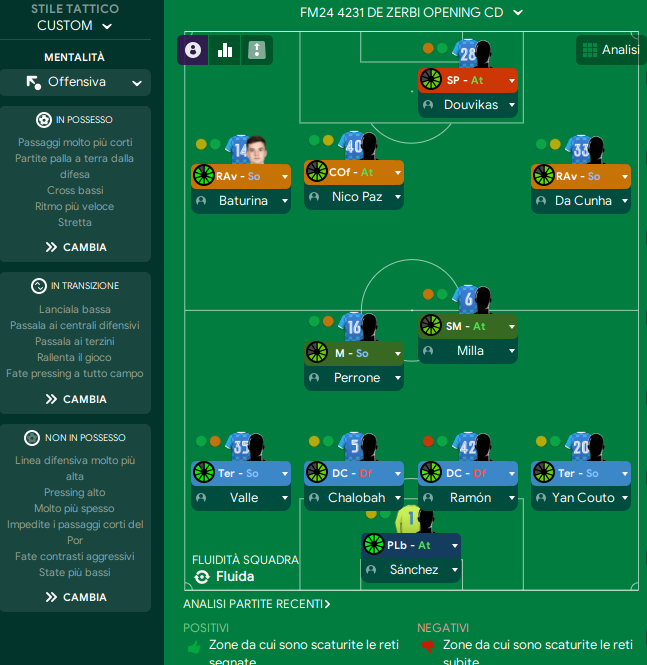
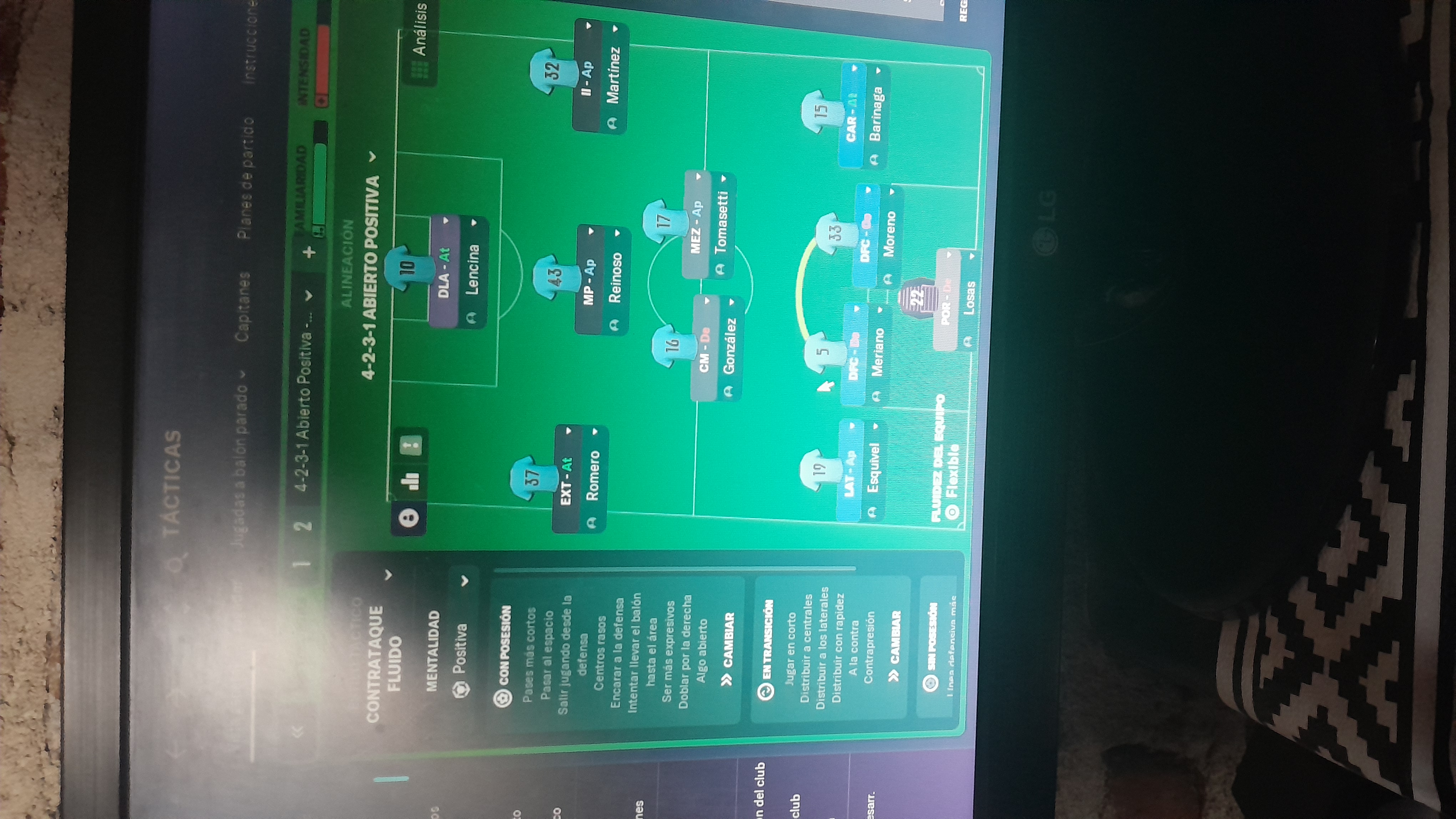
More Custom Wing Play tactics
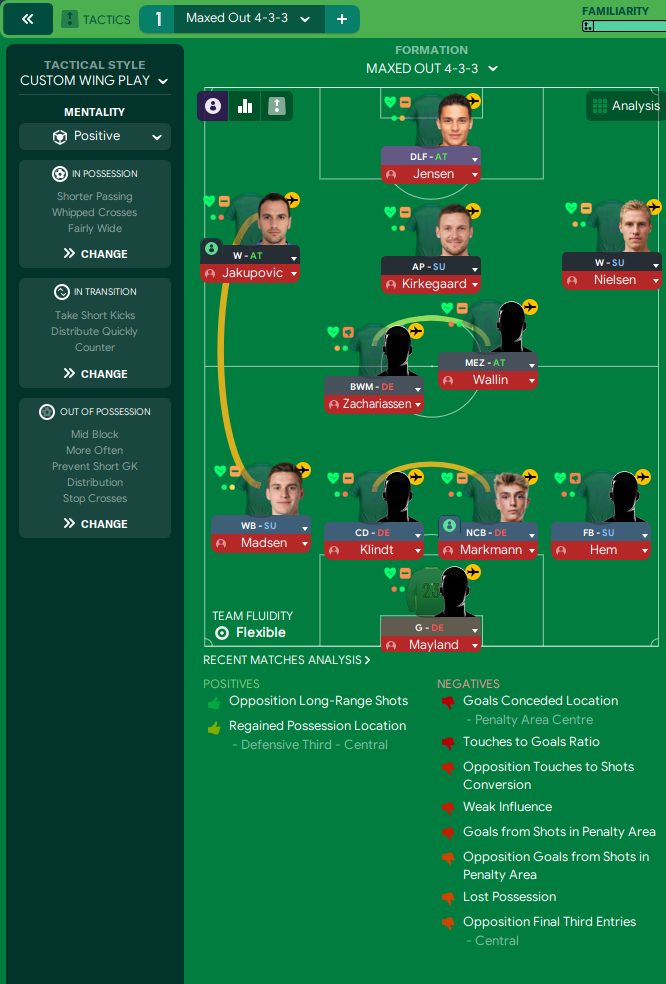
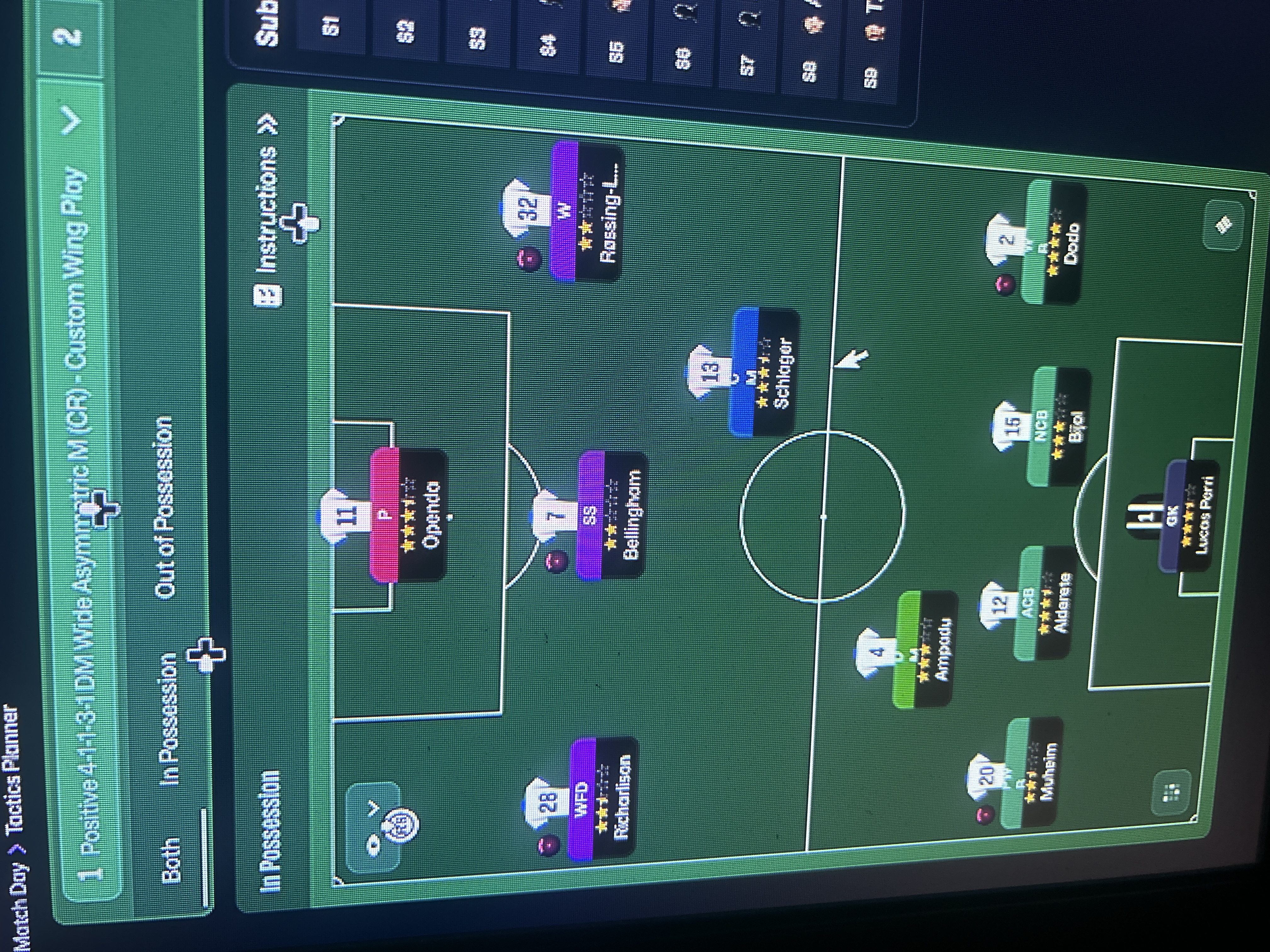
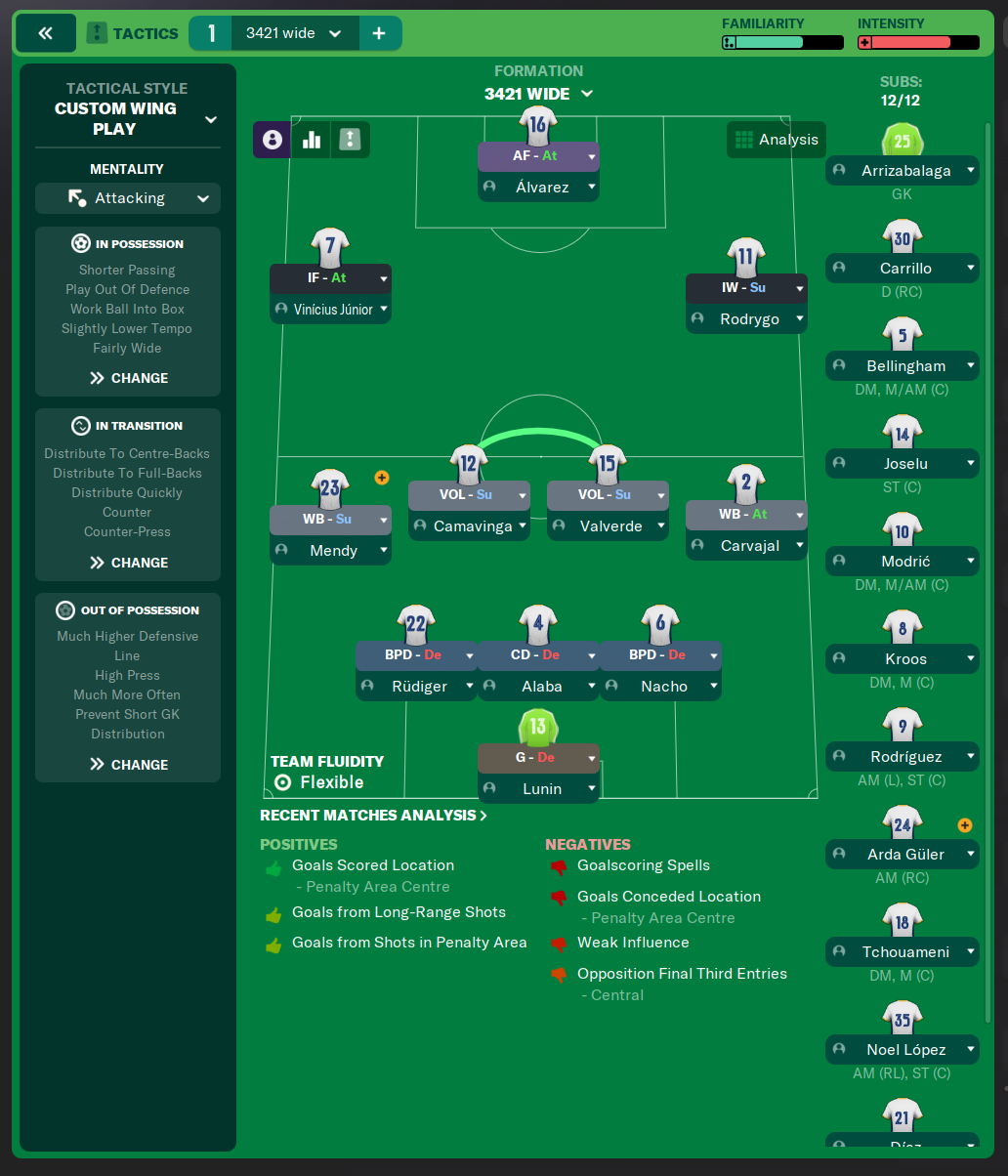
Guides for this formation
The tactical theory behind the 4-2-3-1: roles, instructions, and the trade-offs that decide whether the system holds up.
Player pairings
Midfield Pairs in 4-2-3-1 and 4-4-2
Double pivots and flat pairs in 4-2-3-1 and 4-4-2: when each pairing works, when it collapses, and the AMC unicorn that rescues both.
Read guide
Playing styles
Gegenpressing: A Full Guide
Klopp-style gegenpressing in FM, including squad profile, line-and-press pairing, sustainable workload, and the antipatterns to avoid.
Read guide