Uploaded Tactic
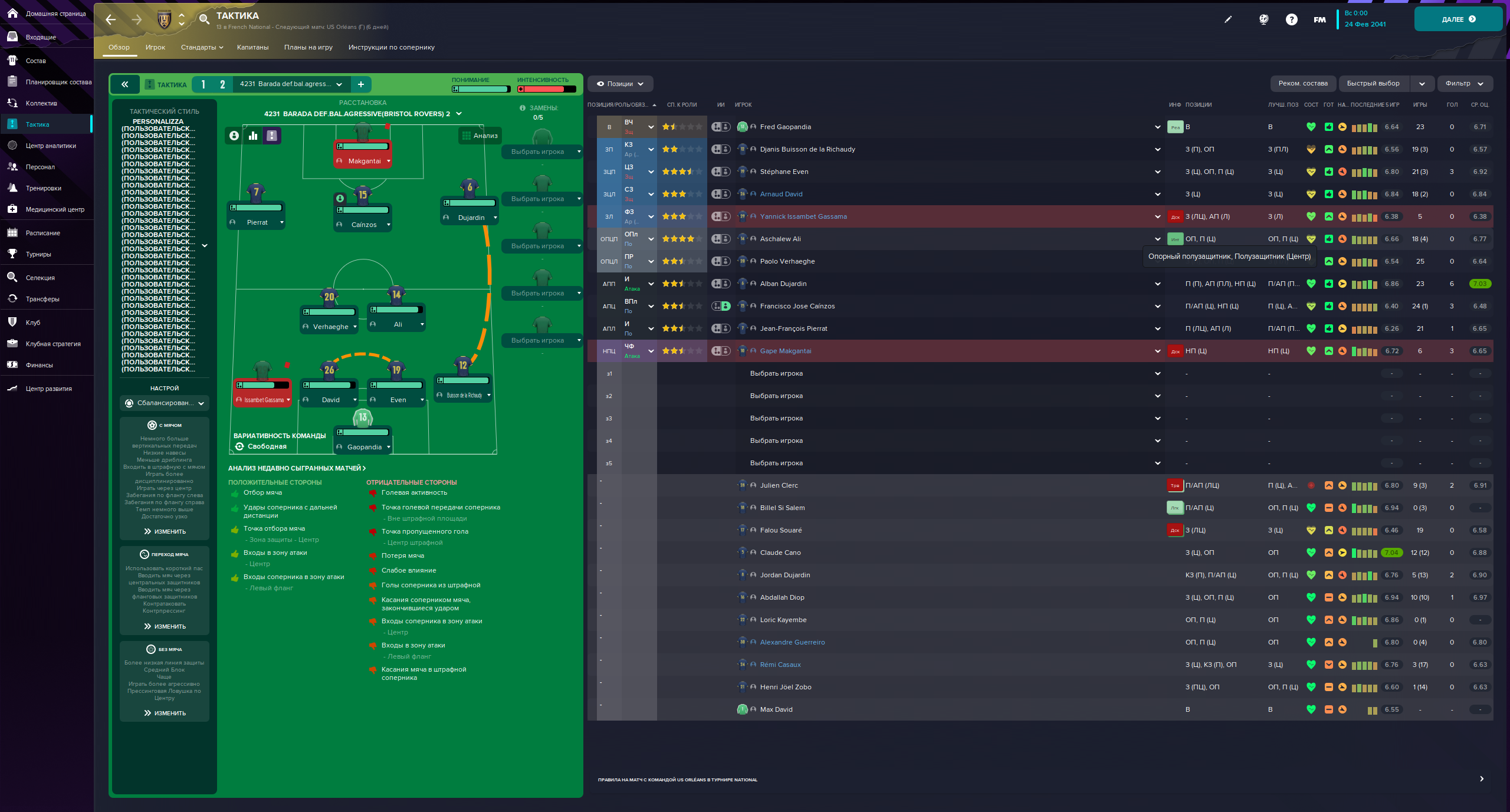
Formation & Style
Tactical Style:Balanced
Mentality:Positive
Formation:4-2-3-1 Narrow
Team Fluidity:Fluid
In Possession
Play Out of Defence
Work Ball Into Box
Focus Play Down the Middle
In Transition
Counter
Counter-Press
Out of Possession
Higher Defensive Line
Higher Line of Engagement
Prevent Short GK Distribution
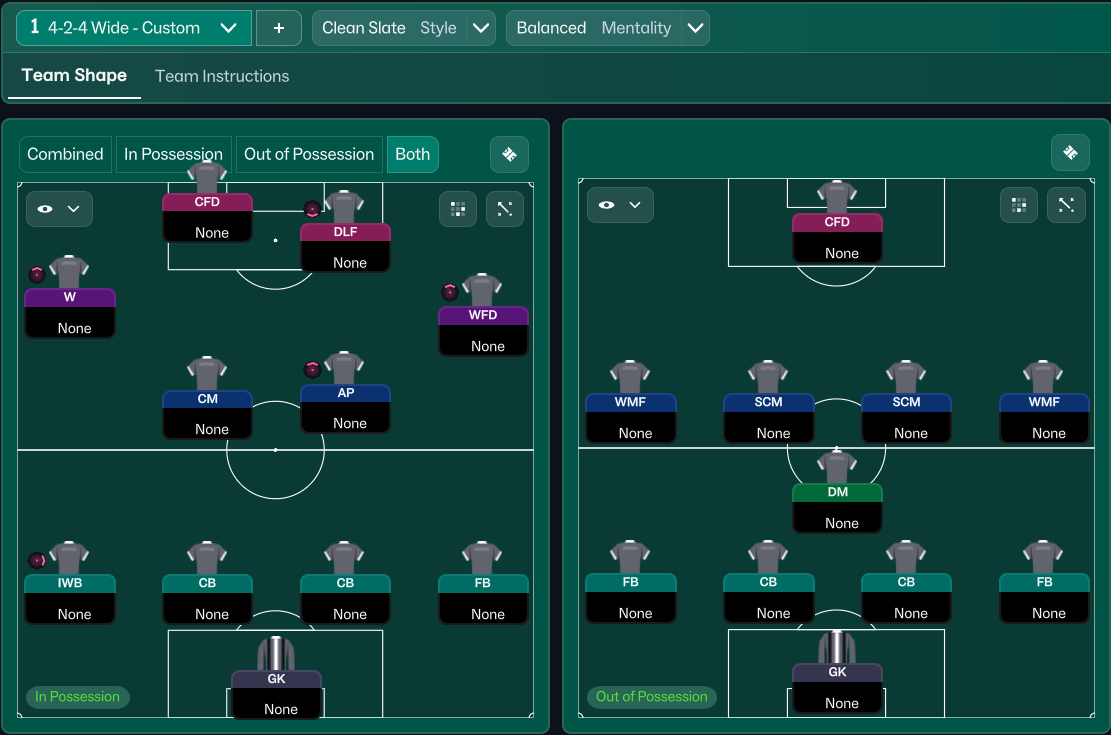
Team Shape Without Ball
Shape:4-2-3-1
Description:A well-organized unit that presses higher up the pitch and attempts to win the ball back quickly.
Evidence:Higher Defensive Line and Higher Line of Engagement
Team Shape With Ball
Shape:4-3-3
Description:Flexible attacking shape with inside forwards providing width and an advanced forward centralizing play.
Evidence:Focus Play Down the Middle and Play Out of Defence
Phase Description
Attacking Play
Utilize the width provided by the inside forwards to stretch the opposition while looking for central opportunities.
Defensive Transition
Quickly regroup in a compact shape to limit opposition counter-attack options.
Main Focus
Control possession and dictate the tempo through midfield.
Key Strengths
Strong Midfield Control
The combination of a Deep-Lying Playmaker and Box-to-Box Midfielder allows for solid possession retention and transitioning.
Flexible Attackers
The inside forwards will create uncertainty for defenders and offer goal-scoring threats from wide areas.
Effective Defensive Organization
With a combination of No-Nonsense and Ball-Playing defenders, the team can transition from defense to attack smoothly.
Conflicting Directions
Vulnerable to Long Balls
The higher defensive line can be exposed to quick long balls behind the defense, particularly against fast strikers.
Over-reliance on Creativity from AM
The team's attack may become predictable if the advanced playmaker is closely marked.
Wide Players Contributing Less Defensively
Inside forwards may not track back sufficiently, leaving full-backs exposed against overlapping opponents.
Tactical Suggestions
Consider a Deeper Defensive Line
Reducing the defensive line may help mitigate exposure to fast counters and long balls.
Incorporate Wing Play
Utilizing traditional wingers instead of inside forwards could provide width and additional defensive cover.
Encourage Midfield Rotation
Promoting fluid interchange between the Box-to-Box Midfielder and Deep-Lying Playmaker can confuse opposition marking.
Ask Questions About Your Lineup
Related Tactics
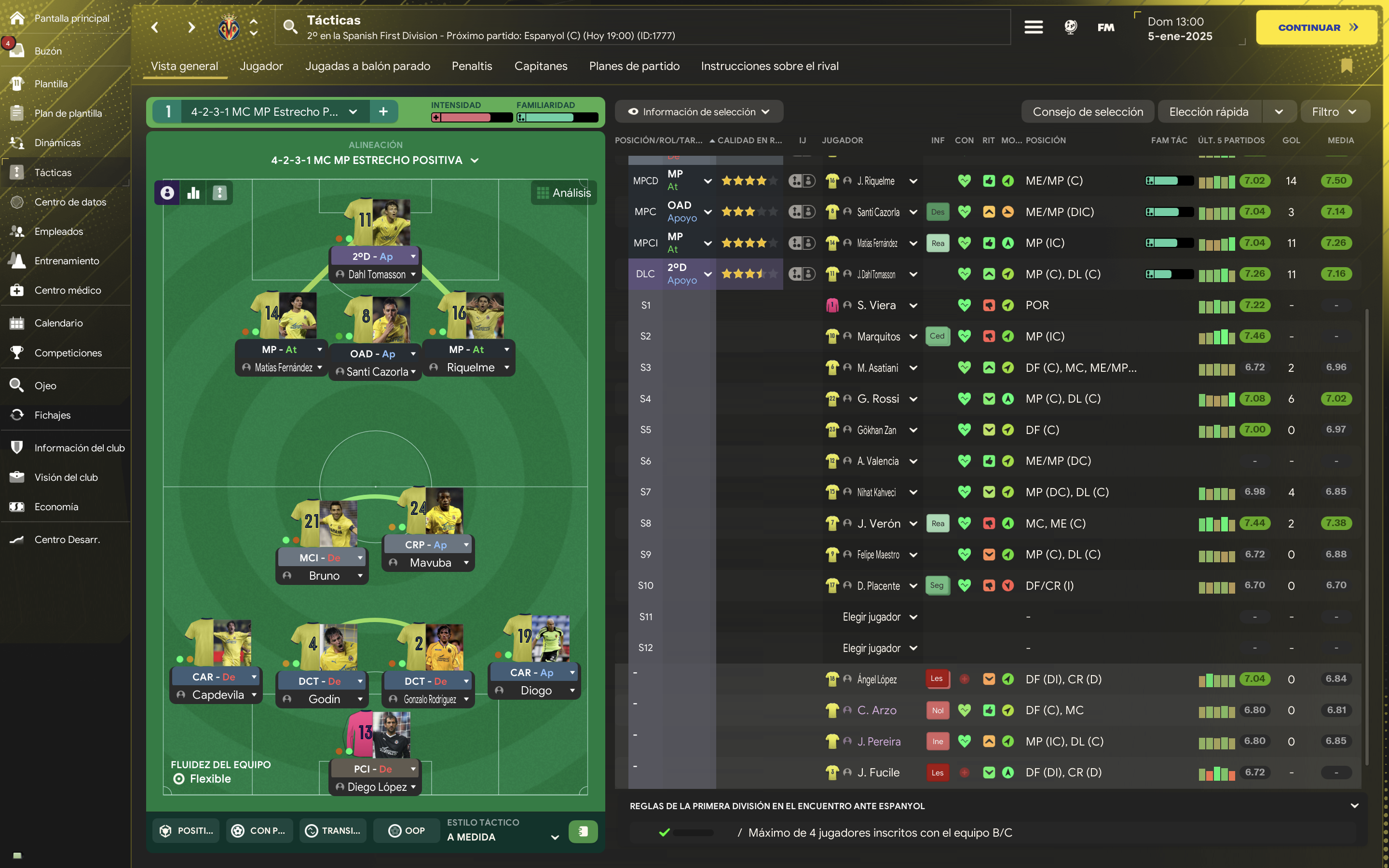
4-2-3-1 Narrow Formation
Positional
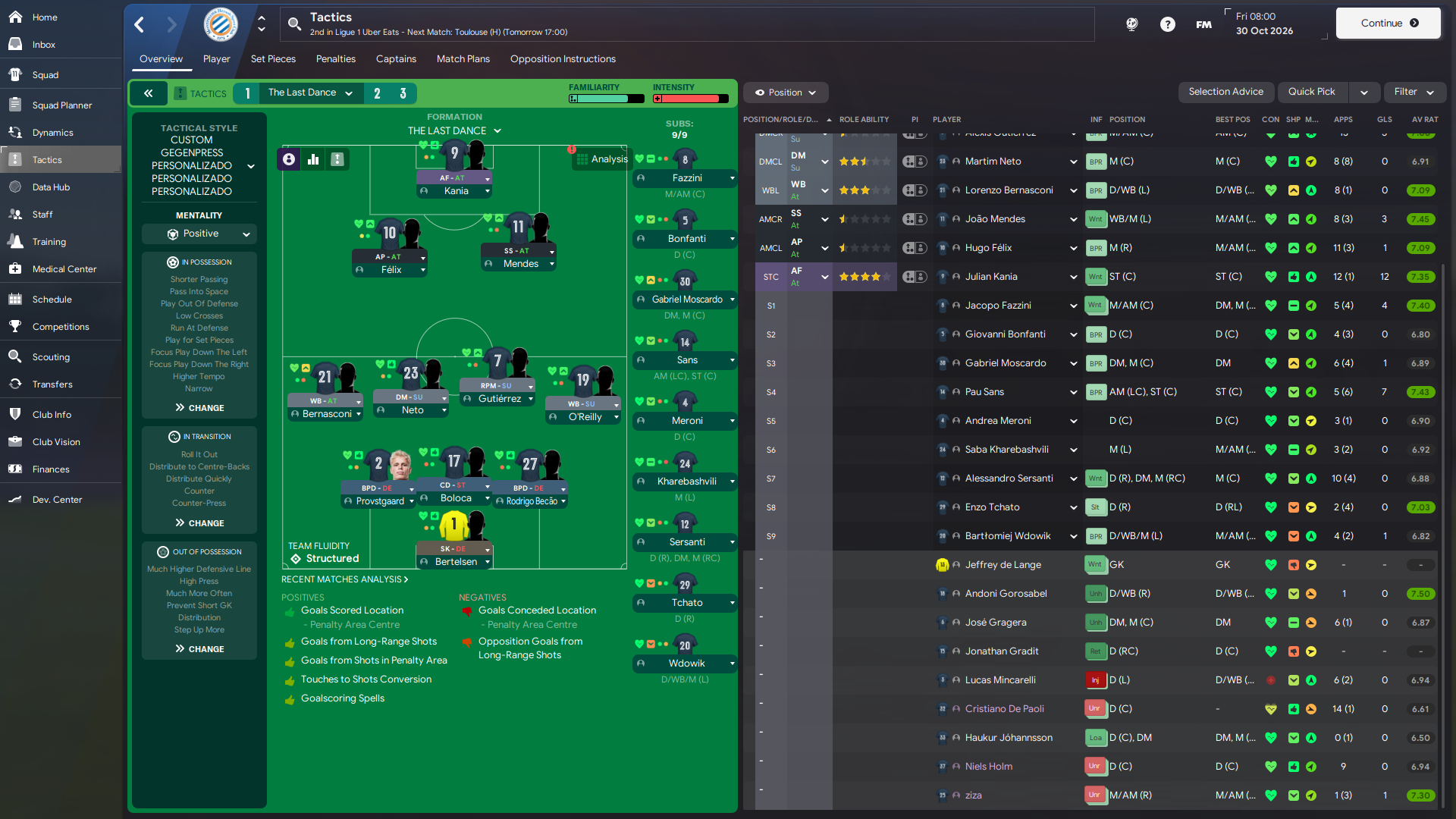
Gegenpress 4-2-3-1 Narrow
Gegenpress
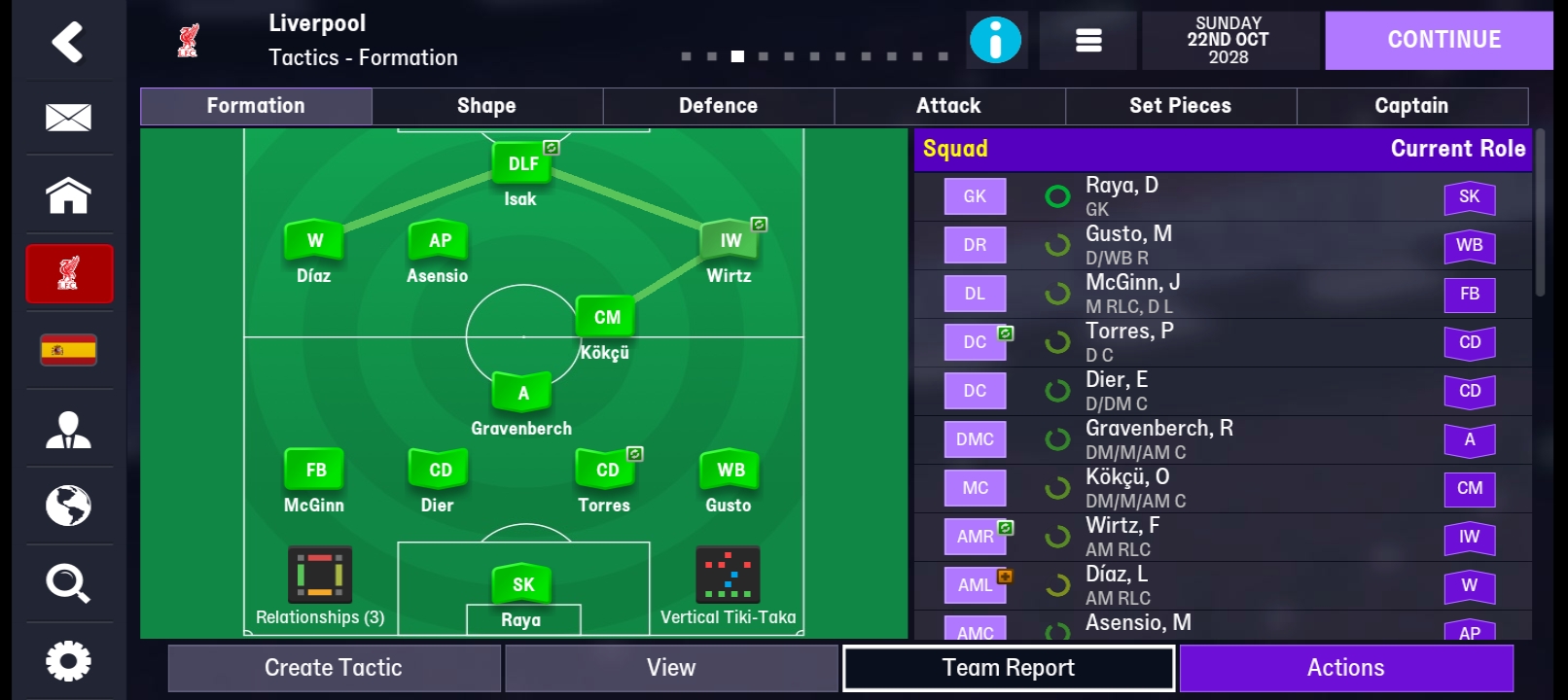
Vertical Tiki-Taka 4-2-3-1 Narrow
Vertical Tiki-Taka
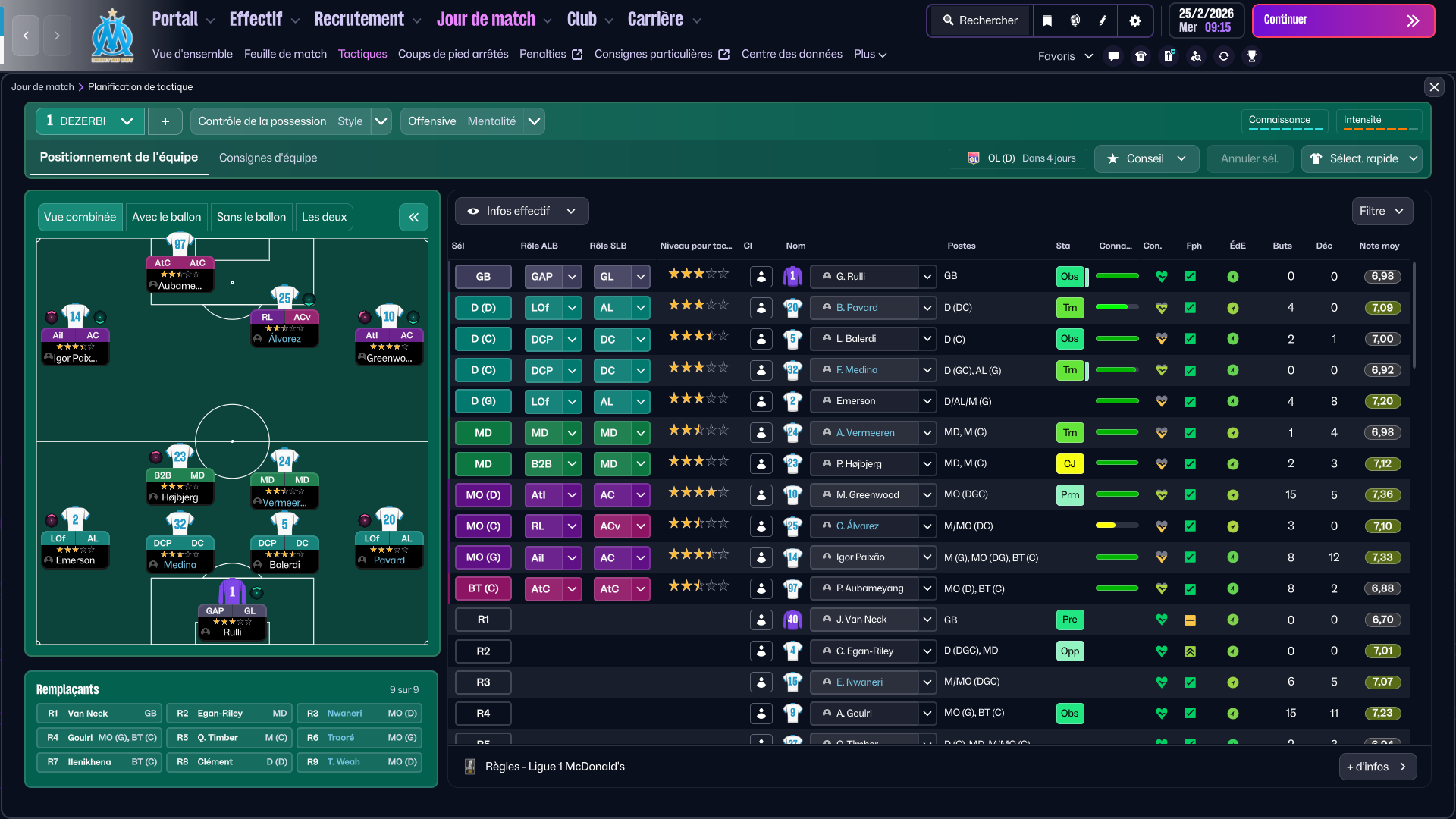
Possession Control 4-2-3-1 Narrow
Possession Control
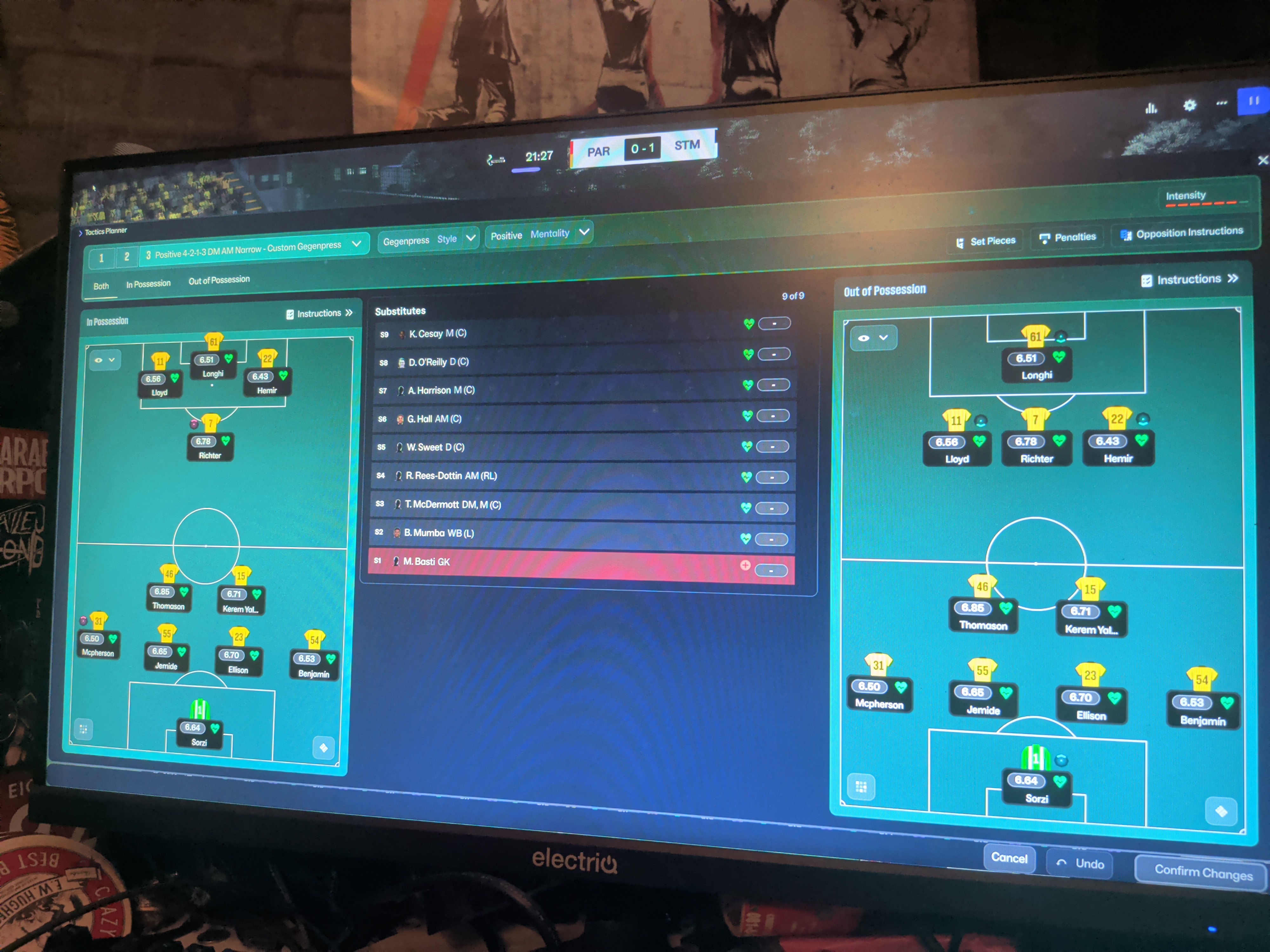
Gegenpress 4-2-3-1 Narrow
Gegenpress
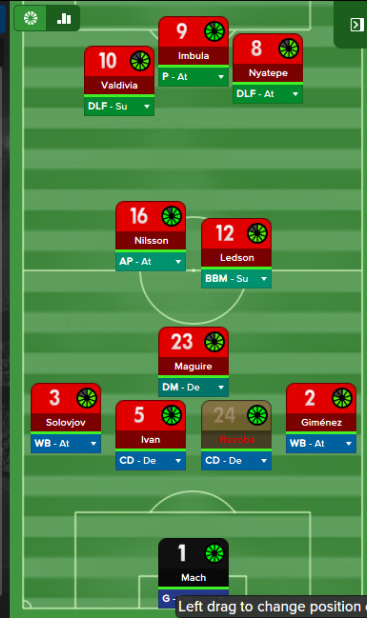
Attacking 4-2-3-1 Narrow
Attacking
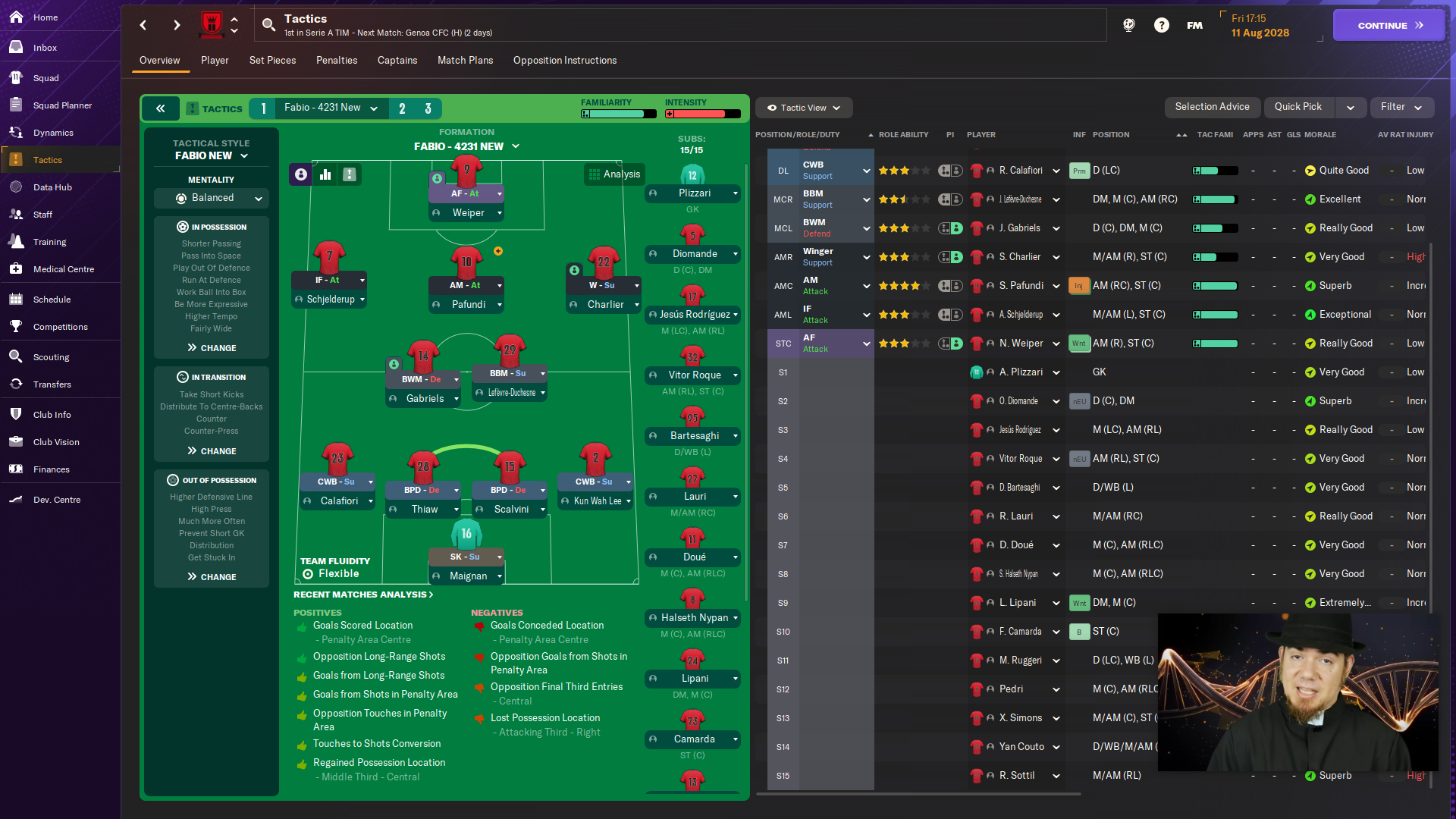
Balanced 4-2-3-1 Narrow
Balanced
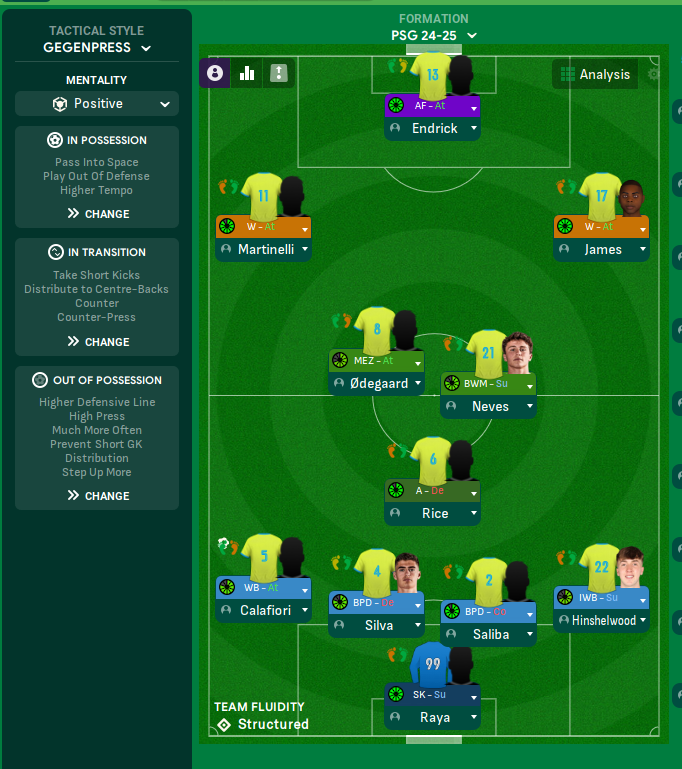
Gegenpress 4-2-3-1 Narrow
Gegenpress
More Balanced tactics
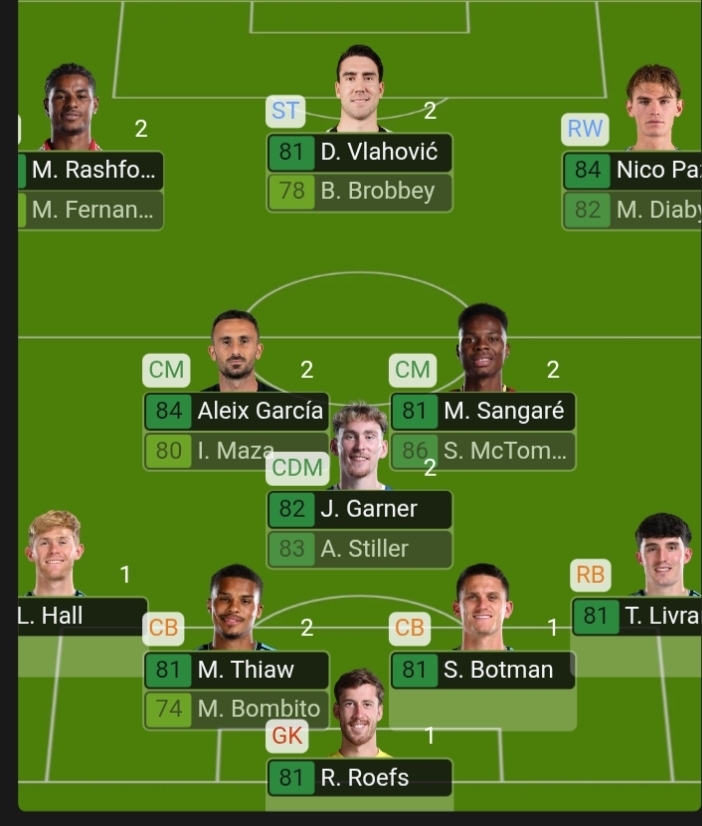
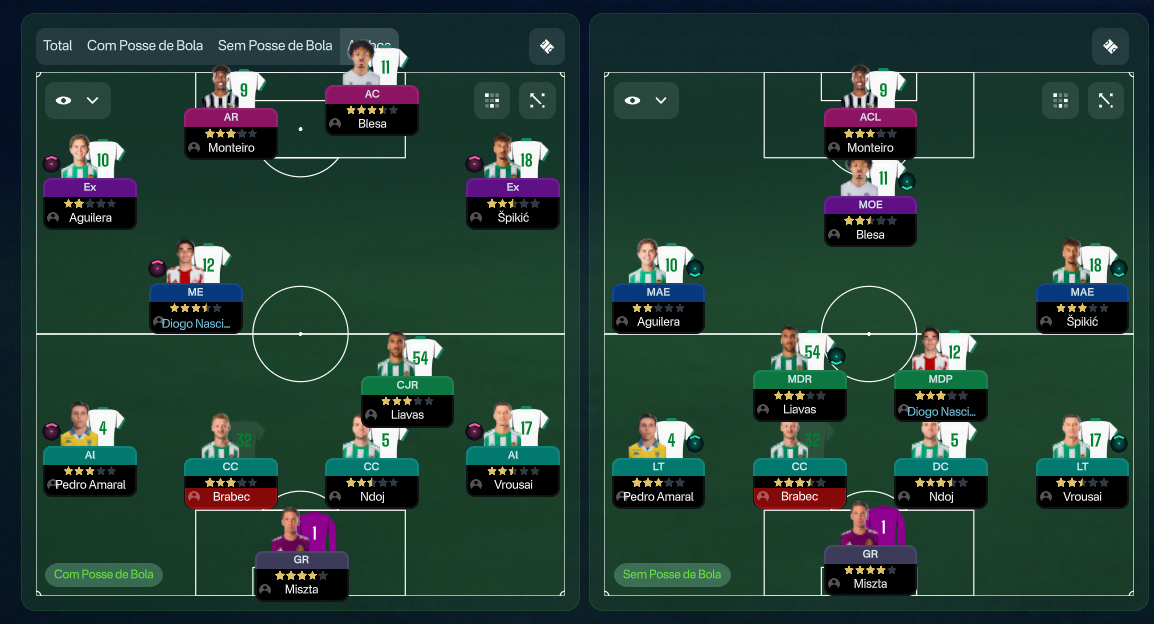
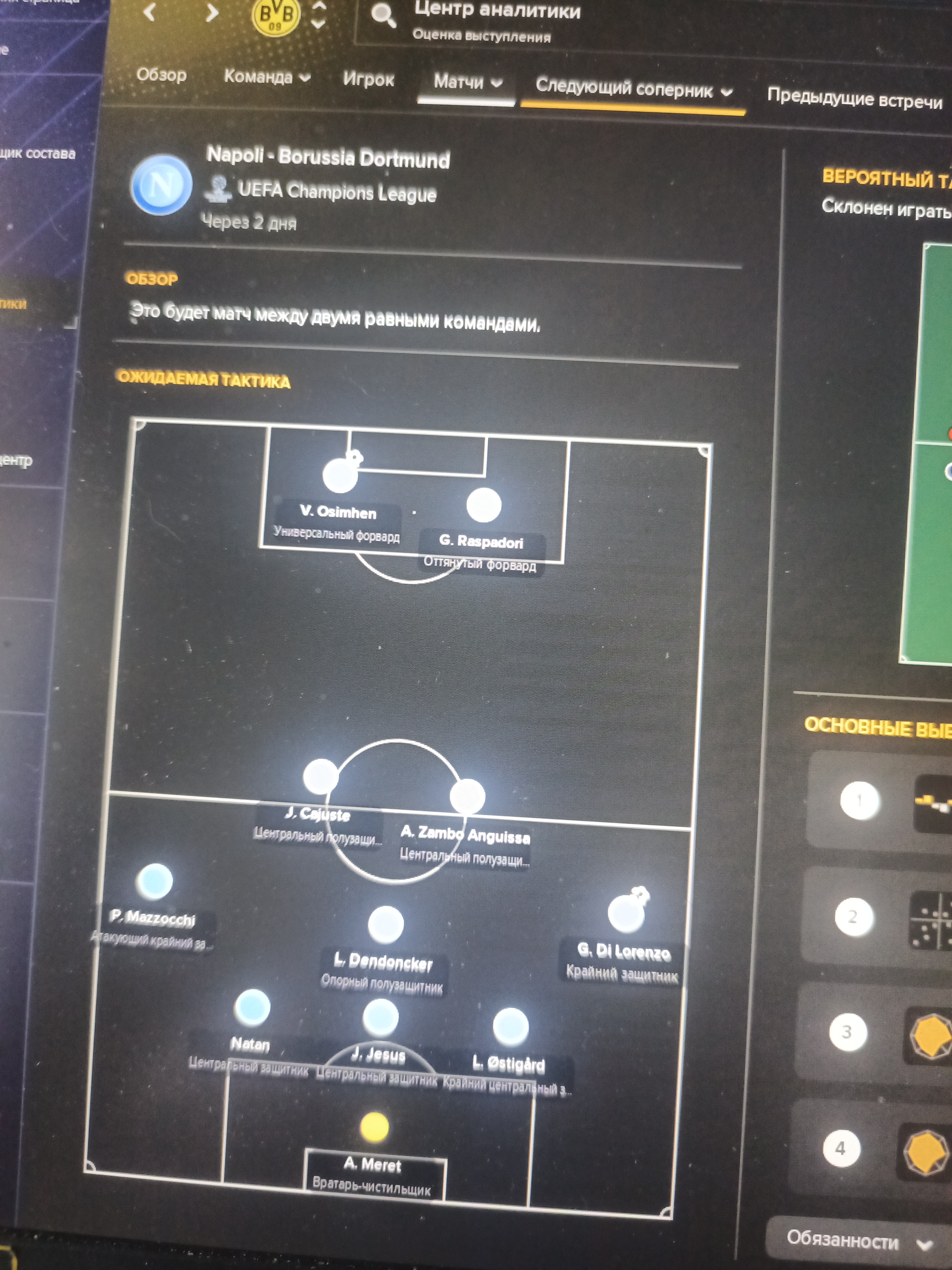
Guides for this formation
The tactical theory behind the 4-2-3-1 Narrow: roles, instructions, and the trade-offs that decide whether the system holds up.
Player pairings
Midfield Pairs in 4-2-3-1 and 4-4-2
Double pivots and flat pairs in 4-2-3-1 and 4-4-2: when each pairing works, when it collapses, and the AMC unicorn that rescues both.
Read guide
Playing styles
Gegenpressing: A Full Guide
Klopp-style gegenpressing in FM, including squad profile, line-and-press pairing, sustainable workload, and the antipatterns to avoid.
Read guide