Uploaded Tactic
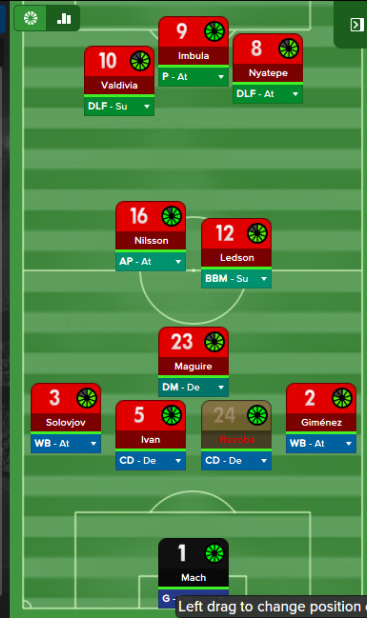
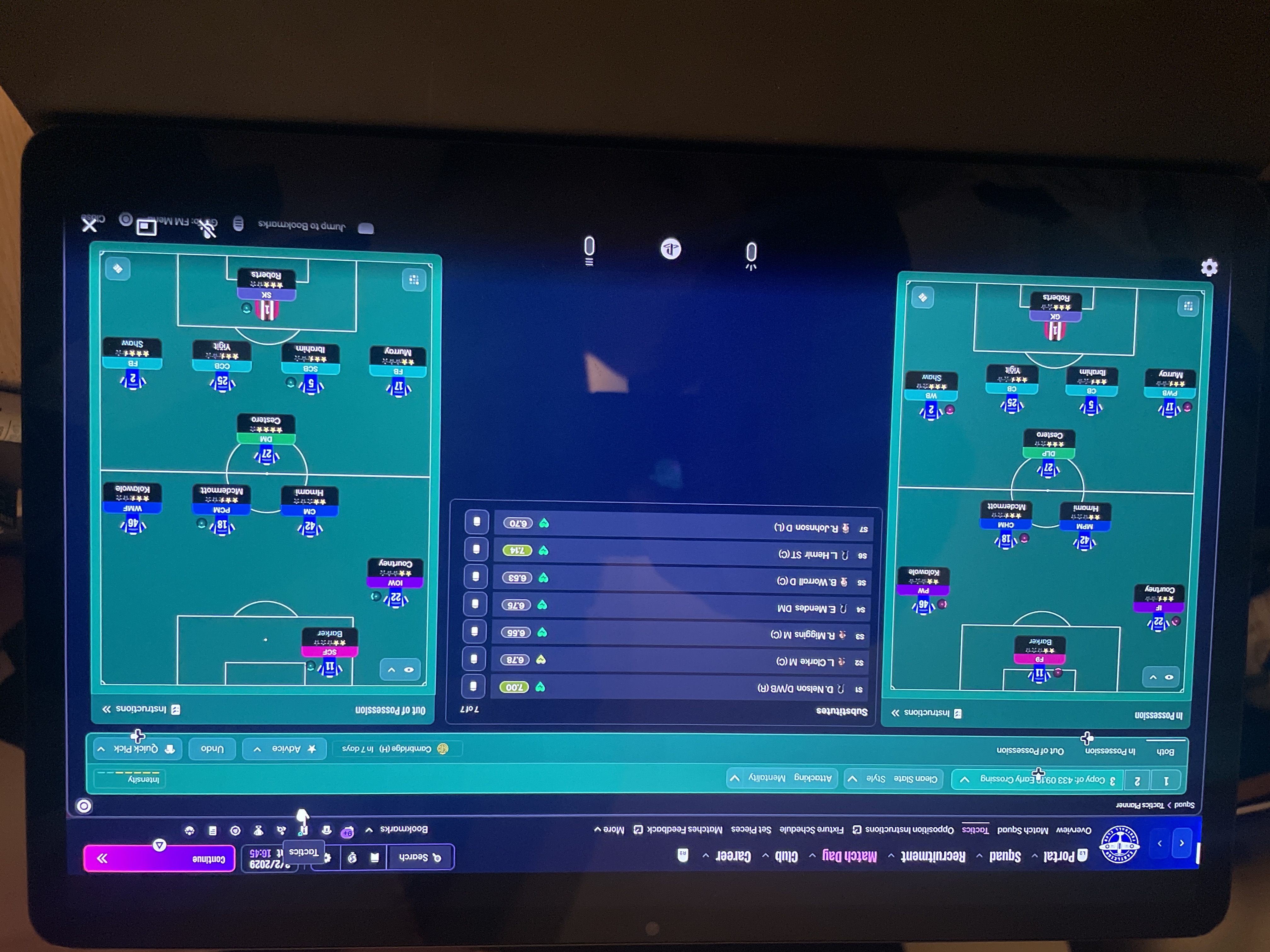
Formation & Style
Tactical Style:Attacking
Mentality:Positive
Formation:4-2-3-1 Narrow
Team Fluidity:Fluid
In Possession
Wide Play
Exploit the Flanks
Short Passing
In Transition
Counter
Counter-Press
Out of Possession
High Press
Much More Often Prevent Short GK Distribution
Team Shape Without Ball
Shape:Compact Block
Description:The team maintains a compact shape during defensive phases to cover spaces effectively.
Evidence:The presence of two CD and a DM ensures good coverage against opposition attacks.
Team Shape With Ball
Shape:Fluid 4-2-3-1
Description:Fluid attacking movement with diverse involvement from the wingers, central attacking midfielder, and lone forward.
Evidence:Two wing-backs actively push forward, creating width, while the AP, BBM, and DLF seek to exploit gaps.
Phase Description
Attacking Play
The attack focuses on utilizing width through overlapping wing-backs, while the midfielders aim to create through balls for the forwards.
Defensive Transition
During transition, the team seeks to quickly regain possession through aggressive high pressing.
Main Focus
The main focus lies on quick transitions with an emphasis on overlapping runs from the wing-backs.
Key Strengths
Dynamic Attackers
The combination of a DLF and a Poacher up front adds versatility and depth to goal-scoring opportunities.
Midfield Control
The BBM and DM duo provides a good balance between defending and supporting the attack.
Width and Overlap
The wing-backs can create width, stretching defenses and allowing space for forwards.
Conflicting Directions
Heavy Press and Counter-Press
The strategy may leave the midfield exposed if the press fails, allowing rapid counter-attacks.
Narrow Coring
The formation risks being too narrow, potentially allowing teams to exploit wide areas.
Defensive Vulnerability
If wing-backs are caught high up the field, the defense could be exposed to counter-attacks.
Tactical Suggestions
Consider Adding Another DM
Introducing a second DM can provide more defensive cover, thus reducing vulnerability during transitions.
Adjust Wing-Back Roles
Consider alternating wing-back duties to balance attacking and defensive responsibilities.
Utilize the AP Effectively
Ensure the AP-S is positioned to receive the ball in pockets of space to maximize creative potential.
Ask Questions About Your Lineup
Related Tactics
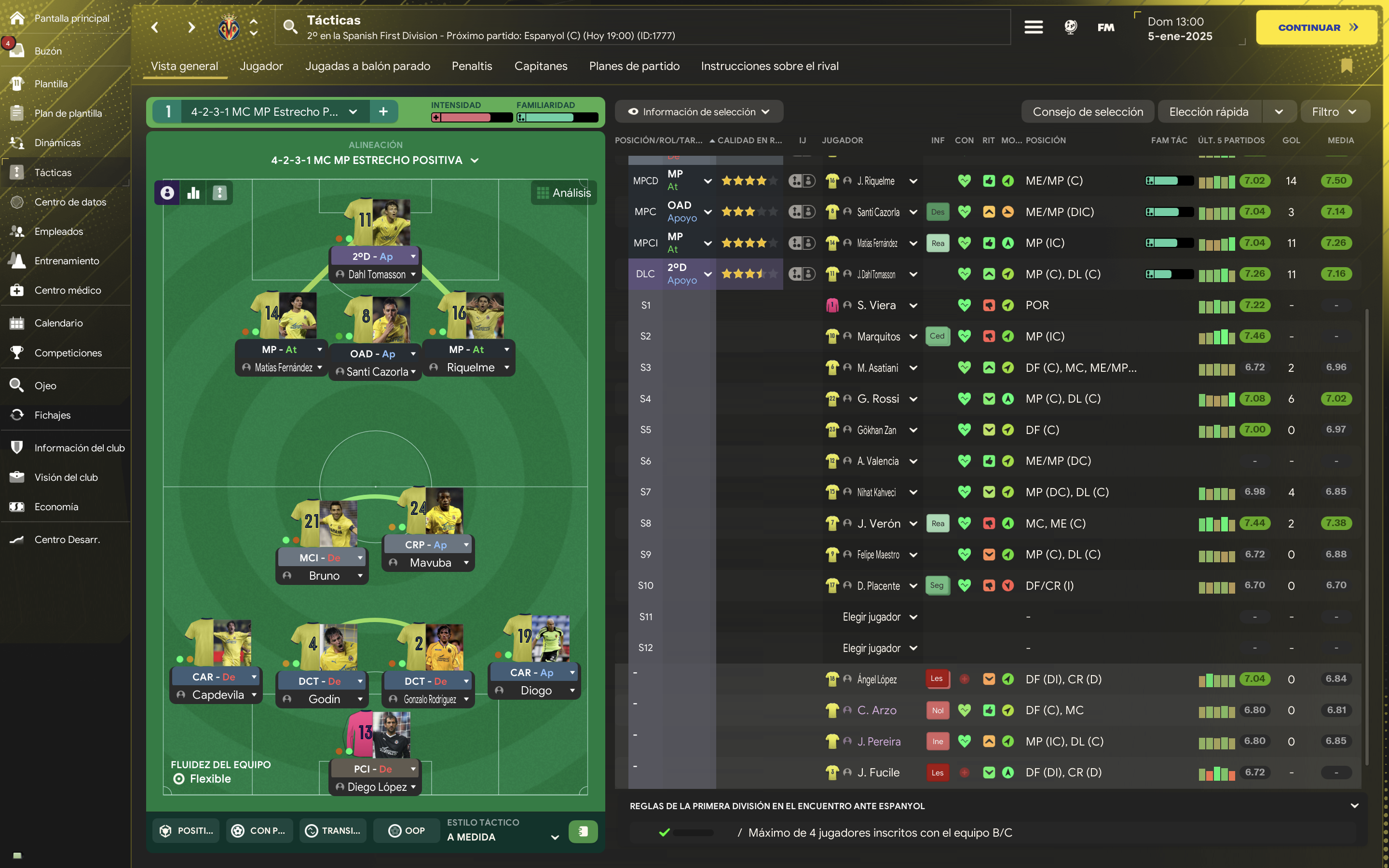
4-2-3-1 Narrow Formation
Positional
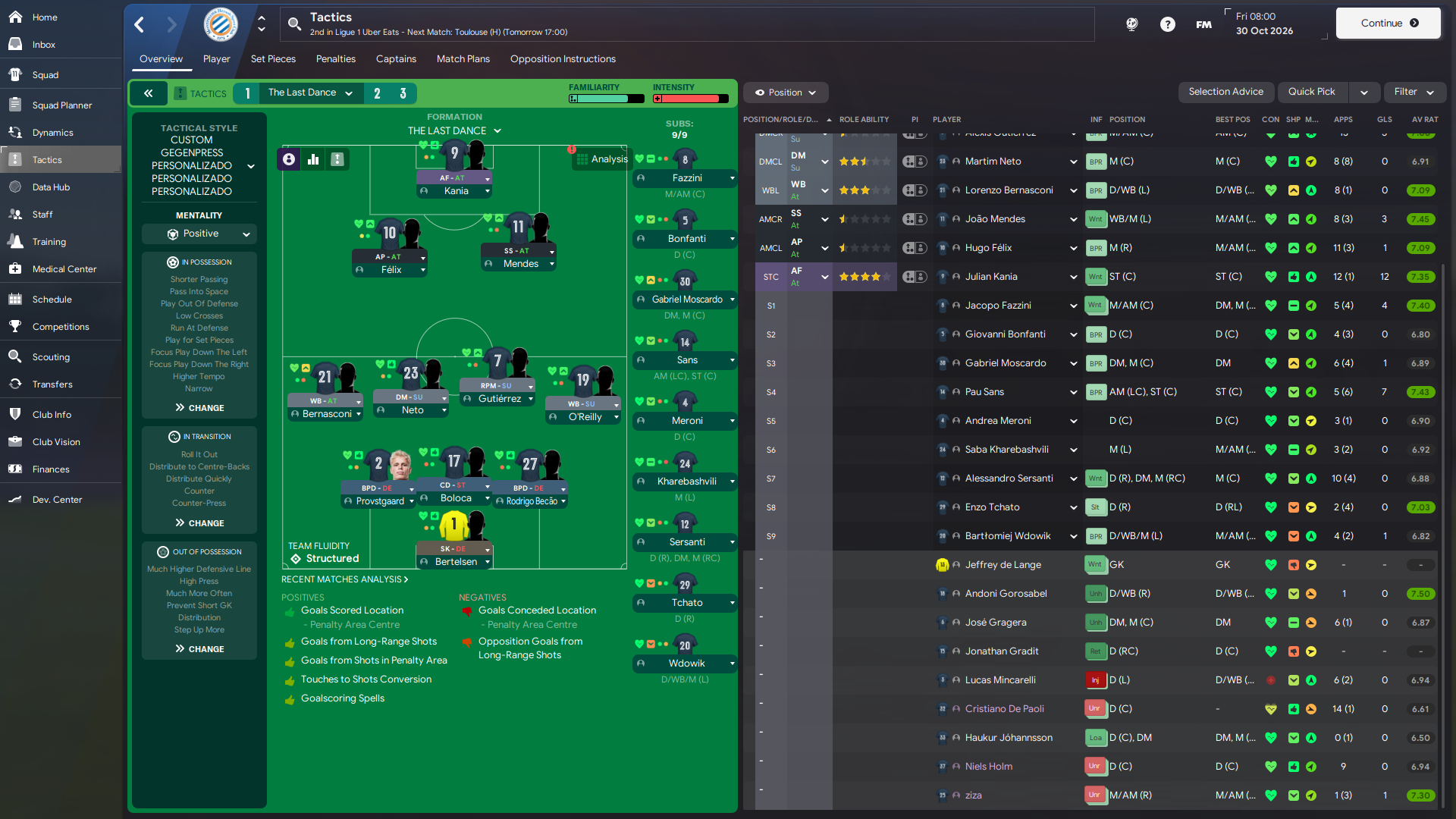
Gegenpress 4-2-3-1 Narrow
Gegenpress
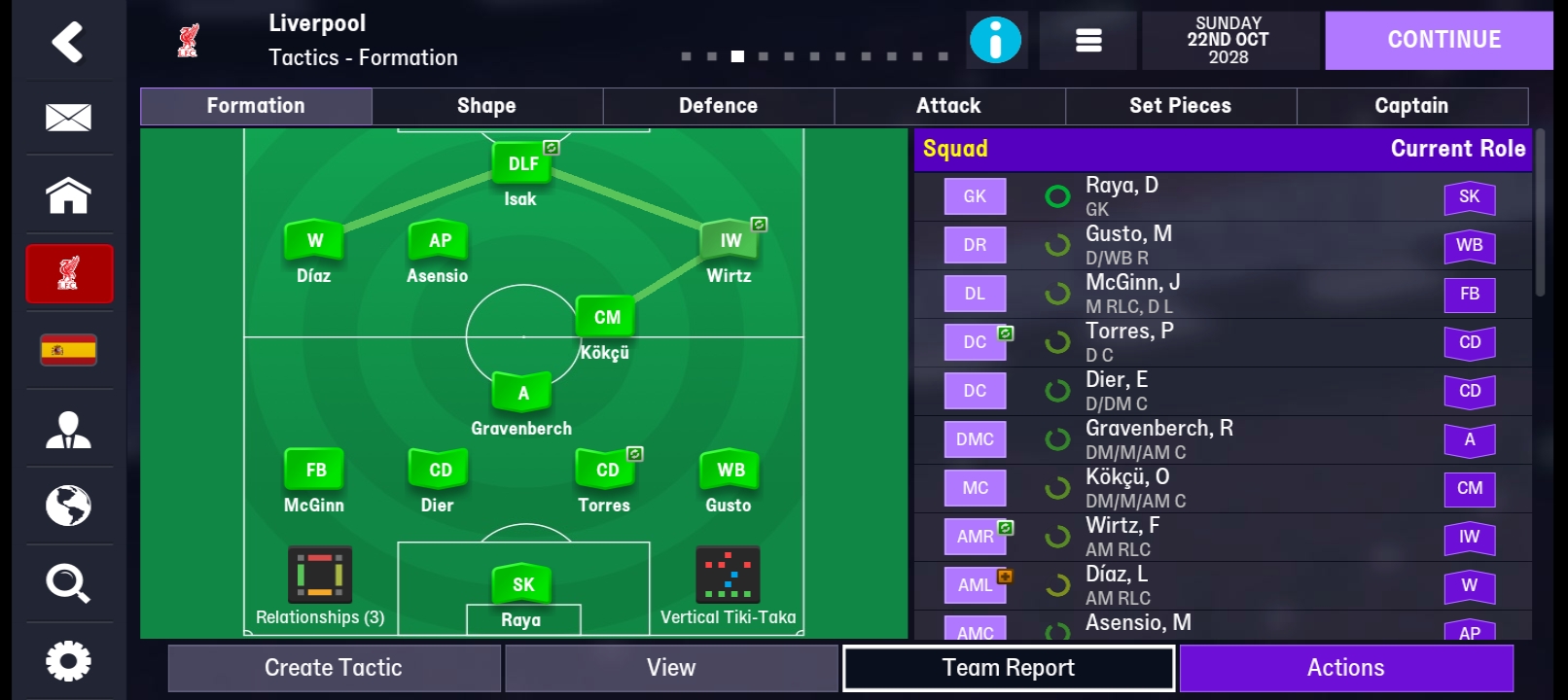
Vertical Tiki-Taka 4-2-3-1 Narrow
Vertical Tiki-Taka
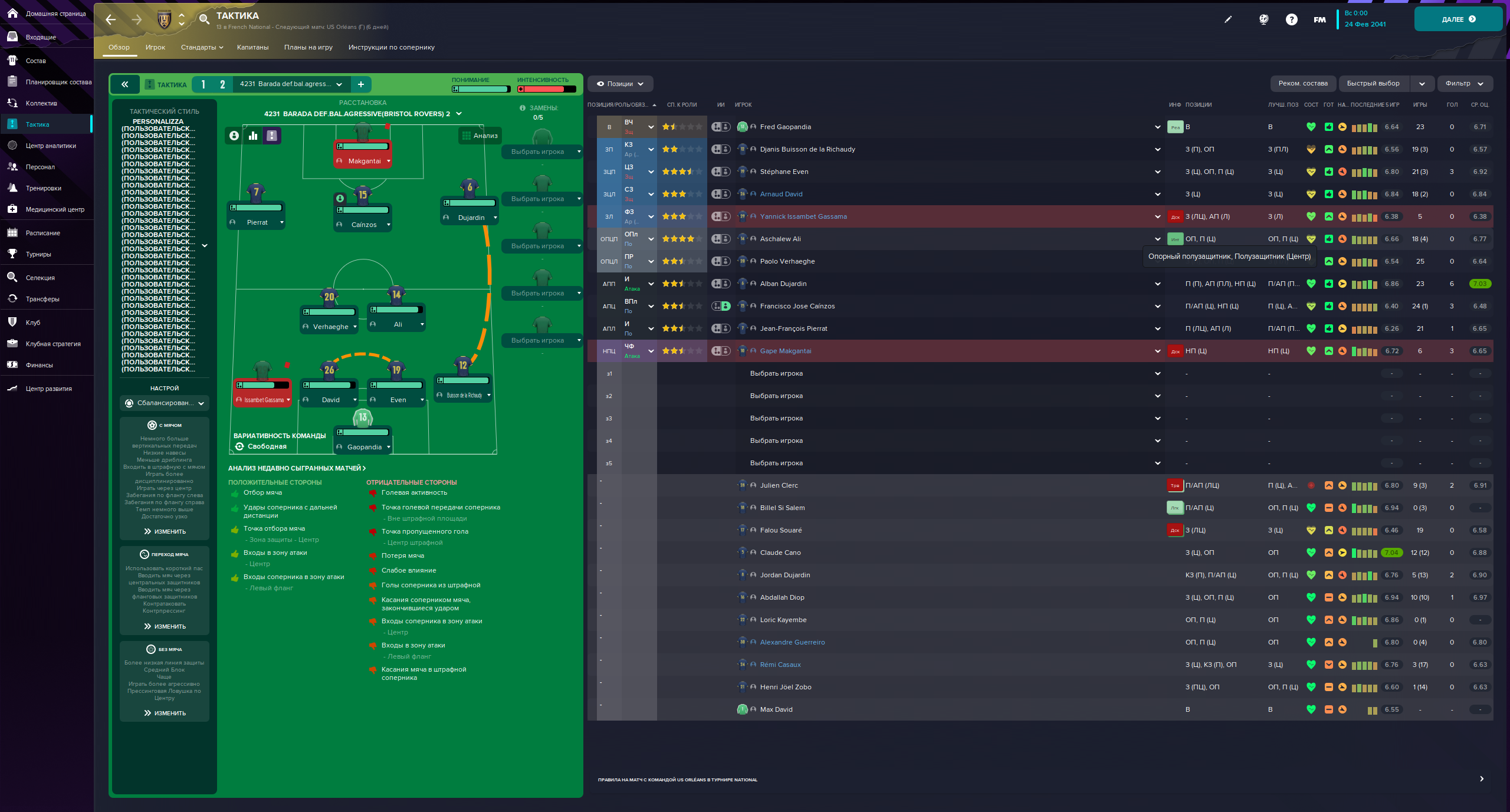
Balanced 4-2-3-1 Narrow
Balanced
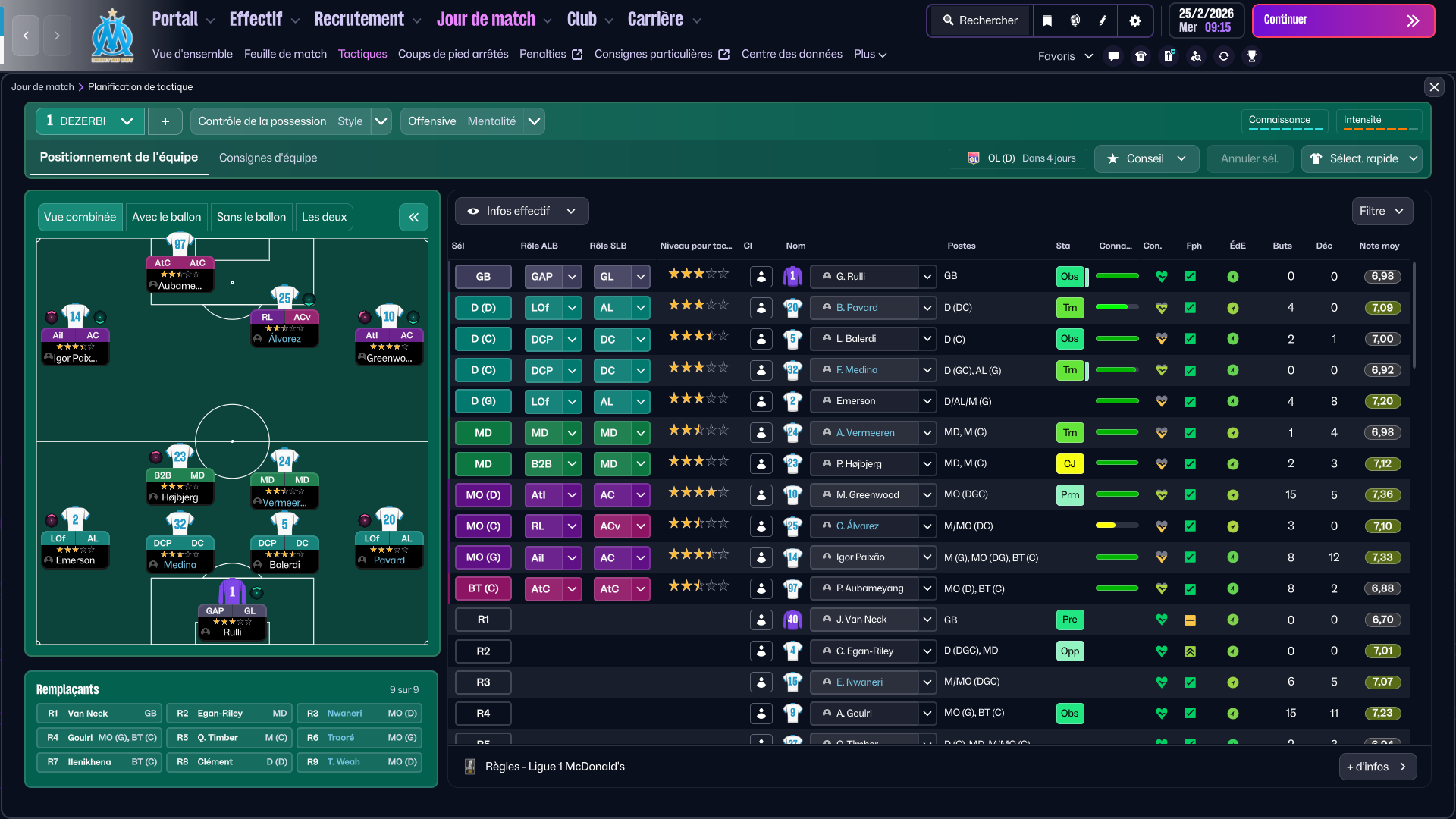
Possession Control 4-2-3-1 Narrow
Possession Control
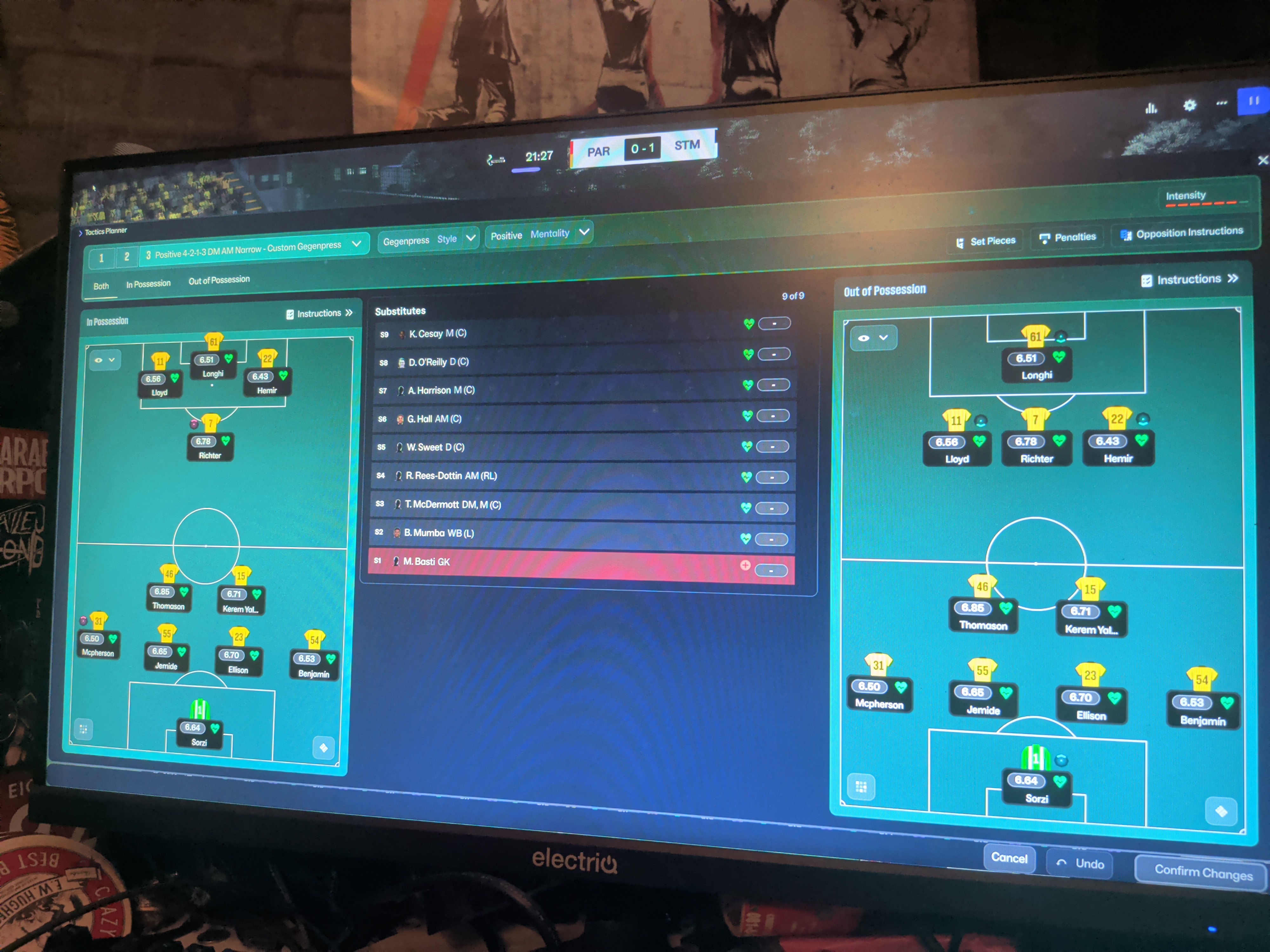
Gegenpress 4-2-3-1 Narrow
Gegenpress
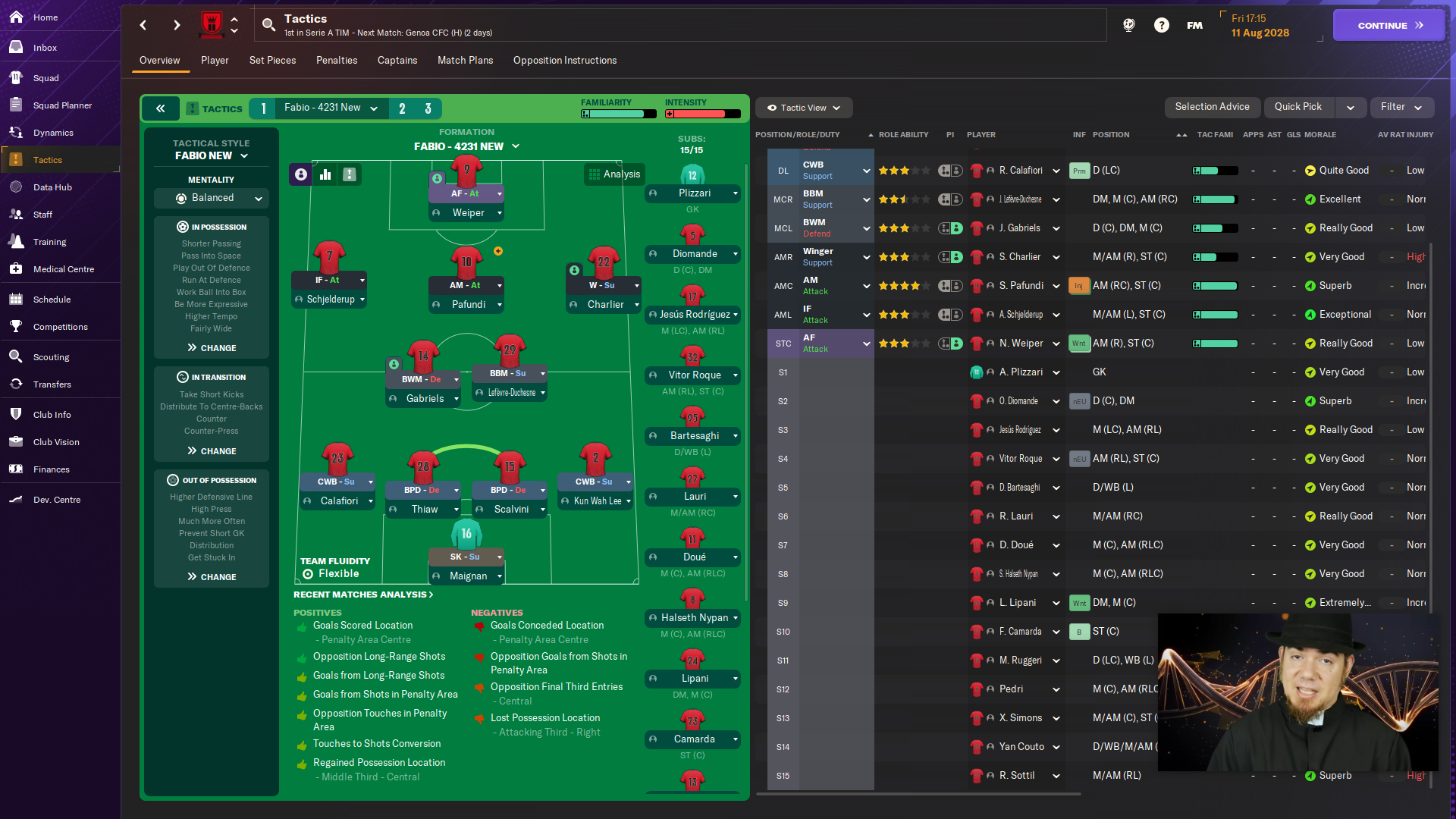
Balanced 4-2-3-1 Narrow
Balanced
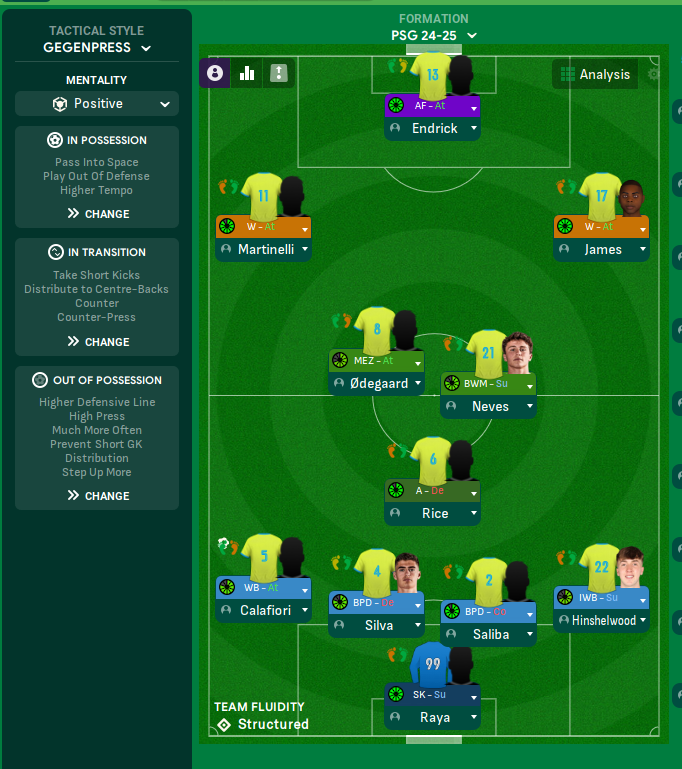
Gegenpress 4-2-3-1 Narrow
Gegenpress
More Attacking tactics
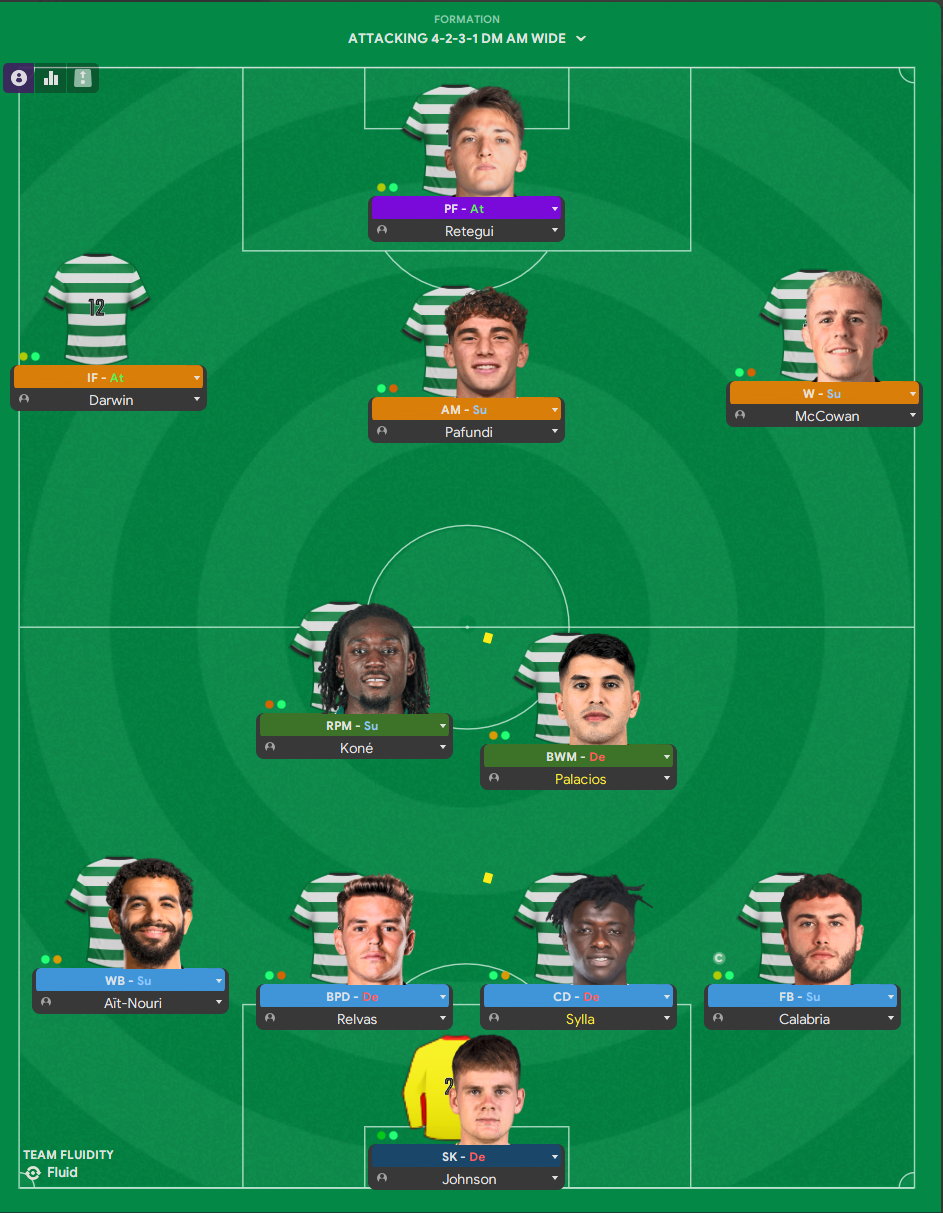
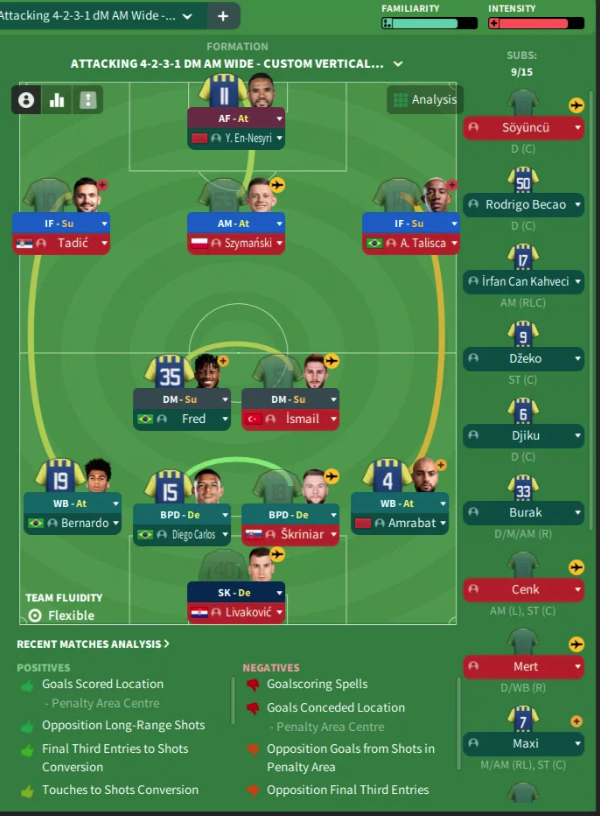
Guides for this formation
The tactical theory behind the 4-2-3-1 Narrow: roles, instructions, and the trade-offs that decide whether the system holds up.
Player pairings
Midfield Pairs in 4-2-3-1 and 4-4-2
Double pivots and flat pairs in 4-2-3-1 and 4-4-2: when each pairing works, when it collapses, and the AMC unicorn that rescues both.
Read guide
Playing styles
Gegenpressing: A Full Guide
Klopp-style gegenpressing in FM, including squad profile, line-and-press pairing, sustainable workload, and the antipatterns to avoid.
Read guide