Uploaded Tactic
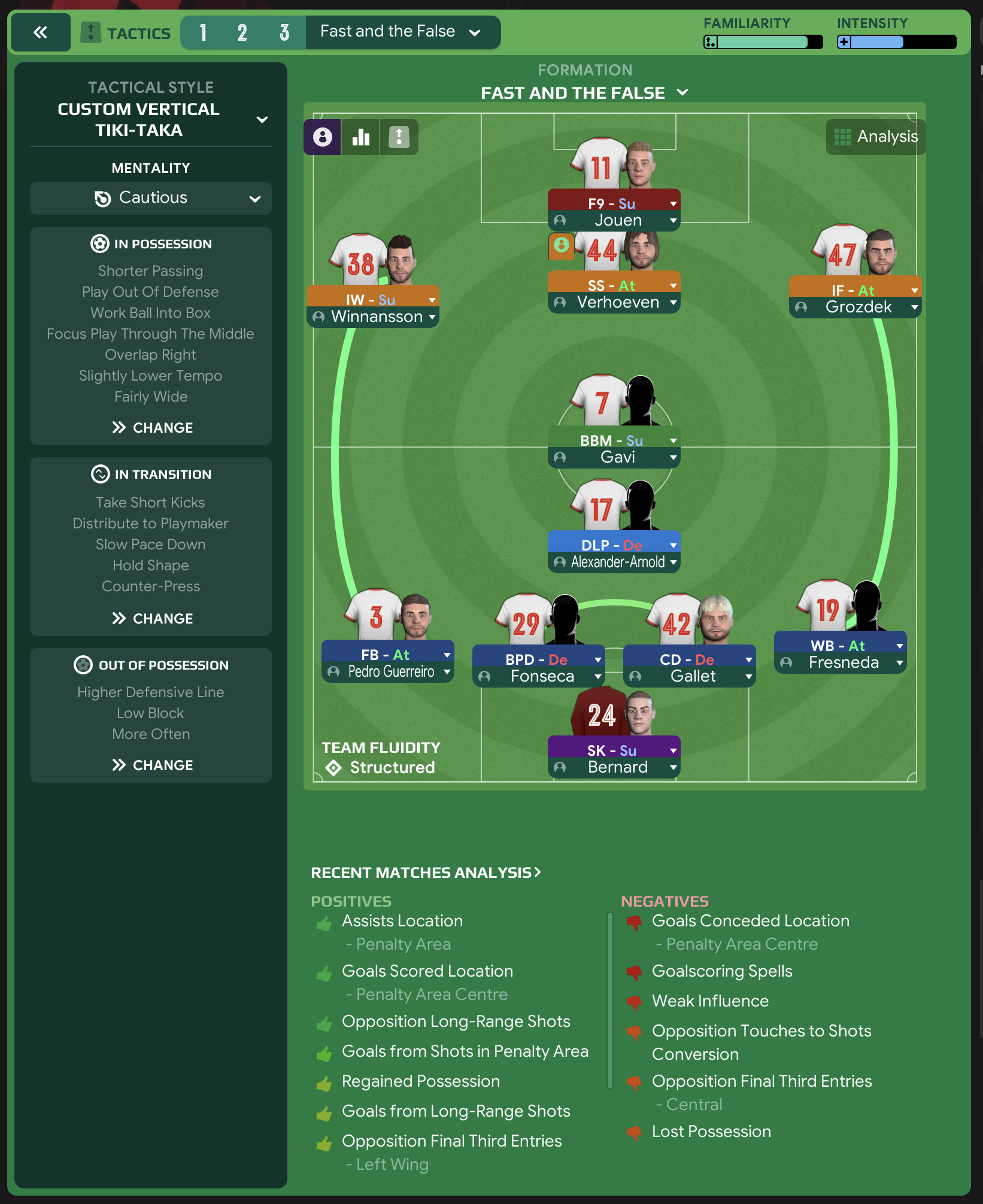
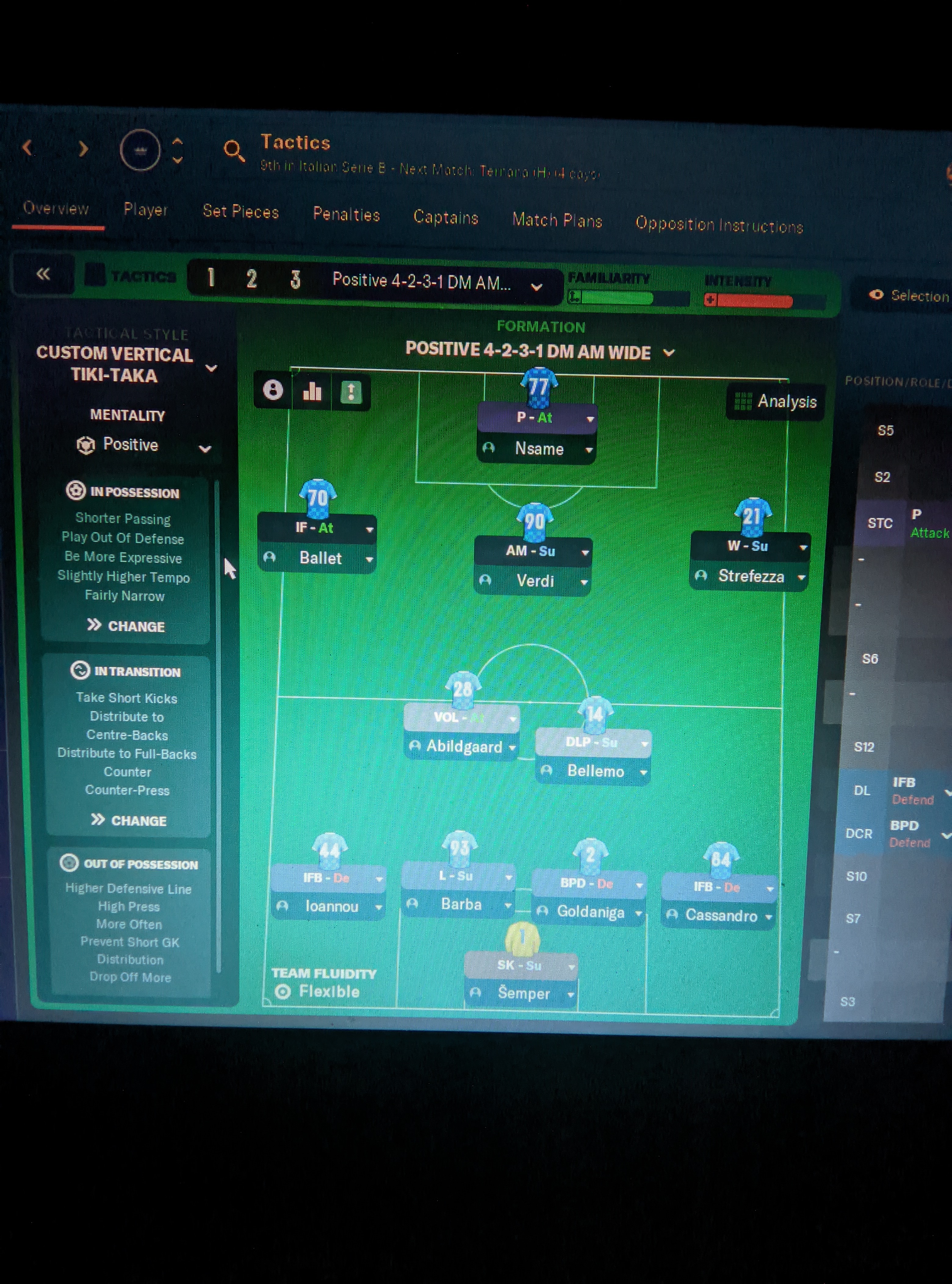
Formation & Style
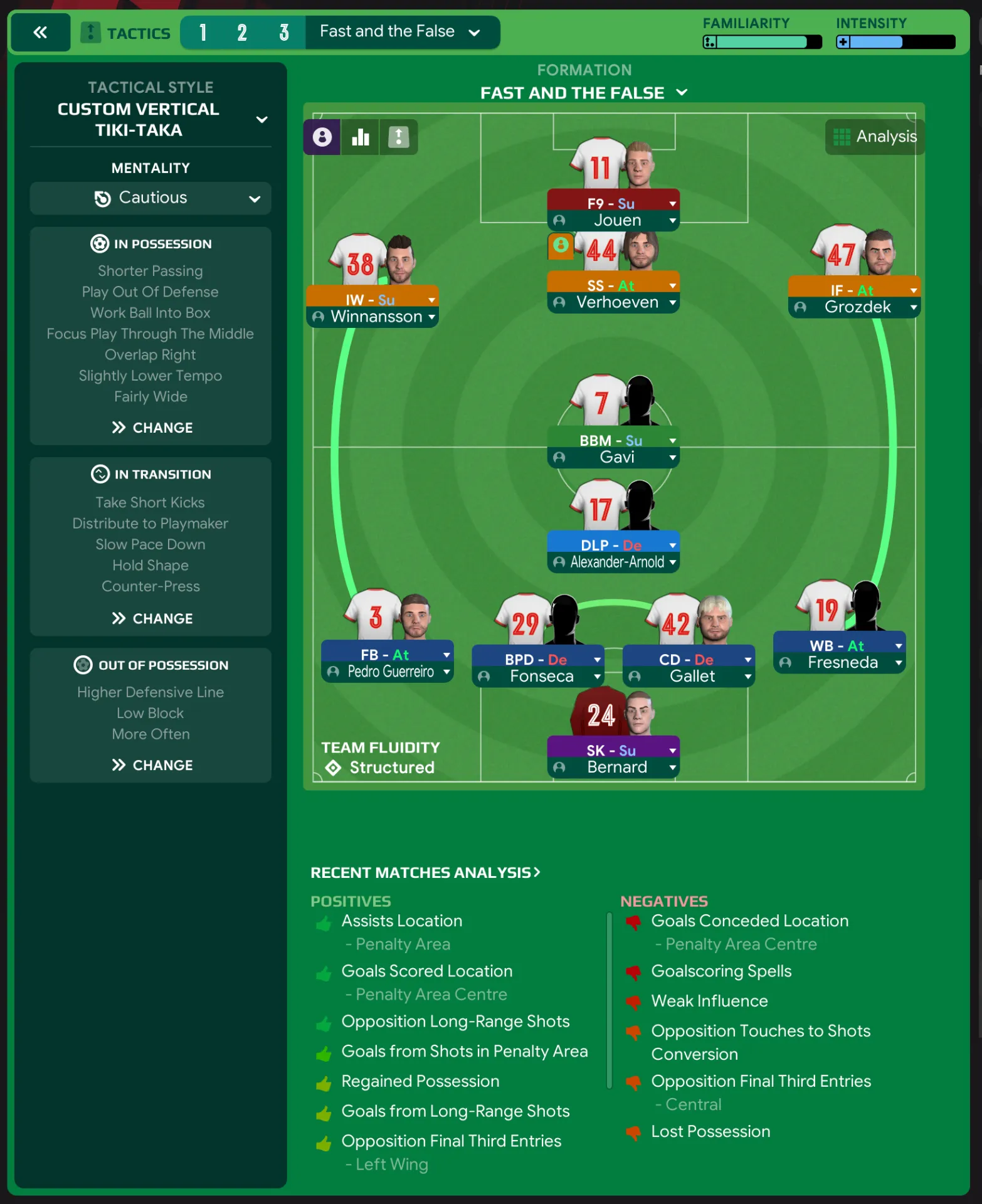
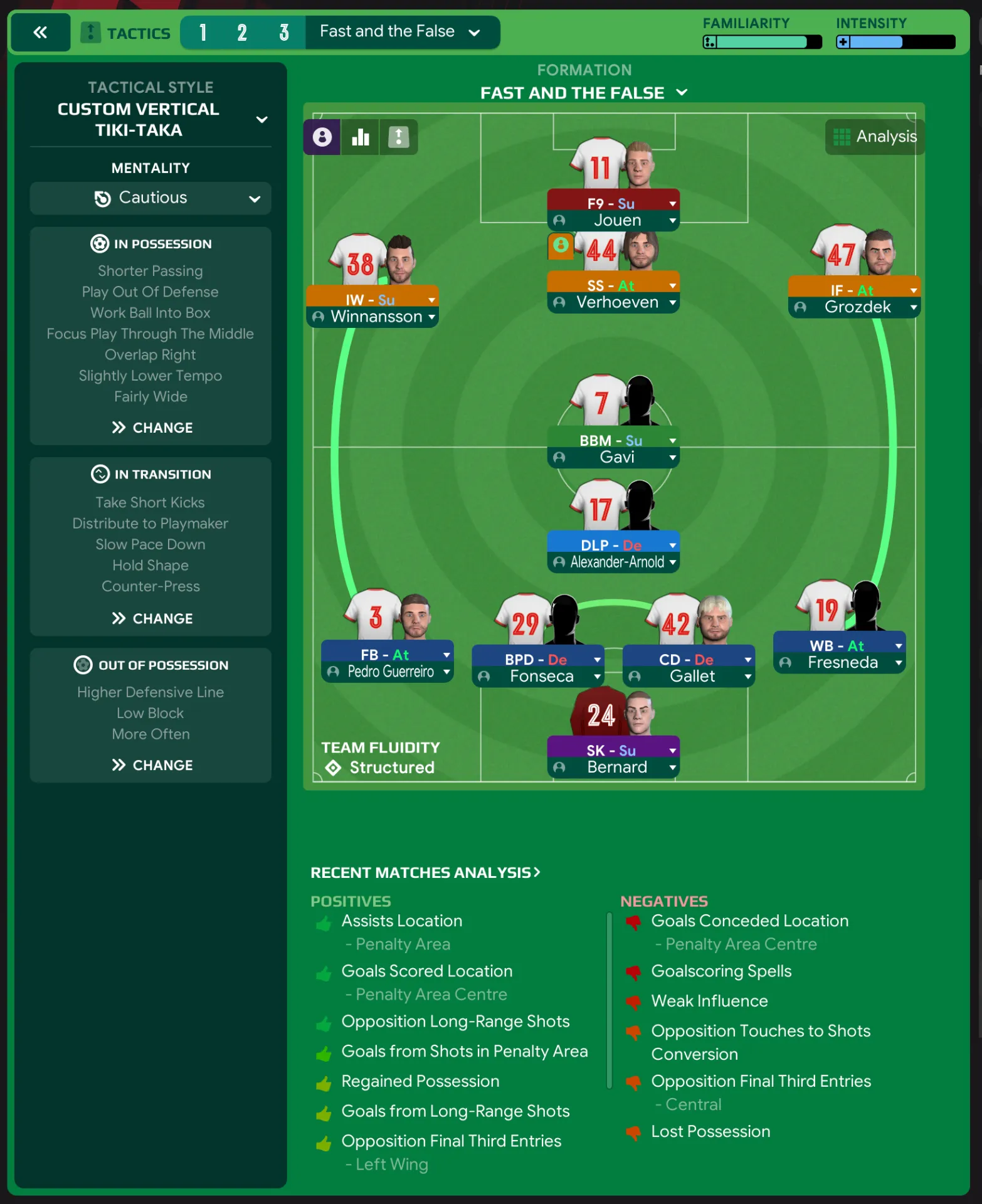
Tactical Style:Custom Vertical Tiki-Taka
Mentality:Cautious
Formation:4-2-3-1 Narrow
Team Fluidity:Structured
In Possession
Shorter Passing
Play Out Of Defense
Work Ball Into Box
Focus Play Through The Middle
Overlap Right
Slightly Lower Tempo
Fairly Wide
In Transition
Take Short Kicks
Distribute to Playmaker
Slow Pace Down
Hold Shape
Counter-Press
Out of Possession
Higher Defensive Line
Low Block
More Often
Team Shape Without Ball
No team shape without ball data available
Team Shape With Ball
No team shape with ball data available
Key Strengths
Flexible Attack
Utilizes a combination of different attacking roles like False Nine and Inside Forward, allowing for dynamic movement and unpredictable attacking patterns.
Midfield Control
With a Deep-Lying Playmaker and Box-to-Box Midfielder, the setup ensures strong midfield presence and distribution.
Ball Retention
Shorter passing and working the ball into the box promote effective ball retention and minimize turnovers.
Solid Defensive Structure
Higher defensive line combined with a low block helps to contain opposition attacks while allowing for quick counter-pressing.
Conflicting Directions
Cautious Mentality vs. Tiki-Taka Style
Cautious mentality may limit the aggressive forward movements that tiki-taka typically encourages, potentially stalling offensive plays.
Low Block vs. High Defensive Line
Implementing both can create inconsistency. A higher defensive line suggests a proactive approach that conflicts with a fundamentally defensive low block.
Overlap Right vs. Fairly Wide Play
Encouraging width through overlapping on one side can lead to a lack of width on the opposite side, leading to predictability in attacks.
Shorter Passing vs. Slow Pace Down
While shorter passing is effective for ball retention, slowing down the tempo may hinder quick transitions and fluidity in attack.
Tactical Suggestions
Adjust Mentality
Consider shifting to a more Positive or Balanced mentality to maximize the effectiveness of the Tiki-Taka style.
Choose One Defensive Strategy
Pick either a higher line or a low block to create clarity in defensive organization and strategy.
Balance Width Choices
Focus on ensuring that both flanks are utilized effectively to avoid predictability; perhaps consider overlaps on both sides.
Increase Tempo
Raising the tempo to a more normal setting could enhance the effectiveness of quick build-up plays and transitions, better suited for tiki-taka.
Utilize an Advanced Forward
Using an Advanced Forward instead of the False Nine might help stretch defenses more effectively, creating space for the midfielders.
Optimize Set-Pieces
Adjust set-piece strategies to maximize offensive opportunities, given the team's current positives in penalty area entries.
Ask Questions About Your Lineup
Related Tactics
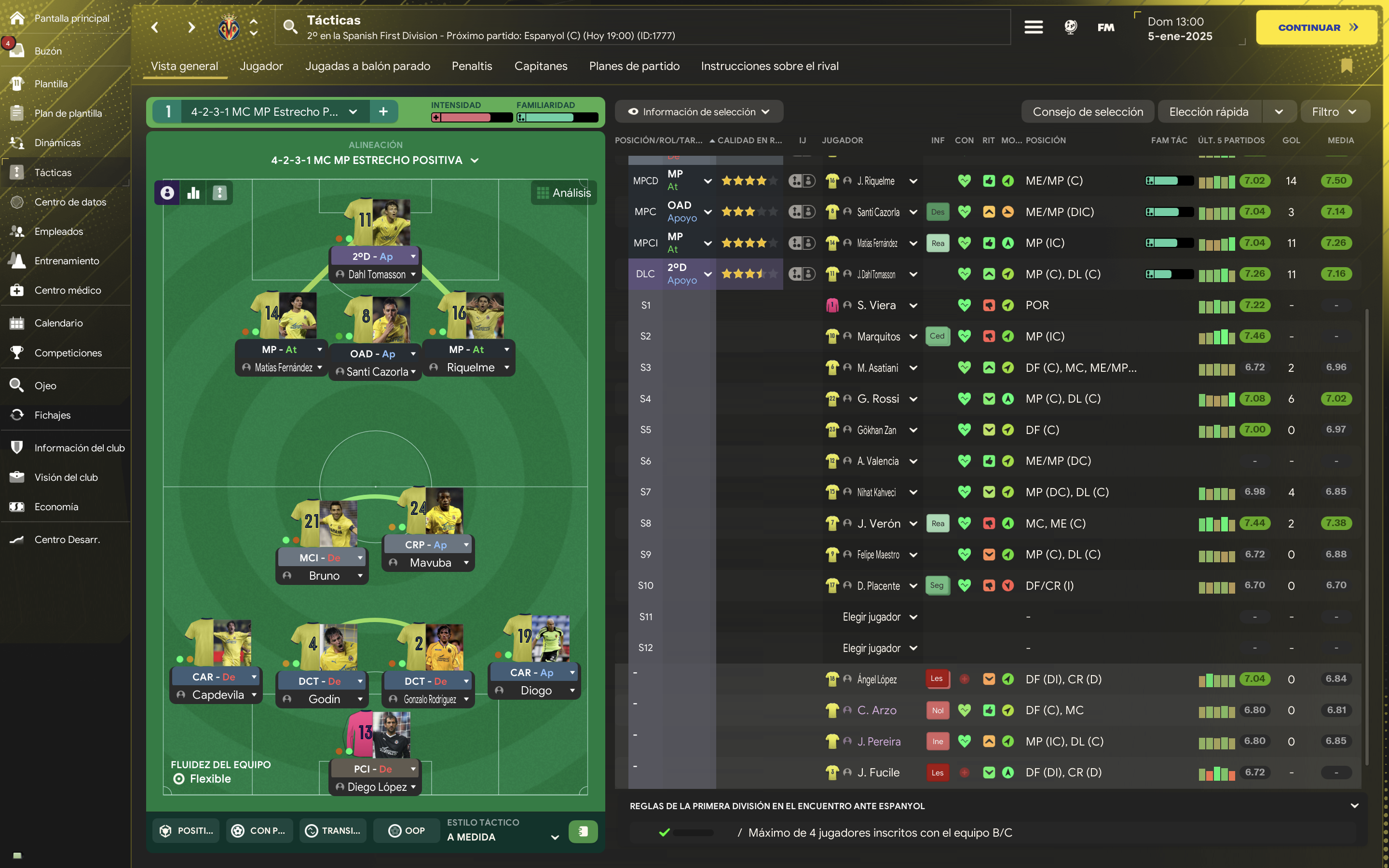
4-2-3-1 Narrow Formation
Positional
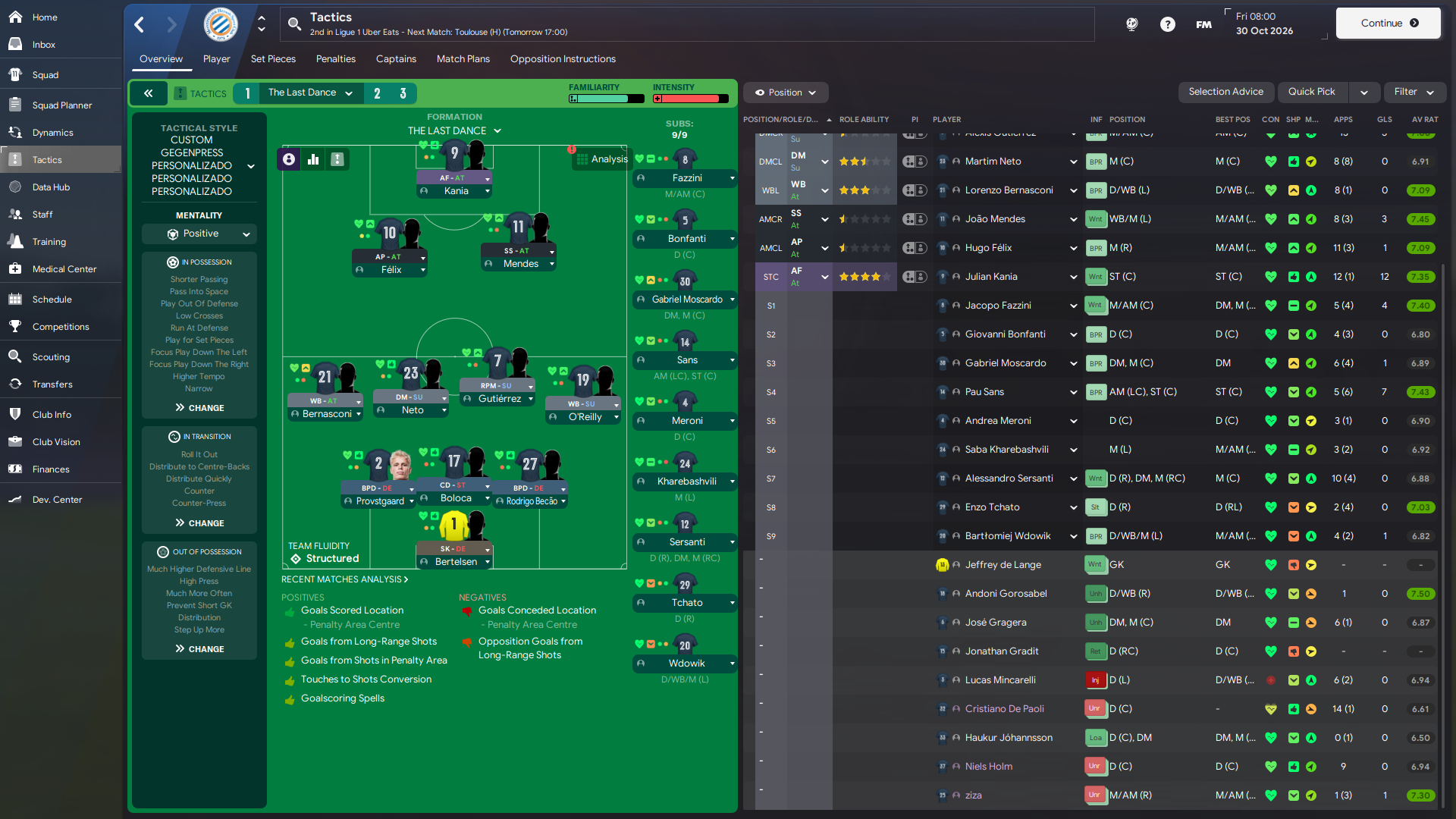
Gegenpress 4-2-3-1 Narrow
Gegenpress
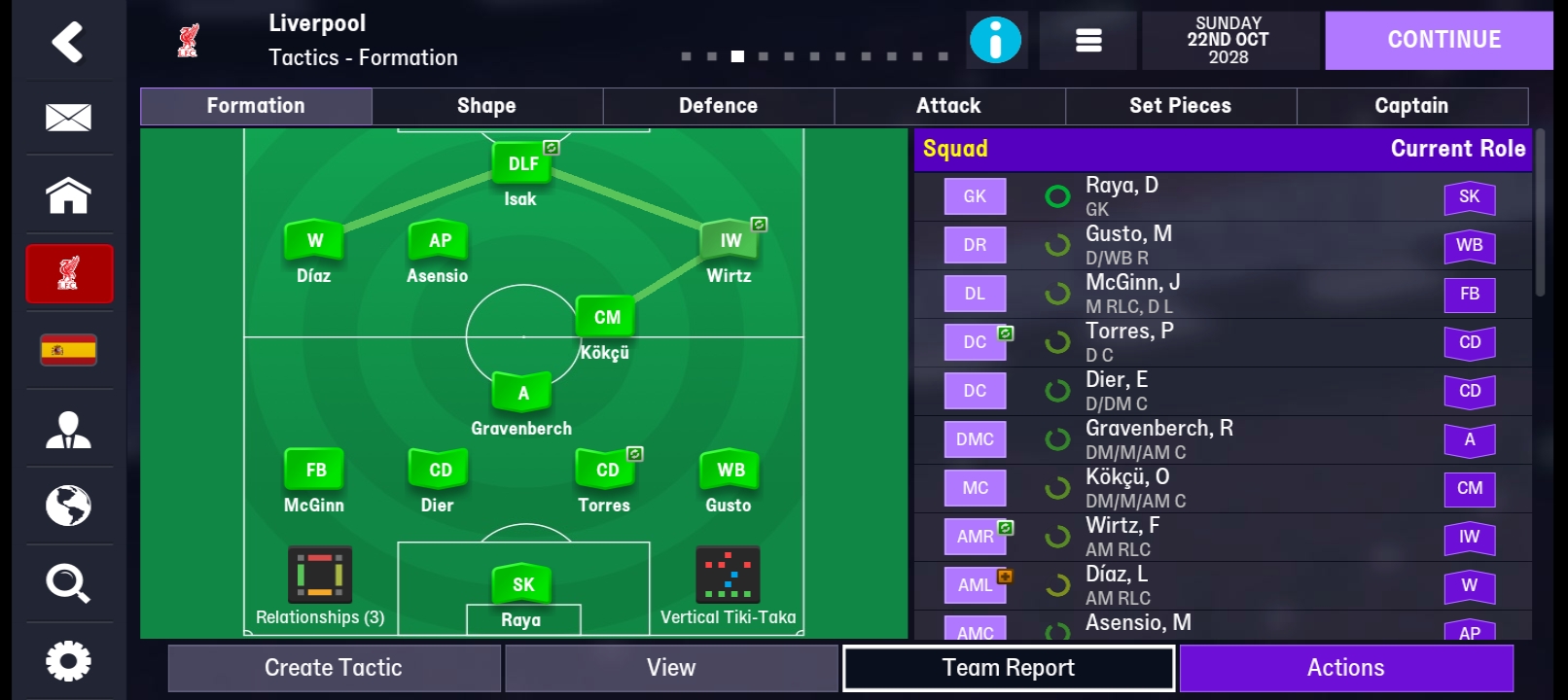
Vertical Tiki-Taka 4-2-3-1 Narrow
Vertical Tiki-Taka
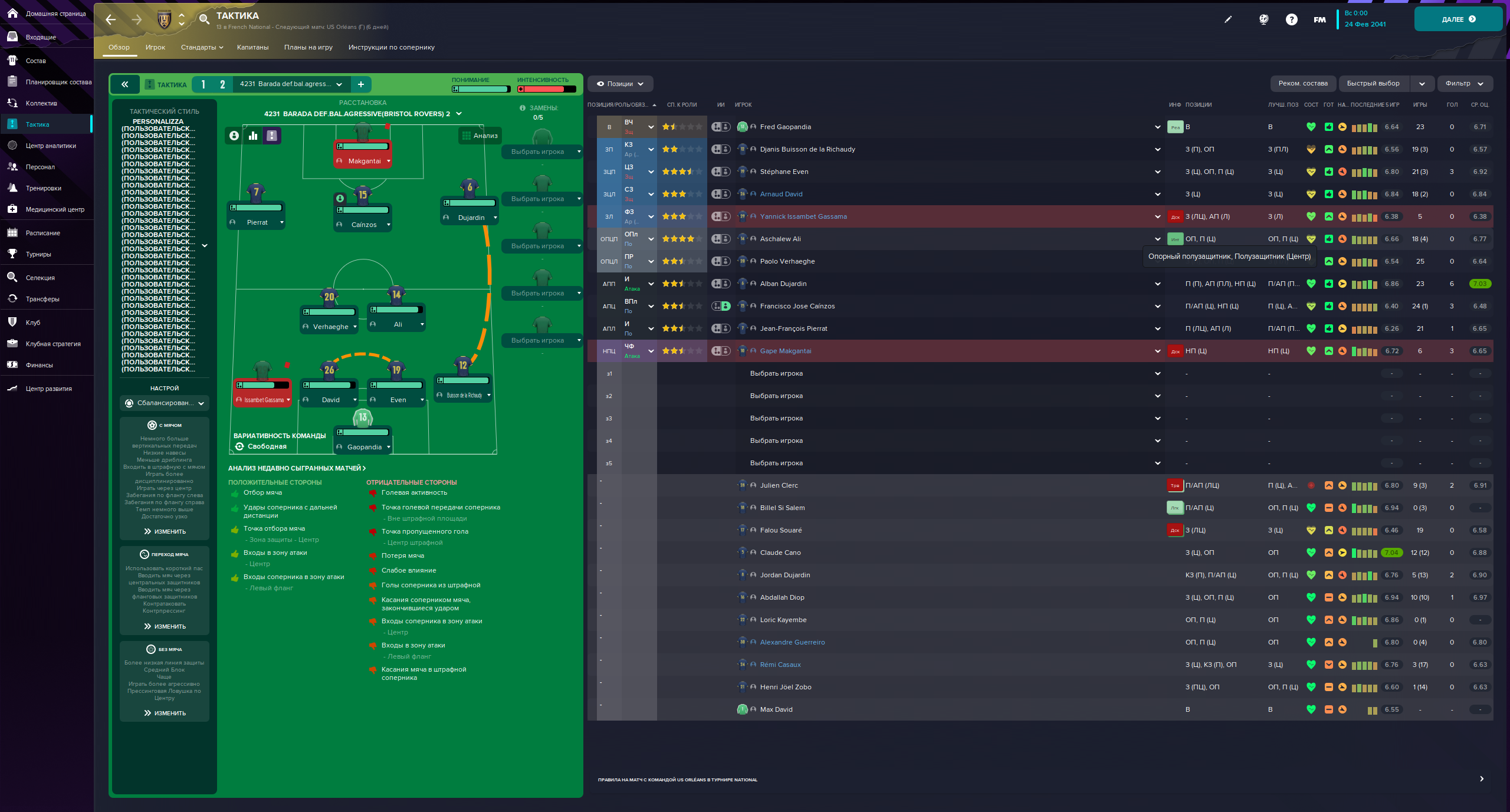
Balanced 4-2-3-1 Narrow
Balanced
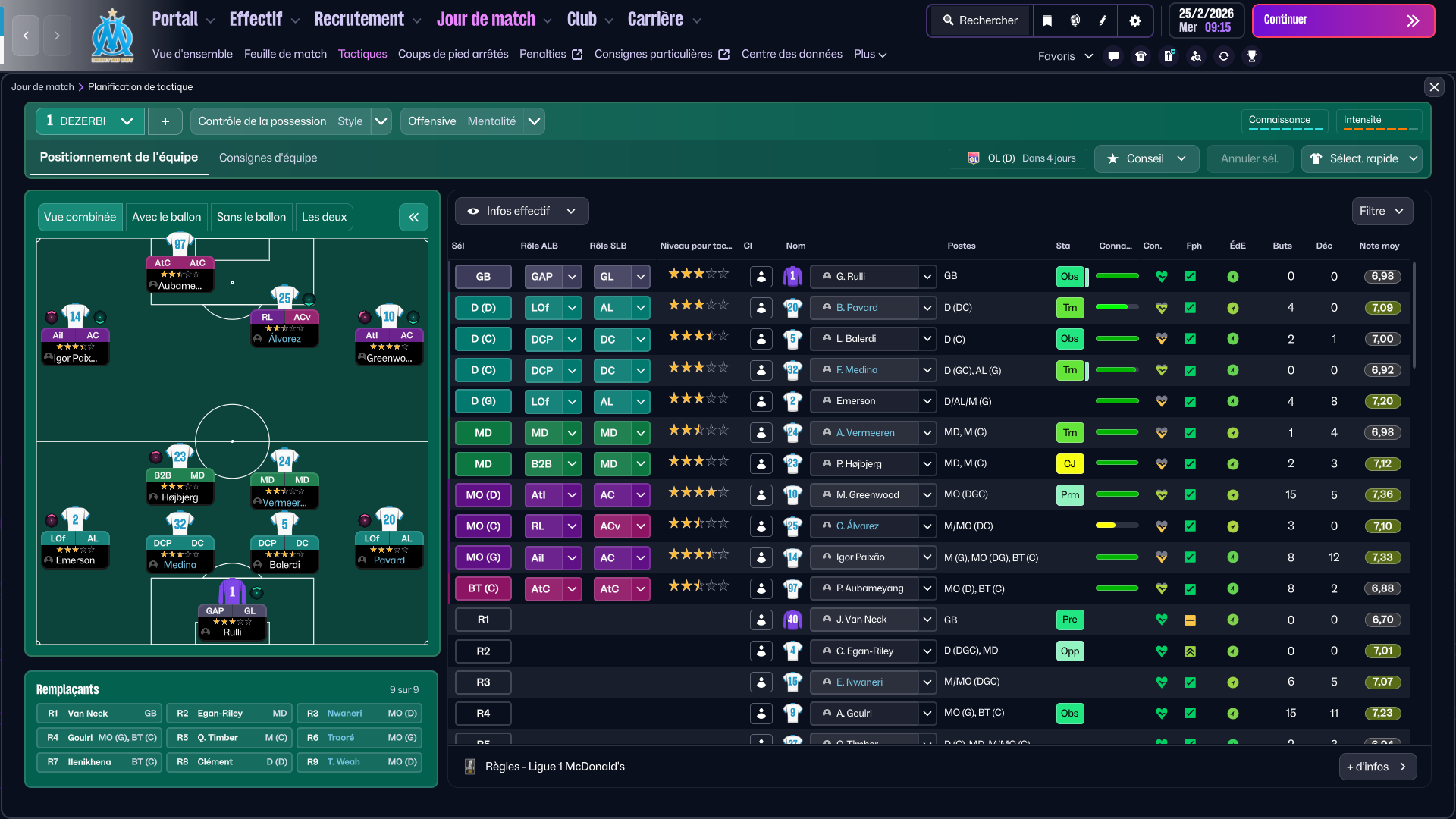
Possession Control 4-2-3-1 Narrow
Possession Control
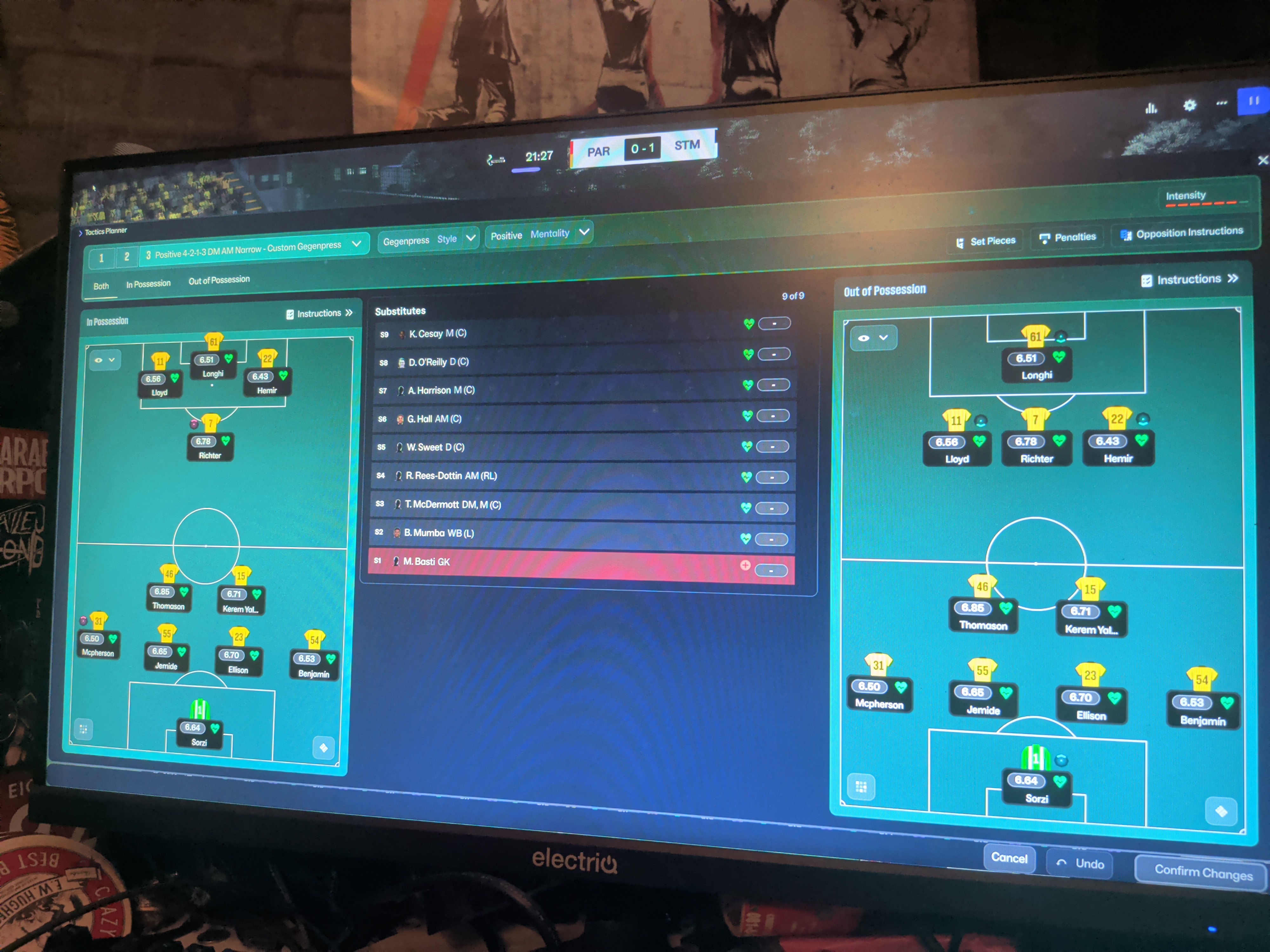
Gegenpress 4-2-3-1 Narrow
Gegenpress
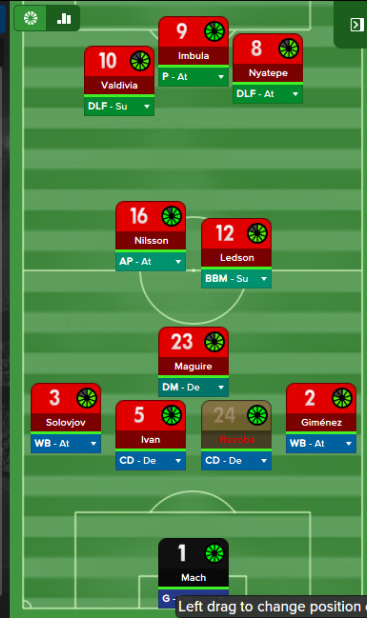
Attacking 4-2-3-1 Narrow
Attacking
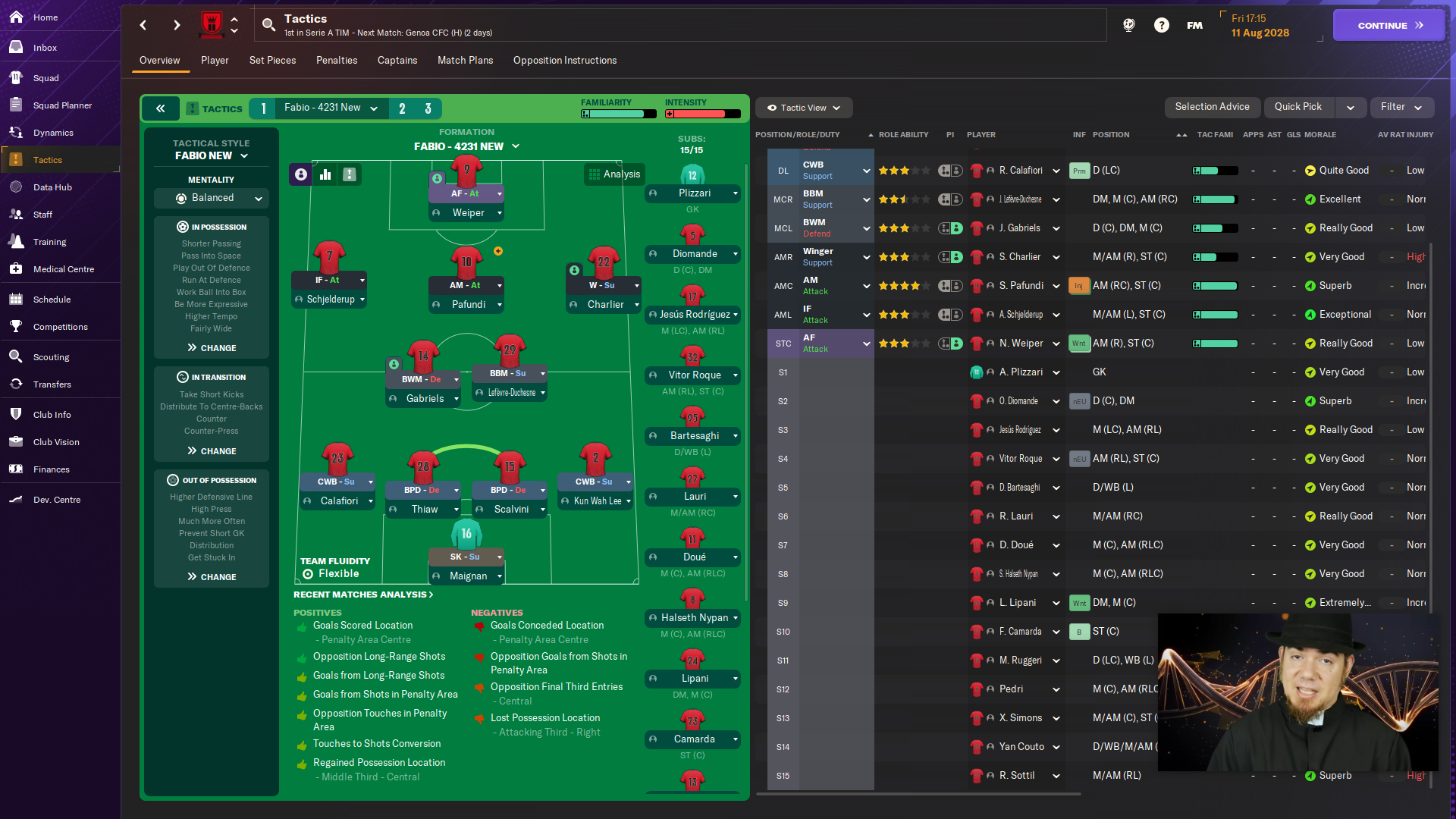
Balanced 4-2-3-1 Narrow
Balanced
More Custom Vertical Tiki-Taka tactics
Guides for this formation
The tactical theory behind the 4-2-3-1 Narrow: roles, instructions, and the trade-offs that decide whether the system holds up.
Player pairings
Midfield Pairs in 4-2-3-1 and 4-4-2
Double pivots and flat pairs in 4-2-3-1 and 4-4-2: when each pairing works, when it collapses, and the AMC unicorn that rescues both.
Read guide
Playing styles
Gegenpressing: A Full Guide
Klopp-style gegenpressing in FM, including squad profile, line-and-press pairing, sustainable workload, and the antipatterns to avoid.
Read guide