Uploaded Tactic
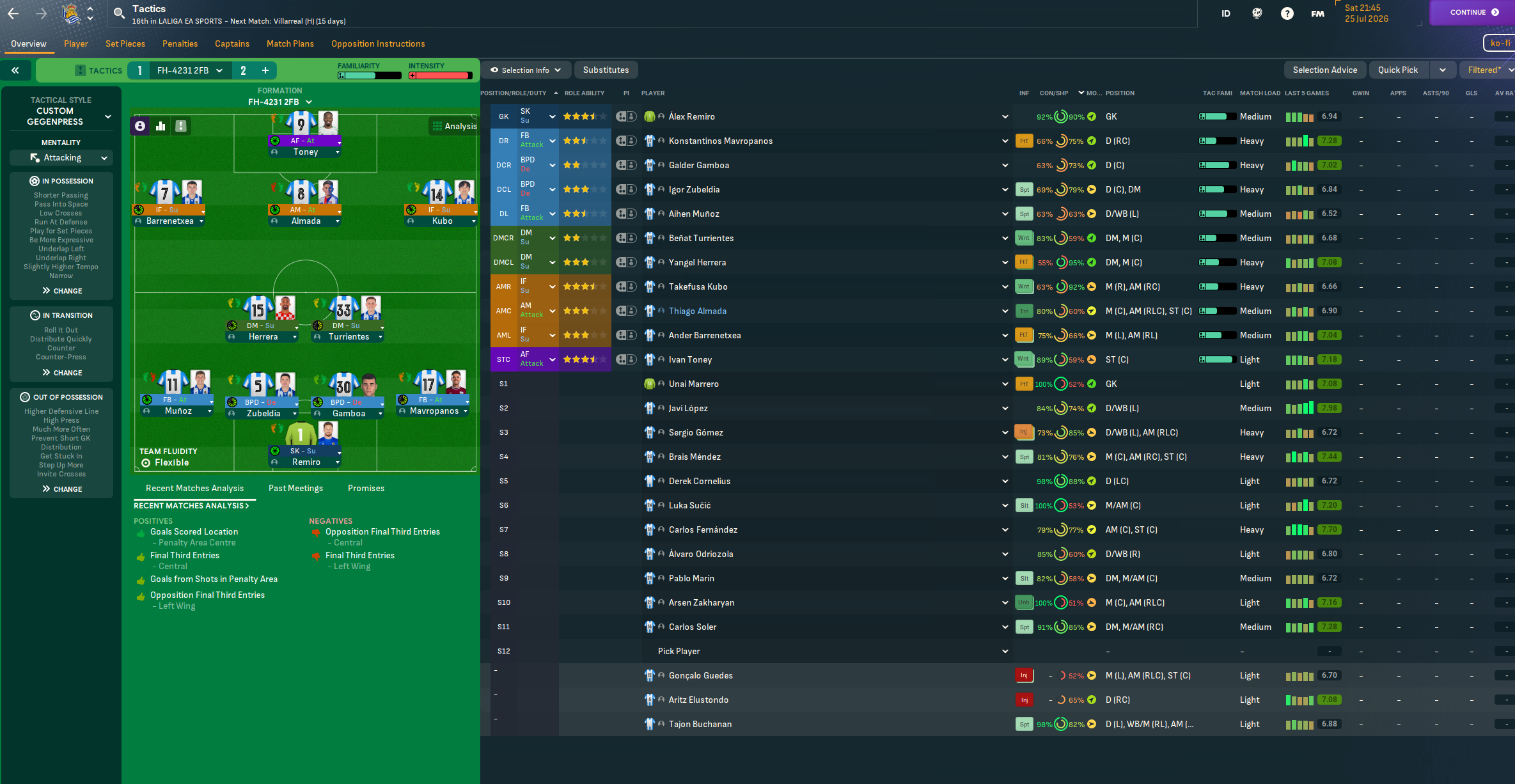
Formation & Style
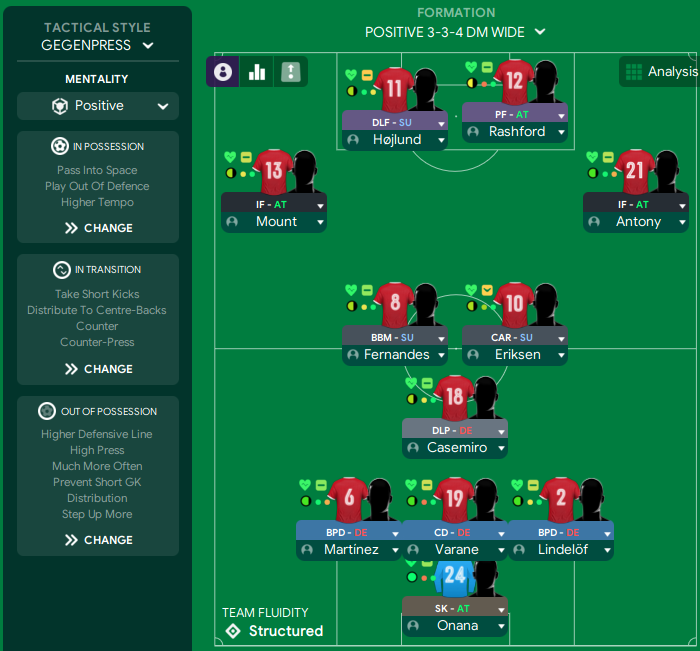
Tactical Style:Gegenpress
Mentality:Attacking
Formation:4-2-3-1 Wide
Team Fluidity:Flexible
In Possession
Work Ball Into Box
Play Out of Defence
Focus Play Down the Left
Overlap Left
Slightly Higher Tempo
In Transition
Counter-Press
Distribute Quickly
Out of Possession
Higher Defensive Line
Much Higher Line of Engagement
Prevent Short GK Distribution
Use Offside Trap
Team Shape Without Ball
Shape:4-2-3-1
Description:Compact defensive shape with a higher line of engagement for pressing.
Evidence:Defensive midfielders at [3,2] and [3,4] providing cover for the back four.
Team Shape With Ball
Shape:4-2-3-1
Description:Attacking shape with width provided by the full-backs and inside forwards cutting in.
Evidence:Full-backs overlapping and inside forwards positioned to exploit space.
Phase Description
Attacking Play
The tactic focuses on maintaining possession and creating overloads down the flanks, utilizing the inside forwards to cut in and take shots.
Defensive Transition
The team quickly transitions to a pressing system, aiming to win the ball back immediately after losing it.
Main Focus
Creating goal-scoring opportunities through wings and exploiting defensive gaps.
Key Strengths
High Pressing
Effective at regaining possession quickly due to intense pressing.
Fluid Attack
Capable of creating varied attacking options through inside forwards and advanced playmaker.
Width and Depth
Support from full-backs provides both width in attack and depth defensively.
Conflicting Directions
Defensive Transition Vulnerability
High pressing may leave gaps during transitions when the team loses possession.
Focus on Left Flank
Over-emphasis on left-side attacks can make the team predictable.
Player Fatigue Risks
Heavy tactical demands in pressing may lead to fatigue in crucial matches.
Tactical Suggestions
Balancing Attacks
Consider creating more right-side attacks to balance the play.
Transition Drills
Implement drills to improve defensive transition response after losing possession.
Substitution Strategy
Utilize substitutes late in games to maintain energy levels, especially in pressing roles.
Ask Questions About Your Lineup
Related Tactics
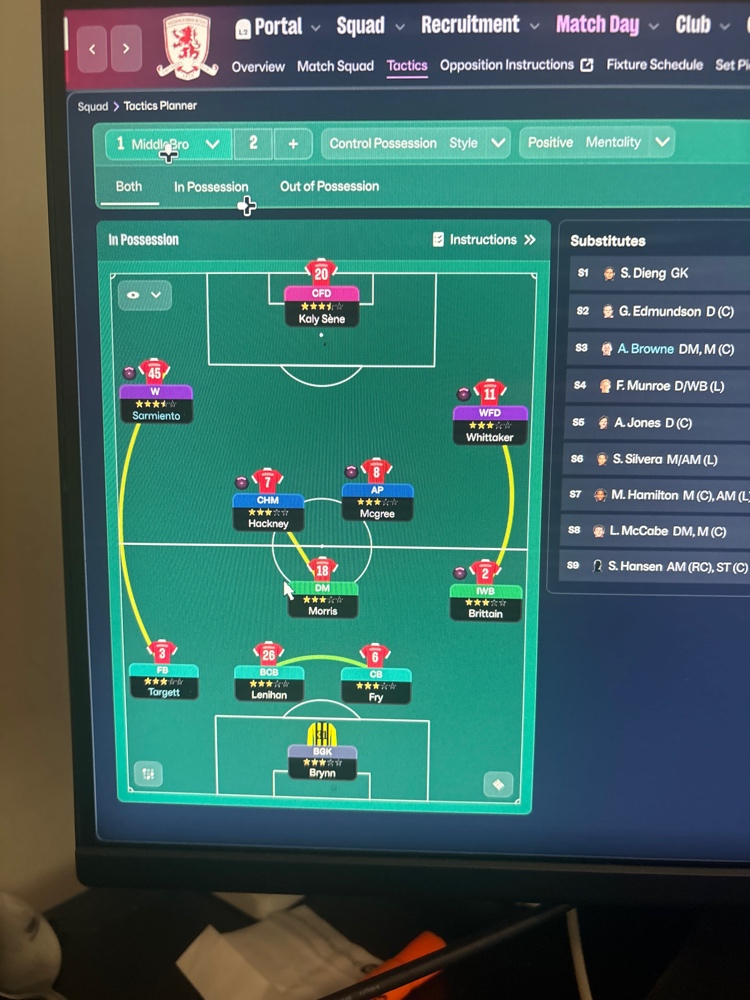
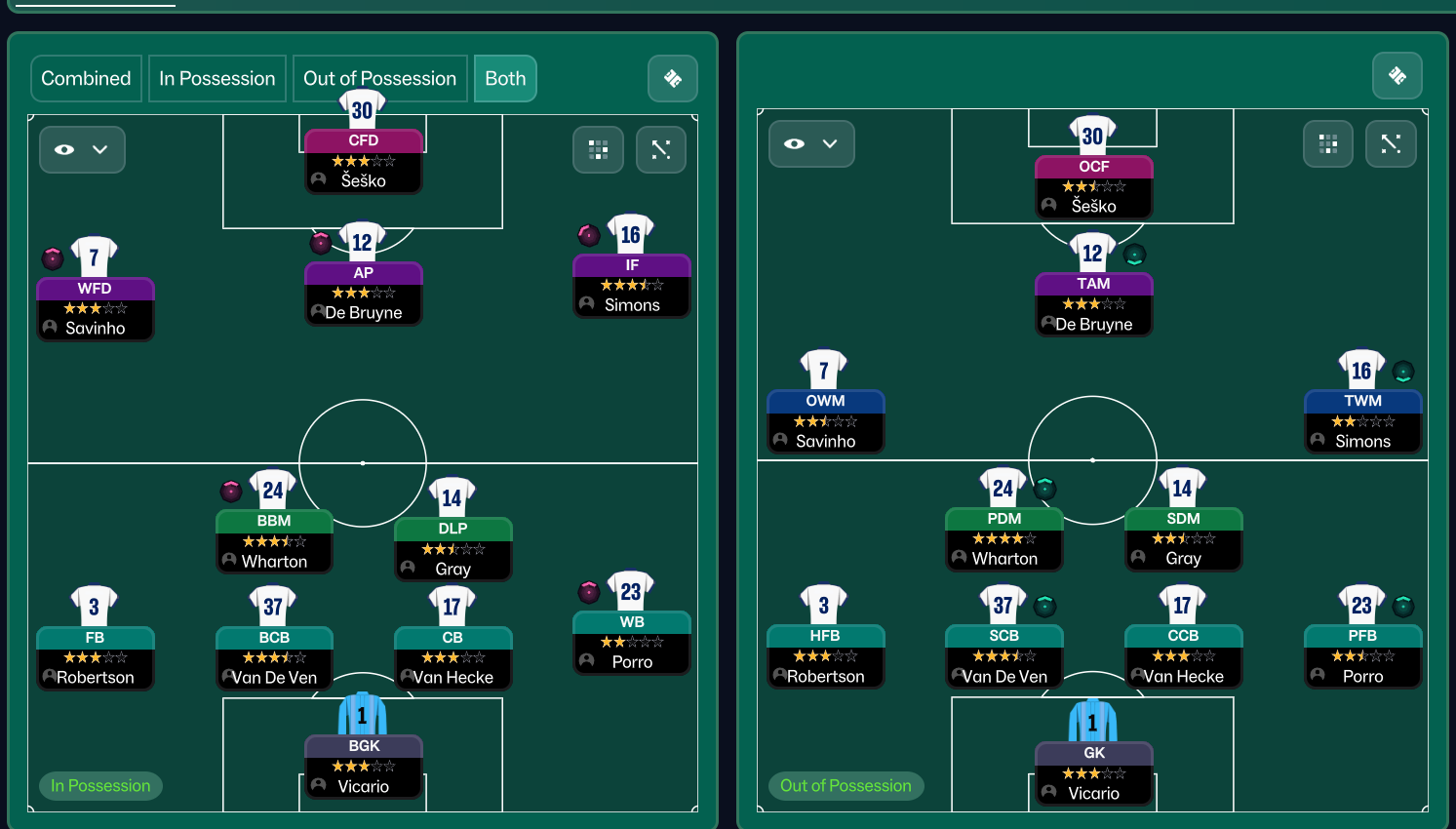
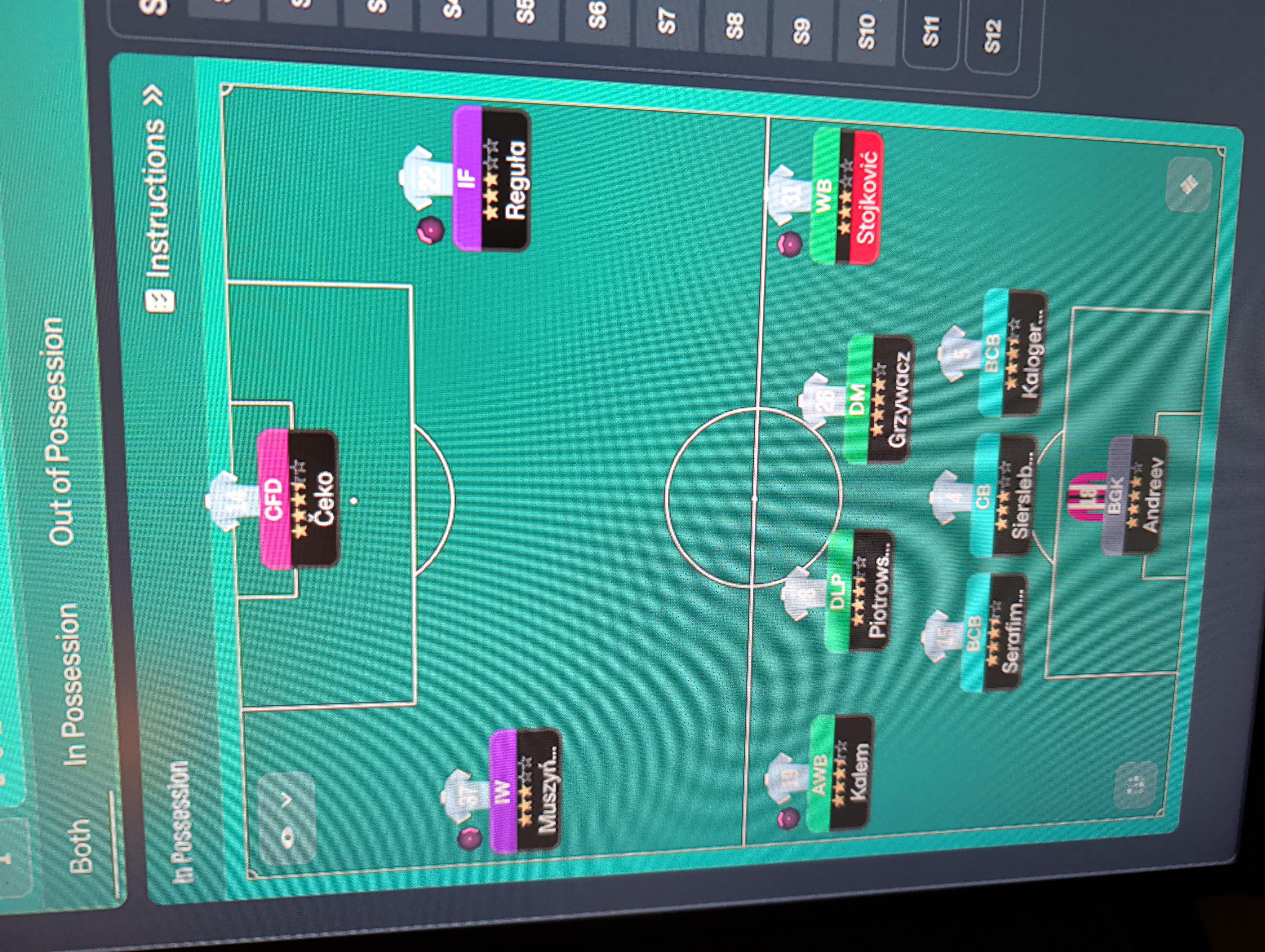
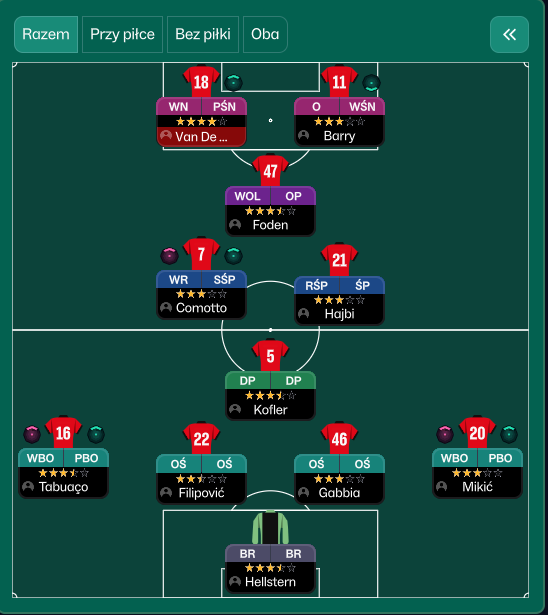
More Gegenpress tactics
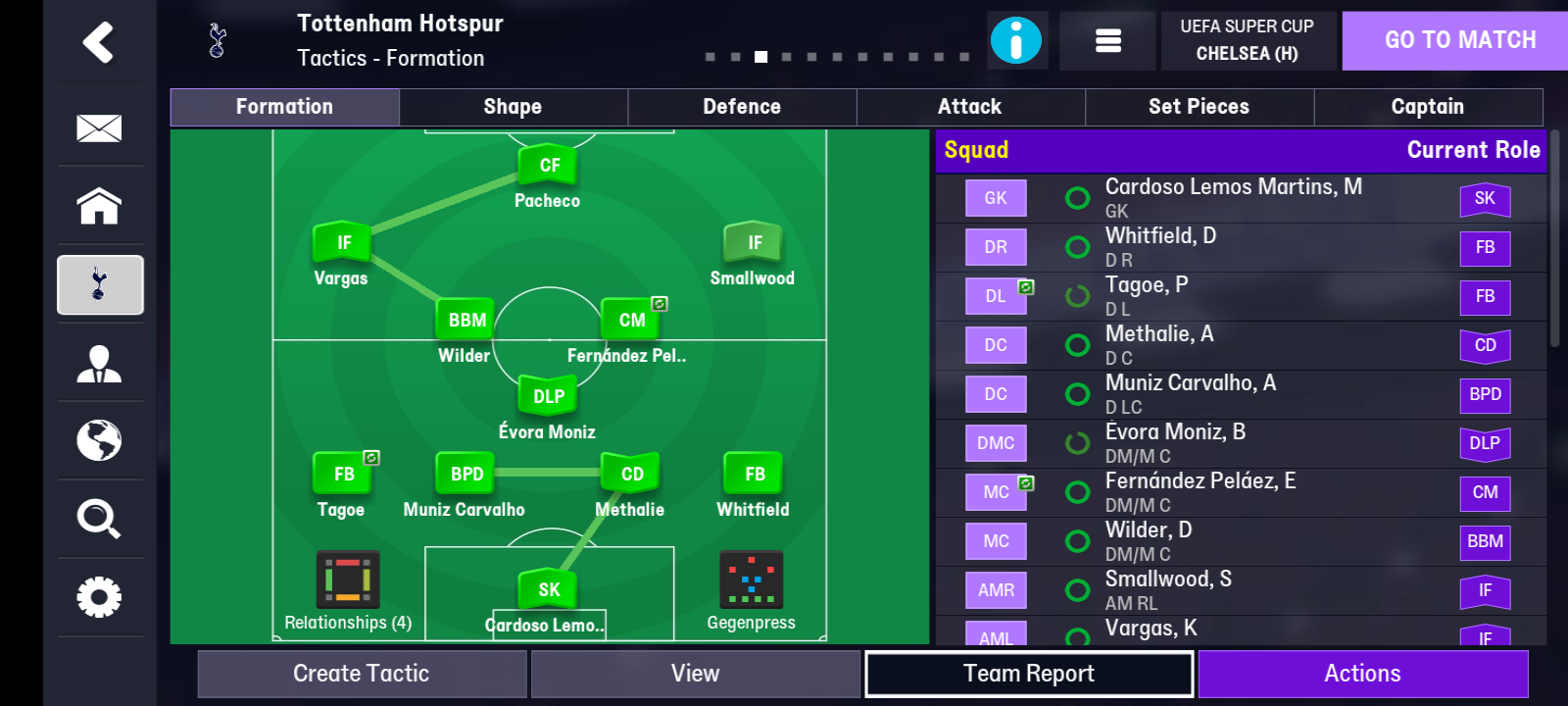
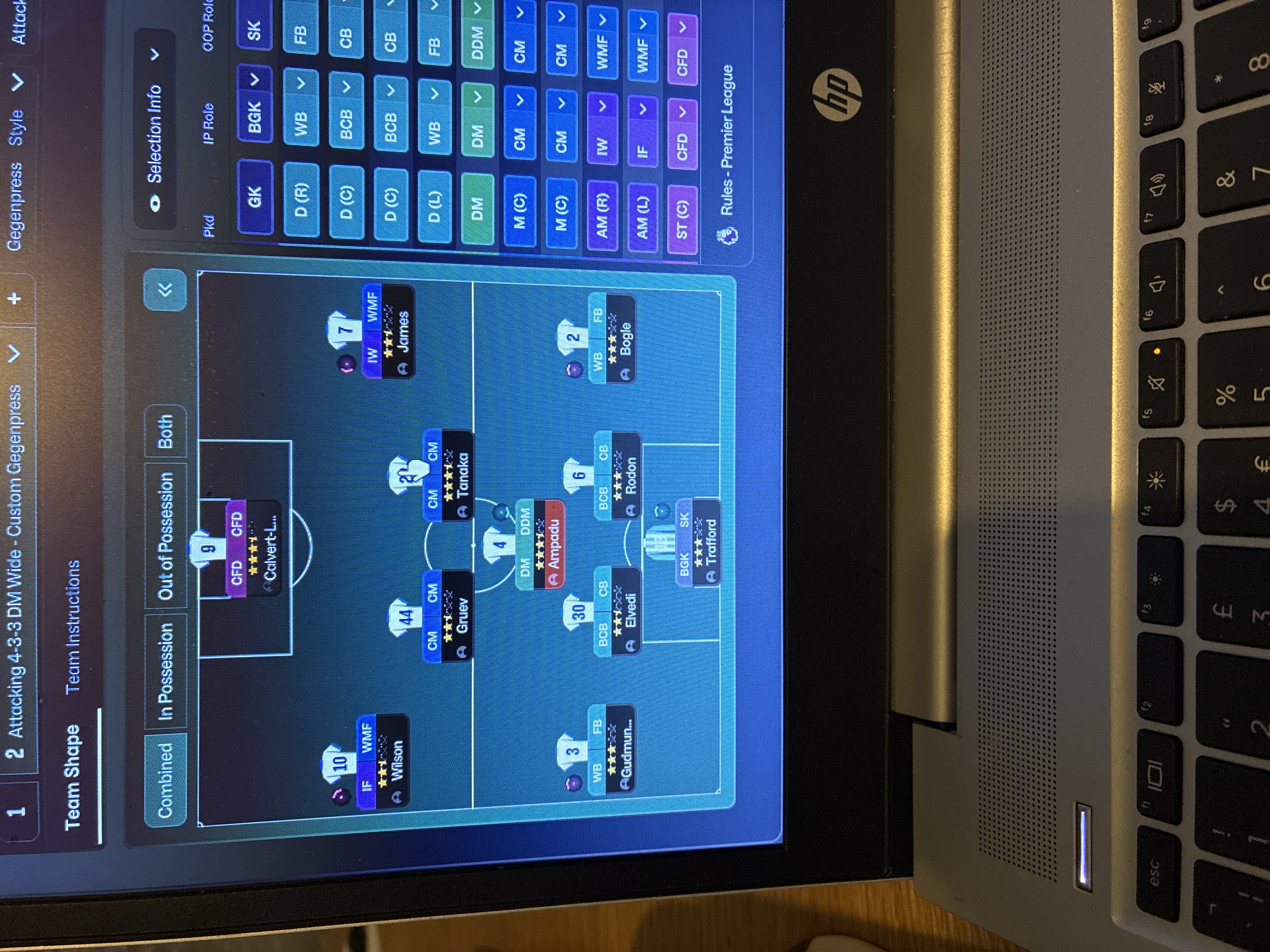
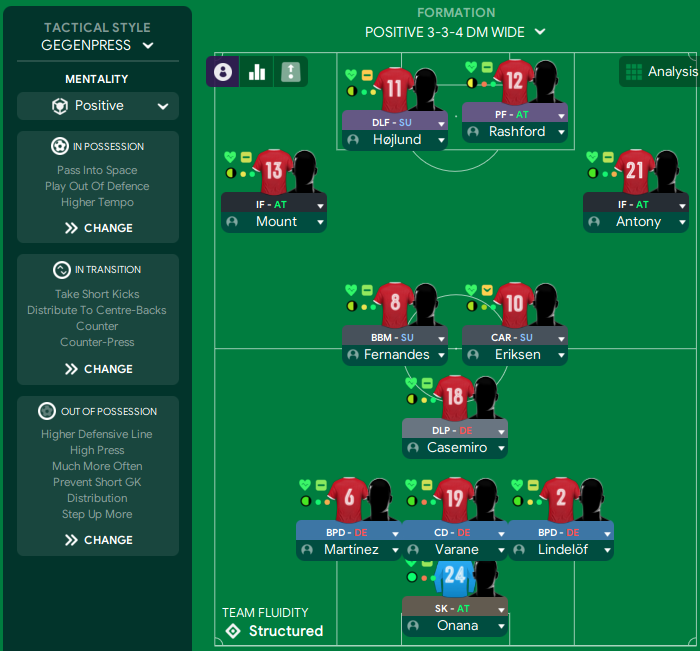
Guides for this formation
The tactical theory behind the 4-2-3-1 Wide: roles, instructions, and the trade-offs that decide whether the system holds up.
Player pairings
Midfield Pairs in 4-2-3-1 and 4-4-2
Double pivots and flat pairs in 4-2-3-1 and 4-4-2: when each pairing works, when it collapses, and the AMC unicorn that rescues both.
Read guide
Playing styles
Gegenpressing: A Full Guide
Klopp-style gegenpressing in FM, including squad profile, line-and-press pairing, sustainable workload, and the antipatterns to avoid.
Read guide