Uploaded Tactic
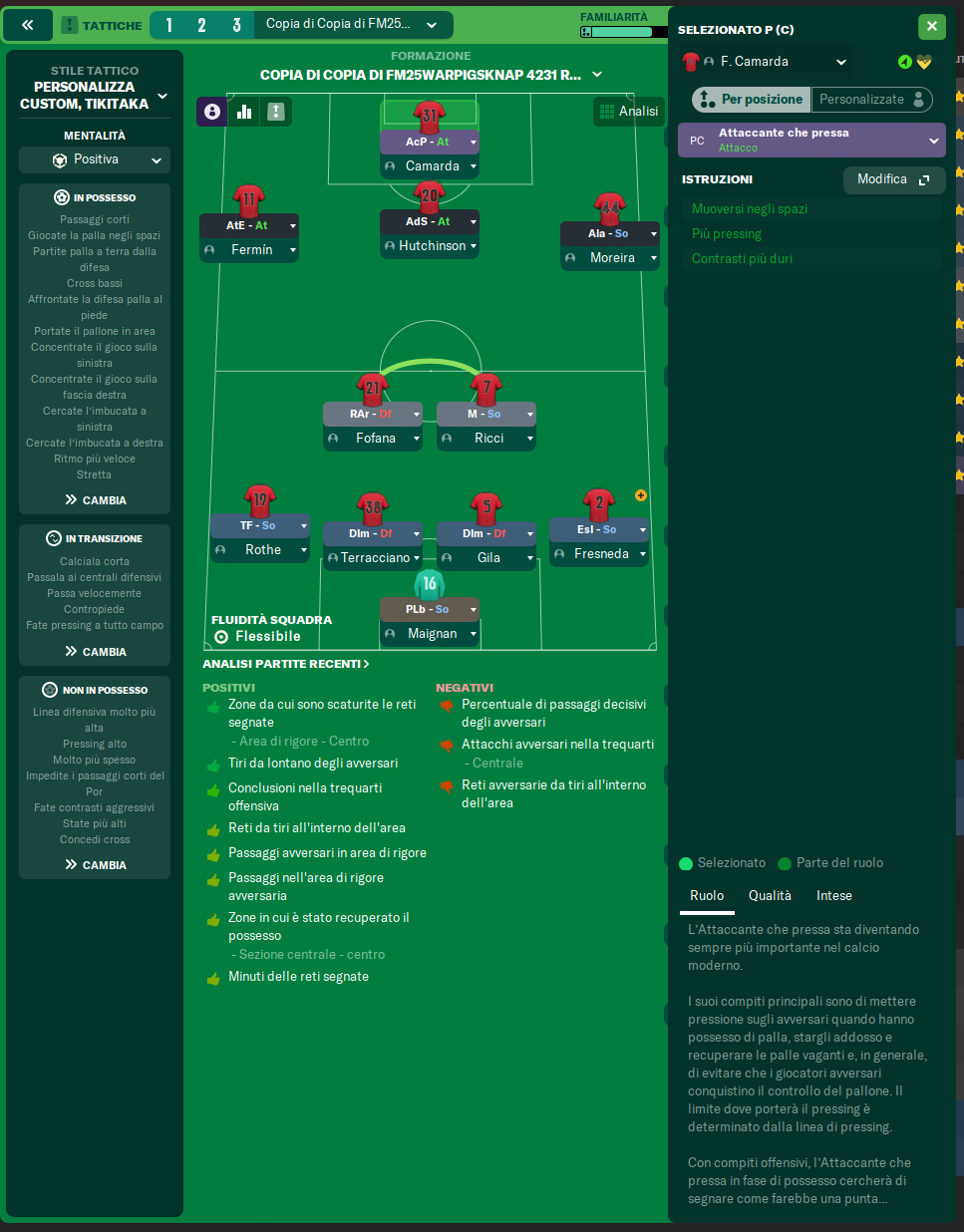
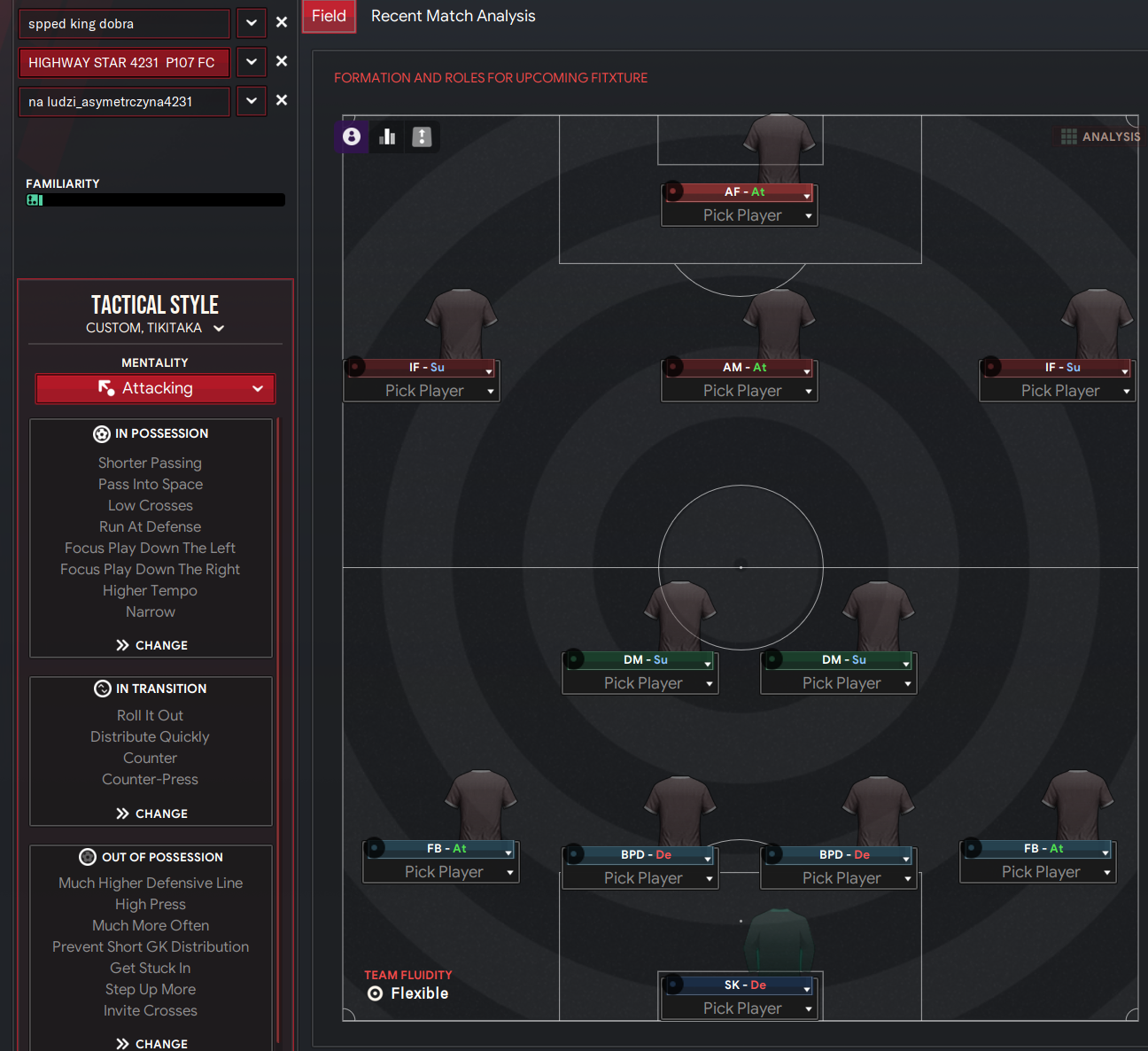
Formation & Style
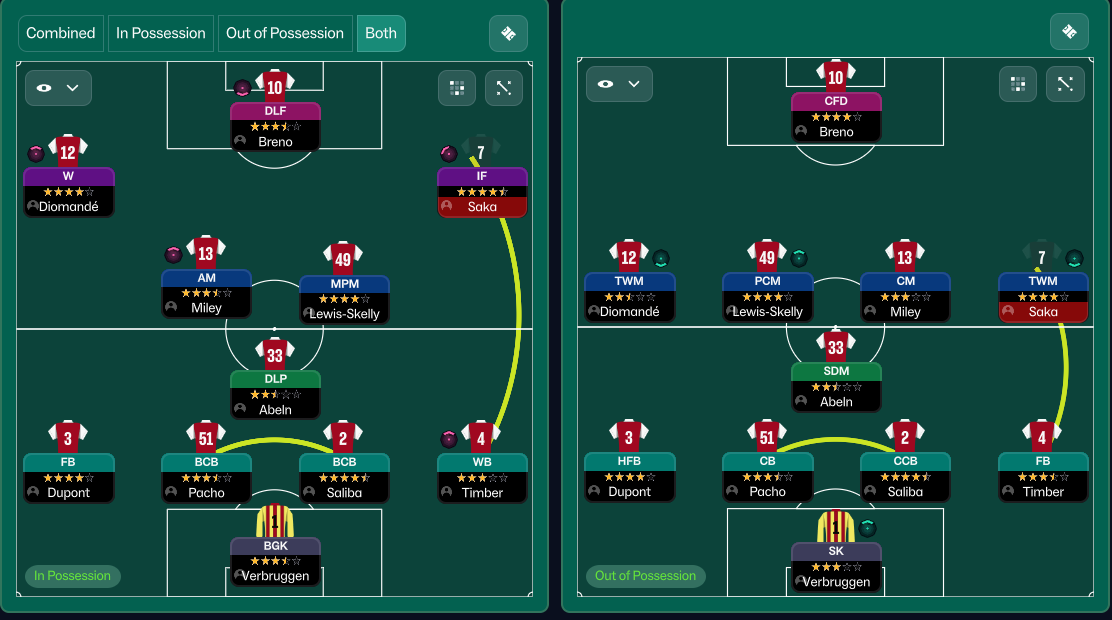
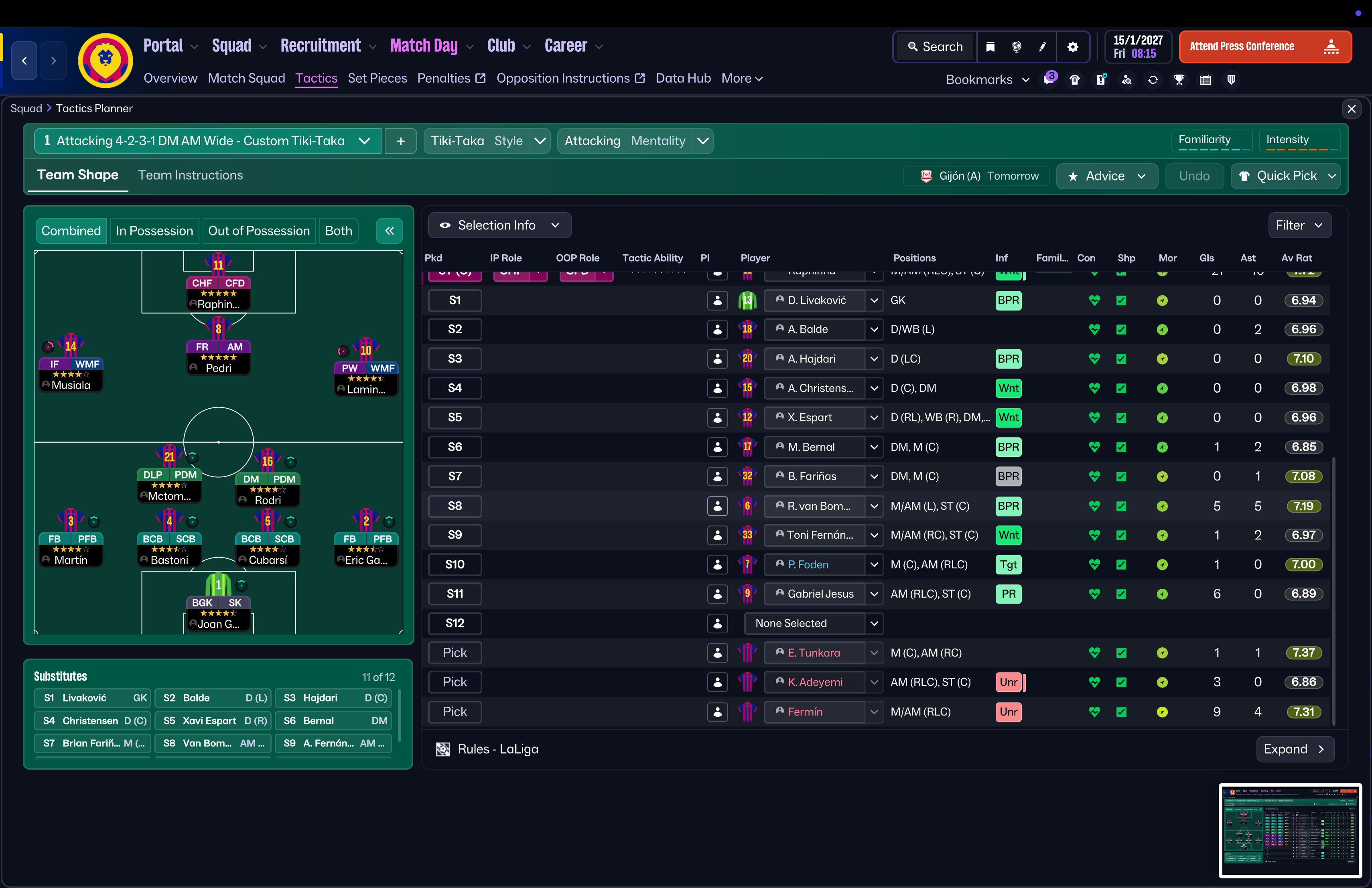
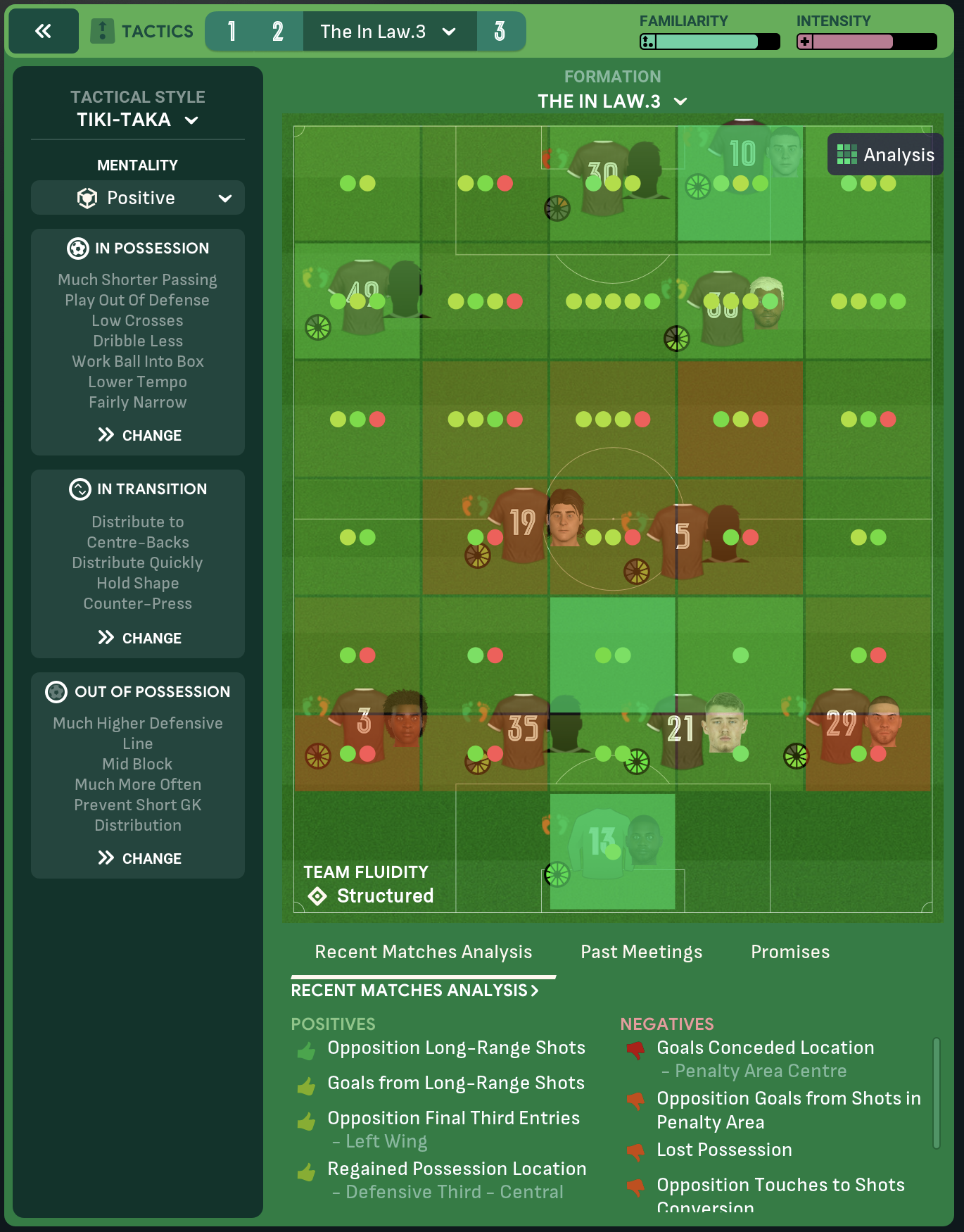
Tactical Style:Tiki-Taka
Mentality:Positive
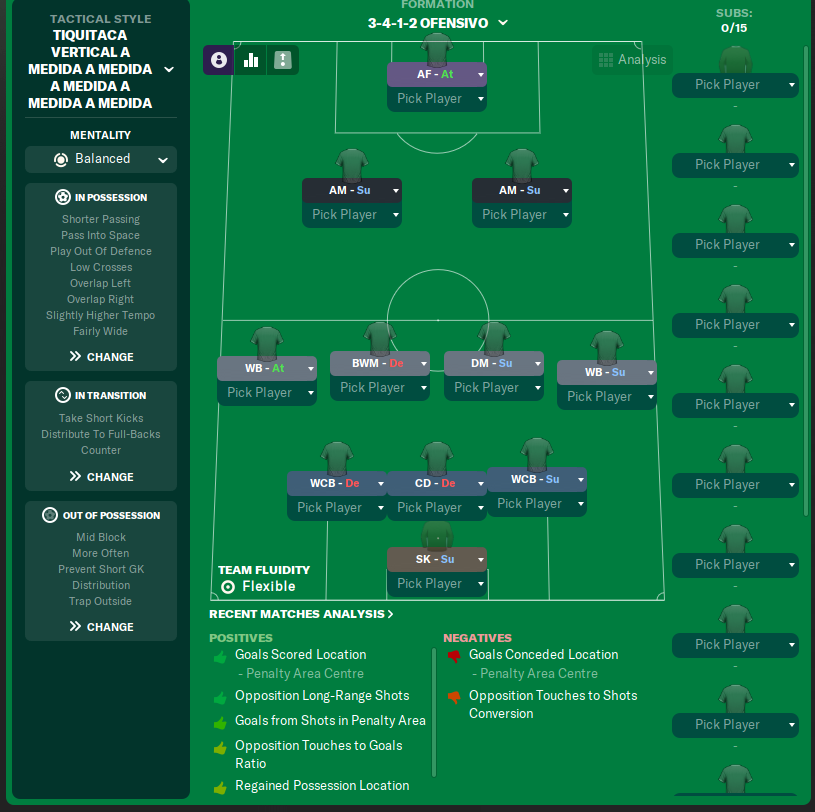
Formation:4-2-3-1 Wide
Team Fluidity:Flexible
In Possession
Short Passing
Play Out of Defence
Work Ball into Box
Focus Play Through the Middle
In Transition
Counter-Press
Counter
Out of Possession
Higher Defensive Line
Much Higher Line of Engagement
Prevent Short GK Distribution
Trigger Press More Often
Team Shape Without Ball
Shape:4-2
Description:Compact defensive shape with two holding midfielders protecting the backline while wing-backs cover flanks.
Evidence:DM at [3,3] and CM at [4,3] provide ample protection.
Team Shape With Ball
Shape:4-3
Description:Fluid attacking formation, utilizing width and advanced players for penetration.
Evidence:Three players in the attacking area support dynamic movement.
Phase Description
Attacking Play
The team employs short passing and retains possession, utilizing the width created by wing-backs to stretch the opposition.
Defensive Transition
Aggressive pressing to regain possession quickly, aiming to disrupt the opponent's build-up.
Main Focus
Ball possession and creating high-quality chances through intricate play.
Key Strengths
Ball Retention
The use of short passing and 'Play Out of Defence' maximizes possession.
Pressing Ability
High pressing strategy disrupts opposition plays effectively.
Attacking Fluidity
Rapid interchanging in front of goal creates multiple scoring opportunities.
Conflicting Directions
Wide Opposition Play
May struggle against teams that exploit the flanks due to the focus on central play.
Vulnerable to Counterattacks
Pressing high leaves gaps at the back that opponents can exploit.
Reliance on Wing-Backs
Over-reliance on wing-backs for width might cause imbalance if they are caught forward.
Tactical Suggestions
Adjust Defensive Line
Lowering the defensive line can help mitigate vulnerabilities against fast counter-attacks.
Integrate Width in Attack
Incorporating more width in attacking phases can exploit opposition weaknesses.
Midfield Rotation
Encouraging rotation between midfield roles can keep opposition guessing.
Ask Questions About Your Lineup
Related Tactics
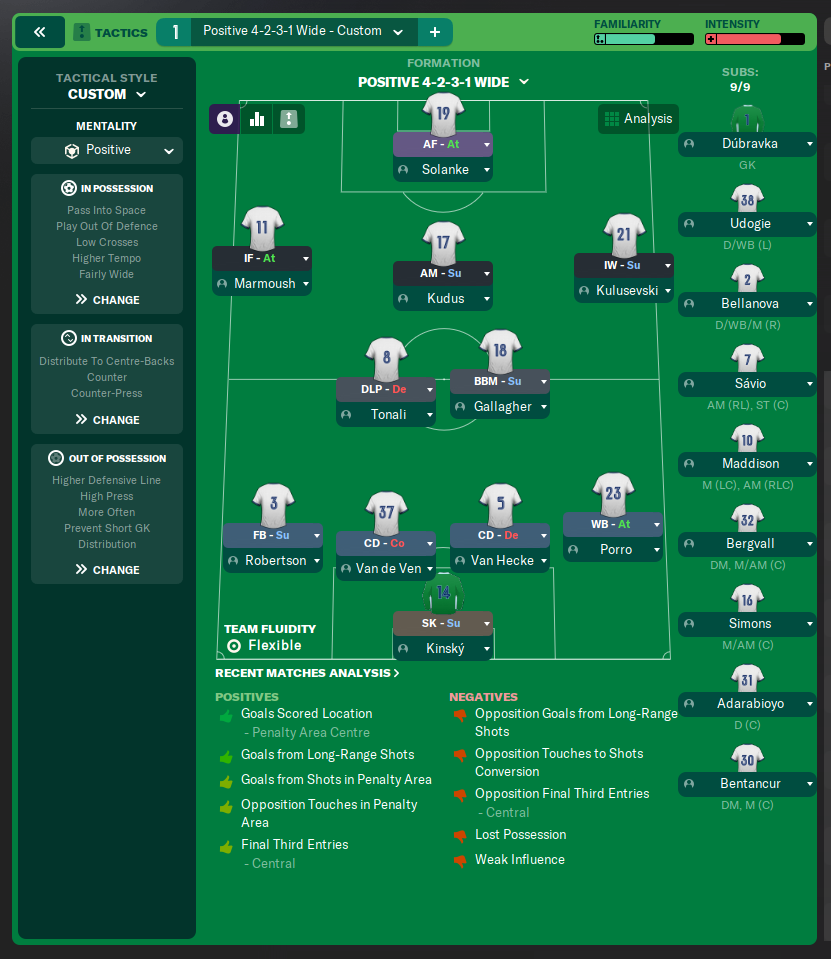
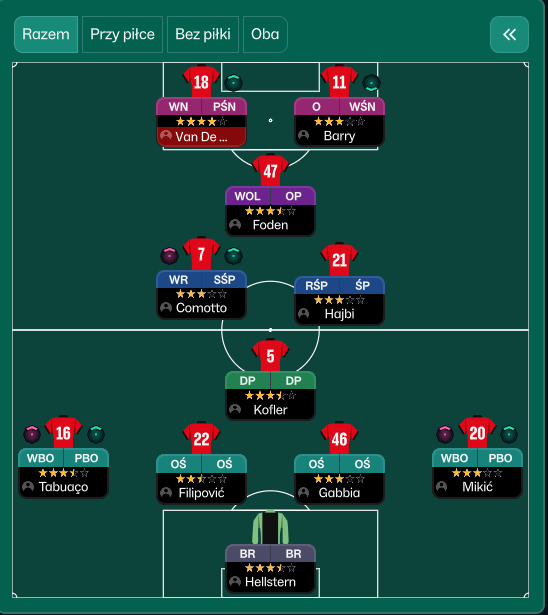
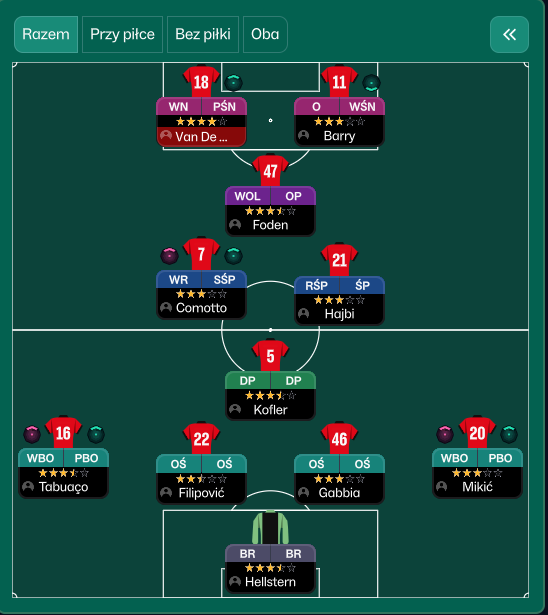
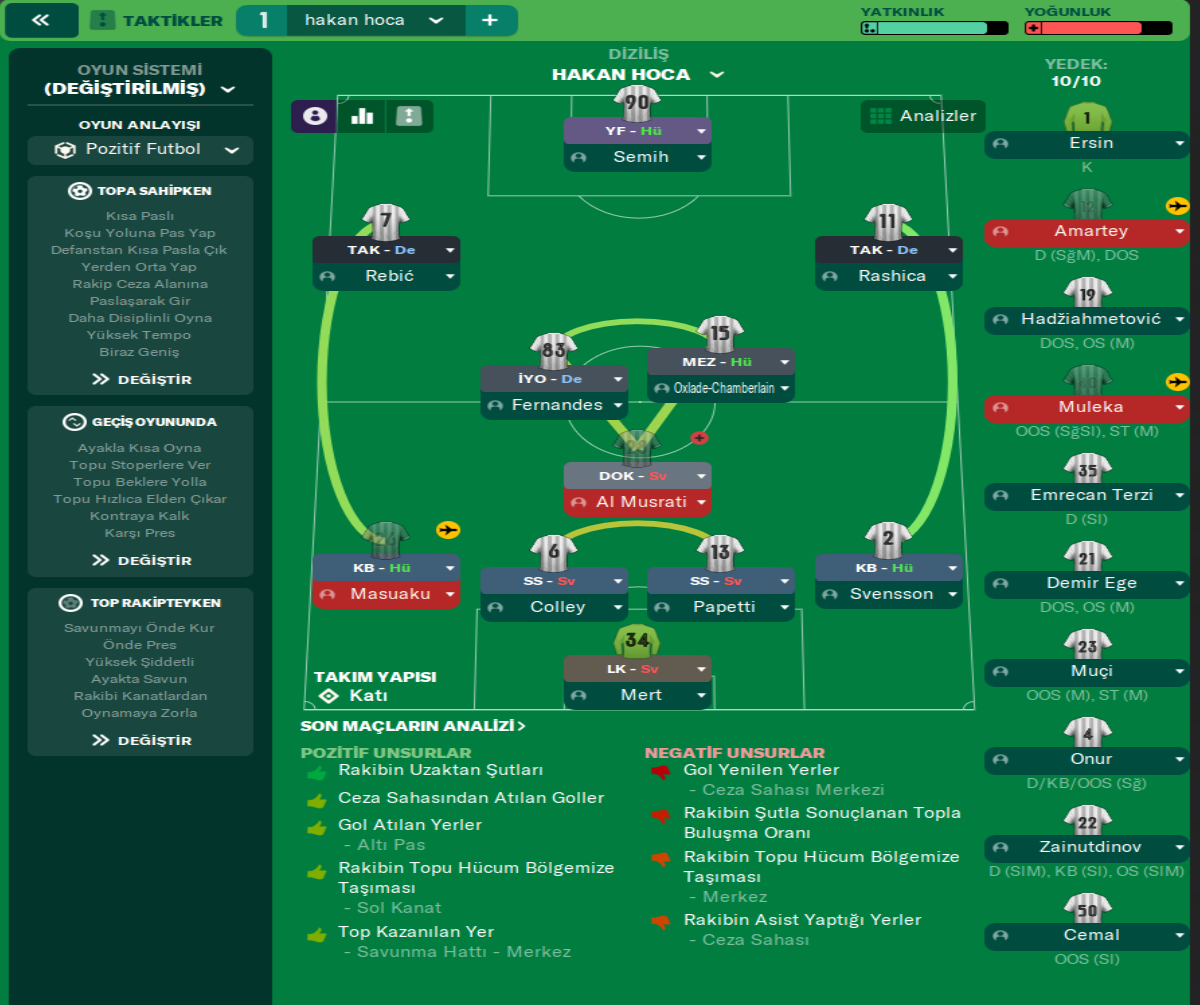
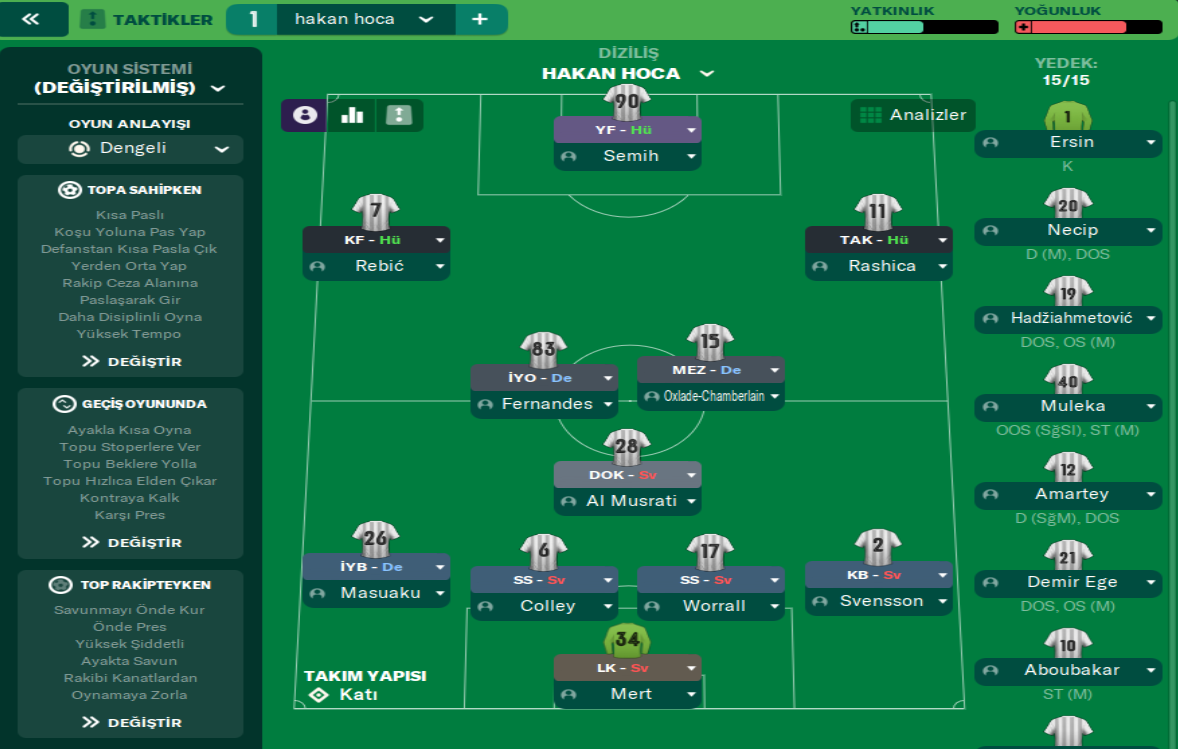
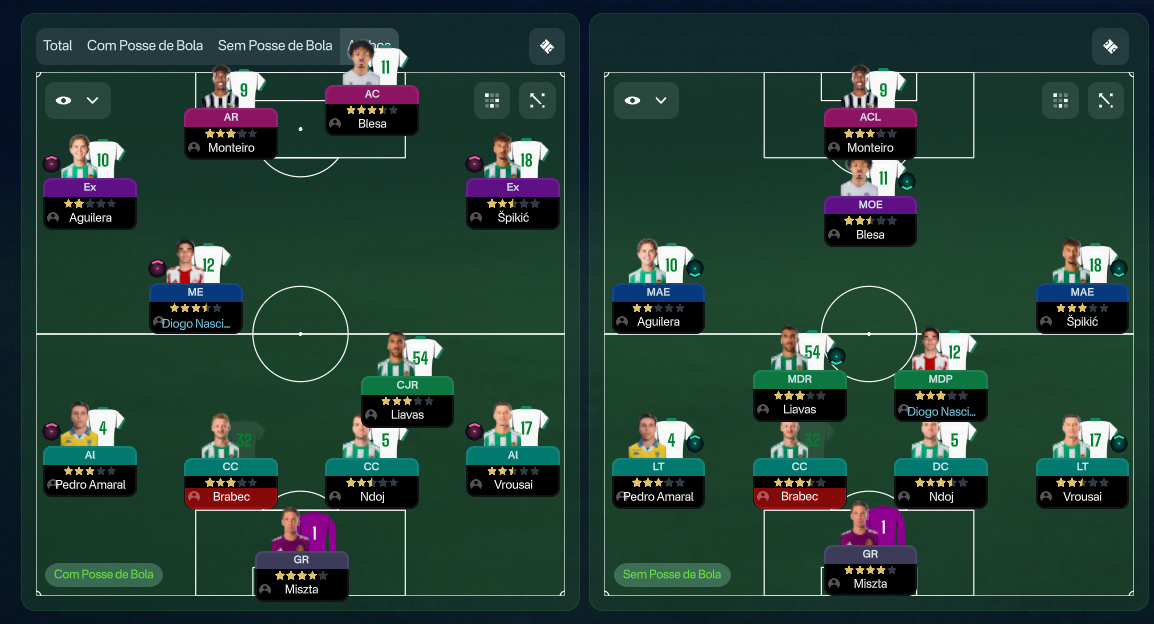
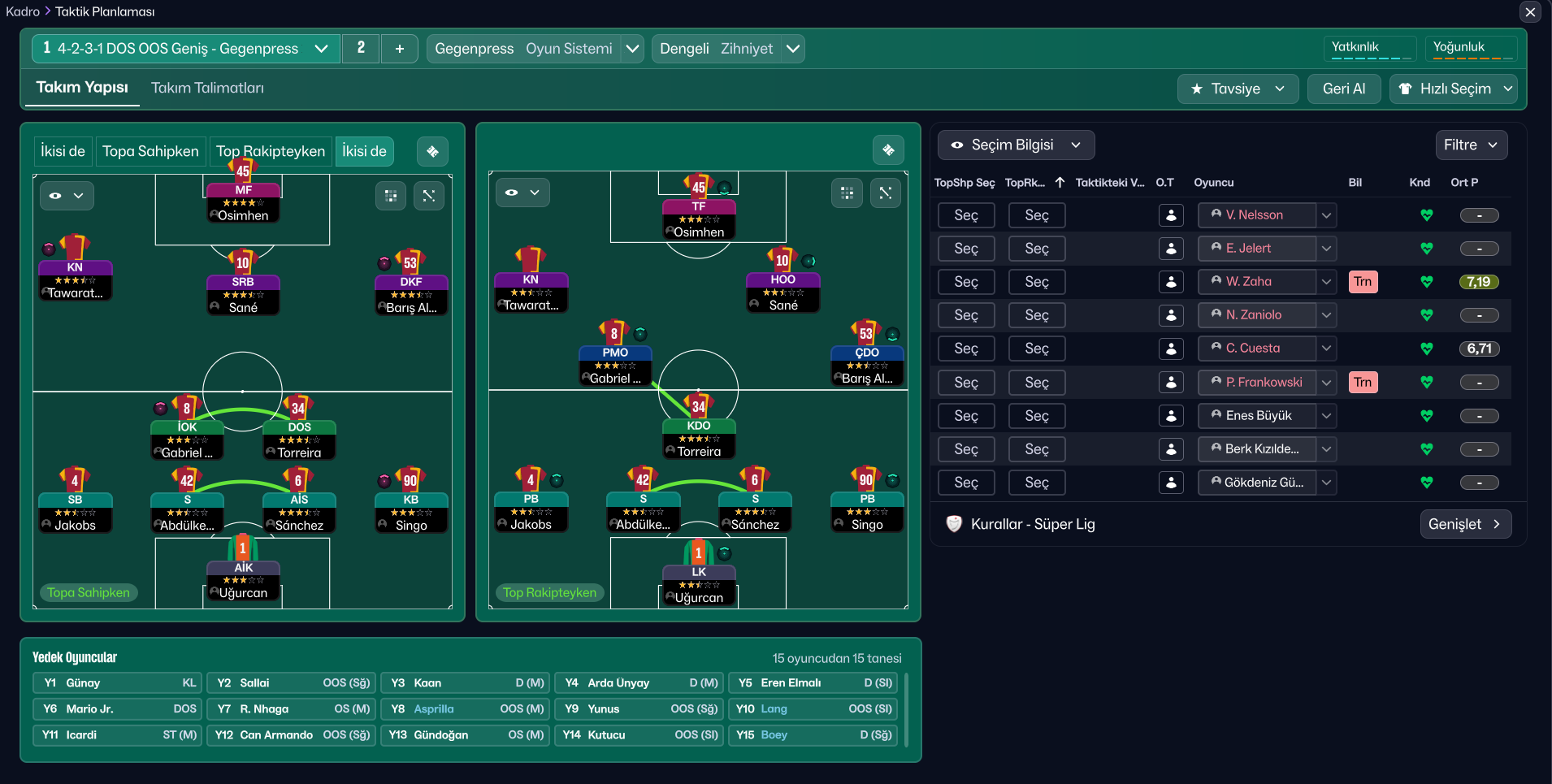
More Tiki-Taka tactics
Guides for this formation
The tactical theory behind the 4-2-3-1 Wide: roles, instructions, and the trade-offs that decide whether the system holds up.
Player pairings
Midfield Pairs in 4-2-3-1 and 4-4-2
Double pivots and flat pairs in 4-2-3-1 and 4-4-2: when each pairing works, when it collapses, and the AMC unicorn that rescues both.
Read guide
Playing styles
Gegenpressing: A Full Guide
Klopp-style gegenpressing in FM, including squad profile, line-and-press pairing, sustainable workload, and the antipatterns to avoid.
Read guide