Uploaded Tactic
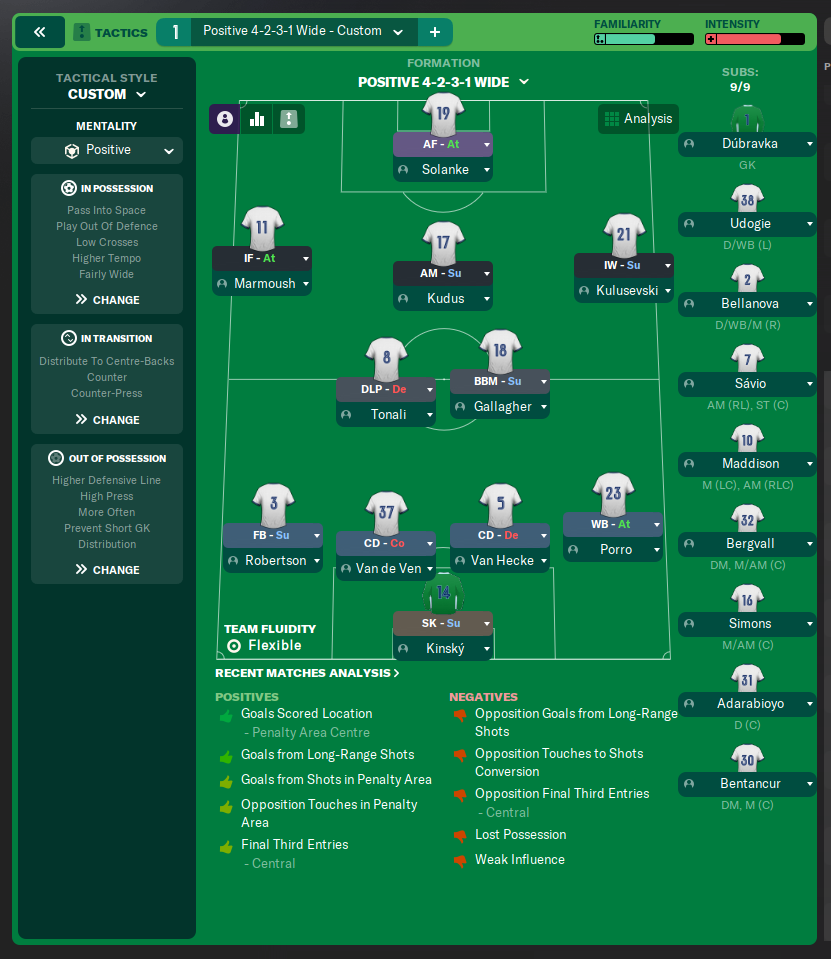
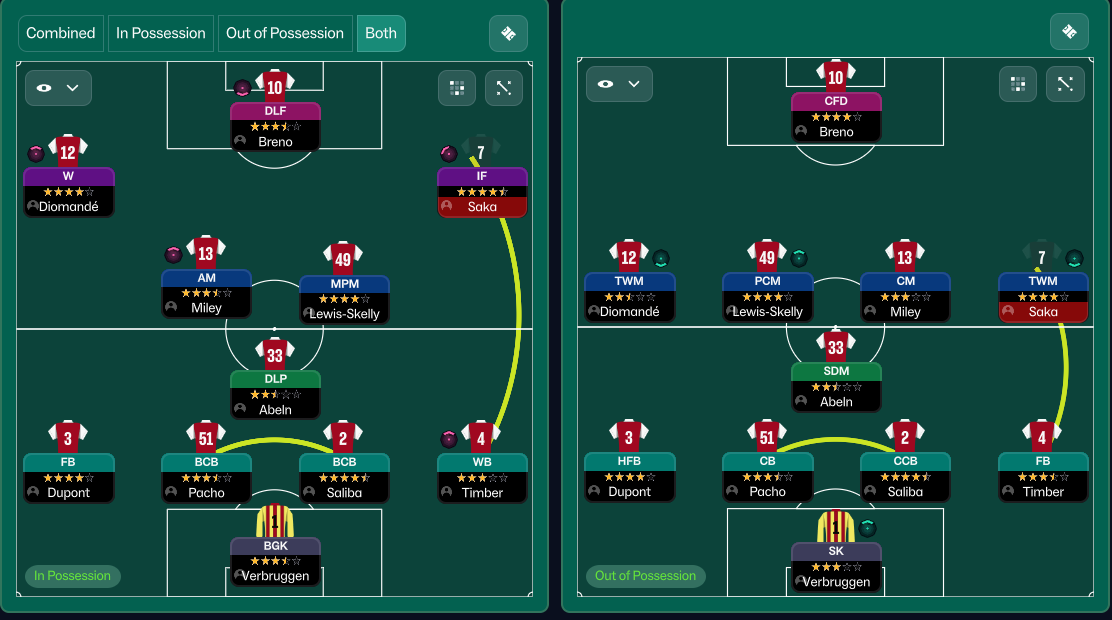
Formation & Style
Tactical Style:Custom
Mentality:Positive
Formation:4-2-3-1 Wide
Team Fluidity:Flexible
In Possession
Pass Into Space
Play Out Of Defence
Low Crosses
Higher Tempo
Fairly Wide
In Transition
Distribute To Centre-Backs
Counter
Counter-Press
Out of Possession
Higher Defensive Line
High Press
Prevent Short GK Distribution
Team Shape Without Ball
Shape:4-2
Description:A solid base with two central midfielders providing cover to the backline.
Evidence:CD-De at [2,2] & CD-Co at [2,3], and DM position provides additional support.
Team Shape With Ball
Shape:4-3
Description:Wide players support the main striker through the central areas, enhancing penetration.
Evidence:IF-A at [5,2], AM-Su at [5,3] & AF-A at [6,3] create depth and width.
Phase Description
Attacking Play
Utilizes width through inside forwards and wing-backs to create space for the advanced forward.
Defensive Transition
Quickly transitions to a compact defensive shape aiming for counter-press.
Main Focus
Focus on penetrating play through the central areas and exploiting gaps with forward runs.
Key Strengths
Effective Central Penetration
Team effectively utilizes central spaces for attacking opportunities.
Utilizing Width
Wing-backs and inside forwards stretch the opposition, creating space.
Balanced Midfield Contribution
Box-to-Box midfielder effectively supports both defense and attack.
Conflicting Directions
Vulnerability to Long-Range Shots
Defensive line might be exposed to shots outside the box.
Pressure on Final Third
A lack of conversion from touches to shots may indicate ineffective attacking transitions.
Weak Influence in Midfield
Opposition may control midfield areas, leading to reduced effectiveness.
Tactical Suggestions
Increase Defensive Duty of Midfielders
Encouraging deeper defensive responsibilities can help mitigate long-range shot threats.
Manage Off-Ball Movement
Encourage players to utilize overlapping runs and exploit spaces created by inside forwards.
Adjust Press Intensity
Fine-tuning press settings can lead to improved defensive cover and reduce opposition touches.
Ask Questions About Your Lineup
Related Tactics
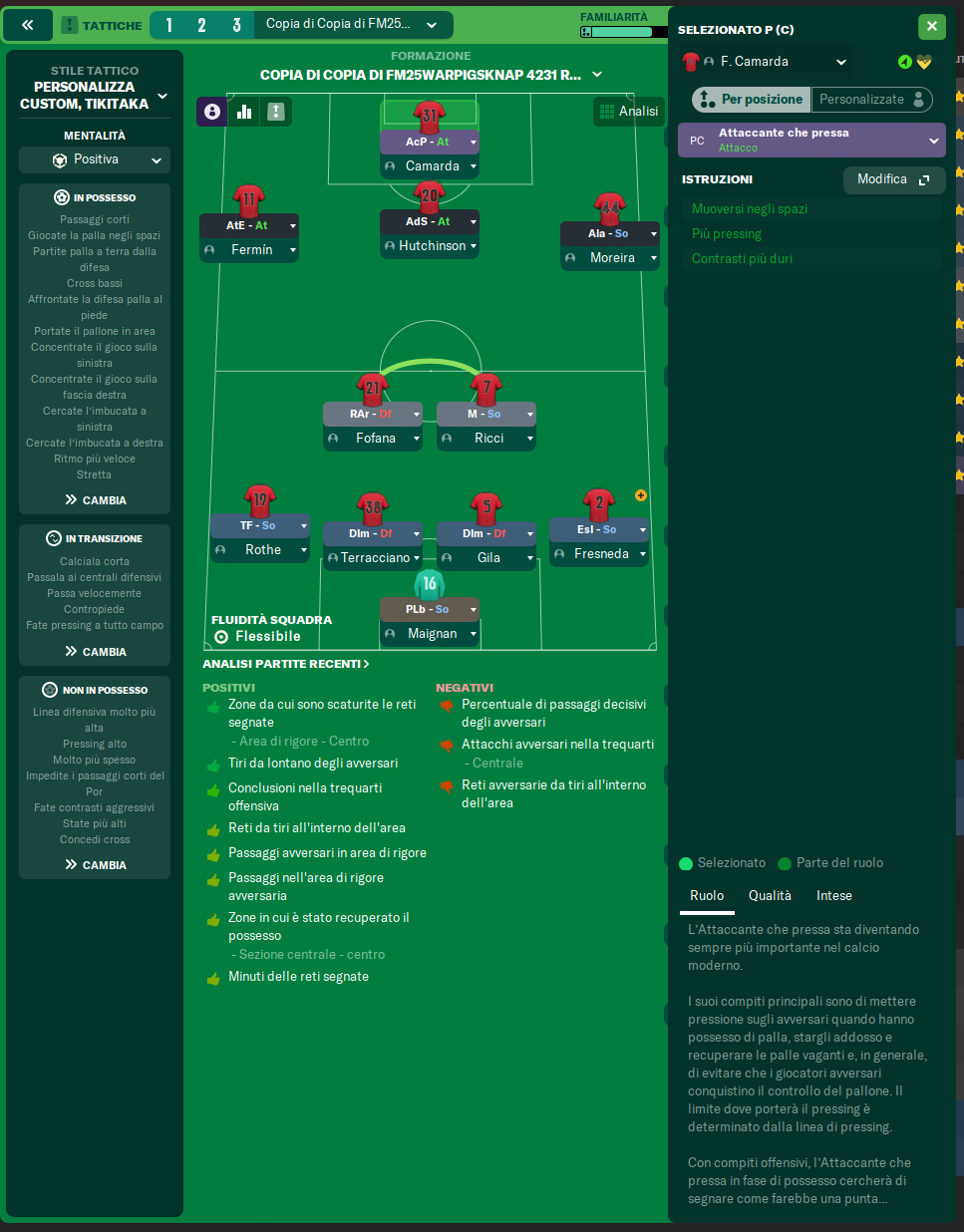
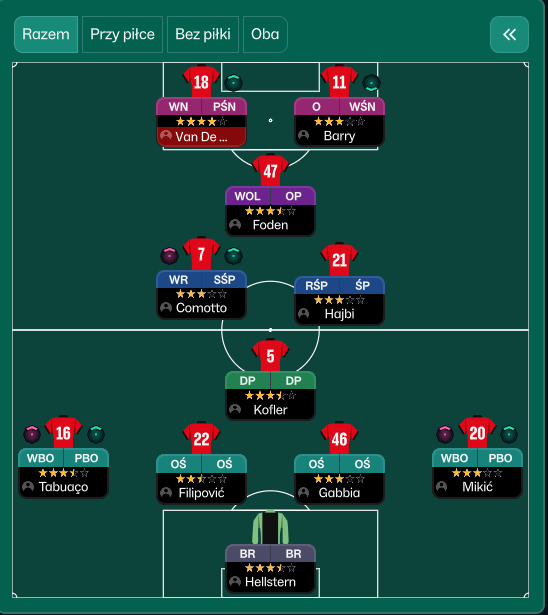
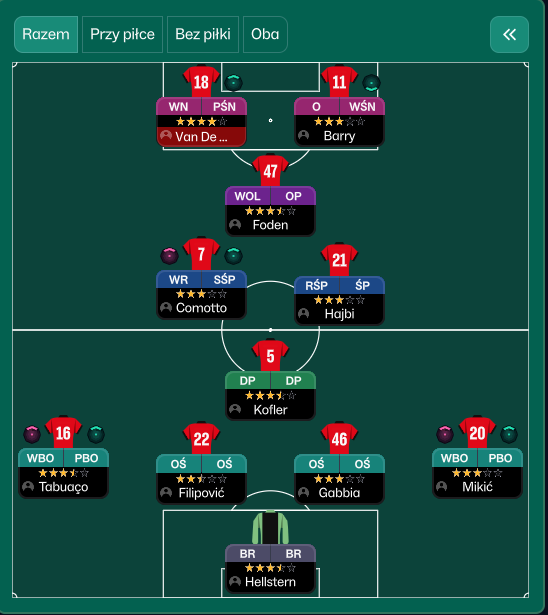
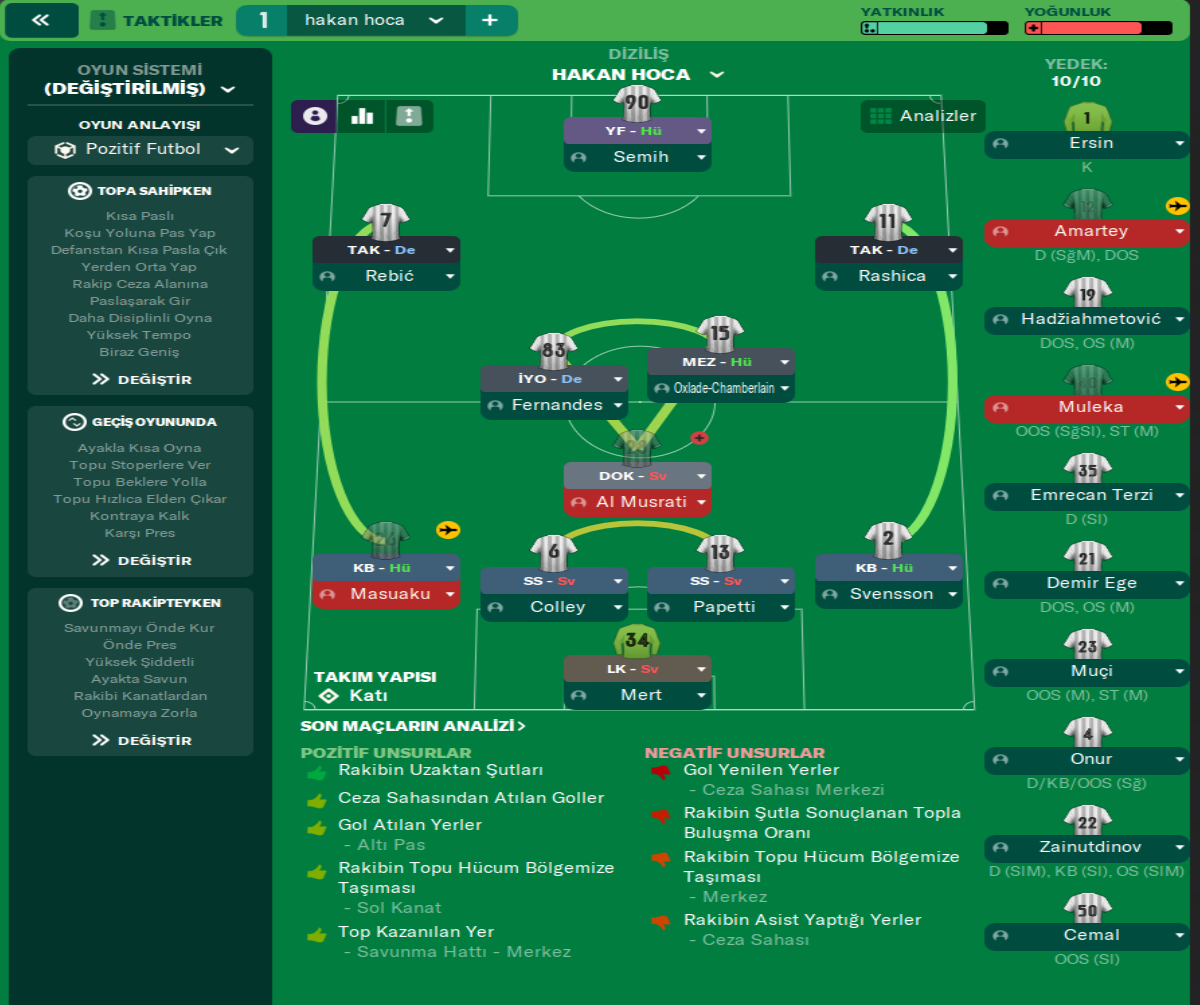
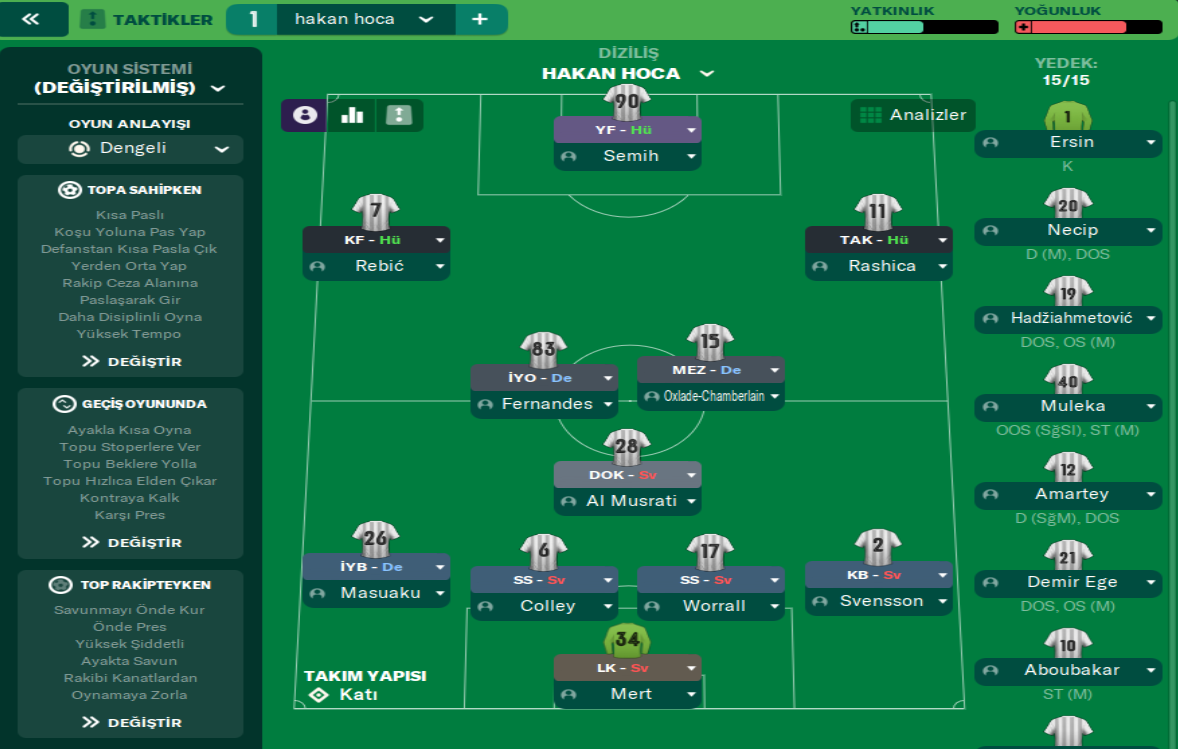
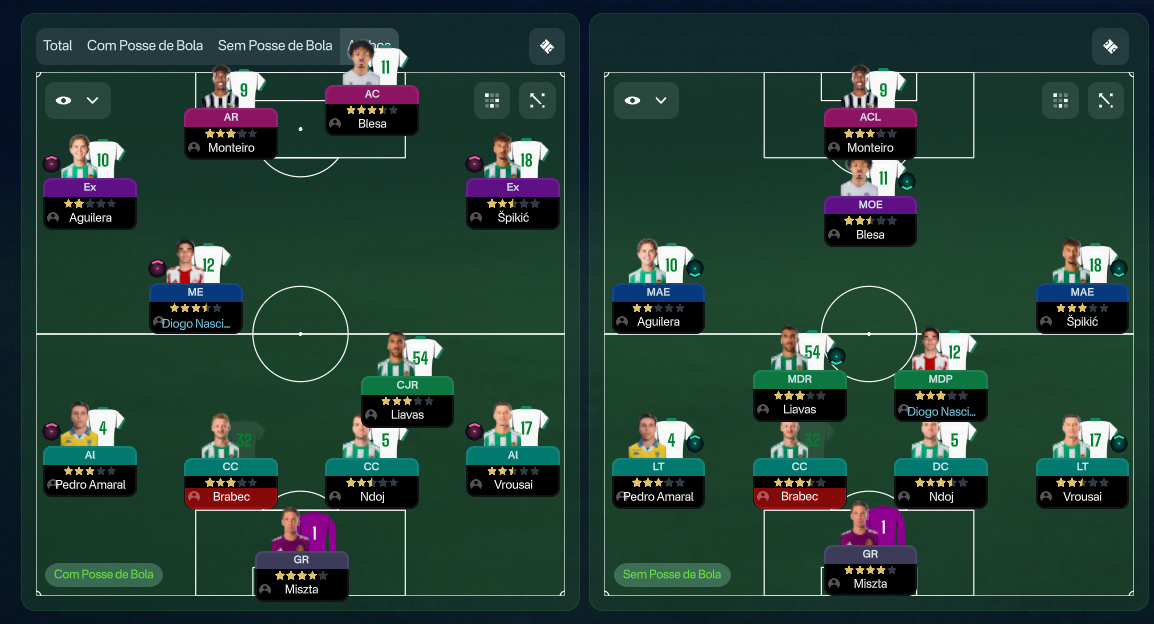
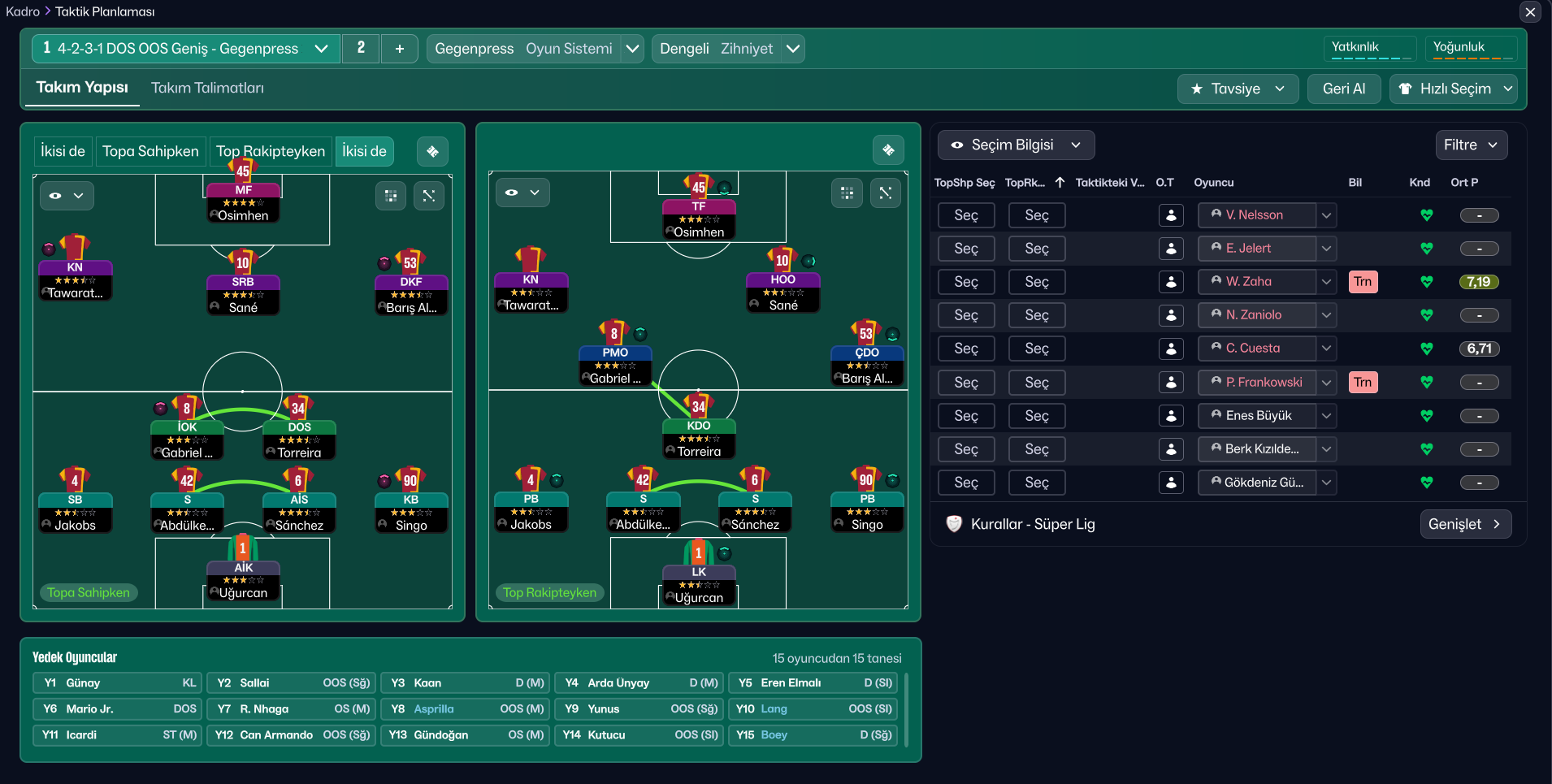
Guides for this formation
The tactical theory behind the 4-2-3-1 Wide: roles, instructions, and the trade-offs that decide whether the system holds up.
Player pairings
Midfield Pairs in 4-2-3-1 and 4-4-2
Double pivots and flat pairs in 4-2-3-1 and 4-4-2: when each pairing works, when it collapses, and the AMC unicorn that rescues both.
Read guide
Playing styles
Gegenpressing: A Full Guide
Klopp-style gegenpressing in FM, including squad profile, line-and-press pairing, sustainable workload, and the antipatterns to avoid.
Read guide