Uploaded Tactic
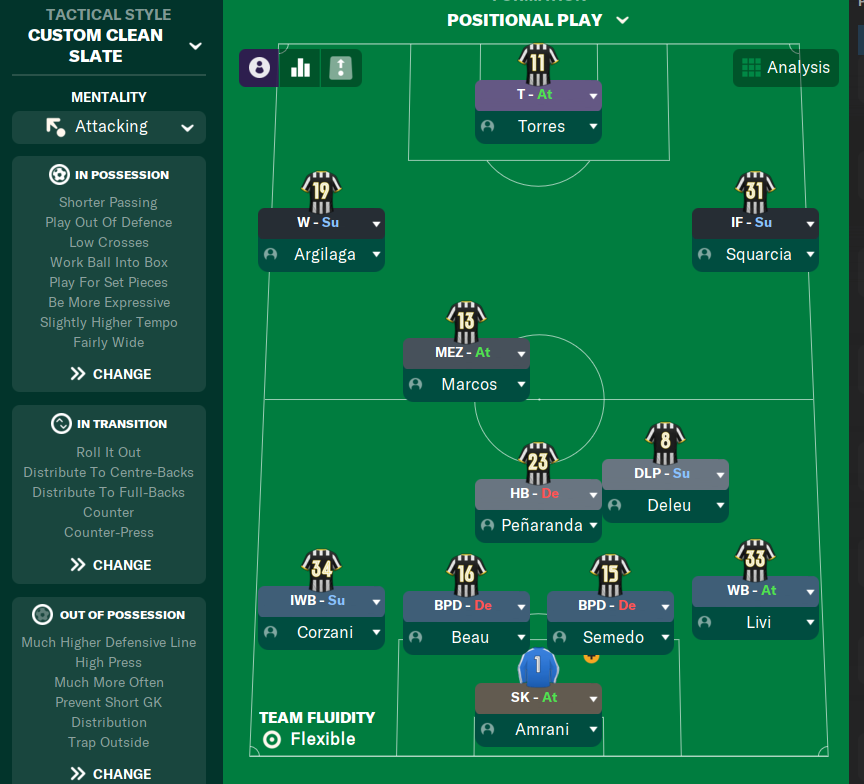
Formation & Style
Tactical Style:Custom Clean Slate
Mentality:Attacking
Formation:4-2-3-1 Wide
Team Fluidity:Flexible
In Possession
Shorter Passing
Play Out Of Defence
Work Ball Into Box
Be More Expressive
Slightly Higher Tempo
Fairly Wide
In Transition
Roll It Out
Distribute To Centre-Backs
Distribute To Full-Backs
Counter
Counter-Press
Out of Possession
Much Higher Defensive Line
High Press
Much More Often Prevent Short GK Distribution
Trap Outside
Team Shape Without Ball
No team shape without ball data available
Team Shape With Ball
No team shape with ball data available
Key Strengths
Fluid Attacking Play
The use of an Advanced Forward with supporting Inside Forward and Winger allows for diverse attacking options, creating space and opportunities in the final third.
Ball Progression from Defense
The Deep-Lying Playmaker and Half Back roles facilitate smooth transitions from defense to attack, maintaining possession while penetrating the opposition’s lines.
Pressing Approach
A high press combined with a much higher defensive line can unsettle opponents and retrieve possession quickly, especially against teams that rely on short passes.
Width in Attack
Utilizing both a Winger and Wing Back emphasizes attacking width, allowing the team to stretch defenses and create overloads on the flanks.
Conflicting Directions
High Defensive Line vs. Counter Style
Playing a high defensive line could expose the defense to counter-attacks, particularly against fast players. This tactically contradicts the counter-press strategy in transition.
Attacking Mentality with Defensive Roles
The Half Back and Ball Playing Defender roles focus on defensive duties, which may slow down the pace of play and conflict with the overall attacking mentality.
Inverted Wing Back Role
An Inverted Wing Back may leave the right flank vulnerable if not adequately supported, especially with the defensive duties of the other players.
Counter Press and High Press
While both approaches aim to regain possession quickly, a high press often leads to being caught out of position, conflicting with the transition to counter.
Tactical Suggestions
Adjust Defensive Line
Consider lowering the defensive line to provide more cover against counter-attacks, thereby reducing vulnerability while maintaining pressing intensity.
Change Half Back to a Standard Midfielder
A Standard Midfielder could add more dynamics in attack and balance with the midfield roles while still providing some defensive security.
Flexible Roles for Wing Backs
Experiment with setting one Wing Back to a Supporting role, allowing for defensive stability while the other focuses on attacking contributions.
Increase DLP's Influence
Consider increasing the Deep-Lying Playmaker’s influence by using a higher Creative Freedom to ensure he can pull strings from deeper areas.
Ask Questions About Your Lineup
Related Tactics

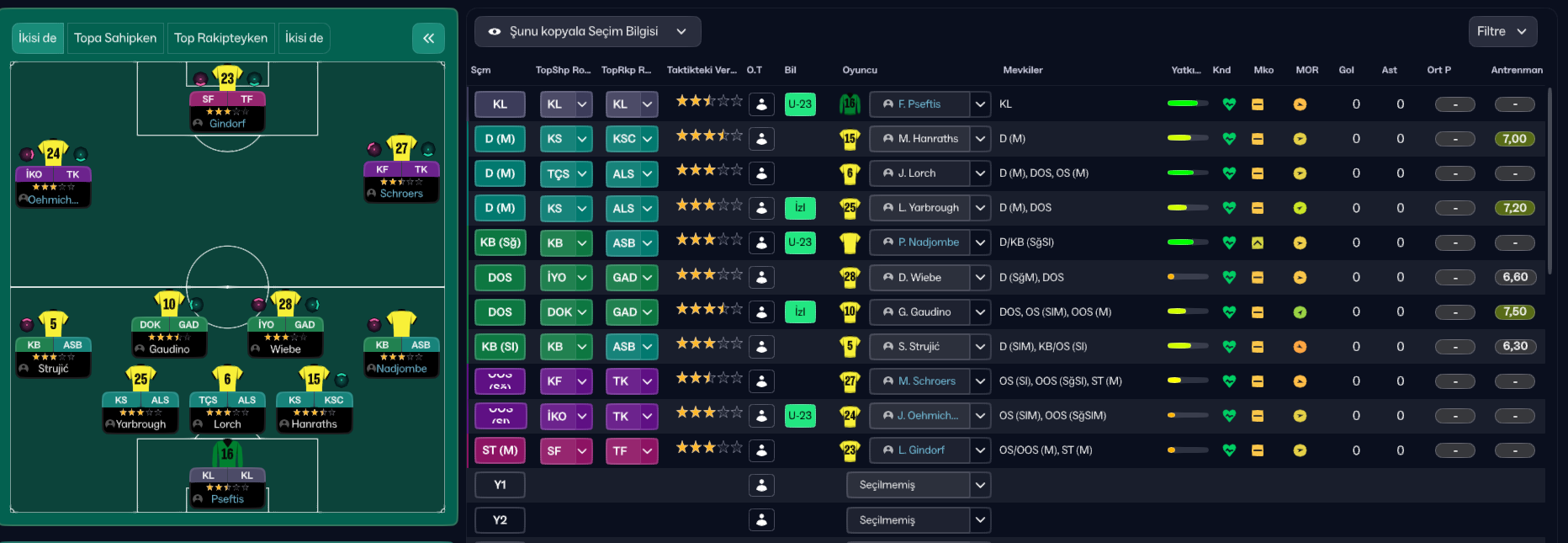
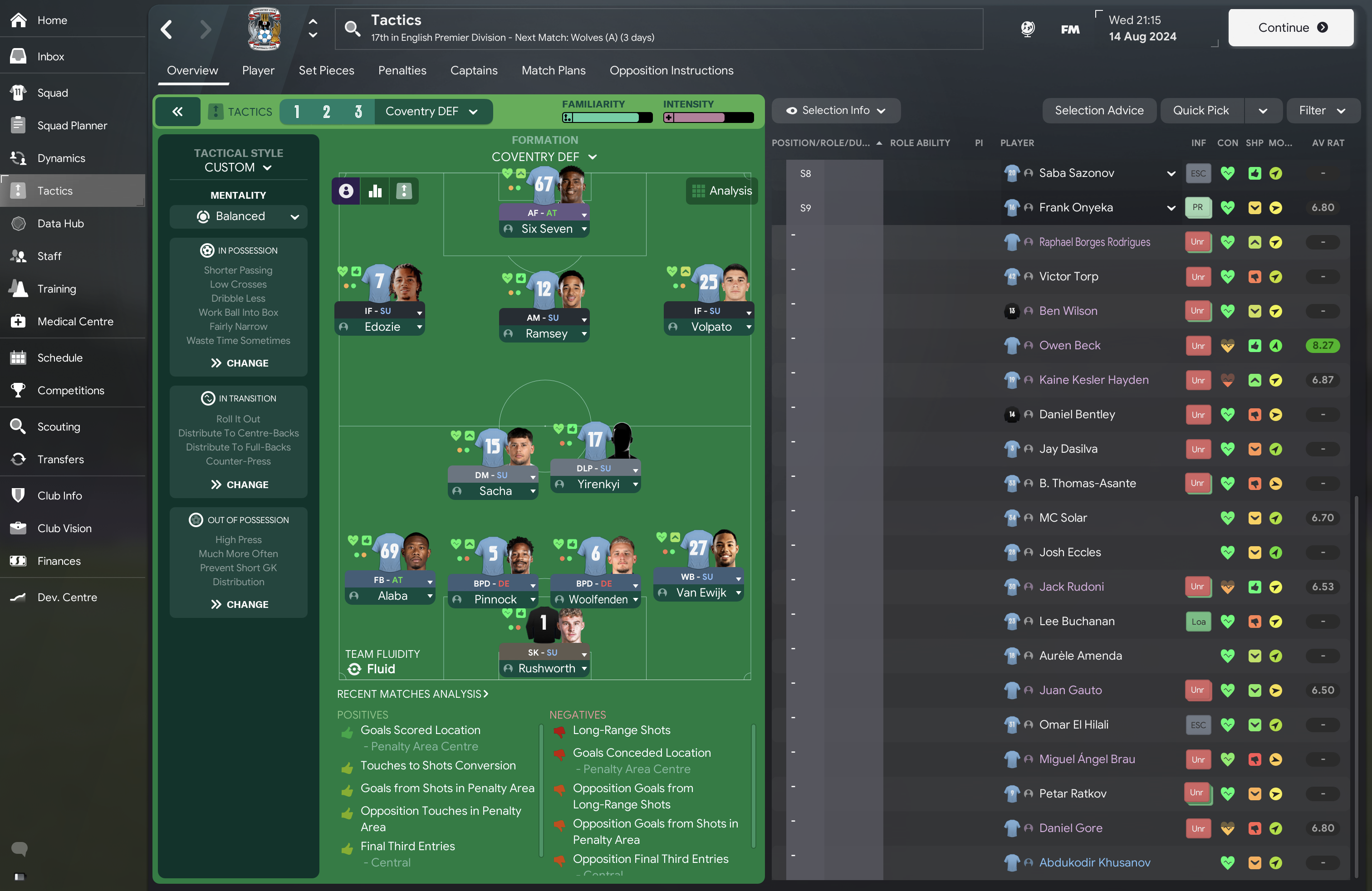
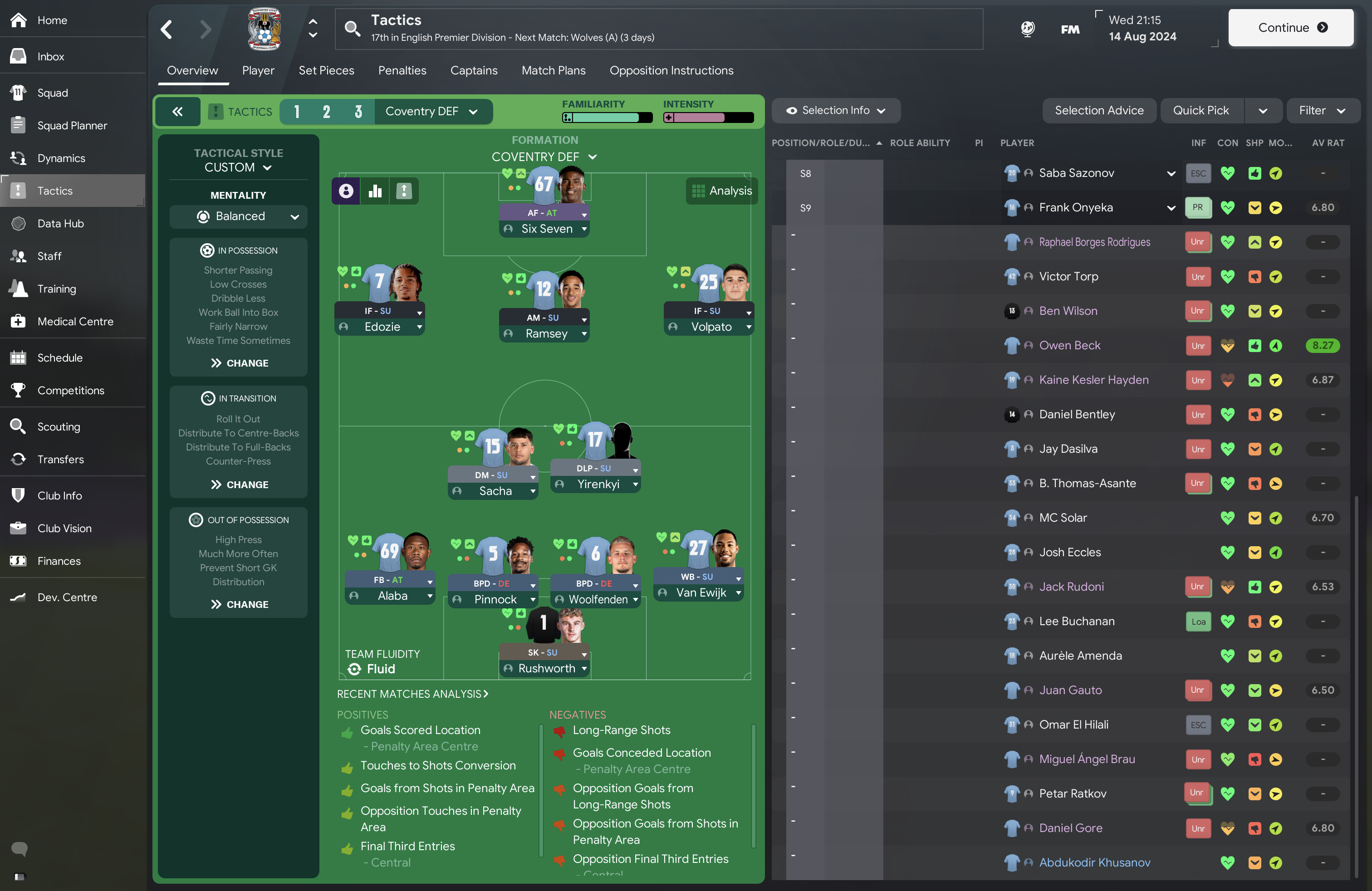
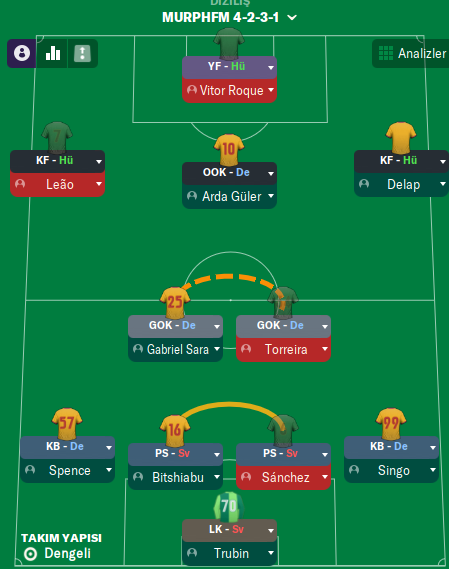
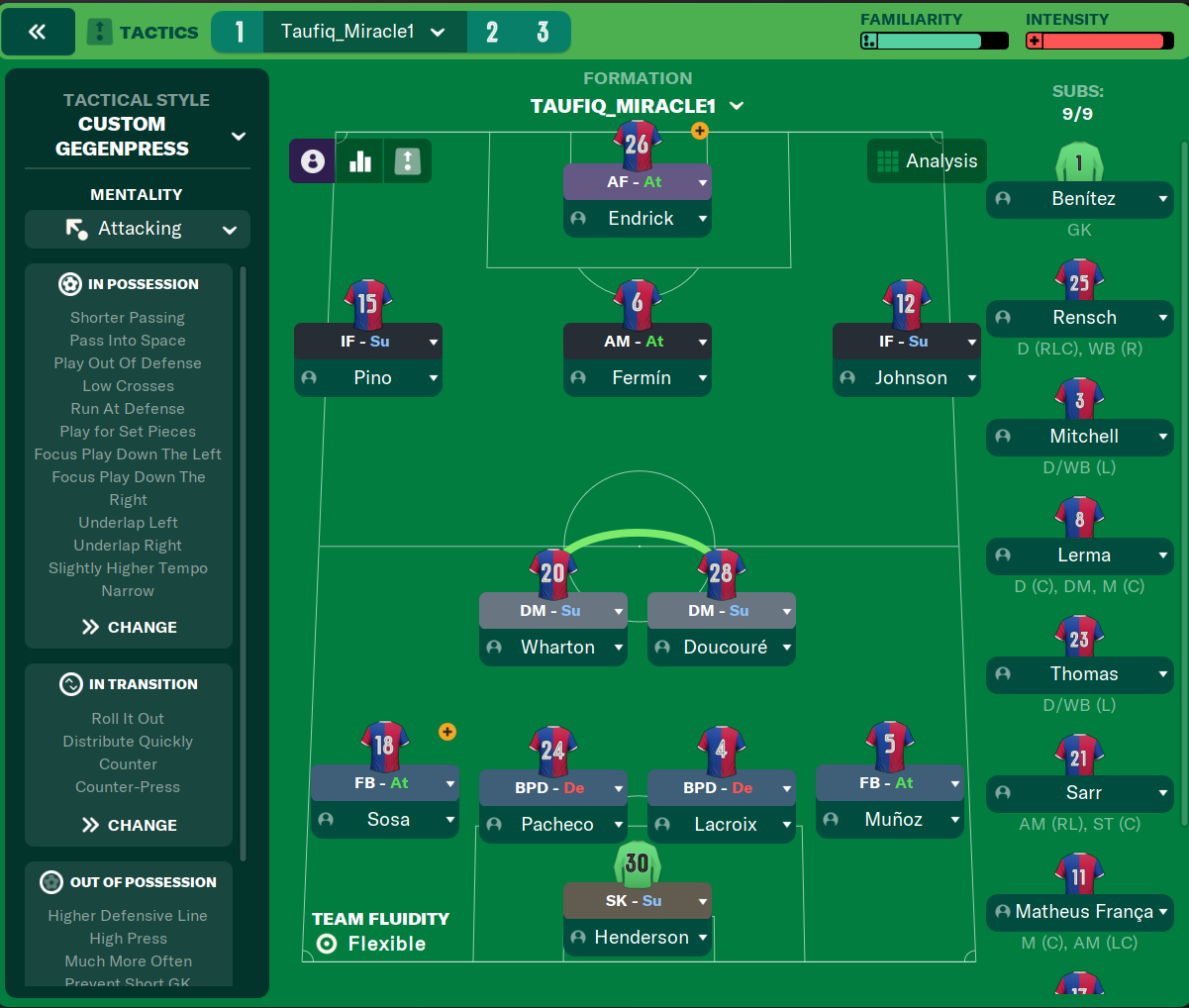
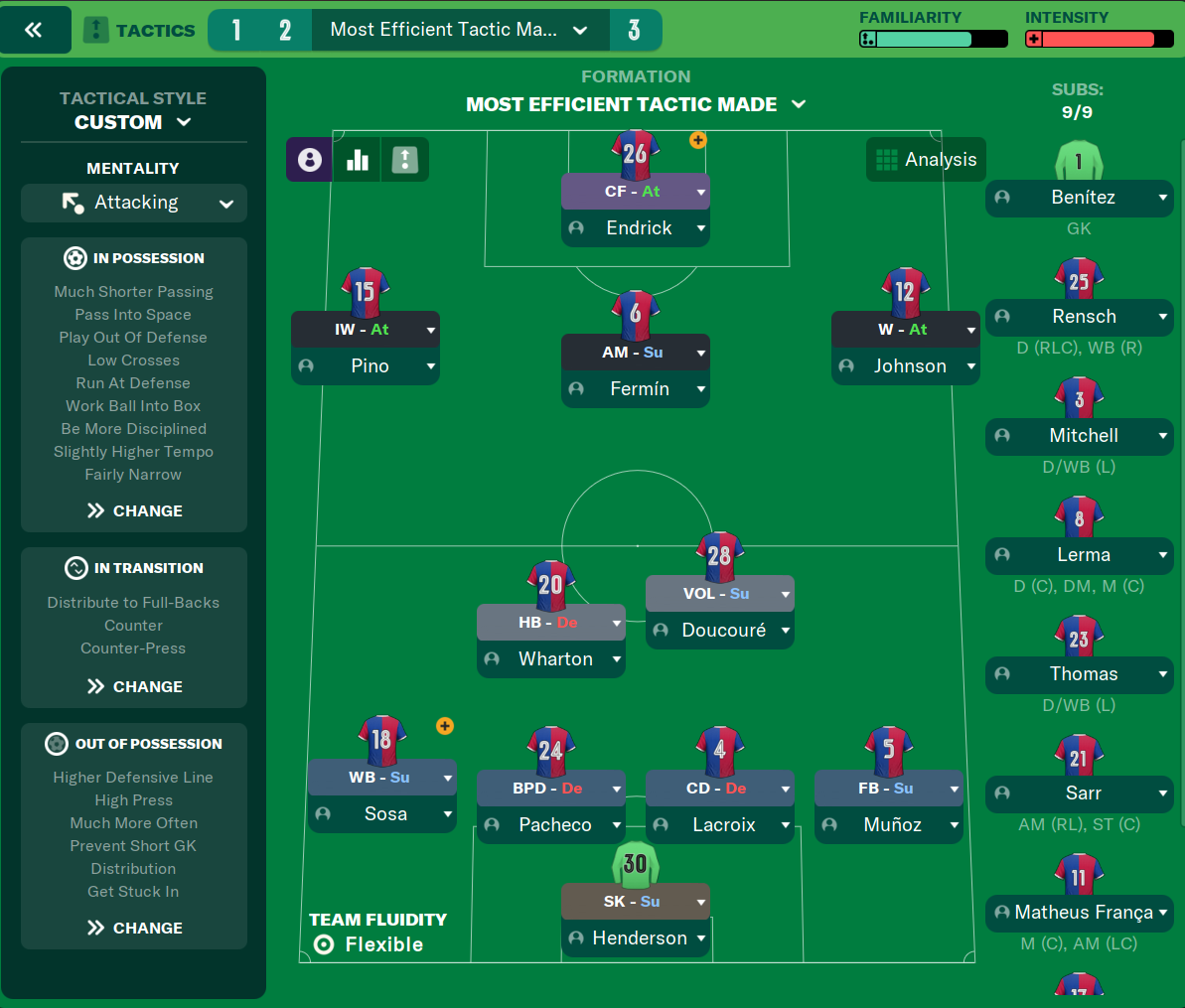
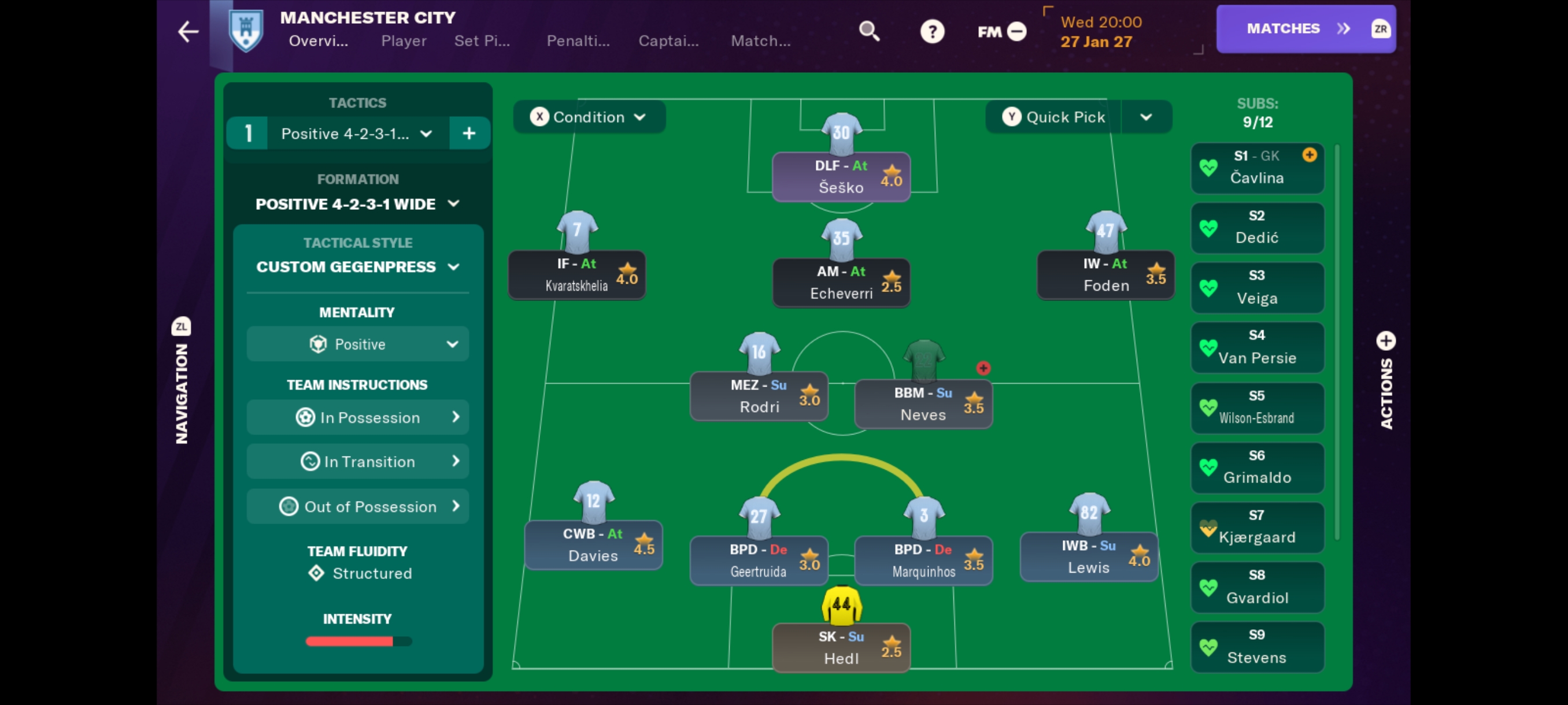
More Custom Clean Slate tactics
Guides for this formation
The tactical theory behind the 4-2-3-1 Wide: roles, instructions, and the trade-offs that decide whether the system holds up.
Player pairings
Midfield Pairs in 4-2-3-1 and 4-4-2
Double pivots and flat pairs in 4-2-3-1 and 4-4-2: when each pairing works, when it collapses, and the AMC unicorn that rescues both.
Read guide
Playing styles
Gegenpressing: A Full Guide
Klopp-style gegenpressing in FM, including squad profile, line-and-press pairing, sustainable workload, and the antipatterns to avoid.
Read guide