Uploaded Tactic
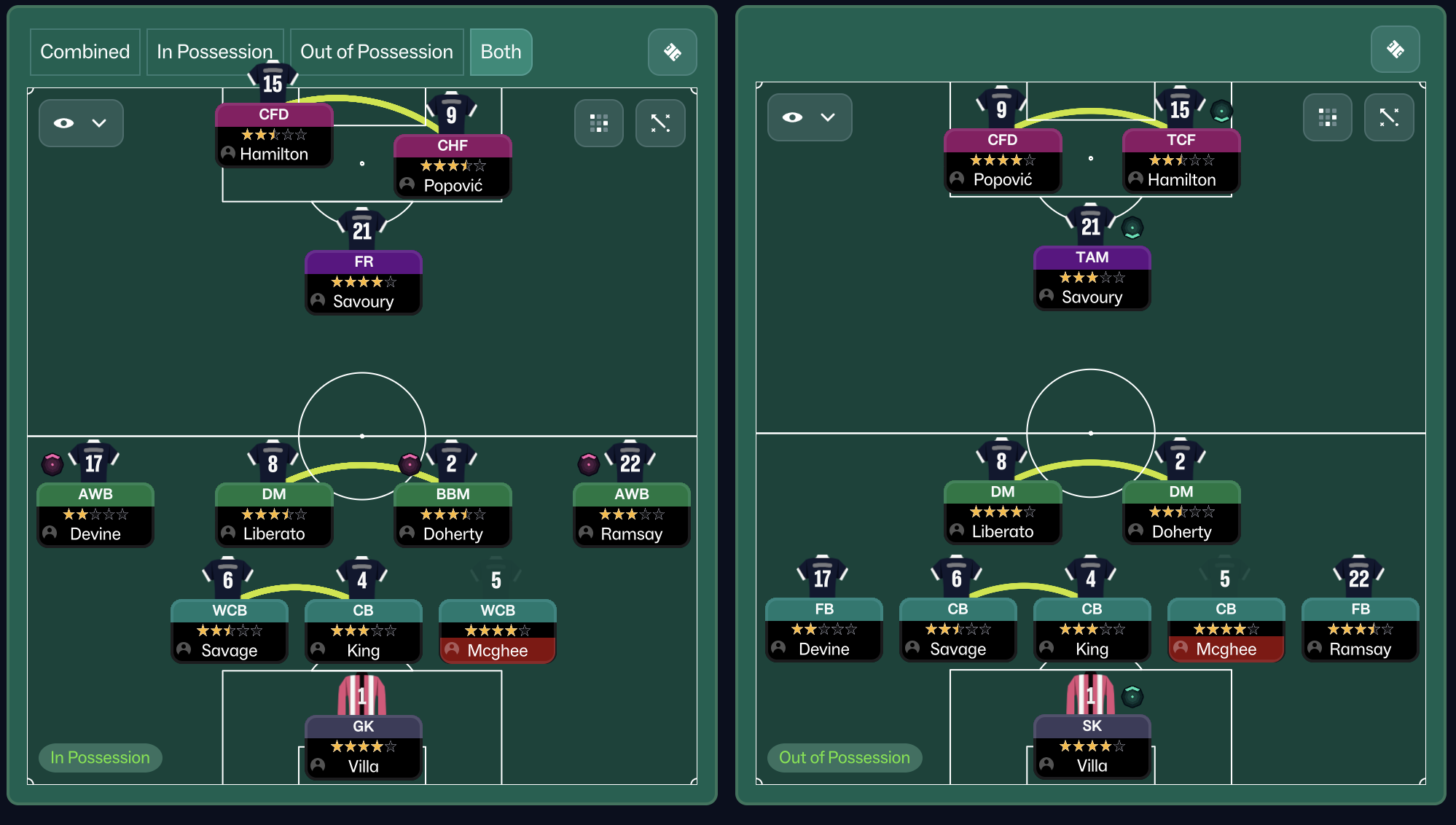
Formation & Style
Tactical Style:Balanced
Mentality:Positive
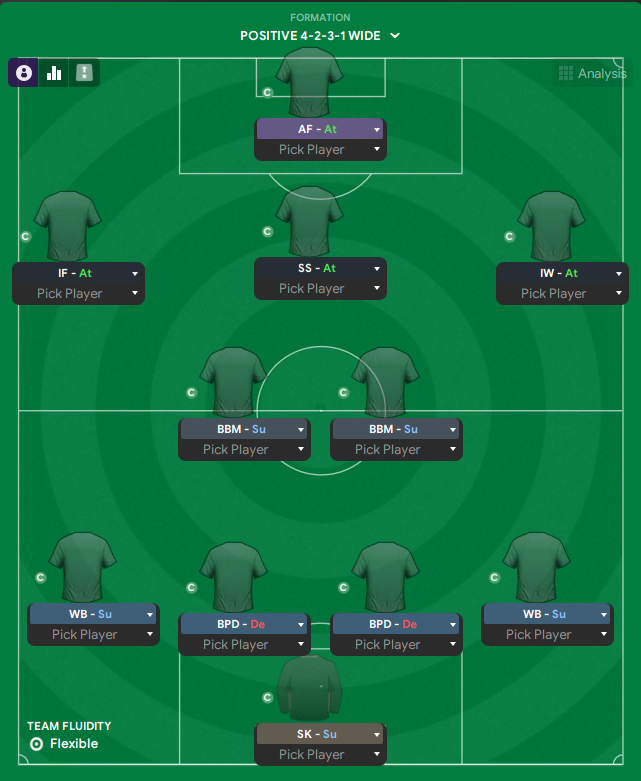
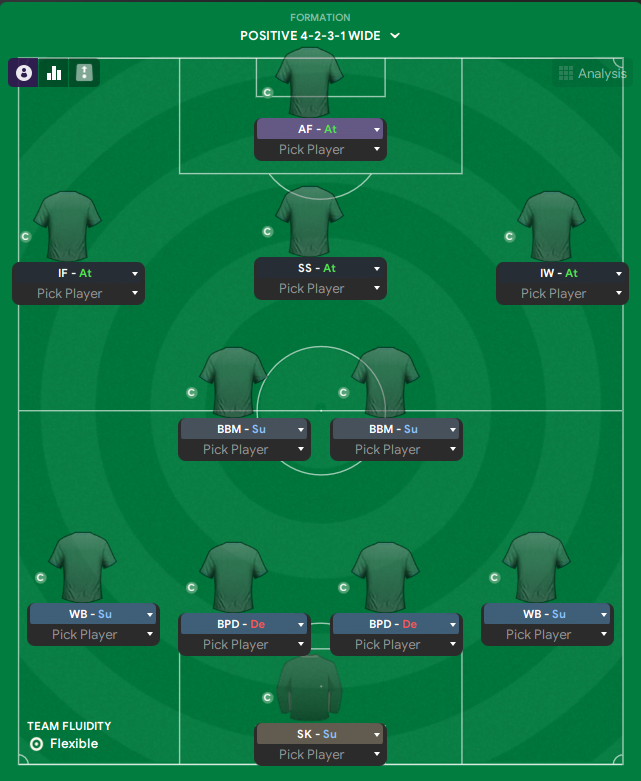
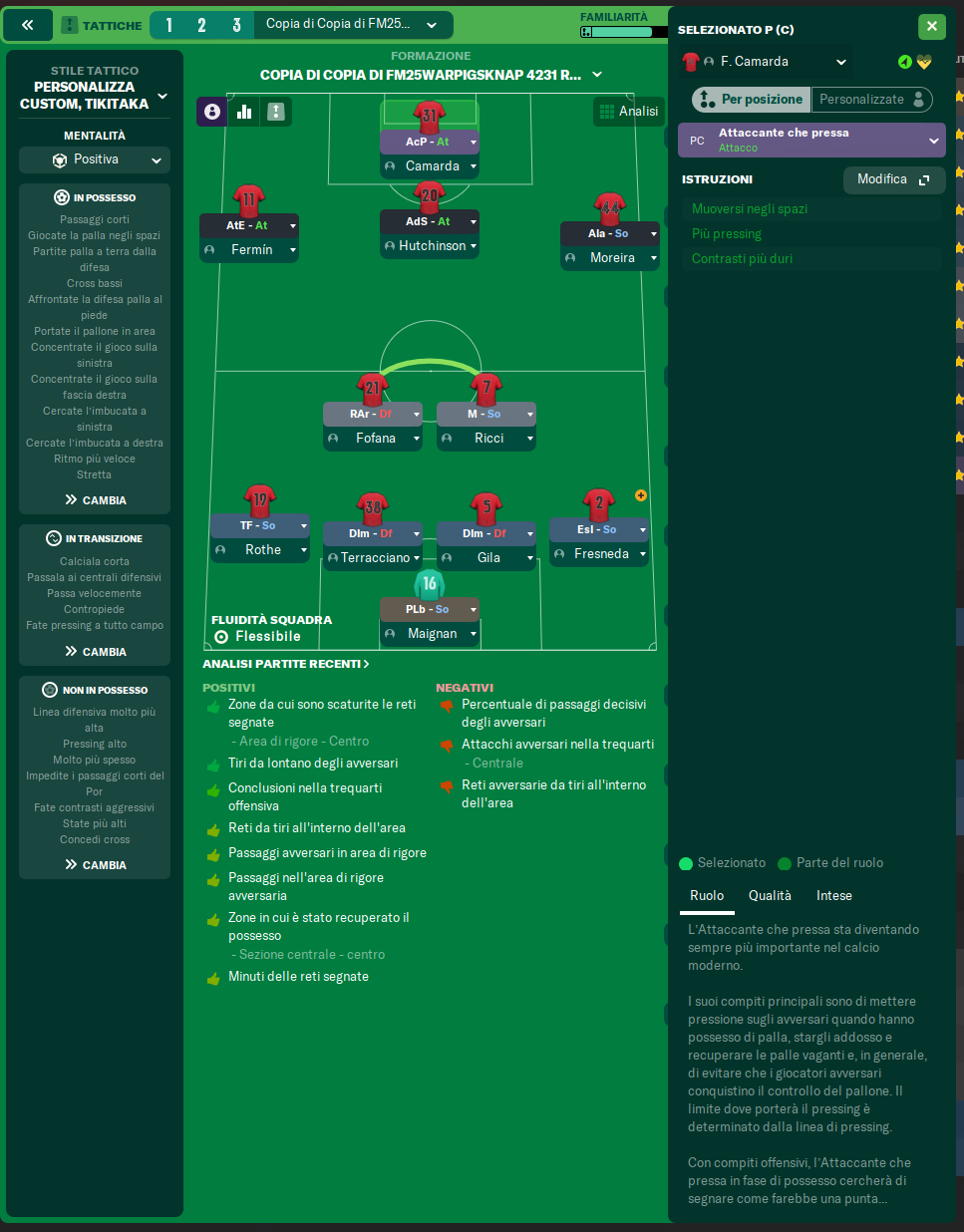
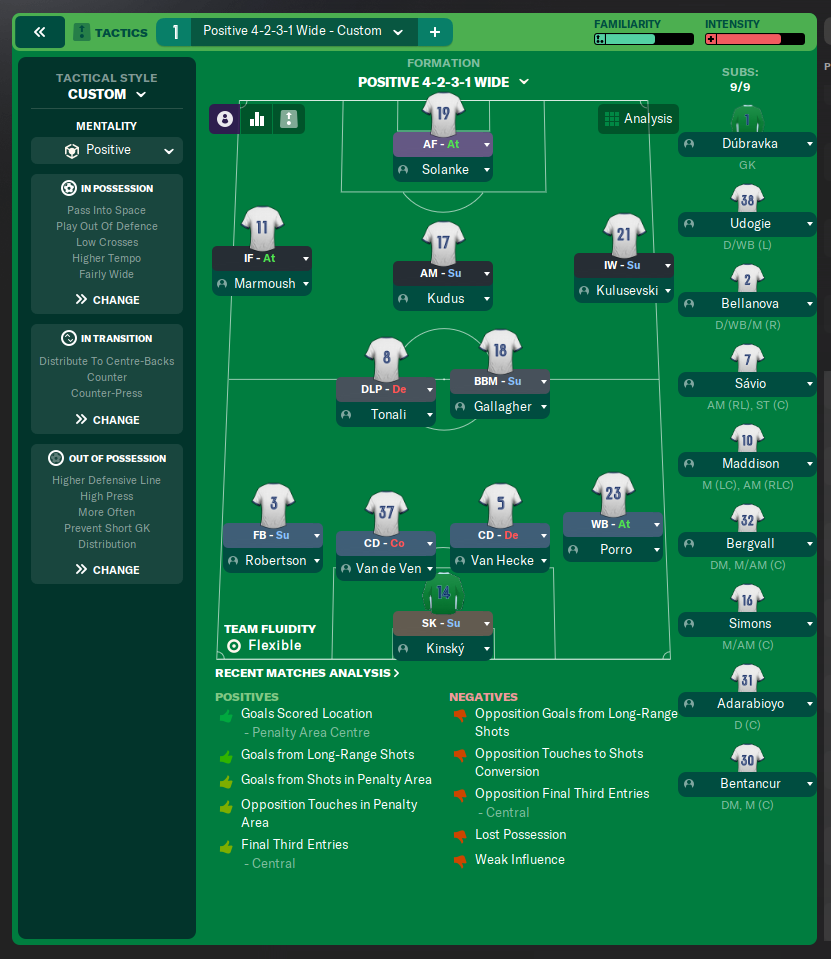
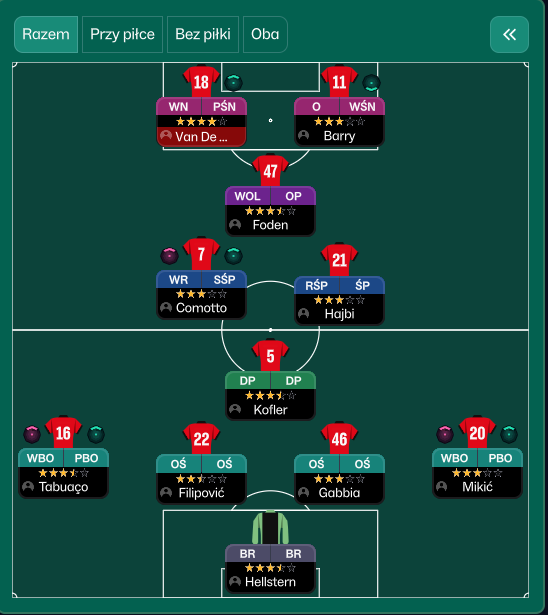
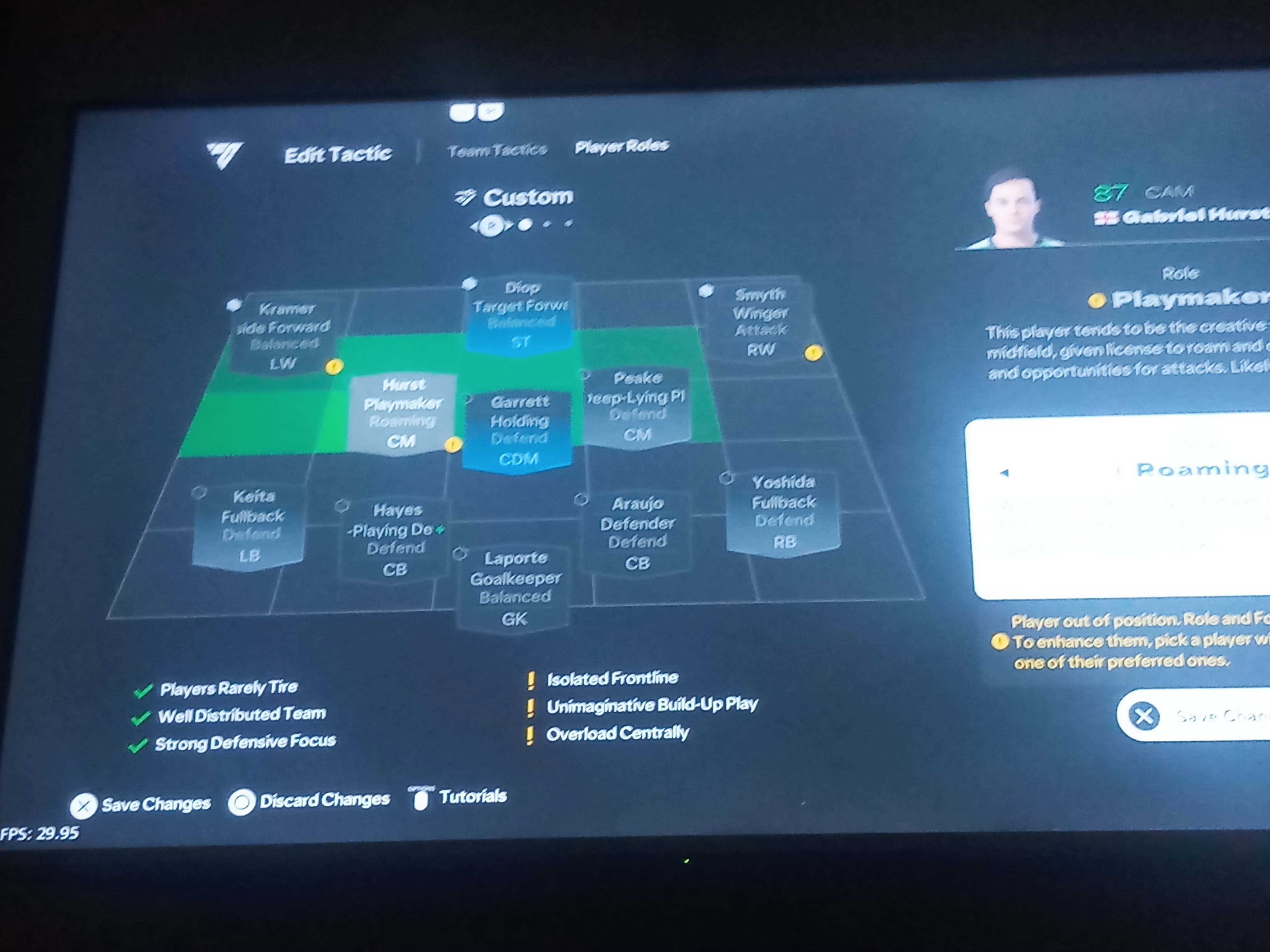
Formation:4-2-3-1 Wide
Team Fluidity:Structured
In Possession
Play Out of Defence
Work Ball Into Box
Lower Defensive Line
In Transition
Counter
Counter Press
Out of Possession
Higher Defensive Line
Much Higher Line of Engagement
Trigger Press More Often
Team Shape Without Ball
Shape:Compact
Description:The team maintains a compact shape to minimize gaps for the opposition to exploit, ensuring effective coverage across the pitch.
Evidence:Higher Defensive Line with four defenders forming a solid block.
Team Shape With Ball
Shape:Fluid
Description:The attack is characterized by fluid transitions with players interchanging positions and creating overloads in wide areas.
Evidence:AM-Trequartista and two forwards allowing for versatile attacking approaches.
Phase Description
Attacking Play
Focus on building play through the wings with overlapping wing-backs and fluid movement of the forwards.
Defensive Transition
Quickly regroup into a compact shape to limit counter-attack opportunities.
Main Focus
Utilizing width and pace on the flanks while ensuring midfielders can join the attack.
Key Strengths
Defensive Stability
The use of two deep midfielders provides added protection to the back line while allowing for ball progression.
Wing Play
The wing-backs and forwards can leverage width, stretching the opponent's defense and creating space centrally.
Dynamic Forward Line
With the forwards interchanging, the attack can adapt to defensive setups posed by the opposition.
Conflicting Directions
Overcommitting Full-Backs
If the wing-backs push too high, it may leave vulnerabilities in transition, especially against quick counter-attacks.
Midfield Overload
Too many players pushed forward may leave gaps in central defense during defensive transitions.
Higher Defensive Line Risks
A higher defensive line can be risky against pacey attackers, leading to potential one-on-ones.
Tactical Suggestions
Consider Varying Defensive Line
Adjusting the defensive line based on the opposition's speed can improve team adaptability.
Reassess Ball-Playing Defender Role
Depending on the current strategy, ensuring this defender is comfortable with ball progression can aid transitioning.
Enhance Counter-Pressing
Increased emphasis on counter-press can reclaim possession more effectively after losing the ball.
Ask Questions About Your Lineup
Related Tactics
More Balanced tactics
Guides for this formation
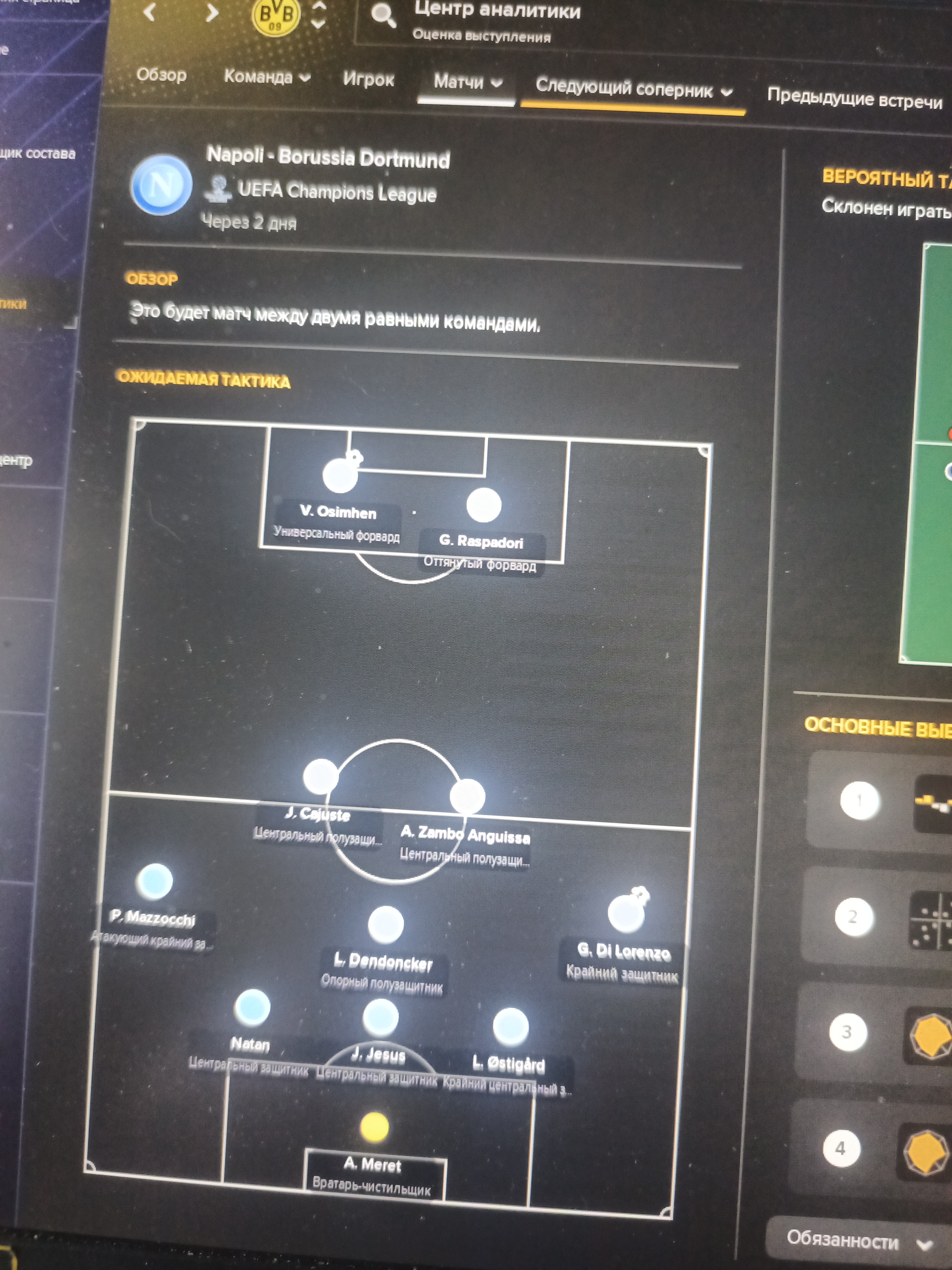
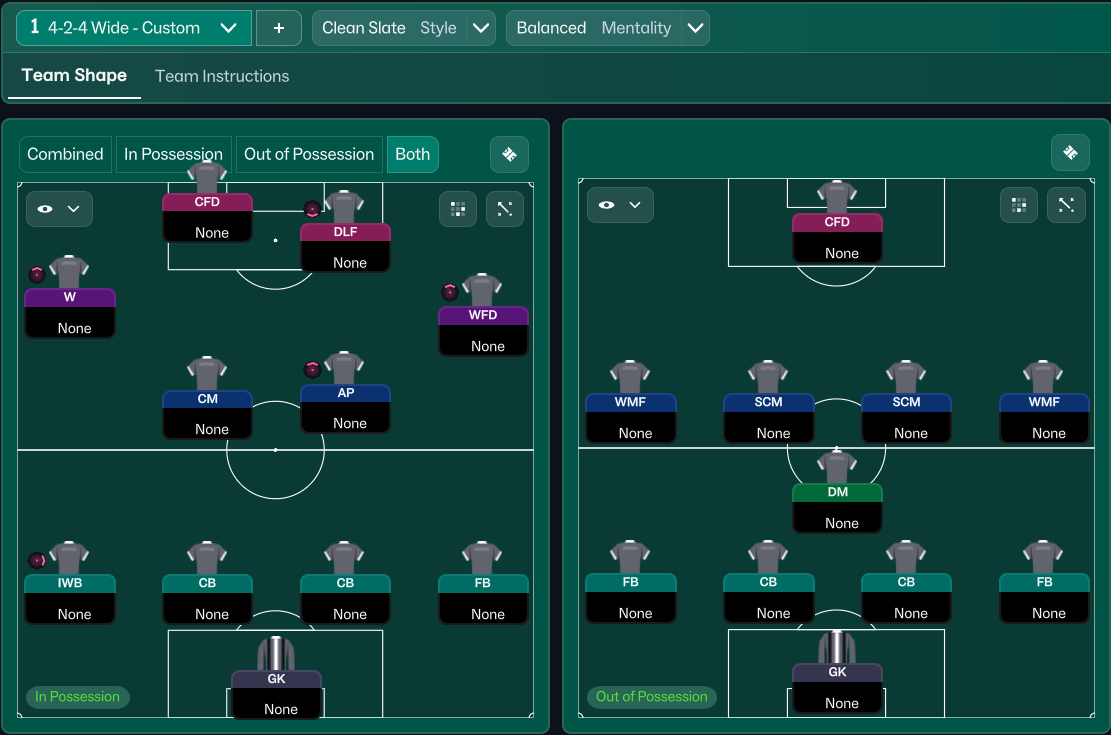
The tactical theory behind the 4-2-3-1 Wide: roles, instructions, and the trade-offs that decide whether the system holds up.
Player pairings
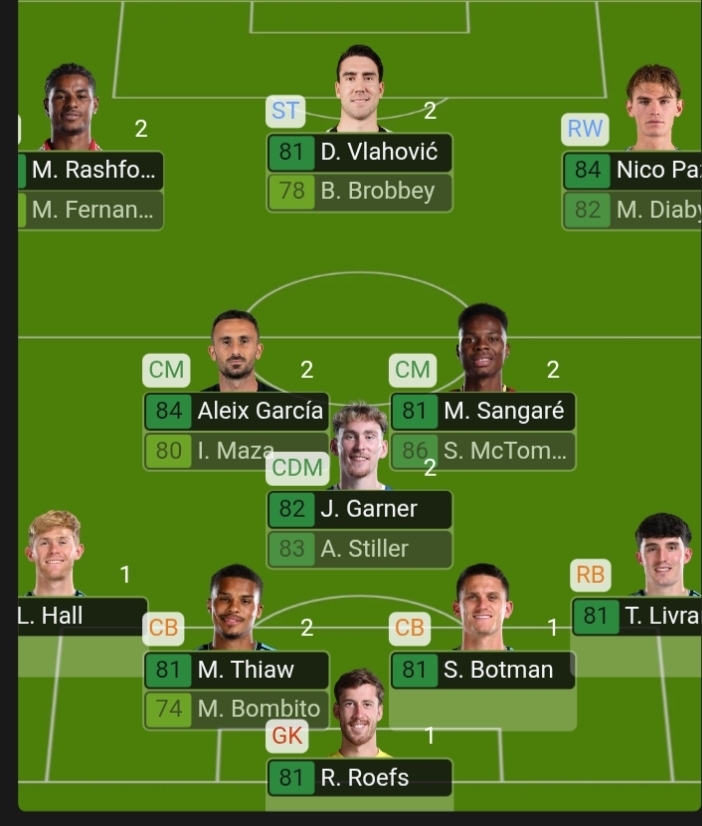
Midfield Pairs in 4-2-3-1 and 4-4-2
Double pivots and flat pairs in 4-2-3-1 and 4-4-2: when each pairing works, when it collapses, and the AMC unicorn that rescues both.
Read guide
Playing styles
Gegenpressing: A Full Guide
Klopp-style gegenpressing in FM, including squad profile, line-and-press pairing, sustainable workload, and the antipatterns to avoid.
Read guide