Uploaded Tactic
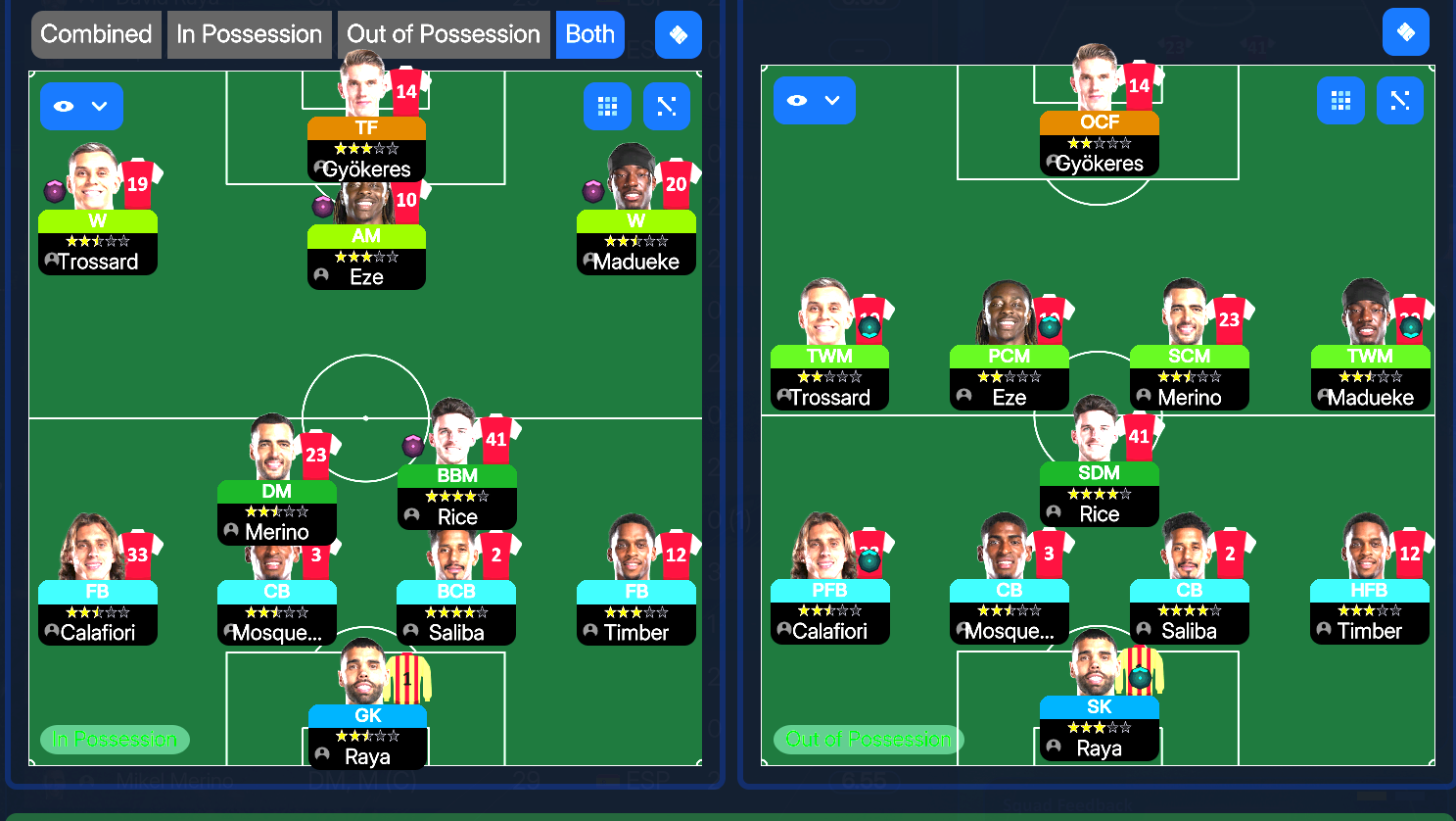
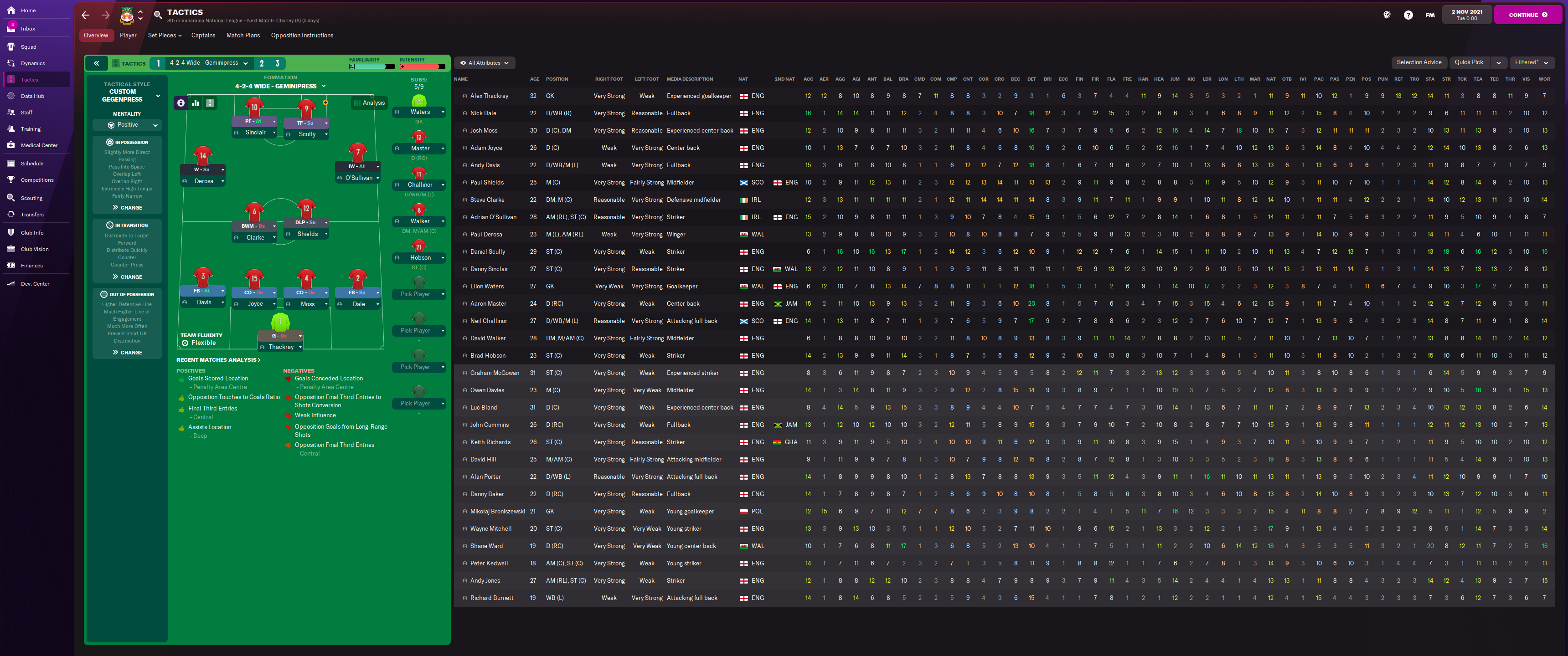
Formation & Style
Tactical Style:Fluid Counter Attack
Mentality:Positive
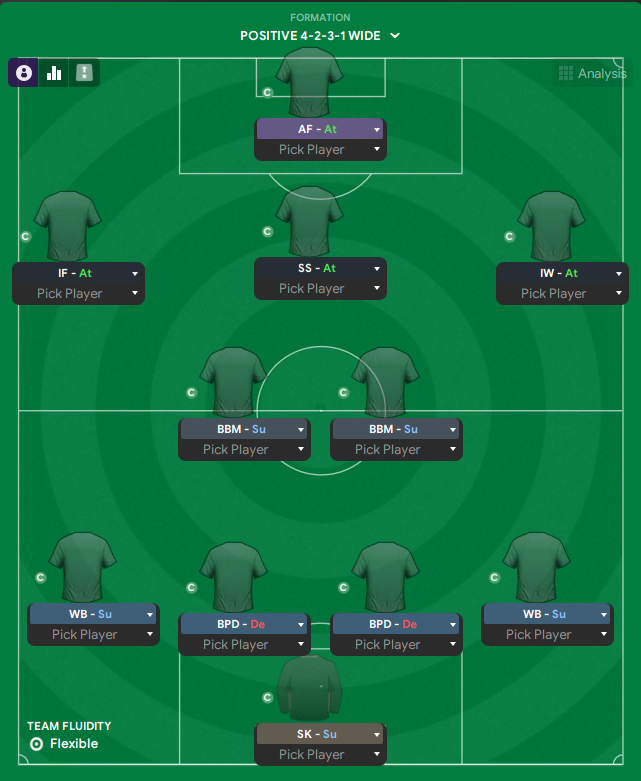
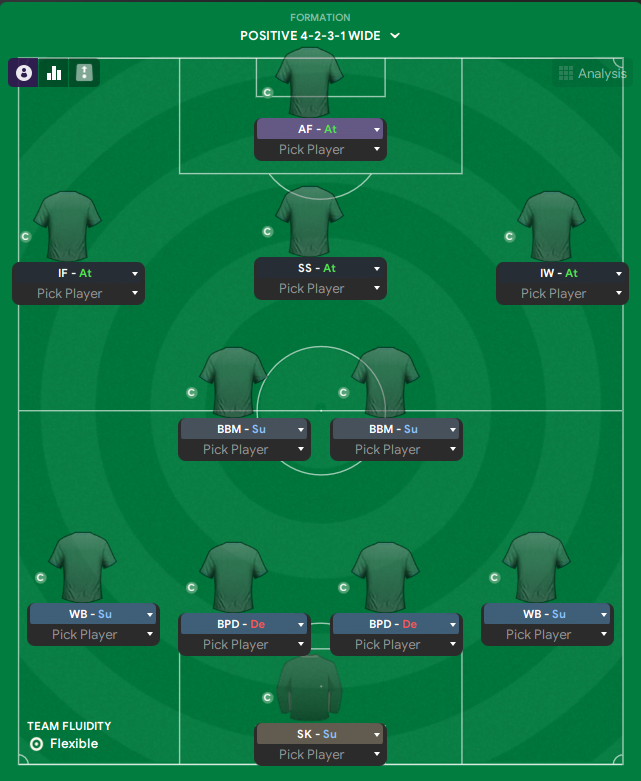
Formation:4-2-3-1 Wide
Team Fluidity:Flexible
In Possession
Shorter Passing
Overlap Left
Higher Tempo
In Transition
Counter
Counter Press
Out of Possession
Higher Defensive Line
Urgent Pressing
Team Shape Without Ball
Shape:Compact
Description:Defensive block stays compact with higher lines to compress space, limiting the opponent's ability to play forward.
Evidence:Higher Defensive Line and Urgent Pressing
Team Shape With Ball
Shape:Fluid
Description:Players interchange fluidly with wingers cutting inside and midfielders supporting attacks, facilitating dynamic forward movement.
Evidence:Overlap Left, Shorter Passing, Higher Tempo
Phase Description
Attacking Play
Focus on quick transitions with ample width provided by the wingers, utilizing the target forward for knockdowns while the attacking midfielder supports the forward line.
Defensive Transition
Immediate pressure on losing possession with a counter-press to recover quickly and prevent the opponent from launching counter-attacks.
Main Focus
Encouraging quick, incisive passing and utilizing the flanks to create crosses and goal-scoring opportunities.
Key Strengths
Width in Attack
Wingers provide width and stretch the opposition, creating space for central players.
Solid Defensive Structure
Two centre-backs supported by a ball-winning midfielder provide defensive resilience.
Quick Transition Play
A focus on counter-attacking essentials enables swift transitions from defense to offense.
Conflicting Directions
High Defensive Line vs. Rapid Counter
While a high line can exert pressure, it risks vulnerability to rapid counter-attacks if possession is lost.
Demanding Width with Narrow Shape
Using wide wingers while also structuring with central roles may lead to congestion in midfield.
Pressing Patterns at the Back
Urgent pressing could lead to defensive gaps if not executed seamlessly, especially from the back.
Tactical Suggestions
Balance between Attack and Defense
Consider adjusting the full-backs' duties to 'Support' to maintain a solid backline while providing width.
Utilize Shadow Striker Role
Incorporating a Shadow Striker instead of an Attacking Midfielder can add an extra dimension to the offense, increasing goal threat.
Control the Midfield
Using a more defensive presence in midfield can alleviate pressure and enable better control over transitions.
Ask Questions About Your Lineup
Related Tactics
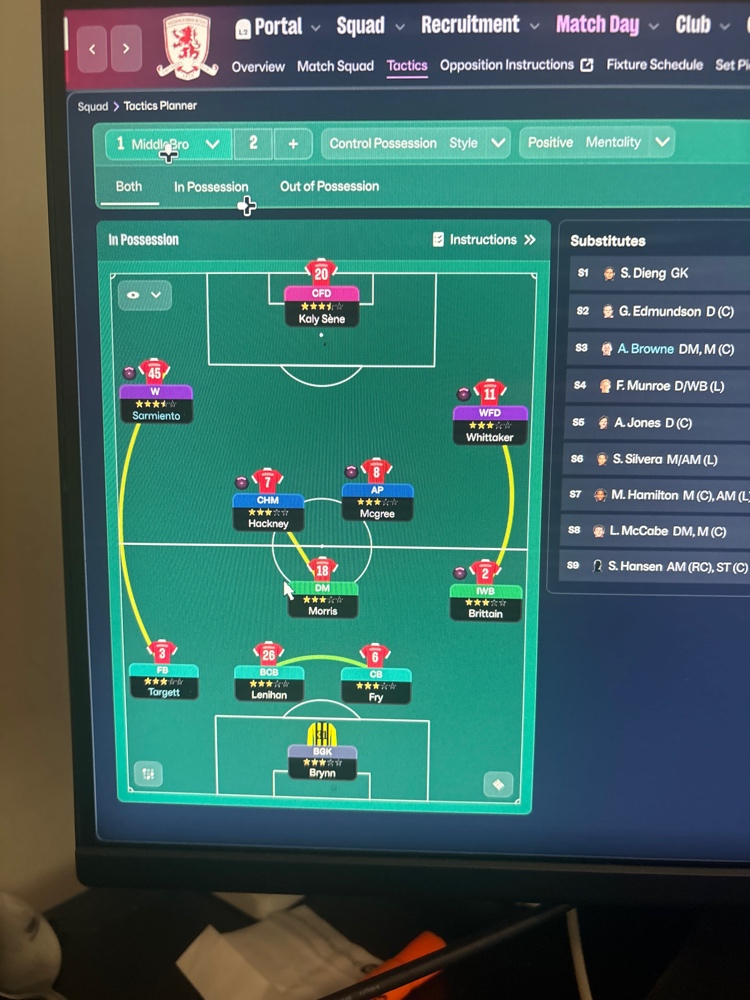
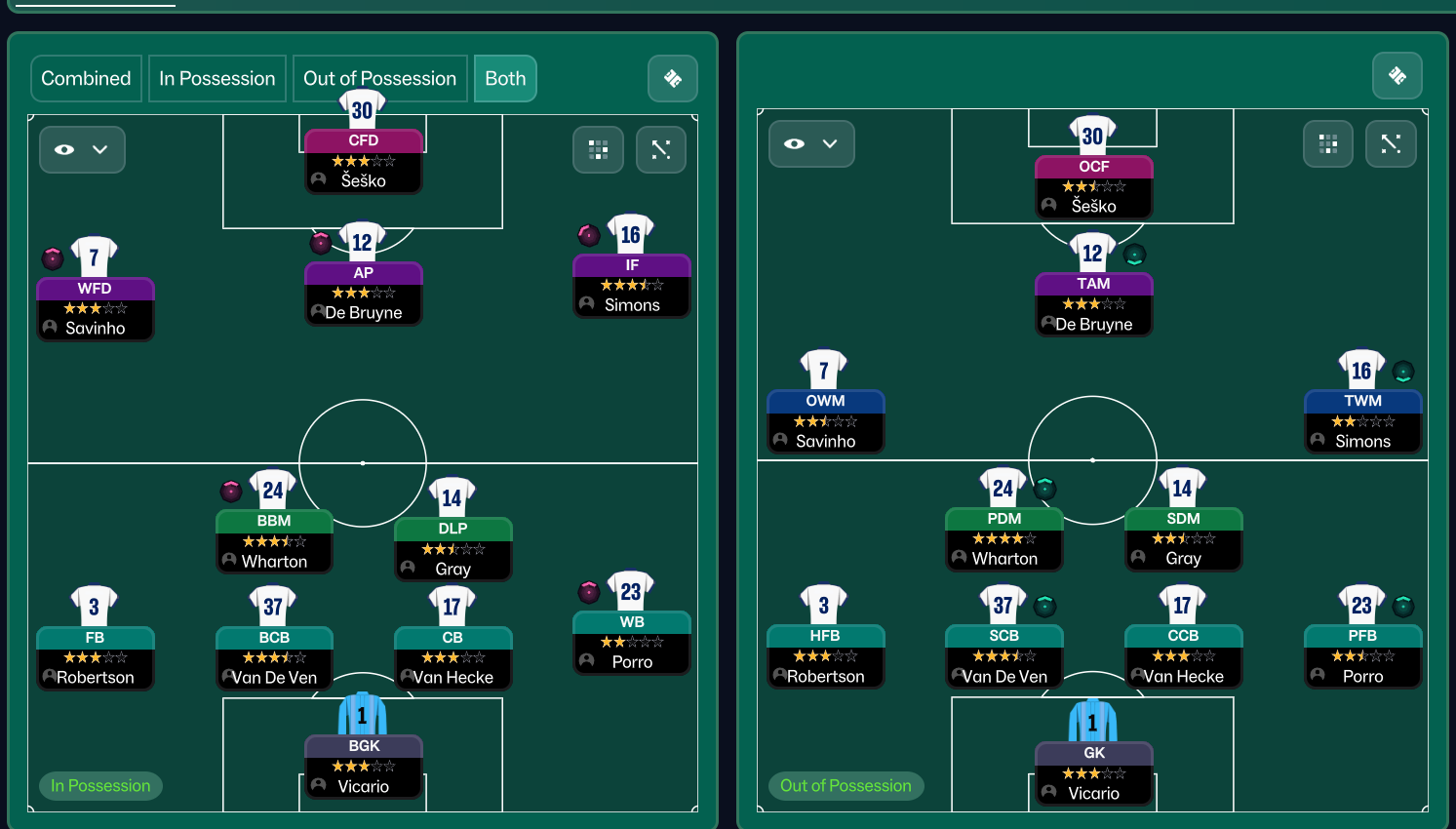
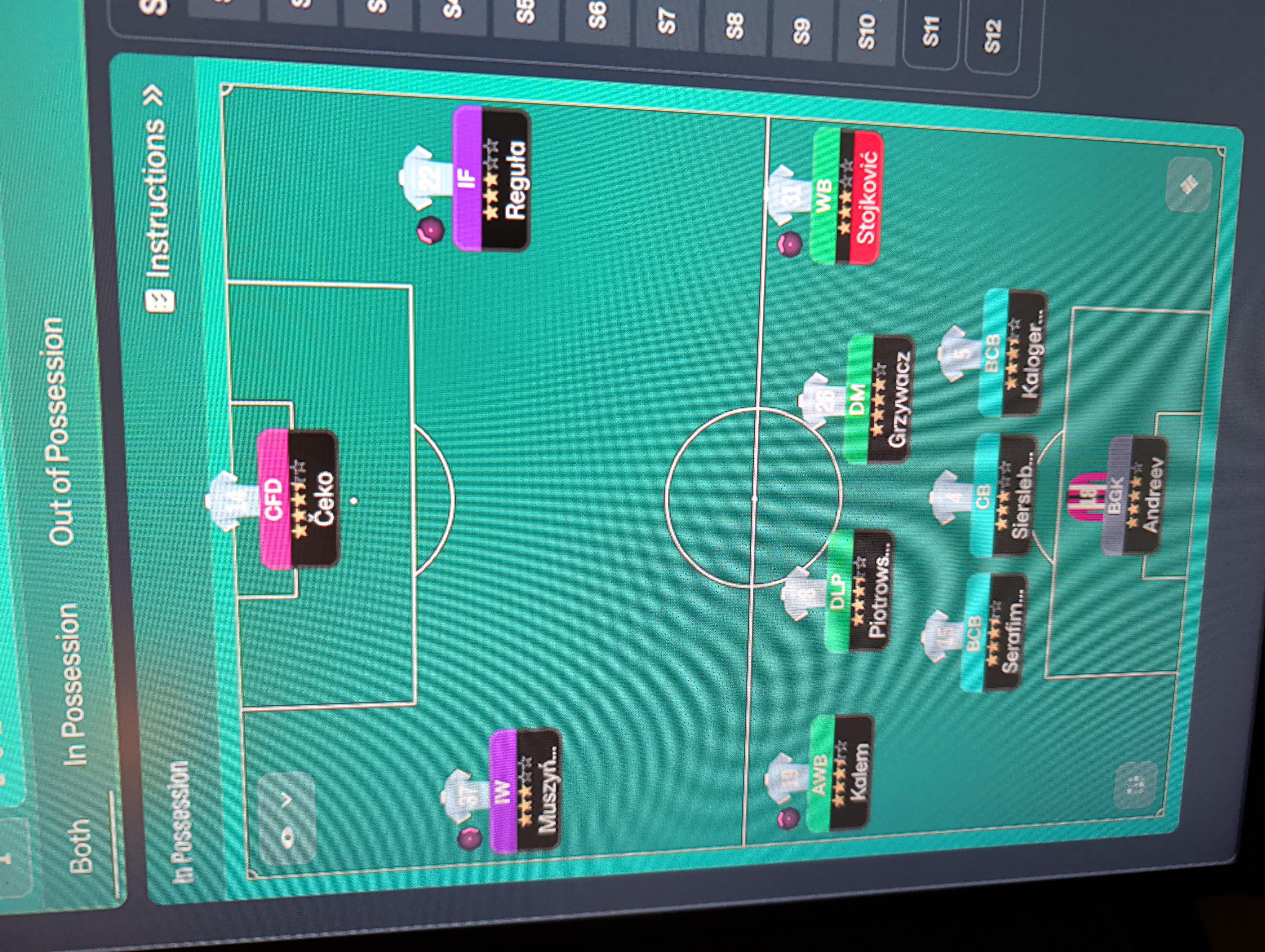
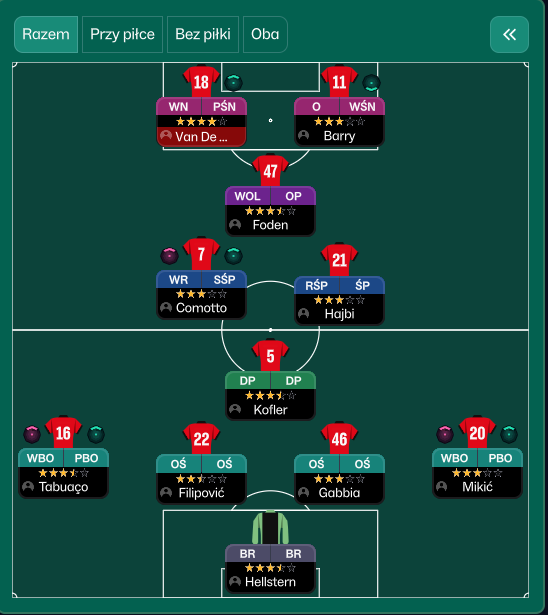
More Fluid Counter Attack tactics
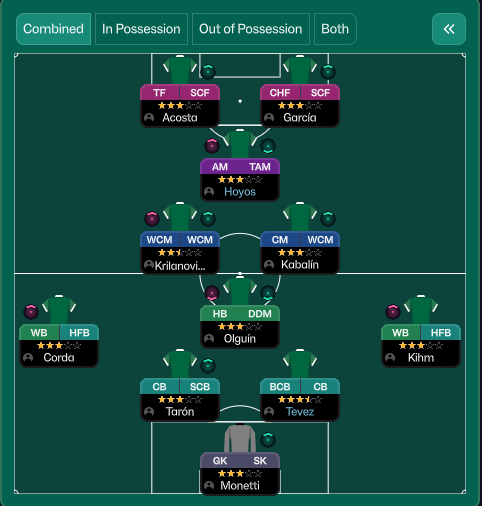
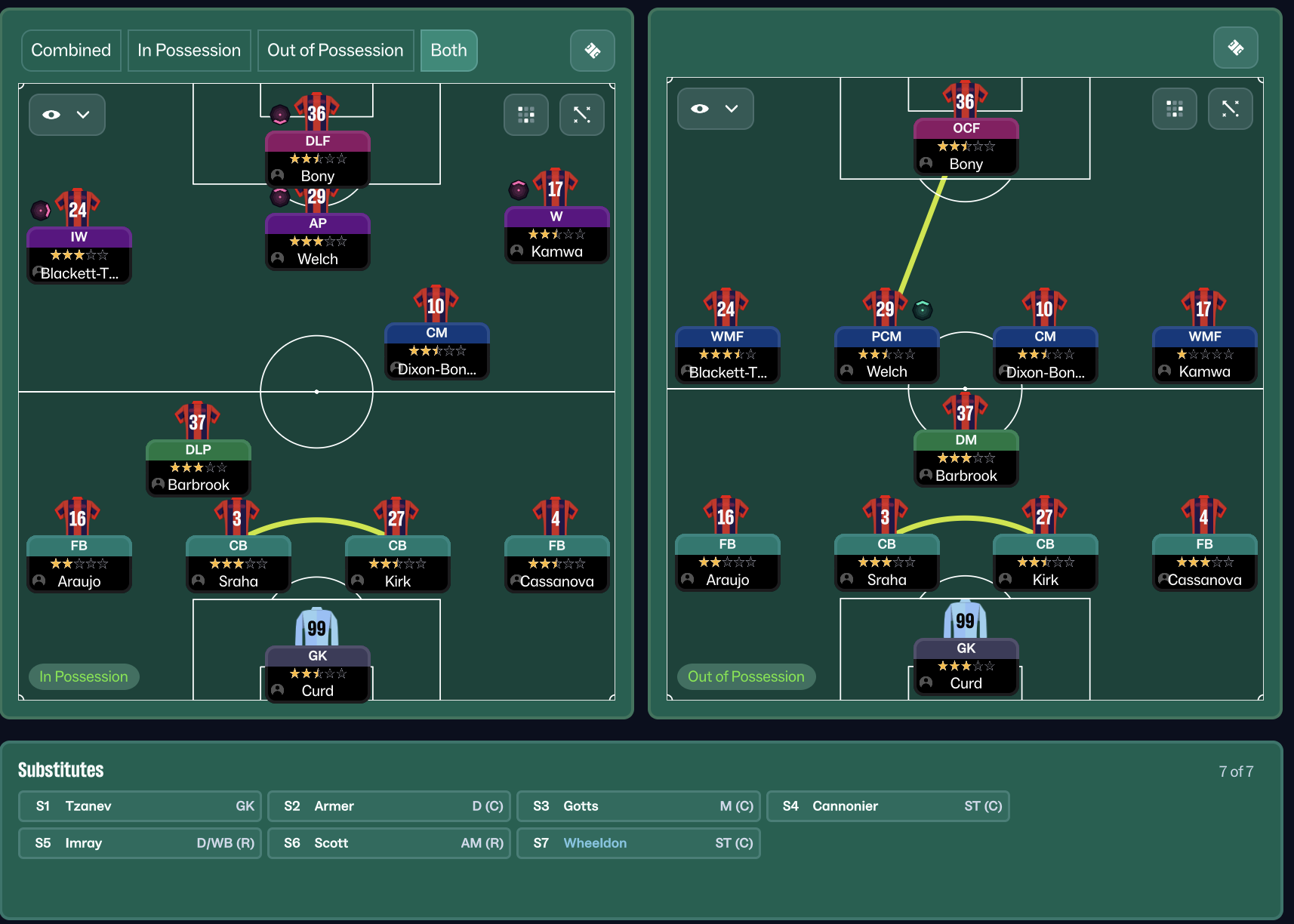
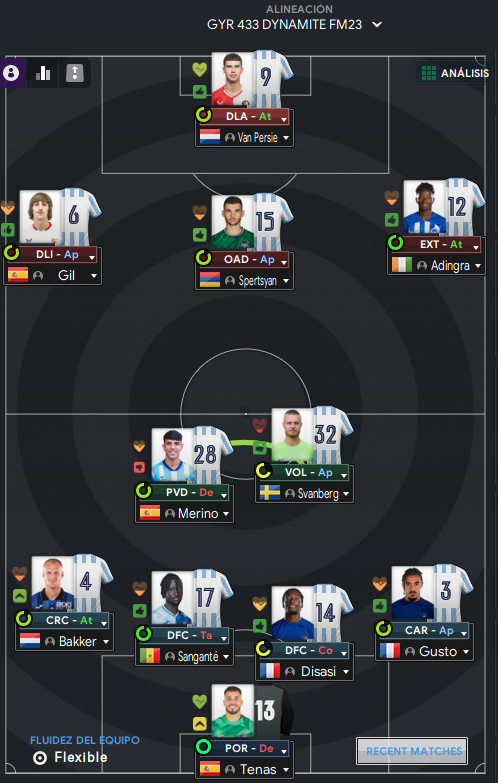
Guides for this formation
The tactical theory behind the 4-2-3-1 Wide: roles, instructions, and the trade-offs that decide whether the system holds up.
Player pairings
Midfield Pairs in 4-2-3-1 and 4-4-2
Double pivots and flat pairs in 4-2-3-1 and 4-4-2: when each pairing works, when it collapses, and the AMC unicorn that rescues both.
Read guide
Playing styles
Gegenpressing: A Full Guide
Klopp-style gegenpressing in FM, including squad profile, line-and-press pairing, sustainable workload, and the antipatterns to avoid.
Read guide