Uploaded Tactic
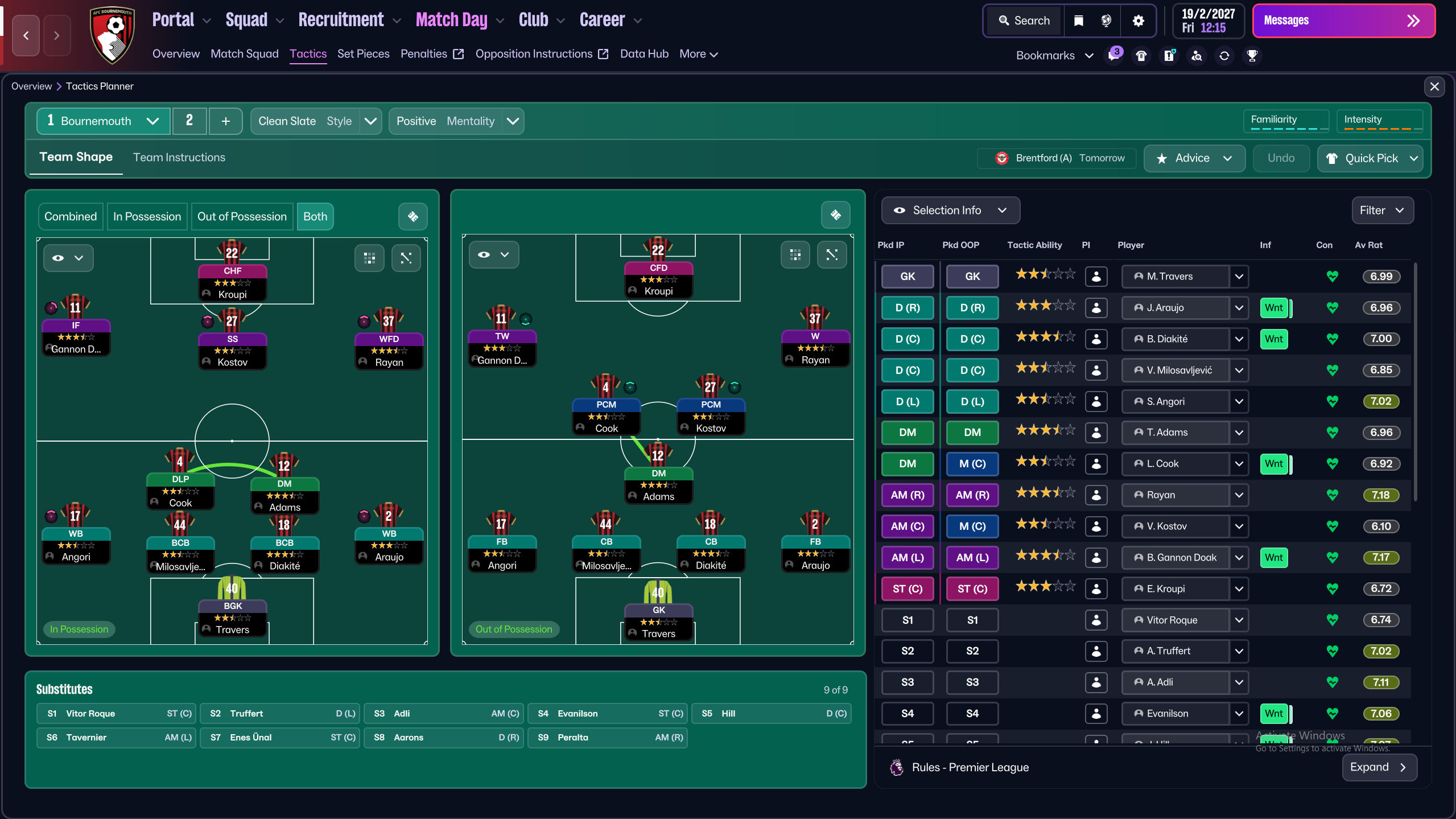
Formation & Style
Tactical Style:Positive
Mentality:Positive
Formation:4-2-3-1 Wide
Team Fluidity:Fluid
In Possession
Work Ball Into Box
Play Out of Defence
Create Overlap
In Transition
Counter Press
Counter
Out of Possession
Higher Defensive Line
Higher Line of Engagement
Prevent Short GK Distribution
Team Shape Without Ball
Shape:4-2
Description:The team displays a solid defensive block with two holding midfielders offering added protection.
Evidence:Two DM roles at [3, 2] and [3, 3] help secure the midfield.
Team Shape With Ball
Shape:4-3
Description:Utilizes a front three with a central striker and dynamic wings to stretch the opponent.
Evidence:Three attacking roles at the AM line enhance offensive depth.
Phase Description
Attacking Play
Utilizes width with overlapping full-backs and central penetration via the playmakers.
Defensive Transition
Quickly reorganizes into a compact structure to press opponents.
Main Focus
Leverage width while maintaining strong central control.
Key Strengths
Strong Central Control
With a DLP and a DM, the midfield can dictate play.
Varied Attack Options
Diverse roles in attack create multiple avenues for creating chances.
Dynamic Full-Backs
The full-backs can push wide to provide width while also supporting central play.
Conflicting Directions
Risk of Overlaps Not Being Covered
Full-backs may leave gaps behind if caught too high.
Vulnerability to High Press
Ball-playing defenders can be pressured if midfielders fail to support.
Limited Central Threat
Heavy reliance on wide play could lead to central stagnation.
Tactical Suggestions
Incorporate Shadow Striker
Introduce a Shadow Striker to enhance goal-scoring threat from midfield.
Adjust Line of Engagement
Lower the line of engagement slightly to prevent getting caught out by counter-attacks.
Utilize Holding Midfielders More
Increase direct passing to holding midfielders to control tempo.
Ask Questions About Your Lineup
Related Tactics
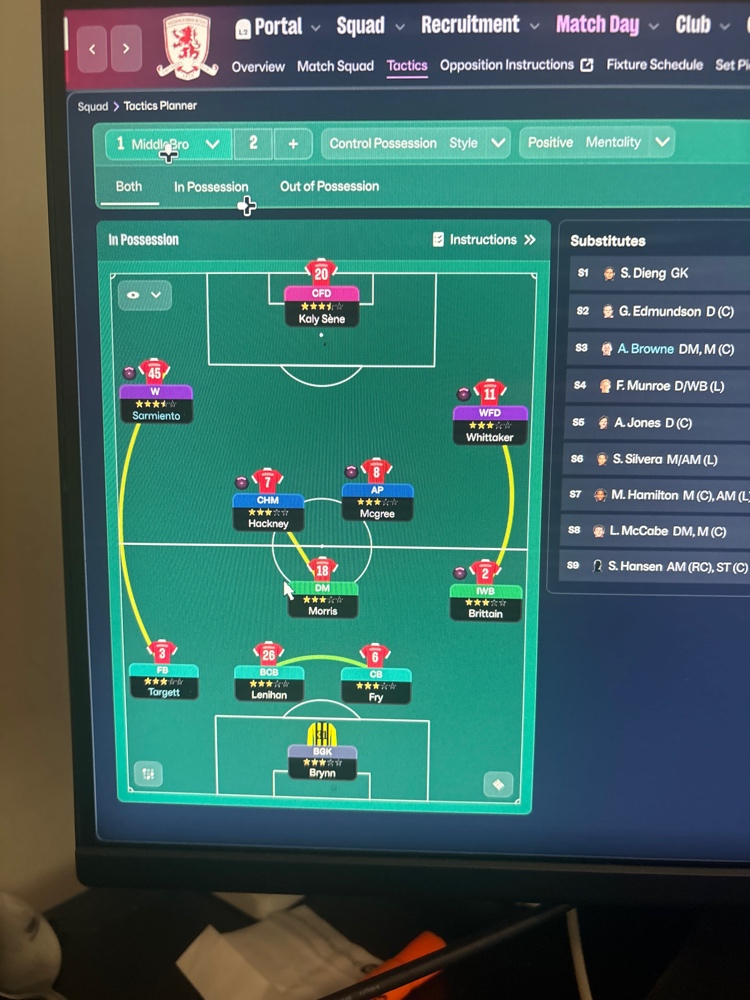
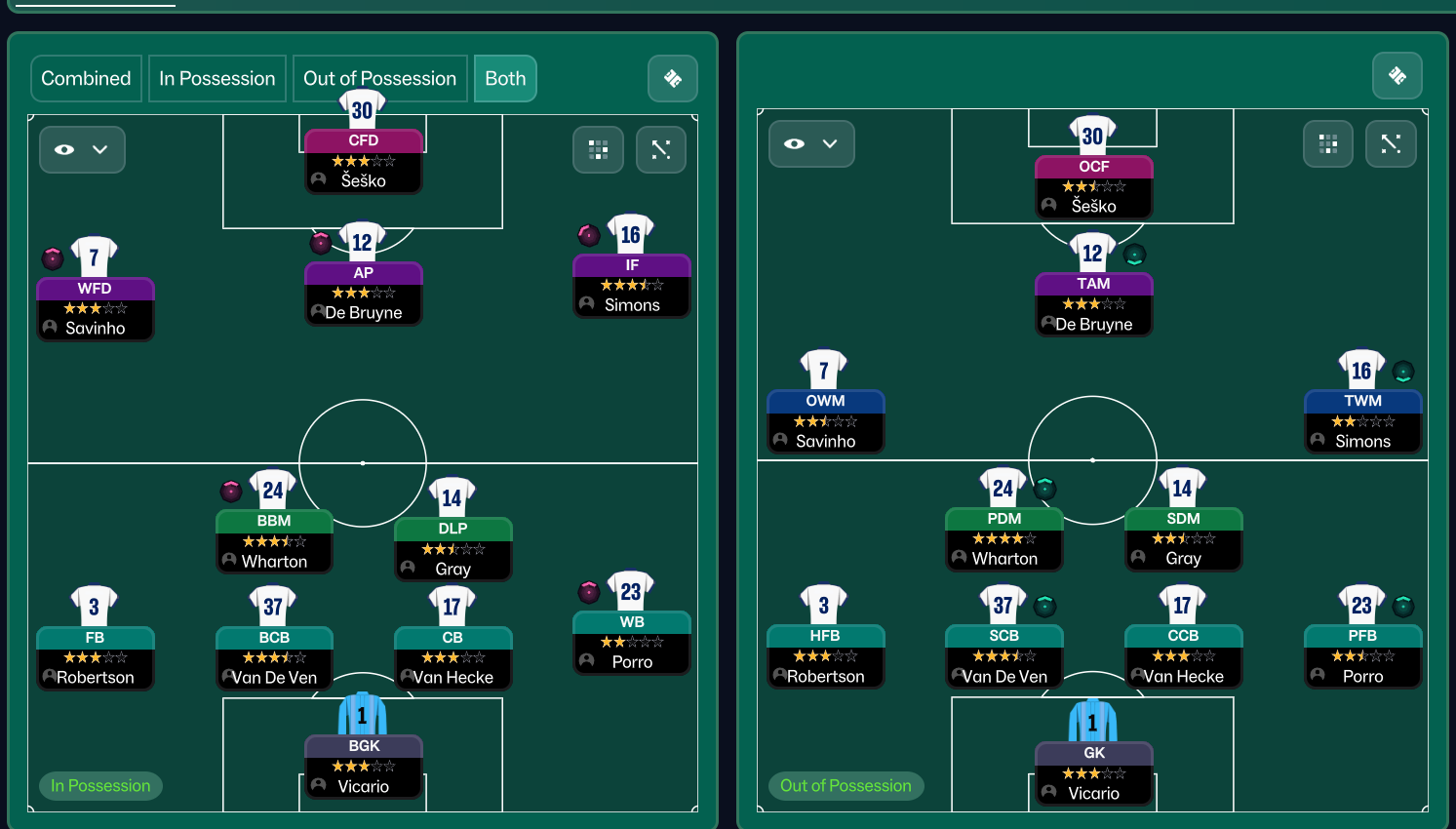
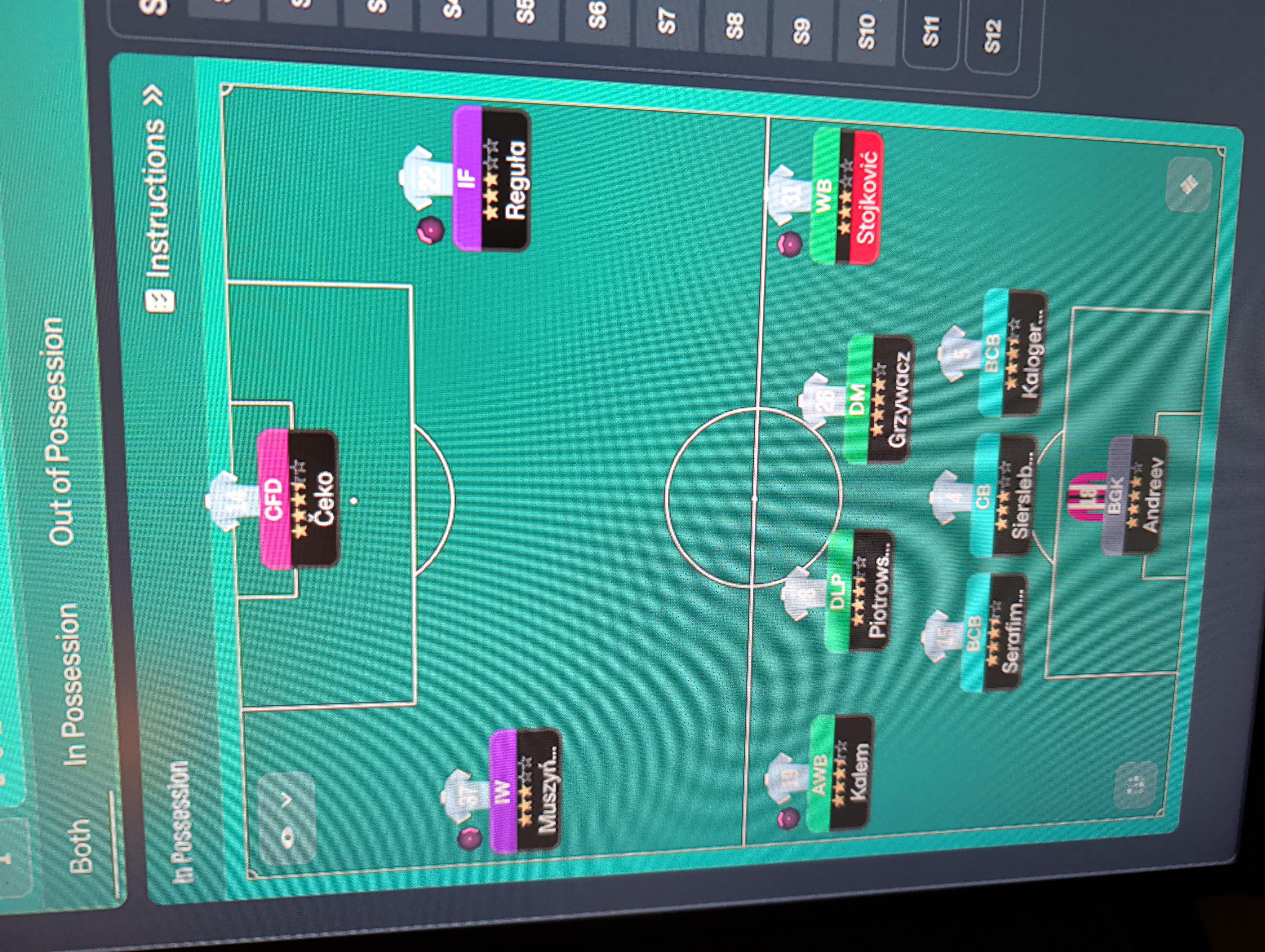
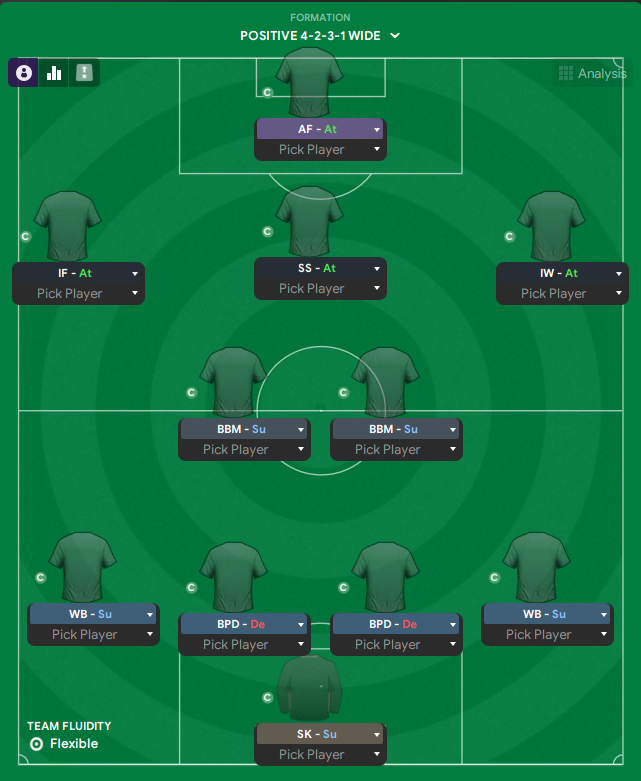
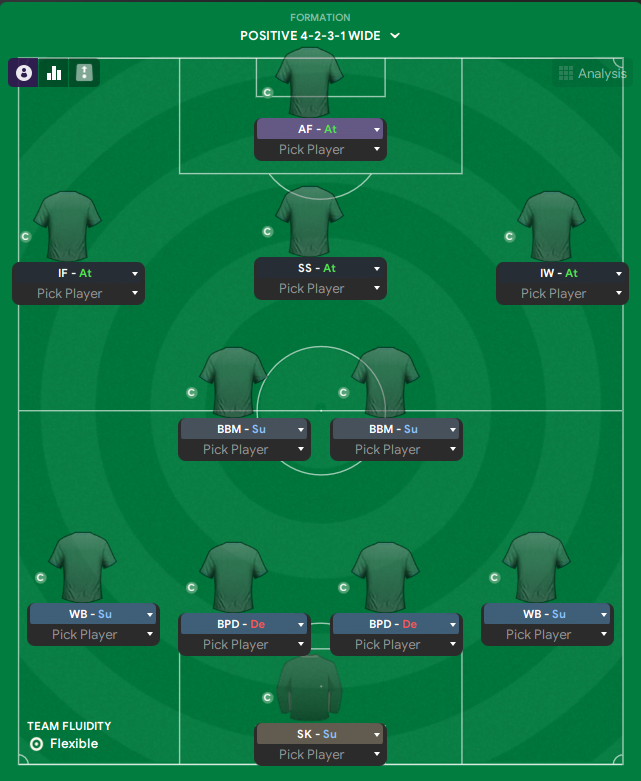
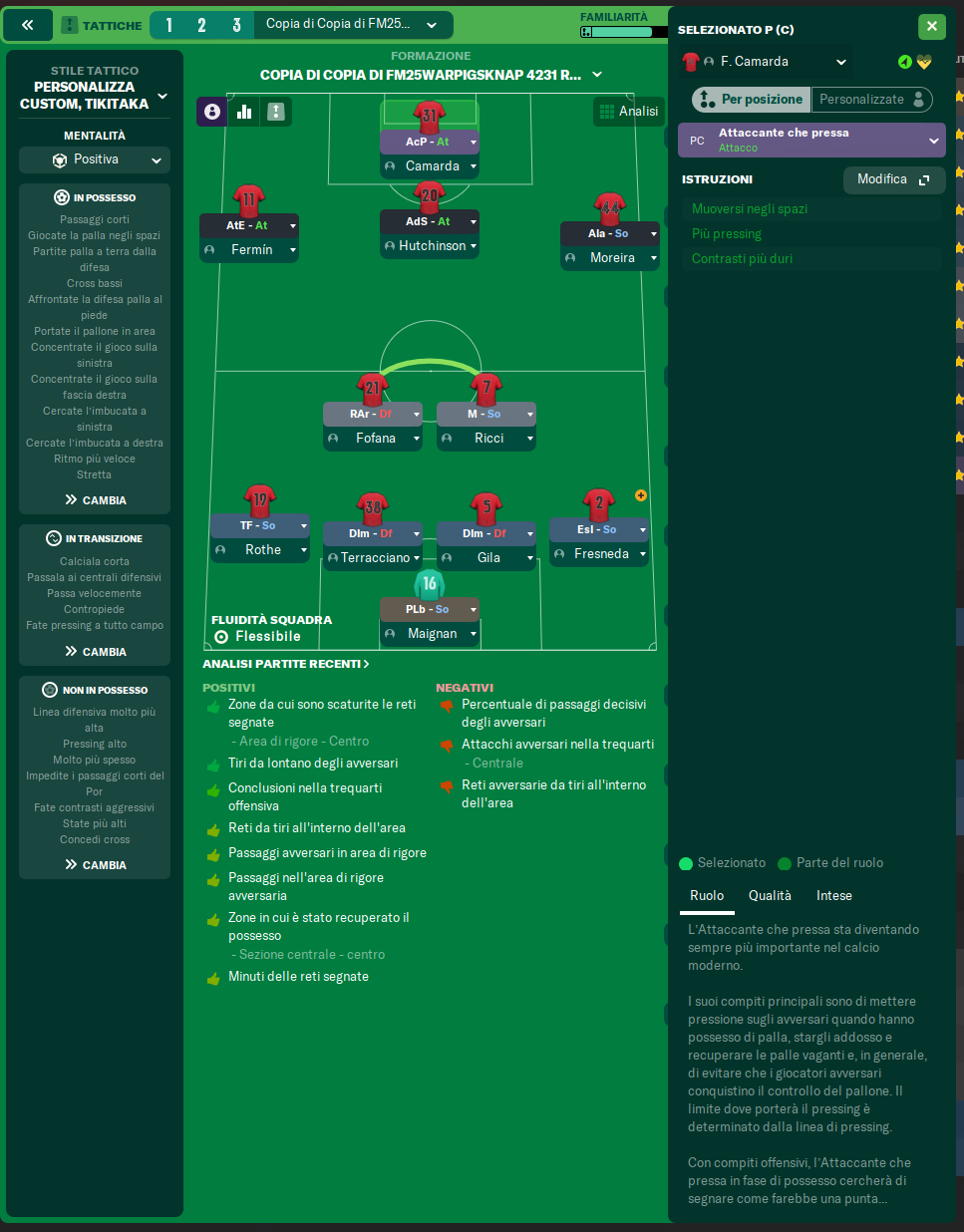
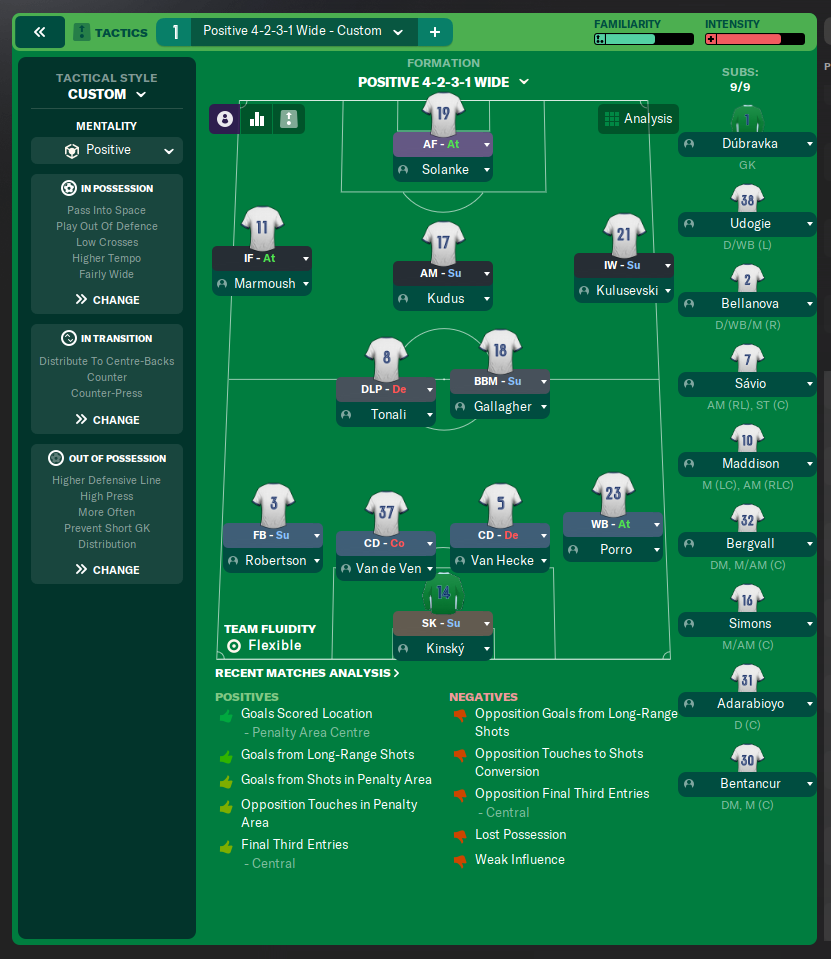
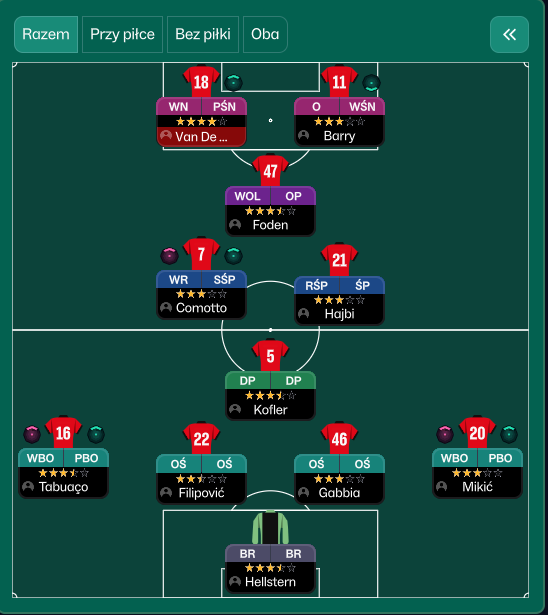
More Positive tactics
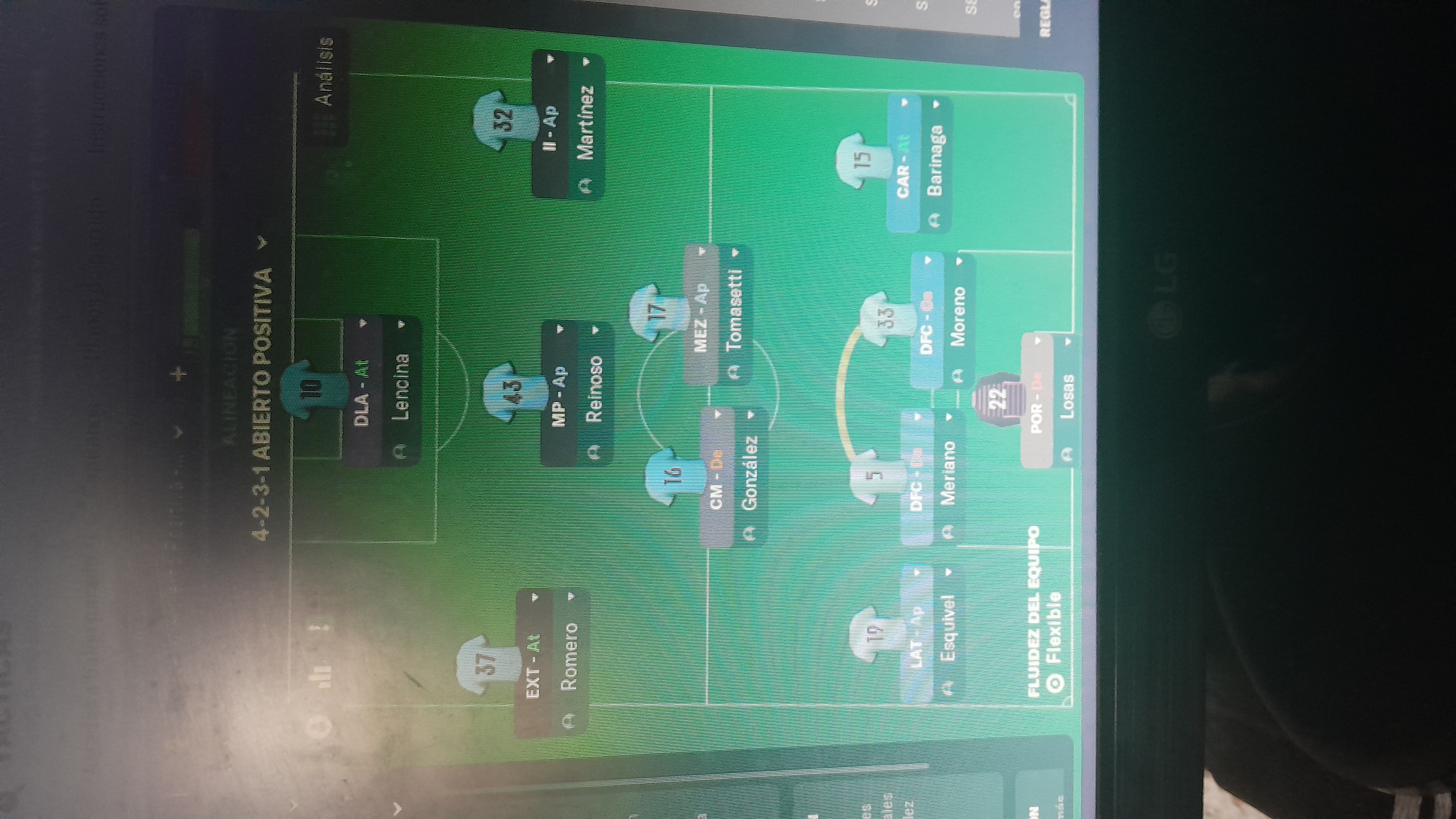
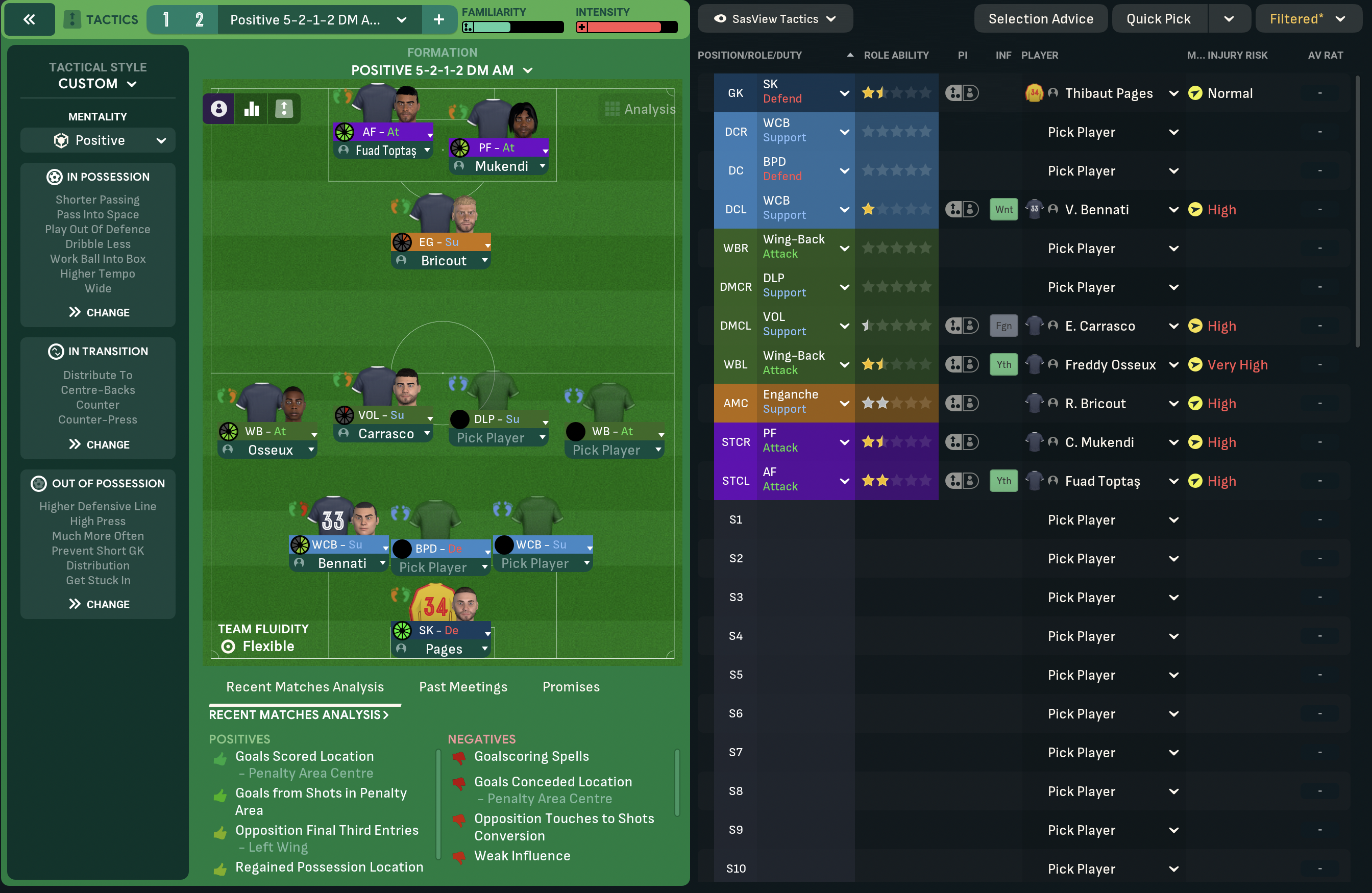
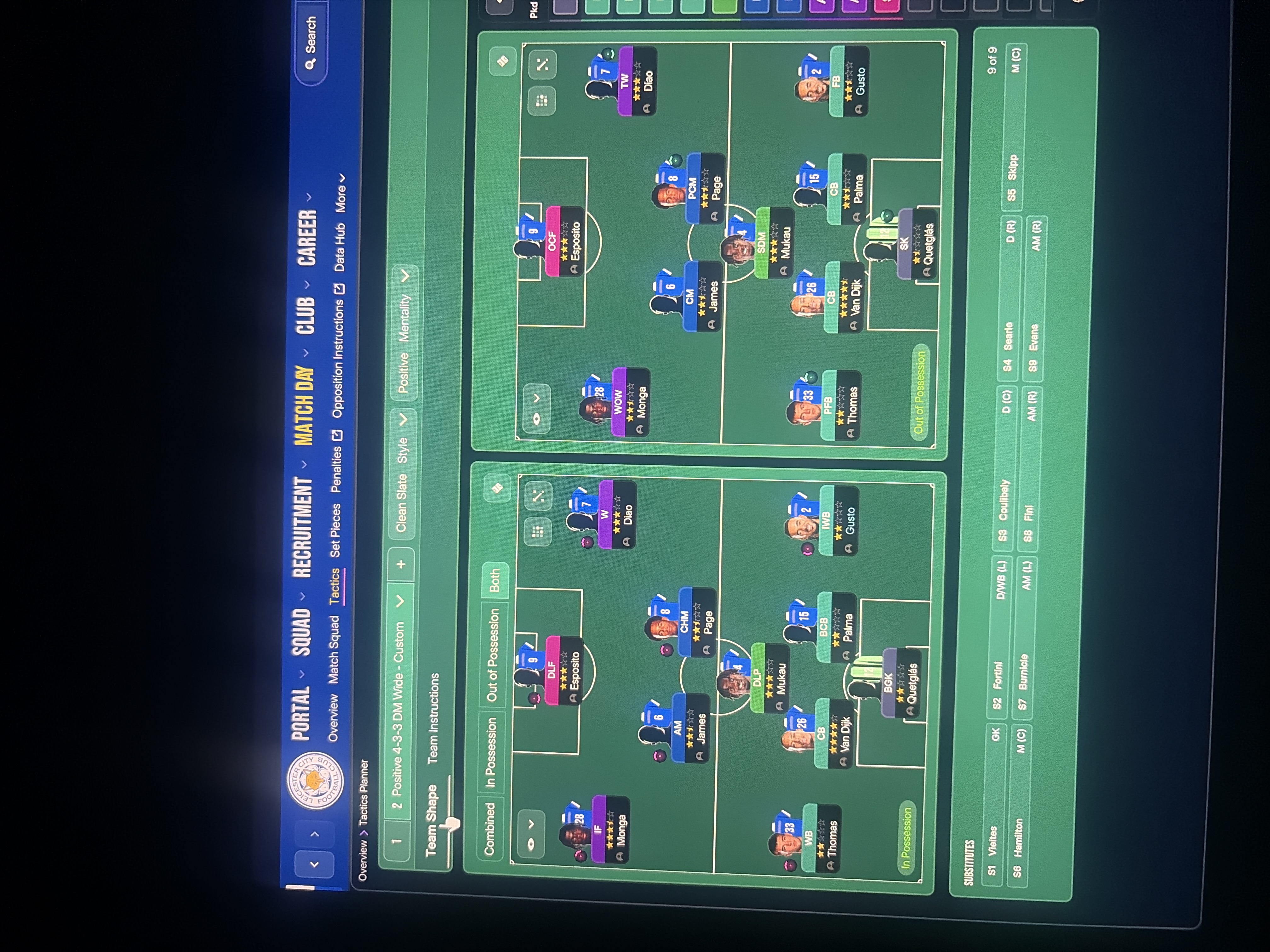
Guides for this formation
The tactical theory behind the 4-2-3-1 Wide: roles, instructions, and the trade-offs that decide whether the system holds up.
Player pairings
Midfield Pairs in 4-2-3-1 and 4-4-2
Double pivots and flat pairs in 4-2-3-1 and 4-4-2: when each pairing works, when it collapses, and the AMC unicorn that rescues both.
Read guide
Playing styles
Gegenpressing: A Full Guide
Klopp-style gegenpressing in FM, including squad profile, line-and-press pairing, sustainable workload, and the antipatterns to avoid.
Read guide