Uploaded Tactic
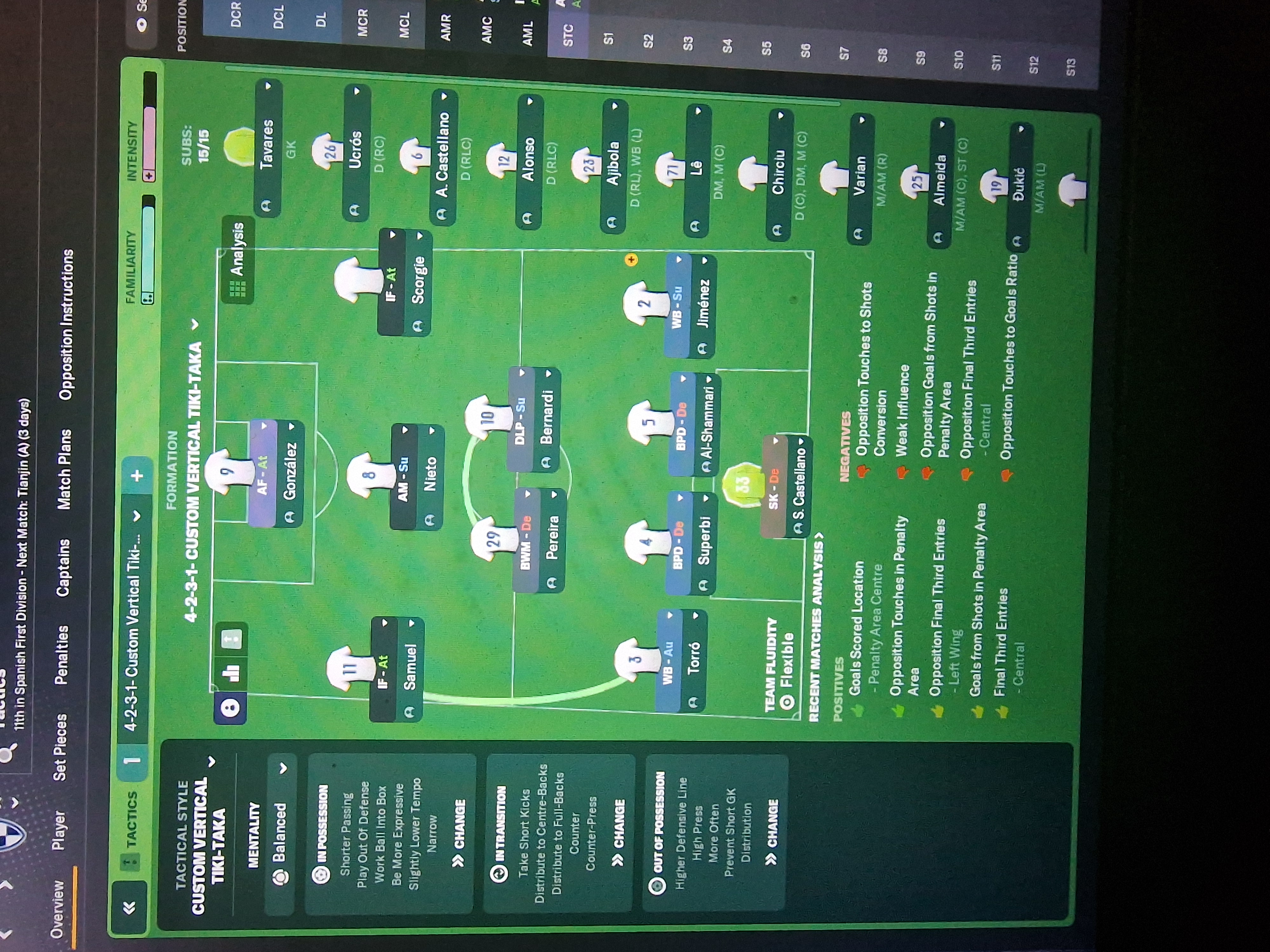
Formation & Style
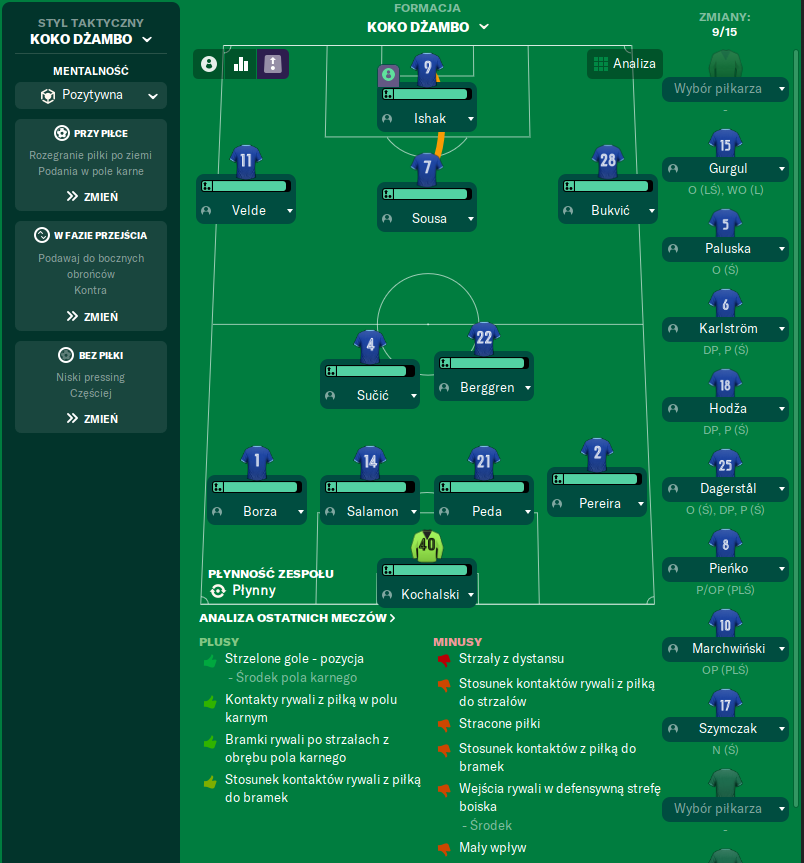
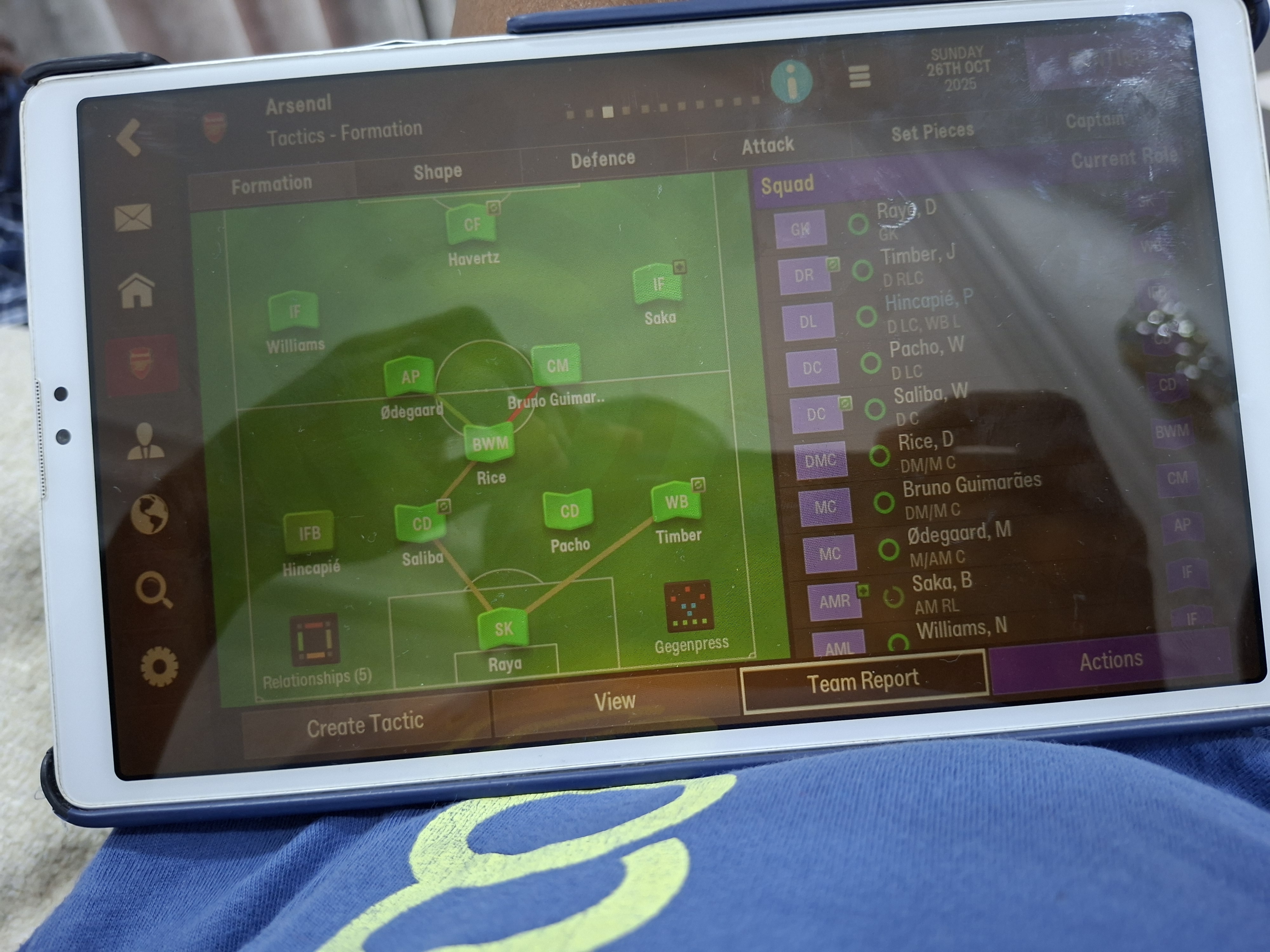
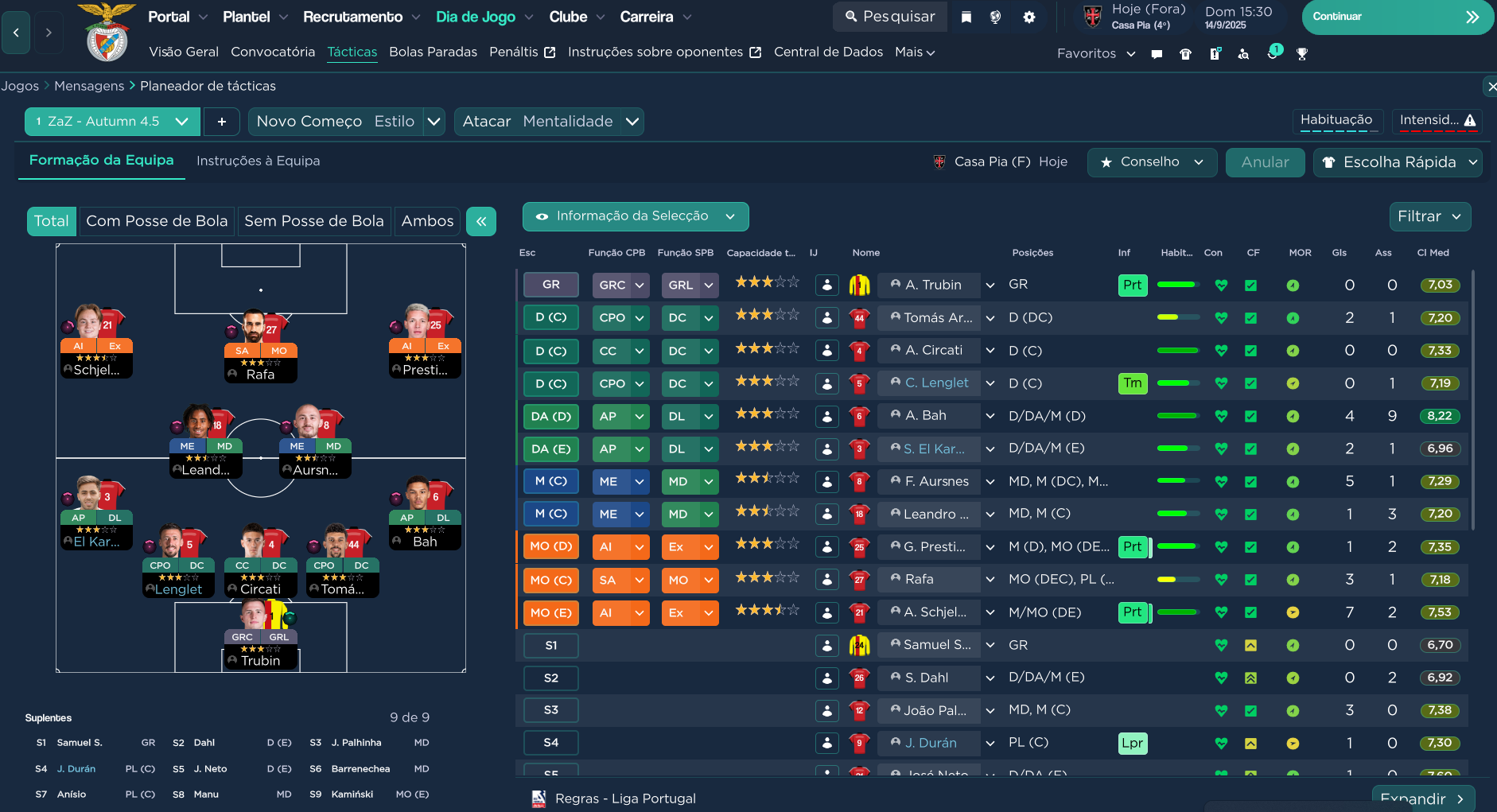
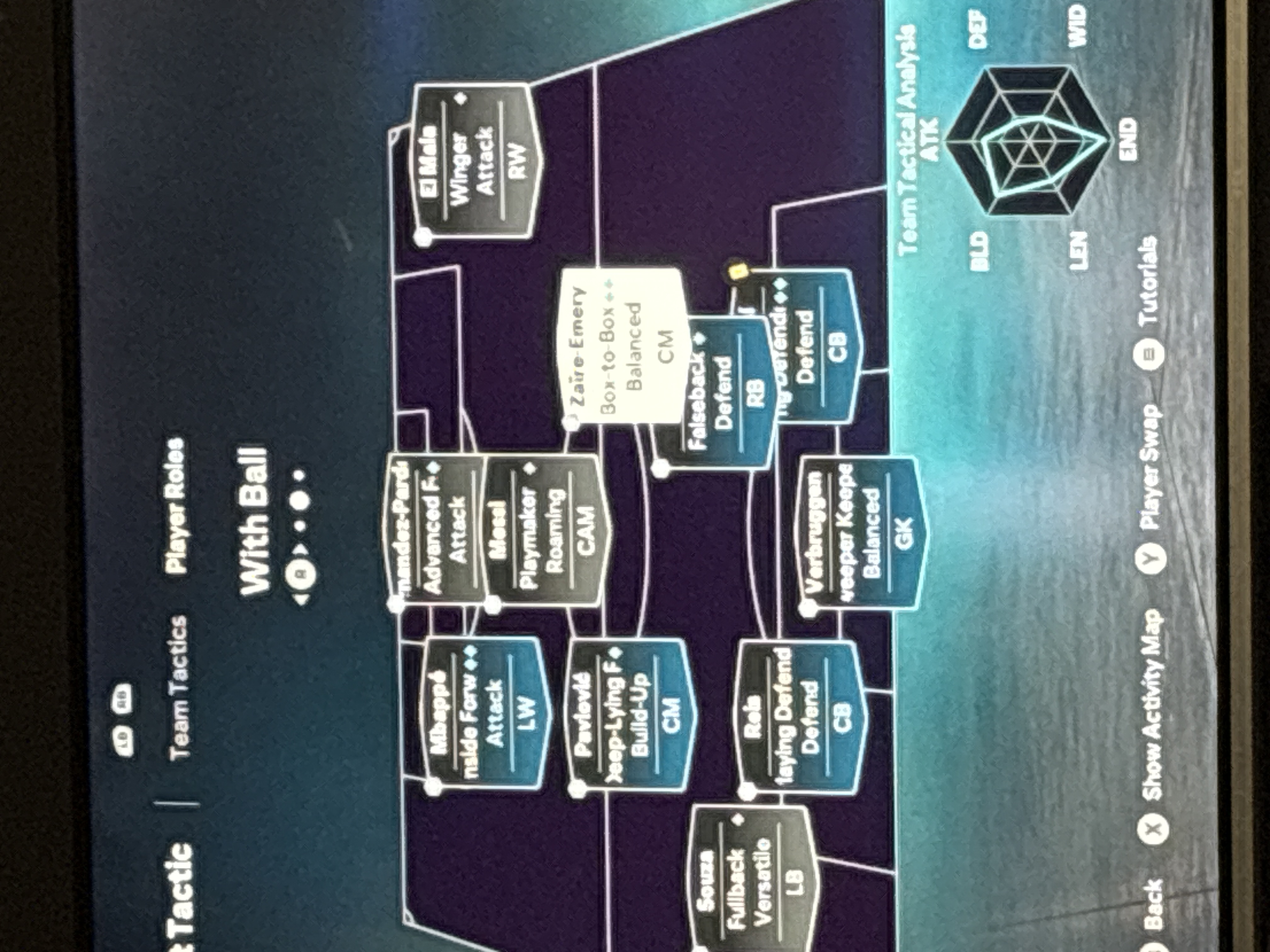
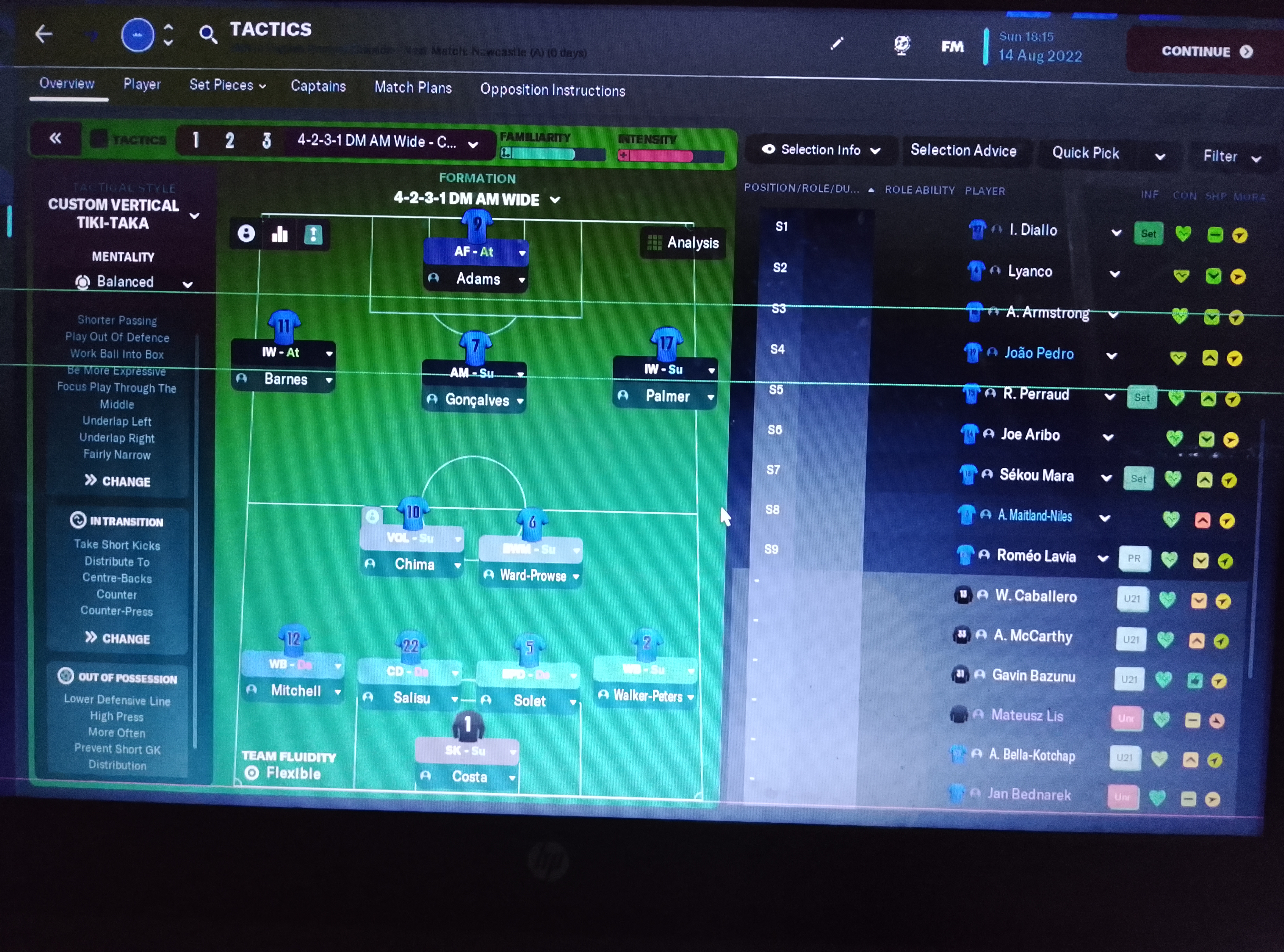
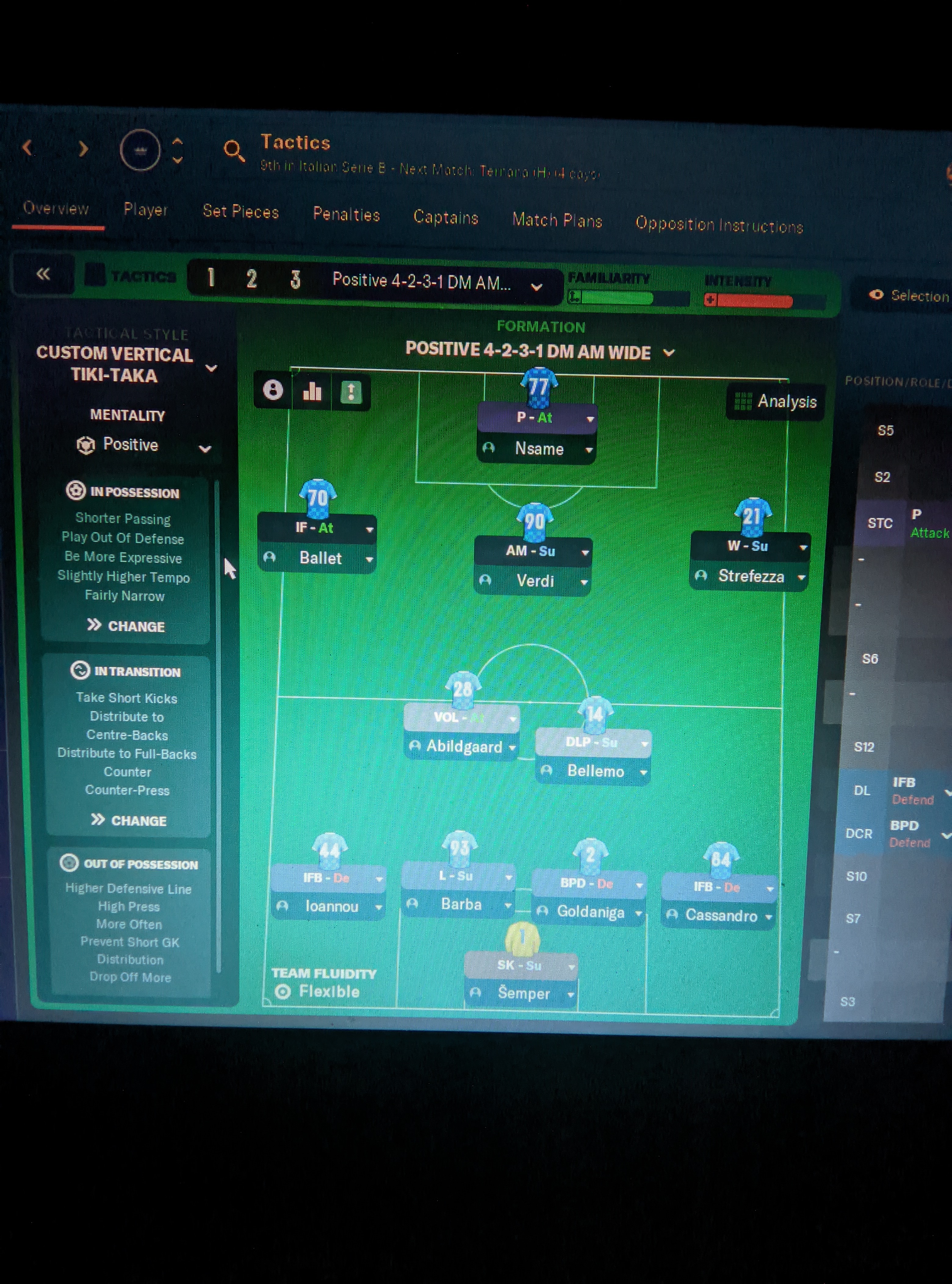
Tactical Style:Custom Vertical Tiki-Taka
Mentality:Balanced
Formation:4-2-3-1 Wide
Team Fluidity:Flexible
In Possession
Shorter Passing
Play Out of Defense
Work Ball into Box
Be More Expressive
Slightly Lower Tempo
In Transition
Take Short Kicks
Distribute to Full-Backs
Counter
Counter-Press
Out of Possession
Higher Defensive Line
High Press
Prevent Short GK Distribution
Team Shape Without Ball
No team shape without ball data available
Team Shape With Ball
No team shape with ball data available
Key Strengths
Structured Build-Up
The use of shorter passing and playing out from the back allows for a controlled and structured approach to build-up play.
Dynamic Attacking Threat
With multiple roles focused on attacking—specifically the Advanced Forward and Inside Forwards—this formation poses constant threats to the opposition.
Pressing Ability
The high press and counter-pressing tactics enable the team to regain possession quickly, putting pressure on opponents in their defensive third.
Fluid Midfield Play
The combination of a Deep-Lying Playmaker and Ball-Winning Midfielder ensures a balanced midfield presence, allowing for both defensive stability and creative support in attack.
Conflicting Directions
Defensive Depth vs. High Line
The higher defensive line may leave the team vulnerable to pacey counter-attacks, potentially undermining the effectiveness of the high press.
Tempo and Risk Versus Creativity
Lowering the tempo while aiming to be more expressive can create a conflict that impacts the team's fluidity in the final third.
Wing Play vs. Central Overload
With wing-backs given attacking duties, there may be a potential overload in the center, limiting width and making it easier for opposition defenses to contain.
Pressing Vulnerability
The choice to counter-press can sometimes lead to defensive players being pulled out of position, especially if not executed in sync with the entire team.
Tactical Suggestions
Adjust Defensive Line
Consider lowering the defensive line to provide better coverage against counter-attacks, balancing aggression with positional discipline.
Incorporate More Width
Encouraging wingers to stay wide and using overlapping full-backs could exploit the flanks, stretching the opposition's defensive setup.
Reassess Goalkeeper Distribution
Ensure that the goalkeeper’s distribution aligns with the playstyle to maintain possession and effectively beat the opposition press.
Utilize Substitutions Effectively
Depending on match situations, adapting the mentality and substituting attacking players for more defensive ones can secure leads or control games.
Ask Questions About Your Lineup
Related Tactics
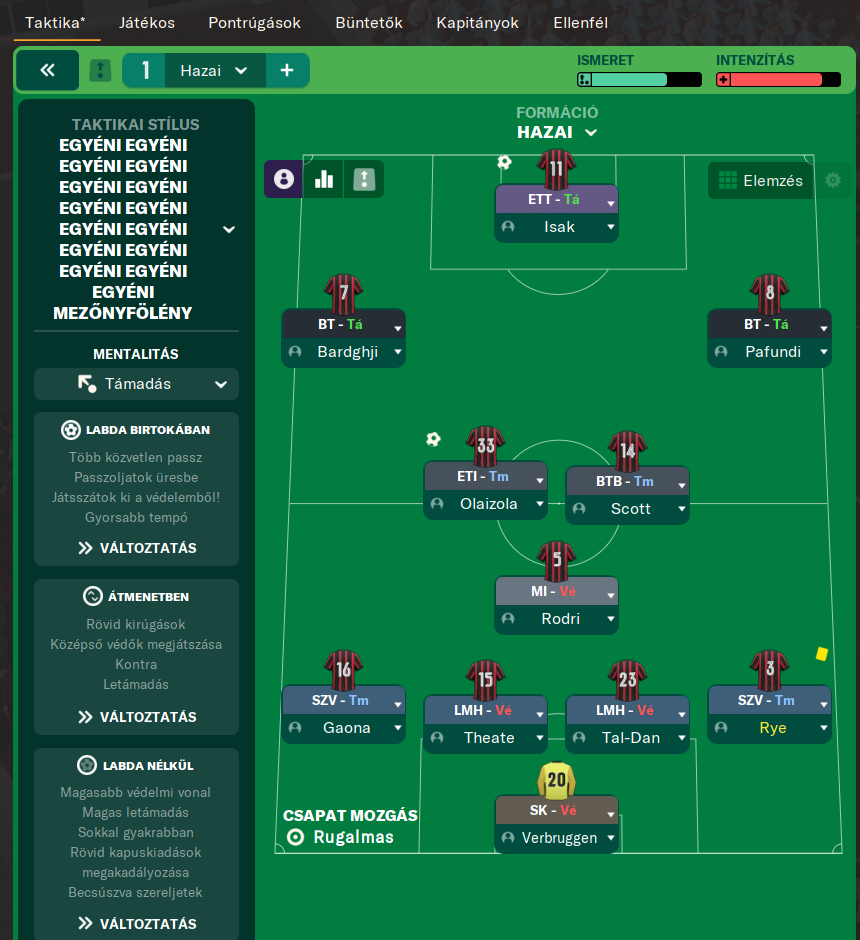
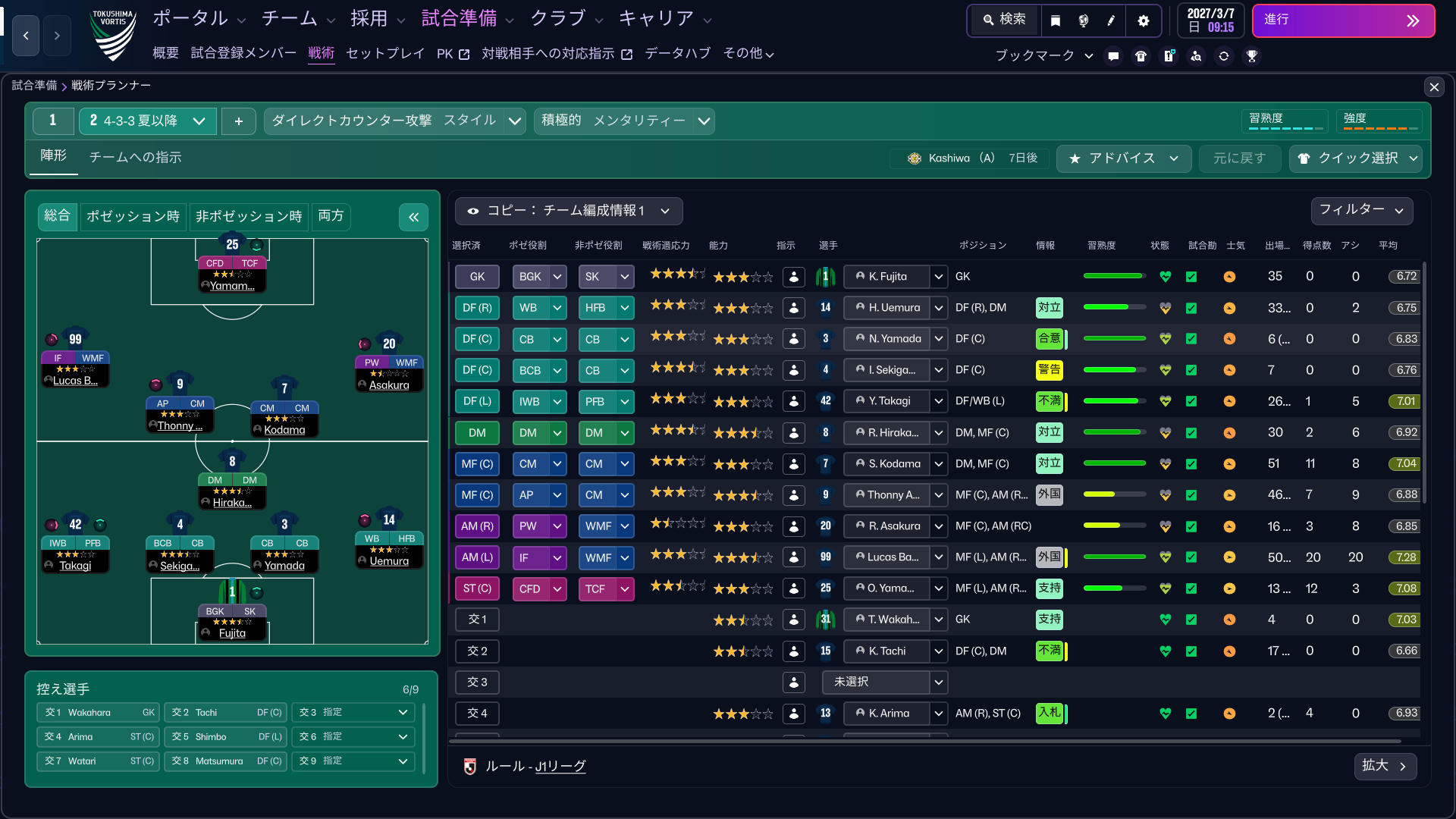
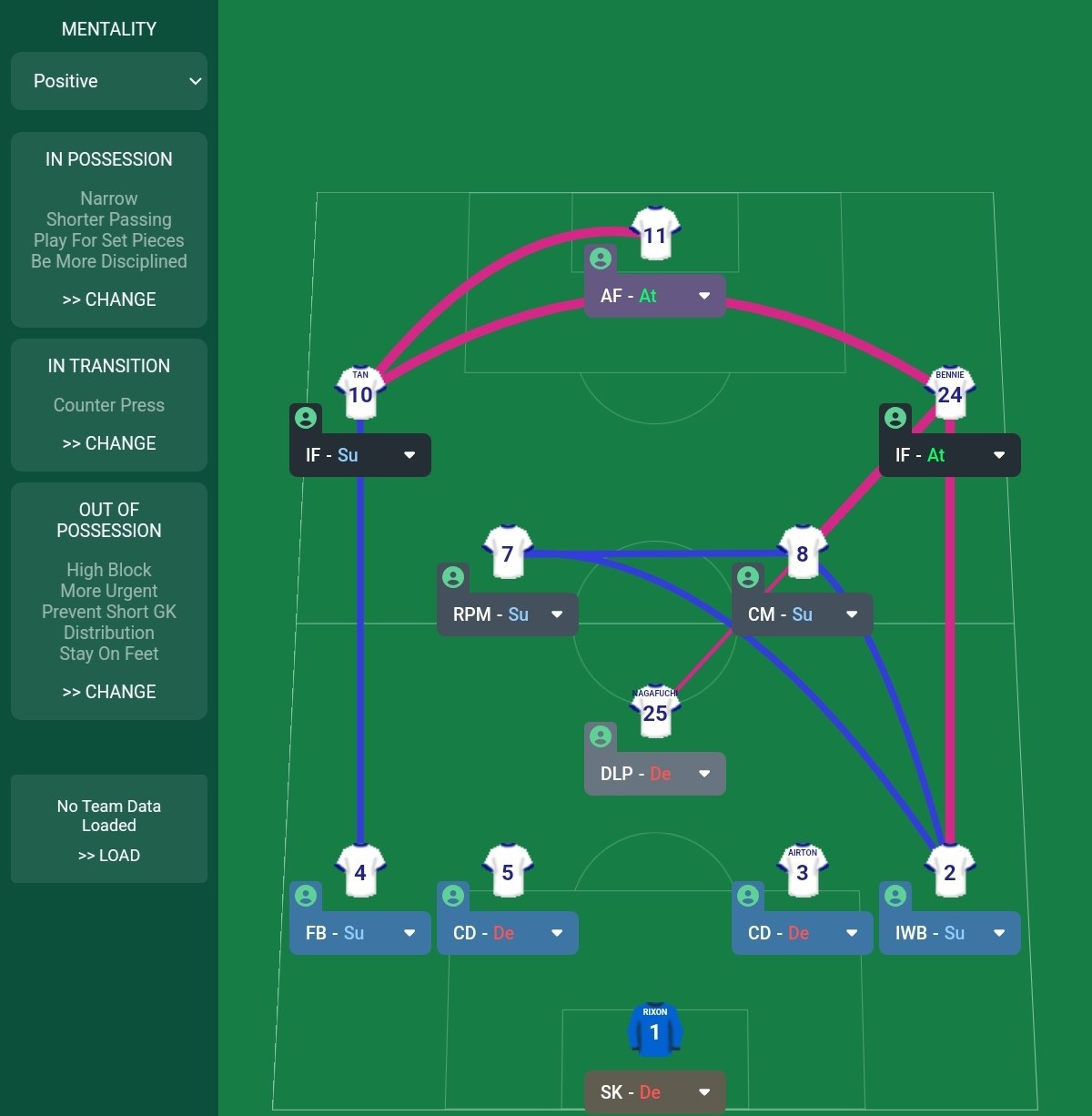
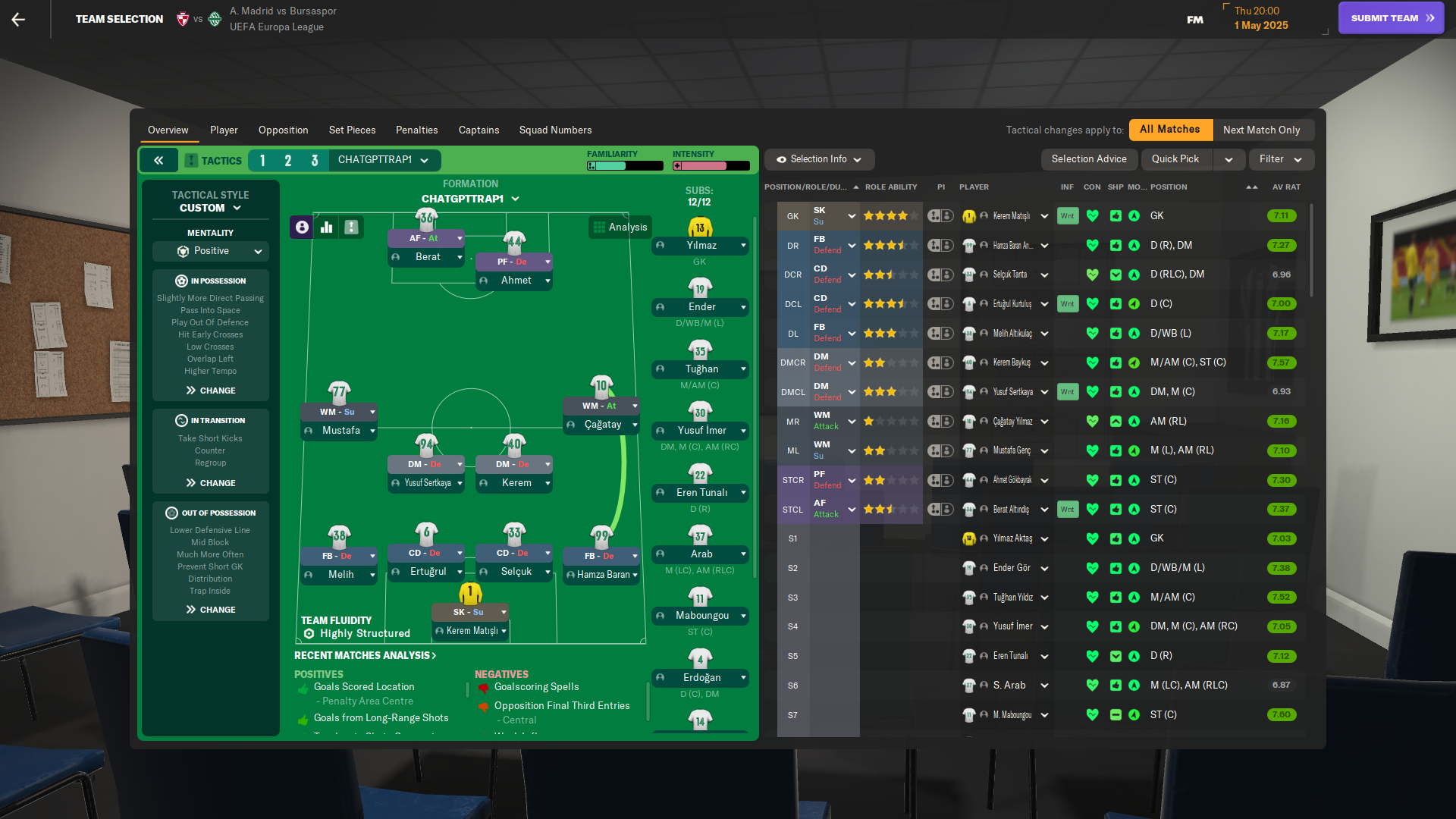
More Custom Vertical Tiki-Taka tactics
Guides for this formation
The tactical theory behind the 4-2-3-1 Wide: roles, instructions, and the trade-offs that decide whether the system holds up.
Player pairings
Midfield Pairs in 4-2-3-1 and 4-4-2
Double pivots and flat pairs in 4-2-3-1 and 4-4-2: when each pairing works, when it collapses, and the AMC unicorn that rescues both.
Read guide
Playing styles
Gegenpressing: A Full Guide
Klopp-style gegenpressing in FM, including squad profile, line-and-press pairing, sustainable workload, and the antipatterns to avoid.
Read guide