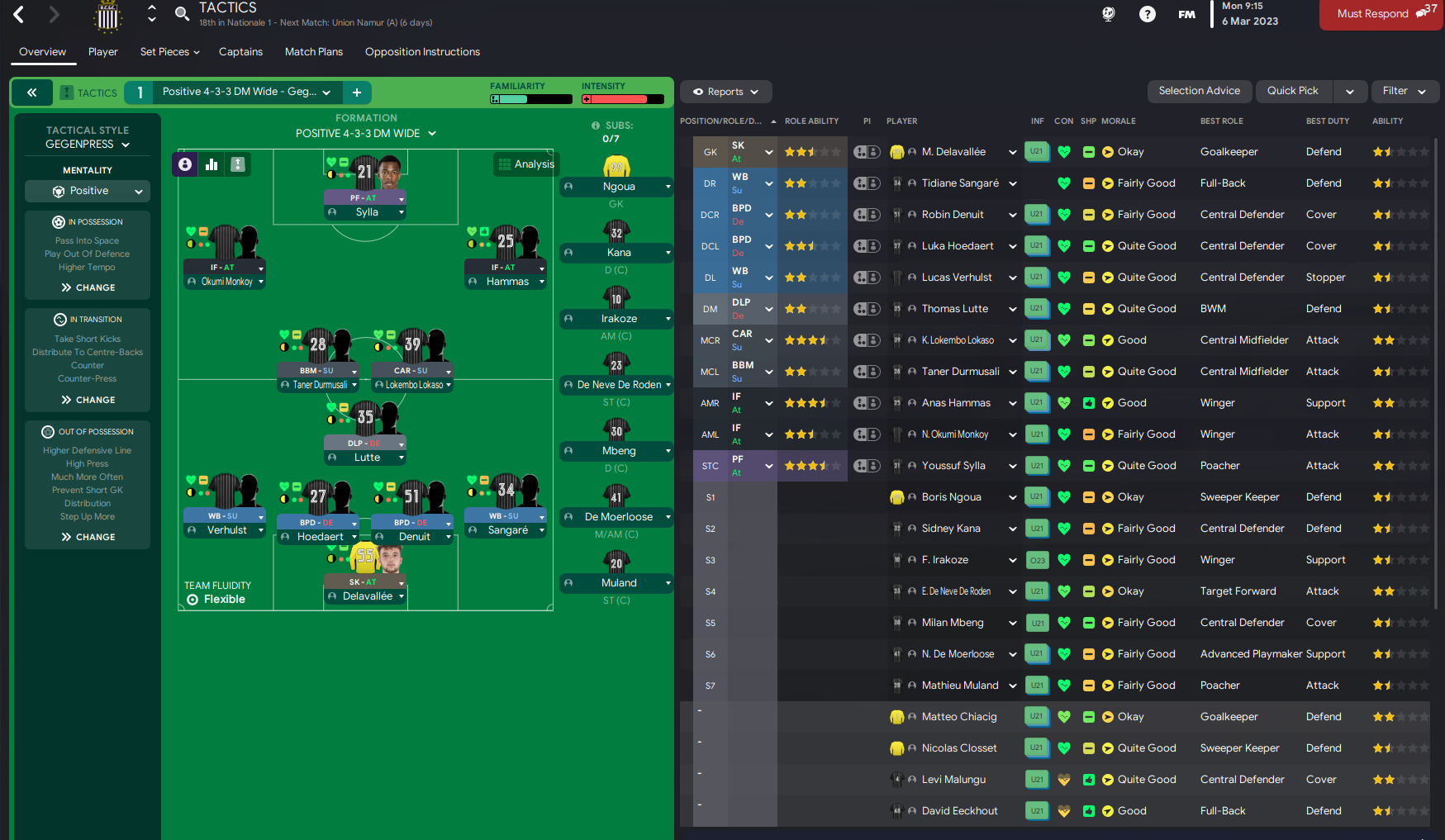
Uploaded Tactic
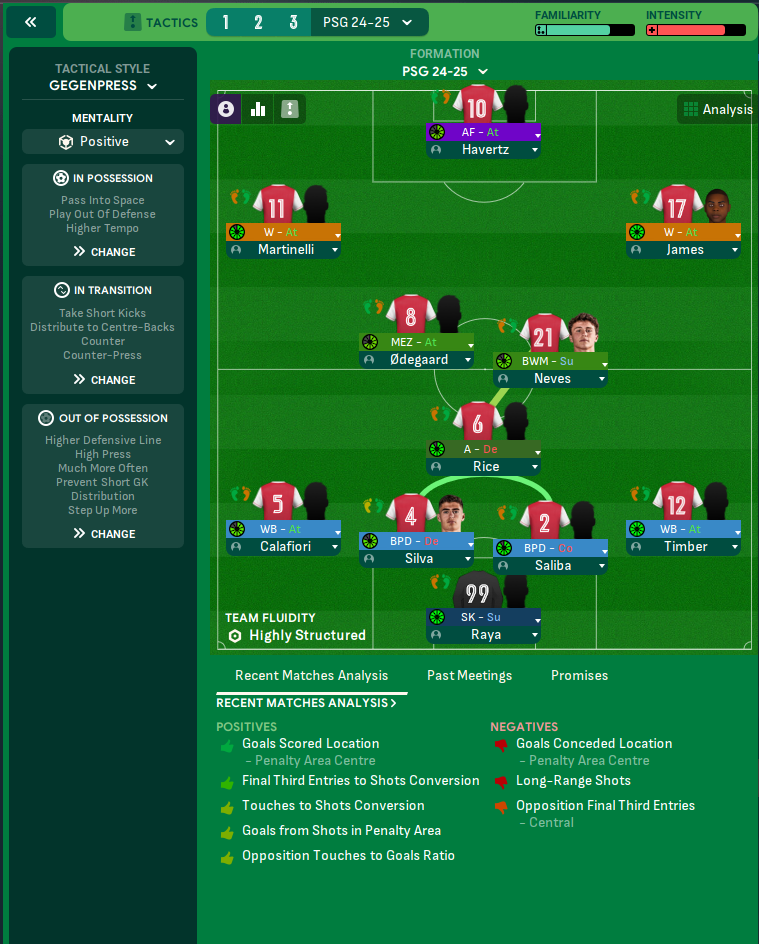
Formation & Style
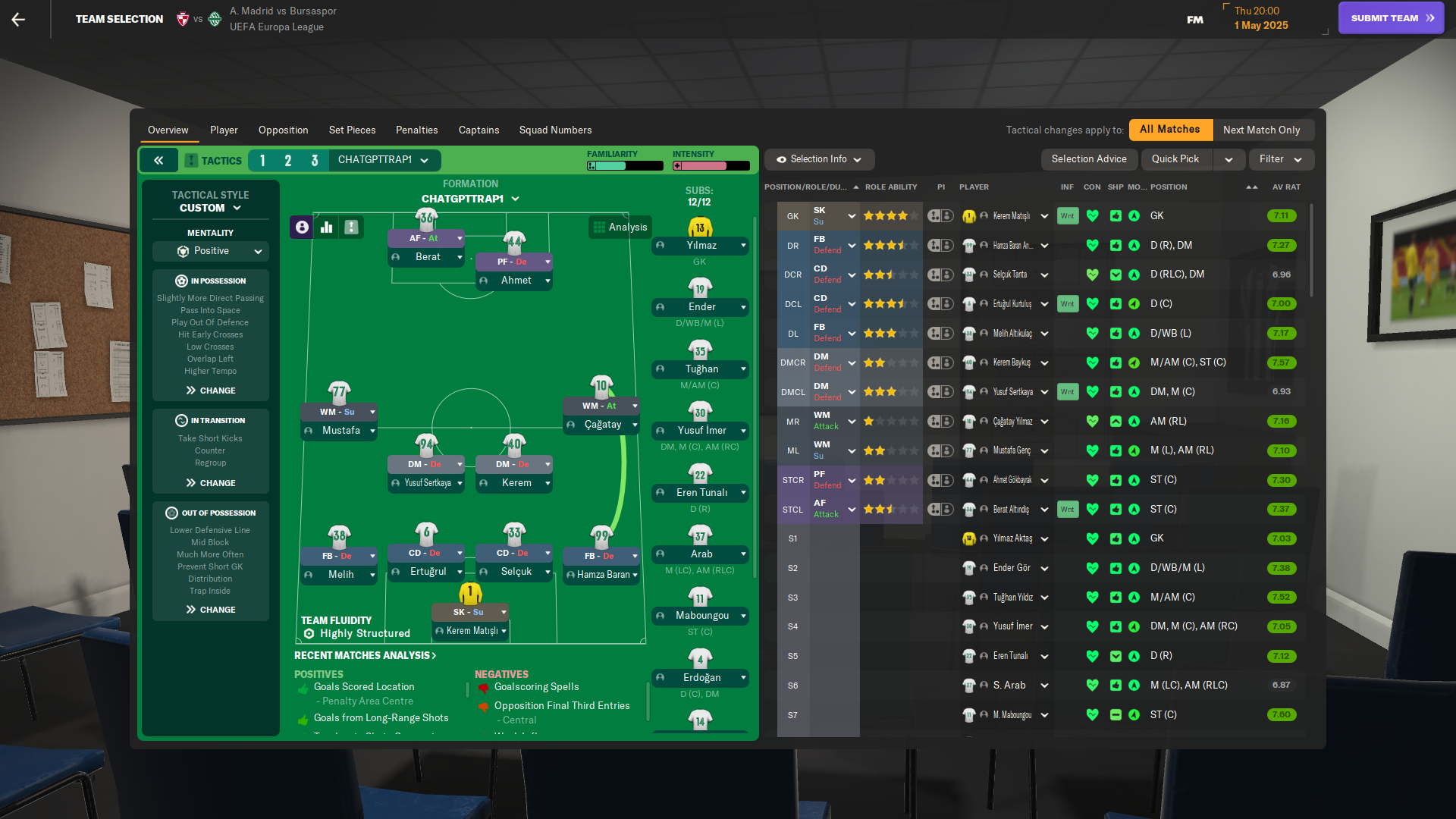
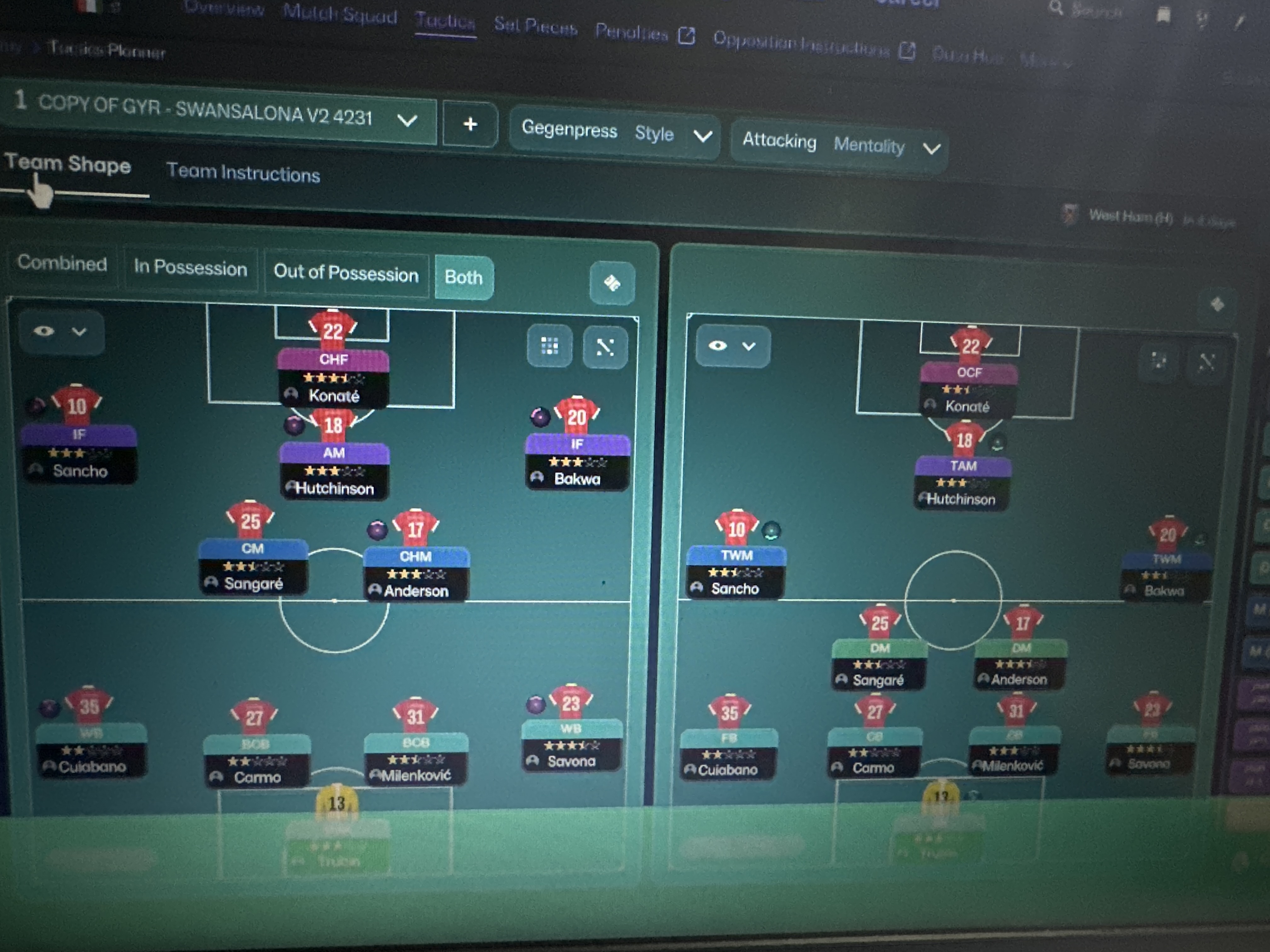
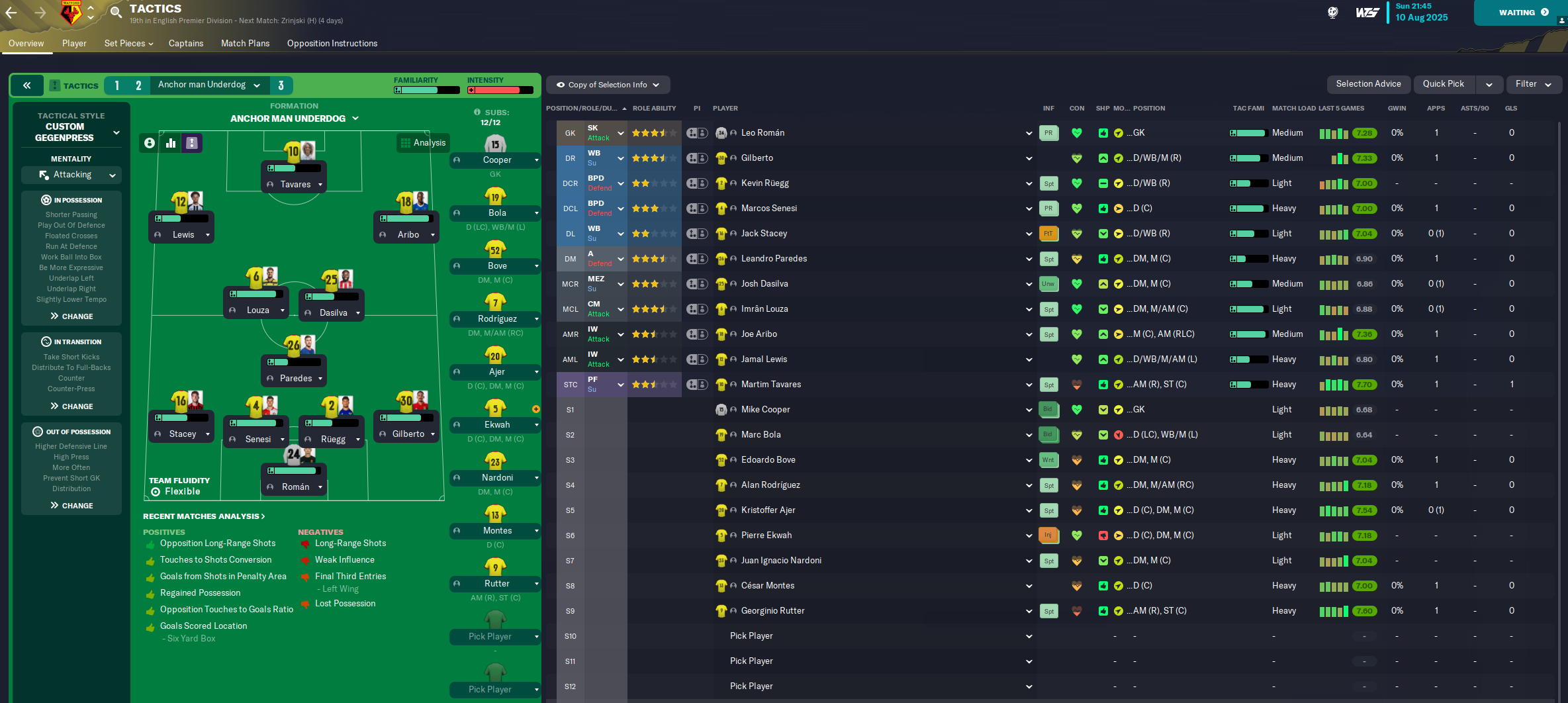
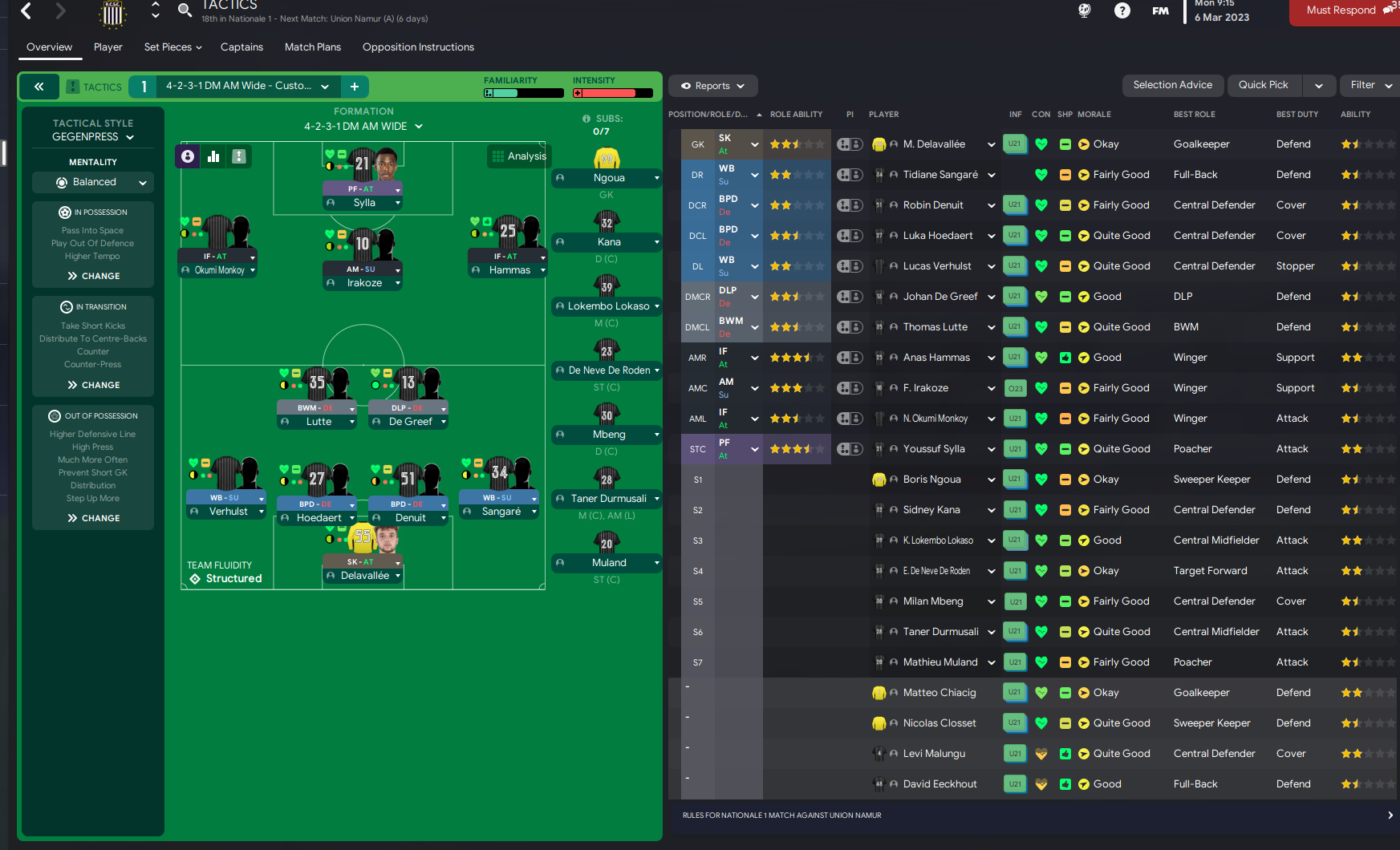
Tactical Style:Gegenpress
Mentality:Positive
Formation:4-2-3-1 Wide
Team Fluidity:Highly Structured
In Possession
Pass Into Space
Play Out of Defense
Higher Tempo
In Transition
Take Short Kicks
Distribute to Centre-Backs
Counter-Press
Out of Possession
Higher Defensive Line
High Press
Much More Offside Trap
Prevent Short GK Distribution
Step Up Move
Team Shape Without Ball
No team shape without ball data available
Team Shape With Ball
No team shape with ball data available
Key Strengths
High Press
Utilizes a high press to regain possession quickly, disrupting opponent's build-up play.
Fluid Transition
Quick transitions from defense to attack cater to swift counter-press and exploitation of spaces left by opponents.
Wing Play
Wingers and wing backs work collaboratively to stretch the opponent's defense and create width.
Finishing in Penalty Area
Tactical setup encourages entries to the penalty area, leading to high chances and conversions from close range.
Conflicting Directions
Defensive Stability
Higher defensive line may expose the backline to fast counter-attacks if the high press fails.
Role Clarity
Overlap between roles like Wing Back and Winger could confuse tactical execution in wide areas.
Transition Vulnerability
Rapid transitions may leave gaps in central areas, particularly if the Ball Winning Midfielder is caught forward.
Offensive Commitment
Aggressive attacking duties of players could lead to defensive vulnerabilities, especially against counter-attacking teams.
Tactical Suggestions
Adjust Defensive Line
Consider lowering the defensive line to mitigate counter-attack threats while still maintaining pressure.
Improve Role Specificity
Define player roles more strictly to avoid confusion and ensure balanced attacks and defenses.
Utilize Counter-Press Effectively
Encourage players to actively engage when possession is lost to maintain pressure rather than retreating.
Tactical Flexibility
Instruct players to switch between structured and fluid depending on match situations to enhance adaptability.
Ask Questions About Your Lineup
Related Tactics
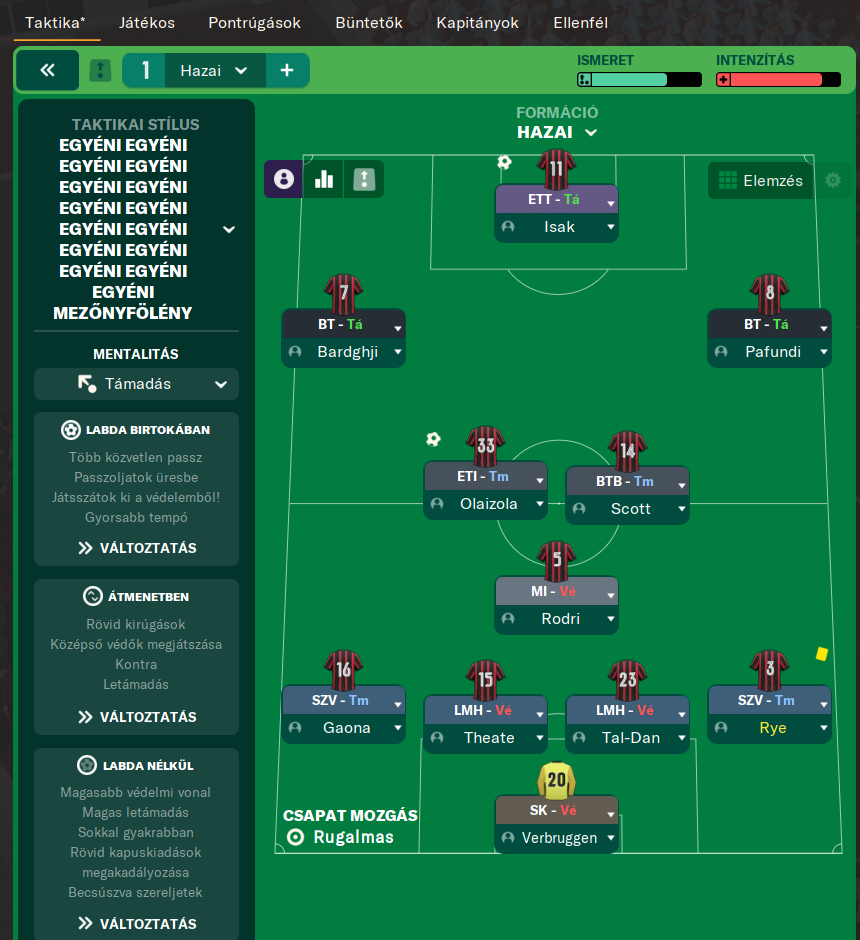
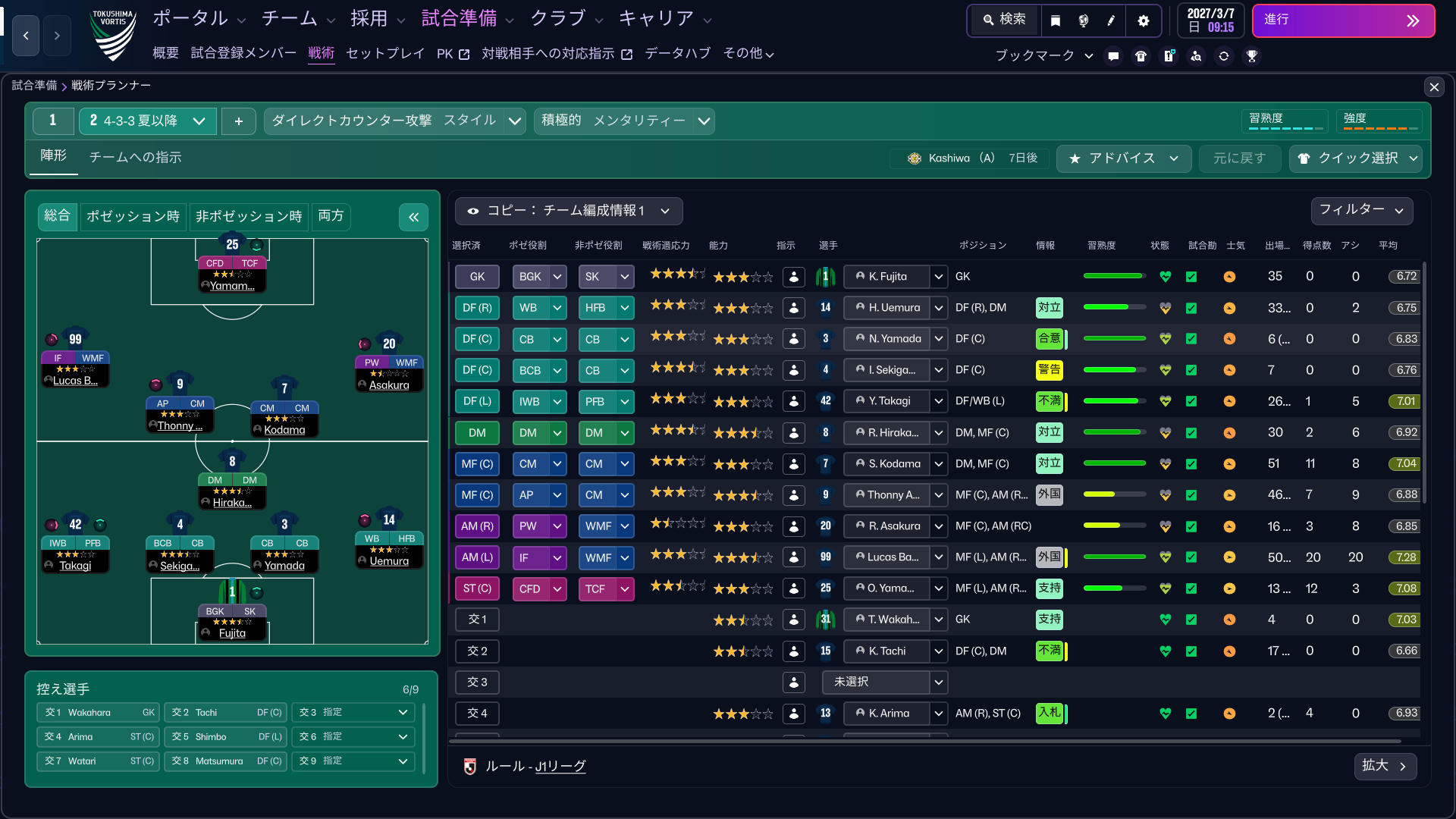
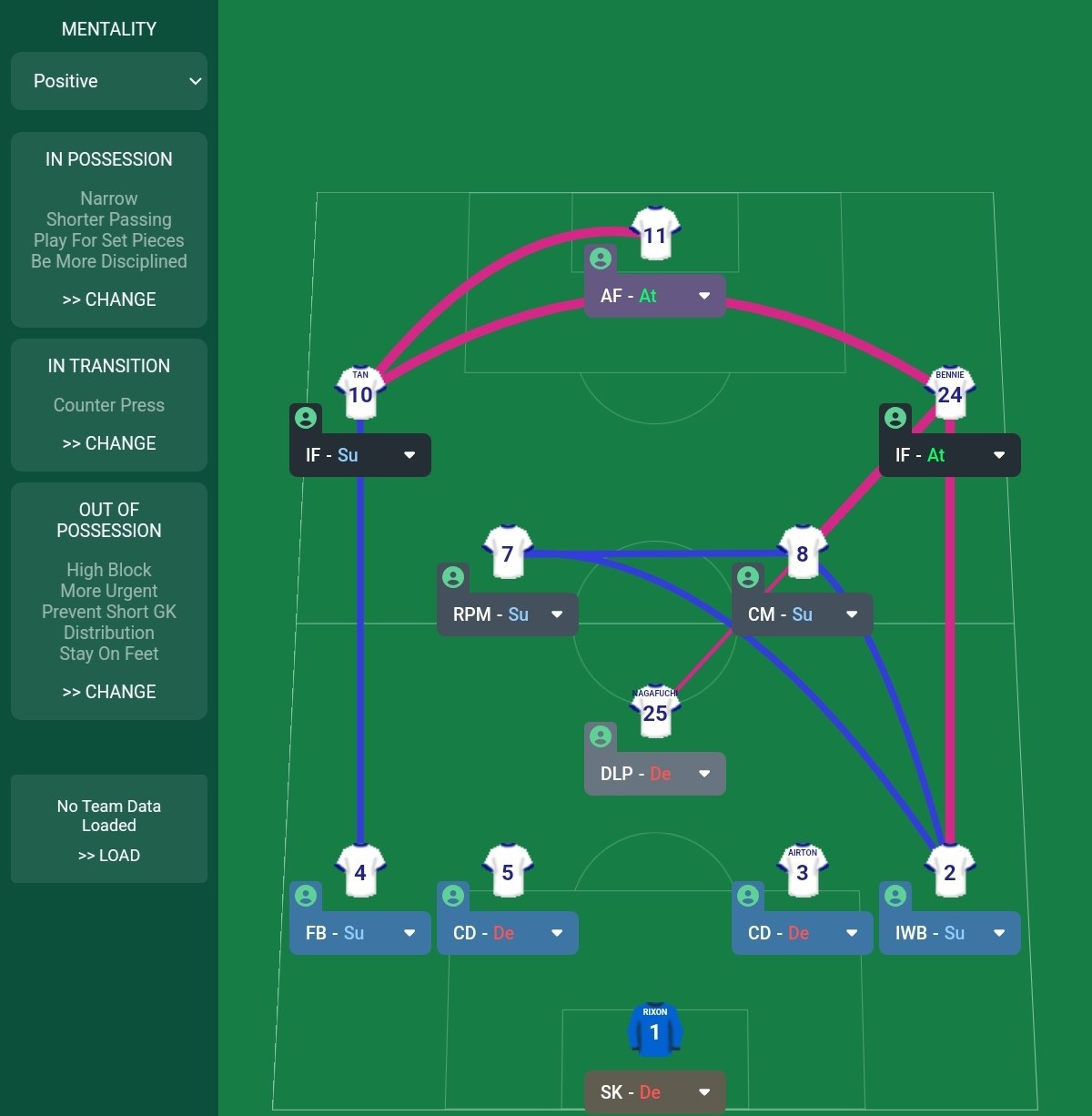
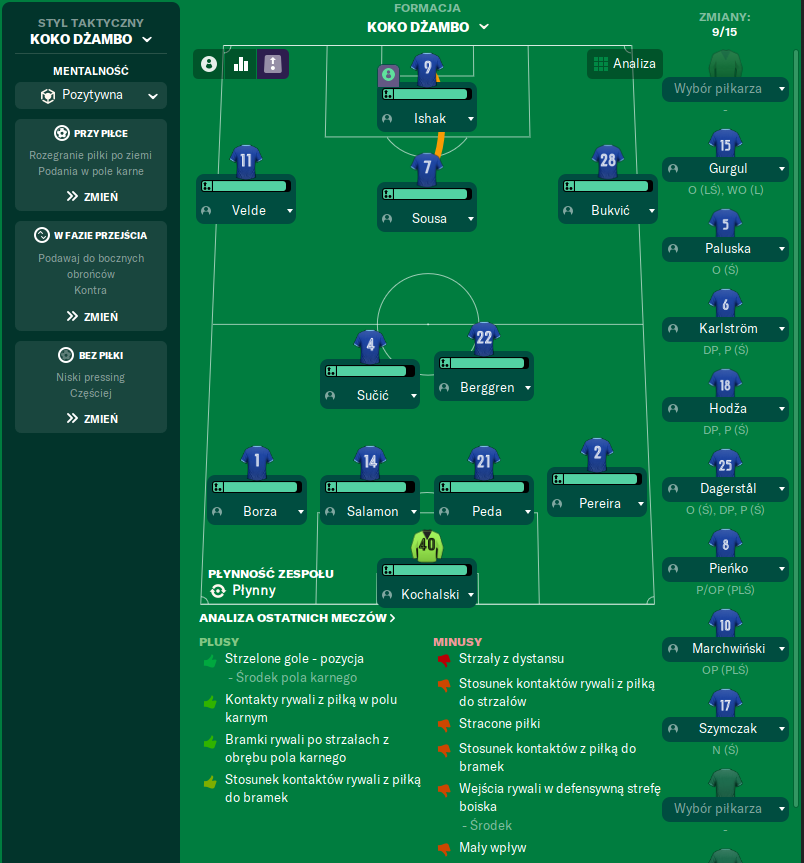
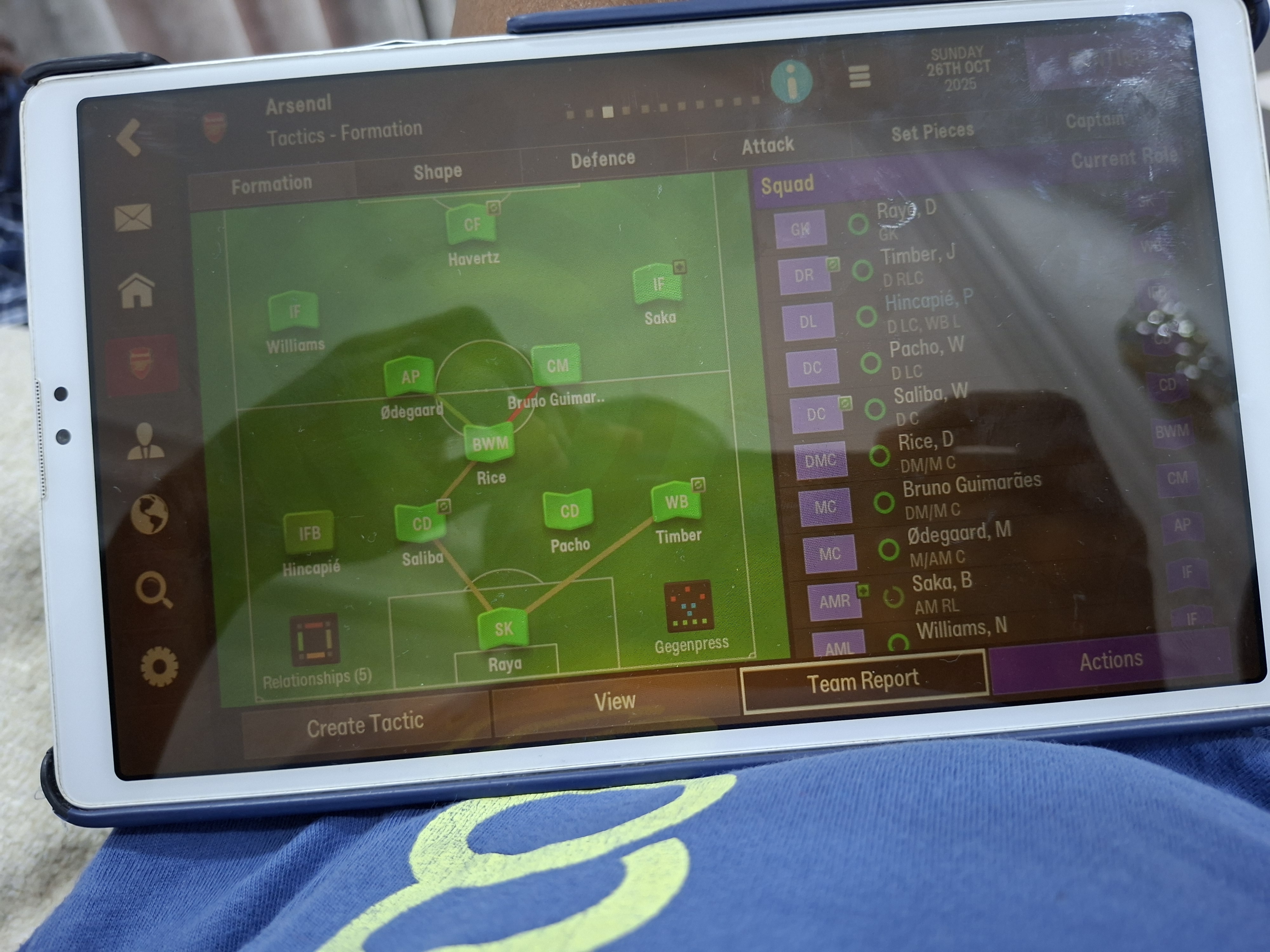
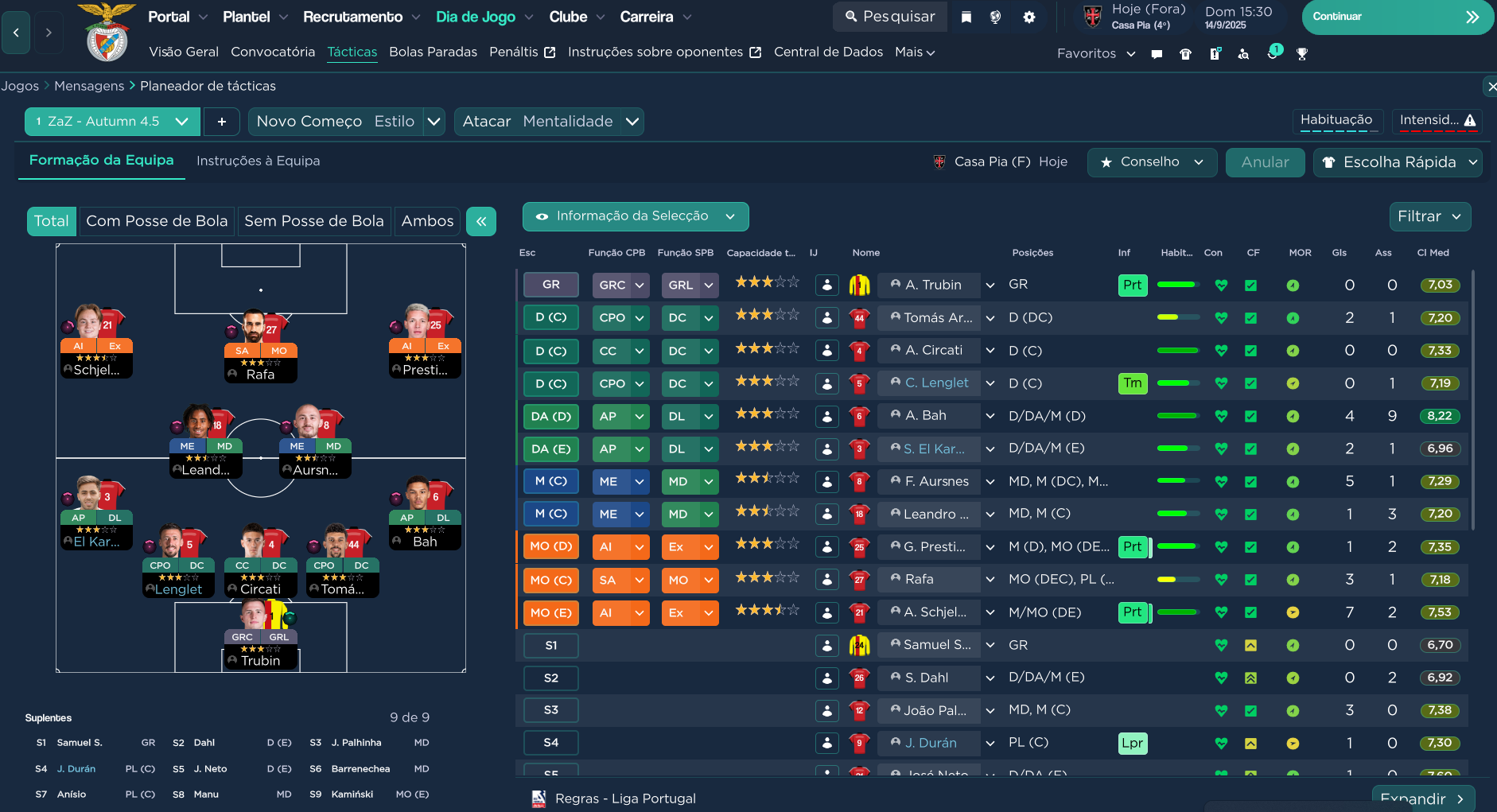
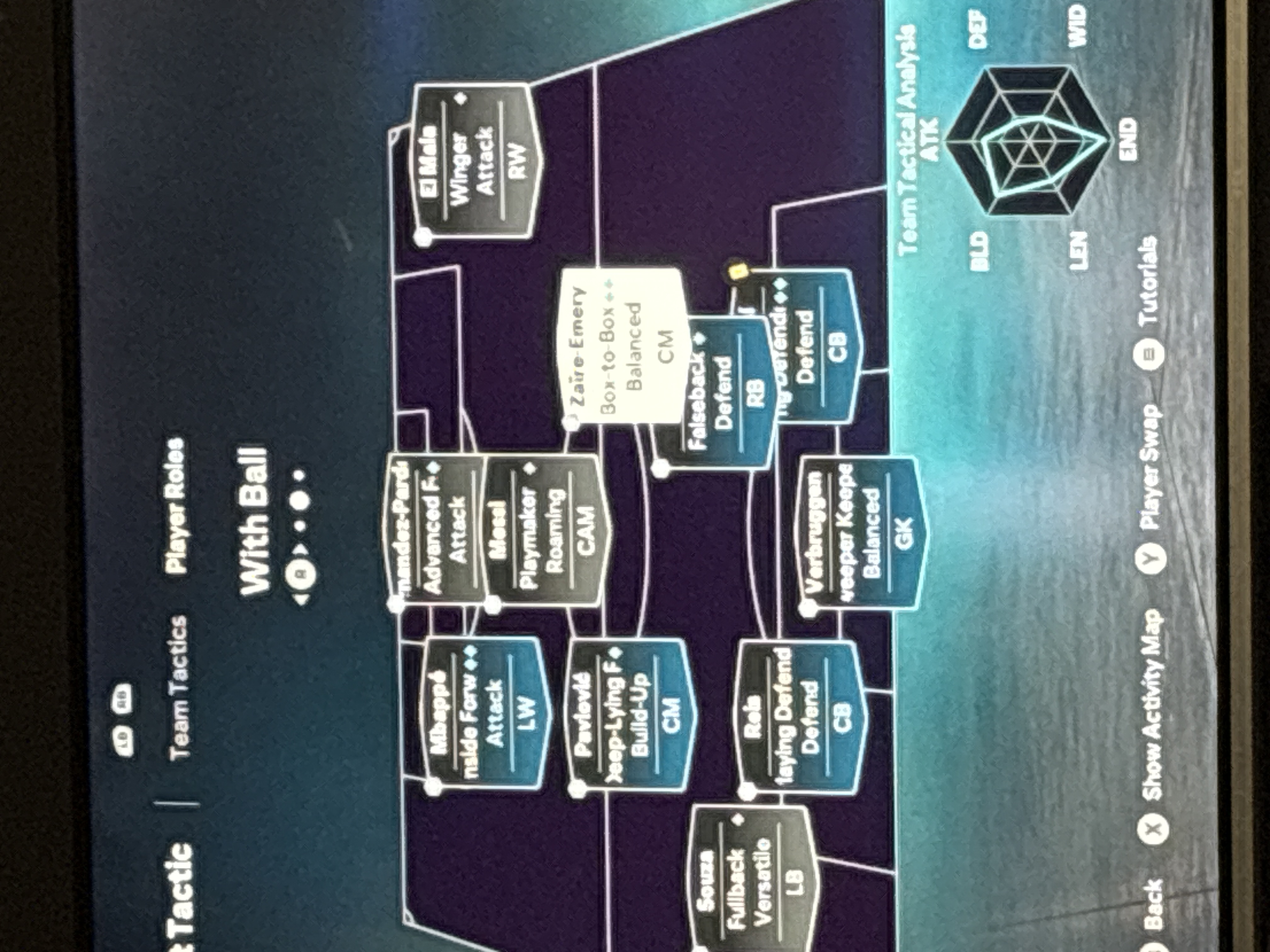
More Gegenpress tactics
Guides for this formation
The tactical theory behind the 4-2-3-1 Wide: roles, instructions, and the trade-offs that decide whether the system holds up.
Player pairings
Midfield Pairs in 4-2-3-1 and 4-4-2
Double pivots and flat pairs in 4-2-3-1 and 4-4-2: when each pairing works, when it collapses, and the AMC unicorn that rescues both.
Read guide
Playing styles
Gegenpressing: A Full Guide
Klopp-style gegenpressing in FM, including squad profile, line-and-press pairing, sustainable workload, and the antipatterns to avoid.
Read guide