Uploaded Tactic
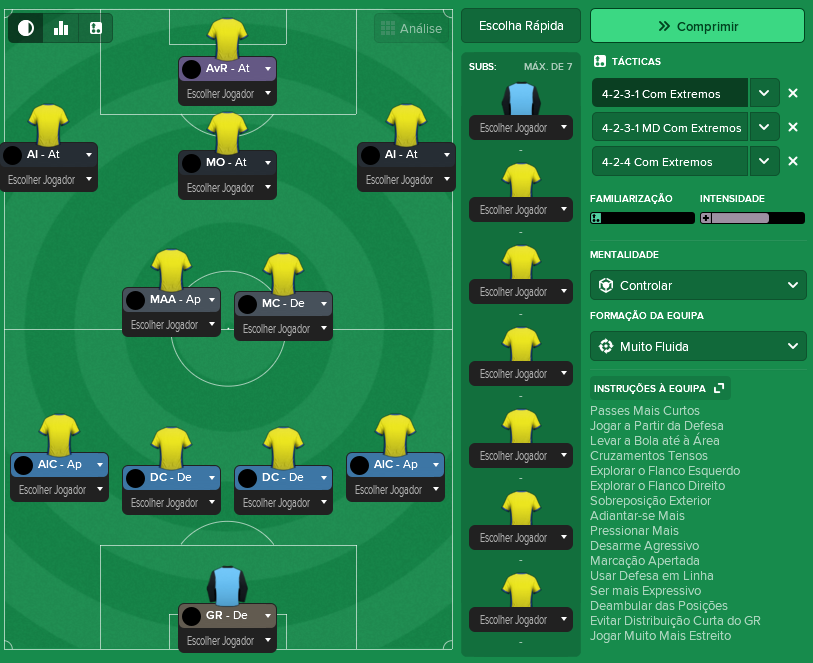
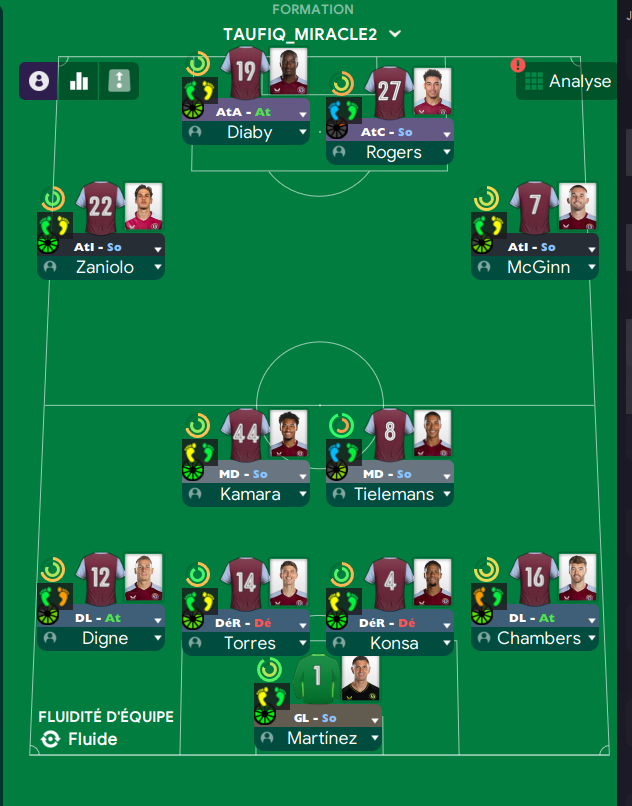
Formation & Style
Tactical Style:Fluid
Mentality:Control
Formation:4-2-3-1 Wide
Team Fluidity:Very Fluid
In Possession
Shorter Passing
Play Out of Defence
Get Ball into Box
Work Ball into Box
Exploit the Left Flank
Exploit the Right Flank
Overlap Left
Overlap Right
In Transition
Counter-Press
Counter
Out of Possession
Higher Defensive Line
Higher Line of Engagement
Trigger Press More Often
Team Shape Without Ball
Shape:Flat Defensive Block (4-2)
Description:The team maintains a compact block while keeping the width through the inverted wing-backs.
Evidence:Higher Defensive Line + 2 Central Defenders at [2,2] and [2,4].
Team Shape With Ball
Shape:Dynamic Triangle on Attack
Description:The two inside forwards support the lone striker, while the attacking midfielder floats between lines.
Evidence:Proximity of AM at [5,3] and STs at [6,2] & [6,4].
Phase Description
Attacking Play
The focus is on creating wide overloads, utilizing the inverted wing-backs and overlapping full-backs to stretch the defence.
Defensive Transition
Quickly transition to press high and regain possession through well-timed pressing.
Main Focus
Balancing possession with quick attacks and a cohesive defensive shape.
Key Strengths
Fluid Attacking Movements
The combination of inside forwards and an attacking midfielder creates dynamic attacking options, confusing opposition defences.
Wide Play Utilization
Utilizing inverted wing-backs allows the team to maintain width while also providing options for cutting inside.
High Pressing Game
The higher line of engagement facilitates a pressing approach to regain possession quickly.
Conflicting Directions
Potential Vulnerability to Counter-Attacks
With a high defensive line and engagement, the team may be susceptible to quick counters, especially if the full-backs are caught high.
Central Overcrowding
The use of two central midfielders and an attacking midfielder may lead to congestion, limiting space for creative play.
Dependence on Wing Play
Heavy reliance on wing play can become predictable if the opposition successfully nullifies the width.
Tactical Suggestions
Experiment with Roles and Duties
Consider adjusting one of the midfielders to a more defensive role to provide additional coverage during transitions.
Increase Midfield Width
Deploying a wider central midfielder or a third central player could mitigate central congestion.
Additional Pressing Strategy
Implement a more coordinated pressing trigger to prevent overloads in response to quick opposition transitions.
Ask Questions About Your Lineup
Related Tactics
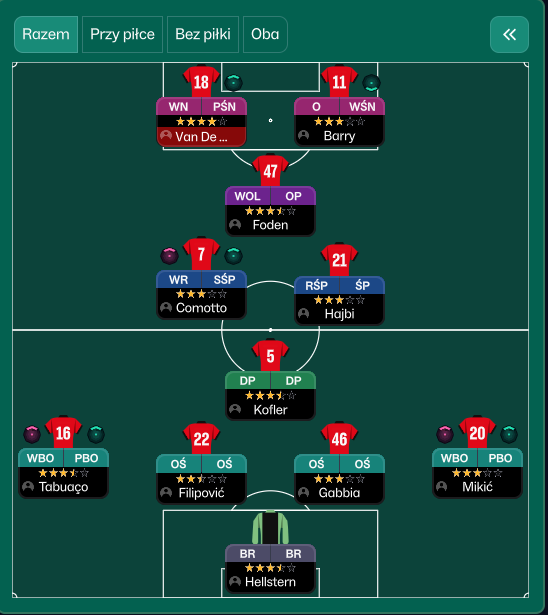
More Fluid tactics
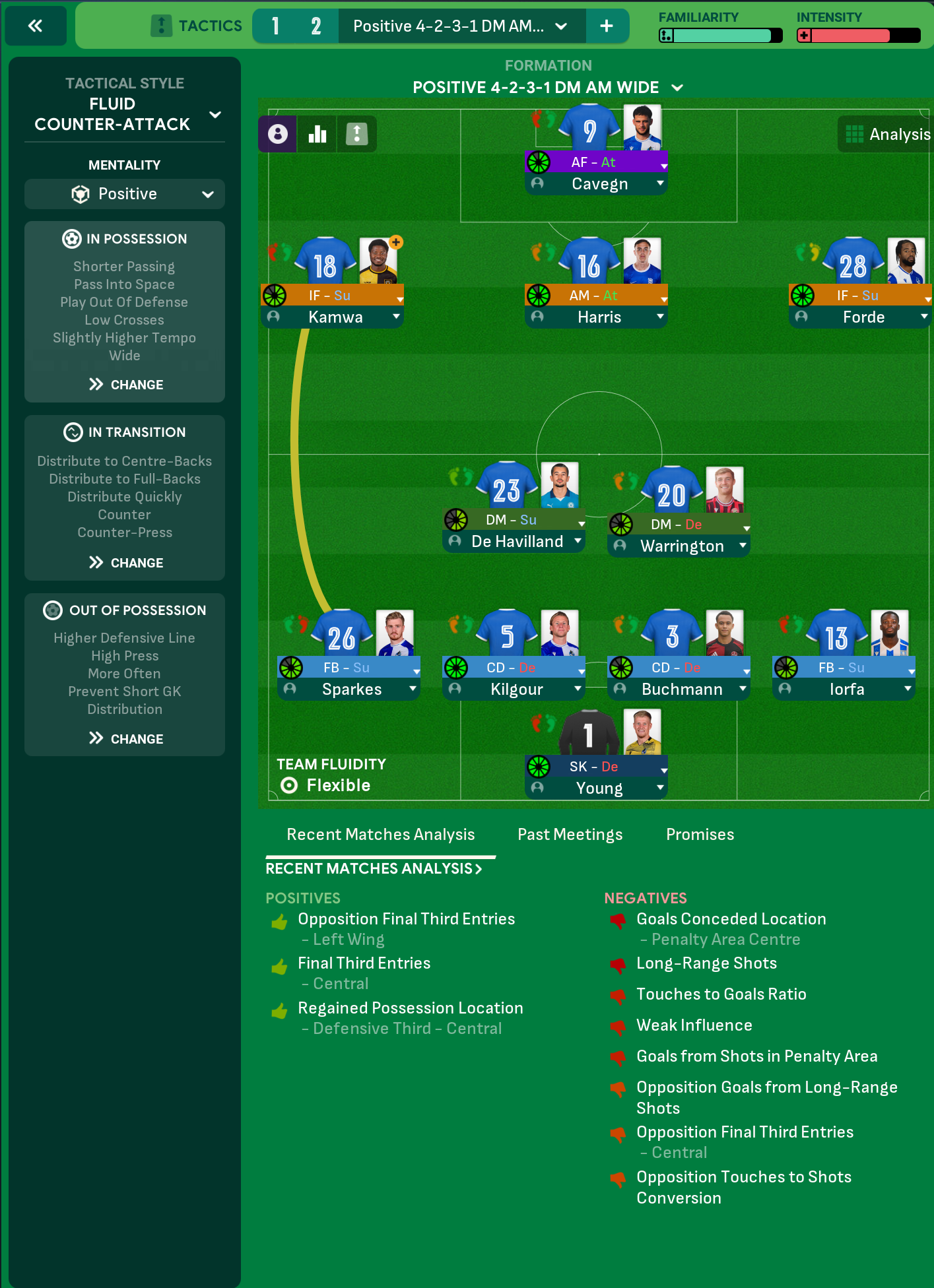
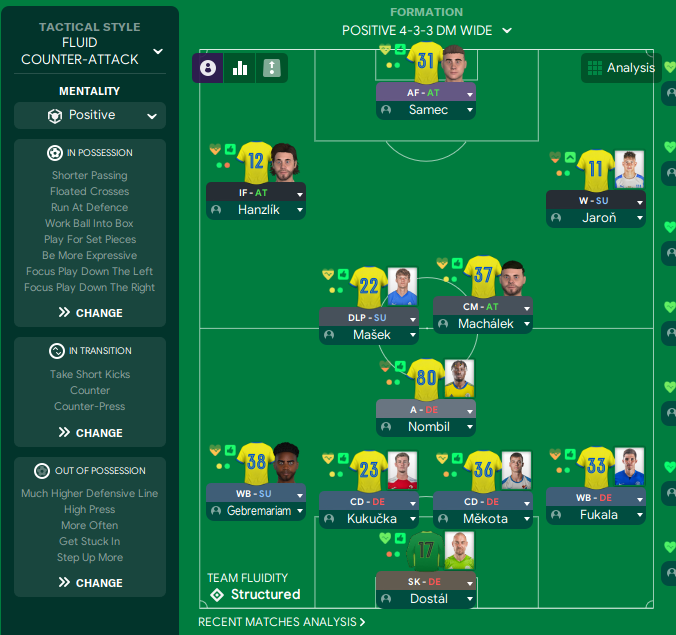
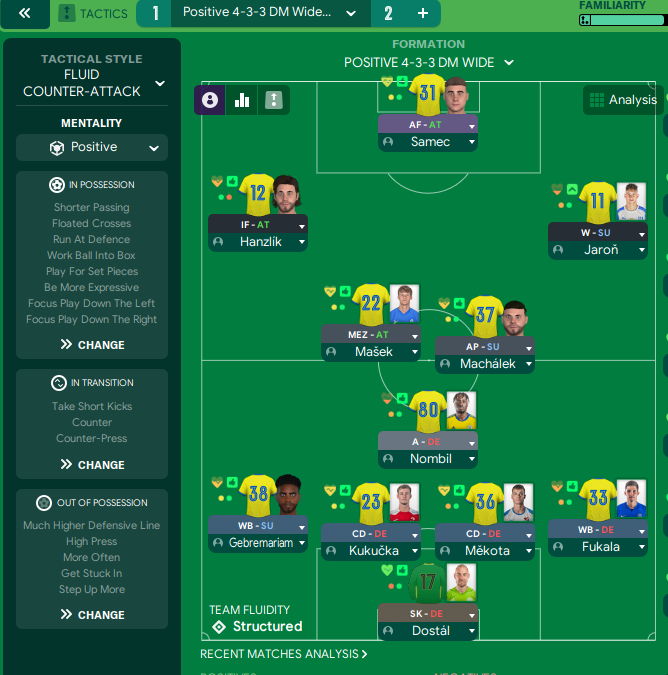
Guides for this formation
The tactical theory behind the 4-2-3-1 Wide: roles, instructions, and the trade-offs that decide whether the system holds up.
Player pairings
Midfield Pairs in 4-2-3-1 and 4-4-2
Double pivots and flat pairs in 4-2-3-1 and 4-4-2: when each pairing works, when it collapses, and the AMC unicorn that rescues both.
Read guide
Playing styles
Gegenpressing: A Full Guide
Klopp-style gegenpressing in FM, including squad profile, line-and-press pairing, sustainable workload, and the antipatterns to avoid.
Read guide