Uploaded Tactic
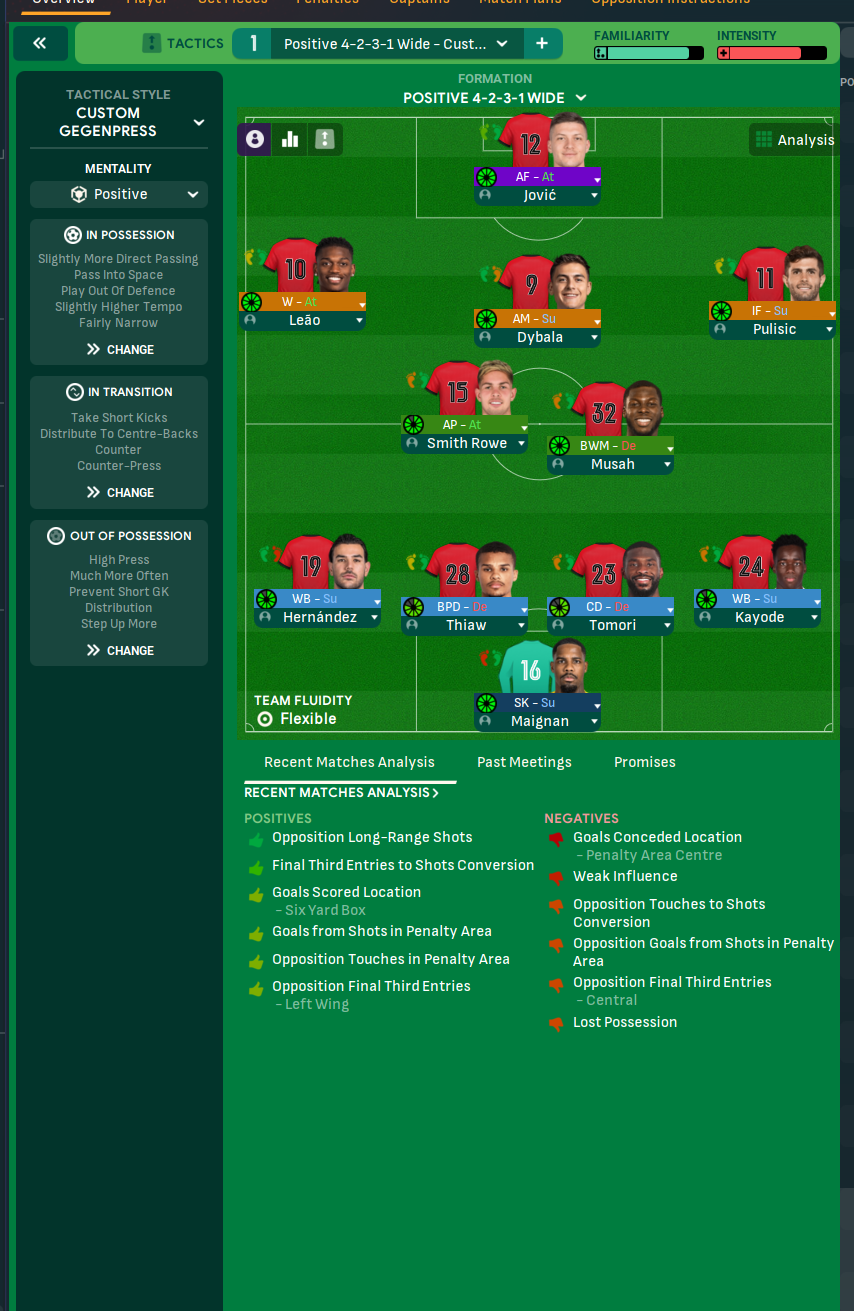
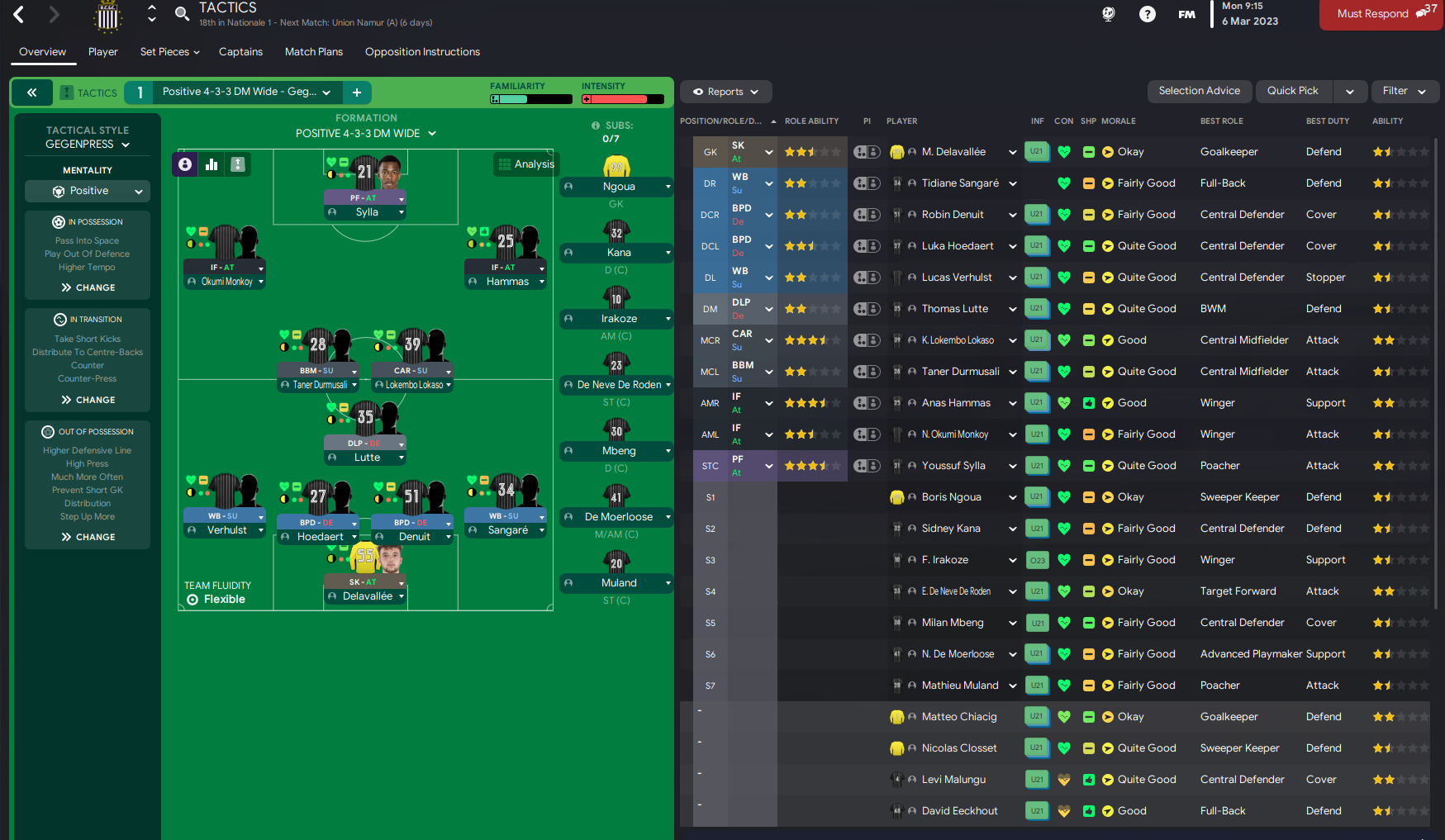
Formation & Style
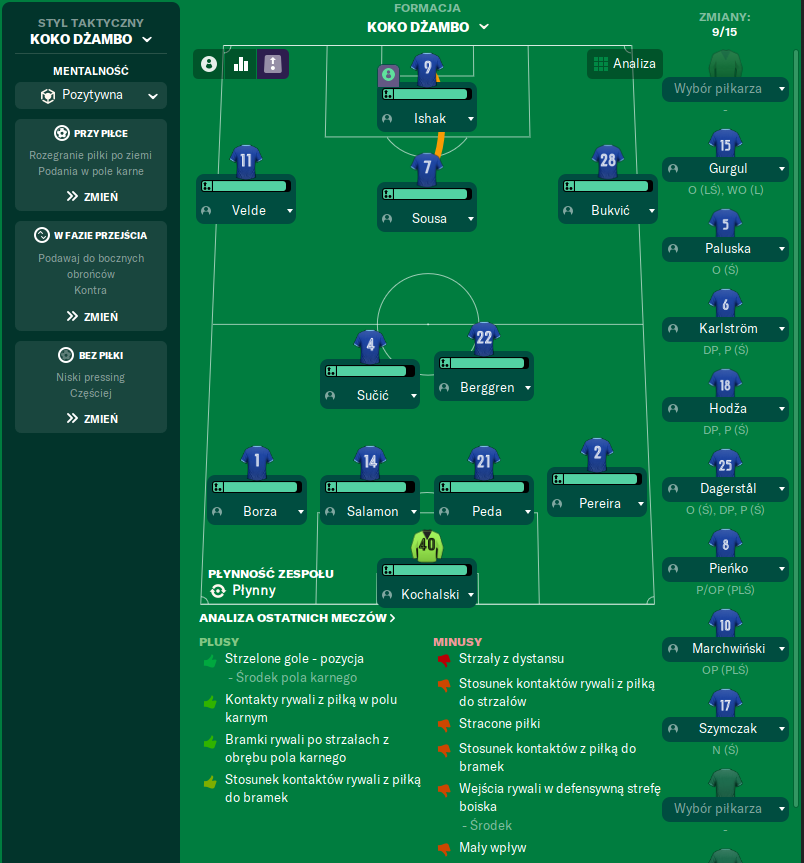
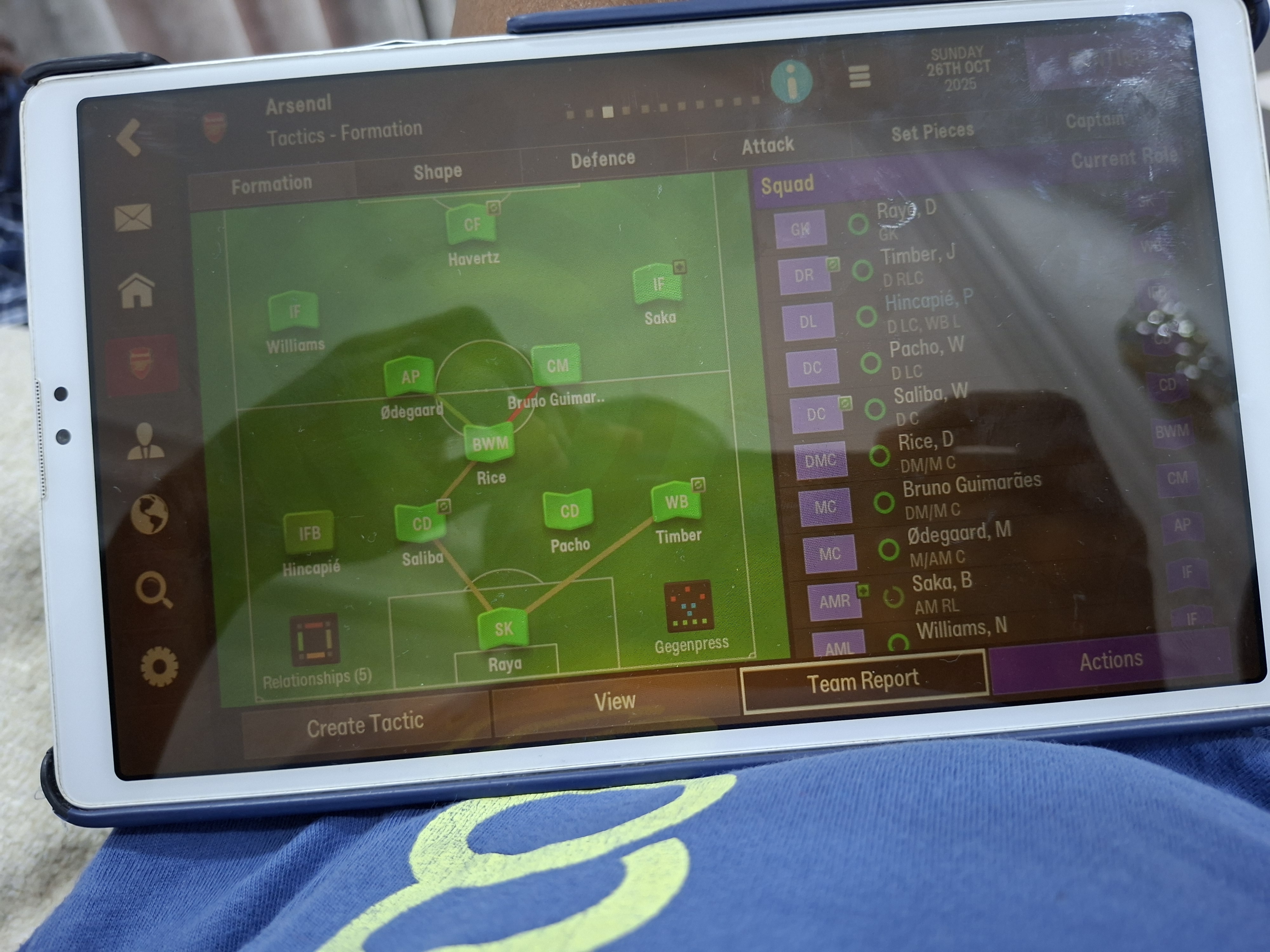
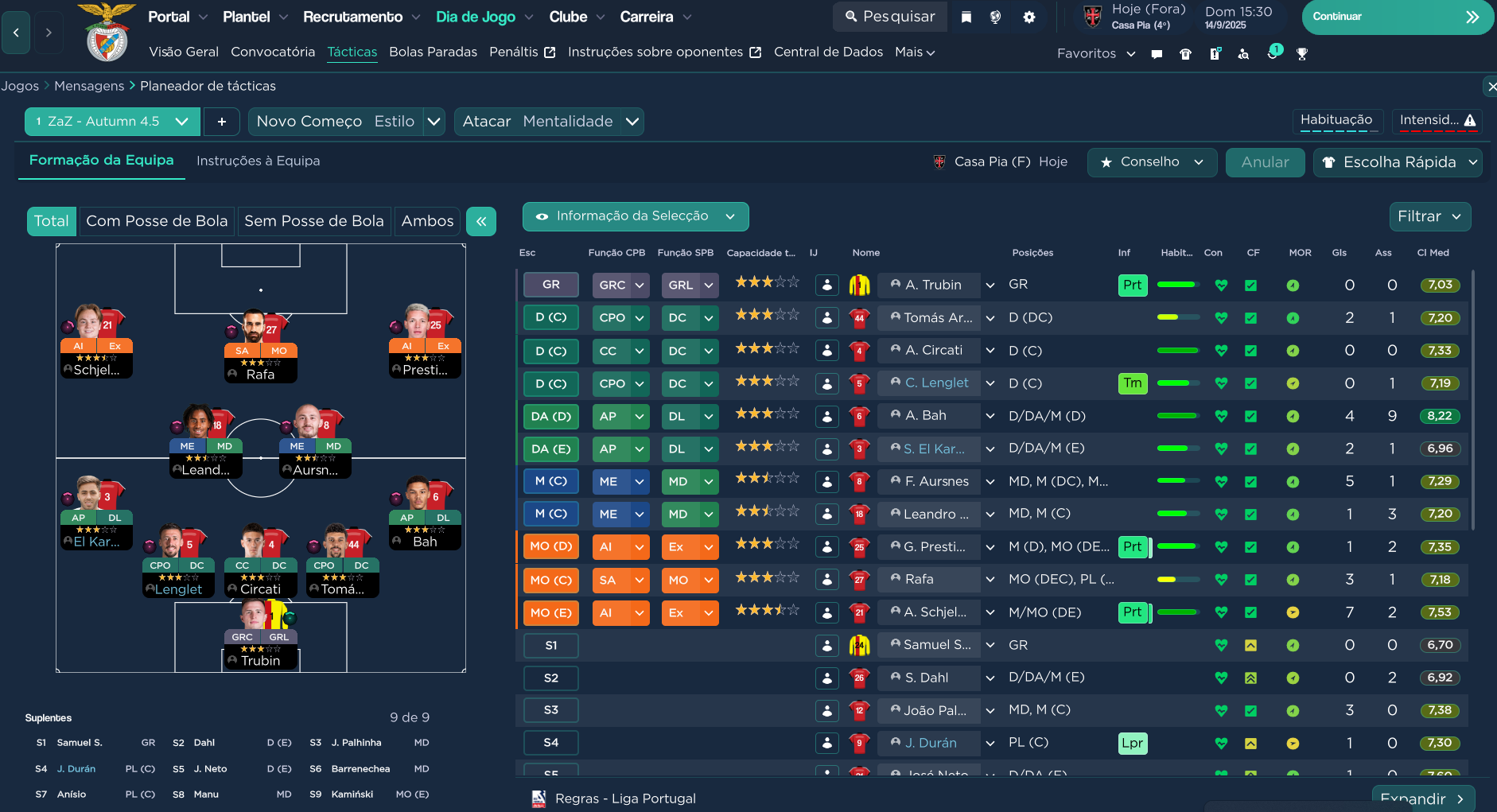
Tactical Style:Gegenpress
Mentality:Positive
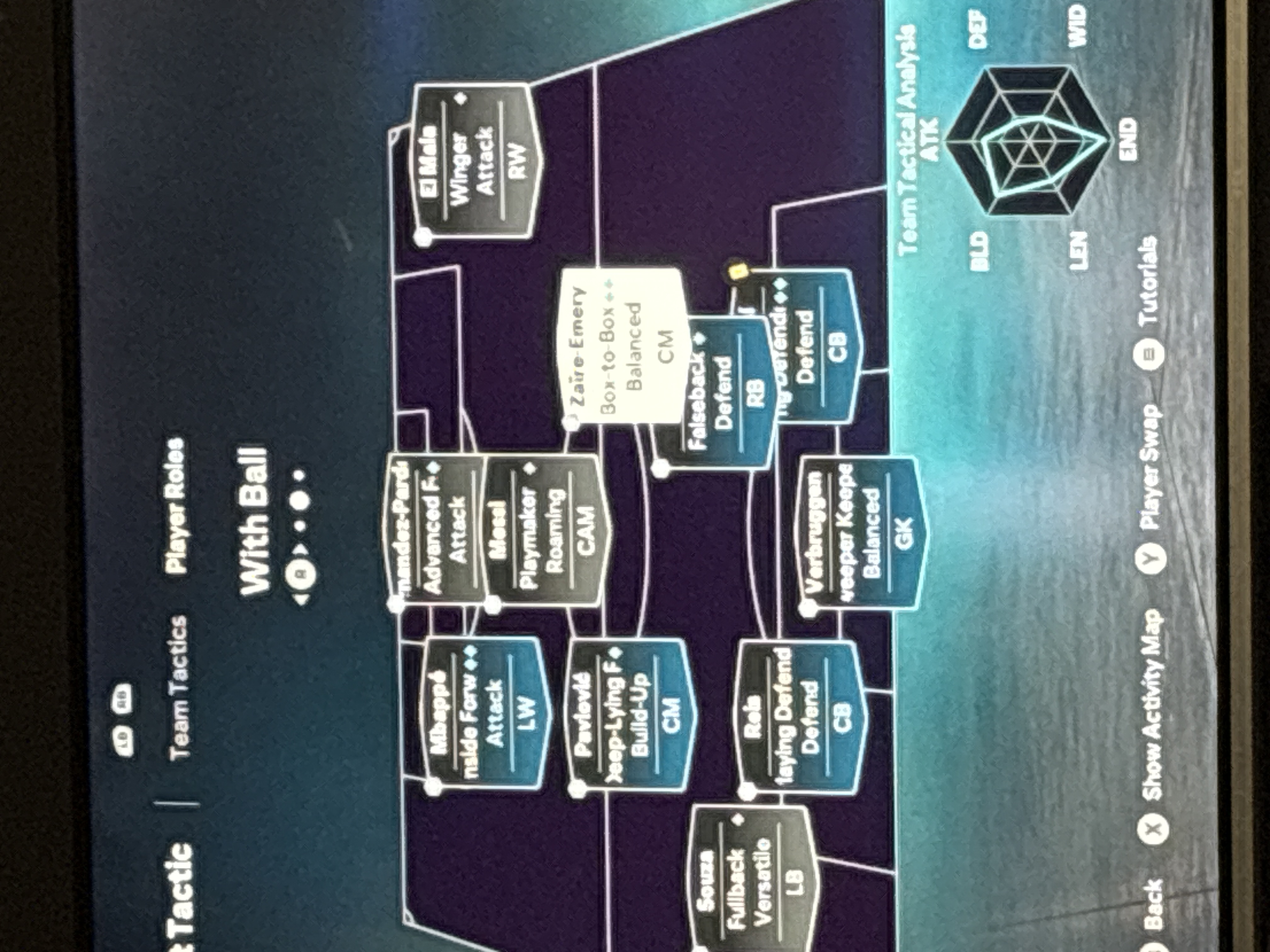
Formation:4-2-3-1 Wide
Team Fluidity:Flexible
In Possession
Slightly More Direct Passing
Play Out Of Defence
Slightly Higher Tempo
Fairly Narrow
In Transition
Take Short Kicks
Distribute To Centre-Backs
Counter
Counter-Press
Out of Possession
High Press
Much More Often
Prevent Short GK Distribution
Step Up More
Team Shape Without Ball
No team shape without ball data available
Team Shape With Ball
No team shape with ball data available
Key Strengths
High Press Effectiveness
The high pressing tactic allows for winning the ball back quickly, disrupting the opponent's rhythm.
Adaptive Playstyle
Flexibility in tactical approach enables the team to adjust to different opponent styles effectively.
Wide Attacking Threat
The use of wingers creates space and width, stretching the opposition defense and opening up central areas.
Counter-Pressing Ability
Counter-pressing after losing possession helps regain control swiftly, maintaining attacking momentum.
Conflicting Directions
Integration of Defensive Roles
The combination of a Box-to-Box Midfielder with a Deep-Lying Playmaker may lead to a lack of defensive balance.
Pressing and Possession Balance
Pushing for a high press may sometimes compromise positional structure, leading to gaps in defense.
Winger and Inside Forward Roles
A Winger and an Inside Forward on the same flank can conflict in space utilization, affecting wingers’ effectiveness.
Counter-Attack Vulnerability
High pressing could leave the team exposed on the counter, especially if full-backs are caught out of position.
Tactical Suggestions
Consider Changing Midfield Roles
Adjust one midfielder to a more defensive role to strengthen the central area and provide better coverage.
Optimize Wing Play
Evaluate the synergy between the Winger and Inside Forward roles to maximize width and reduce crowding.
Enhanced Defensive Structure
Incorporate a more structured approach for the defense to improve resilience against counters.
Emphasize Possession Retention
Encourage more controlled buildup play to retain possession, ensuring the team is well-positioned defensively.
Ask Questions About Your Lineup
Related Tactics
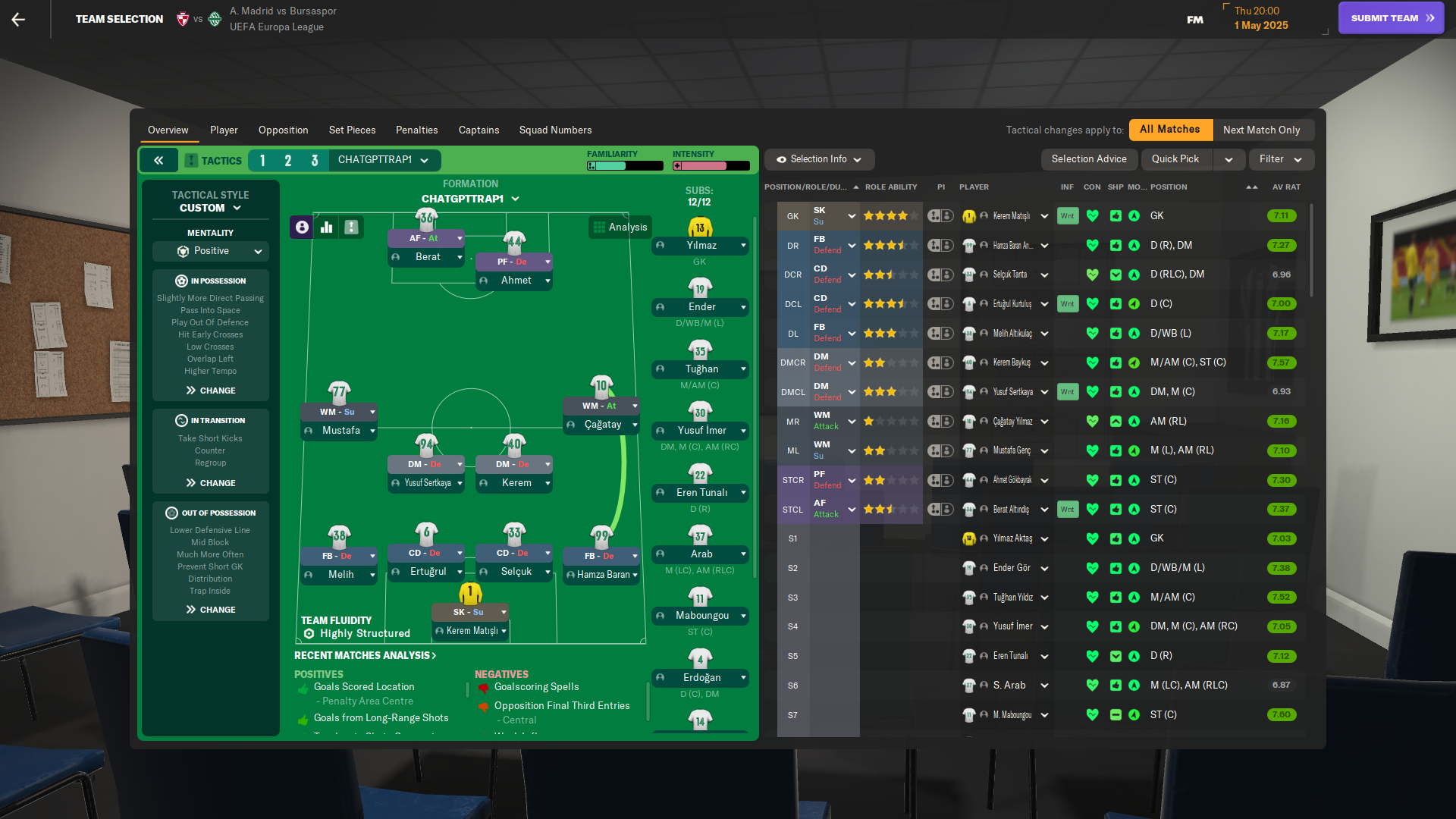
More Gegenpress tactics
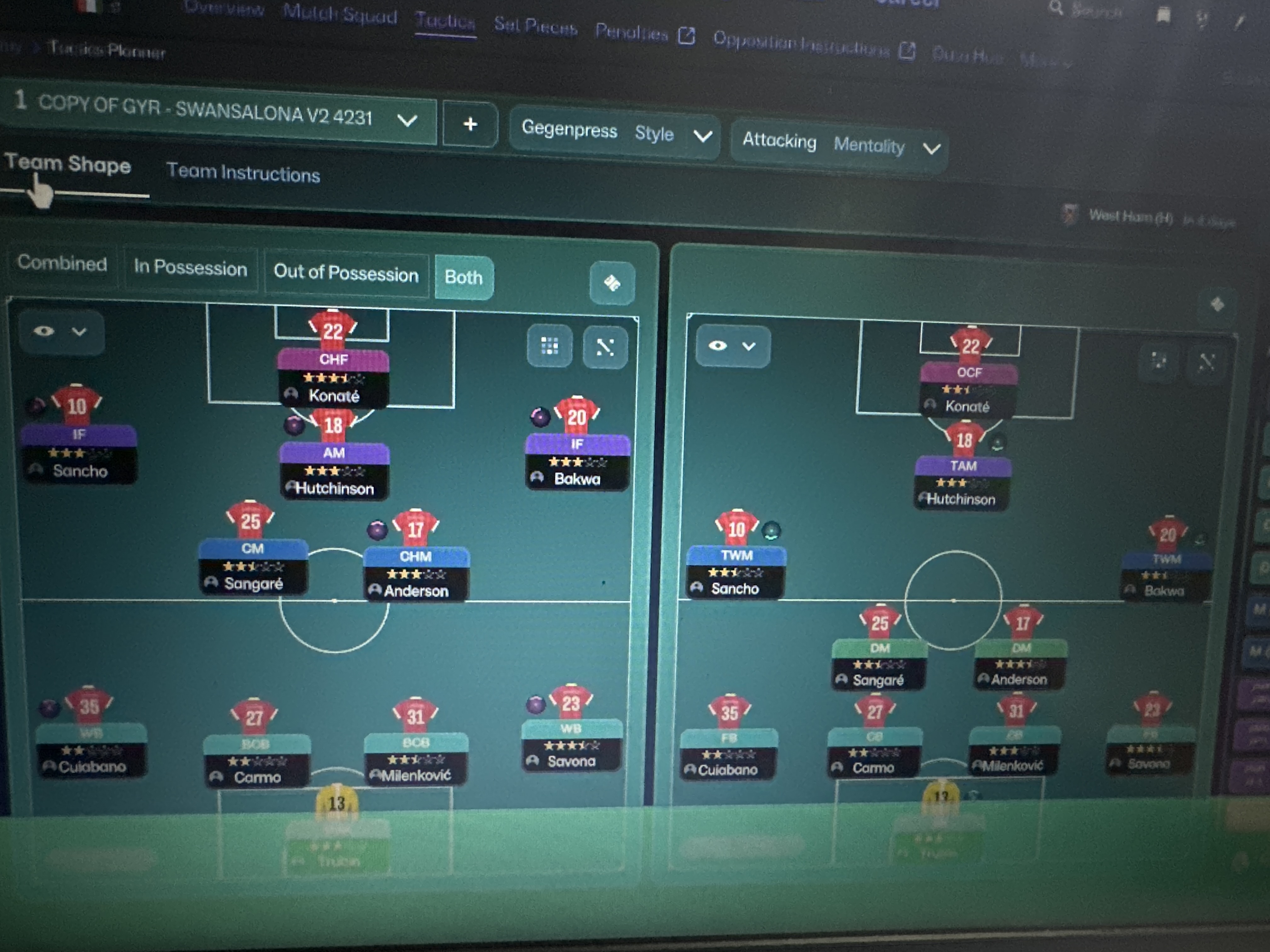
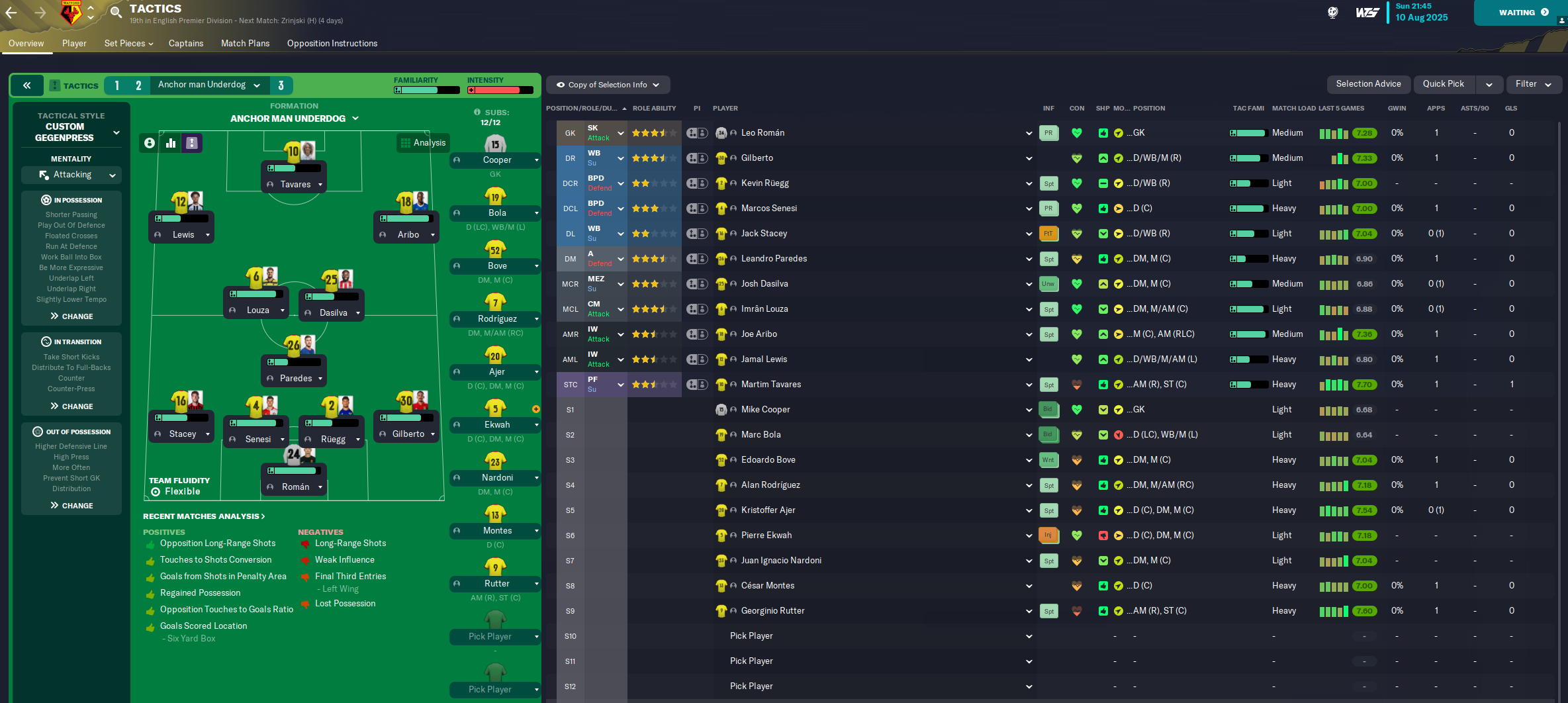
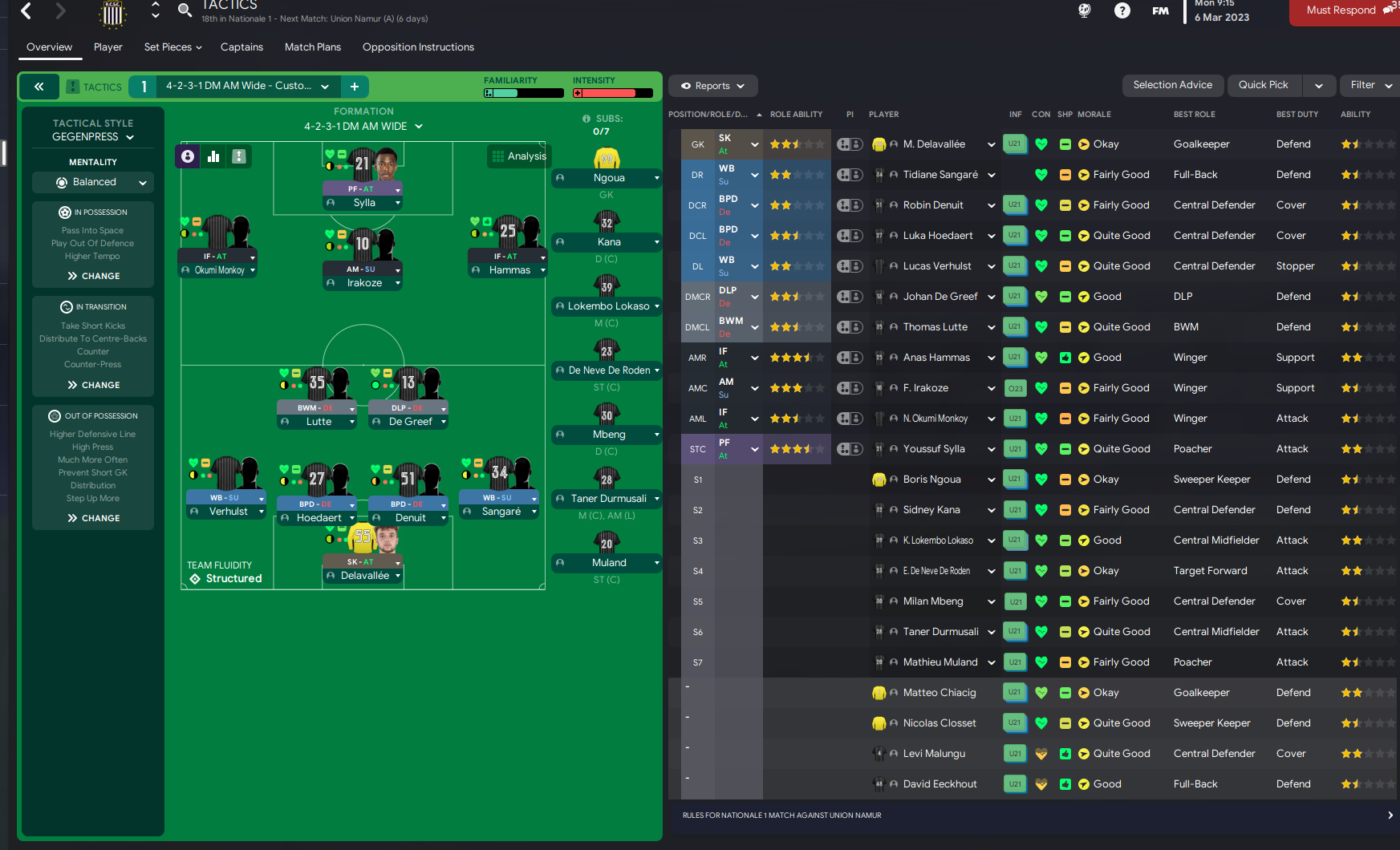
Guides for this formation
The tactical theory behind the 4-2-3-1 Wide: roles, instructions, and the trade-offs that decide whether the system holds up.
Player pairings
Midfield Pairs in 4-2-3-1 and 4-4-2
Double pivots and flat pairs in 4-2-3-1 and 4-4-2: when each pairing works, when it collapses, and the AMC unicorn that rescues both.
Read guide
Playing styles
Gegenpressing: A Full Guide
Klopp-style gegenpressing in FM, including squad profile, line-and-press pairing, sustainable workload, and the antipatterns to avoid.
Read guide