Uploaded Tactic
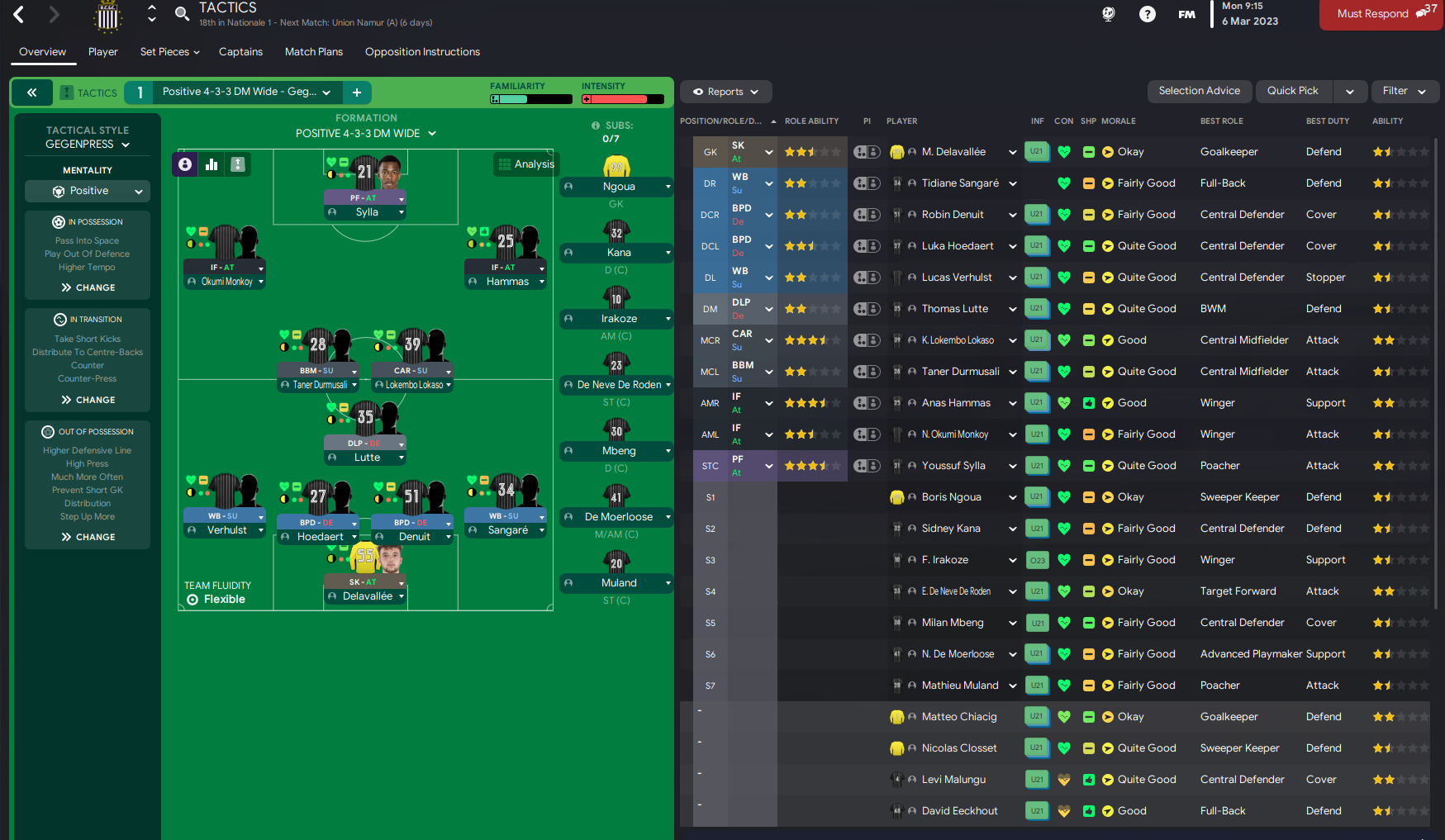
Formation & Style
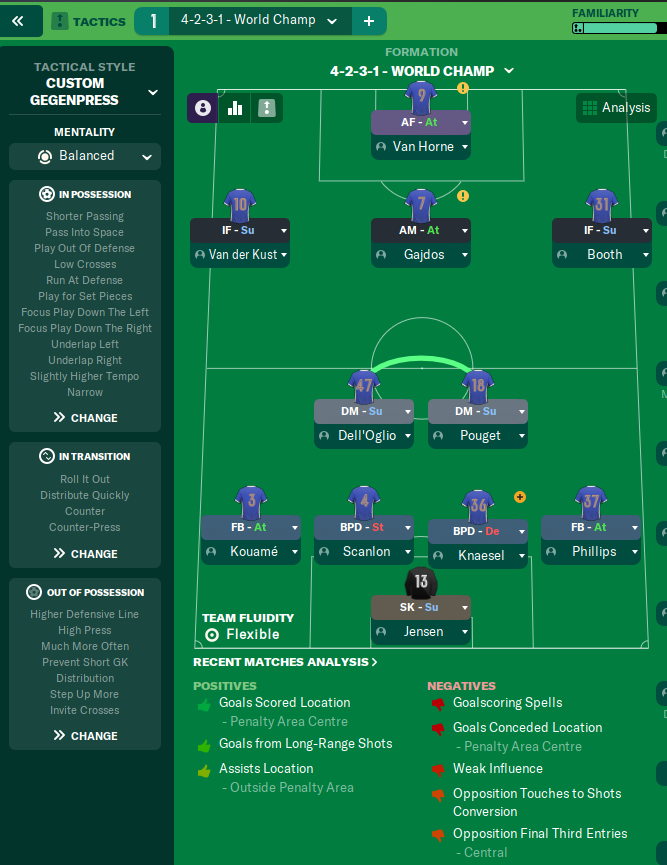
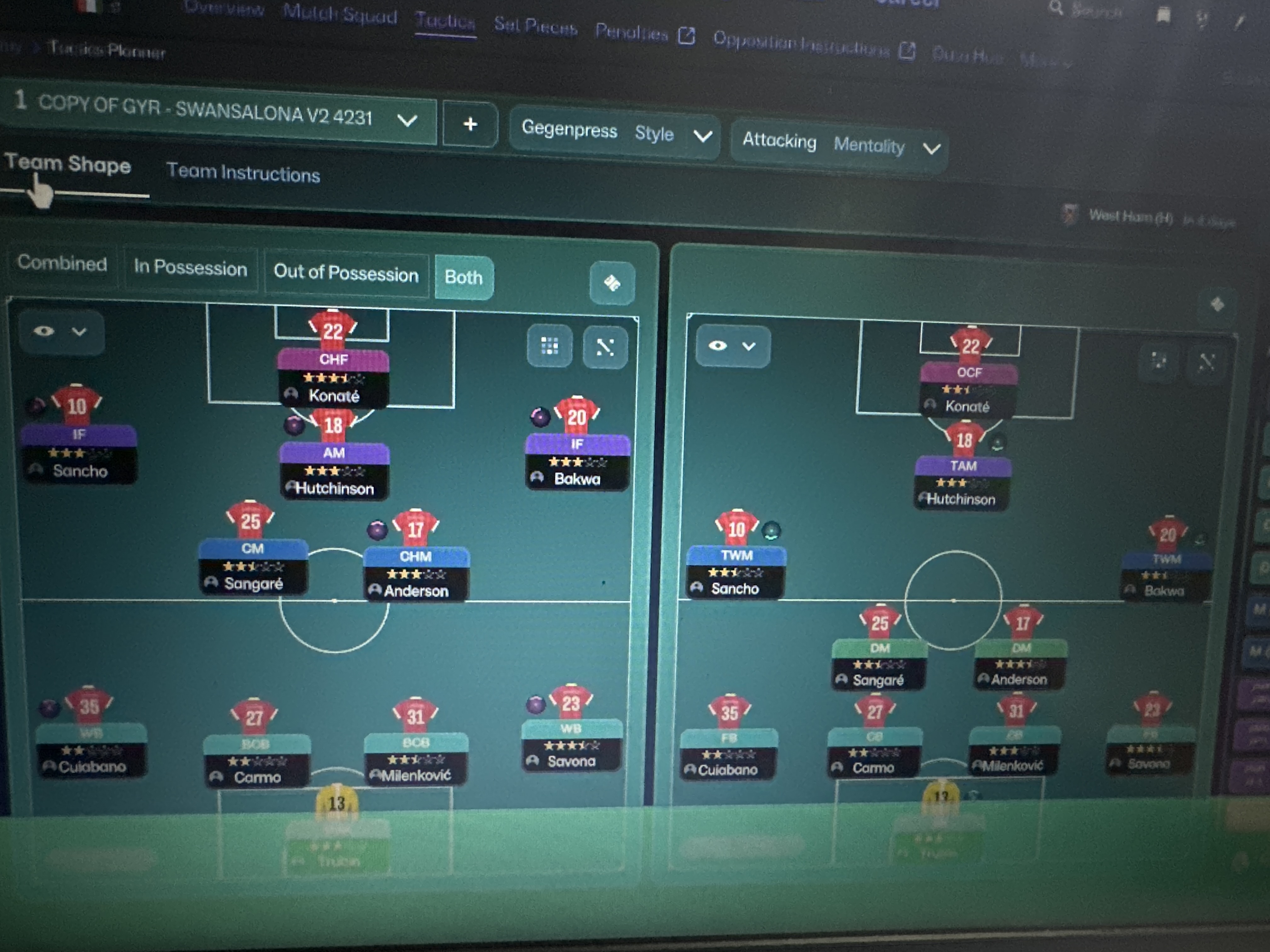
Tactical Style:Gegenpress
Mentality:Balanced
Formation:4-2-3-1 Wide
Team Fluidity:Flexible
In Possession
Shorter Passing
Pass Into Space
Run At Defense
Play for Set Pieces
Focus Play Down the Right
Slightly Higher Tempo
Narrow
In Transition
Roll It Out
Distribute Quickly
Counter-Press
Out of Possession
Higher Defensive Line
Much More Often
Prevent Short GK Distribution
Step Up More
Intelligent Crosses
Team Shape Without Ball
No team shape without ball data available
Team Shape With Ball
No team shape with ball data available
Key Strengths
High Pressing
The gegenpressing style effectively wins back possession quickly, disrupting the opposition's build-up play.
Creative Attack
Utilizes inside forwards and an attacking midfielder to create chances in the final third.
Fluid Transition Play
Quick distribution from the goalkeeper helps initiate fast counter-attacks, enhancing offensive options.
Wide Attacking Options
Full-backs and inside forwards provide width, stretching the opposition and creating space in the central areas.
Conflicting Directions
Defensive Line vs. Pressing
A higher defensive line might expose defenders to quick counter-attacks if the pressing is not effective.
Fluidity vs. Defined Roles
A flexible system may lead to confusion in roles, especially with multiple players pushing forward.
Short Passing vs. Counter-Press
While shorter passing is prioritized, swift transitions necessitate more direct balls during counter-pressing situations.
Tempo Management
The slightly higher tempo may clash with the need for controlled and precise short passes.
Tactical Suggestions
Adjust Defensive Duty
Consider lowering the defensive line or adjusting player roles to adapt to the gegenpressing system.
Strengthen Central Midfield
Introduce a specific role like a box-to-box midfielder to bolster central presence in both attack and defense.
Width Variation
Experiment with the width setting to better utilize inside forwards and full-backs harmoniously.
Implement Target Man
Consider adding a target man to provide an aerial threat during direct play, especially during counter-attacks.
Ask Questions About Your Lineup
Related Tactics
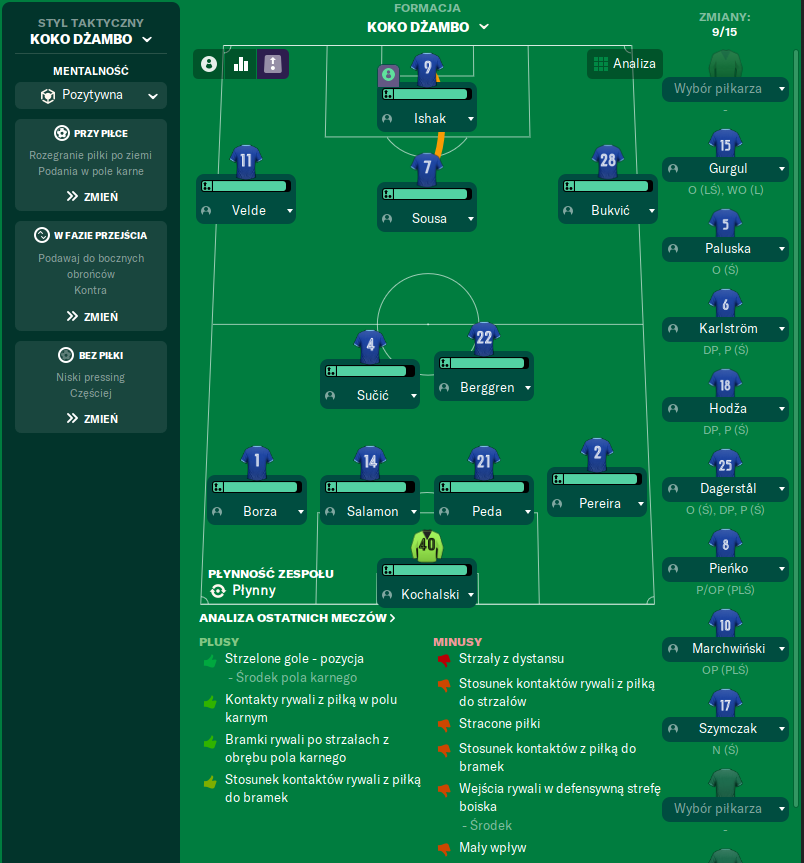
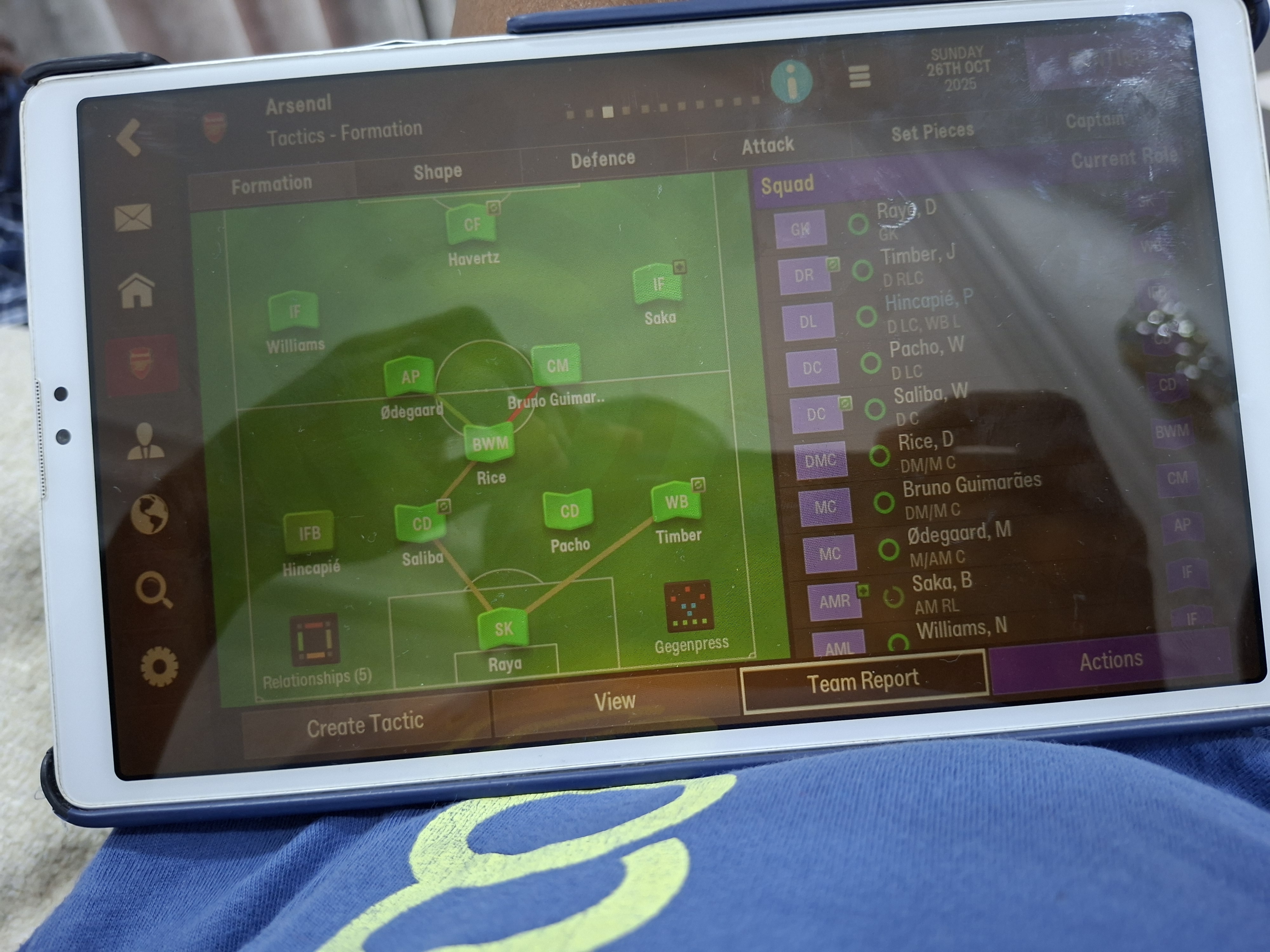
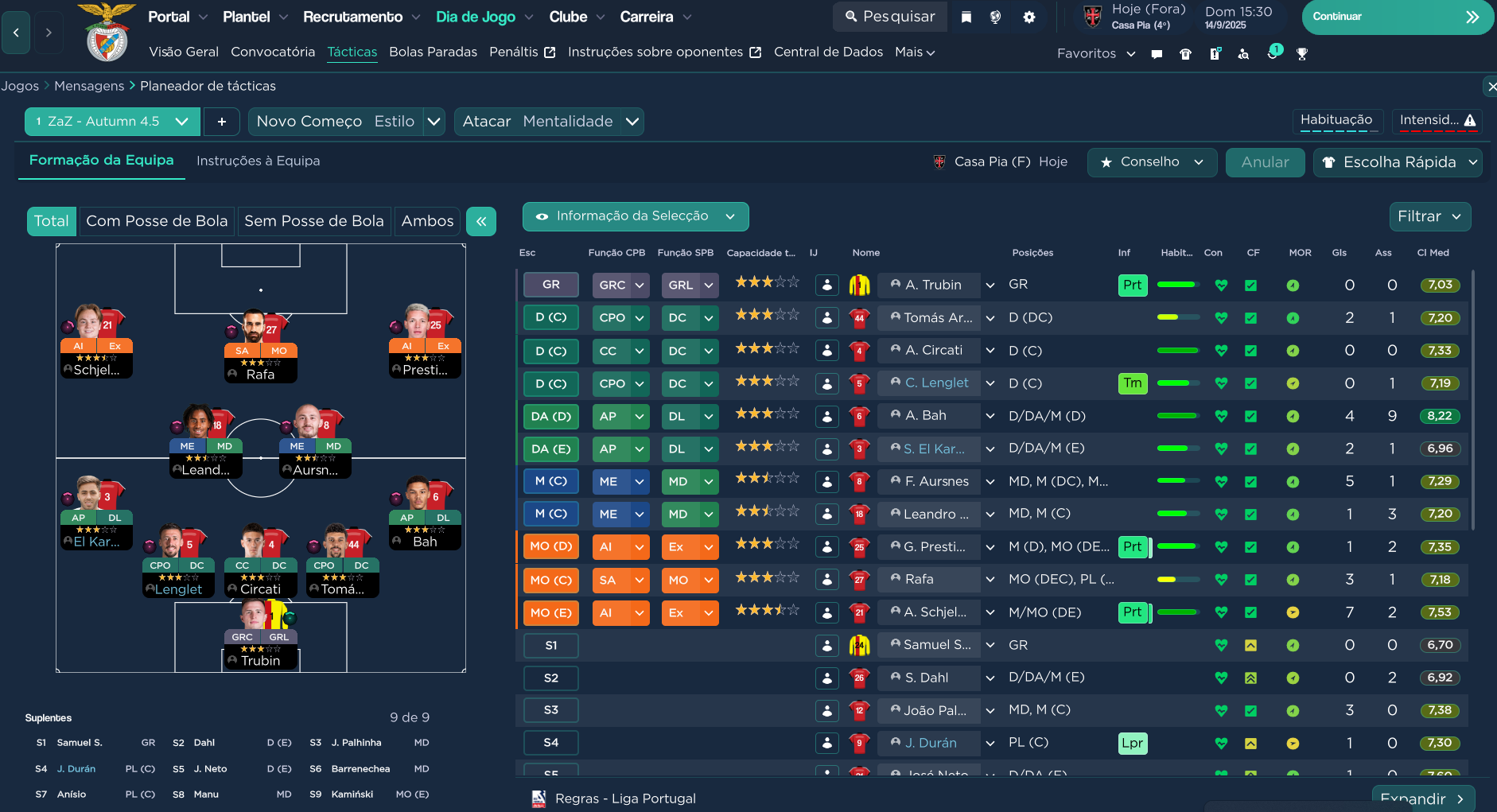
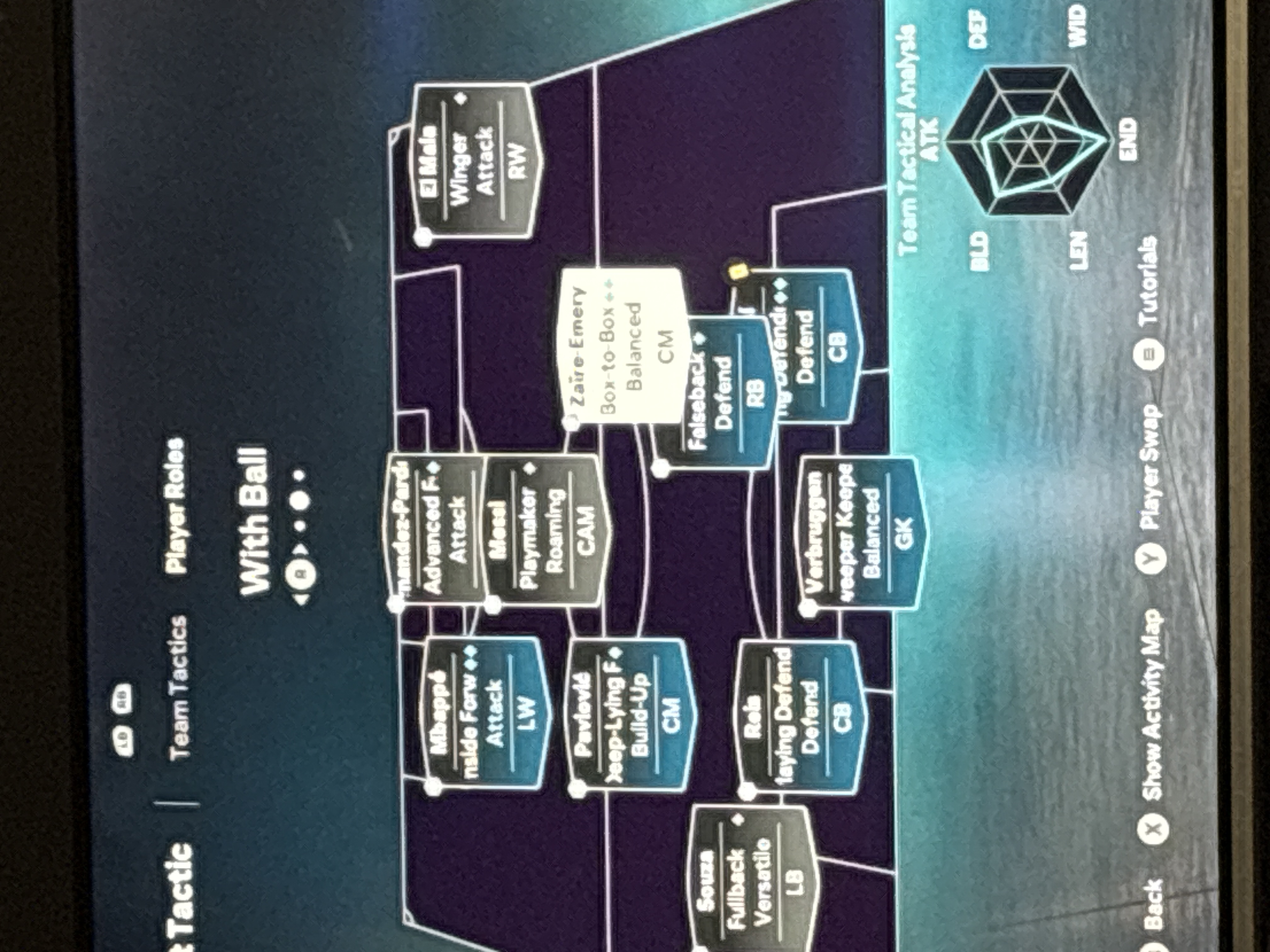
More Gegenpress tactics
Guides for this formation
The tactical theory behind the 4-2-3-1 Wide: roles, instructions, and the trade-offs that decide whether the system holds up.
Player pairings
Midfield Pairs in 4-2-3-1 and 4-4-2
Double pivots and flat pairs in 4-2-3-1 and 4-4-2: when each pairing works, when it collapses, and the AMC unicorn that rescues both.
Read guide
Playing styles
Gegenpressing: A Full Guide
Klopp-style gegenpressing in FM, including squad profile, line-and-press pairing, sustainable workload, and the antipatterns to avoid.
Read guide