Formation & Style
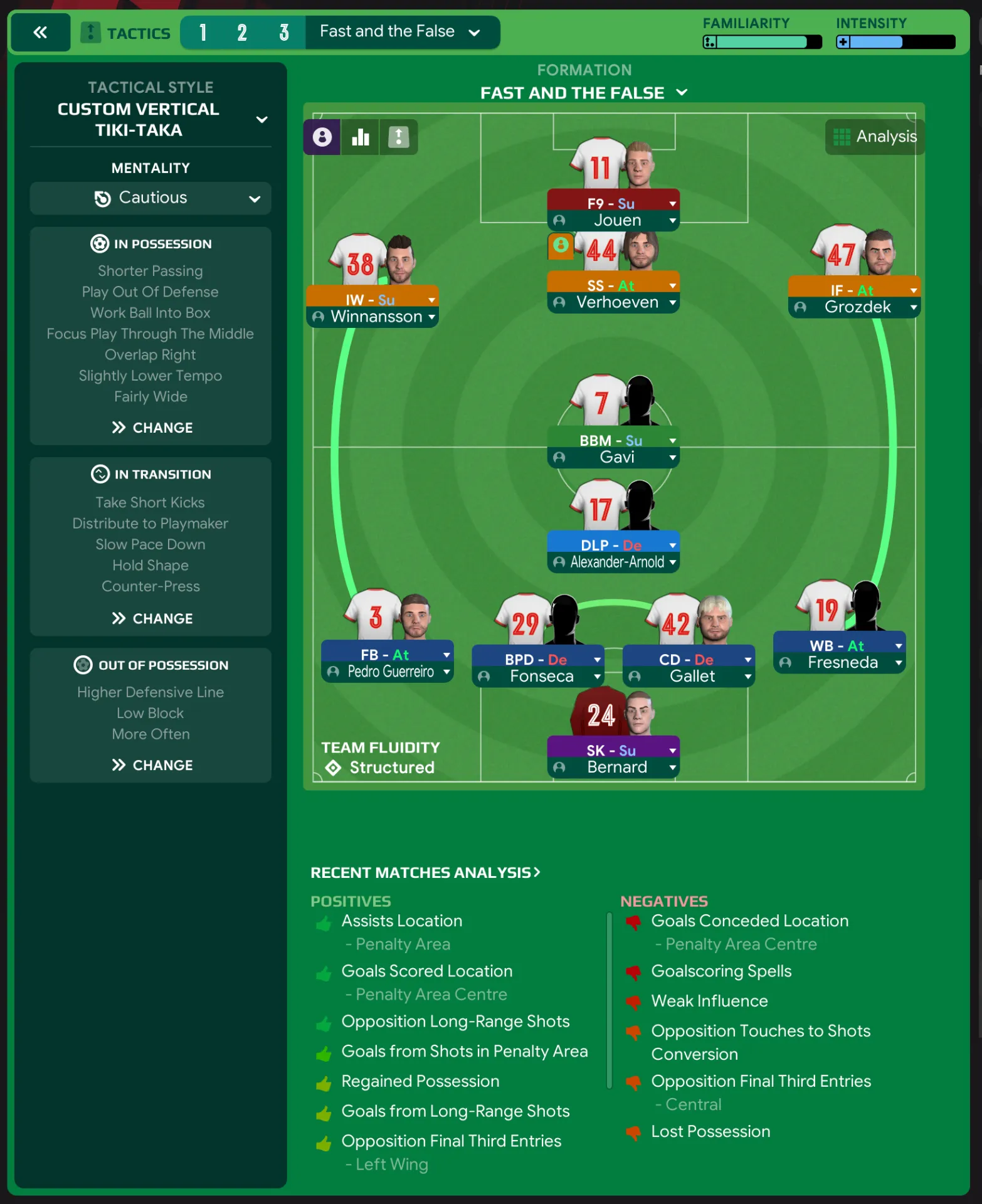
Tactical Style:Custom Vertical Tiki-Taka
Mentality:Cautious
Formation:4-2-3-1 Wide
Team Fluidity:Structured
In Possession
Shorter Passing
Play Out Of Defense
Work Ball Into Box
Focus Play Through The Middle
Overlap Right
Slightly Lower Tempo
Fairly Wide
In Transition
Take Short Kicks
Distribute to Playmaker
Slow Pace Down
Hold Shape
Counter-Press
Out of Possession
Higher Defensive Line
Low Block
More Often
Team Shape Without Ball
No team shape without ball data available
Team Shape With Ball
No team shape with ball data available
Key Strengths
Central Penetration
Focus play through the middle enhances penetration in the central areas, supported by a False Nine and a Shadow Striker.
Defensive Structure
Higher defensive line and a low block can provide effective resistance against long balls and deep runners.
Conflicting Directions
Overlap Right vs. Inside Forward
Using overlap instructions on the right while playing an Inside Forward could lead to congestion and reduced space for the forward.
Counter-Press with Cautious Mentality
Counter-Press is naturally aggressive and may conflict with the cautious overall mentality, leading to tactical mismatches.
Tactical Suggestions
Enhance Wide Option Utilization
Consider adding more overlap or underlap instructions on the left to increase wide play geometries and stretch defenses.
Adapt Defensive Line
Altering the defensive line height based on opposition strength might better balance defensive solidity and space management.
Ask Questions About Your Lineup
Related Tactics
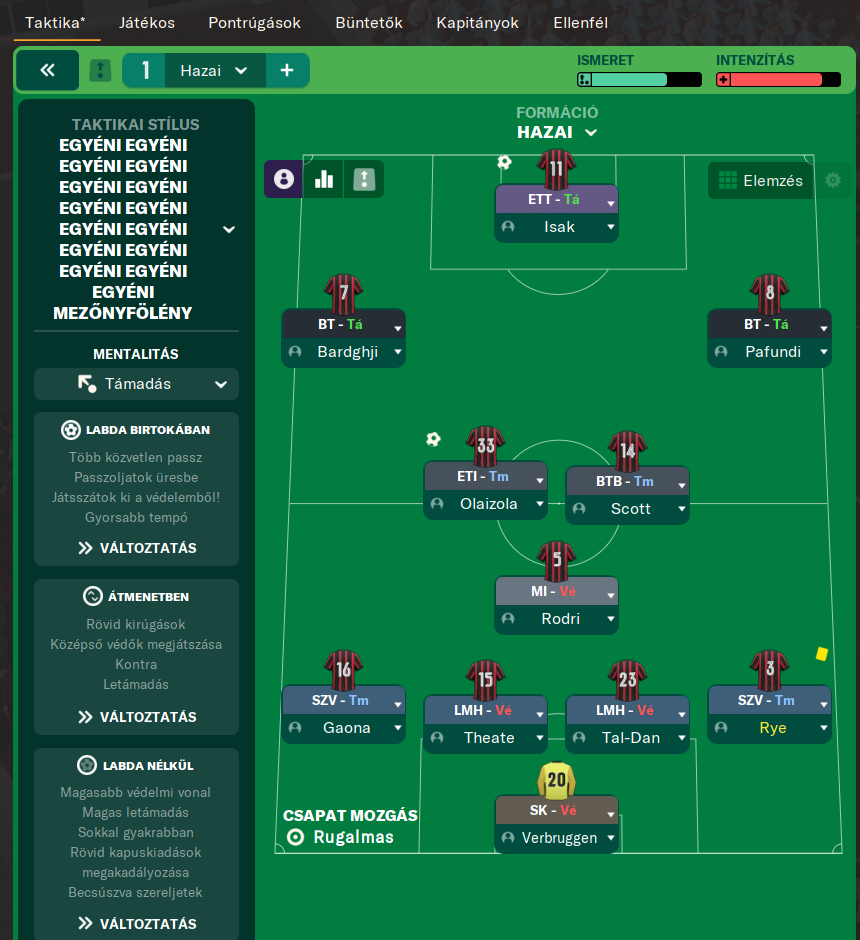
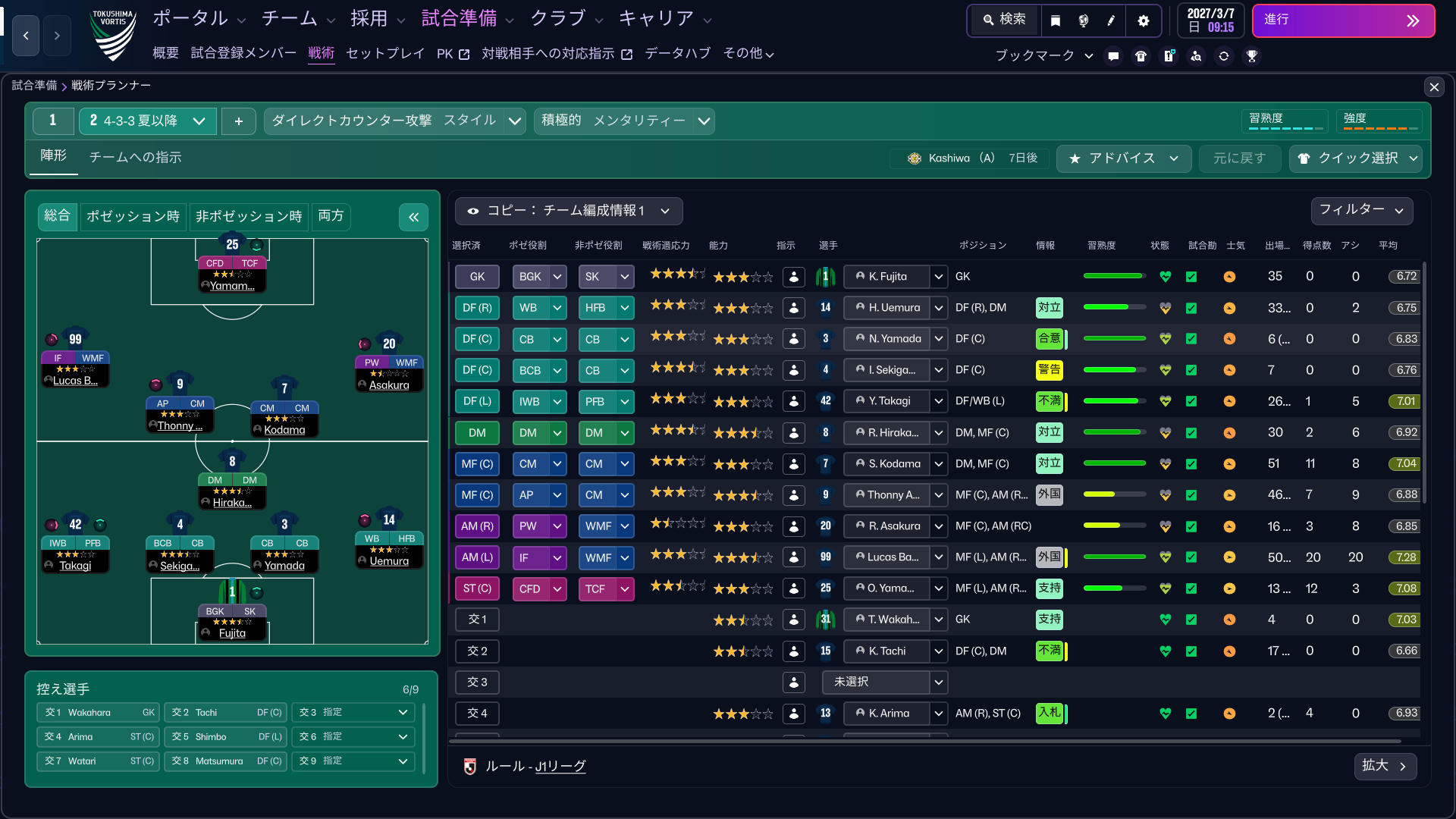
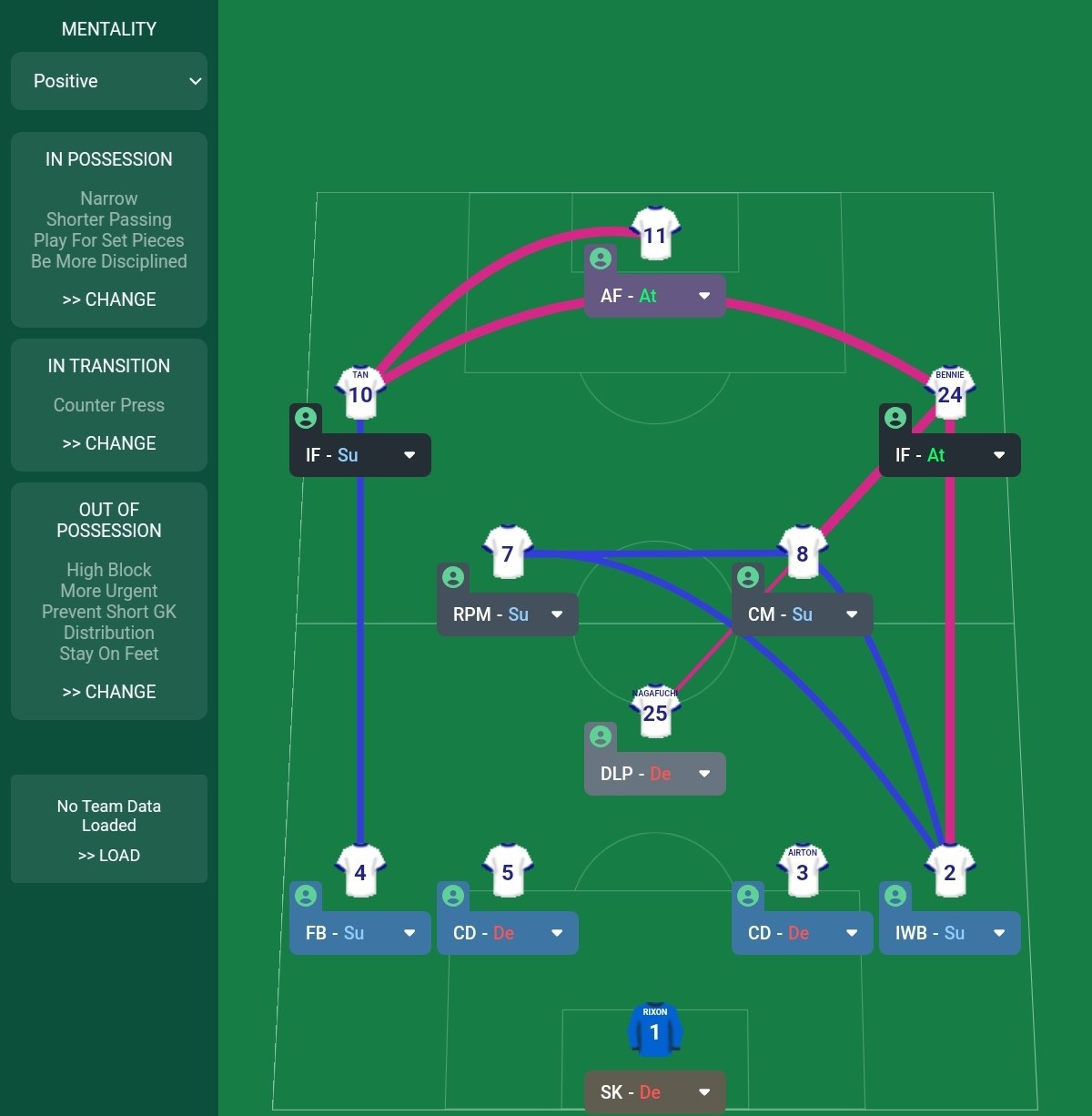
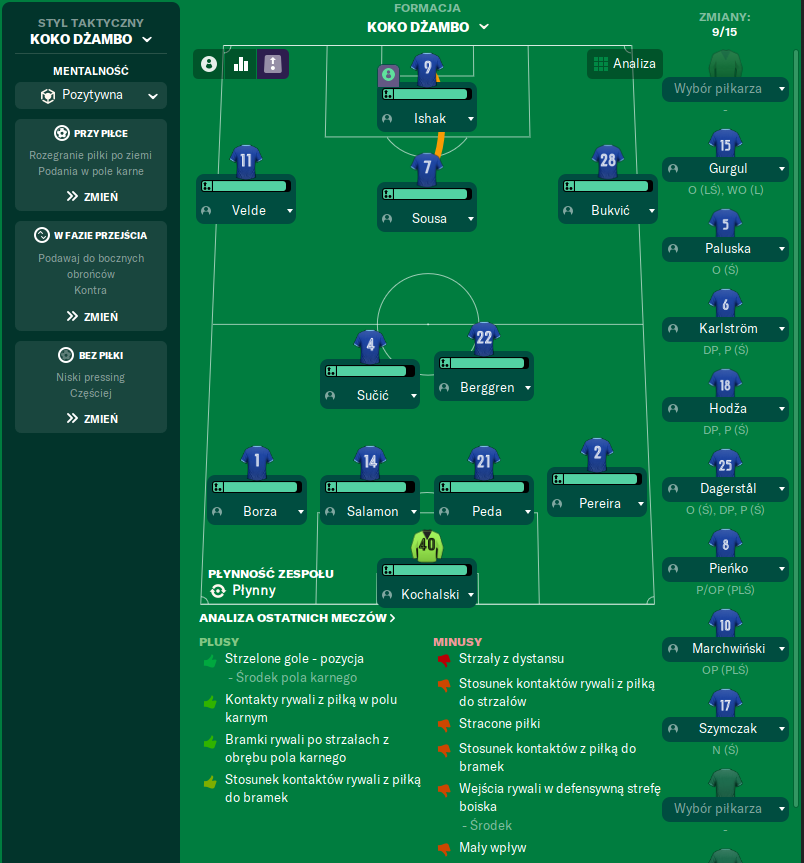
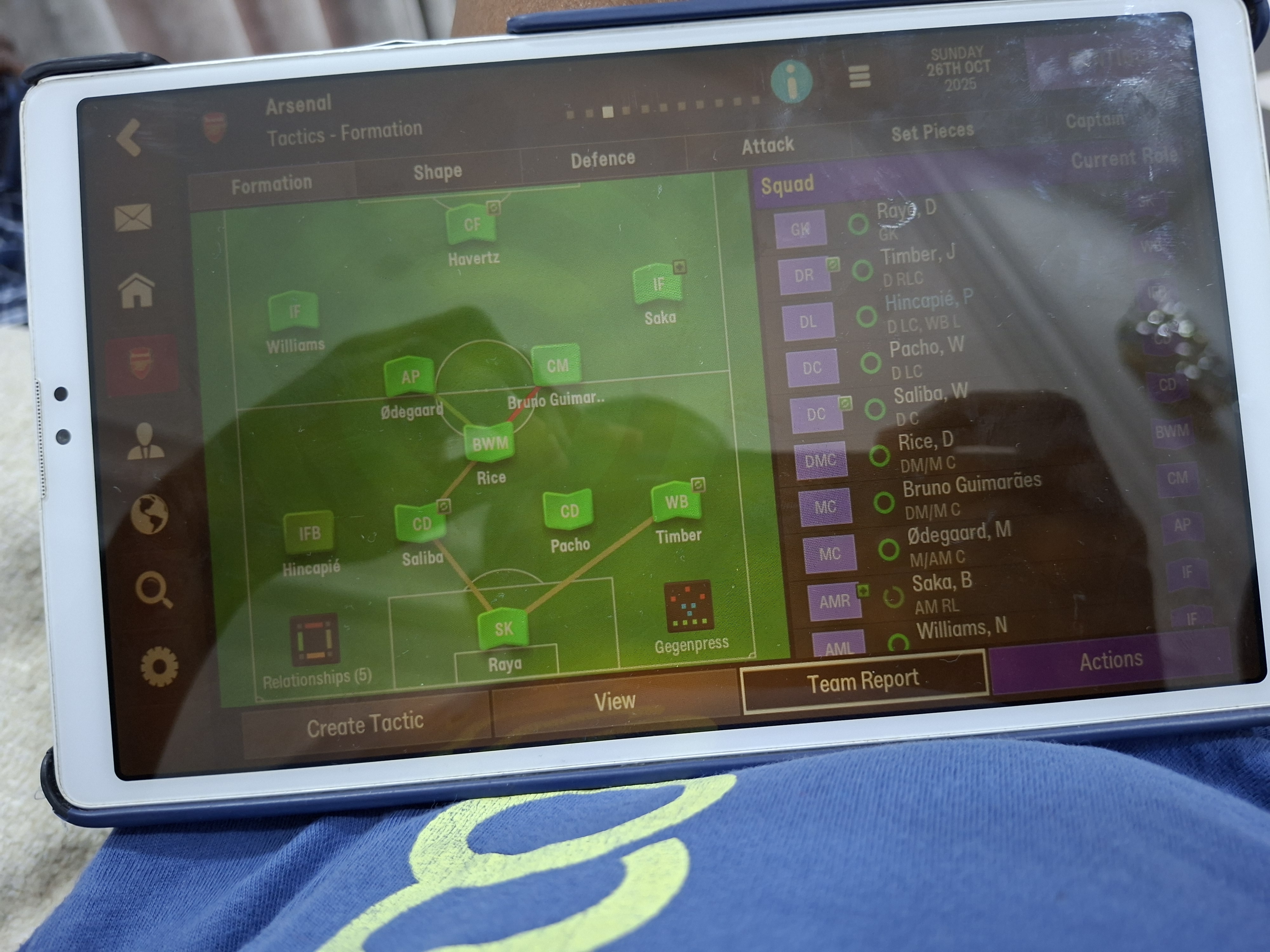
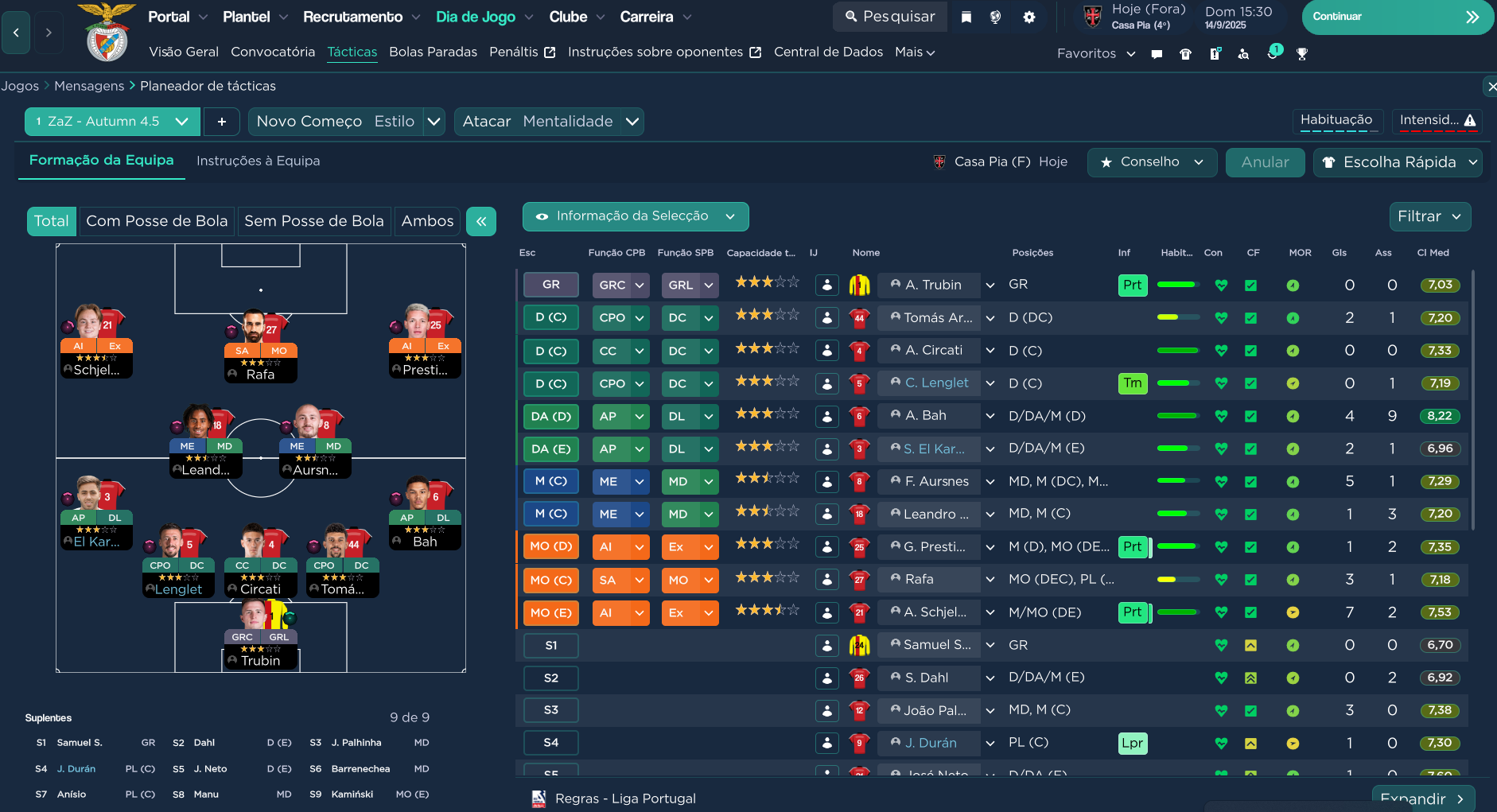
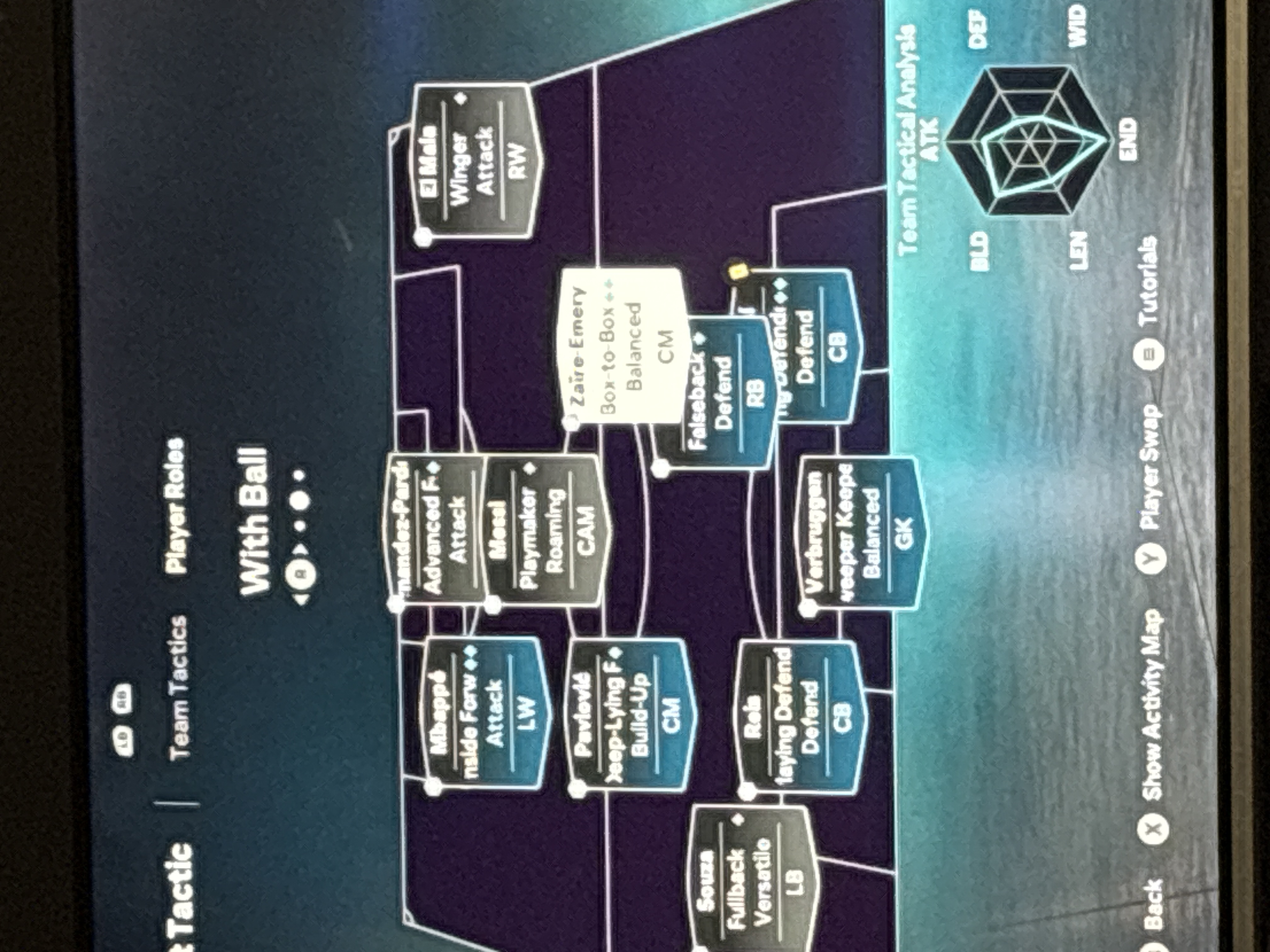
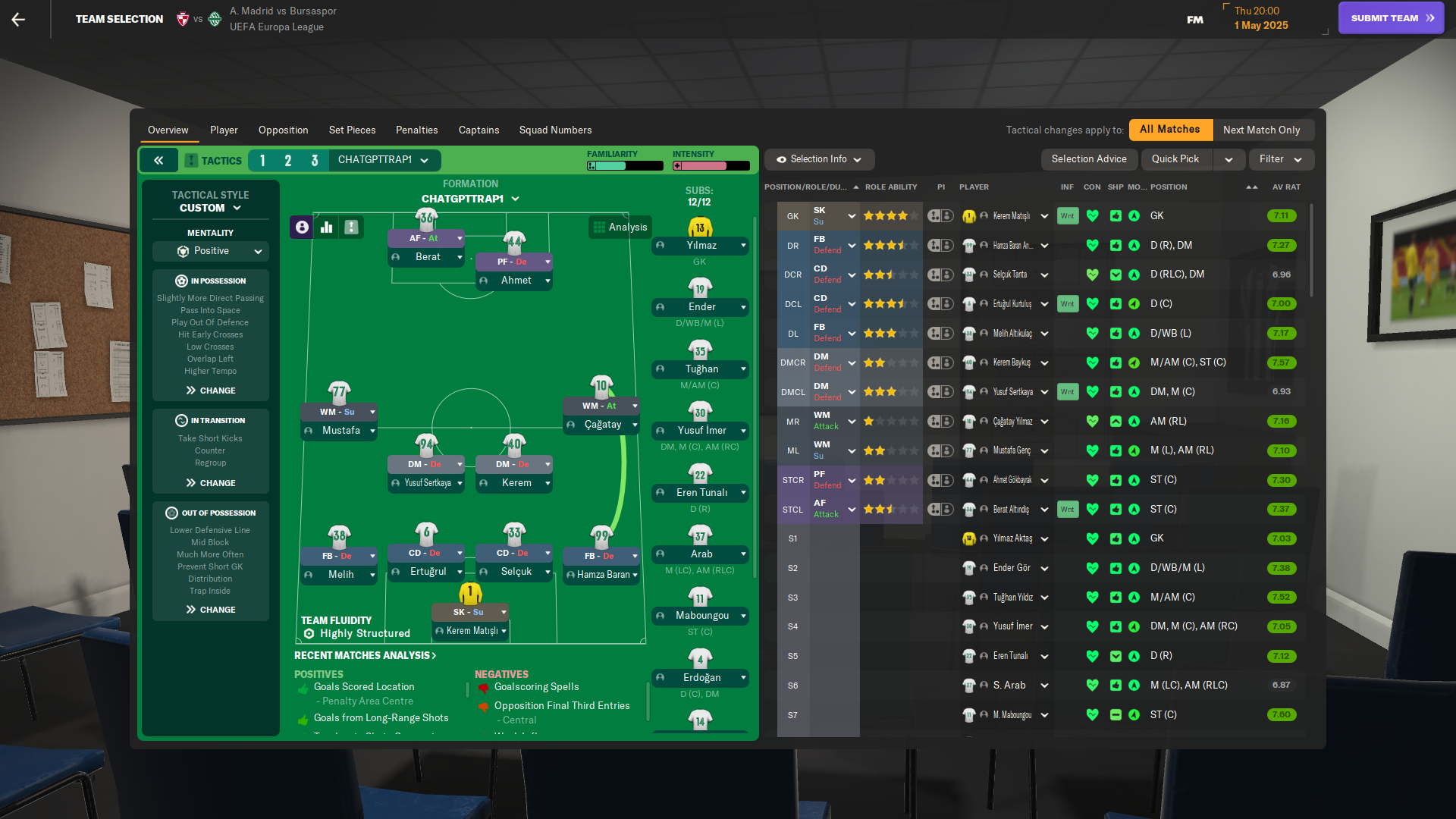
More Custom Vertical Tiki-Taka tactics
Guides for this formation
The tactical theory behind the 4-2-3-1 Wide: roles, instructions, and the trade-offs that decide whether the system holds up.
Player pairings
Midfield Pairs in 4-2-3-1 and 4-4-2
Double pivots and flat pairs in 4-2-3-1 and 4-4-2: when each pairing works, when it collapses, and the AMC unicorn that rescues both.
Read guide
Playing styles
Gegenpressing: A Full Guide
Klopp-style gegenpressing in FM, including squad profile, line-and-press pairing, sustainable workload, and the antipatterns to avoid.
Read guide