Uploaded Tactic
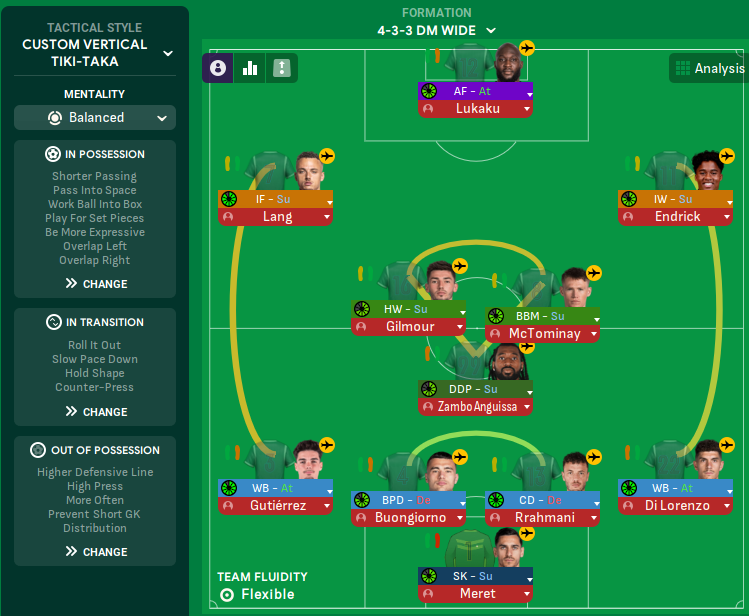
Formation & Style
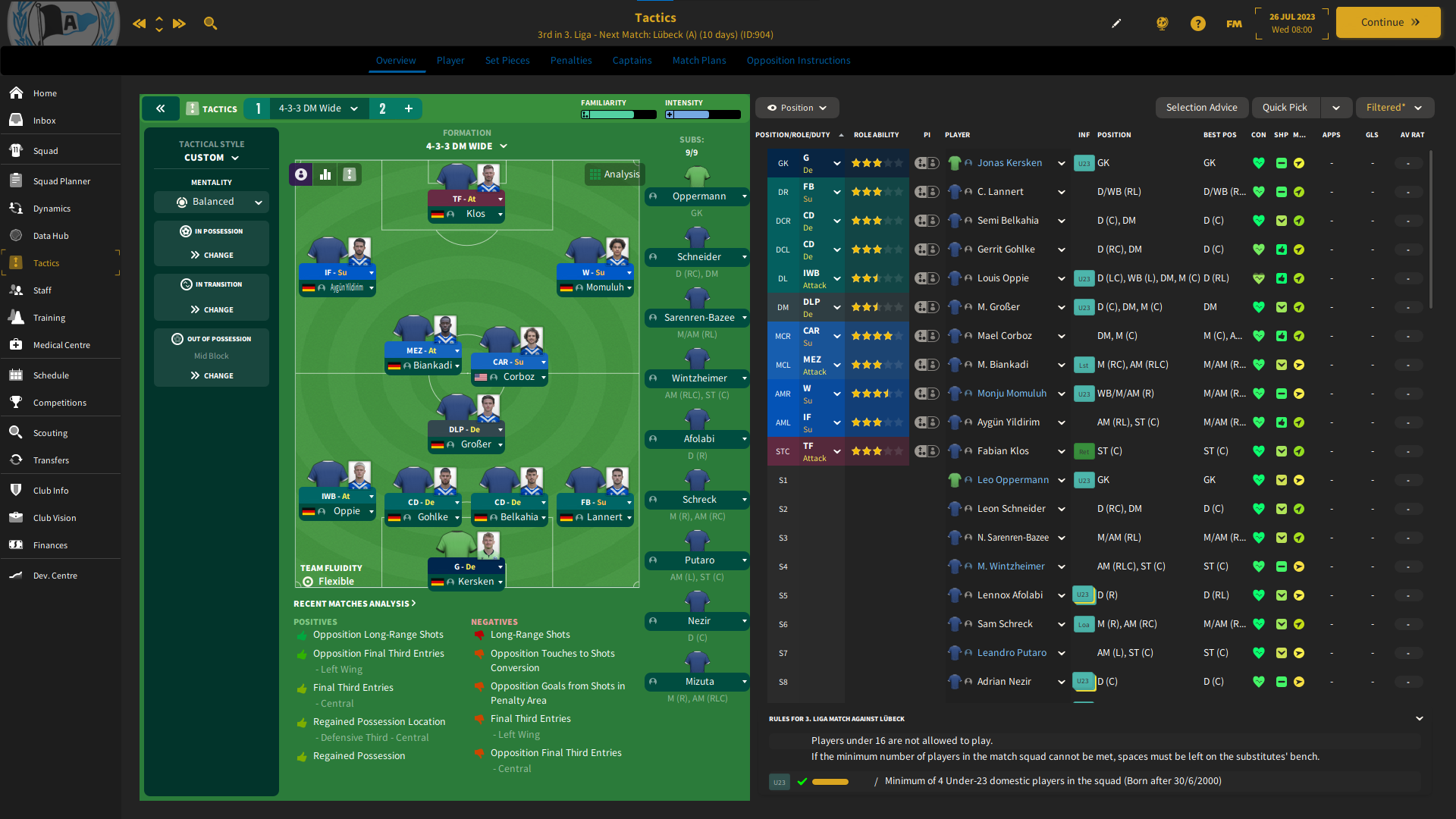
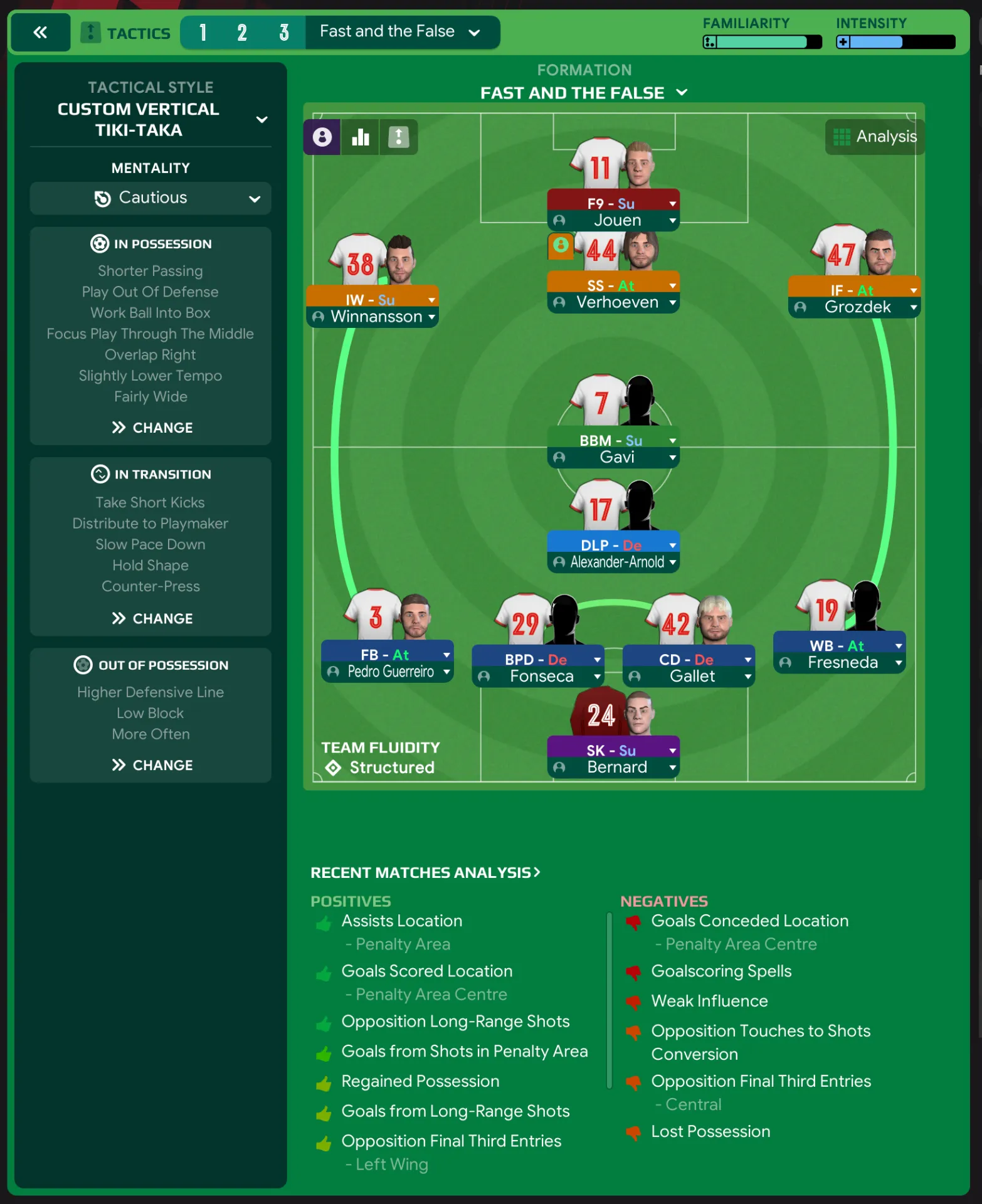
Tactical Style:Custom Vertical Tiki-Taka
Mentality:Balanced
Formation:4-3-3 DM Wide
Team Fluidity:Flexible
In Possession
Shorter Passing
Pass Into Space
Work Ball Into Box
Play For Set Pieces
Be More Expressive
Overlap Left
Overlap Right
In Transition
Roll It Out
Slow Pace Down
Hold Shape
Counter-Press
Out of Possession
Higher Defensive Line
High Press
More Often
Prevent Short GK Distribution
Team Shape Without Ball
Shape:4-1-4-1
Description:Compact defensive block that can quickly transition into attack.
Evidence:Higher Defensive Line with a BPD allowing for progressive passing from the back.
Team Shape With Ball
Shape:4-3-3
Description:Fluid attacking shape with wing play and central penetration.
Evidence:Utilizing shorter passing and overlaps effectively to create openings.
Phase Description
Attacking Play
Utilizes width with wing-backs and inside forwards to create numerical advantages in the final third.
Defensive Transition
Quickly dropping back into shape, looking to counter-press when possession is lost.
Main Focus
Building from the back, using a mix of short possession play and explosive transitions to exploit opponent weaknesses.
Key Strengths
Dynamic Midfield Role Interaction
The combination of a Box-to-Box Midfielder and Deep-Lying Playmaker effectively facilitates transitions and ball distribution.
Width in Attack
Wing-Backs stretching the pitch alongside Inside Forwards can create mismatch situations against the opponent’s backline.
Defensive Stability
The central defensive duo coupled with a Deep-Lying Playmaker ensures protection against counter-attacks while maintaining ball possession.
Conflicting Directions
High-Line Pressing
With a higher defensive line, opponents may exploit spaces left behind, especially against fast attackers.
Over-Reliance on Wing Play
While using width is effective, it may lead to a lack of central options if the wing-backs are caught too high.
Countering Long Balls
Teams with effective long-ball strategies may exploit the defensive line’s high positioning, leading to one-on-one situations.
Tactical Suggestions
Adjust Pressing Strategy
Consider a more tactical pressing approach to prevent being exposed on the counter.
Ensure Midfield Balance
Balancing the midfield roles to include more defensive coverage can help against stronger opposition.
Utilize an Advanced Playmaker
Inserting an Advanced Playmaker could enhance creativity in crucial areas, particularly in tight games.
Ask Questions About Your Lineup
Related Tactics
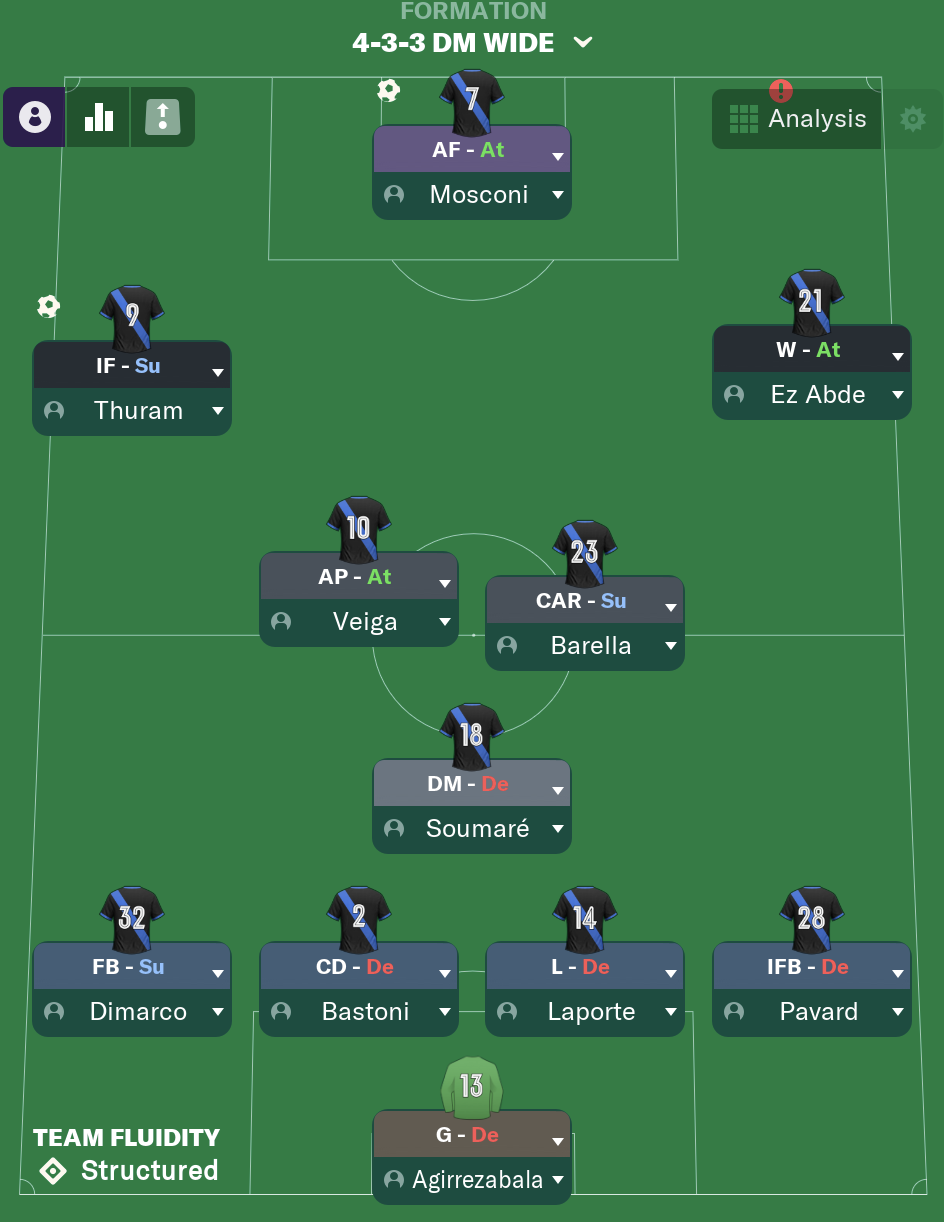
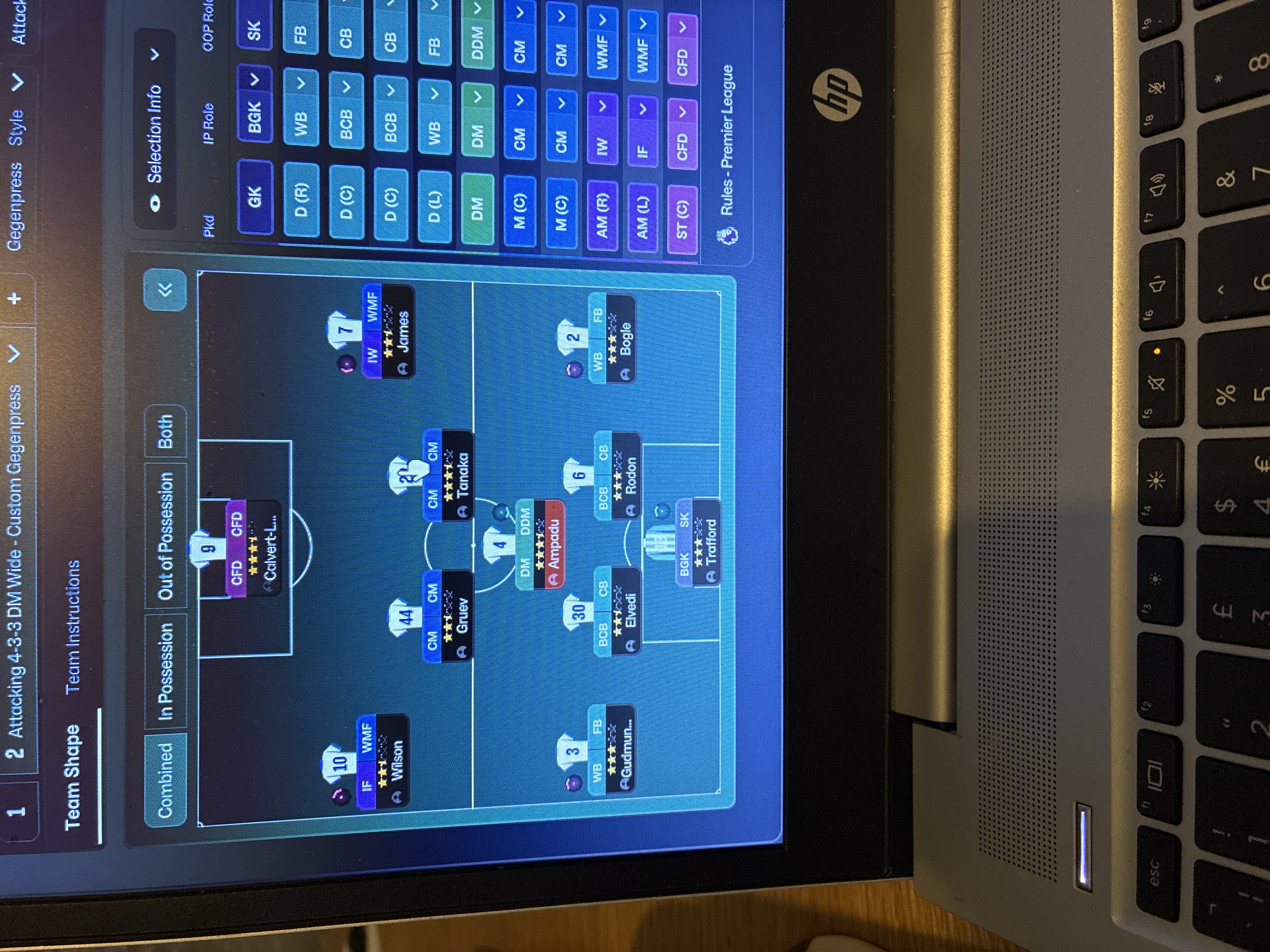
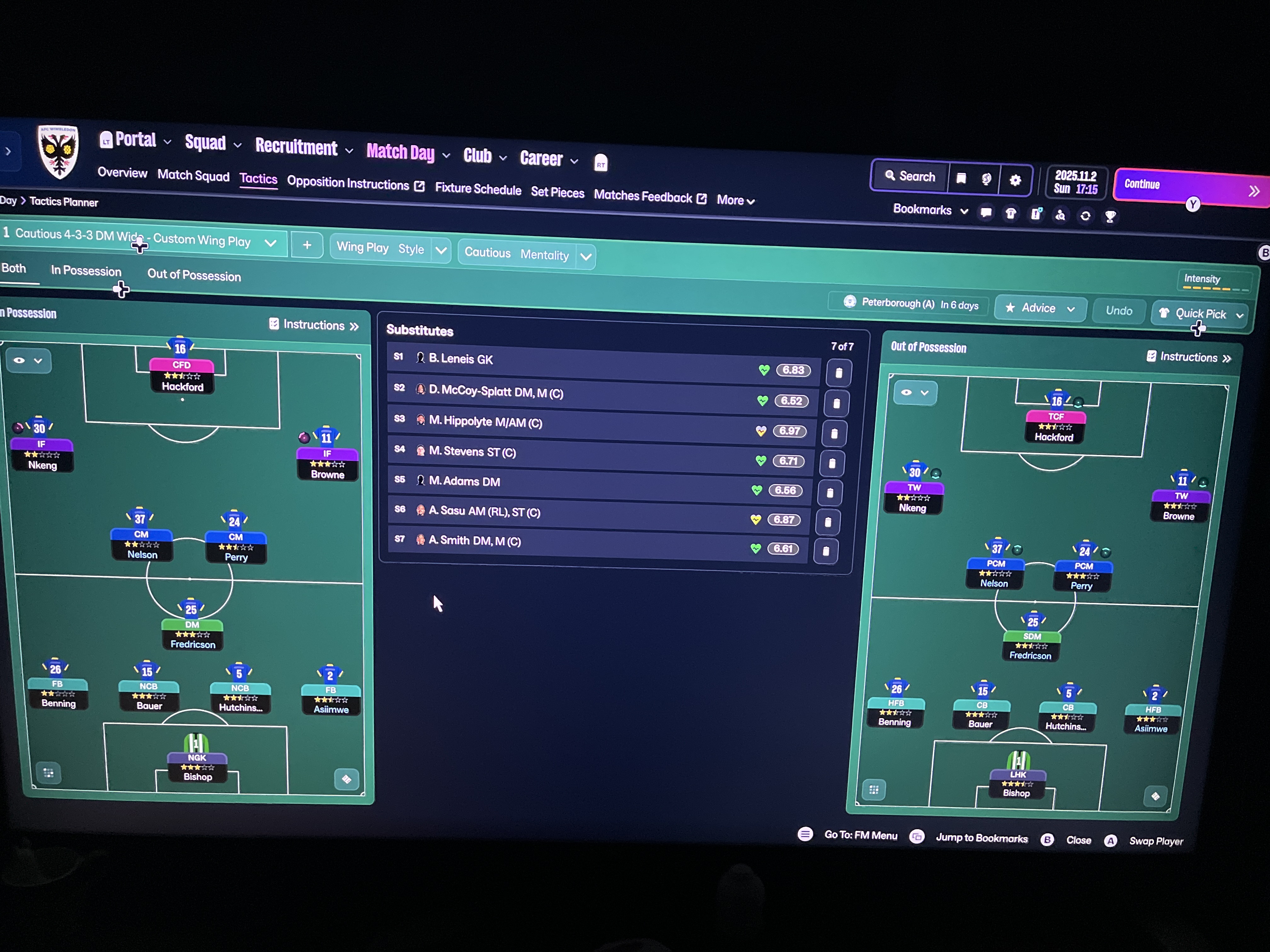
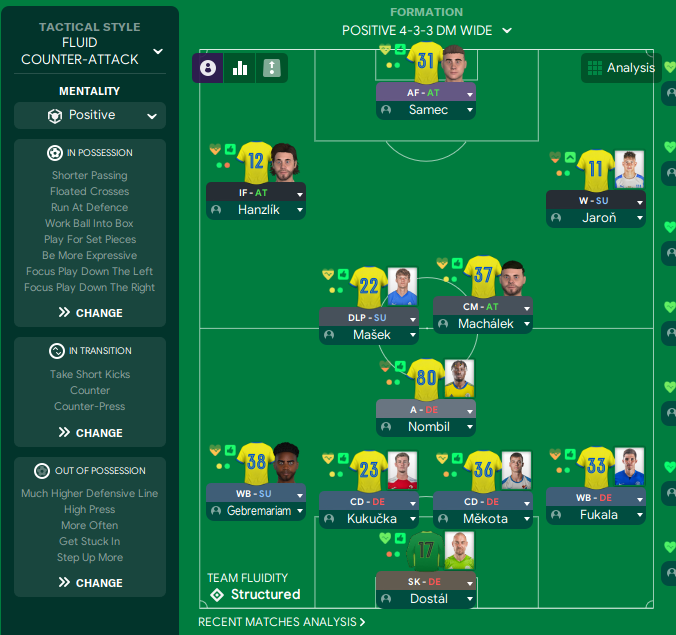
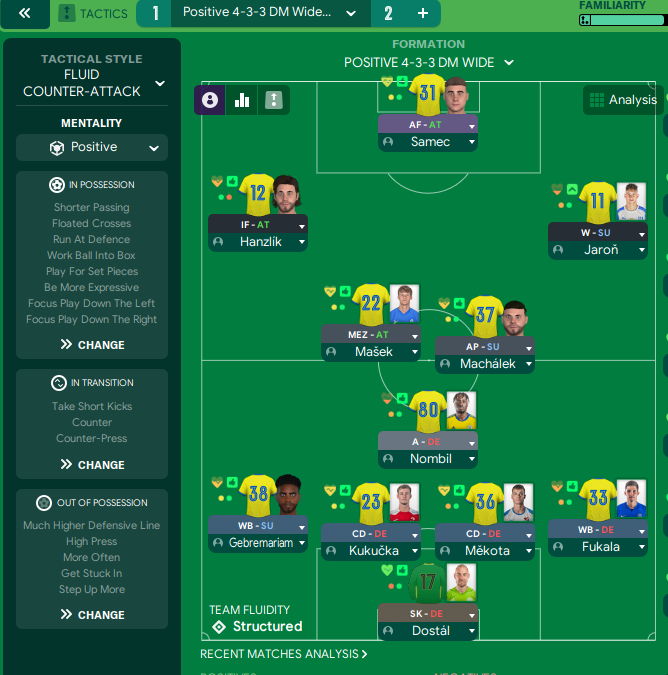
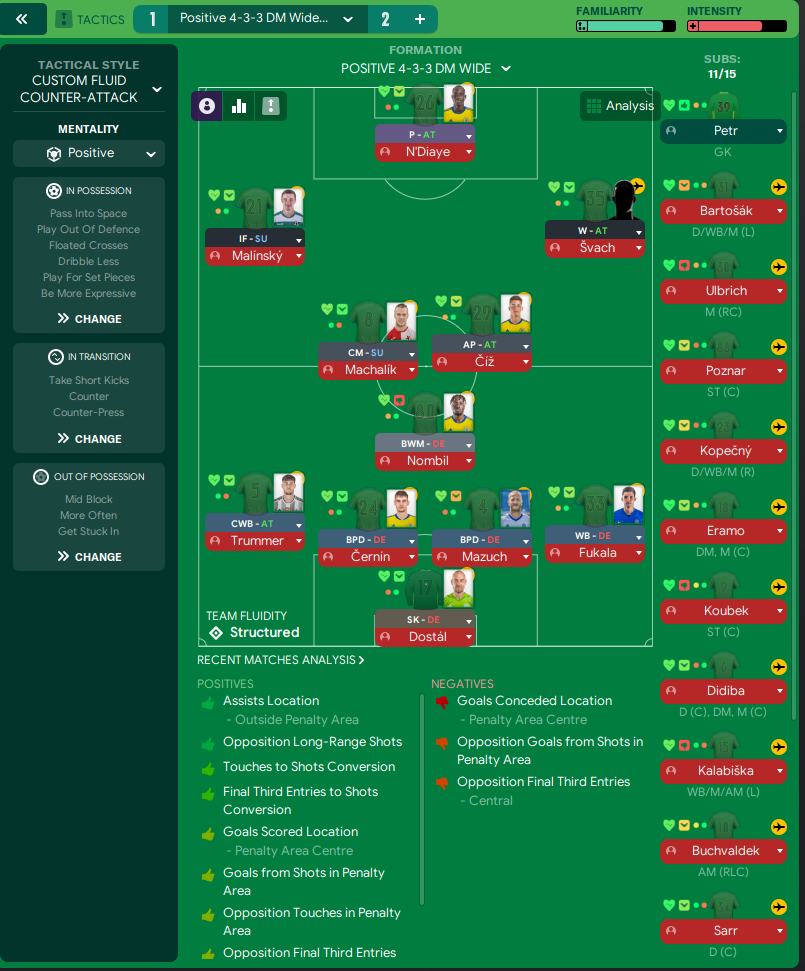
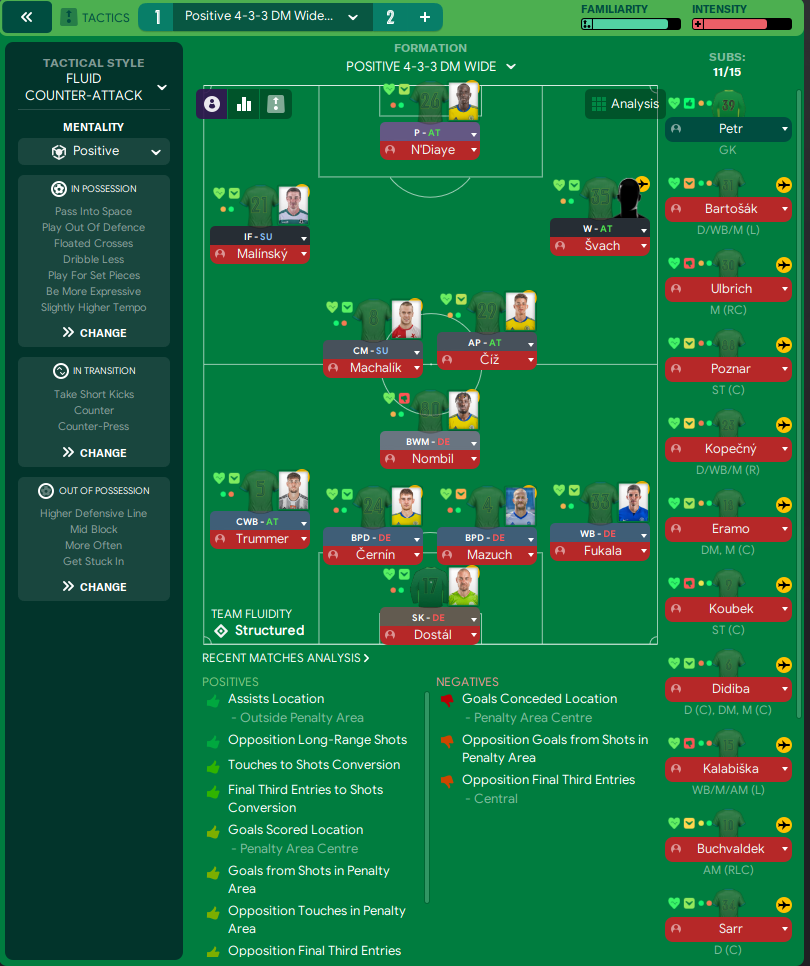
More Custom Vertical Tiki-Taka tactics
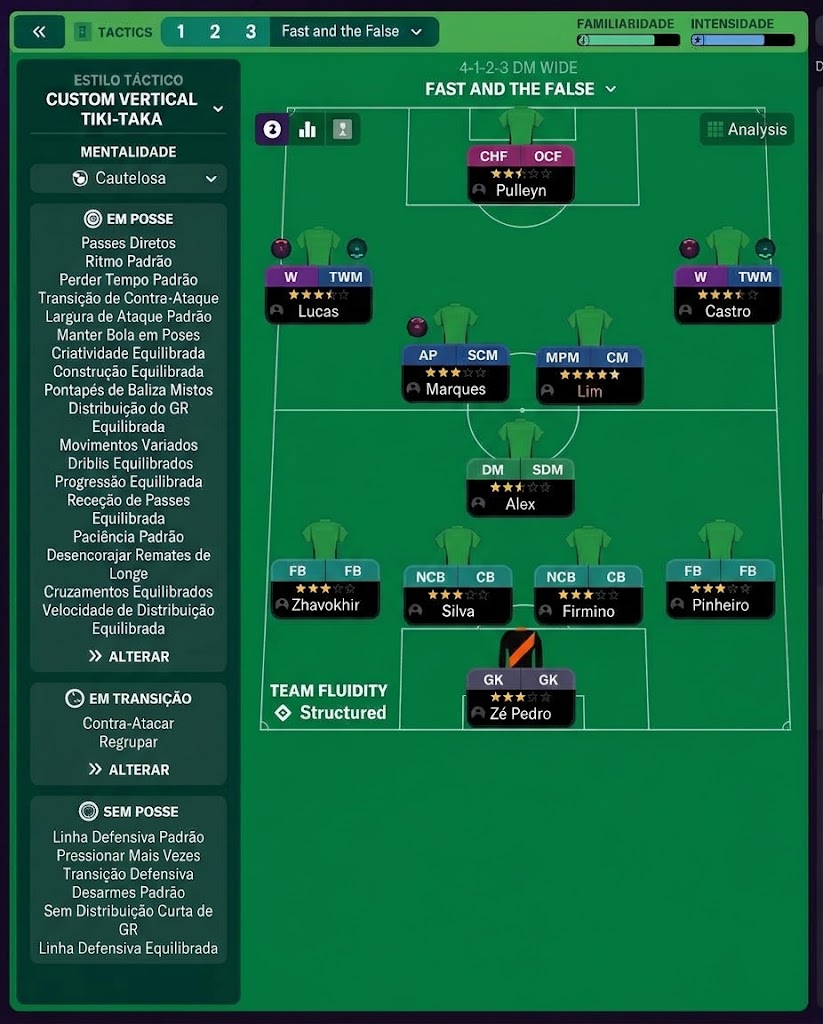
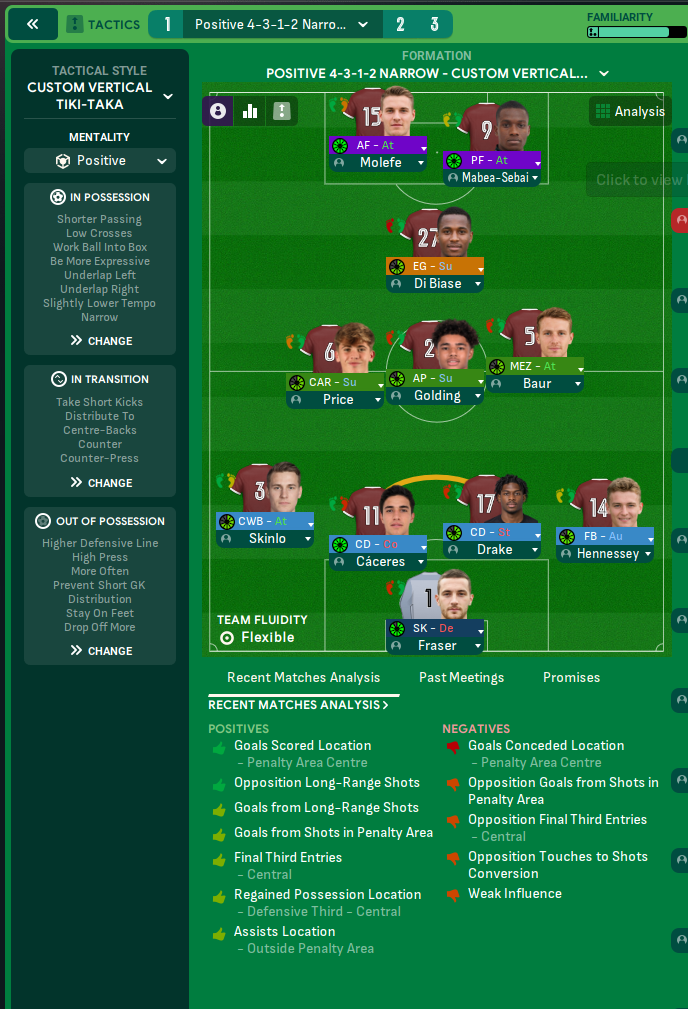
Guides for this formation
The tactical theory behind the 4-3-3 DM Wide: roles, instructions, and the trade-offs that decide whether the system holds up.
Foundations
Understanding the 4-3-3 Formation
Master the classic 4-3-3: player roles, tactical variations, and the trade-offs that decide whether it sings or stalls.
Read guide
Player pairings
Midfield Trios
Holder, runner, creator: the role distribution rule for three-man midfields, the AMC variants, and the antipatterns that break them.
Read guide
Playing styles
Gegenpressing: A Full Guide
Klopp-style gegenpressing in FM, including squad profile, line-and-press pairing, sustainable workload, and the antipatterns to avoid.
Read guide