Uploaded Tactic
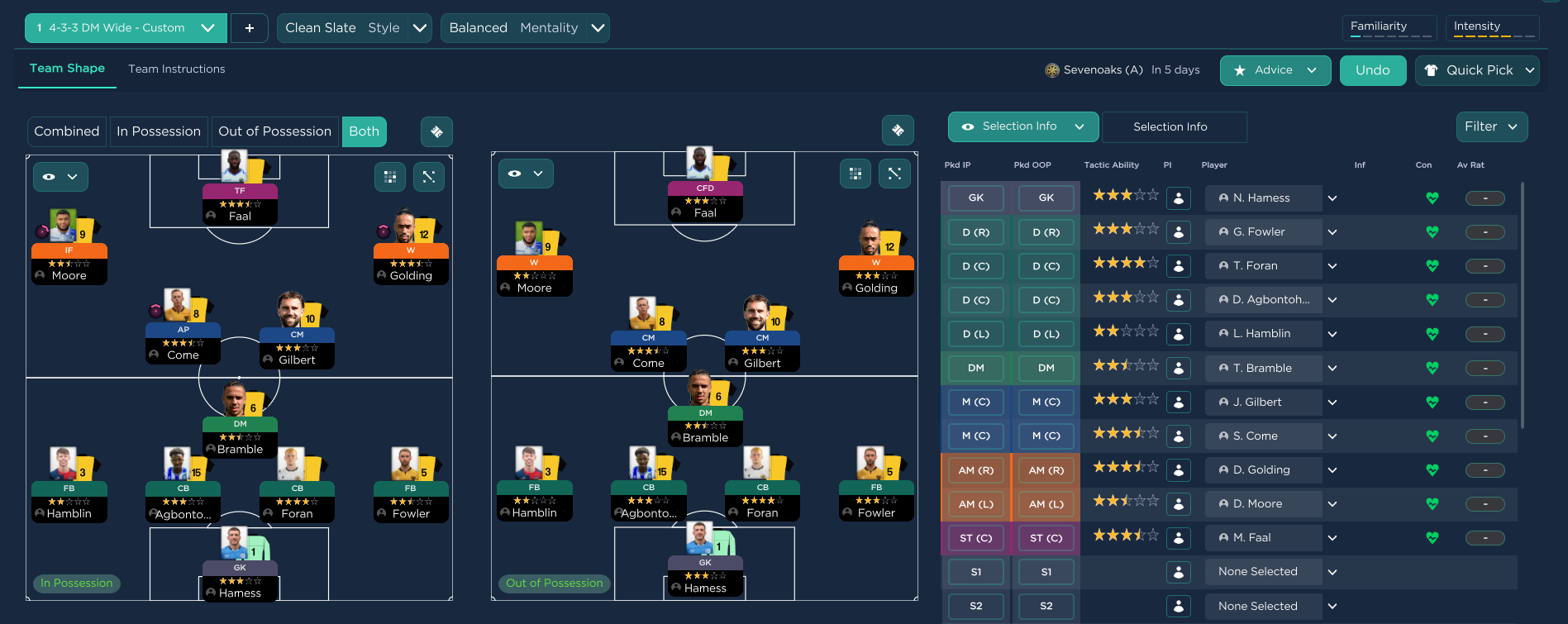
Formation & Style
Tactical Style:Balanced
Mentality:Normal
Formation:4-3-3 DM Wide
Team Fluidity:Fluid
In Possession
Play Out Of Defence
More Direct Passing
Be More Expressive
In Transition
Counter-Press
Counter
Out of Possession
High Defensive Line
Higher Line of Engagement
More Urgent Pressing
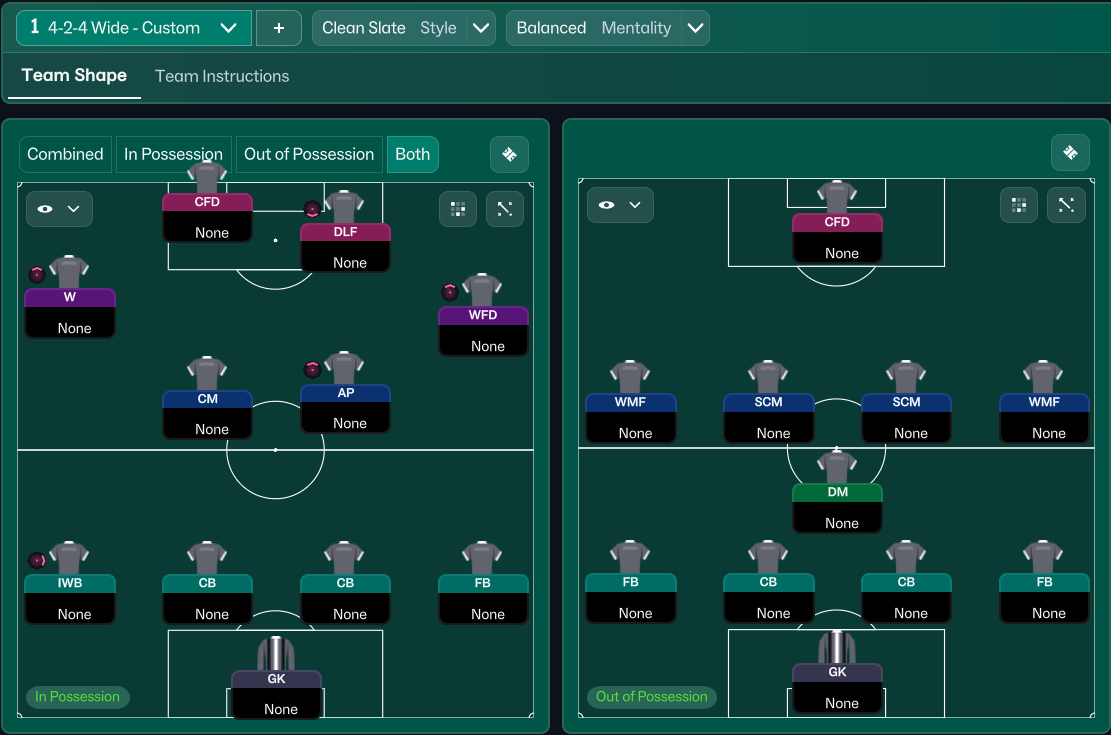
Team Shape Without Ball
Shape:4-1-4-1
Description:A solid defensive setup with a dedicated DM screening the defence, supported by the flat midfield.
Evidence:DM at [3,3] with duties to disrupt opposition play while full-backs can cover wide areas.
Team Shape With Ball
Shape:4-3-3
Description:Balanced offensive formation, with width provided by wingers and penetration through the centre by the target forward.
Evidence:Inside Forwards at [6,1] and [6,2] combined with a Target Forward at [6,3].
Phase Description
Attacking Play
Utilizing width through wingers while the target forward occupies defenders, allowing midfielders to exploit spaces.
Defensive Transition
Aimed at immediately regaining possession with high pressing, utilizing midfielders to recover the ball quickly.
Main Focus
Creating chances using direct passing and expressive play while maintaining defensive solidity.
Key Strengths
Strong Attack through Width
Utilizes wingers effectively to stretch opposition defence, creating space
Solid Defensive Midfield
The Defensive Midfielder provides essential coverage and intercepts opposing plays.
Direct Passing Option
Can transition quickly from defence to attack, making use of direct passing strategy
Conflicting Directions
Inconsistent Pressing Width
High pressing may become ineffective if the shape is too narrow.
Attacking Versatility Issues
May rely too heavily on width at times, neglecting central play.
Vulnerability to Counter-Attacks
High defensive line can invite quick counters, especially against quicker forwards.
Tactical Suggestions
Adjust Defensive Line Height
Consider dropping the defensive line to reduce vulnerability to quick counters.
Incorporate Central Playmaker
Adding a central playmaker might create more options in midfield instead of relying solely on wingers.
Rotate Wingers' Responsibility
Encourage wingers to switch roles occasionally to confuse opposing defenders.
Ask Questions About Your Lineup
Related Tactics
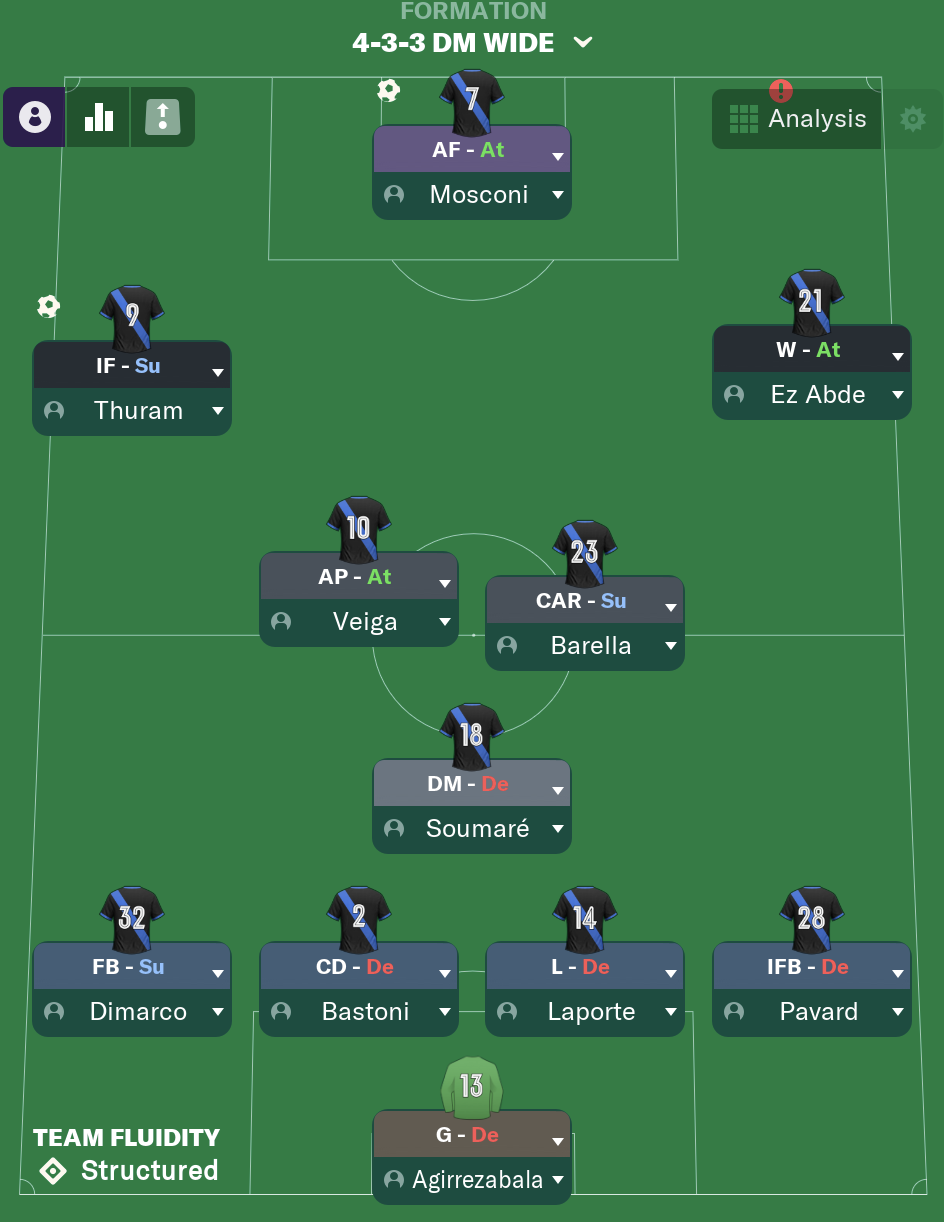
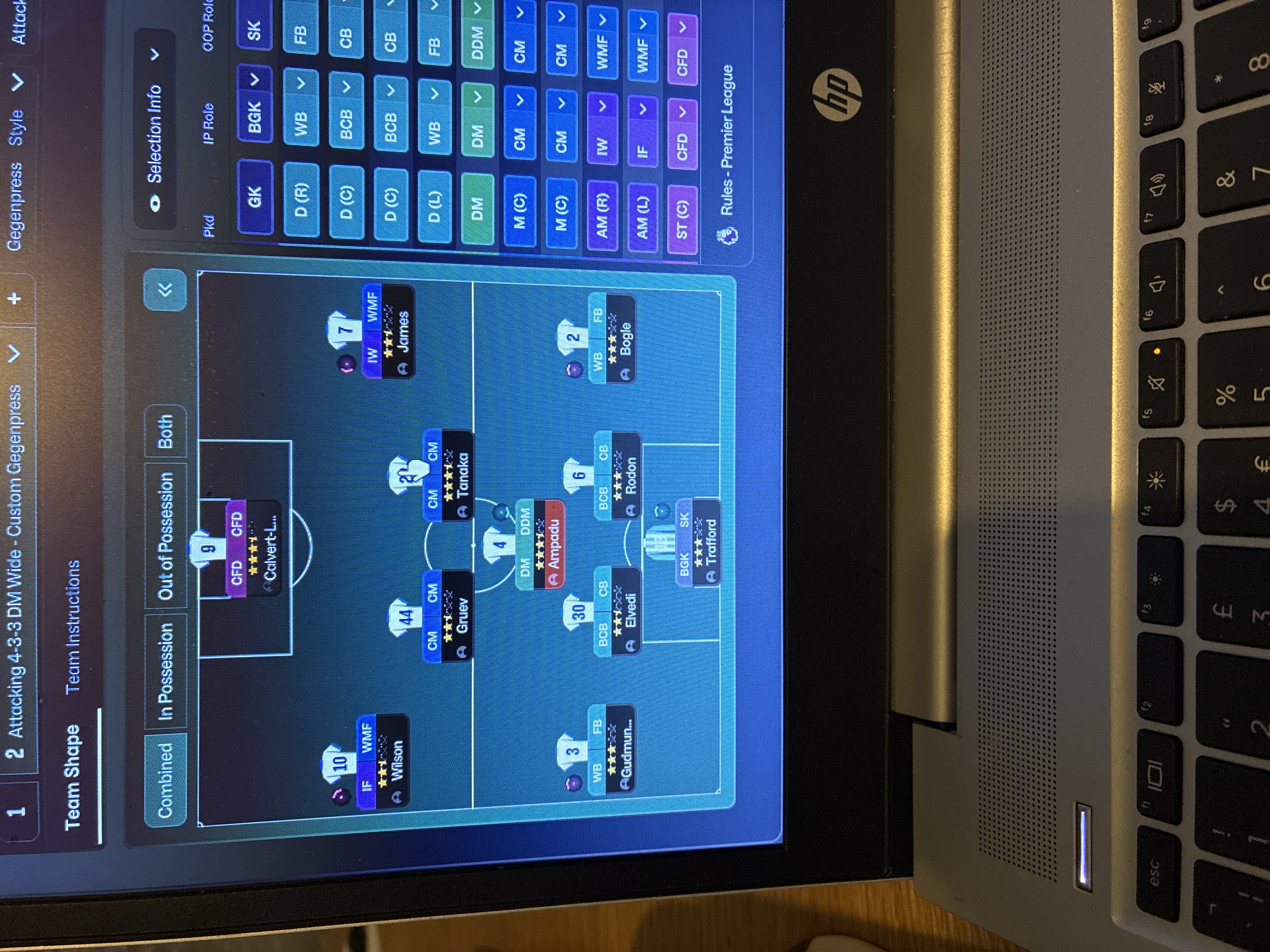
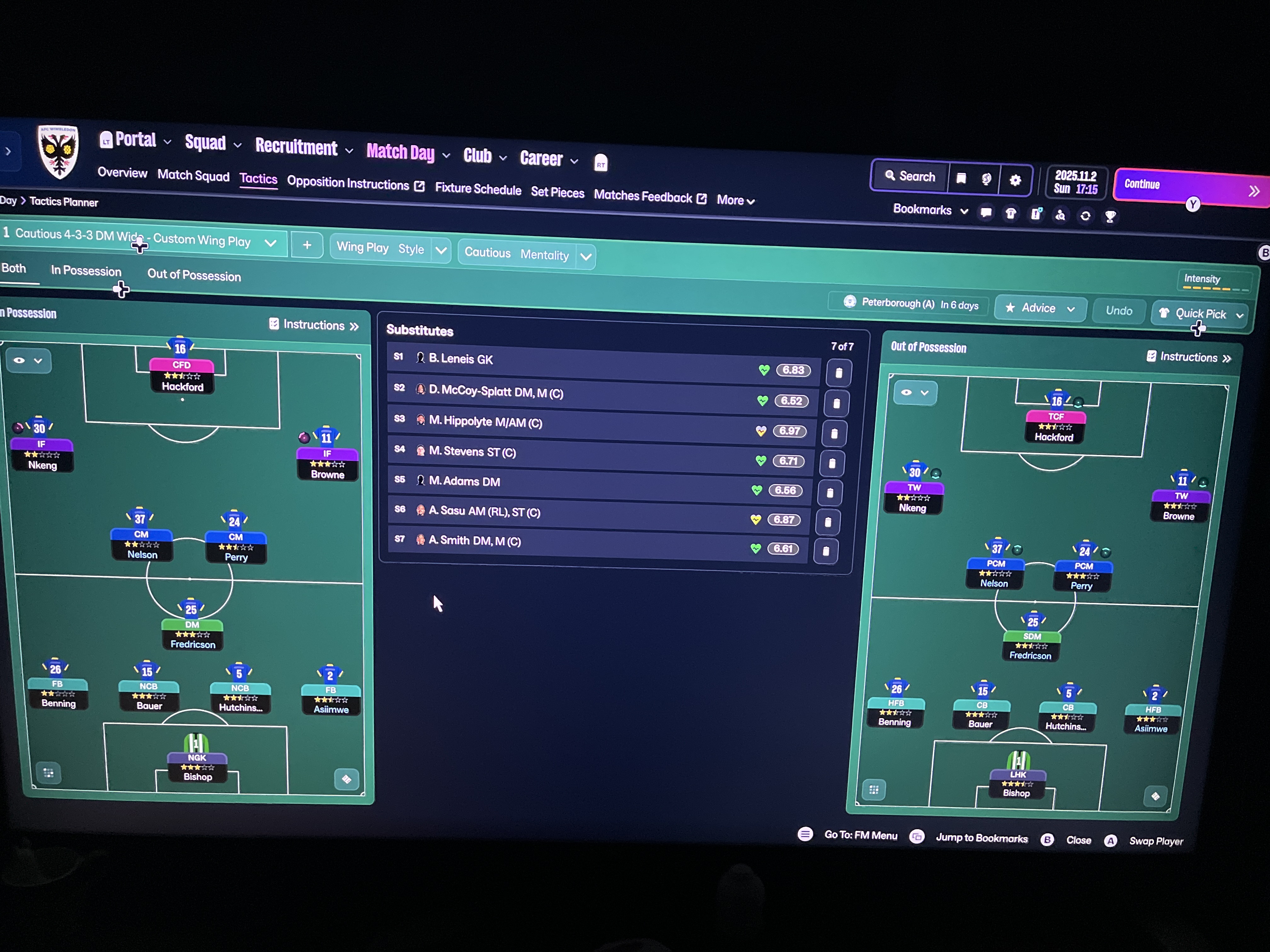
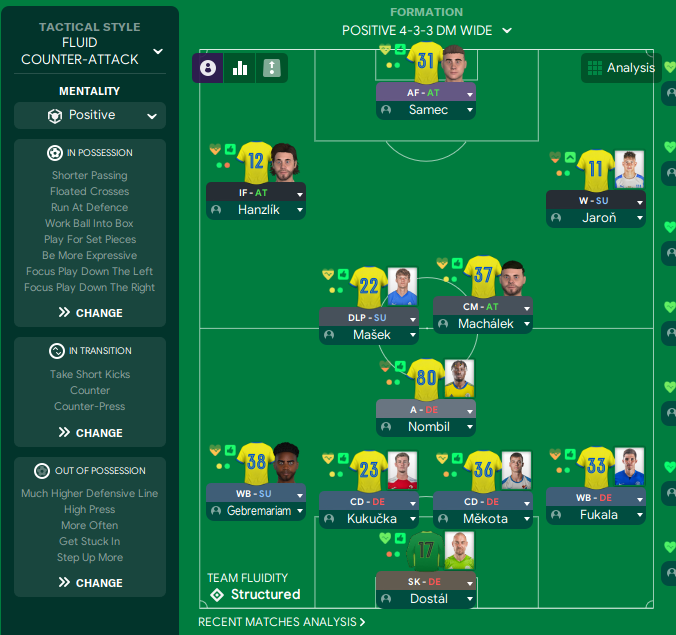
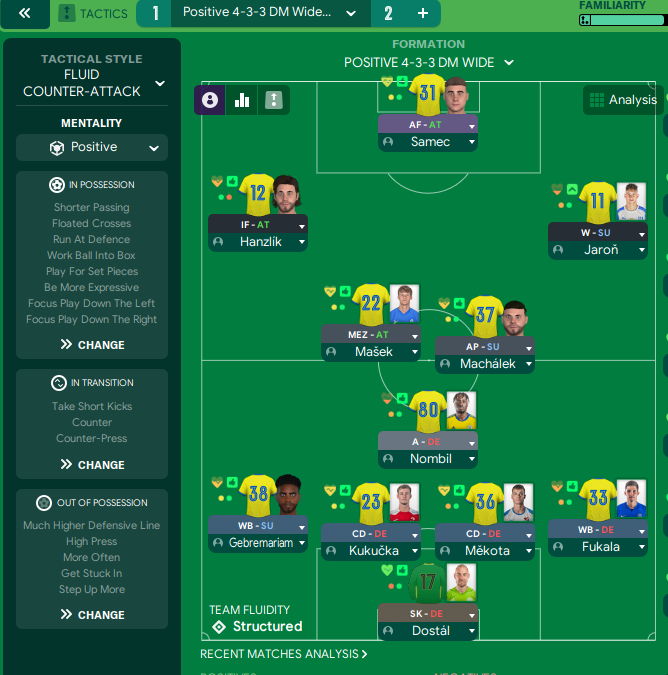
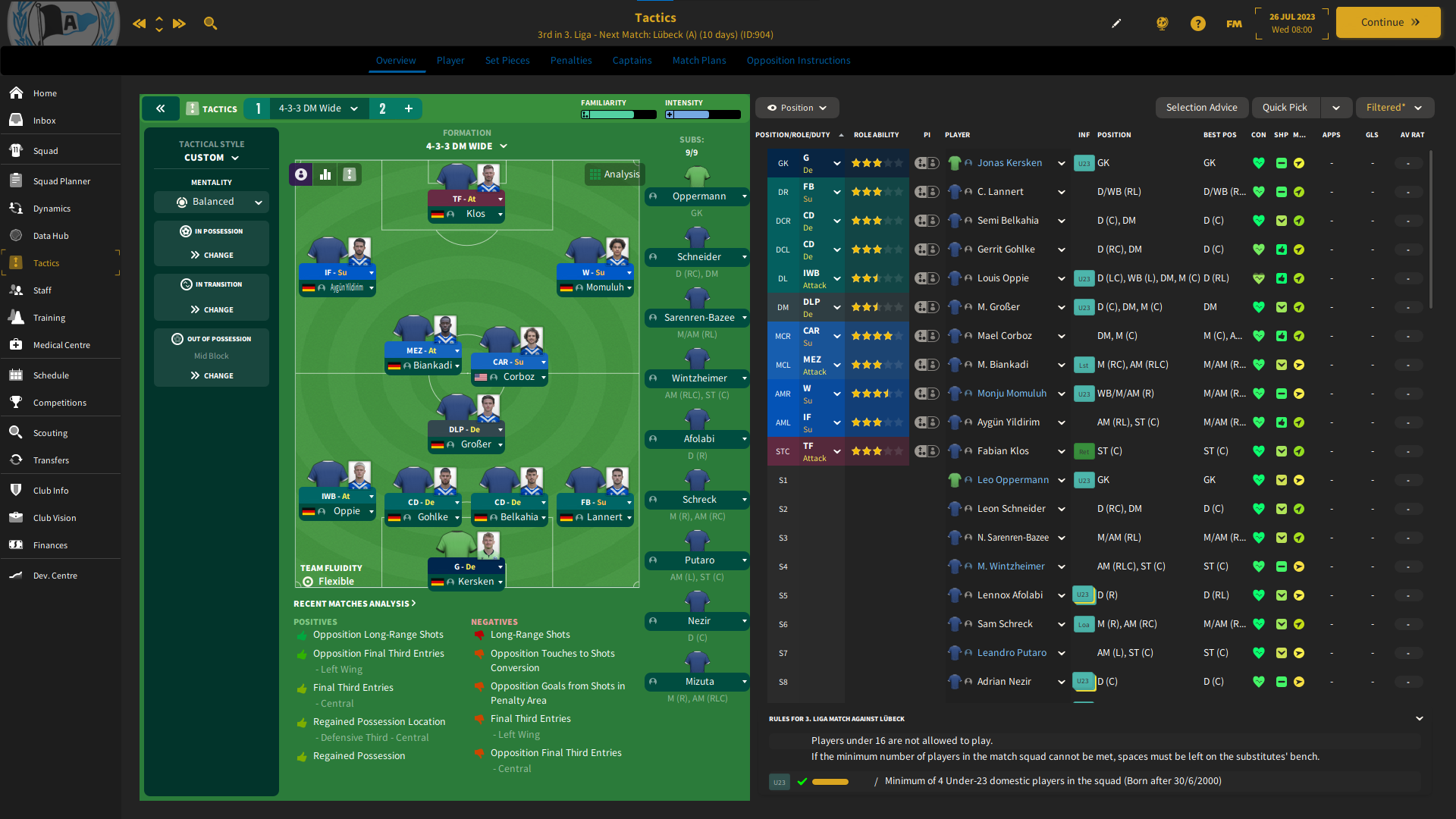
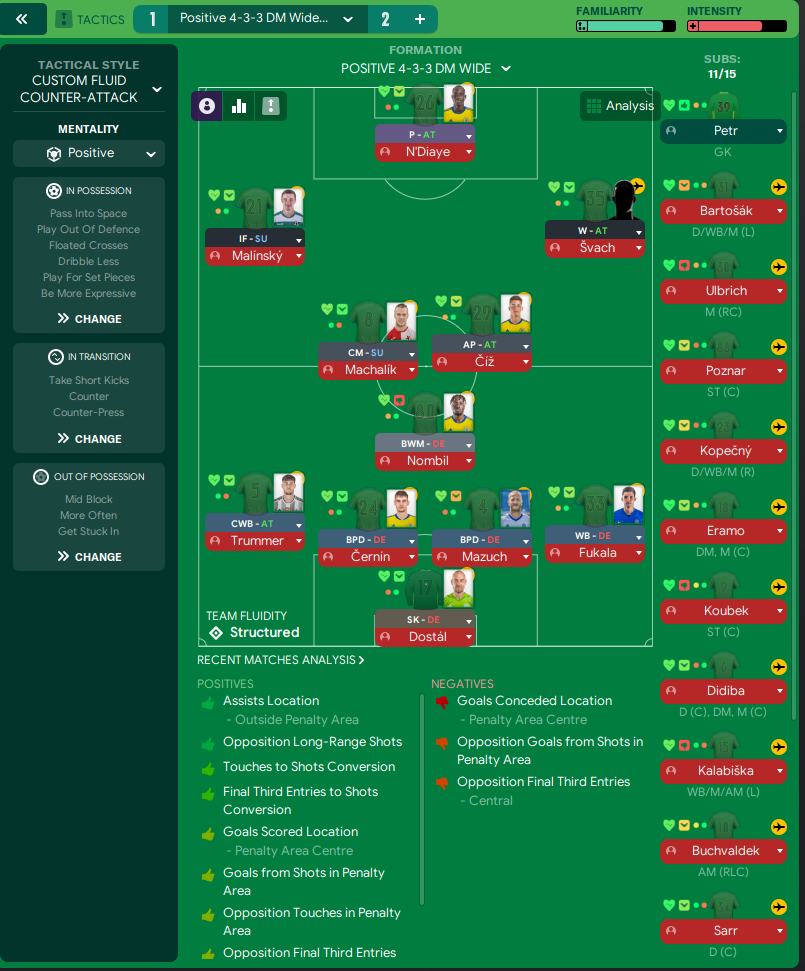
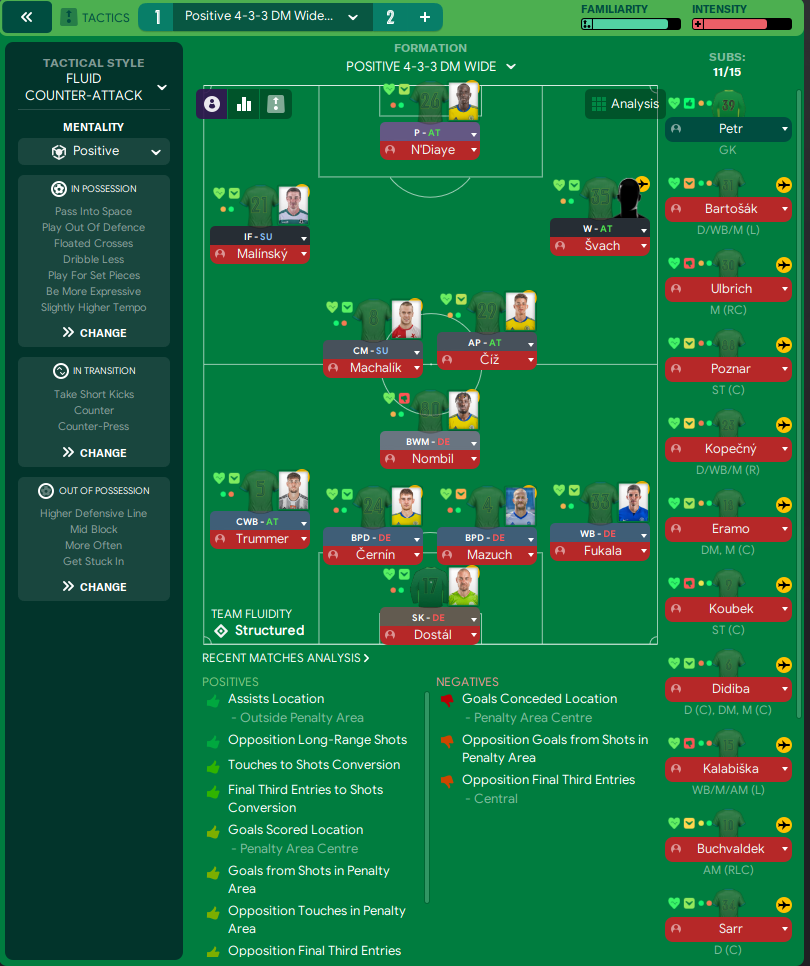
More Balanced tactics
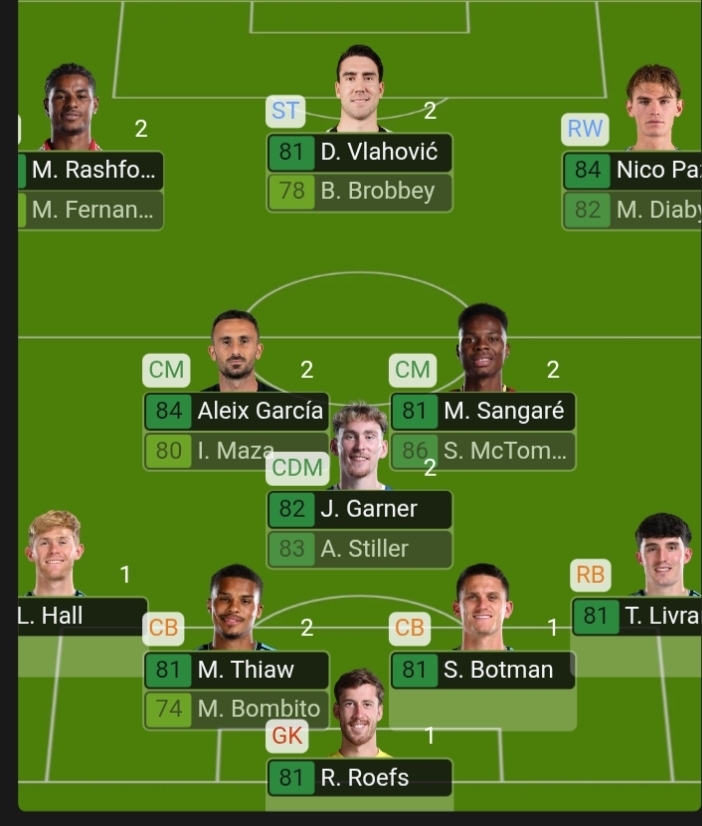
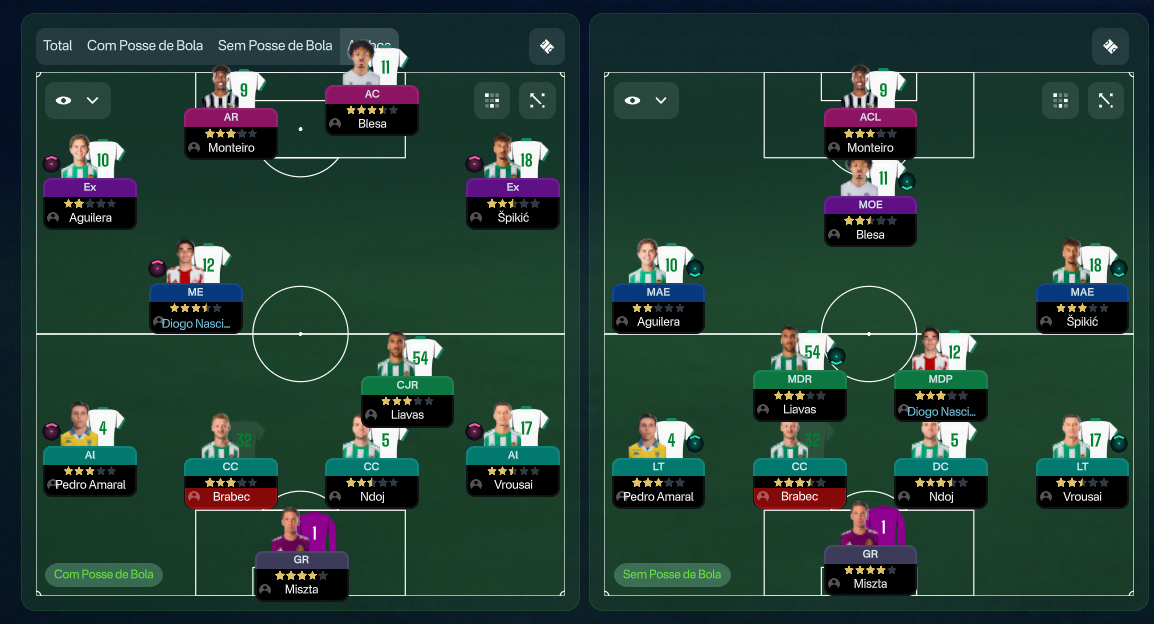
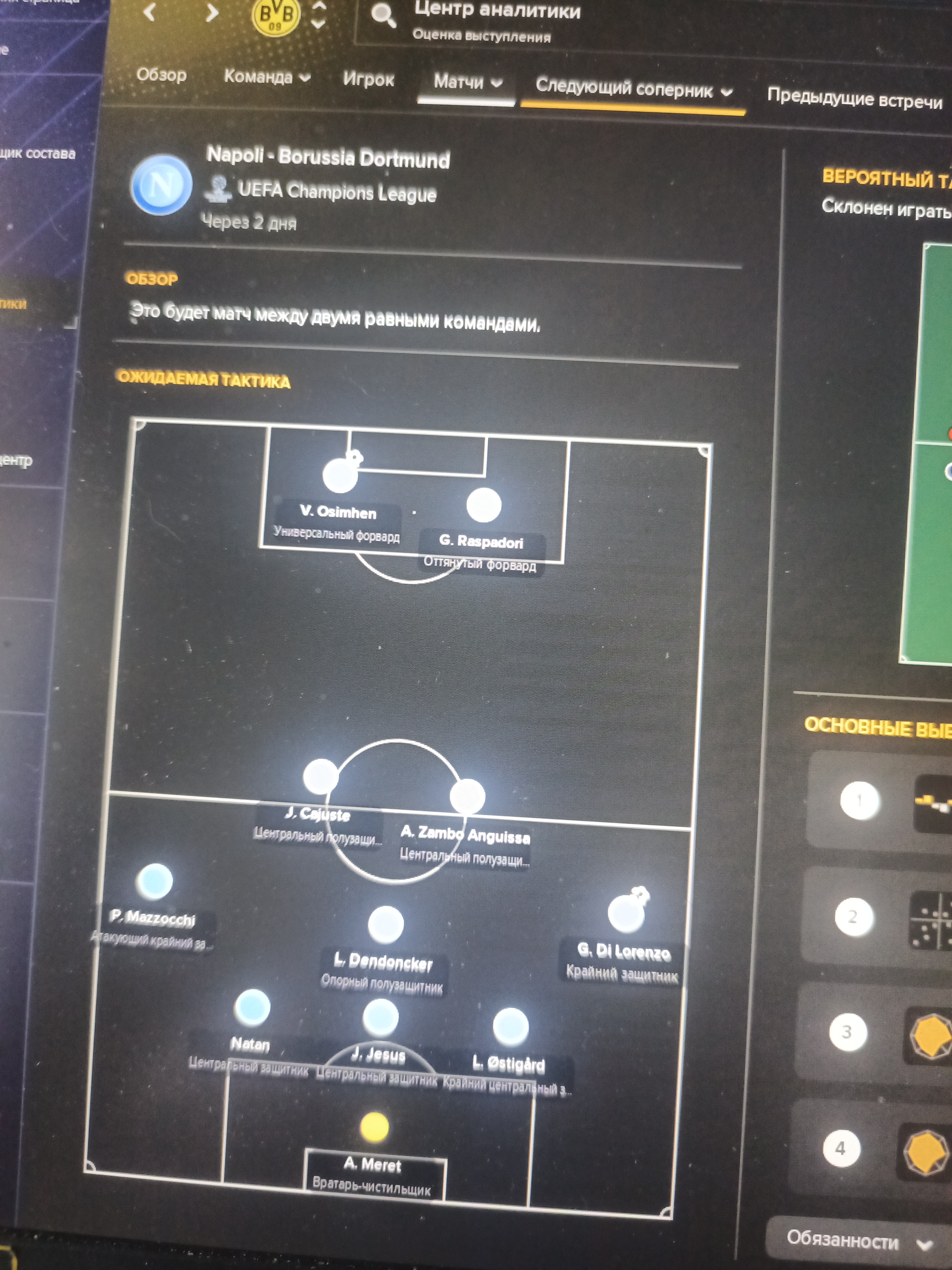
Guides for this formation
The tactical theory behind the 4-3-3 DM Wide: roles, instructions, and the trade-offs that decide whether the system holds up.
Foundations
Understanding the 4-3-3 Formation
Master the classic 4-3-3: player roles, tactical variations, and the trade-offs that decide whether it sings or stalls.
Read guide
Player pairings
Midfield Trios
Holder, runner, creator: the role distribution rule for three-man midfields, the AMC variants, and the antipatterns that break them.
Read guide
Playing styles
Gegenpressing: A Full Guide
Klopp-style gegenpressing in FM, including squad profile, line-and-press pairing, sustainable workload, and the antipatterns to avoid.
Read guide