Uploaded Tactic
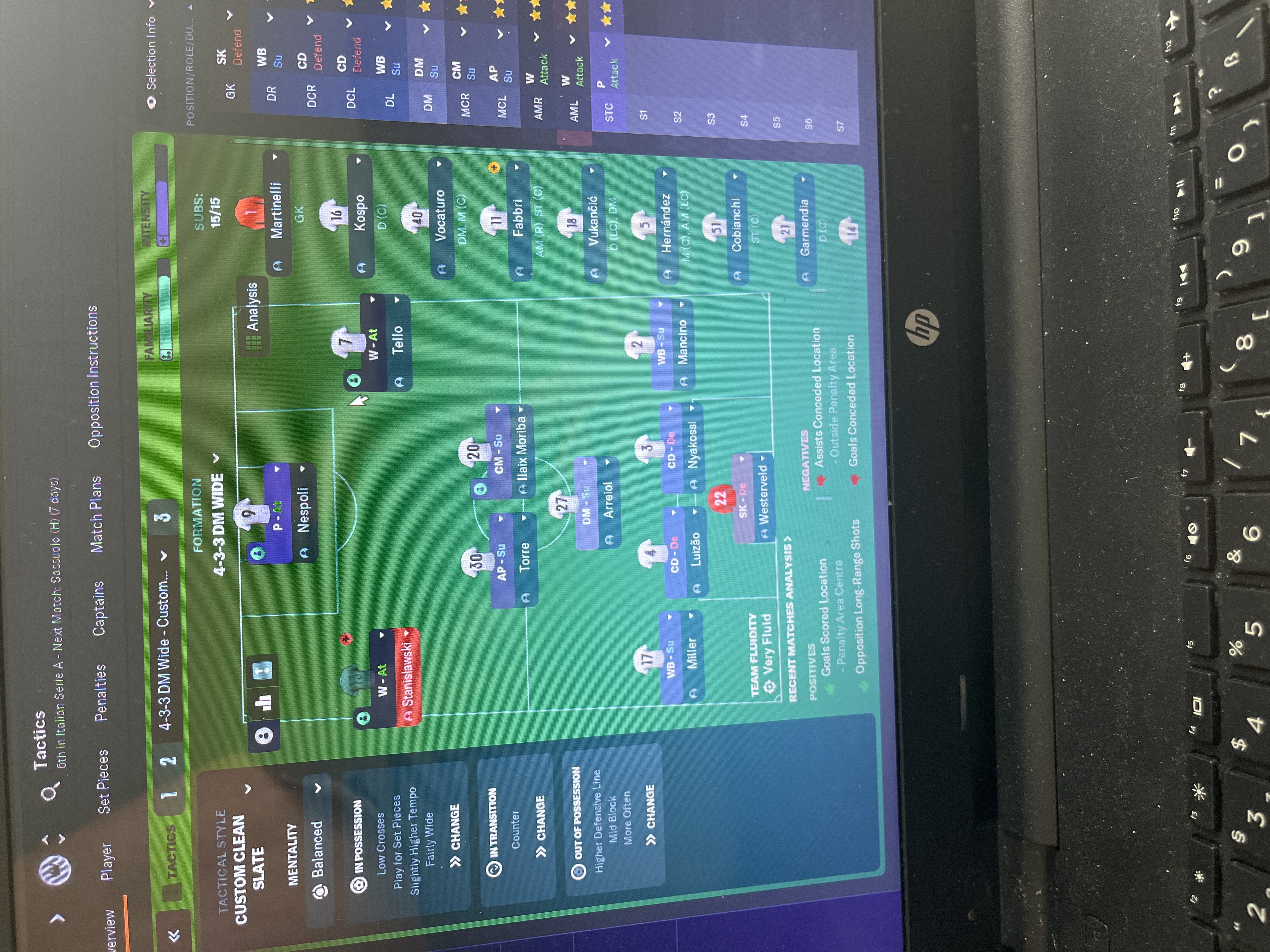
Formation & Style
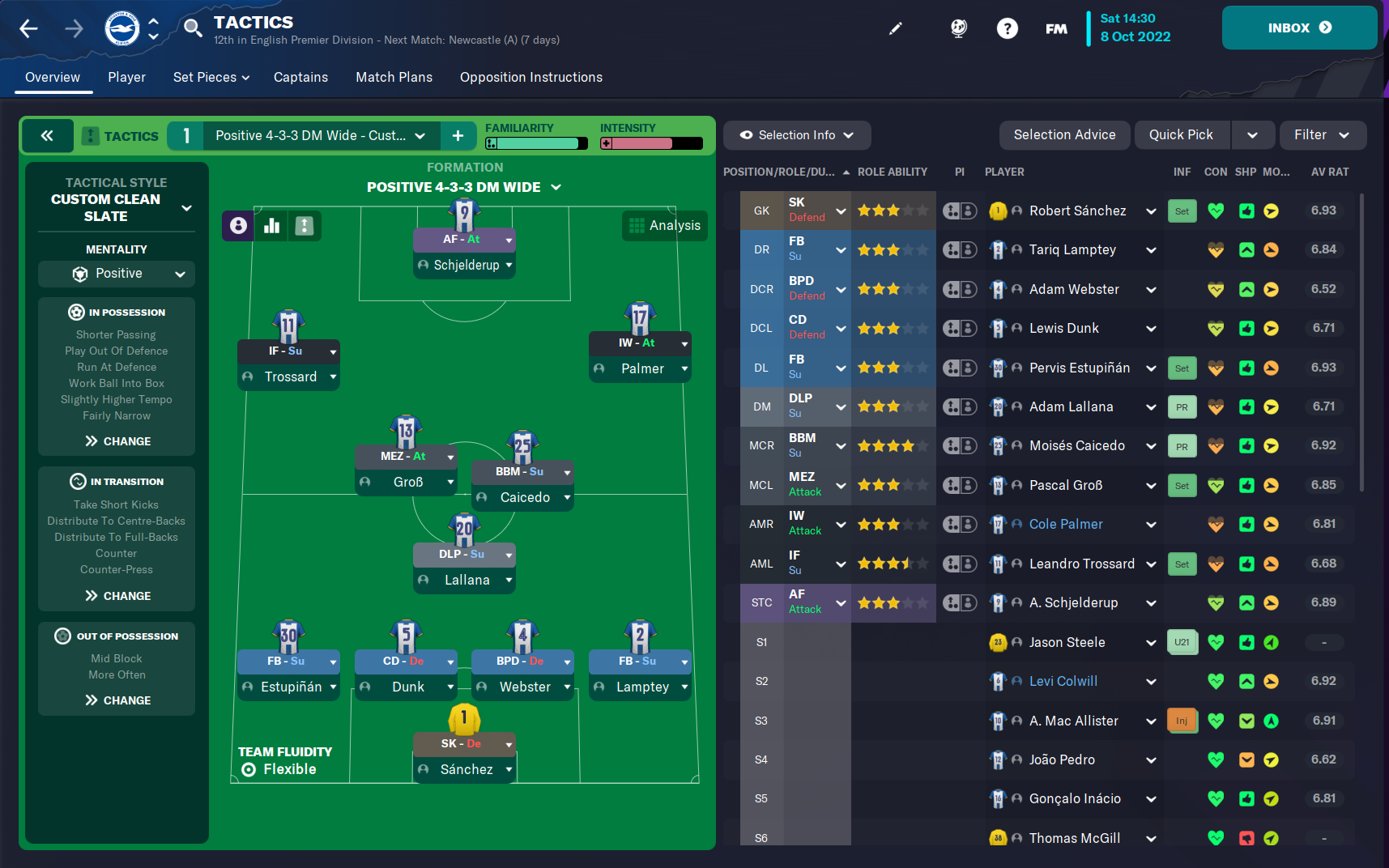
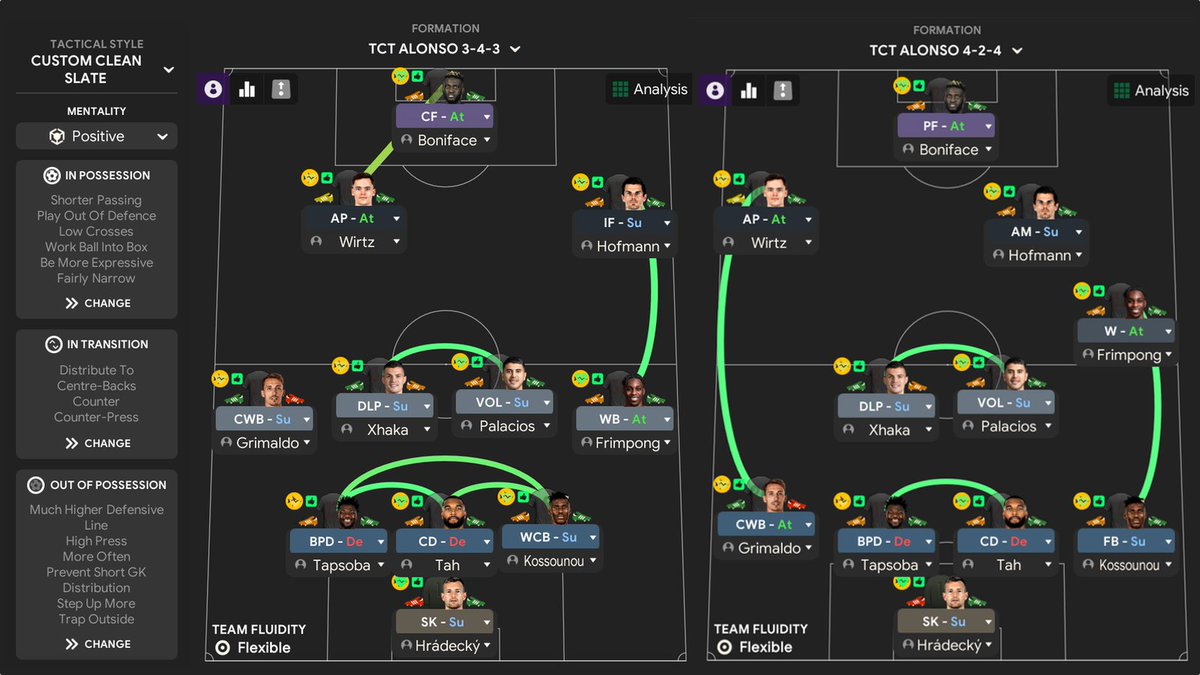
Tactical Style:Custom Clean Slate
Mentality:Balanced
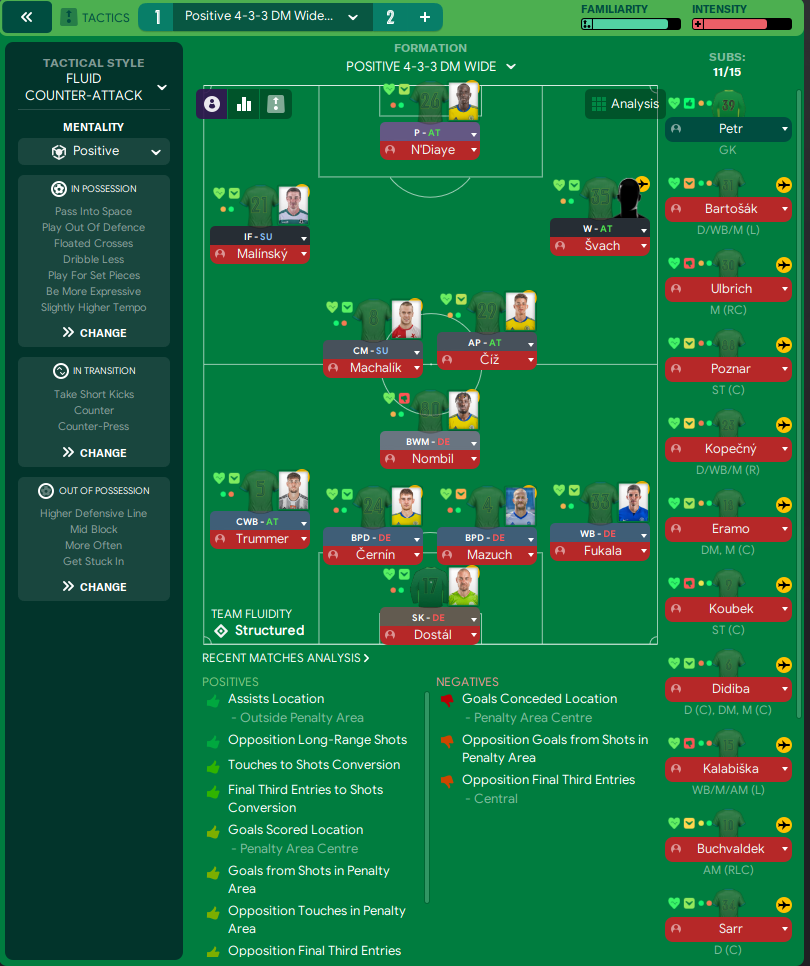
Formation:4-3-3 DM Wide
Team Fluidity:Very Fluid
In Possession
Low Crosses
Get Ball into Box
Slightly Higher Tempo
Fairly Wide
In Transition
Counter
Counter-Press
Out of Possession
Higher Defensive Line
Mid Block
Team Shape Without Ball
No team shape without ball data available
Team Shape With Ball
No team shape with ball data available
Key Strengths
Attacking Width
The use of wingers in a 4-3-3 formation provides width, stretching the opposition and creating space for central players.
Dynamic Midfield
Balancing an attacking midfielder and support roles in the center maximizes creativity and defensive cover.
Fluid Movement
The very fluid team fluidity allows players to interchange positions, enhancing unpredictability in attack.
Defensive Stability
A balanced defensive line and midfield cover maintain structure when transitioning from attack to defense.
Conflicting Directions
Higher Defensive Line vs. Counter
A higher defensive line may expose players during counter-attacks, particularly against faster opposition.
Support Roles with Attack Duty
Having both support and attack duties in midfield can create confusion in positioning during transitions.
Wingers and Central Play
While wingers are tasked to attack, the setup must ensure they don't isolate central players, leading to missed connections.
Inconsistent Crosses Strategy
Focusing on low crosses while also having players in a high position might reduce efficiency in the final third.
Tactical Suggestions
Reassess Defensive Line
Consider lowering the defensive line to provide more coverage against counters, reducing vulnerability.
Fluidity Adjustments
Try adjusting fluidity to 'Fluid' for a balance between structure and adaptability.
Specific Roles for Wingers
Consider assigning one winger to cut inside and the other to hug the touchline to diversify attacks.
Encourage More Shots
Implementing 'Take More Risks' in possession might lead to increased goal-scoring opportunities.
Ask Questions About Your Lineup
Related Tactics
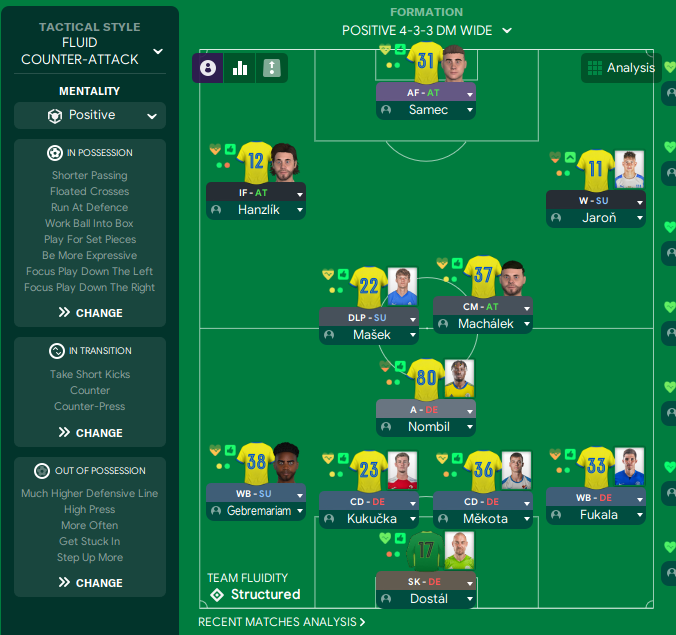
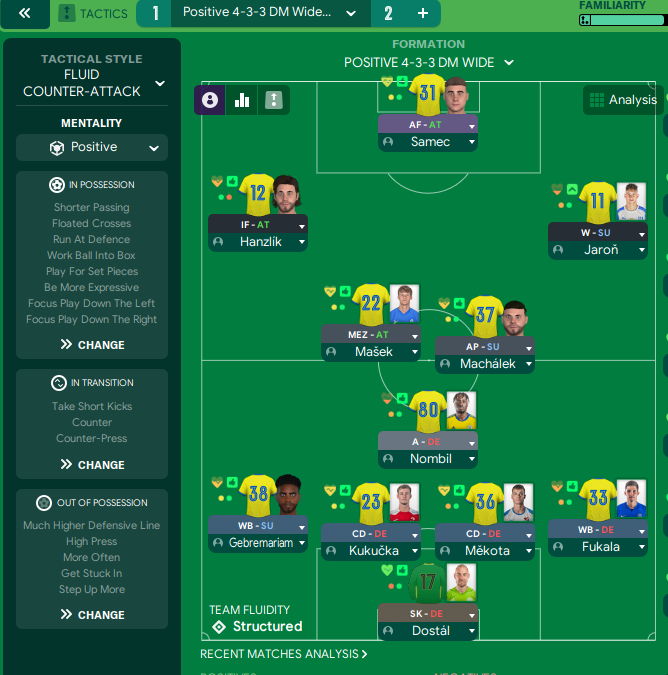
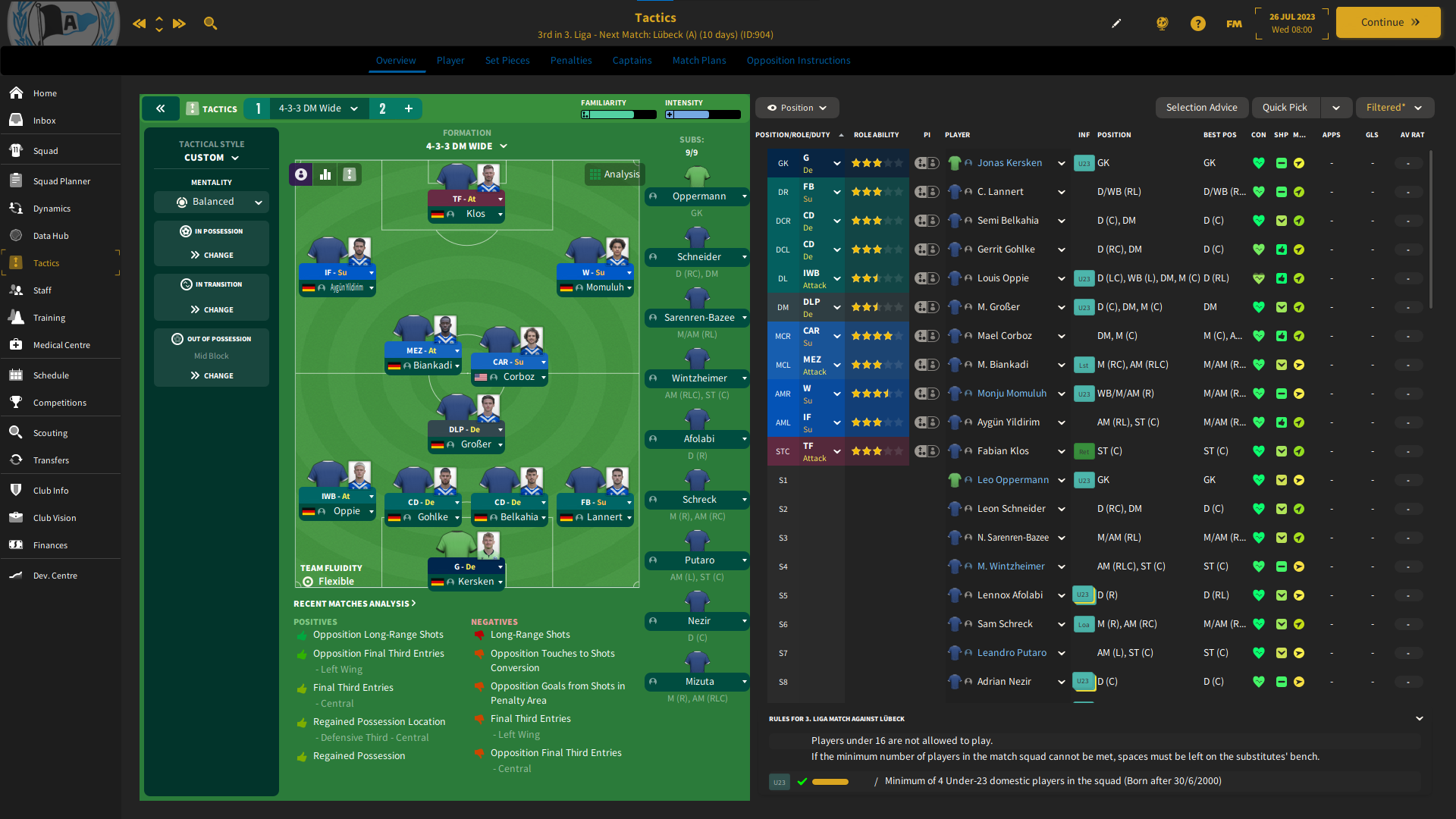
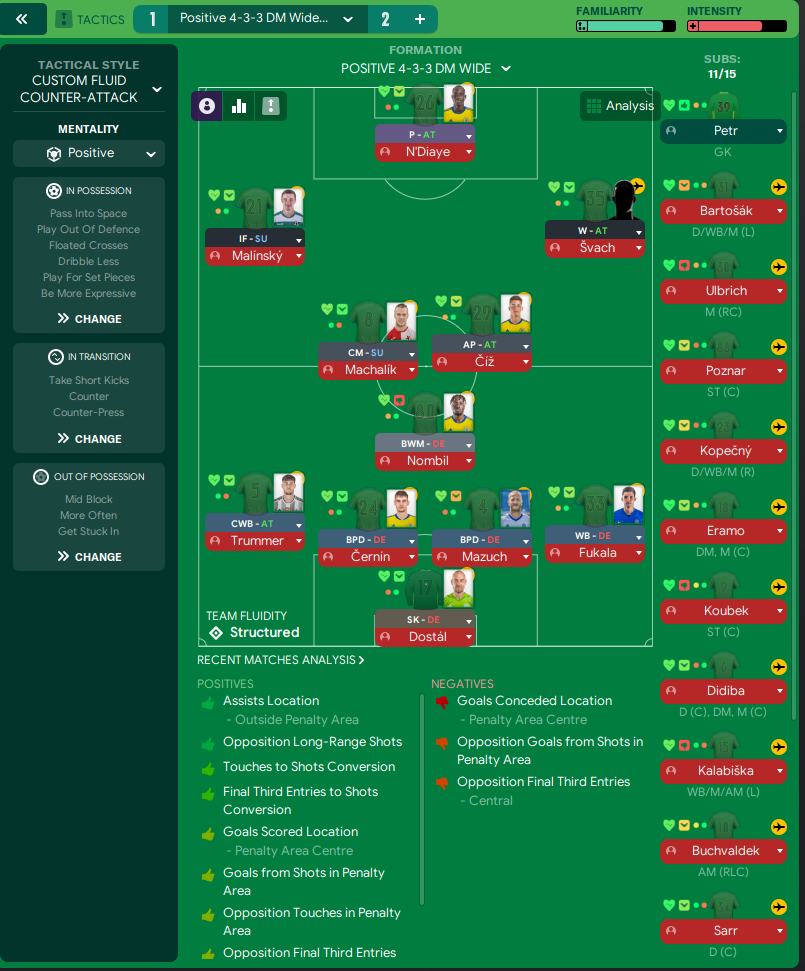
More Custom Clean Slate tactics
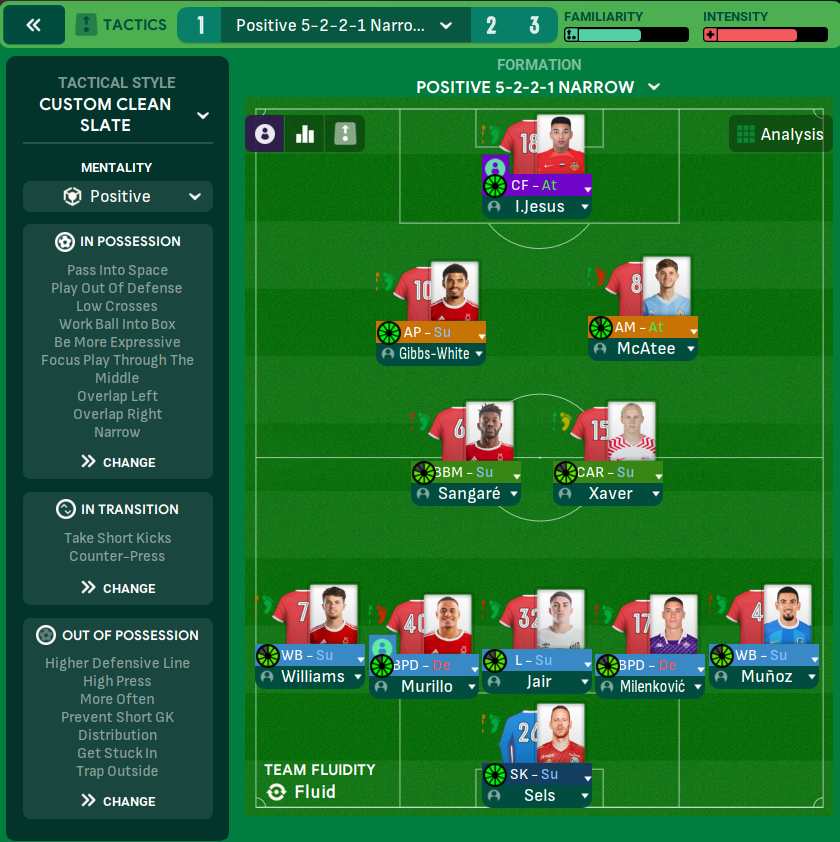
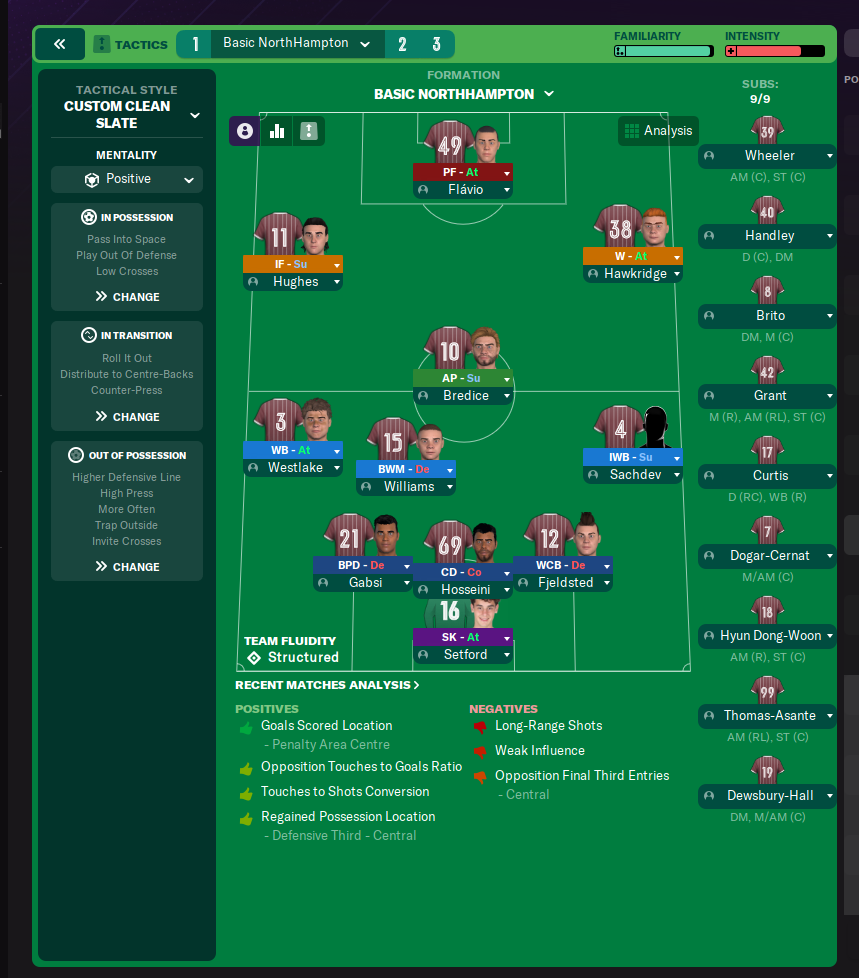
Guides for this formation
The tactical theory behind the 4-3-3 DM Wide: roles, instructions, and the trade-offs that decide whether the system holds up.
Foundations
Understanding the 4-3-3 Formation
Master the classic 4-3-3: player roles, tactical variations, and the trade-offs that decide whether it sings or stalls.
Read guide
Player pairings
Midfield Trios
Holder, runner, creator: the role distribution rule for three-man midfields, the AMC variants, and the antipatterns that break them.
Read guide
Playing styles
Gegenpressing: A Full Guide
Klopp-style gegenpressing in FM, including squad profile, line-and-press pairing, sustainable workload, and the antipatterns to avoid.
Read guide