Uploaded Tactic
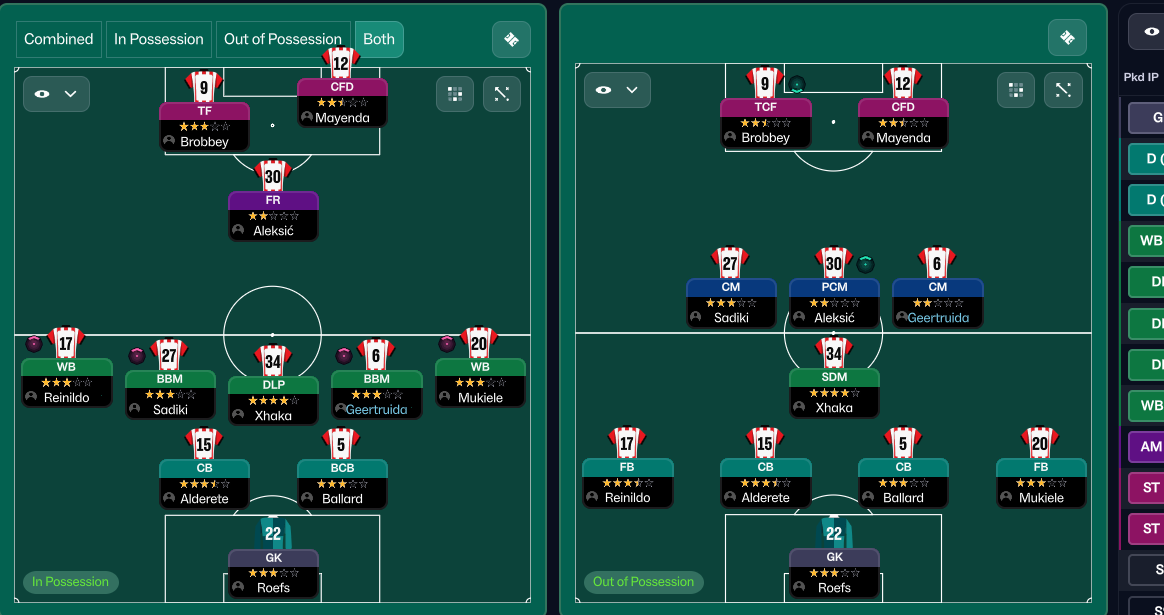
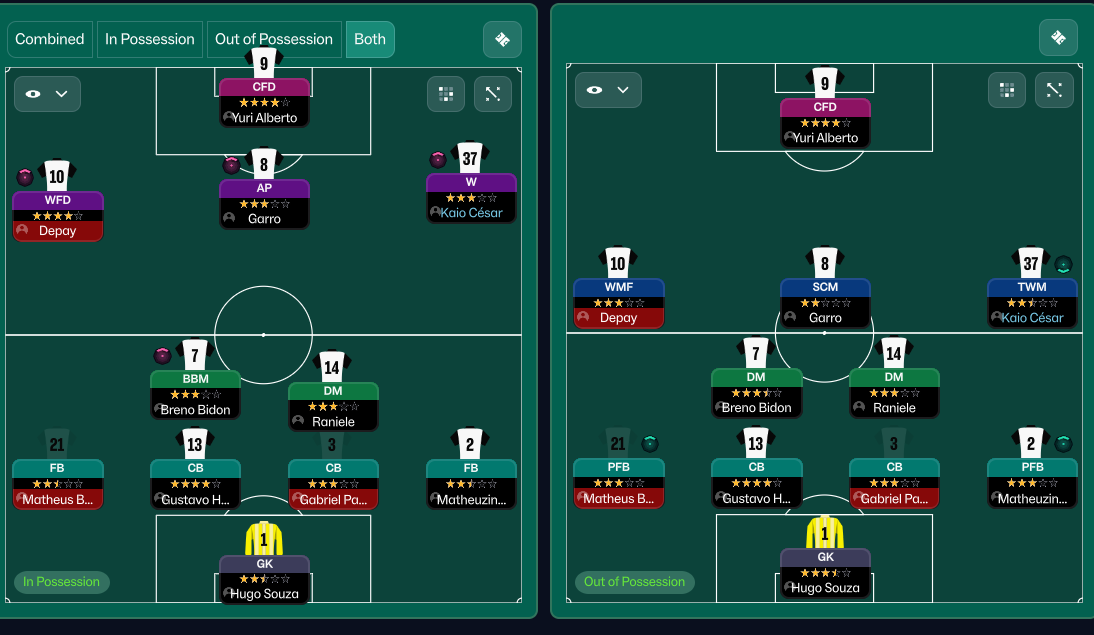
Formation & Style
Tactical Style:Possession
Mentality:Attacking
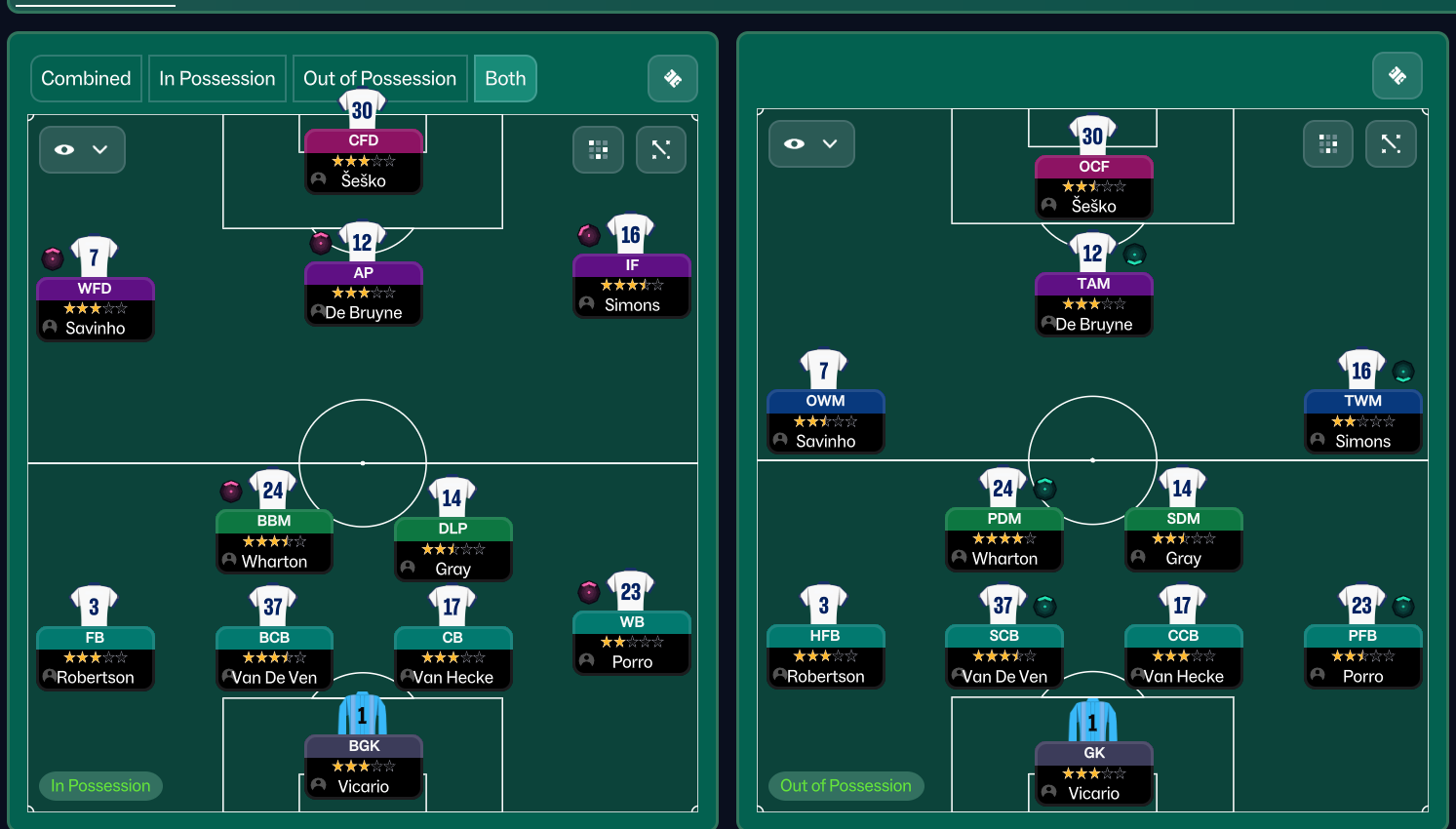
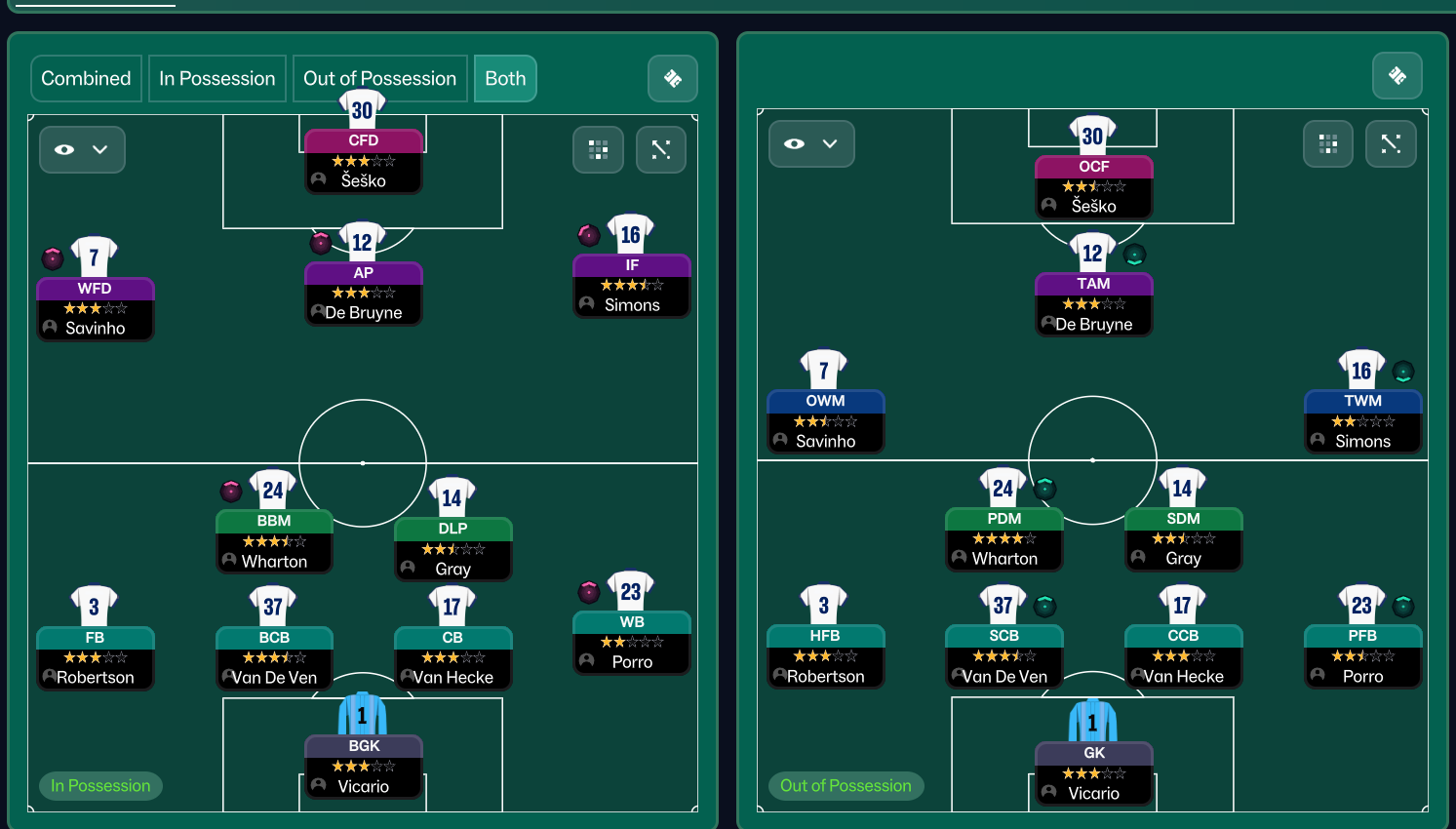
Formation:4-3-3
Team Fluidity:Fluid
In Possession
Play Out of Defence
Shorter Passing
Be More Expressive
Work Ball into Box
In Transition
Counter-Press
Counter
Out of Possession
Higher Defensive Line
Higher Line of Engagement
Prevent Short GK Distribution
Team Shape Without Ball
Shape:Compact
Description:Maintaining a compact shape when defending to limit spaces for the opposition while applying high pressure.
Evidence:Higher Defensive Line and Higher Line of Engagement promote a compact defensive setup.
Team Shape With Ball
Shape:Fluid
Description:Dynamic movement among the forwards and attacking midfielders to create space and goal-scoring chances.
Evidence:Attacking styles and roles emphasize fluidity, especially with the use of WBs and a DLP.
Phase Description
Attacking Play
Focus on ball retention, building through the thirds with emphasis on quality passing.
Defensive Transition
Quickly regain possession through counter-pressing and maintain shape.
Main Focus
Create scoring opportunities through swift ball movement and exploiting flanks.
Key Strengths
Strong Midfield Control
The DLP and two BBMs provide excellent control and support in transitions.
Wide Play Options
Use of wing-backs allows stretching of opposition width and crossing opportunities.
Versatile Forward Line
Combination of a target forward and two forwards creates unpredictability.
Conflicting Directions
Overcommitment on Attack
With high pressing and overlapping full-backs, there can be vulnerabilities at the back during transitions.
Dependence on Wing-Backs
Heavy reliance on wing-backs for width can compromise midfield stability.
High Defensive Line Risks
High defensive line increases risk of counter-attacks by faster opposition forwards.
Tactical Suggestions
Adjust Defensive Line
Consider lowering the defensive line if facing rapid counter-attacks.
Utilize Rotation in Midfield
Encourage midfielders to rotate positions to confuse opponents.
Monitor Wing-Back Fatigue
Ensure wing-backs are not overly reliant on for both defence and attack.
Ask Questions About Your Lineup
Related Tactics
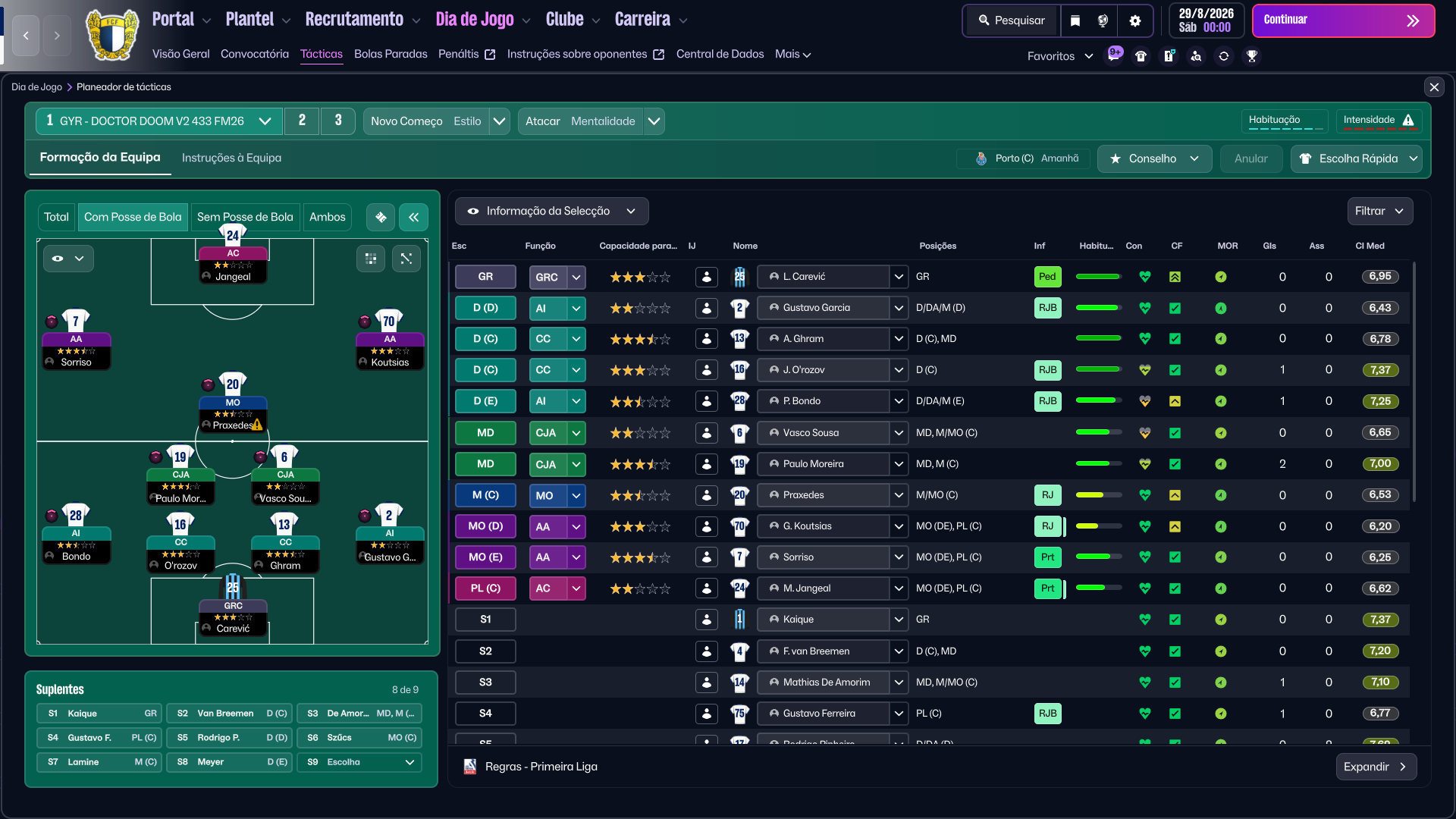
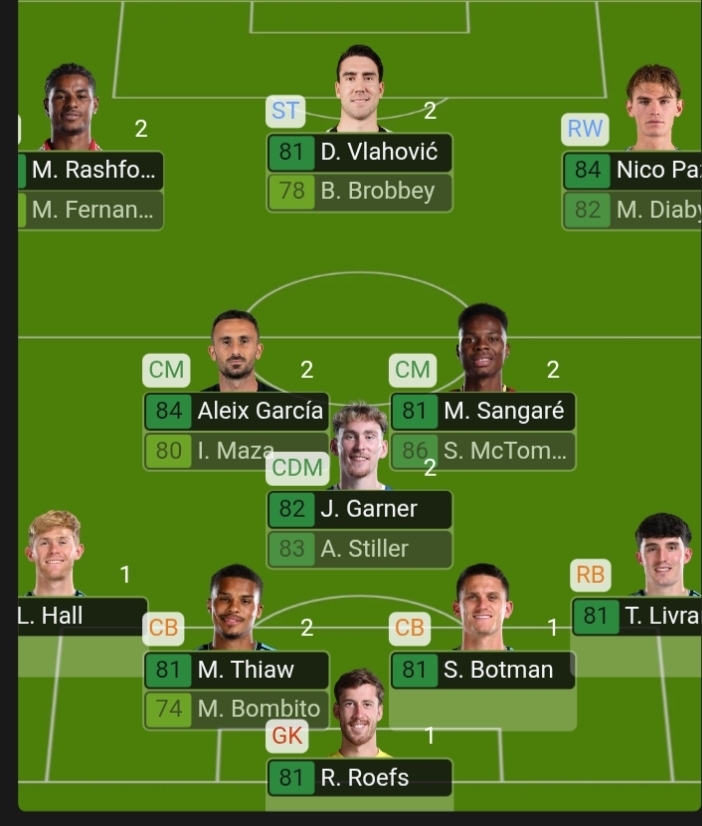
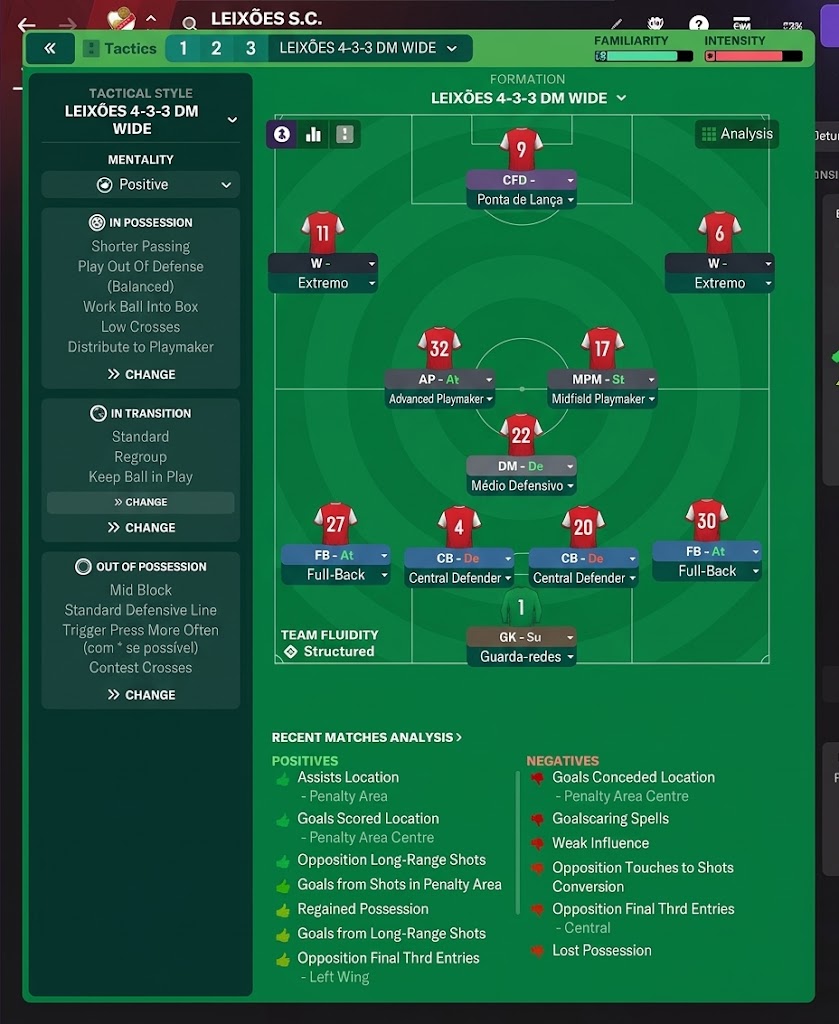
More Possession tactics
Guides for this formation
The tactical theory behind the 4-3-3: roles, instructions, and the trade-offs that decide whether the system holds up.
Foundations
Understanding the 4-3-3 Formation
Master the classic 4-3-3: player roles, tactical variations, and the trade-offs that decide whether it sings or stalls.
Read guide
Player pairings
Midfield Trios
Holder, runner, creator: the role distribution rule for three-man midfields, the AMC variants, and the antipatterns that break them.
Read guide
Playing styles
Gegenpressing: A Full Guide
Klopp-style gegenpressing in FM, including squad profile, line-and-press pairing, sustainable workload, and the antipatterns to avoid.
Read guide