Uploaded Tactic
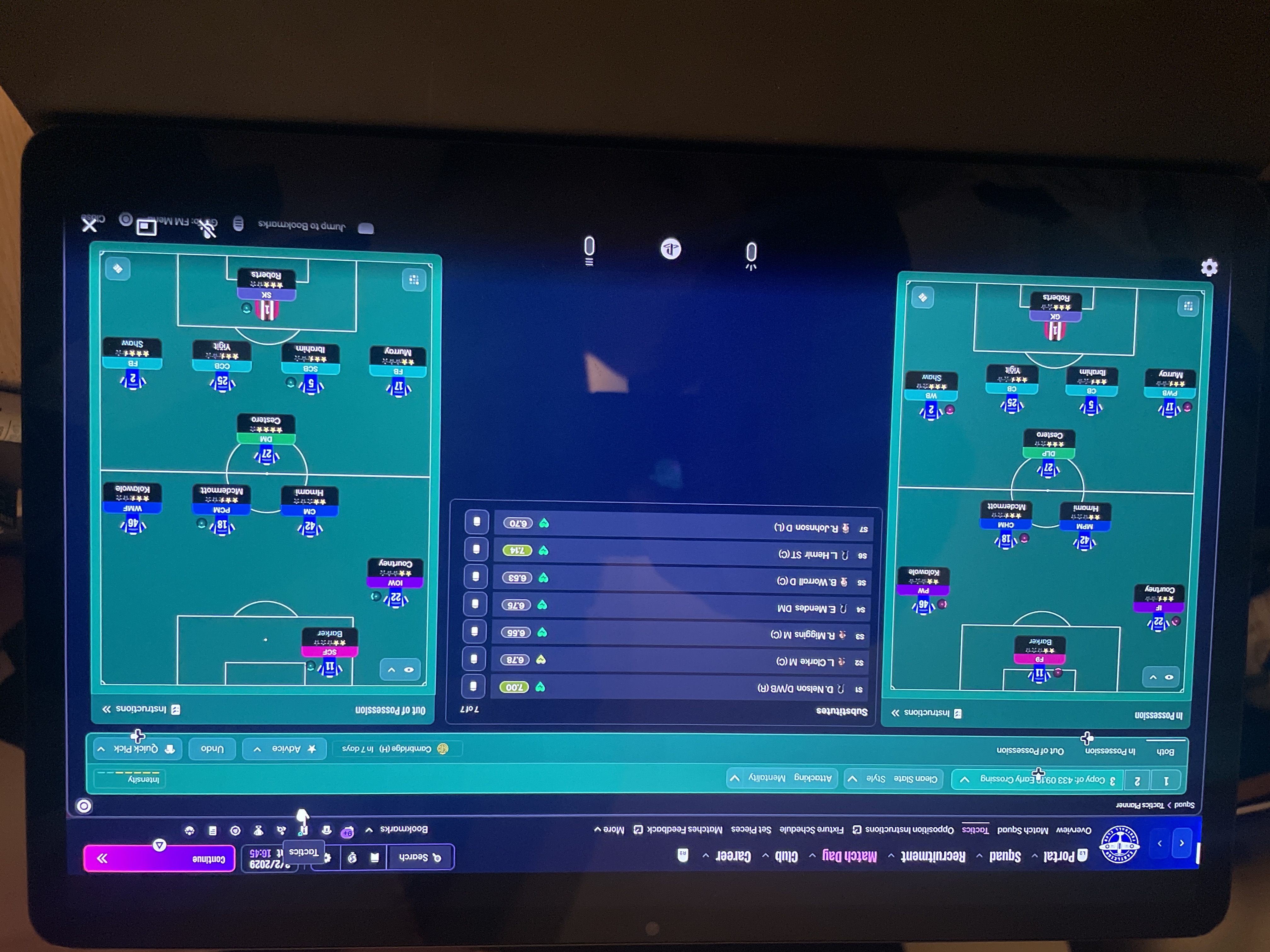
Formation & Style
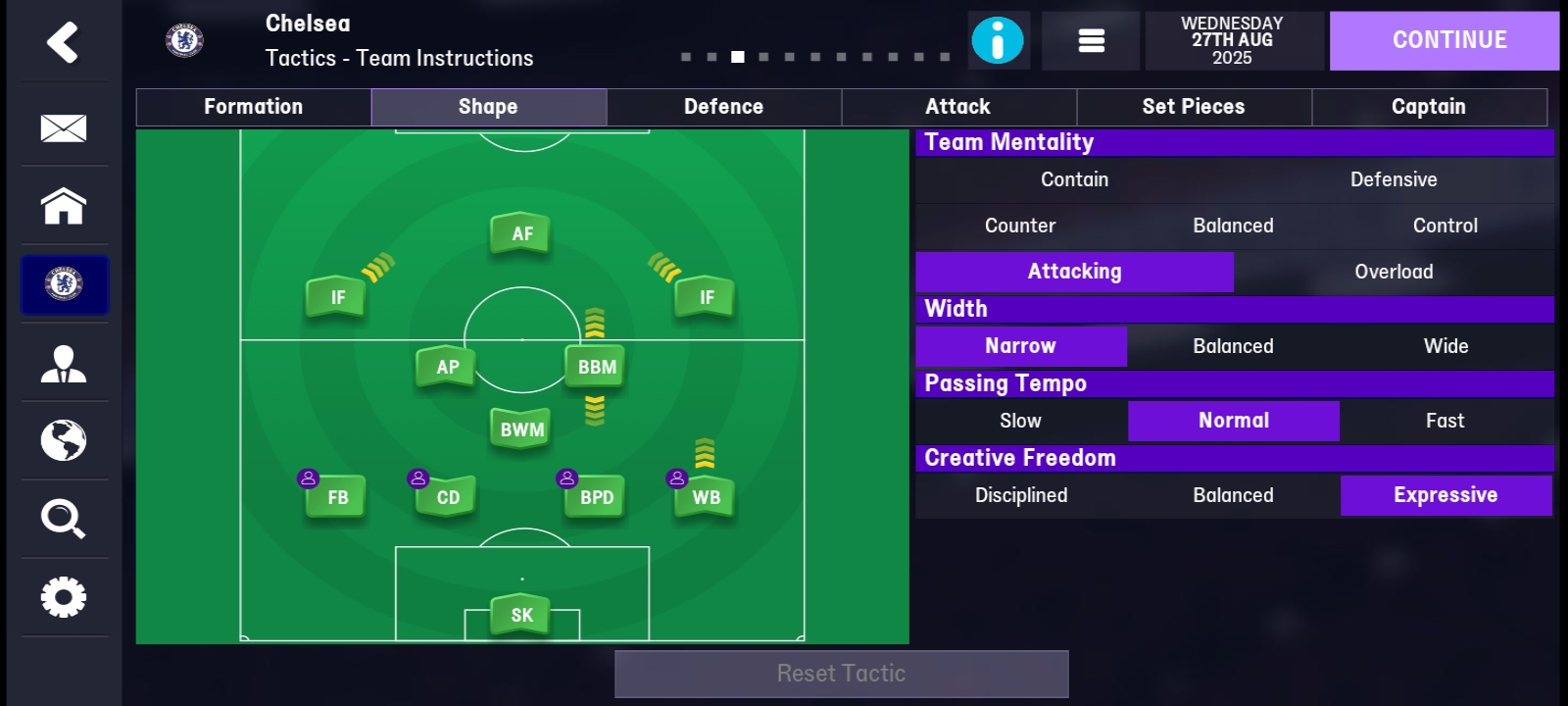
Tactical Style:Attacking
Mentality:Counter
Formation:4-3-3
Team Fluidity:Balanced
In Possession
Overload
Narrow
Normal tempo
In Transition
Counter
Keep possession
Out of Possession
Balanced
Team Shape Without Ball
Shape:4-1-2-3
Description:Forms a solid four with a deep-lying midfielder providing support during defensive duties.
Evidence:BWM at [3,3] supports the back line.
Team Shape With Ball
Shape:4-3-3
Description:Maintains width primarily through the FBs and aims for quick transitions into the attacking phase.
Evidence:Inside Forwards at [6,2] and [6,4] add width while the AF presses towards goal.
Phase Description
Attacking Play
Focuses on short, quick passing to exploit the narrow width and create overloads.
Defensive Transition
Quickly regroups to maintain shape and regain possession.
Main Focus
To dominate possession and utilize the advanced positions of the forwards.
Key Strengths
Dynamic Attack
The combination of inside forwards and an advanced forward creates multiple attacking options.
Midfield Control
Three central midfielders provide both stability and creative options.
Defensive Solidity
The formation allows for a robust defensive structure while maintaining possession.
Conflicting Directions
Narrow Width vs. Wing Play
The attacking strategy is narrow but may struggle if forced to exploit wider spaces.
Slow Build-up Timing
The team might struggle against high-pressing opponents due to the slow tempo.
Over-commitment in Attack
Creating overloads could leave the defense exposed if possession is lost.
Tactical Suggestions
Adjust Width
Consider widening the attack to stretch opposing defenses.
Increase Tempo
Increasing the passing tempo can help exploit quick counter-attacking chances.
Encourage Full-Back Overlaps
Utilizing the full-backs in attack can provide additional width and create space.
Ask Questions About Your Lineup
Related Tactics
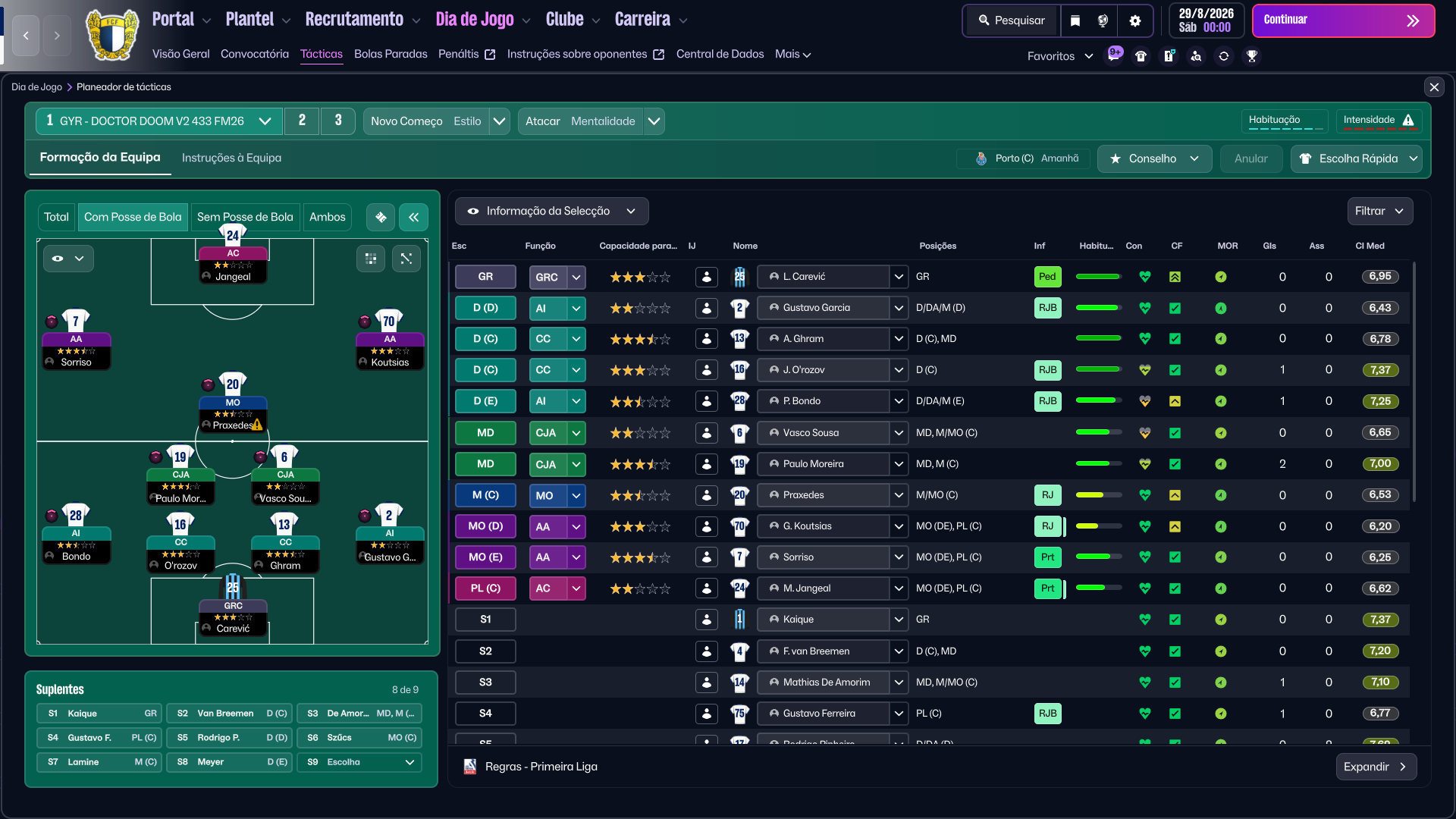
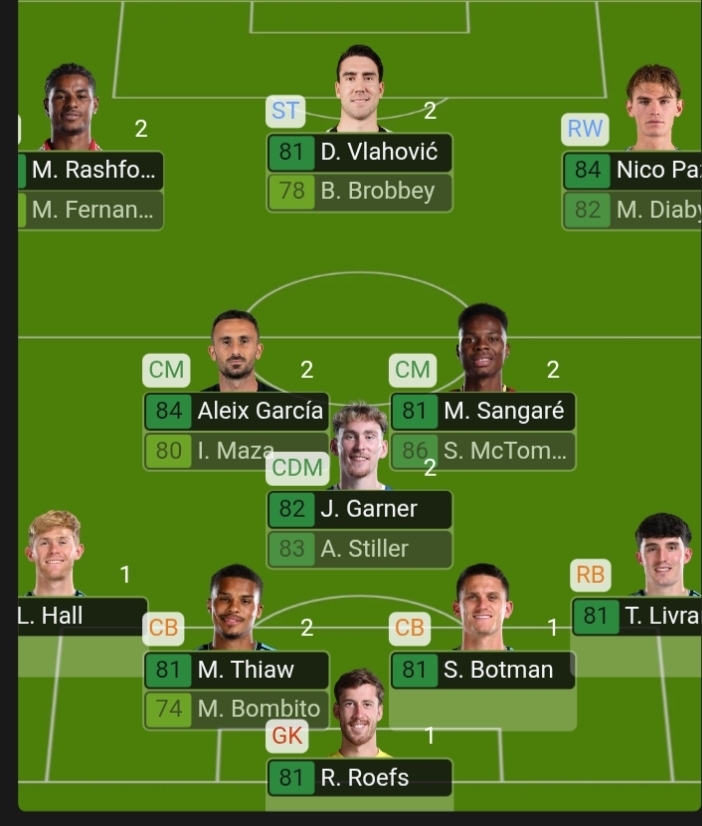
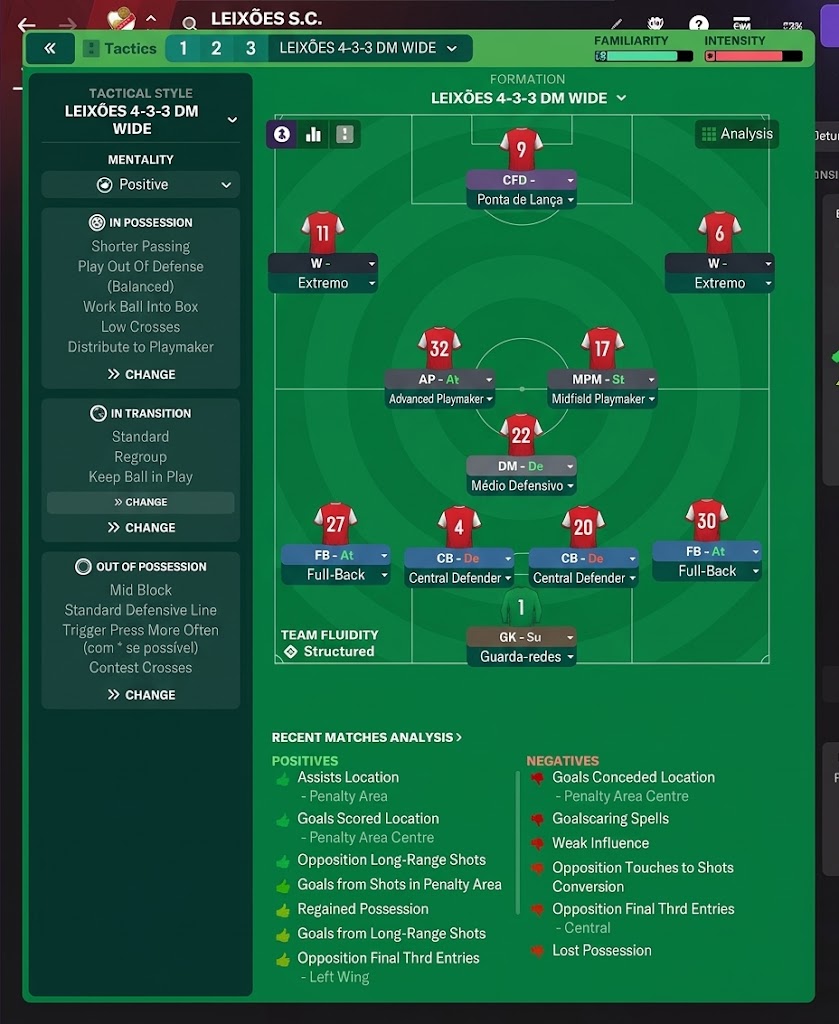
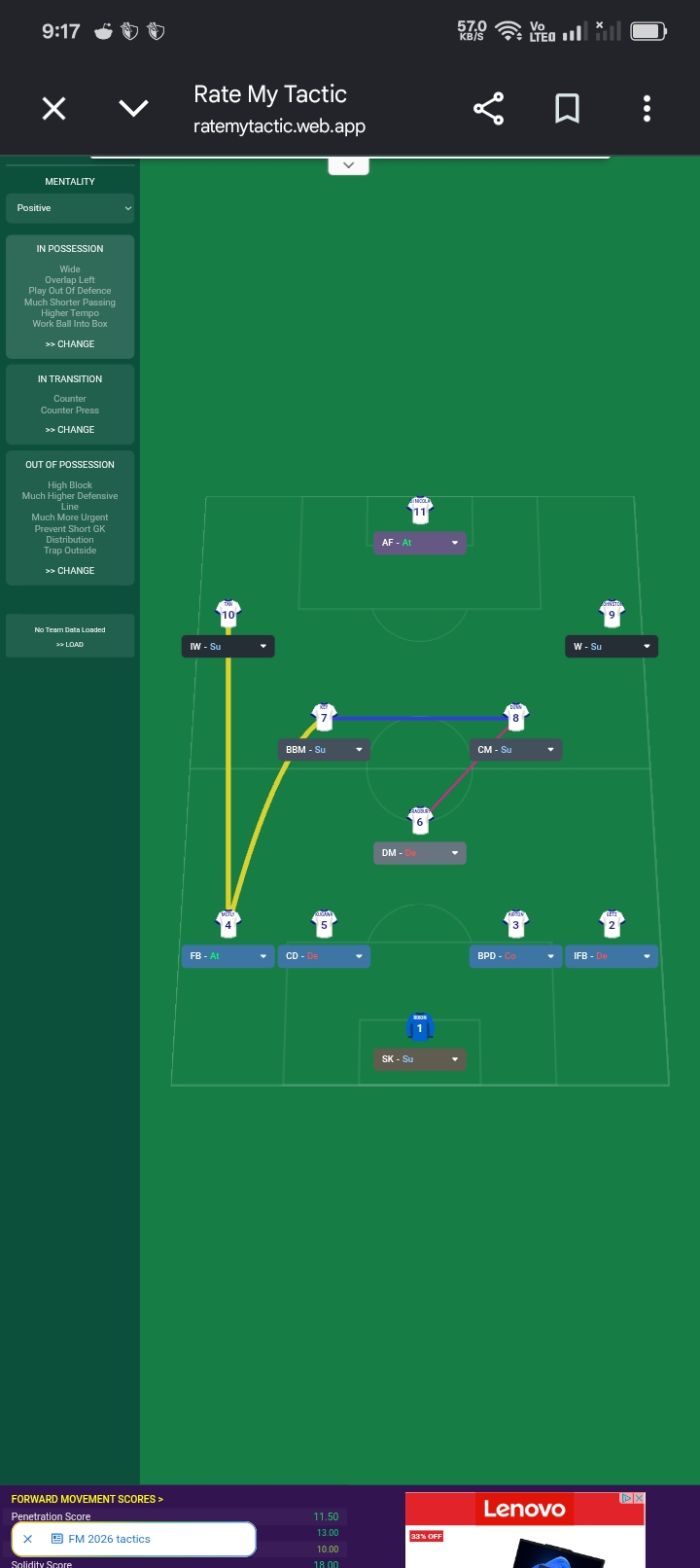
More Attacking tactics
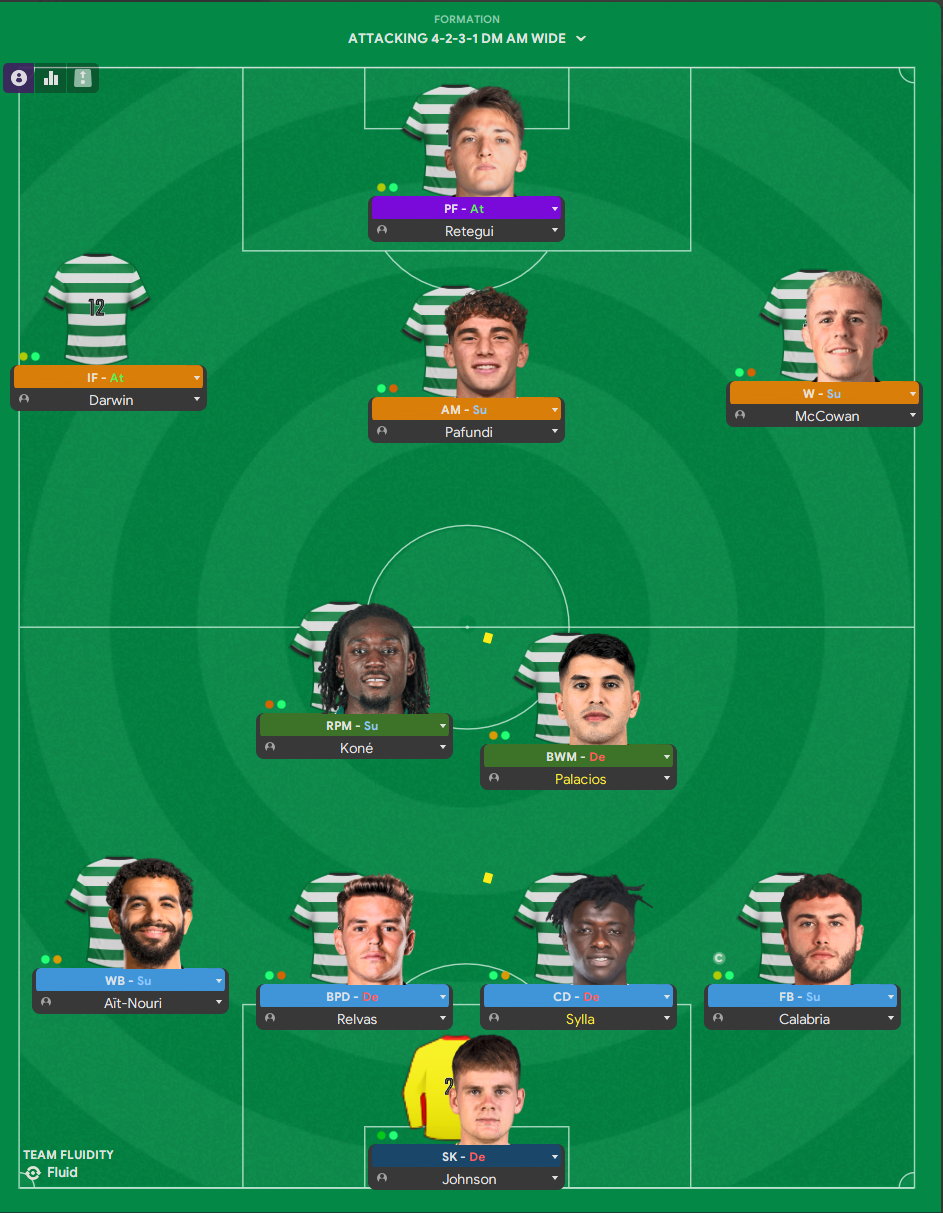
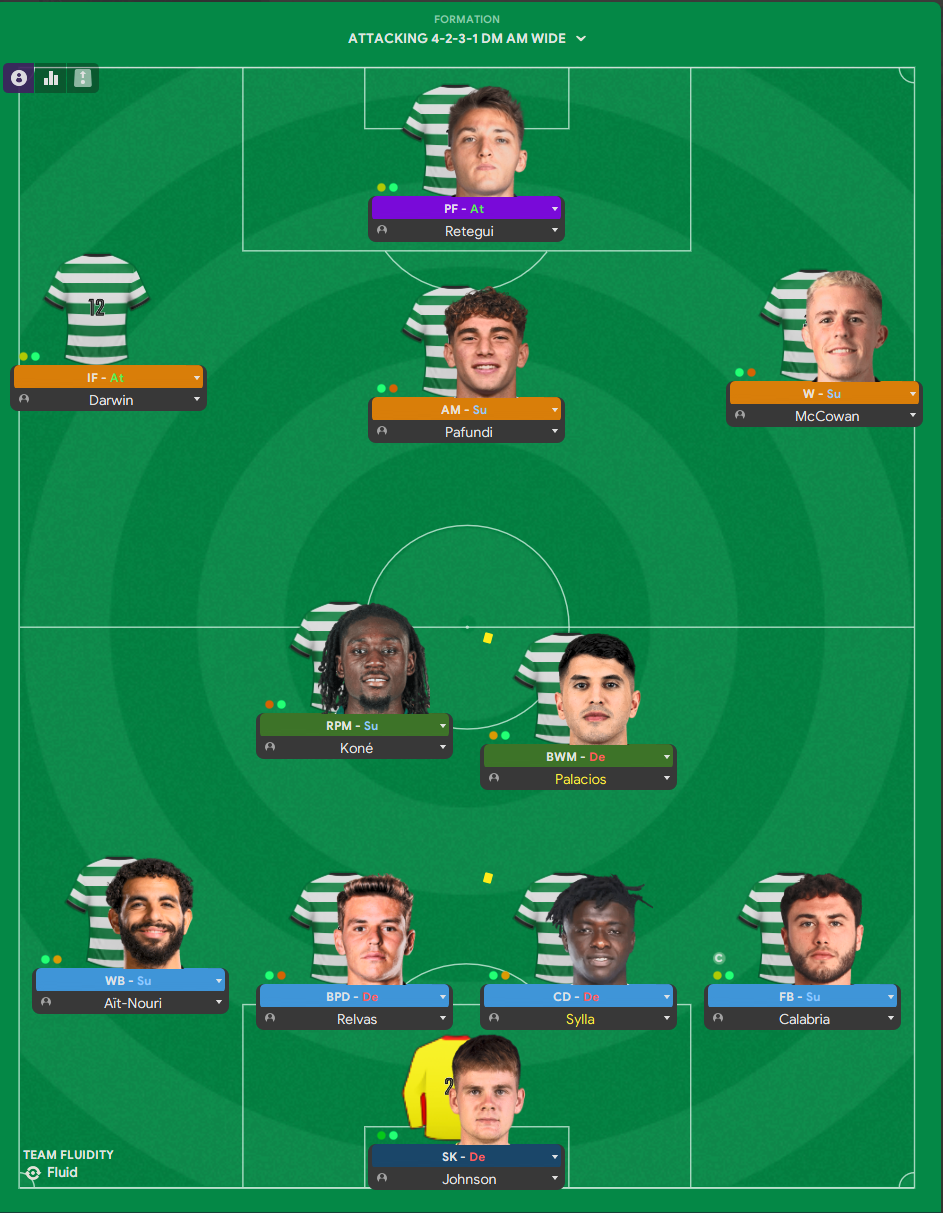
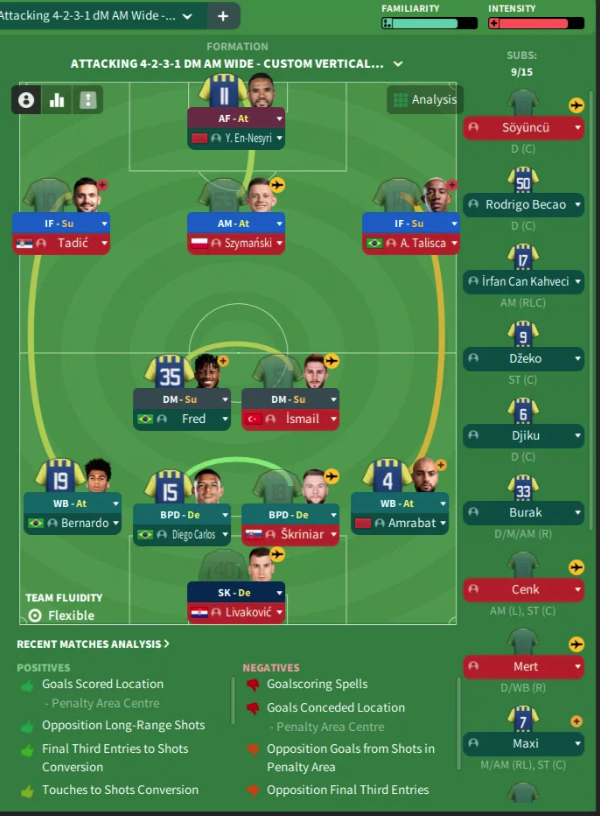
Guides for this formation
The tactical theory behind the 4-3-3: roles, instructions, and the trade-offs that decide whether the system holds up.
Foundations
Understanding the 4-3-3 Formation
Master the classic 4-3-3: player roles, tactical variations, and the trade-offs that decide whether it sings or stalls.
Read guide
Player pairings
Midfield Trios
Holder, runner, creator: the role distribution rule for three-man midfields, the AMC variants, and the antipatterns that break them.
Read guide
Playing styles
Gegenpressing: A Full Guide
Klopp-style gegenpressing in FM, including squad profile, line-and-press pairing, sustainable workload, and the antipatterns to avoid.
Read guide