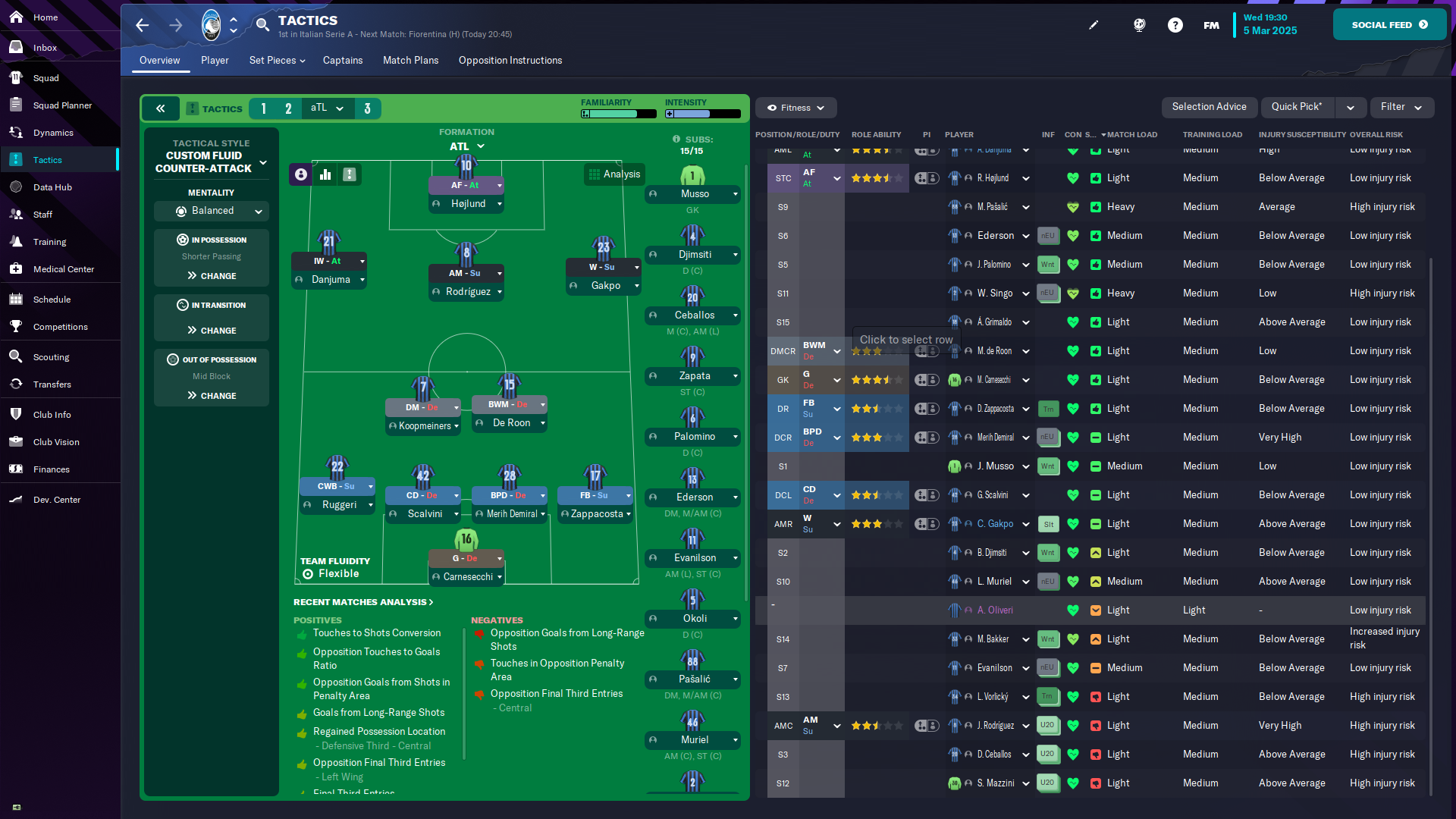
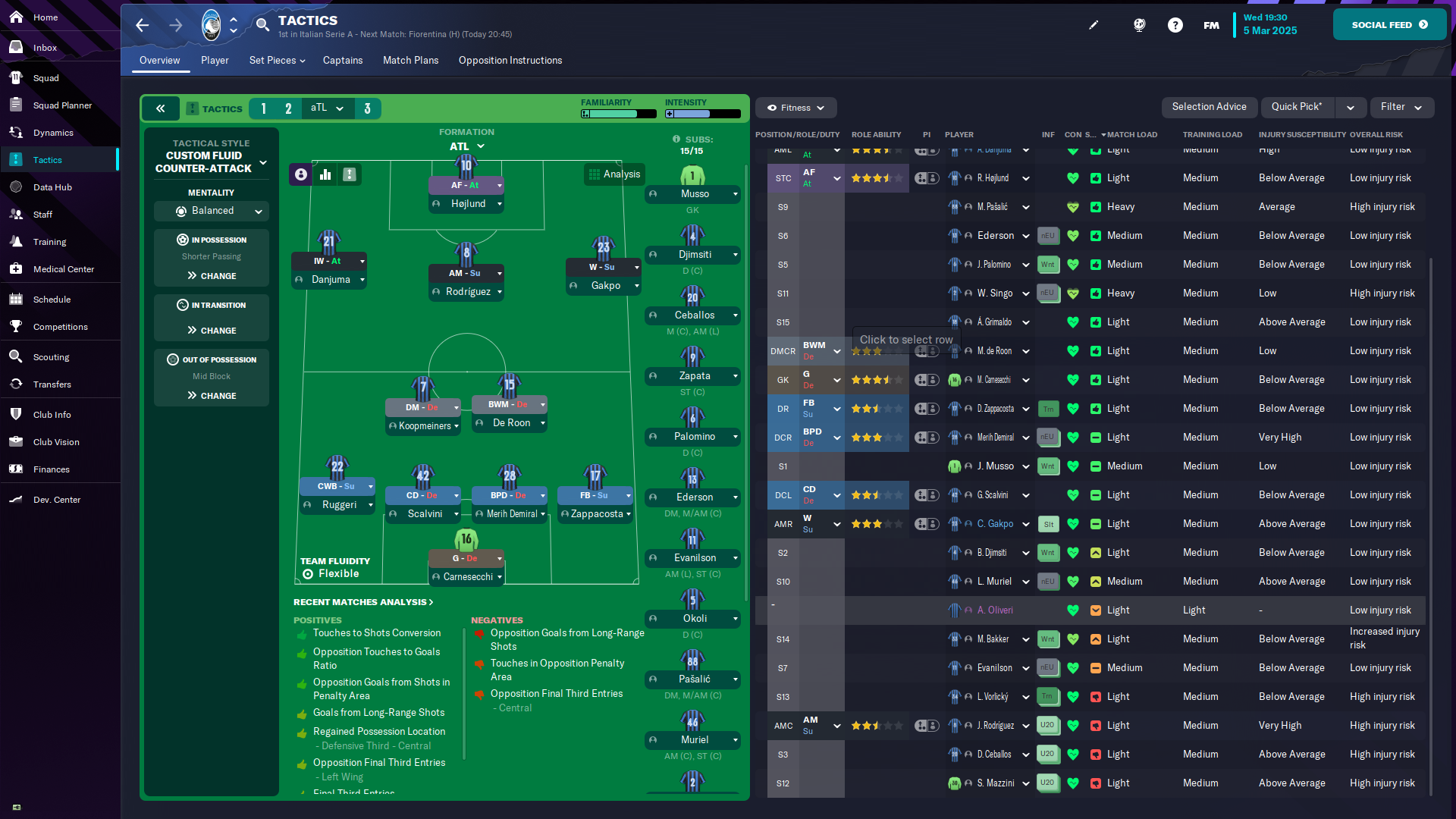
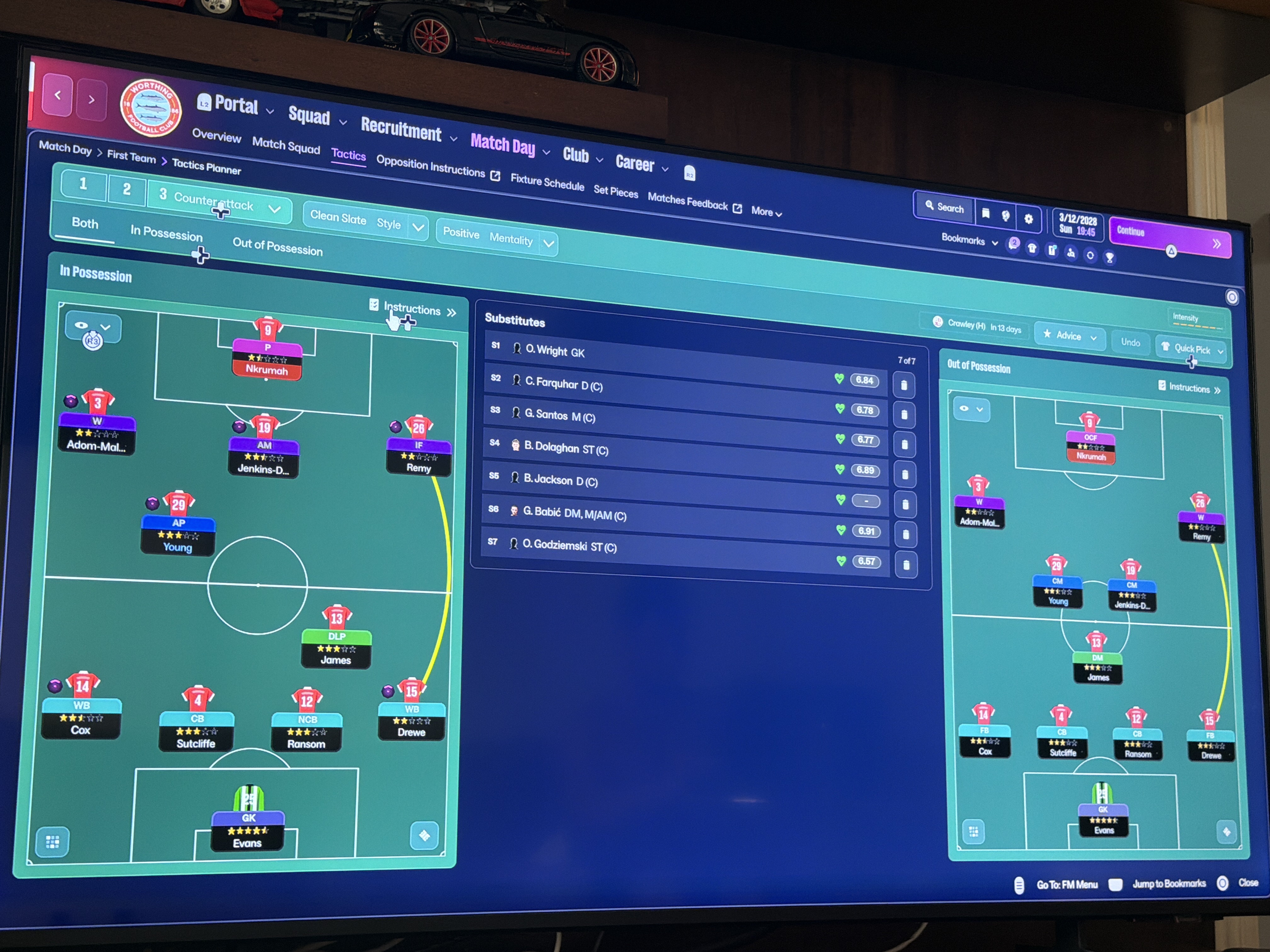
Counter Attack 3-4-2-1 (Balanced) Tactic
3-4-2-1
Leveraging speed and movement from attacking midfielders to create goal-scoring opportunities. The tactical setup allows the team to quickly transition…
Loading tactical analysis...
Formation and style
Counter Attack
Balanced
3-4-2-1
Flexible
In possession
Shorter Passing
Work Ball Into Box
In transition
Counter
Counter Press
Out of possession
Mid Block
Higher Line of Engagement
Player roles
GK
Goalkeeper
Defend
DC
Ball-Playing Defender
Defend
DC
Centre-Back
Defend
DC
Centre-Back
Defend
WB
Complete Wing-Back
Support
DM
Defensive Midfielder
Defend
CM
Ball-Winning Midfielder
Defend
AM
Inside Forward
Attack
AM
Advanced Playmaker
Support
ST
Advanced Forward
Attack
Phase description
Quick transitions and ball retention are emphasized to exploit counter-attacking opportunities.
High intensity to win the ball back immediately after losing possession.
Leveraging speed and movement from attacking midfielders to create goal-scoring opportunities.
Team shape defence
Mid Block
The team maintains a compact structure to limit space in central areas.
Utilizing a 3-4-2-1 formation, the defensive roles are focused on maintaining shape.
Team shape attack
Fluid Counter
Fluidity in the attacking phase ensures multiple passing options.
Attacking midfielders positioned to create and exploit width, combined with the dynamic movement of the striker.
Key strengths
Adaptability in Counter Attacks
The tactical setup allows the team to quickly transition from defence to attack.
Roles of Inside Forward (AM) and Advanced Forward (ST) help in rapid exploitation of space.
Strong Midfield Control
The midfield duo enhances ball recovery and distribution.
Ball-Winning Midfielder (CM) at [4,3] supports defensive duties while contributing to the attack.
Conflicting tactics
High Pressing Implementation
Current mentality and instructions do not favor an aggressive pressing approach.
Mid Block and Counter strategies can clash with higher pressing routines.
Wide Play Neglect
An over-reliance on the central areas might leave wide positions untapped.
Possession strategy may not fully utilize wing-backs effectively.
Risk exposures
Risk Exposures
Items
Defensive Transition
Vulnerabilities in transitioning back from attack can lead to counter goals.
High pressing demands on midfielders could leave defensive gaps.
Wide Areas
Opponents may exploit unprotected wide areas if wing-backs are too advanced.
Complete Wing-Backs might be caught upfield during transitions, exposing the defence.
Role synergies
Role Synergies
Items
Inside Forward (AM) + Advanced Forward (ST)
Both roles can interchange effectively to confuse defenders.
IF-A at [5,2] and AF at [6,3] create dynamic attacking movements.
Ball-Winning Midfielder (CM) + Defensive Midfielder (DM)
Strong base for disrupting opposition play and initiating counter-attacks.
BWM-D at [4,4] and DM-D at [3,3] can quickly transition to offense.
Suggested questions
How can I better utilize my wing-backs to create more goal-scoring opportunities?
What adjustments can be made to improve midfield connectivity in both defense and attack?
What tactical changes can enhance defensive response during transitions?
Related Tactics
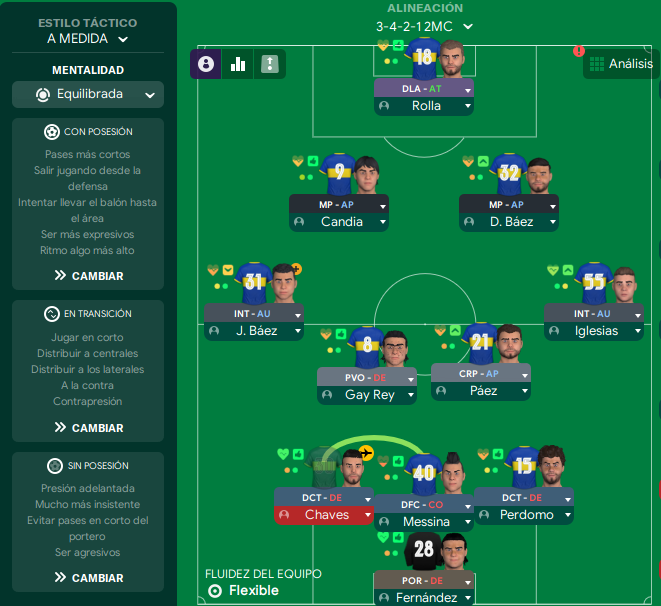
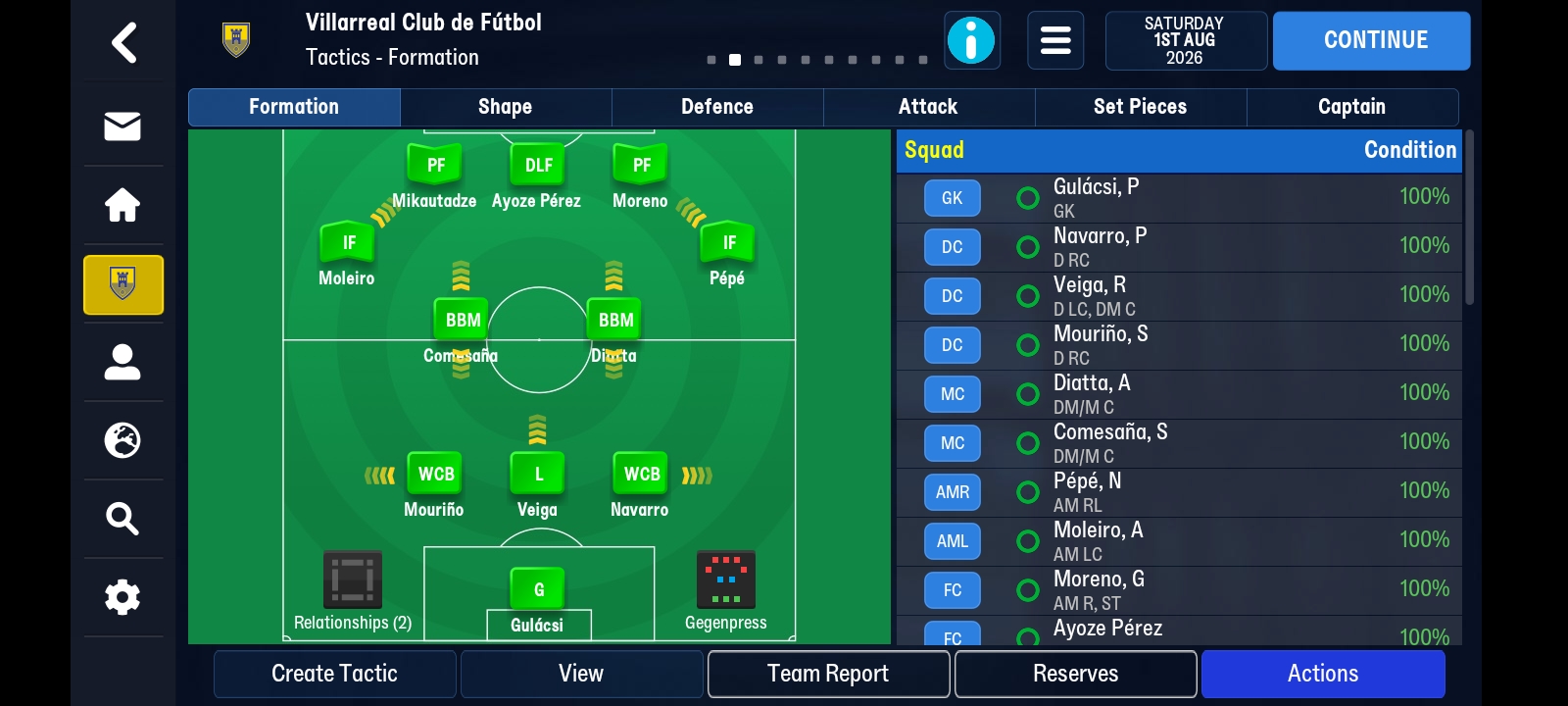
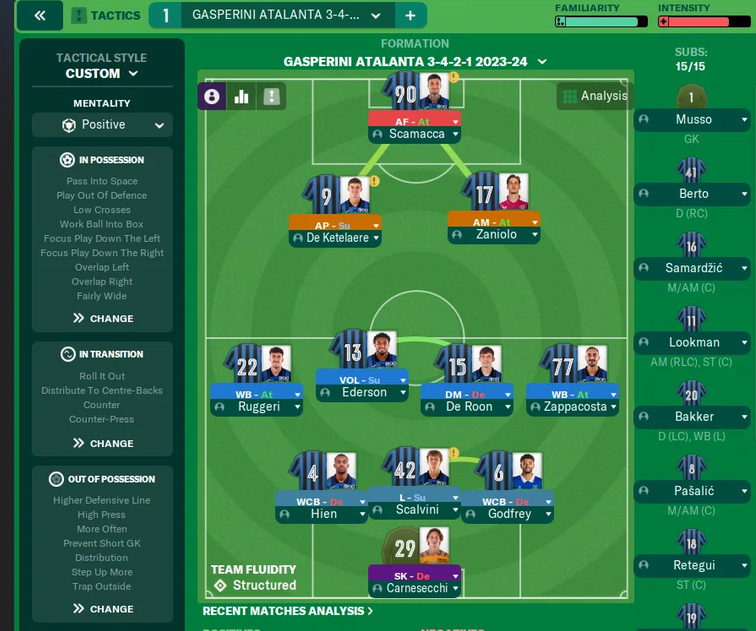
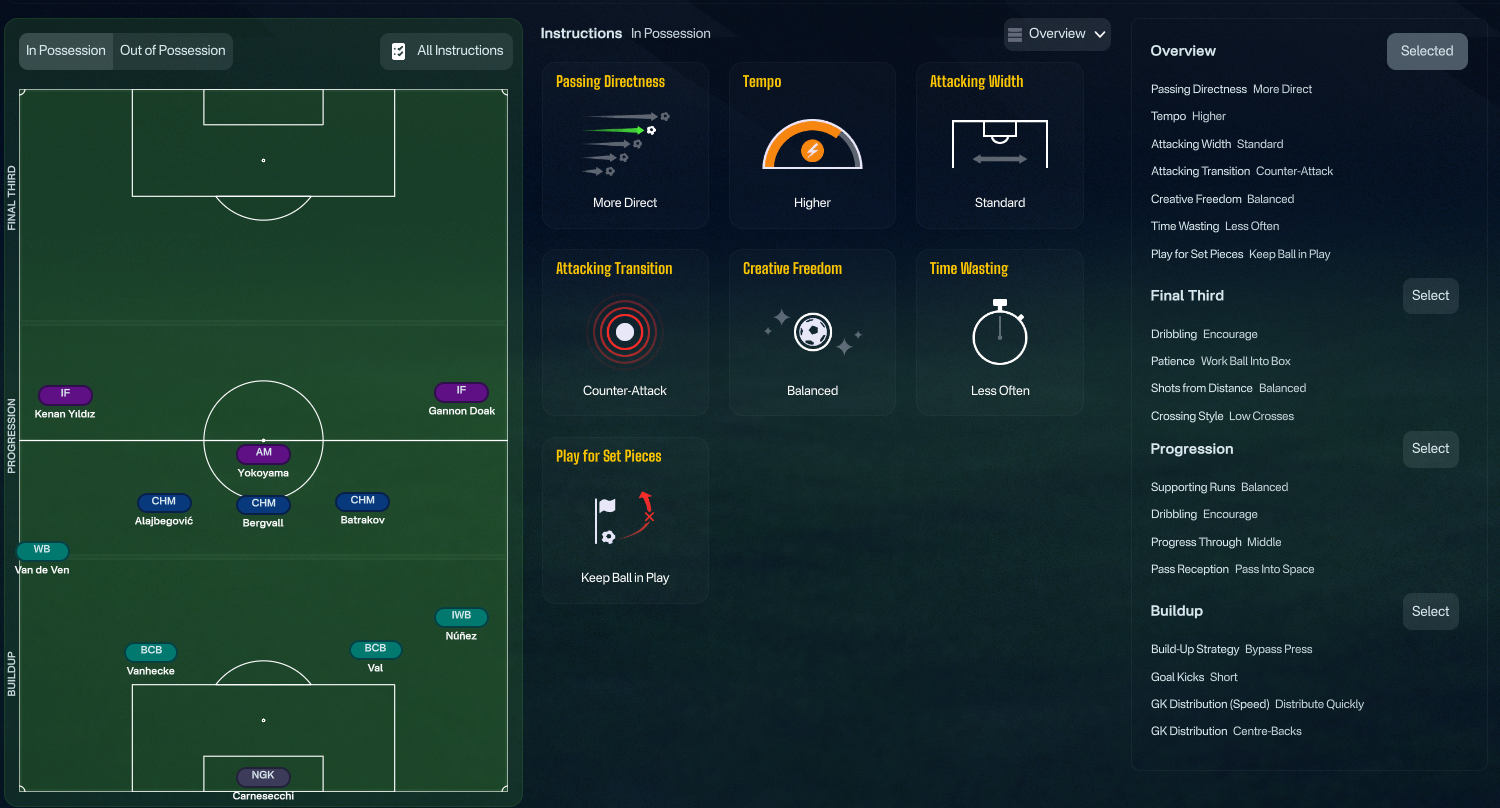
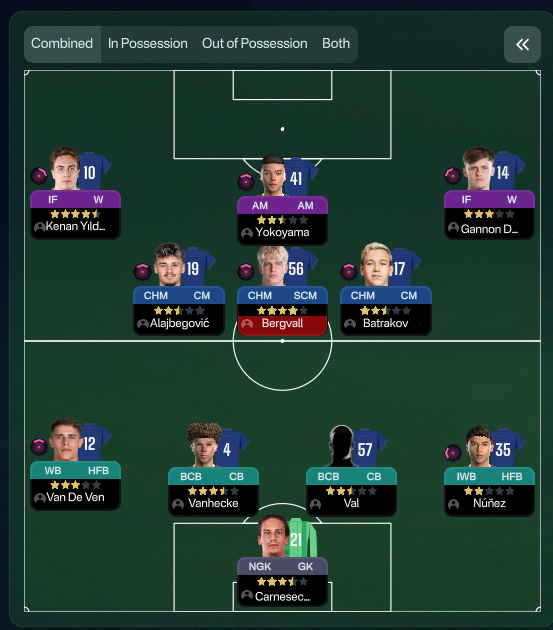
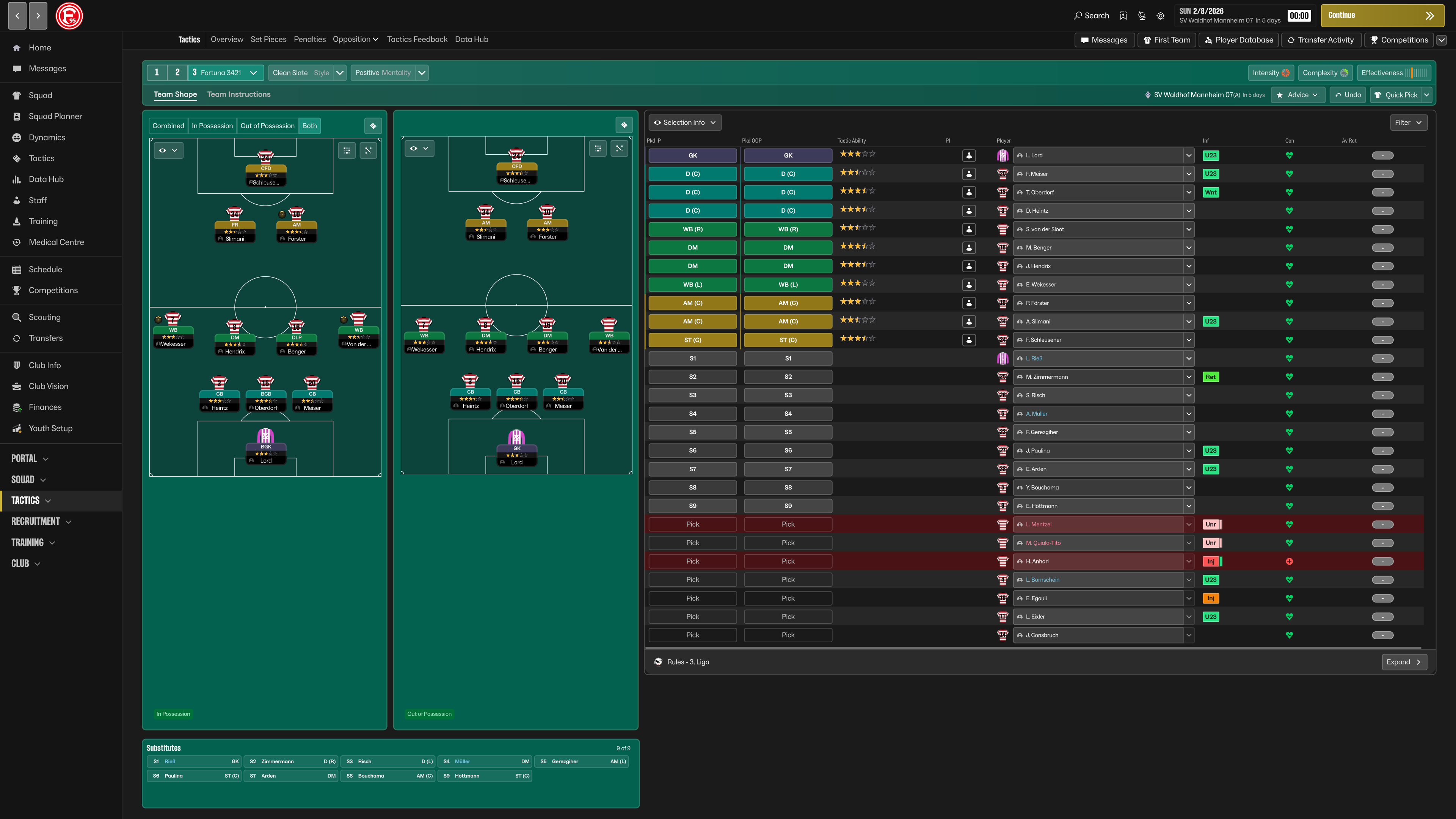
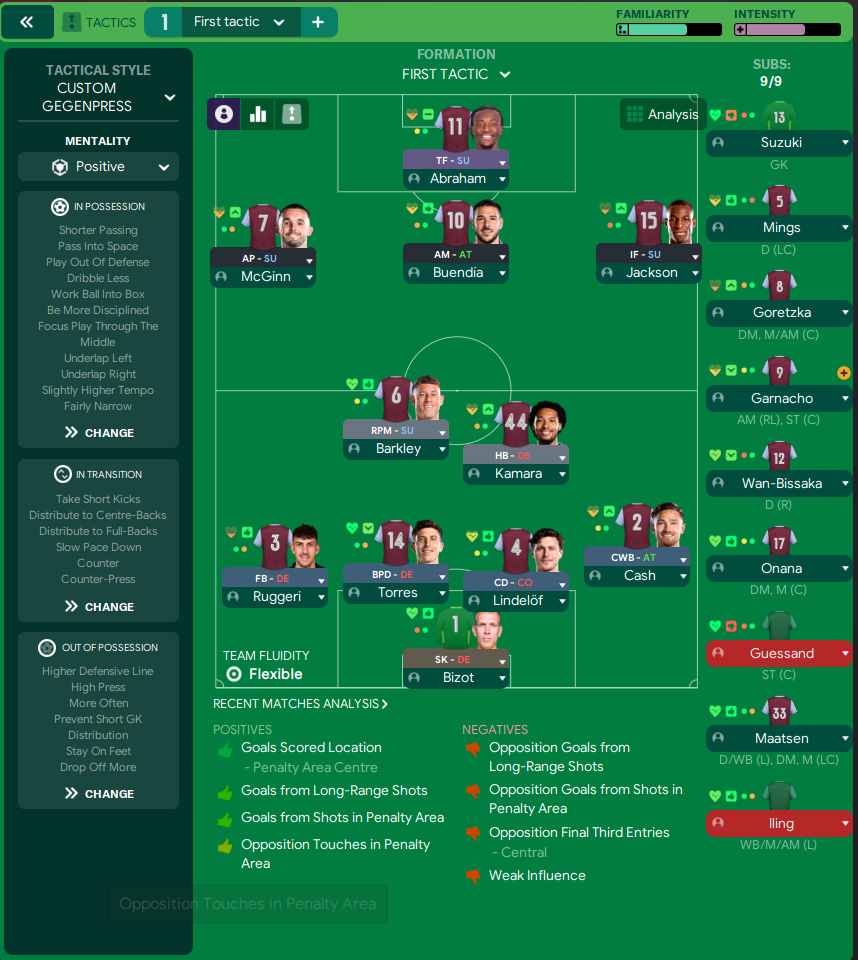
More Counter Attack tactics
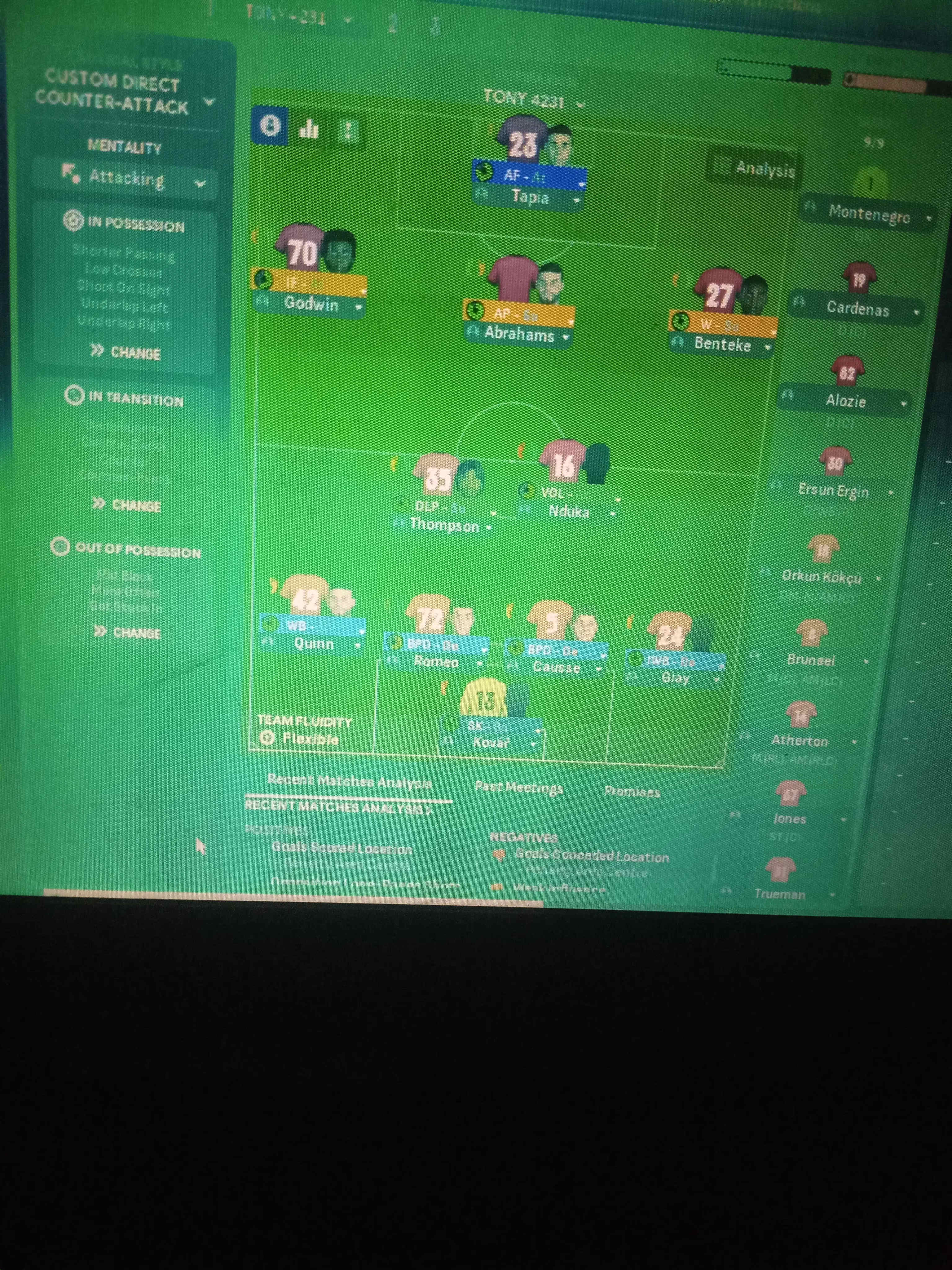
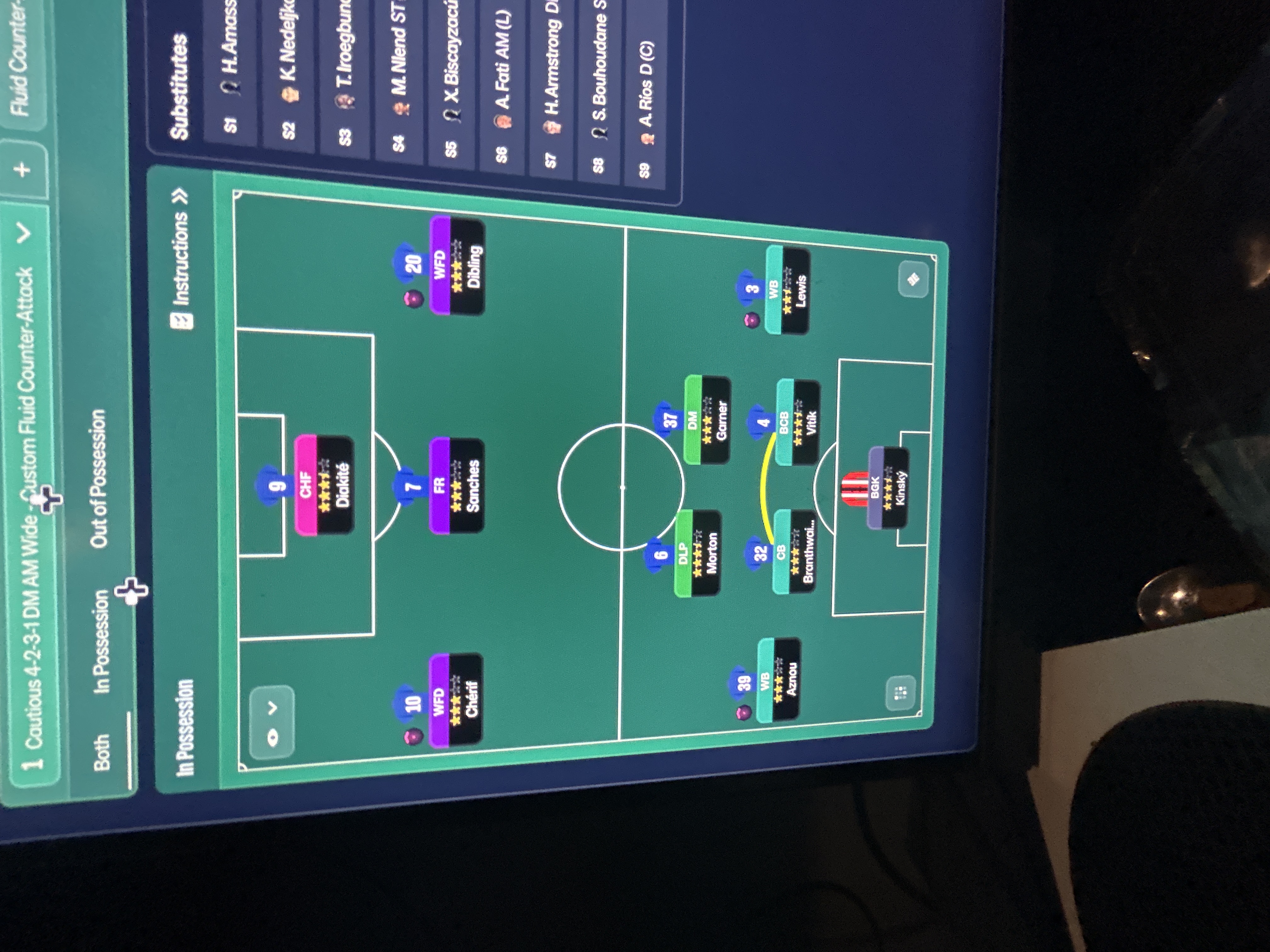
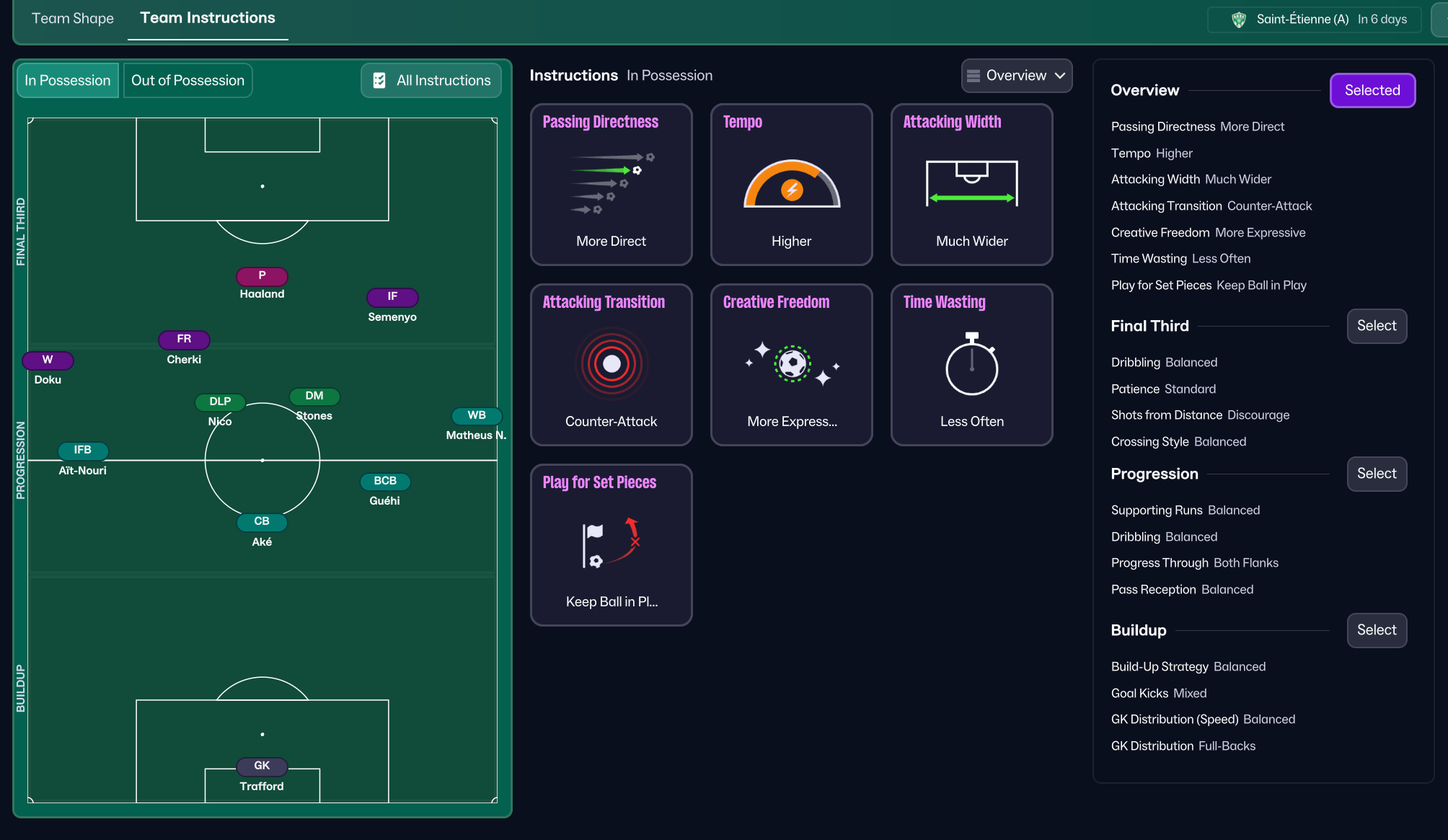
Guides for this tactic
The tactical theory behind the 3-4-2-1: roles, instructions, and the trade-offs that decide whether the system holds up.
Match preparation
In-Match Tactical Changes
Mentality, duty, role, instruction, sub. The change hierarchy from lightest to heaviest intervention, and 60th-minute patterns by game state.
Read guide
Match preparation
Reading the Match Tablet
Pass map, average position, xG, possession by zone: what each tablet panel tells you in FM and the tactical change it should trigger.
Read guide
Foundations
FM27 Tactics: What Changed from FM26
FM27 keeps FM26's tactic system. Here is what stays the same, the small changes that can catch you out, and what the new Tactical Effectiveness system asks of you.
Read guide