Uploaded Tactic
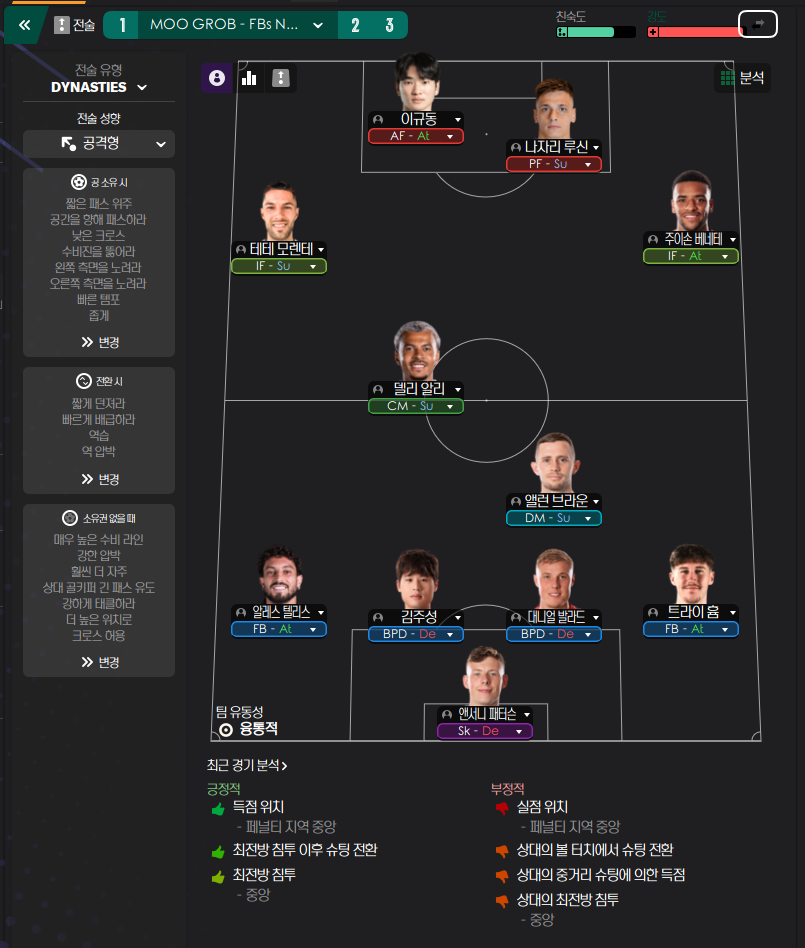
Formation & Style
Tactical Style:Direct
Mentality:Attacking
Formation:4-2-3-1 Wide
Team Fluidity:Structured
In Possession
Attack Moves
Play Out of Defence
Overlap on the Flanks
In Transition
Counter-Press
Counter
Out of Possession
Higher Defensive Line
Higher Line of Engagement
Trigger Press More Often
Team Shape Without Ball
Shape:Compact shape
Description:The team maintains a compact formation to limit space and disrupt opposition play.
Evidence:Higher Defensive Line and Higher Line of Engagement promote a forward-pressing defensive unit.
Team Shape With Ball
Shape:Fluid attacking shape
Description:Full-backs push high while inside forwards create overloads in half-spaces, stretching the defense.
Evidence:Inside Forwards and Full-Backs utilized effectively to create width and space.
Phase Description
Attacking Play
Focuses on quick transitions and exploiting width with overlapping full-backs and inside forwards cutting inside.
Defensive Transition
Quick recovery and pressing to regain possession promptly.
Main Focus
Utilize the speed and creativity of forwards to break defensive lines.
Key Strengths
Wide Play Creation
Utilizing overlapping full-backs and inside forwards creates numerous opportunities.
Defensive Stability
A mix of BPD to build from the back combined with no-nonsense CB provides resilience.
Fluid Front Three
Versatile roles in attack create unpredictability for opponents.
Conflicting Directions
Heavy Press Against Strong Defenses
The pressing may become ineffective against organized defensive setups.
Vulnerability to Counter-Attacks
Challenging to recover shape quickly during transitions may leave gaps.
Over-reliance on Wing Play
If opponents adapt to wing tactics, the team may struggle to penetrate centrally.
Tactical Suggestions
Consider a More Cautious Approach Against Strong Teams
Adapting to a more balanced mentality can provide better control.
Utilize Depth in the Squad
Rotating players can maintain performance levels throughout matches.
Adjust Team Instructions Based on Match Context
Tactical flexibility can help respond to the game situation effectively.
Ask Questions About Your Lineup
Related Tactics
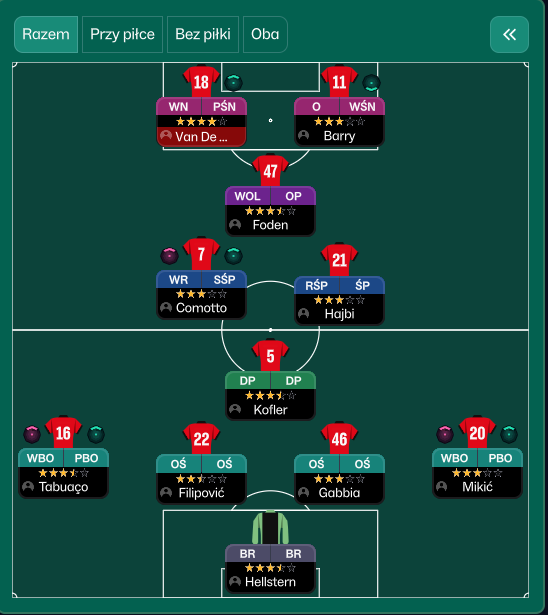
More Direct tactics
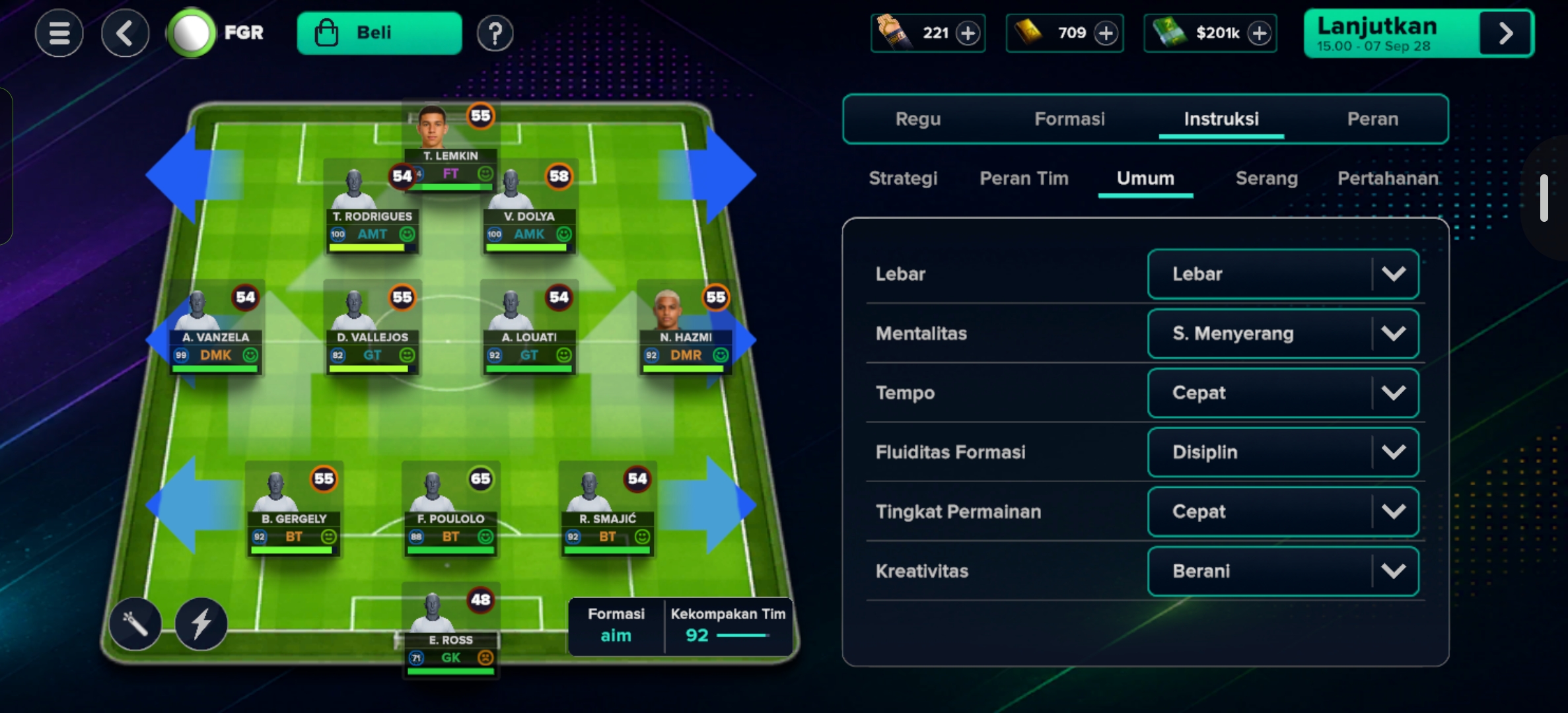
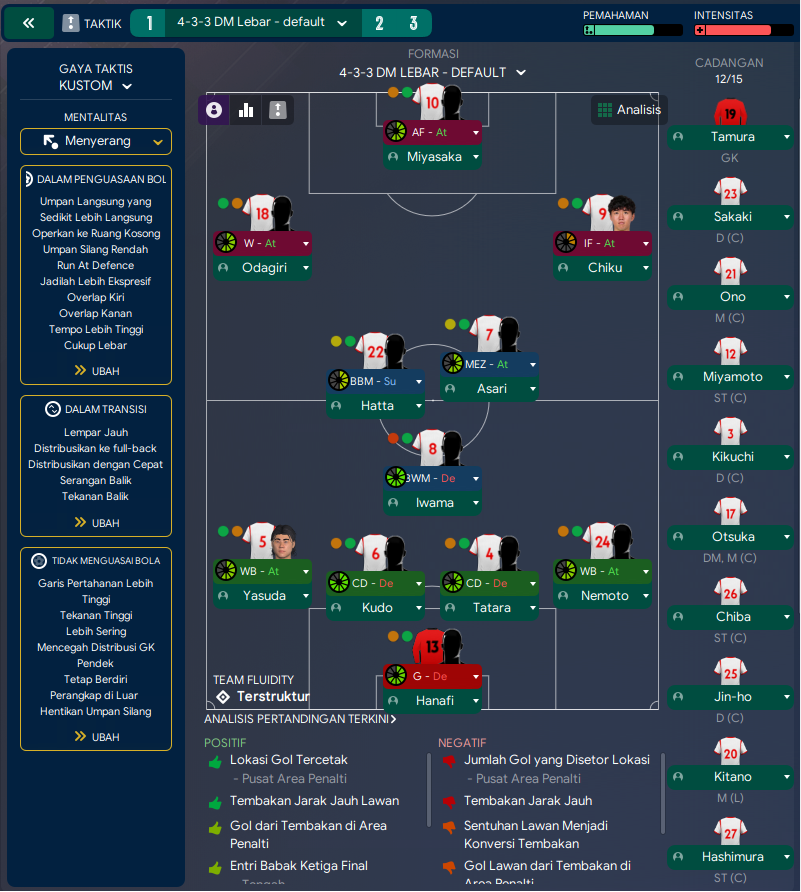
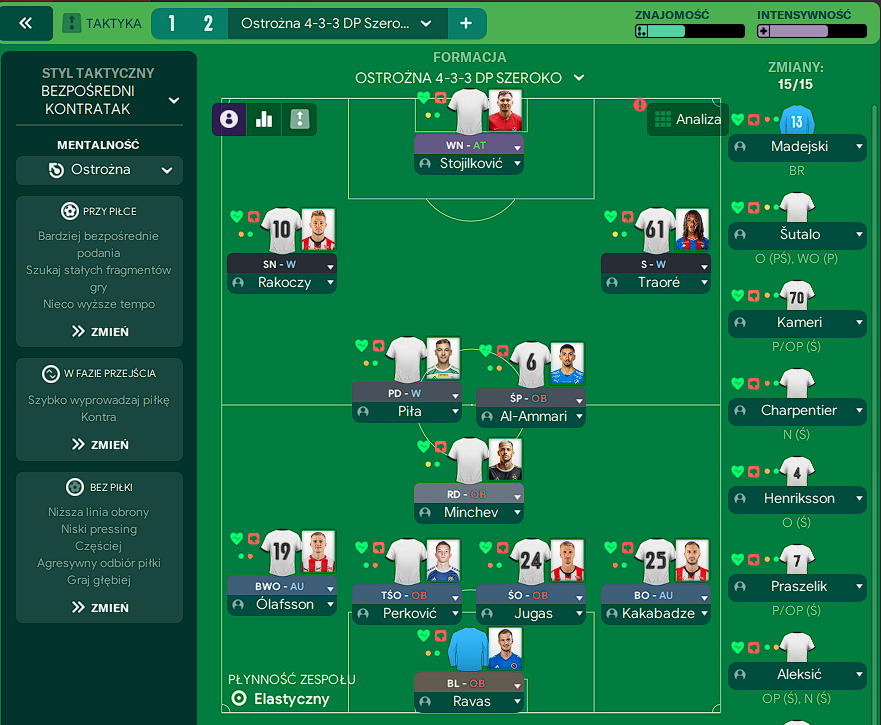
Guides for this formation
The tactical theory behind the 4-2-3-1 Wide: roles, instructions, and the trade-offs that decide whether the system holds up.
Player pairings
Midfield Pairs in 4-2-3-1 and 4-4-2
Double pivots and flat pairs in 4-2-3-1 and 4-4-2: when each pairing works, when it collapses, and the AMC unicorn that rescues both.
Read guide
Playing styles
Gegenpressing: A Full Guide
Klopp-style gegenpressing in FM, including squad profile, line-and-press pairing, sustainable workload, and the antipatterns to avoid.
Read guide