Uploaded Tactic
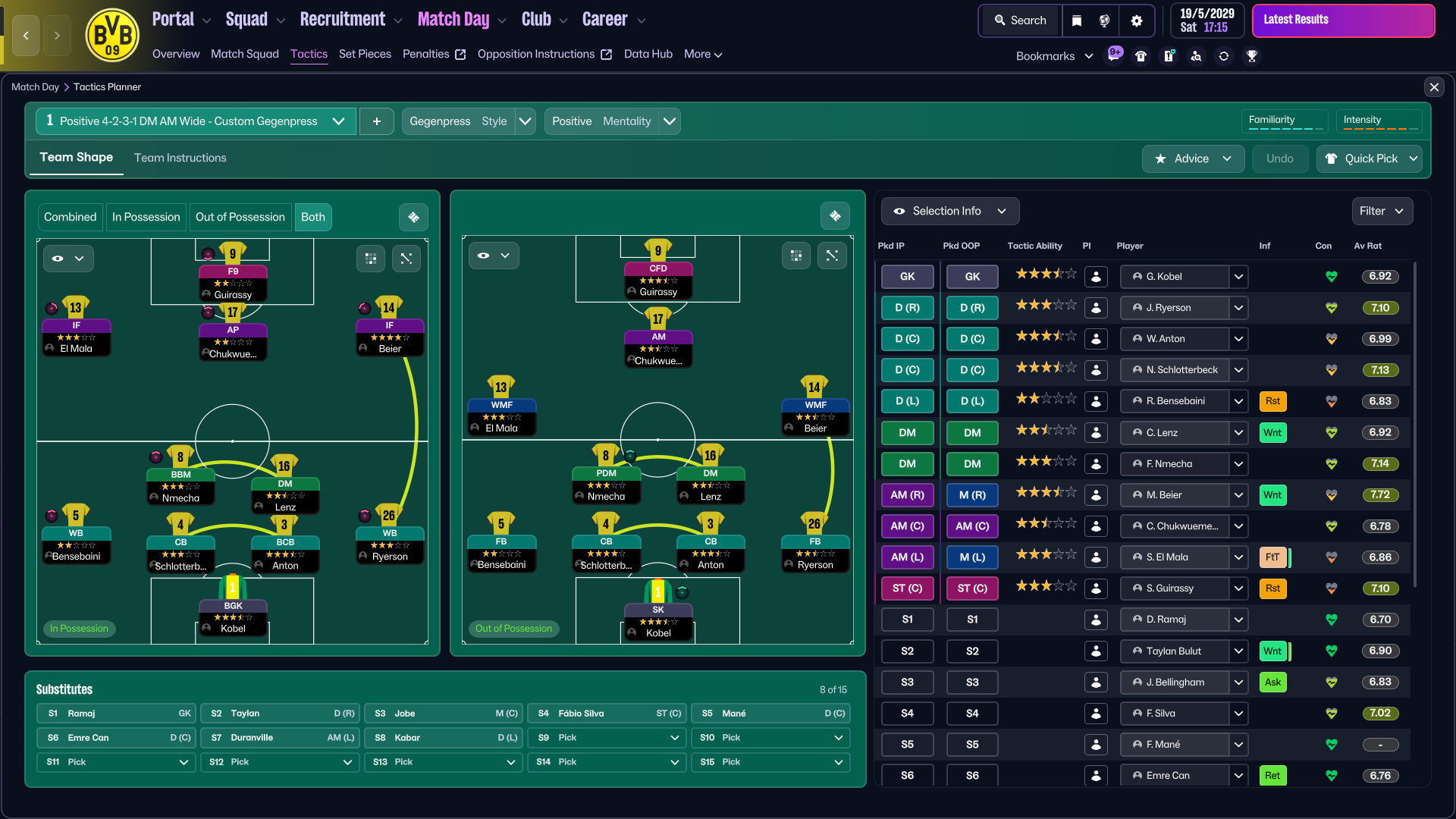
Formation & Style
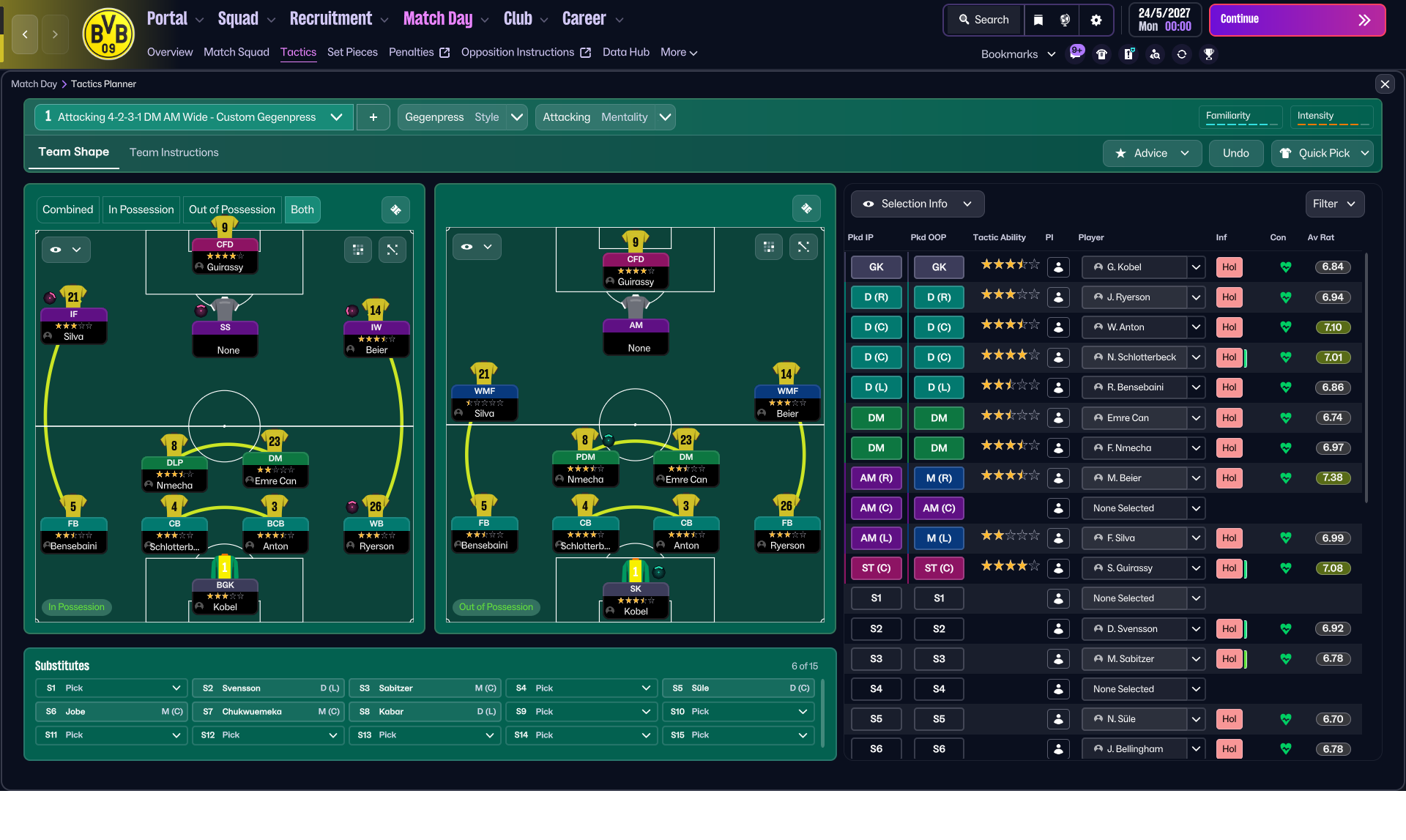
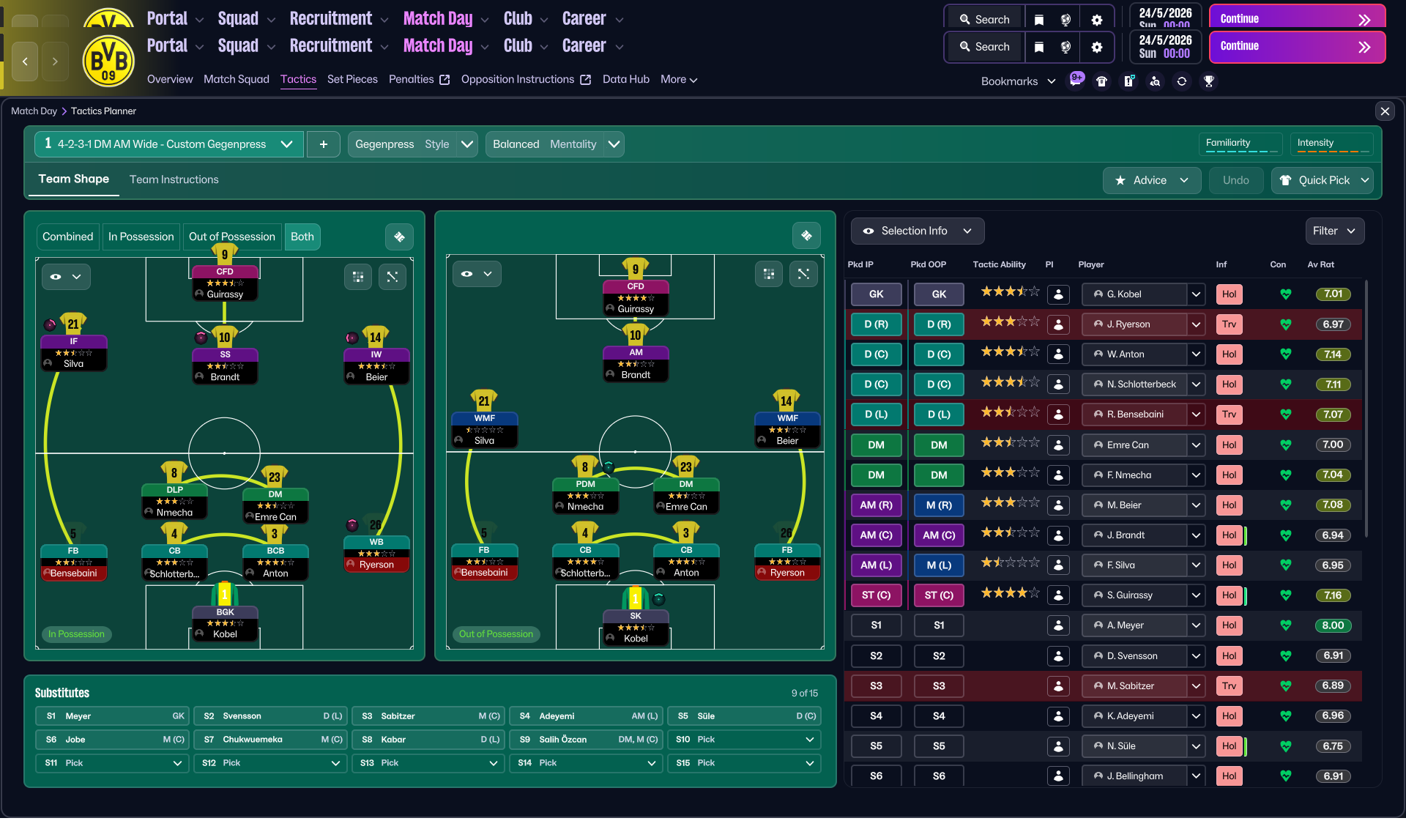
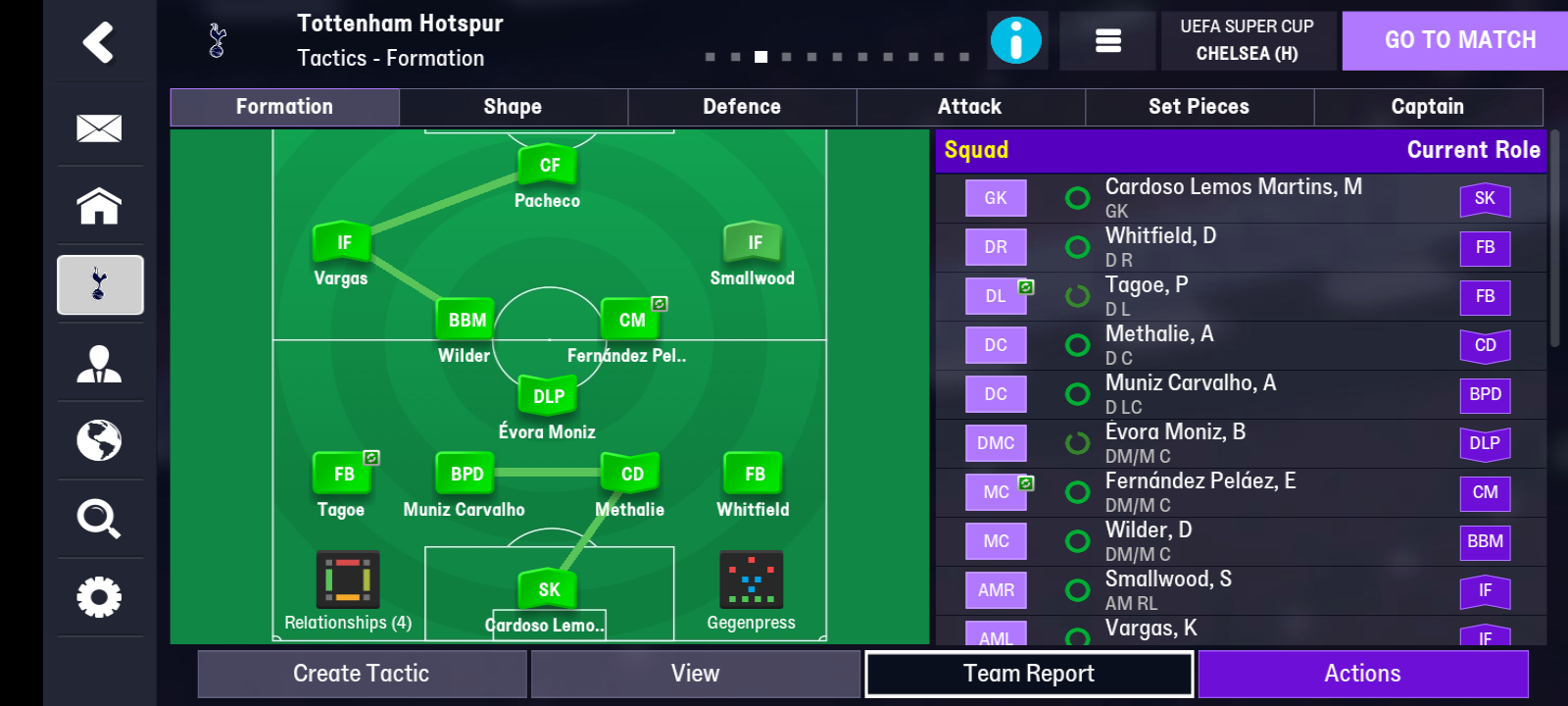
Tactical Style:Gegenpress
Mentality:Positive
Formation:4-2-3-1 Wide
Team Fluidity:Structured
In Possession
Stay on Feet
Work Ball Into Box
Play Out of Defence
Use Shorter Passes
In Transition
Counter-Press
Counter
Out of Possession
Higher Line of Engagement
Higher Defensive Line
Trigger Press More Often
Team Shape Without Ball
Shape:4-2
Description:A compact shape allowing for effective cover against counter-attacks and maintaining the defensive integrity.
Evidence:CB at [2,2] and [2,3] combined with DM at [3,2] forming a strong central core.
Team Shape With Ball
Shape:3-4-1
Description:Voracious attacking shape that can stretch defenses while providing options across the pitch.
Evidence:LW, RW, and AM working in tandem to create space and openings for the False Nine.
Phase Description
Attacking Play
Focus on possession-oriented play with a high emphasis on maintaining control and utilizing width.
Defensive Transition
Quickly initiate pressure to regain possession, looking to exploit gaps left by the opposition.
Main Focus
Utilizing the midfield to orchestrate build-up play while enabling wide players to create chances.
Key Strengths
Fluid Midfield Control
The Box-to-Box Midfielder complements the Deep-Lying Playmaker to maintain control and dictate the game's tempo.
Wide Threats
The Inside Forward and Wide Midfielder create a varied attacking width and willingness to cut inside.
High Pressing
The tactical setup encourages sustained pressure on the opponent, especially from the forwards.
Conflicting Directions
Overextension Risks
With high pressing and attacking duties, the team risks being caught out on the counter.
Potential Midfield Exposure
A lack of a true holding midfielder may lead to gaps in the transitional phase.
Reliance on Width
Heavy reliance on wide play may lead to predictability if not complemented by central threats.
Tactical Suggestions
Defensive Midfielder Role
Consider reassigning a DM role to provide more defensive stability in transitions.
Rotational Play
Encourage overlapping runs and rotations between wide players to confuse opposition defenses.
Substitutions Check
Monitor fatigue levels and consider fresh legs for pressing and counter-initiating roles.
Ask Questions About Your Lineup
Related Tactics
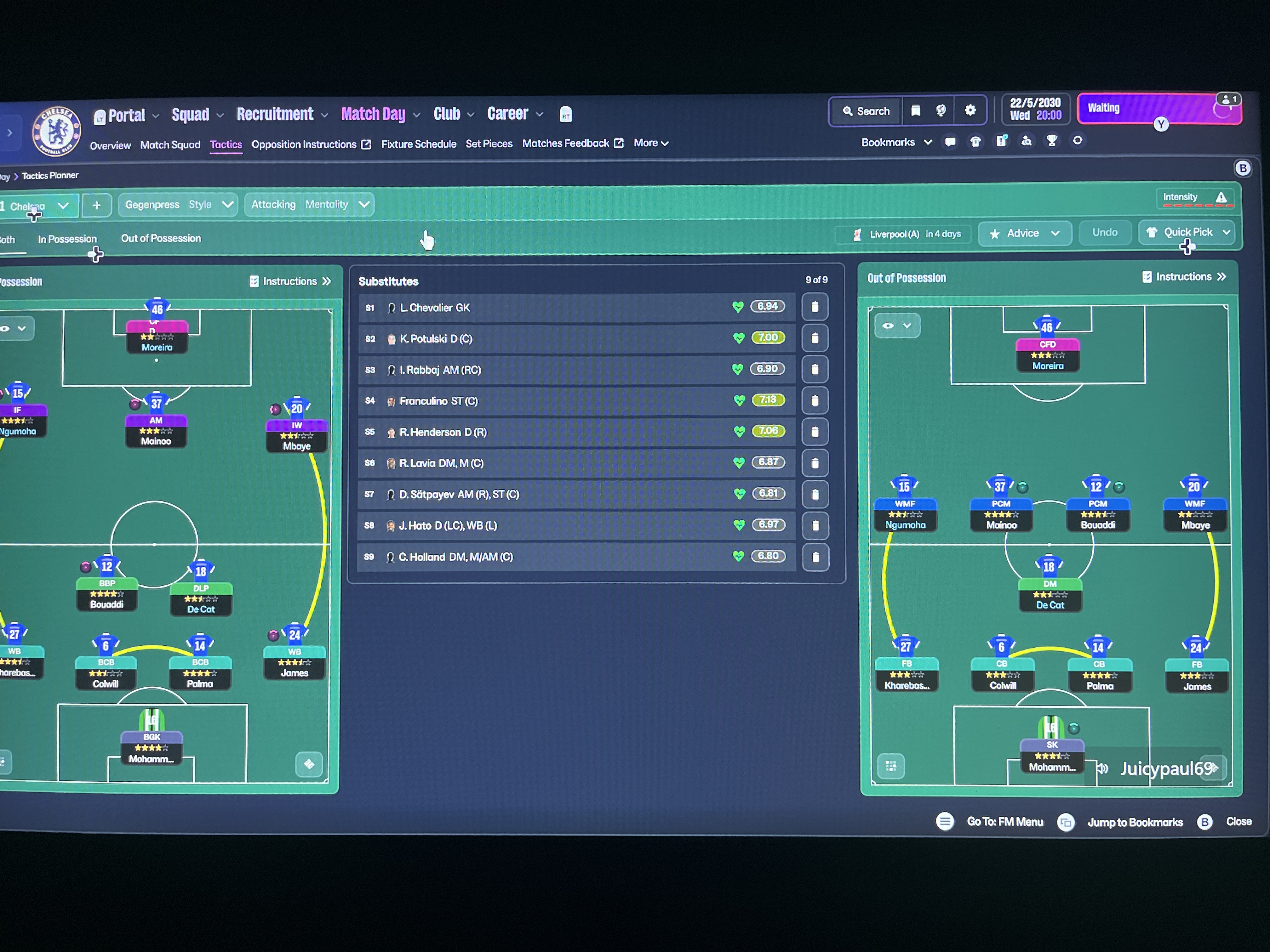
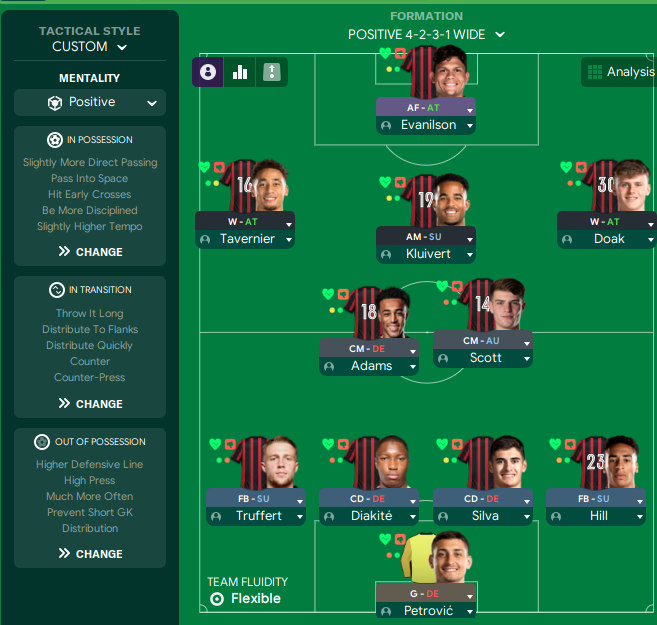
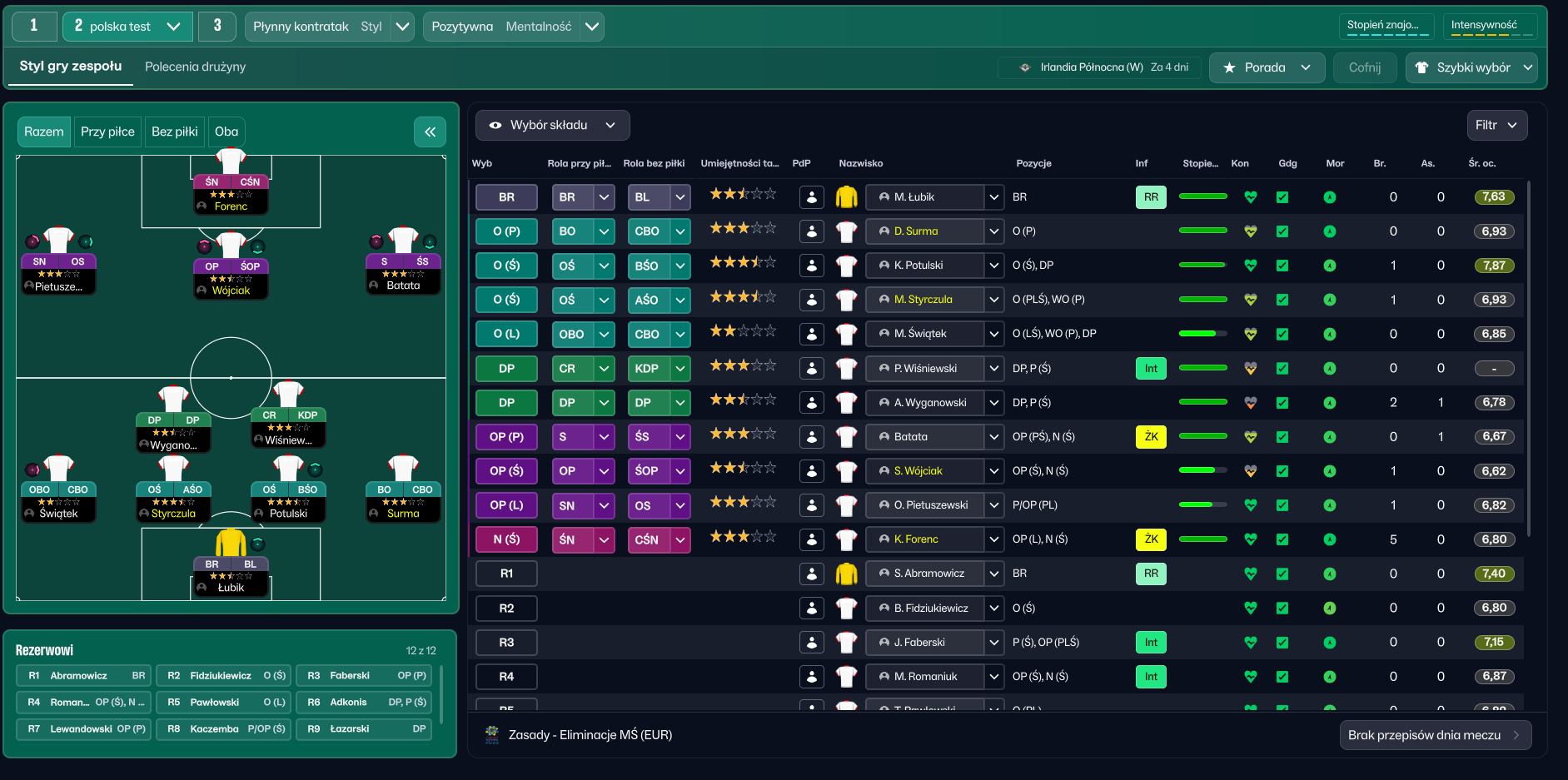
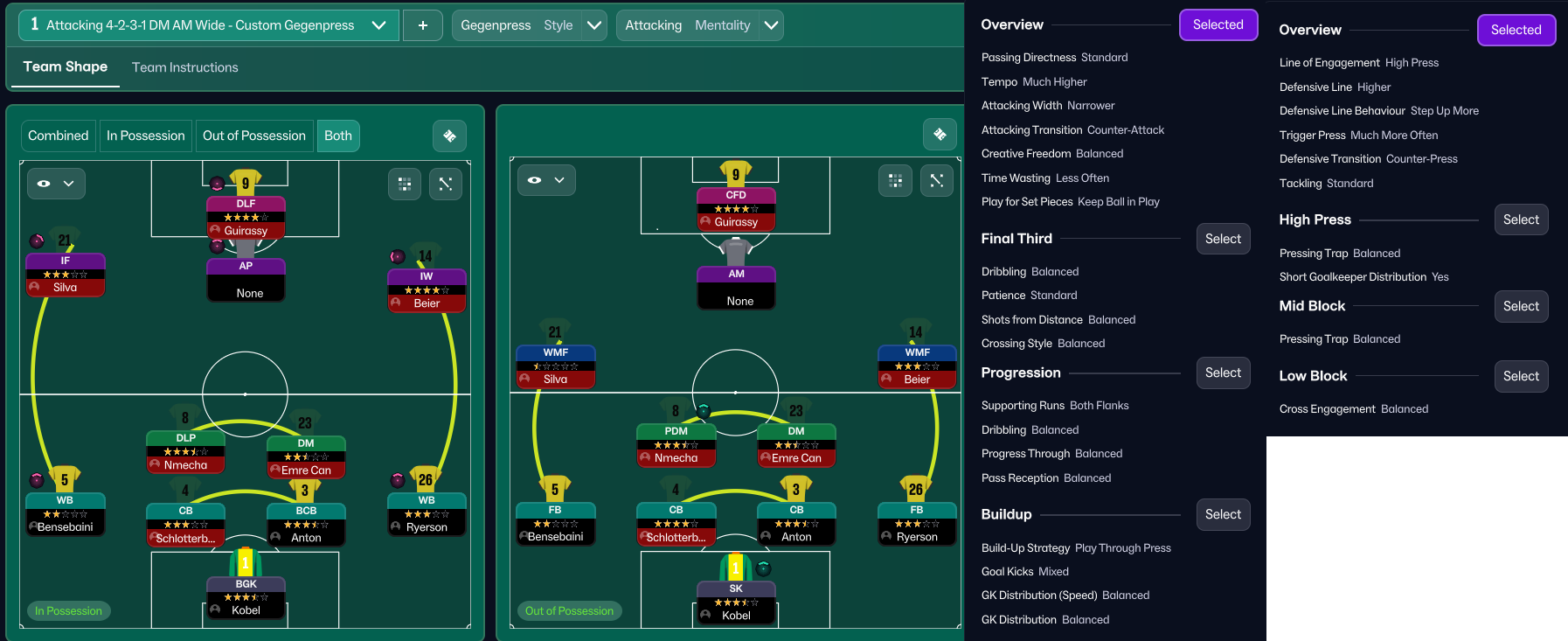
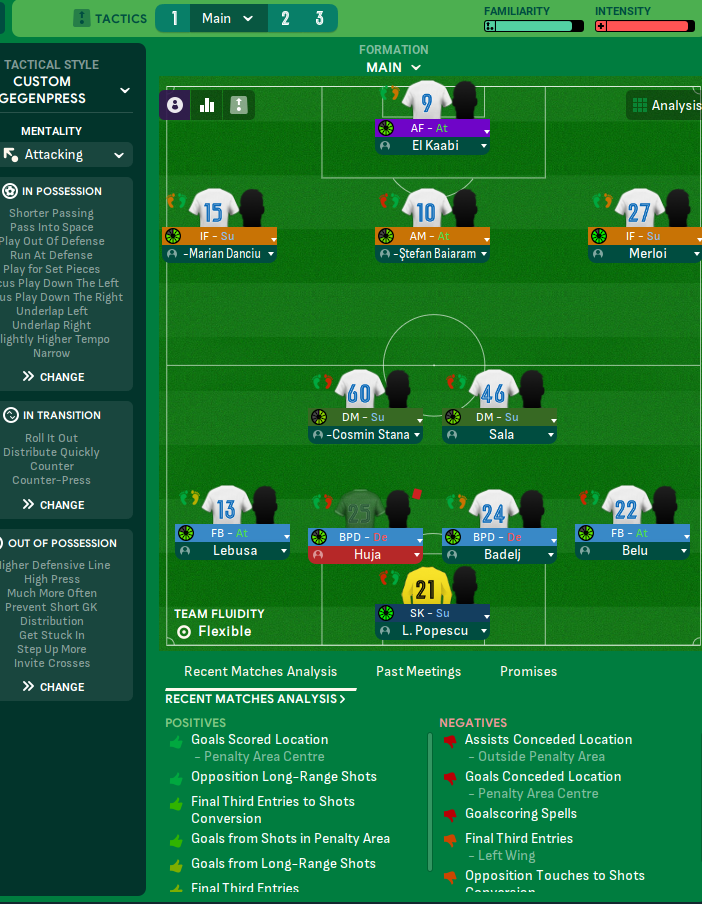
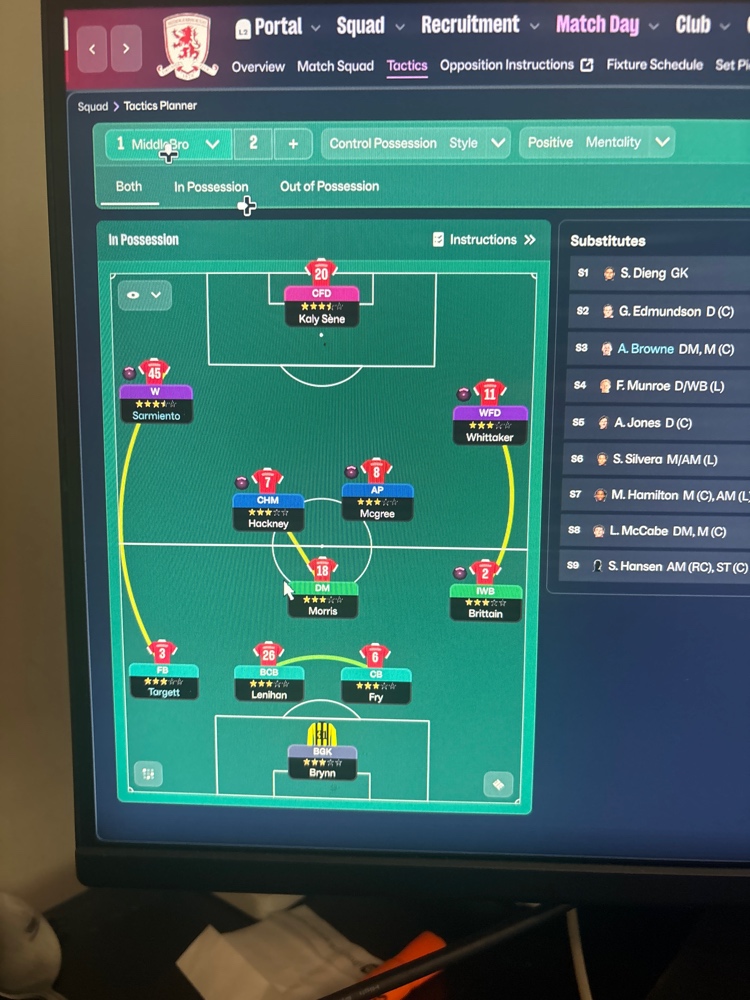
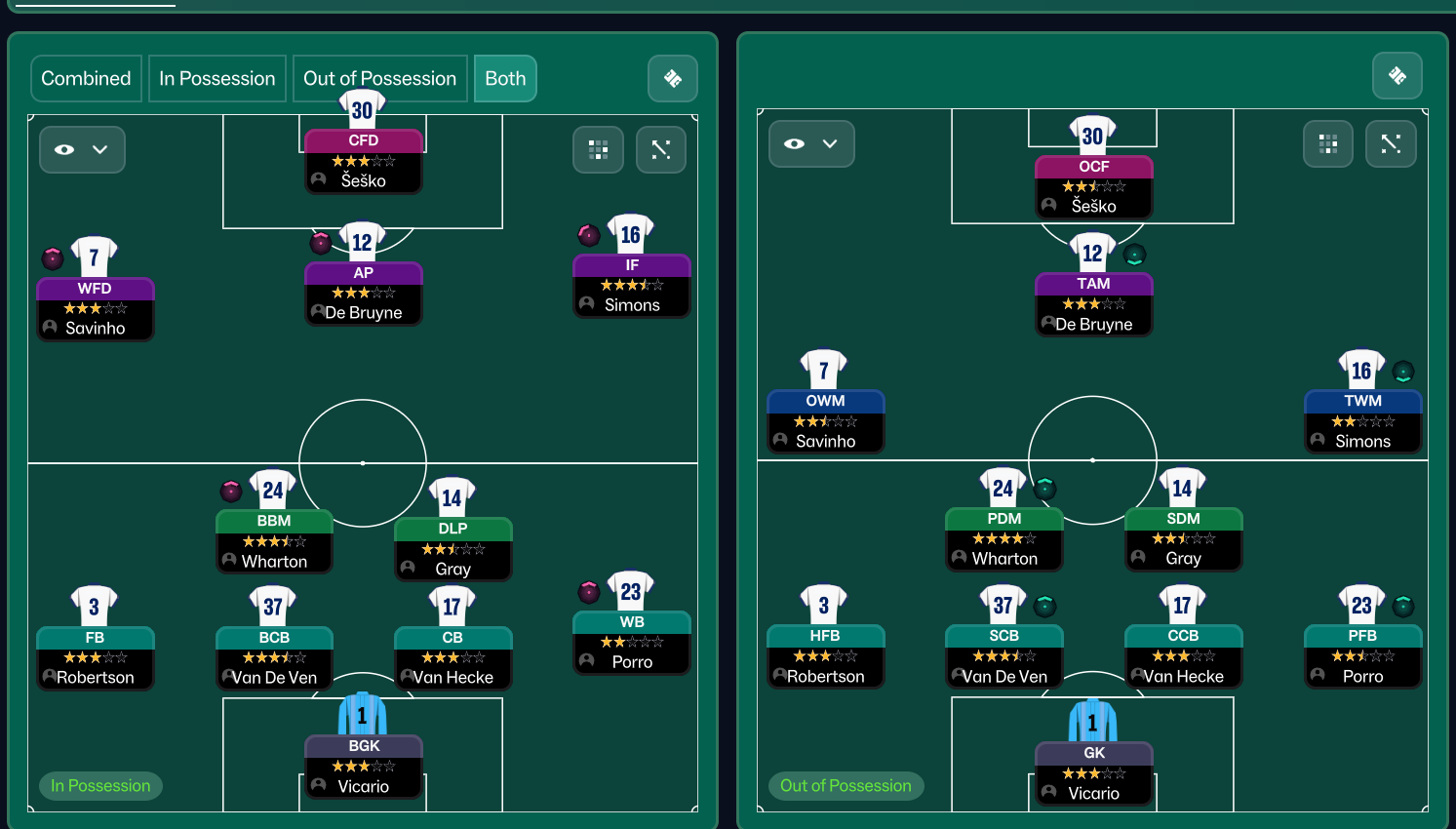
More Gegenpress tactics
Guides for this formation
The tactical theory behind the 4-2-3-1 Wide: roles, instructions, and the trade-offs that decide whether the system holds up.
Player pairings
Midfield Pairs in 4-2-3-1 and 4-4-2
Double pivots and flat pairs in 4-2-3-1 and 4-4-2: when each pairing works, when it collapses, and the AMC unicorn that rescues both.
Read guide
Playing styles
Gegenpressing: A Full Guide
Klopp-style gegenpressing in FM, including squad profile, line-and-press pairing, sustainable workload, and the antipatterns to avoid.
Read guide