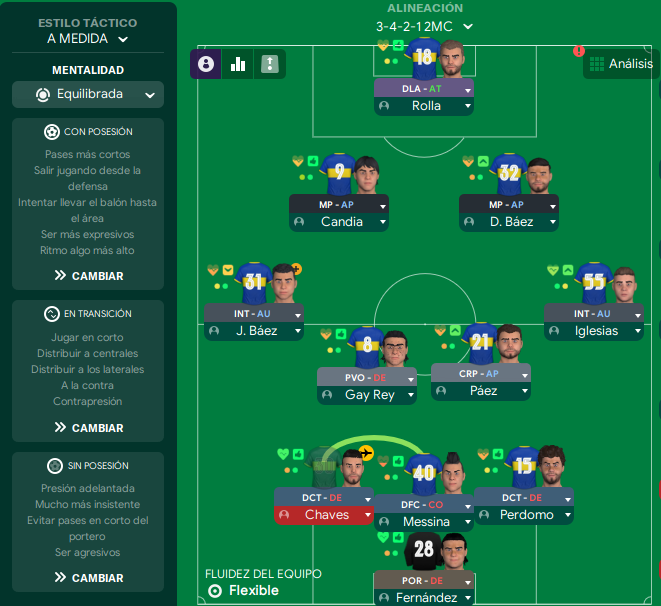
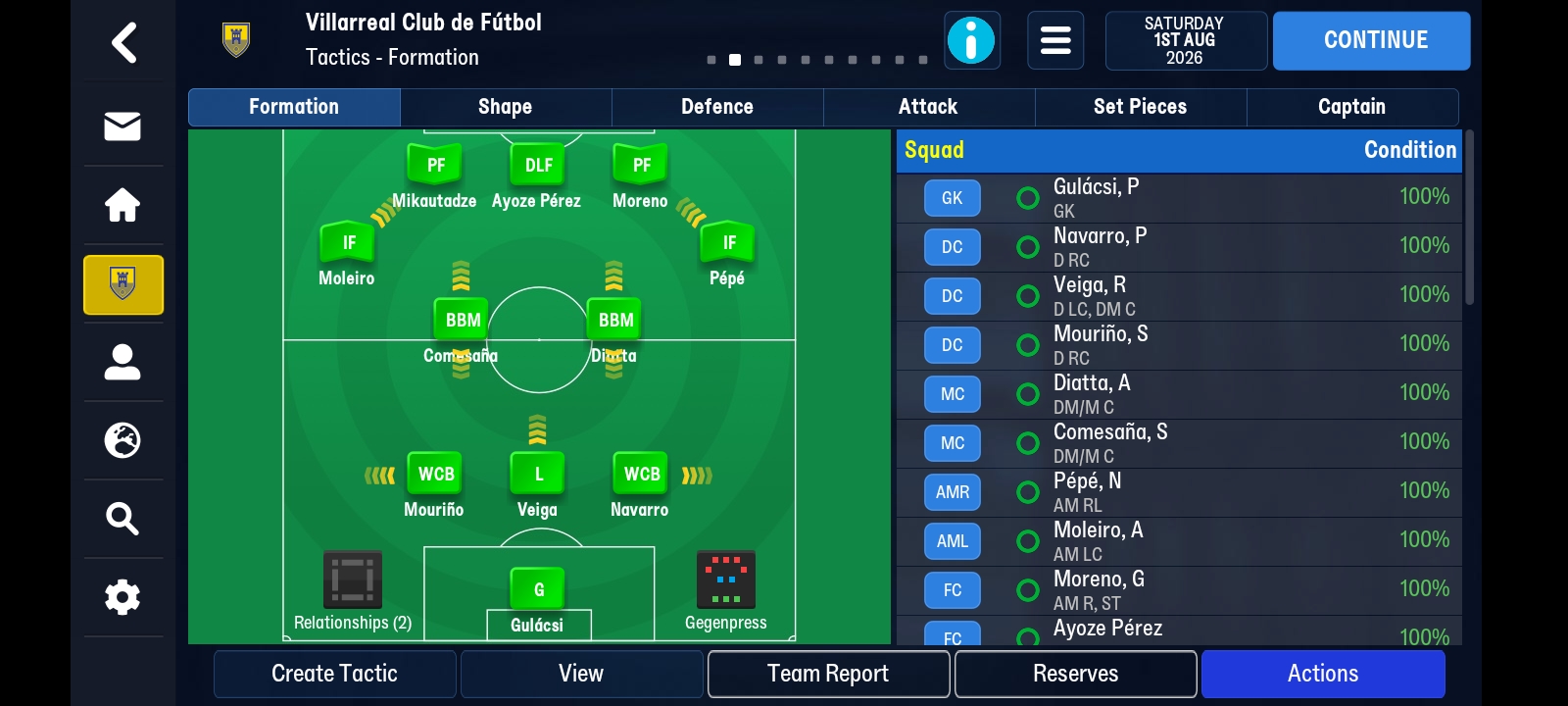
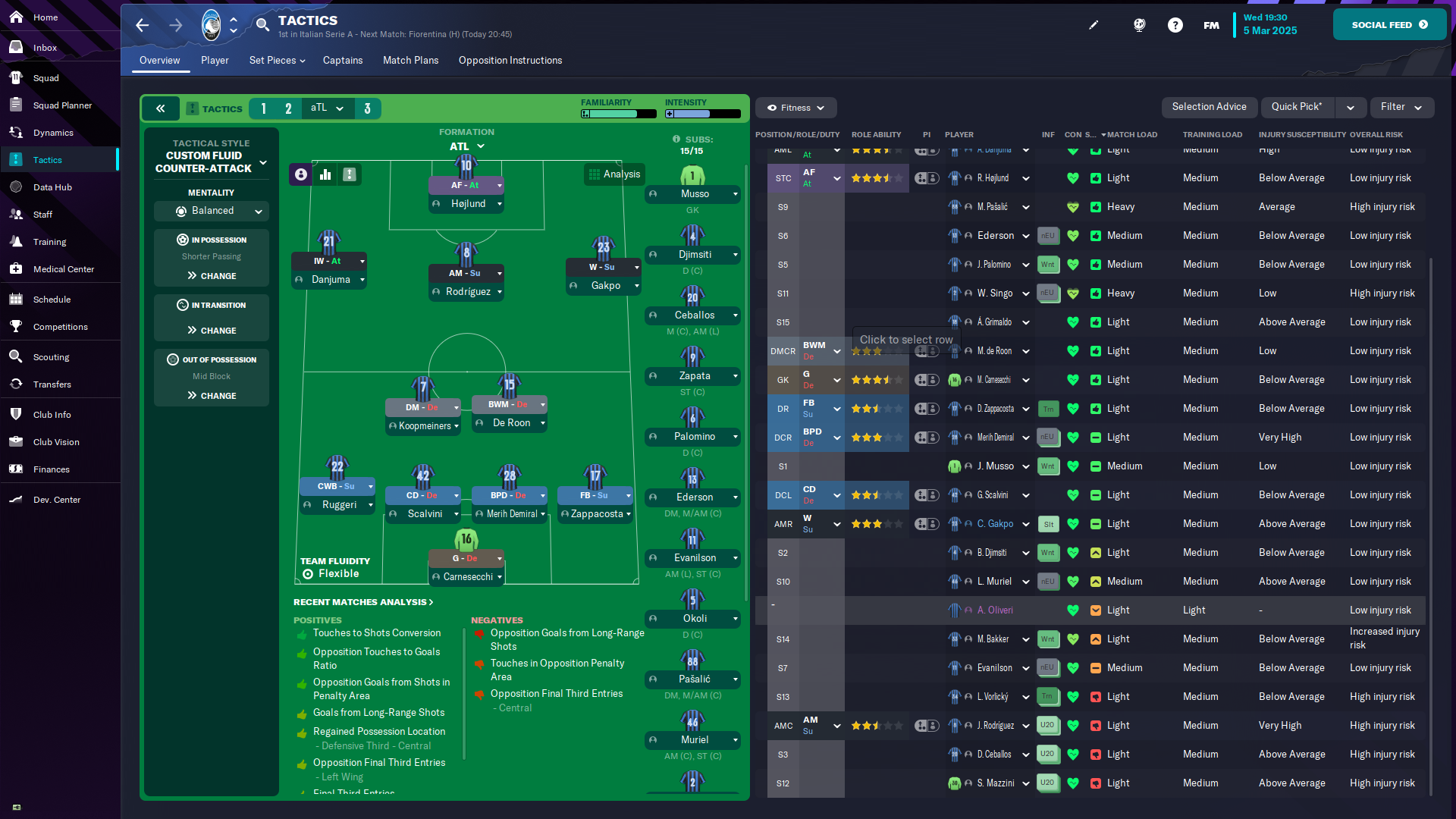
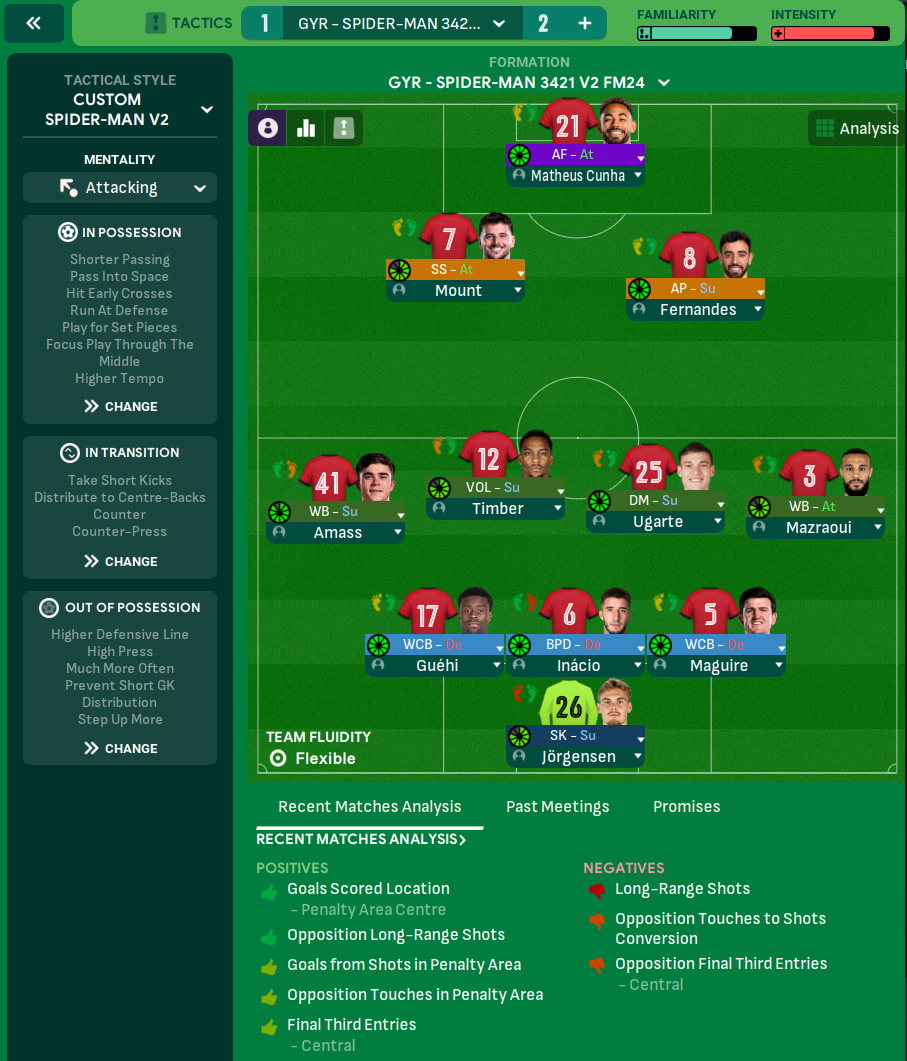
3-4-2-1
The use of a two-tier attacking structure with an Advanced Forward and Shadow Striker allows for multiple attacking lanes and unpredictability in the…
Loading tactical analysis...
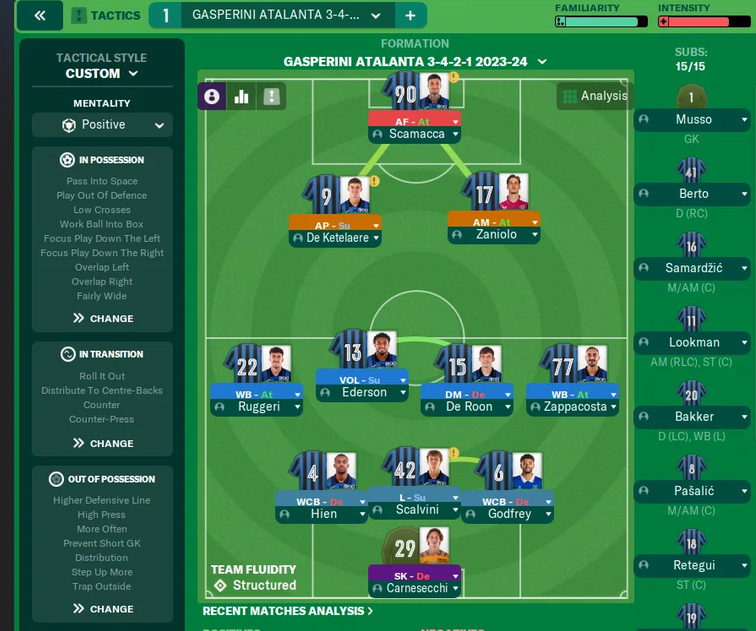
Custom Spider-Man V2
Attacking
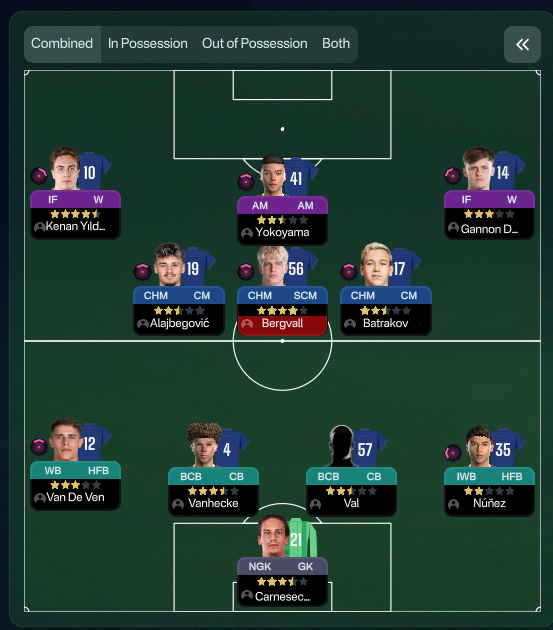
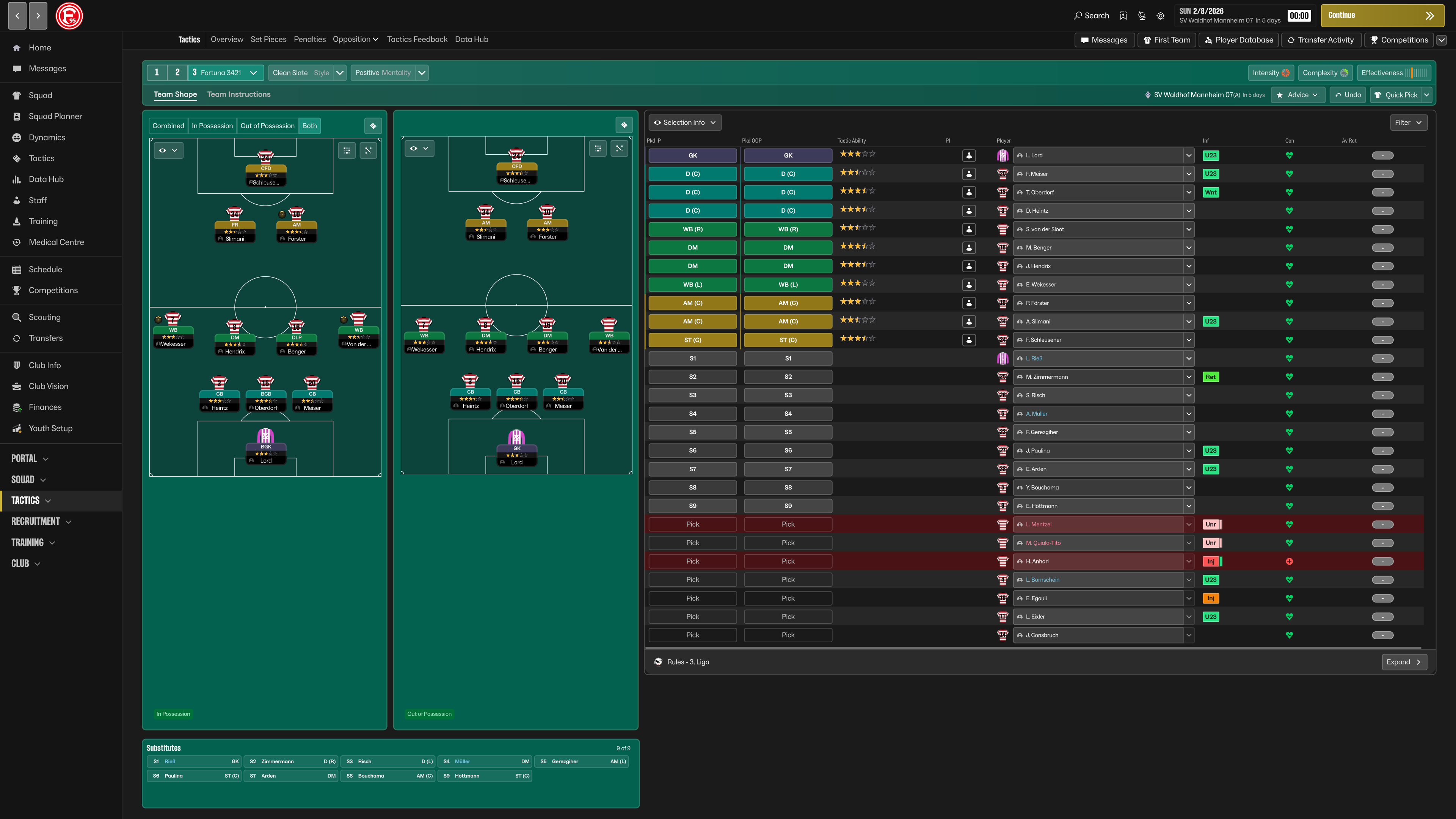
3-4-2-1
Flexible
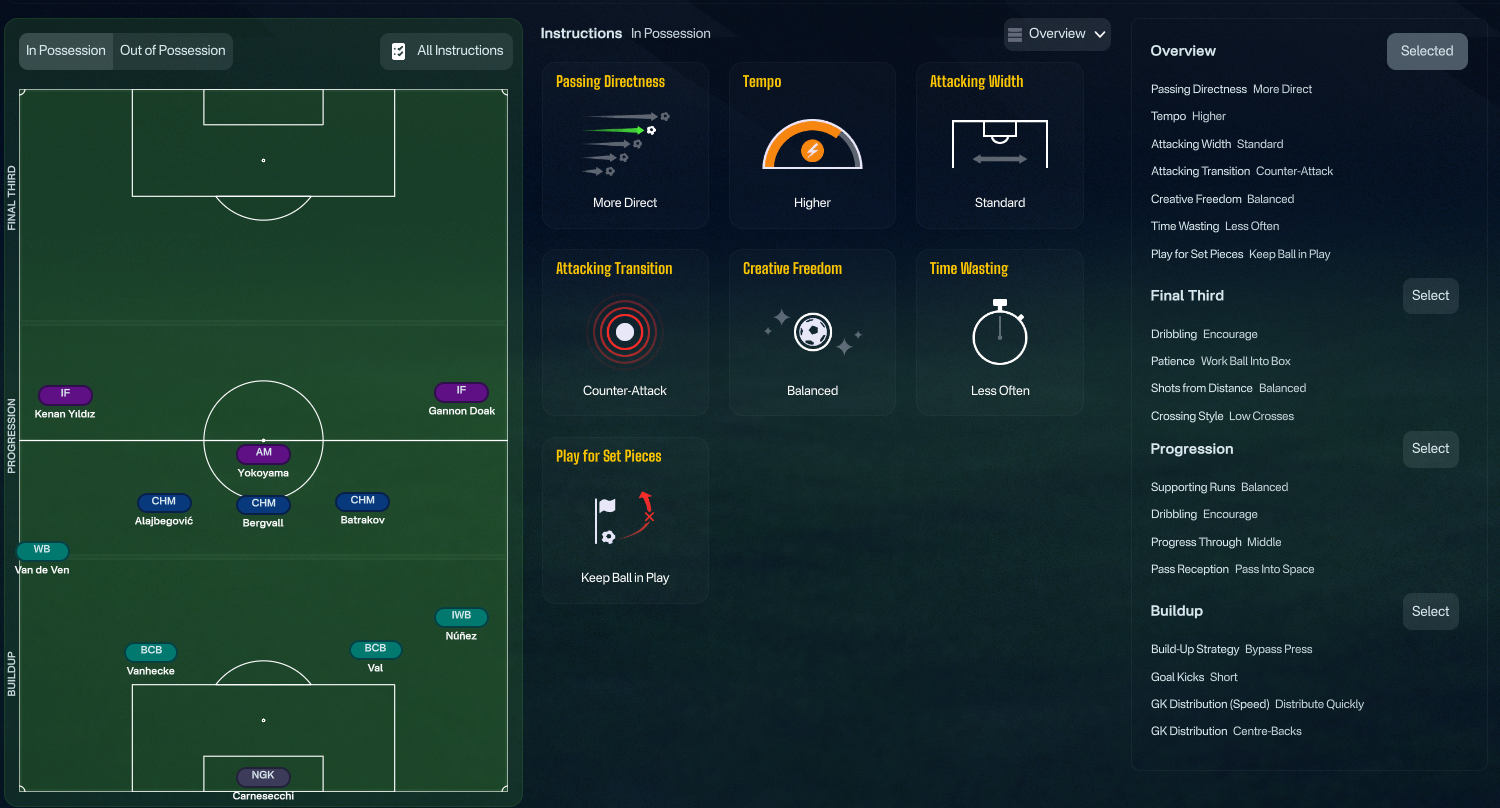
Shorter Passing
Pass Into Space
Hit Early Crosses
Run At Defense
Play For Set Pieces
Focus Play Through The Middle
Higher Tempo
Take Short Kicks
Distribute to Centre-Backs
Counter
Counter-Press
Higher Defensive Line
High Press
Much More Often
Prevent Short GK Distribution
Step Up High
AF
Advanced Forward
Attack
SS
Shadow Striker
Attack
AP
Advanced Playmaker
Support
WB
Wing-Back
Support
VOL
Volunteer
Support
DM
Defensive Midfielder
Support
WCB
Wide Centre-Back
Defend
BPD
Ball-Playing Defender
Defend
SK
Sweeper Keeper
Support
The use of a two-tier attacking structure with an Advanced Forward and Shadow Striker allows for multiple attacking lanes and unpredictability in the final third.
The inclusion of Wing-Backs adds width and deep crossing options to stretch the opposition, creating spaces for the attackers to exploit.
While the high press is effective, a higher defensive line can leave gaps if the press is broken, creating opportunities for counterattacks.
High tempo can lead to rushed decisions, potentially compromising the shorter passing strategy emphasized in possession.
How can the team adapt if the press is consistently broken?
What adjustments can be made if facing teams that play a deeper defensive line?
How to ensure sufficient cover when wing-backs advance?
What is the best way to enhance player chemistry between the attacking trio?
Can the midfield role of the Volunteer be altered to provide better defensive balance?
Should the formation be adjusted based on the opponent's strengths and weaknesses?
The tactical theory behind the 3-4-2-1: roles, instructions, and the trade-offs that decide whether the system holds up.
Pass map, average position, xG, possession by zone: what each tablet panel tells you in FM and the tactical change it should trigger.
FM27 keeps FM26's tactic system. Here is what stays the same, the small changes that can catch you out, and what the new Tactical Effectiveness system asks of you.
How Mentality, Duty, and Role interact in FM, why duty trumps mentality every time, and the role-on-top-of-duty composition rules.