Uploaded Tactic
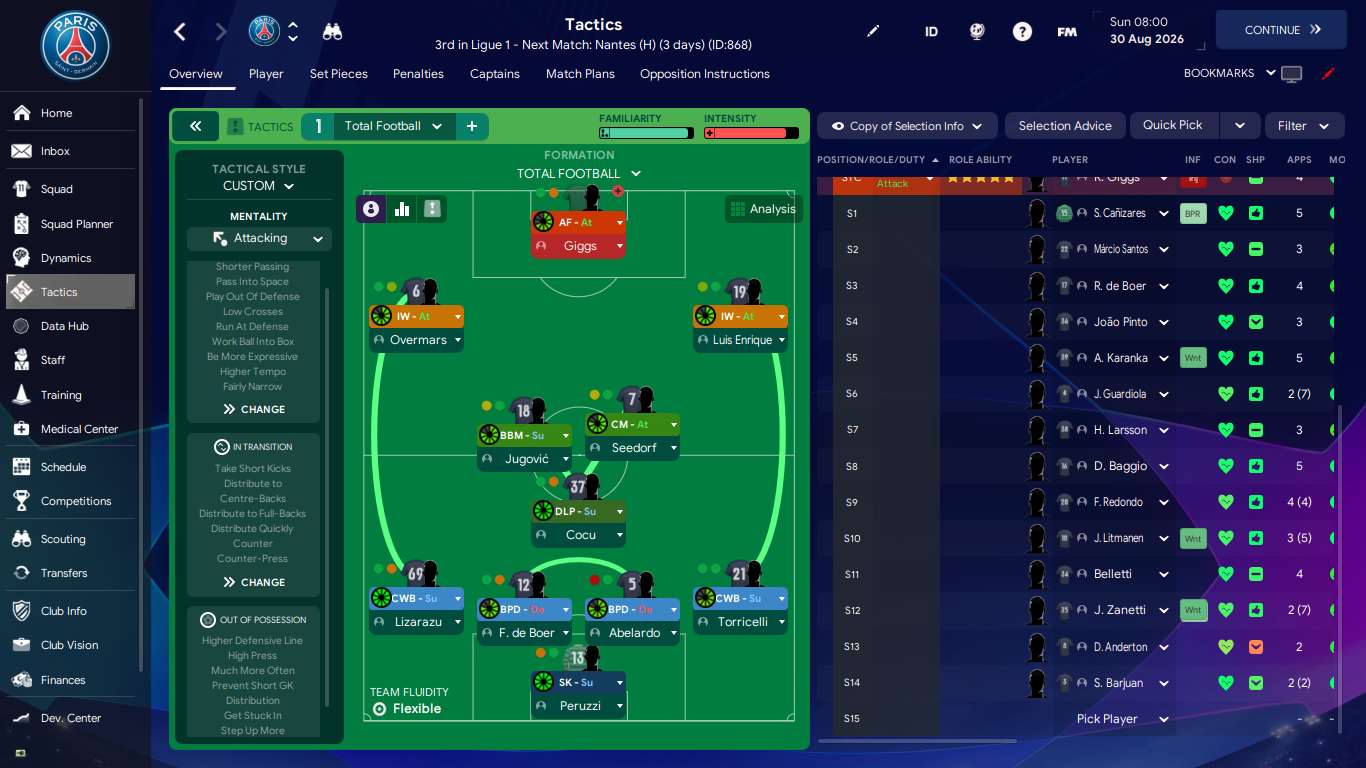
Formation & Style
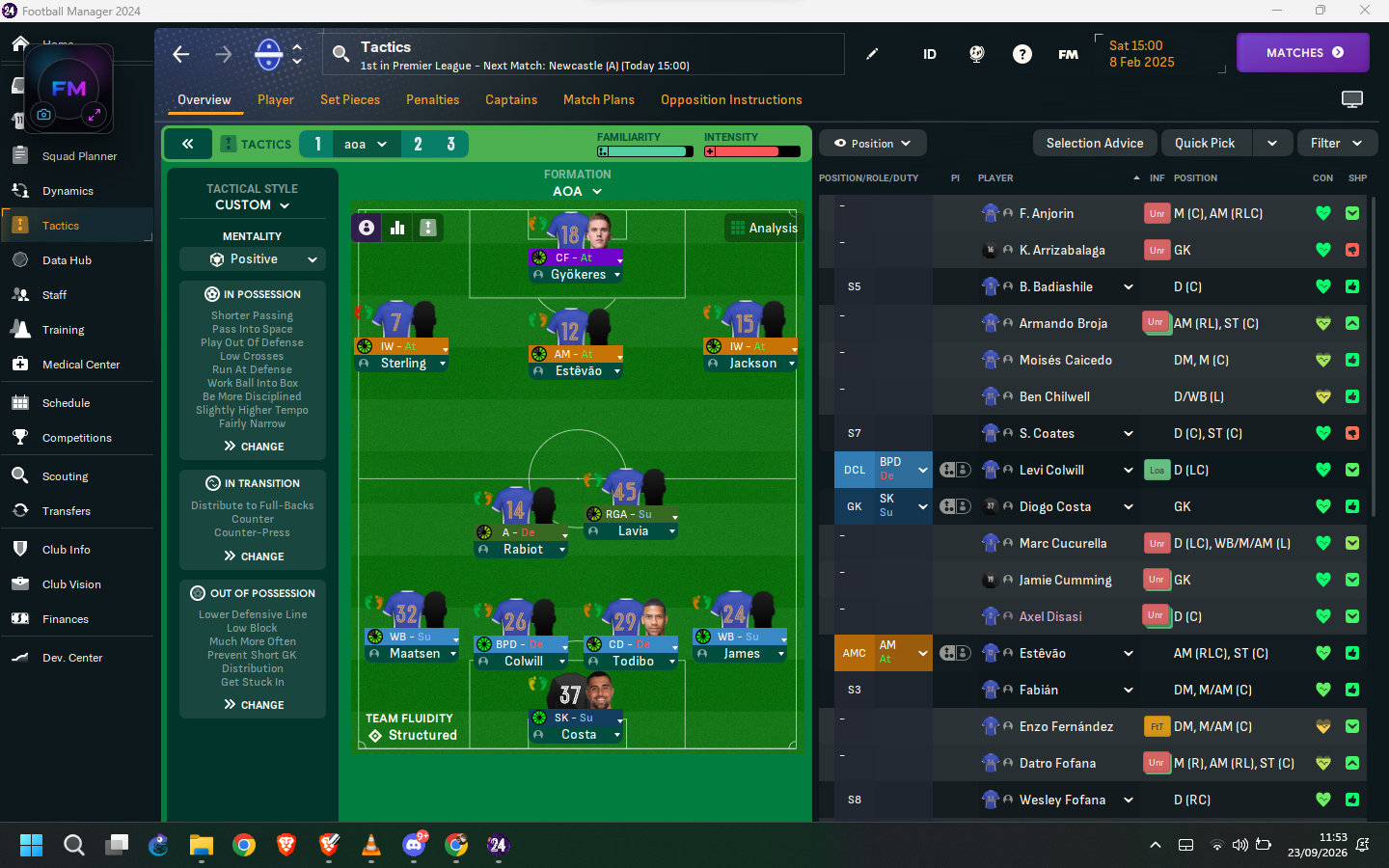
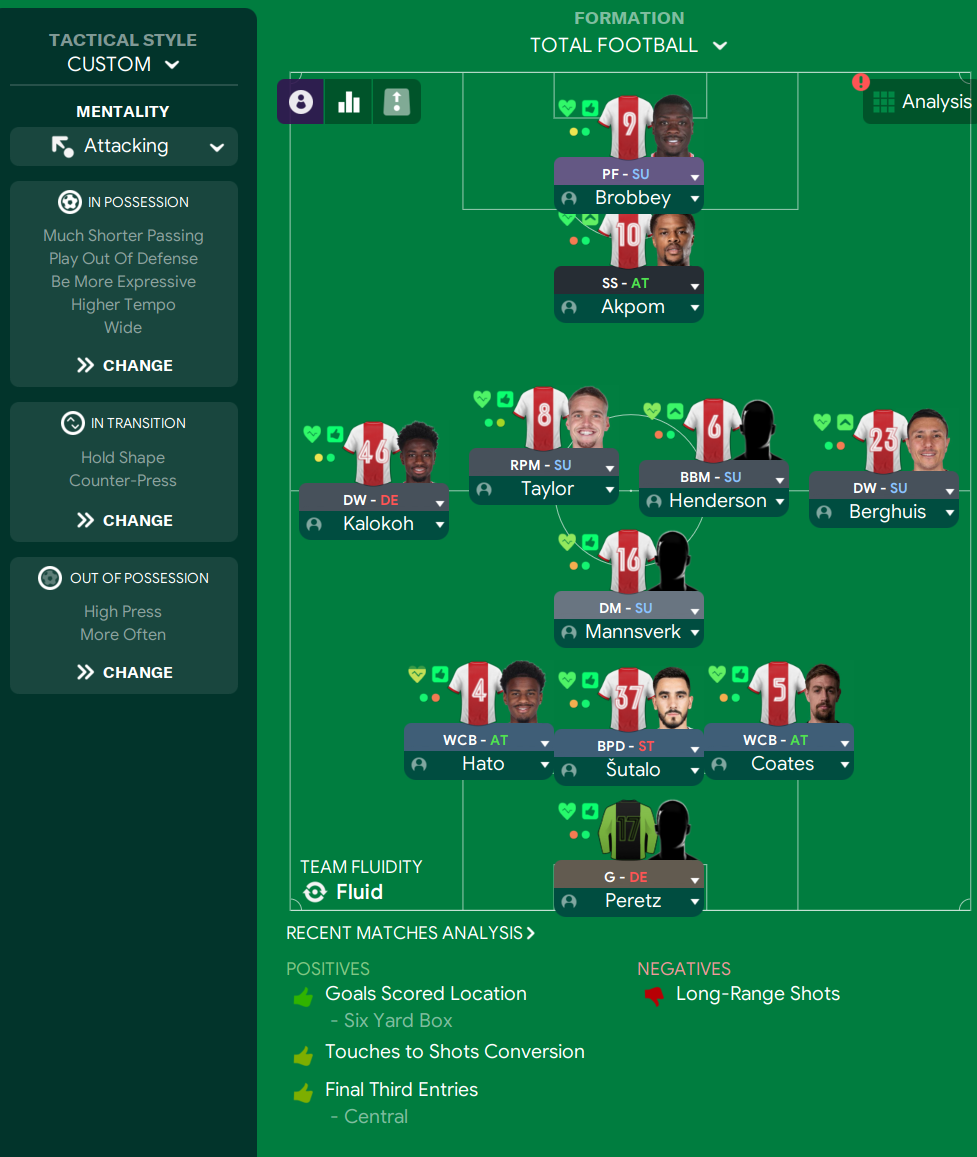
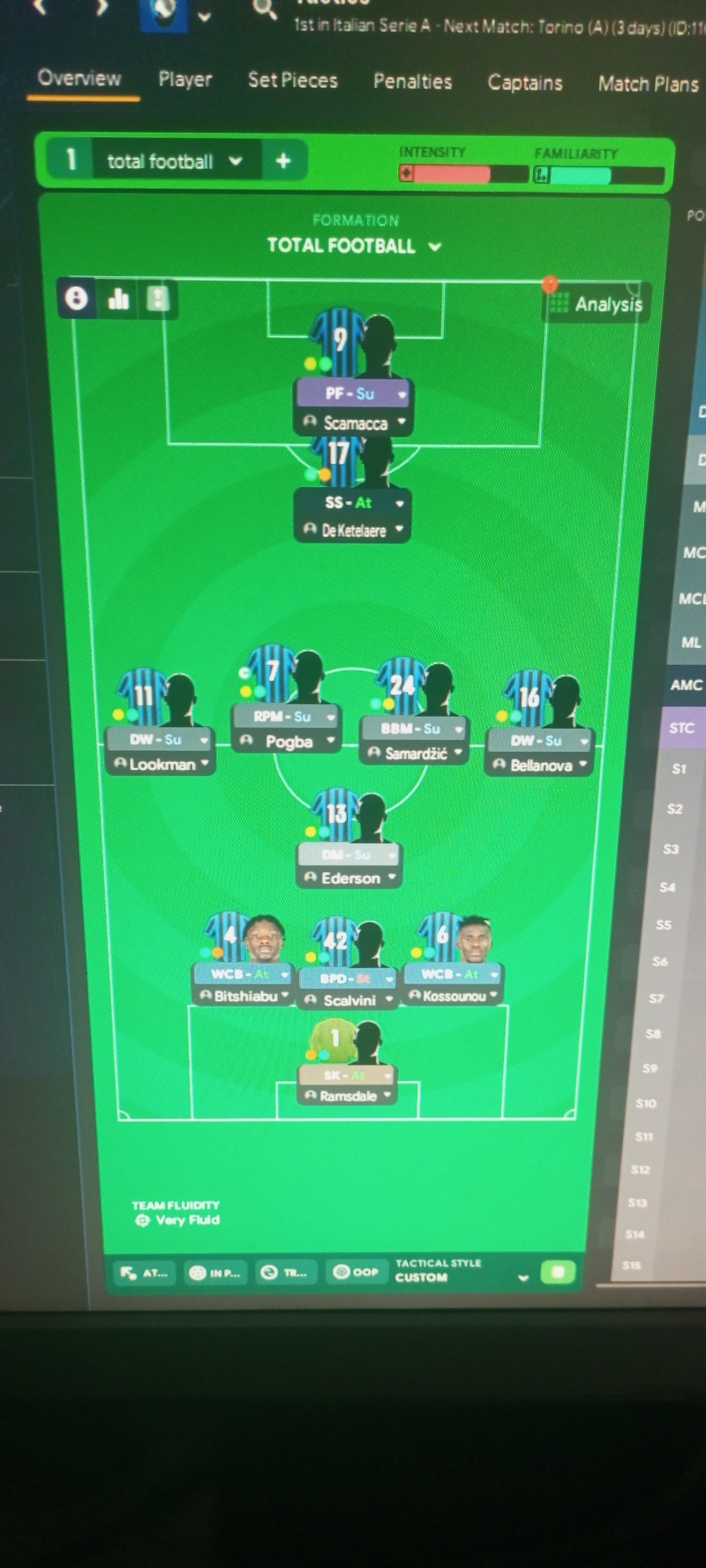
Tactical Style:Total Football
Mentality:Attacking
Formation:3-4-3
Team Fluidity:Flexible
In Possession
Shorter Passing
Pass Into Space
Play Out Of Defence
Low Crosses
Run At Defense
Work Ball Into Box
Be More Expressive
Higher Tempo
Fairly Narrow
In Transition
Take Short Kicks
Distribute to Centre-Backs
Distribute to Full-Backs
Distribute Quickly
Counter-Press
Out of Possession
Higher Defensive Line
High Press
Much More Often Prevent Short GK Distribution
Get Stuck In
Step Up Once
Team Shape Without Ball
Shape:3-2-4-1
Description:A compact shape allowing control of the central areas while the wing-backs provide coverage wider.
Evidence:CBs at [2,2], [2,3], [2,4] with Wing-Backs supporting from wider areas.
Team Shape With Ball
Shape:3-4-3
Description:Aggressive forward shape with wing-backs pushing high to support the forwards, creating an emphasis on width.
Evidence:AF at [6,3], IW-A at [6,2] and [6,4], WBs supporting the attack.
Phase Description
Attacking Play
Focus on short passing combined with width from the wing-backs, aiming to stretch the opposition and create space for runs into the box.
Defensive Transition
Immediate counter-pressing to regain possession after losing the ball and a quick transition to attack.
Main Focus
Utilize the technical ability and movement of players like Seedorf and Jugović to create opportunities and control the tempo.
Key Strengths
Dynamic Wing Play
The use of Complete Wing-Backs allows for effective width and support in attacking phases.
Strong Midfield Control
The combination of Box-to-Box and Deep-Lying Playmaker allows control of both defensive actions and offensive buildup.
Varied Attacking Options
Diverse attacking roles with both advanced forwards and inside forwards overlap and create confusion.
Conflicting Directions
High Line vs. Speedy Opposition
The use of a high defensive line could be risky against counter-attacks from fast forwards.
Ball Retention vs. Quick Counter
A focus on shorter passing might hinder ability to launch direct counter-attacks when required.
Over-reliance on Wing Play
With both inside forwards reliant on wing-back support, congested defense may limit progression.
Tactical Suggestions
Consider Alternative Pressing Strategy
Using a more moderate pressing intensity could help maintain shape and reduce vulnerability to counter-attacks.
Utilize Midfield Width
Encourage a wider midfield shape to create more lateral space for attack and defense.
Diversify Attack Patterns
Incorporating a target forward or adjusting player roles could create unpredictability in attacks.
Ask Questions About Your Lineup
Related Tactics
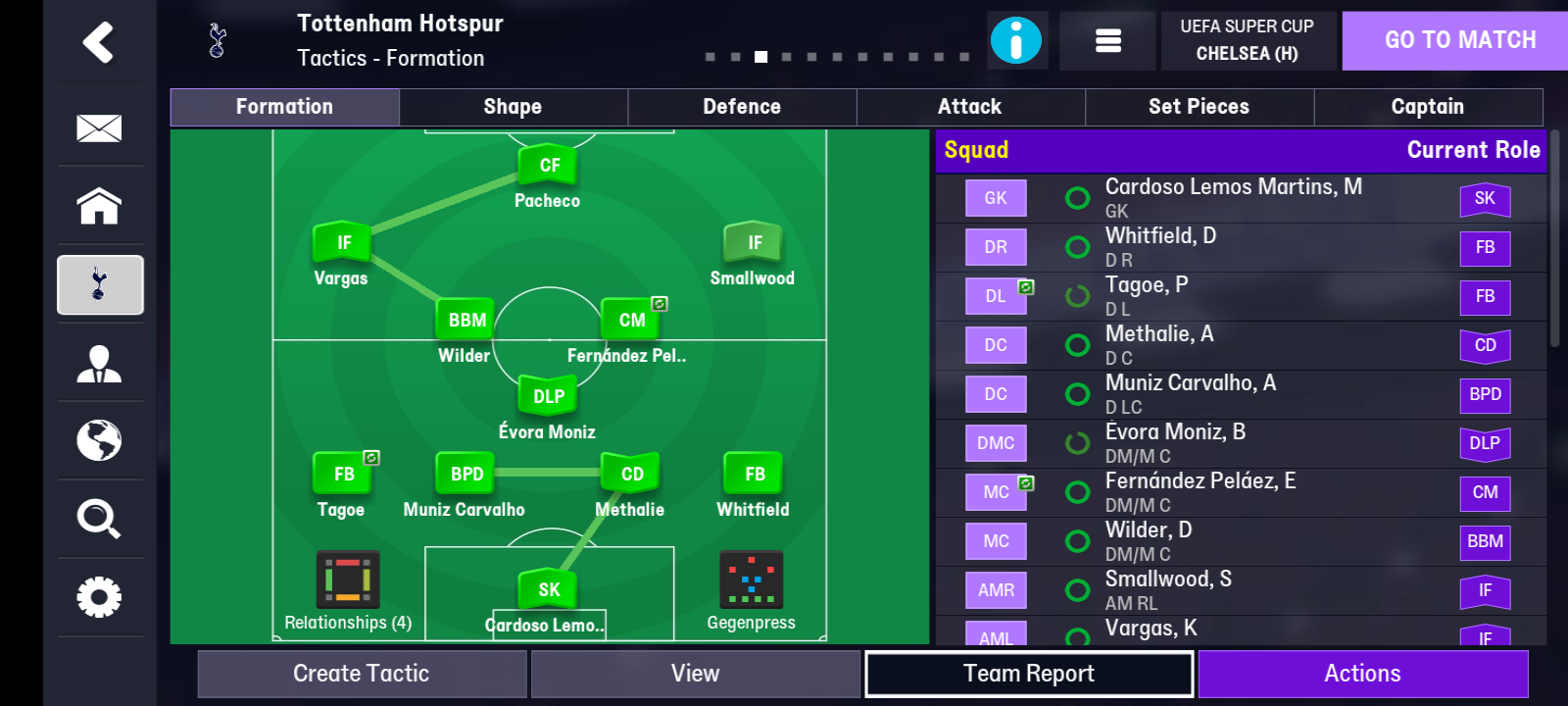
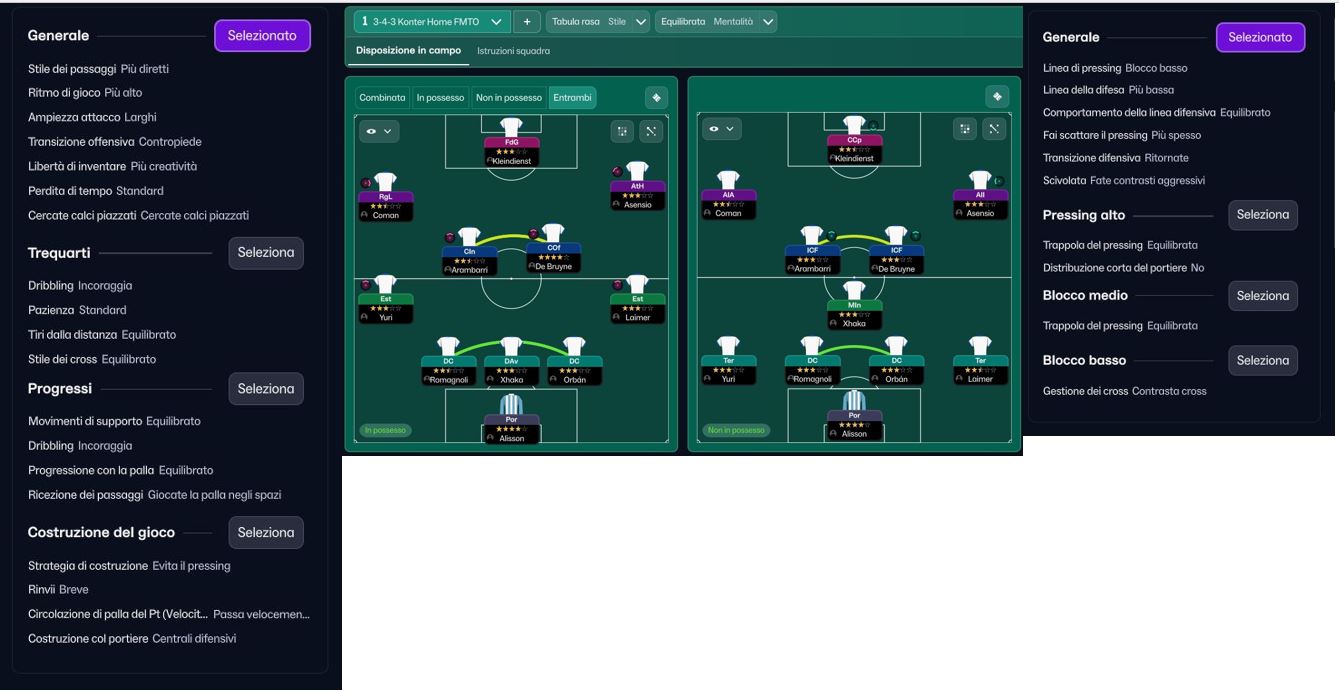
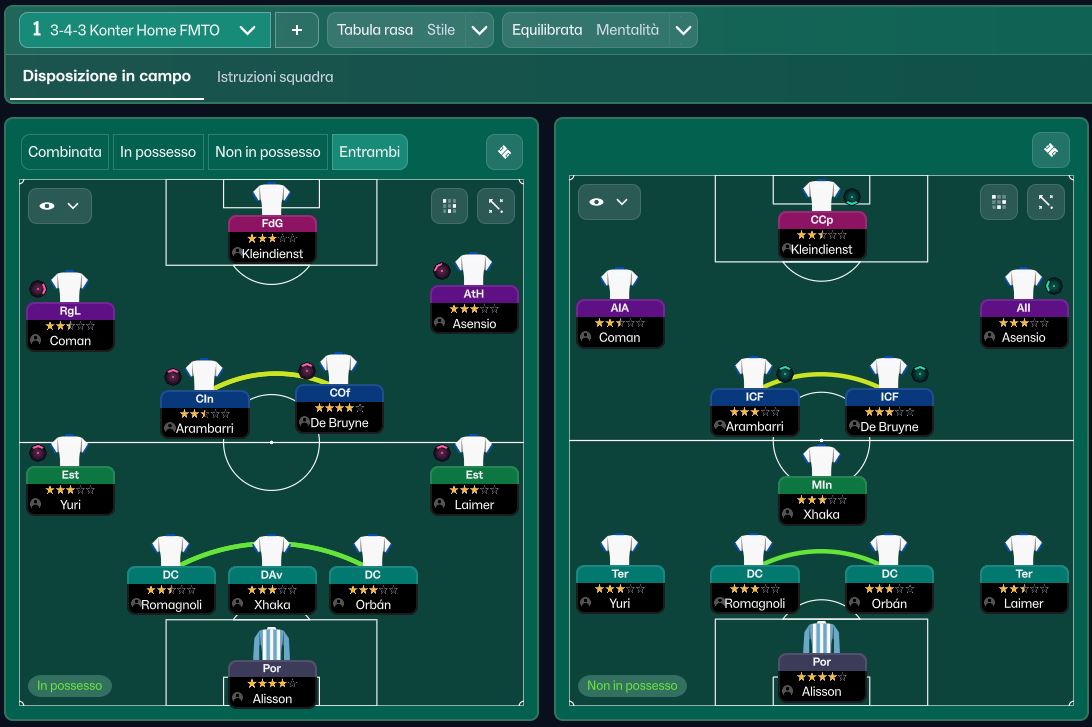
More Total Football tactics
Guides for this formation
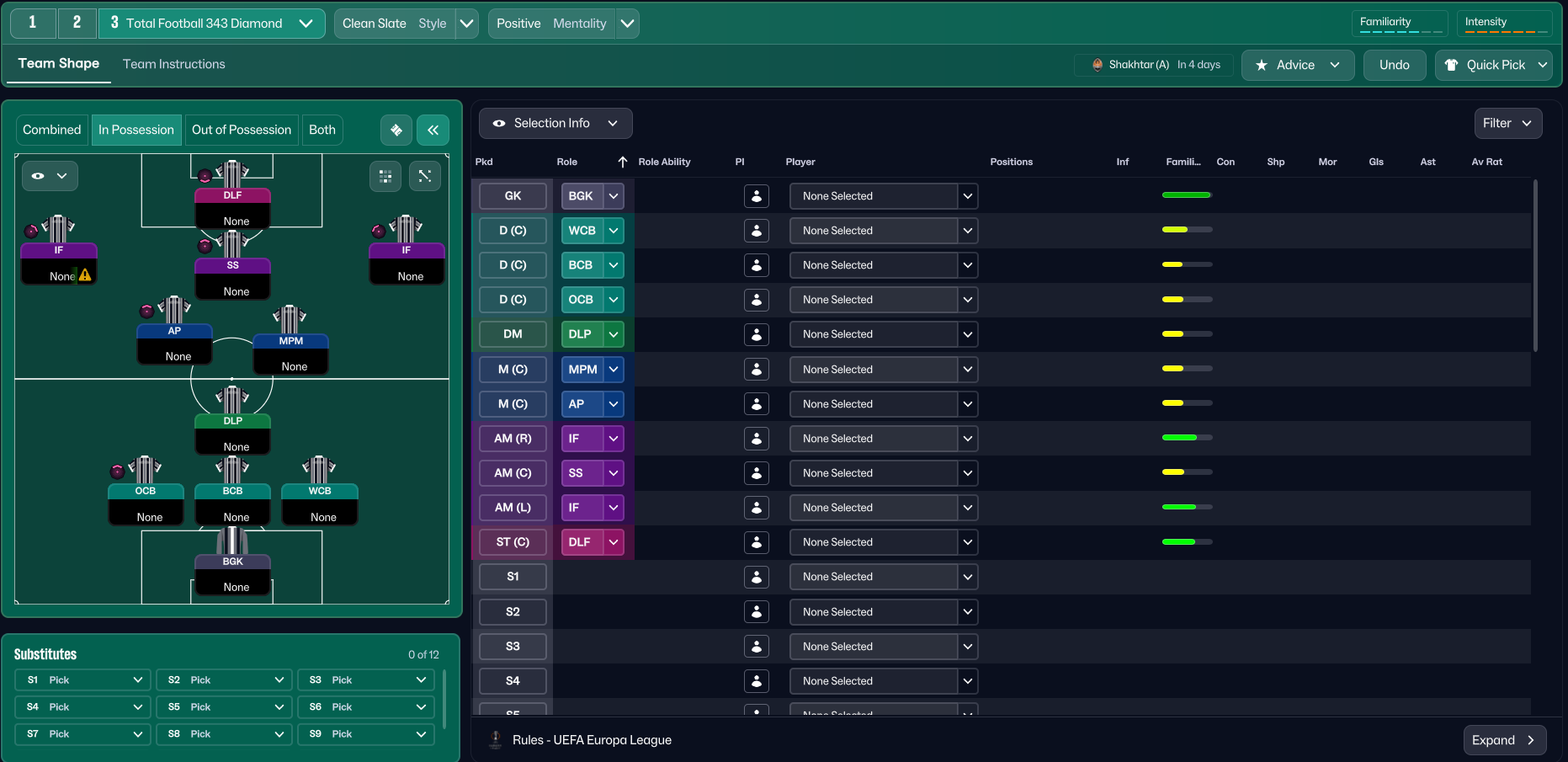
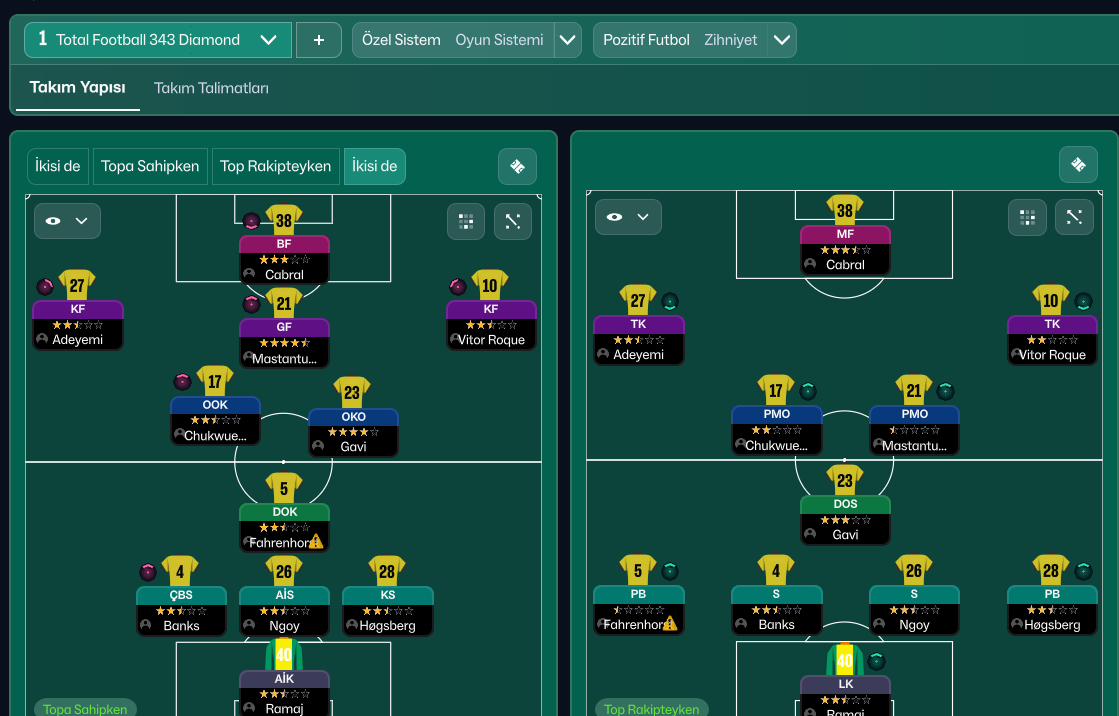
The tactical theory behind the 3-4-3: roles, instructions, and the trade-offs that decide whether the system holds up.
Playing styles
Direct, Vertical Football
Long-ball football done well in FM. When direct, vertical play is the right choice, and what the Direct Passing TI actually changes.
Read guide
Playing styles
Possession-Based Tactics in Football Manager
Build the patient, control-the-tempo style without watching your opponents counter through the gaps you leave behind.
Read guide