Uploaded Tactic
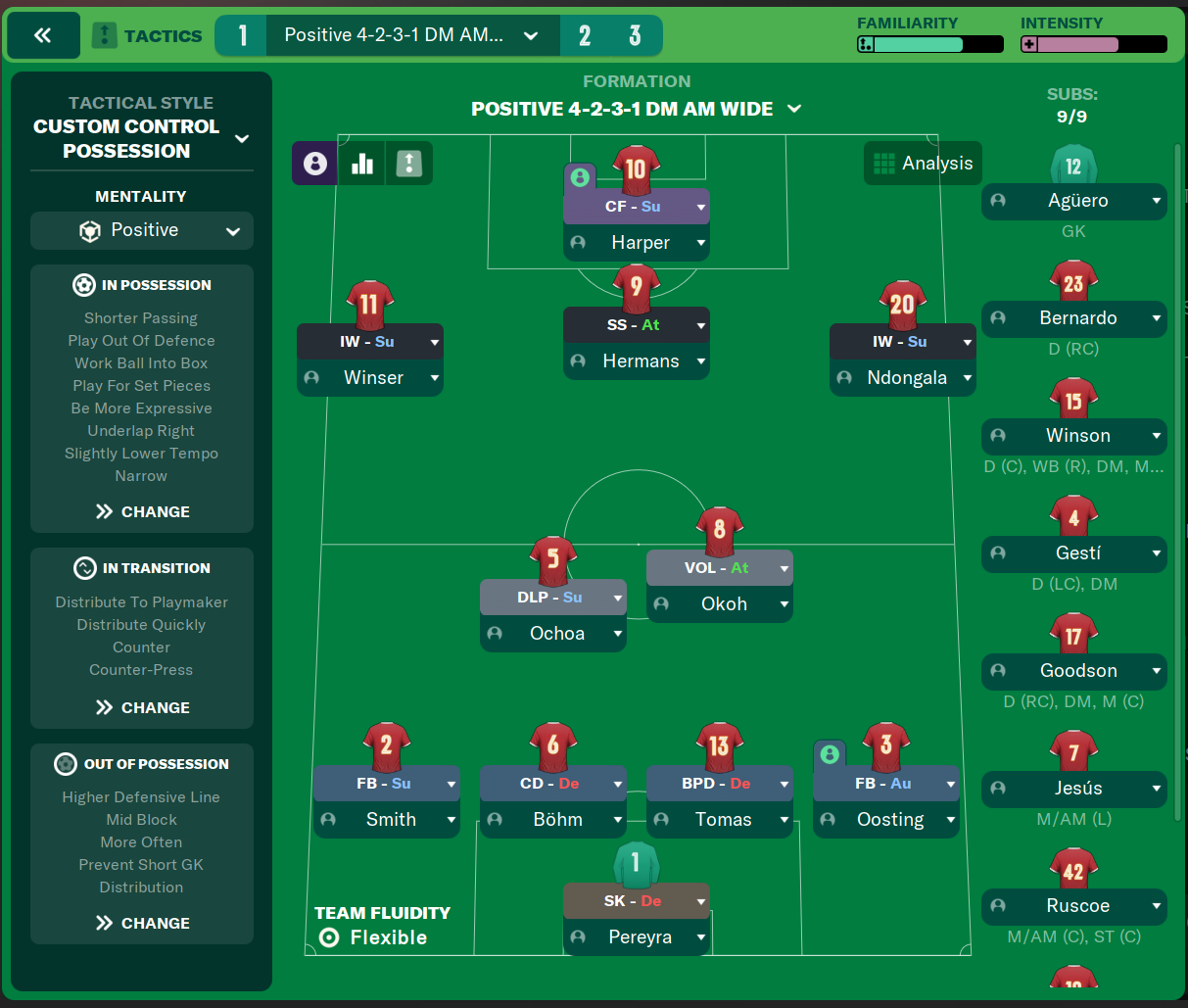
Formation & Style
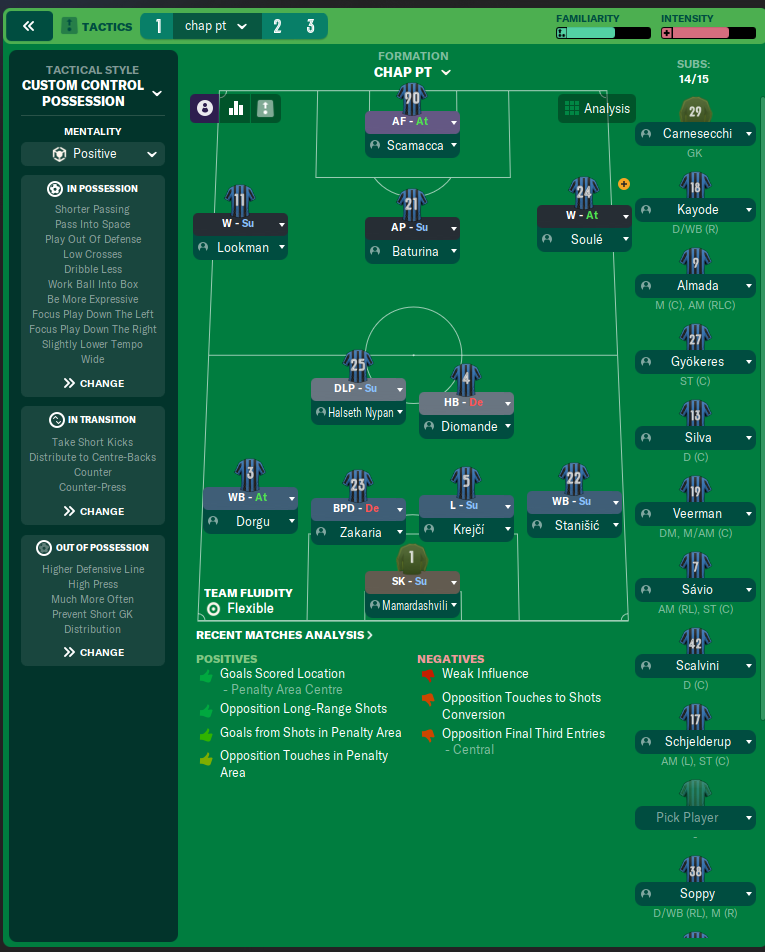
Tactical Style:Custom Control Possession
Mentality:Positive
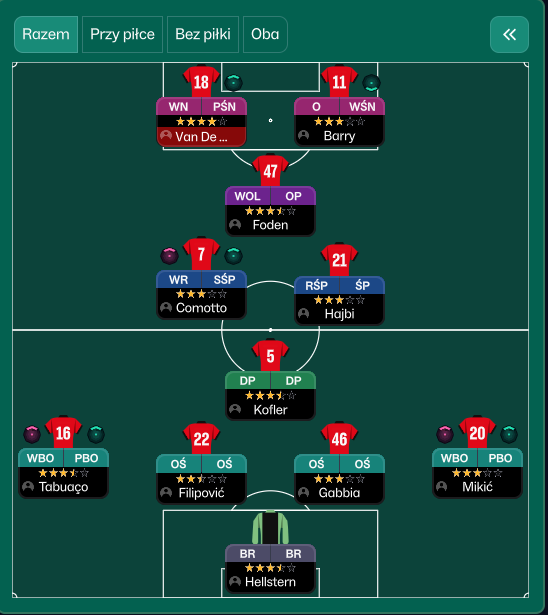
Formation:4-2-3-1 Wide
Team Fluidity:Flexible
In Possession
Shorter Passing
Play Out Of Defence
Work Ball Into Box
Play For Set Pieces
Be More Expressive
Underlap Right
Slightly Lower Tempo
Narrow
In Transition
Distribute To Playmaker
Distribute Quickly
Counter
Counter-Press
Out of Possession
Higher Defensive Line
Mid Block
Prevent Short GK Distribution
Team Shape Without Ball
Shape:4-2-3-1
Description:Compact formation that can shift into a mid-block while pressing effectively.
Evidence:The use of a higher defensive line and mid-block with pressing indicates an organized defensive unit.
Team Shape With Ball
Shape:4-2-3-1
Description:Dynamic attacking shape focusing on width and interchanging positions.
Evidence:Inside forwards combined with the shadow striker create multiple options in the final third to overload defenses.
Phase Description
Attacking Play
Utilizes short passing to build up from the back while looking to create space in the box through underlapping movements.
Defensive Transition
Emphasizes quick distribution and counter-pressing to regain possession rapidly after losing the ball.
Main Focus
Maintain control of the game through possession while looking to exploit spaces with player movements.
Key Strengths
Strong Midfield Control
With a deep-lying playmaker and a segundo volante, the team controls the midfield effectively, dictating the pace.
Dynamic Attackers
The inside forwards can cut inside to create shooting opportunities while the complete forward supports play well.
Effective Defensive Set-Up
The use of a higher defensive line paired with a ball-playing defender ensures a proactive defense.
Conflicting Directions
Counter-Attack Vulnerability
With a high defensive line, quick counter-attacks can exploit the spaces left behind.
Risk of Overloading Flanks
Narrow shape may lead to vulnerability on the flanks if full-backs are high up the pitch.
Dependent on Key Players
Heavy reliance on the DLP and inside forwards for creating chances can be problematic if marked out of the game.
Tactical Suggestions
Balance Width and Depth
Encourage the full-backs to balance their attacking runs with defensive responsibilities.
Incorporate a Counter-Press Strategy
Utilizing efficient pressing immediately after losing the ball can help regain control.
Utilize Target Man Occasionally
Considering a target man could add an aerial threat during set pieces and crosses.
Ask Questions About Your Lineup
Related Tactics
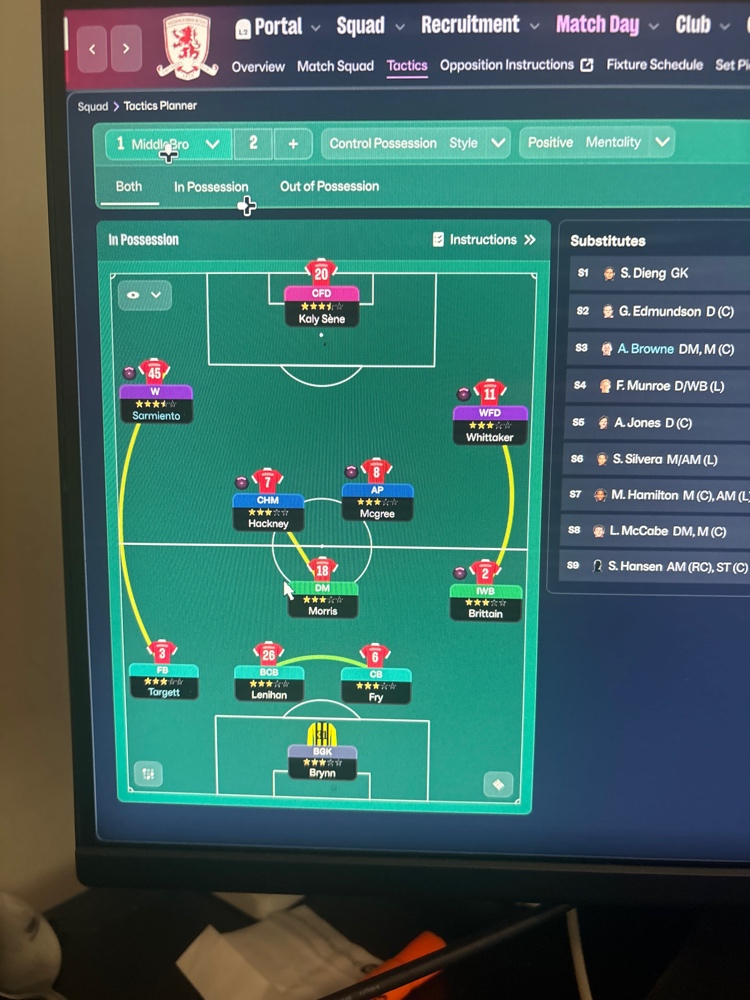
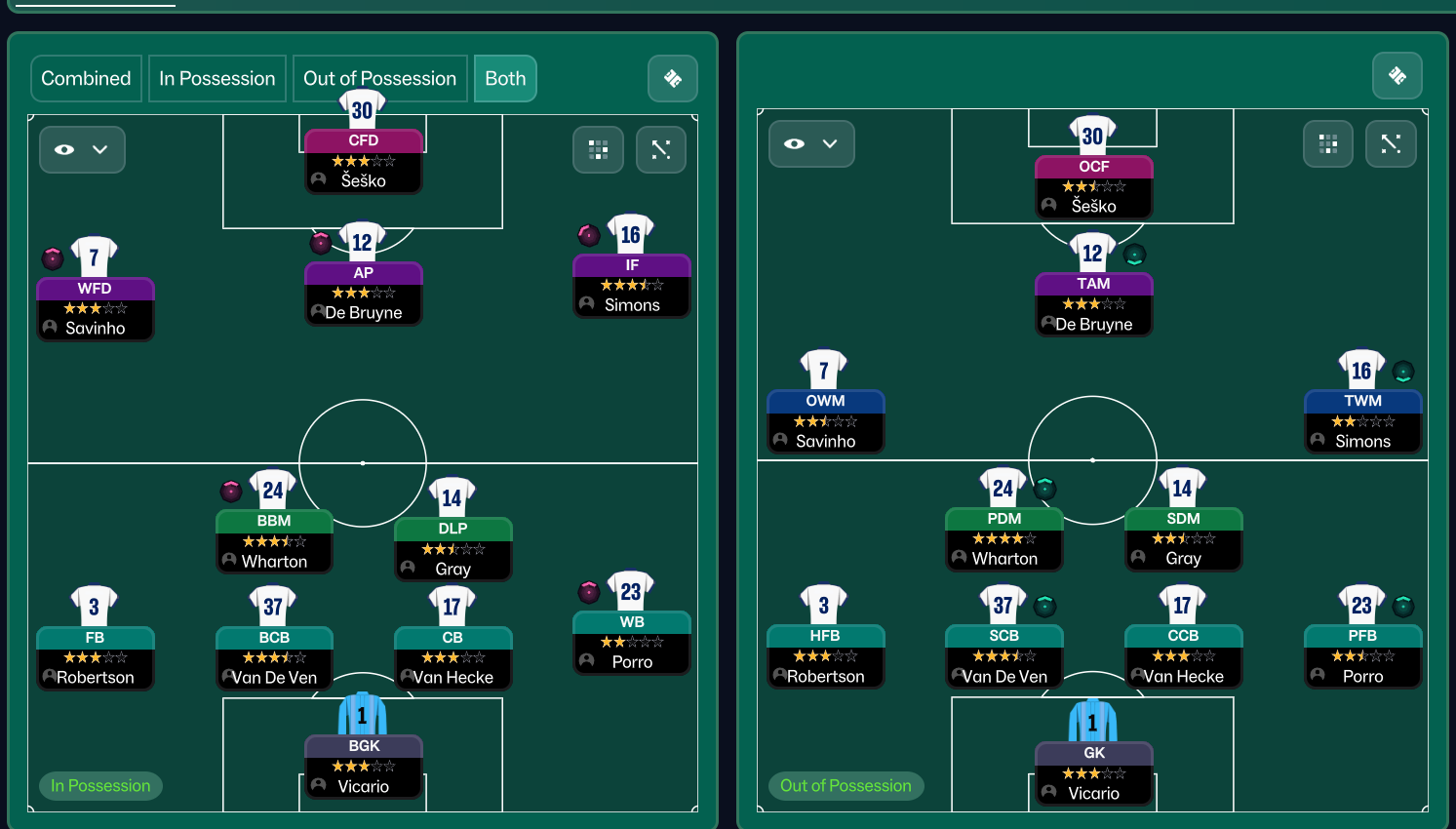
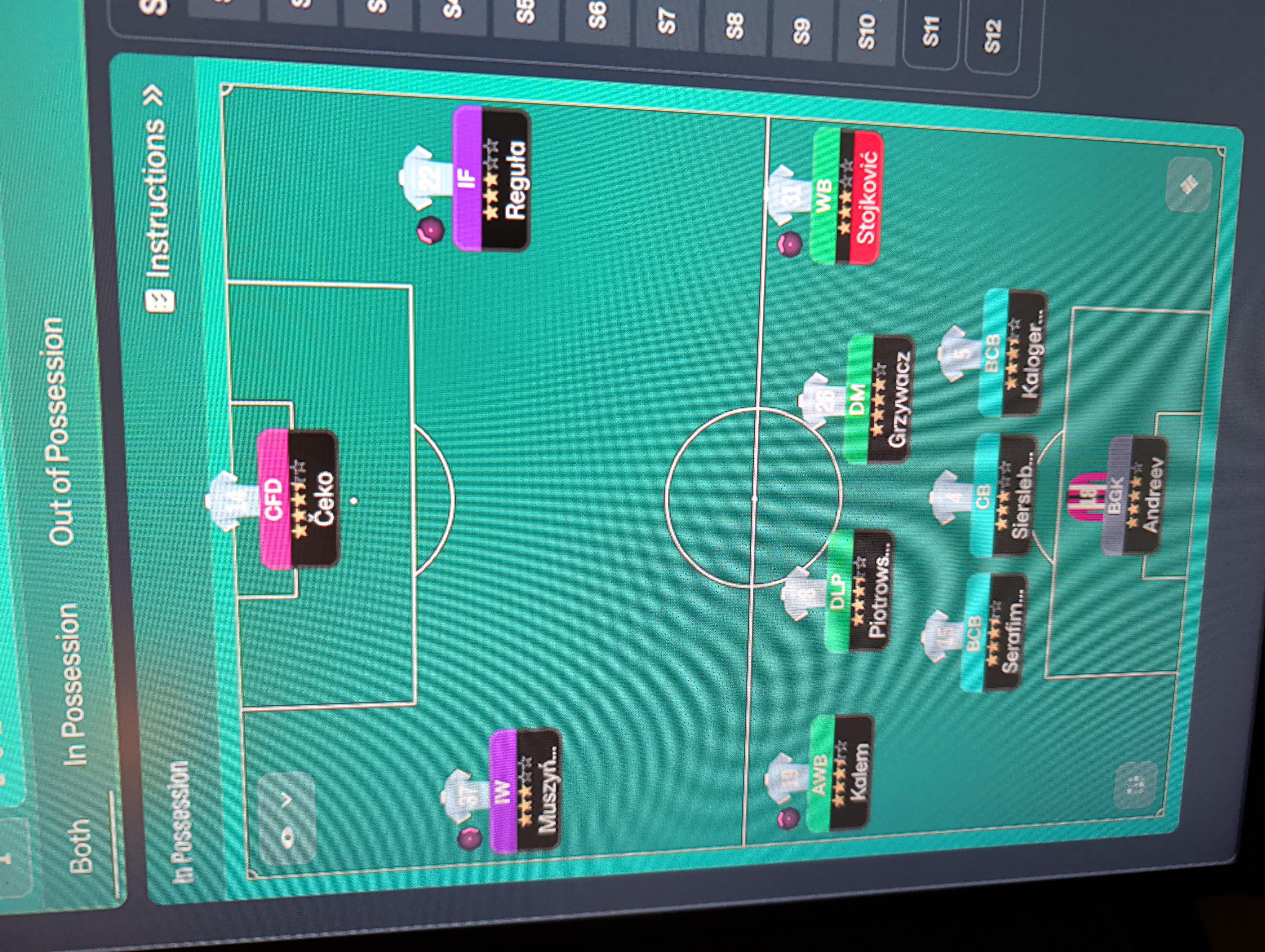
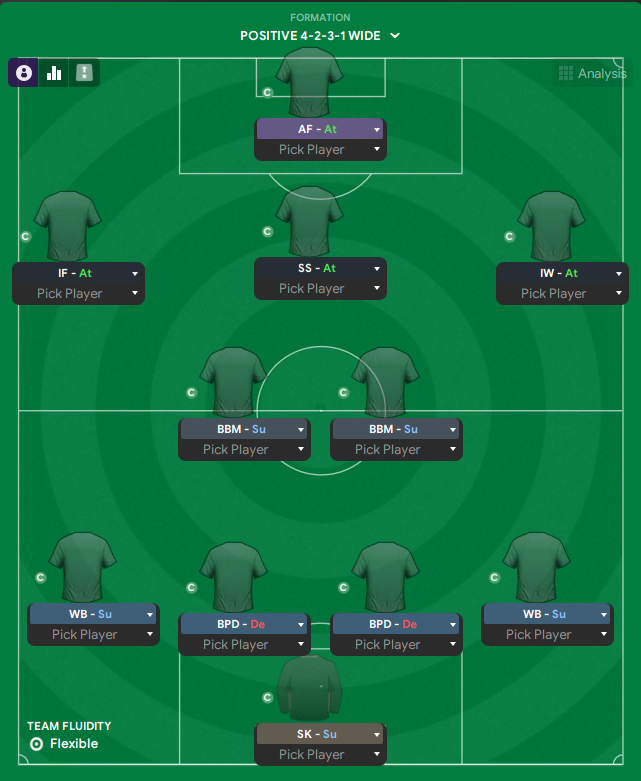
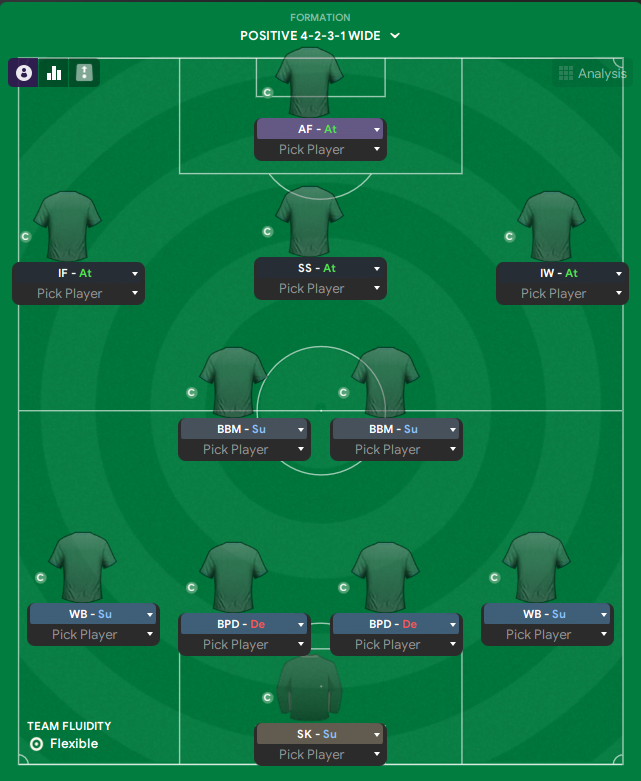
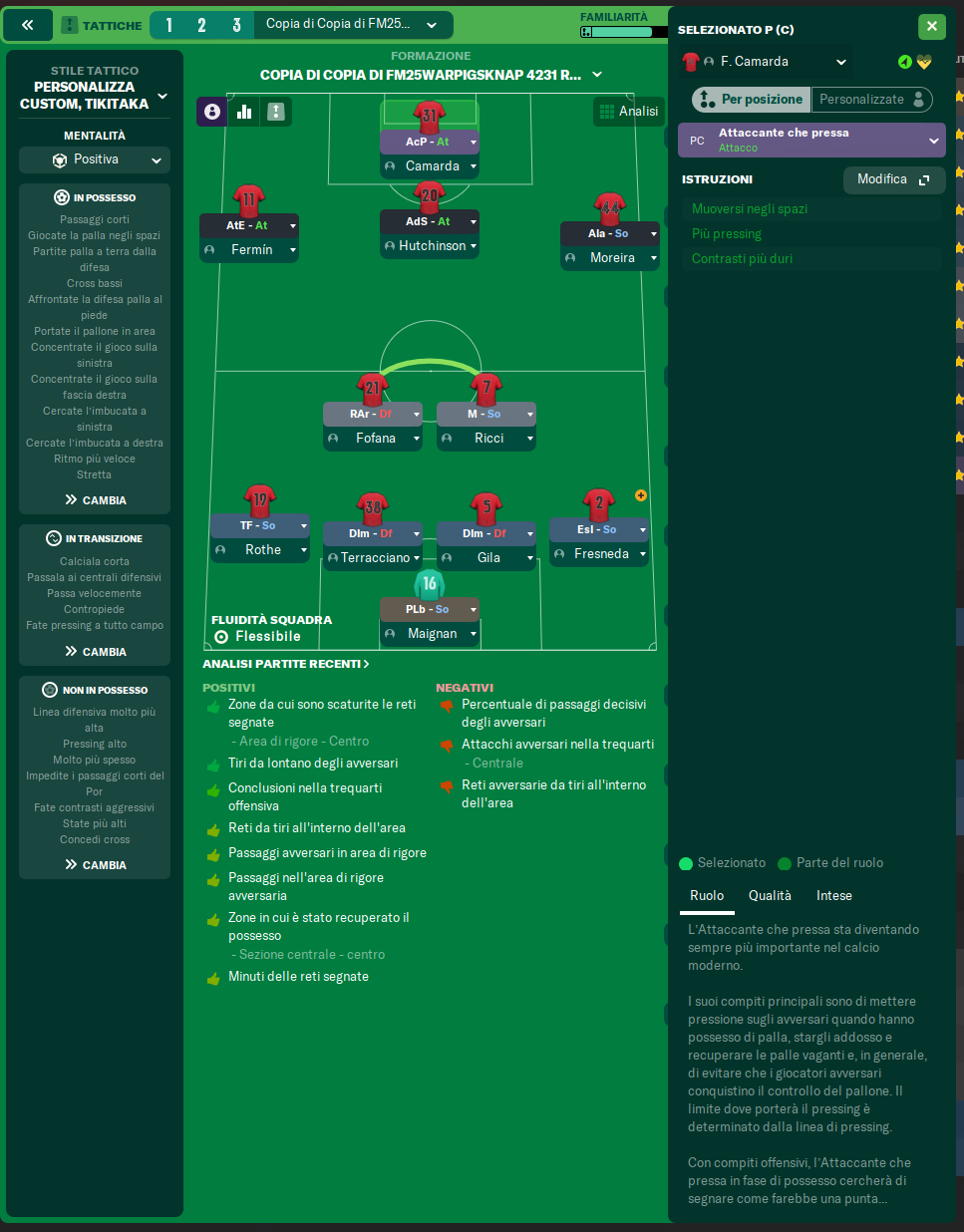
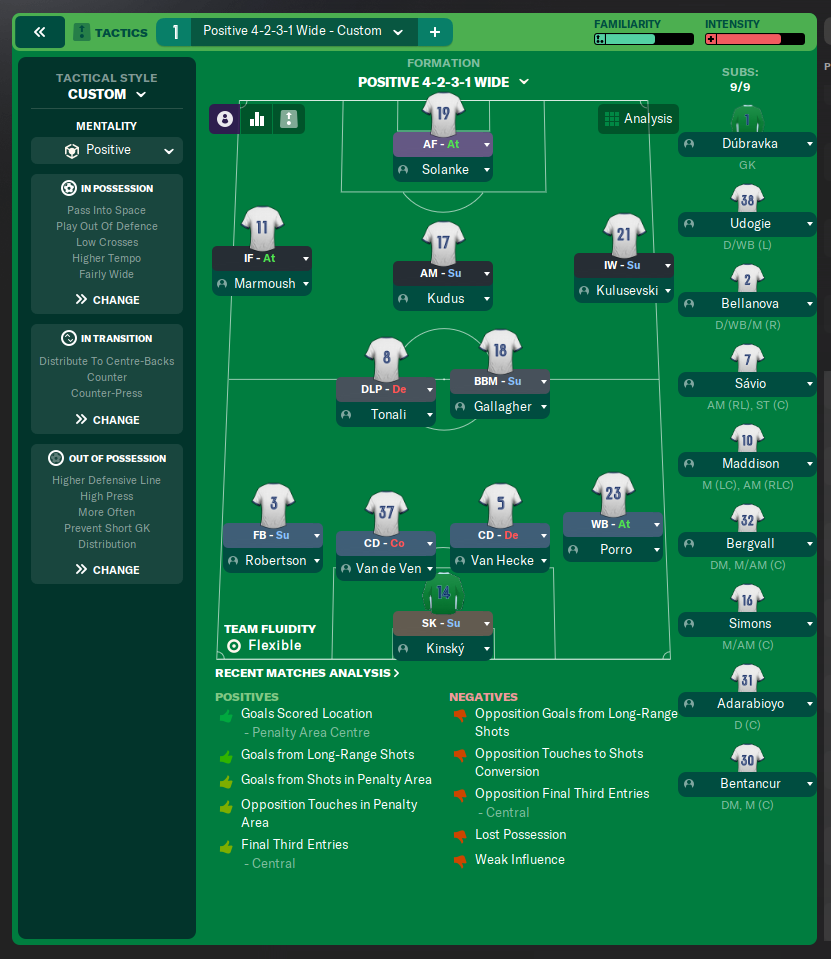
More Custom Control Possession tactics
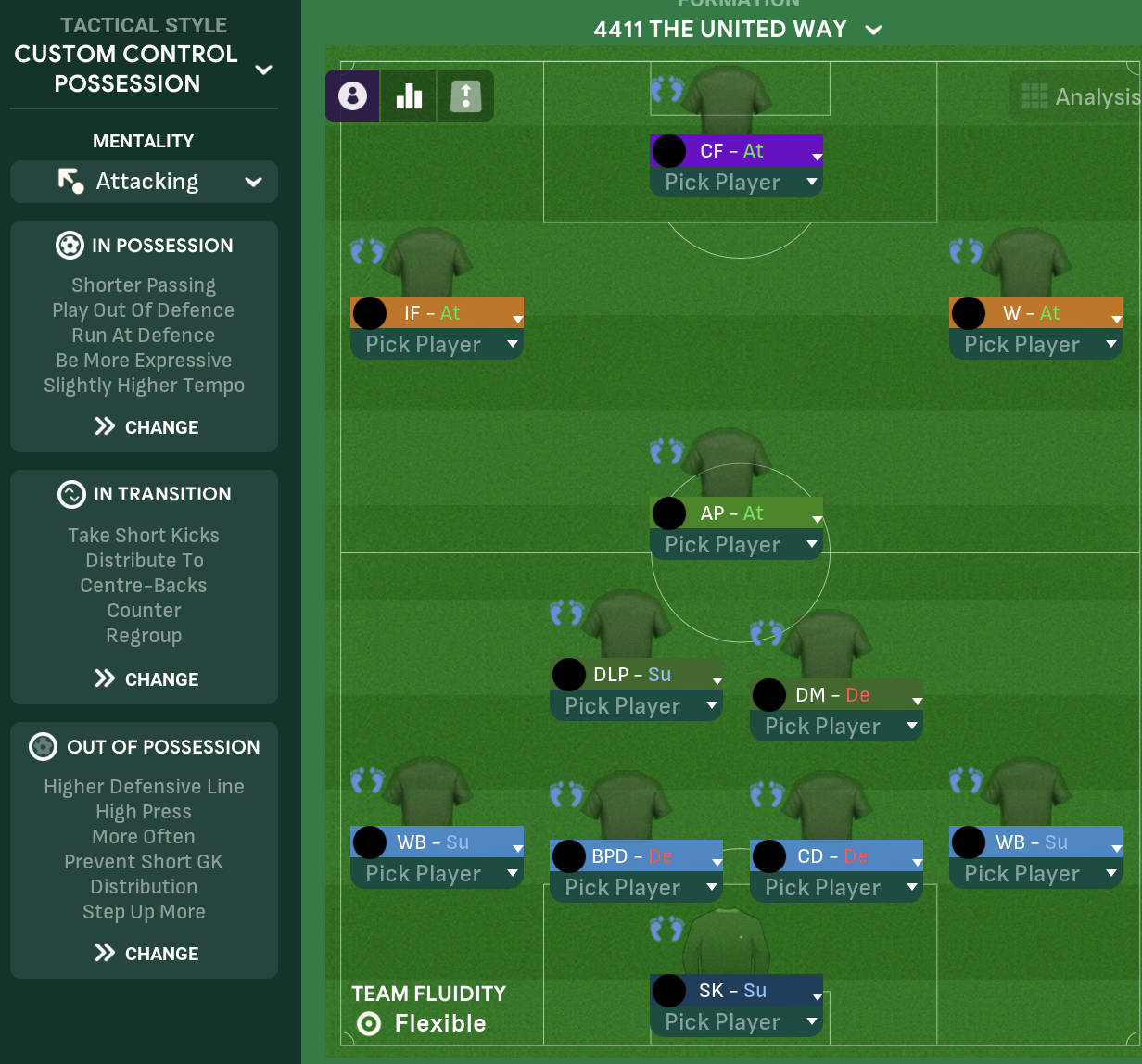
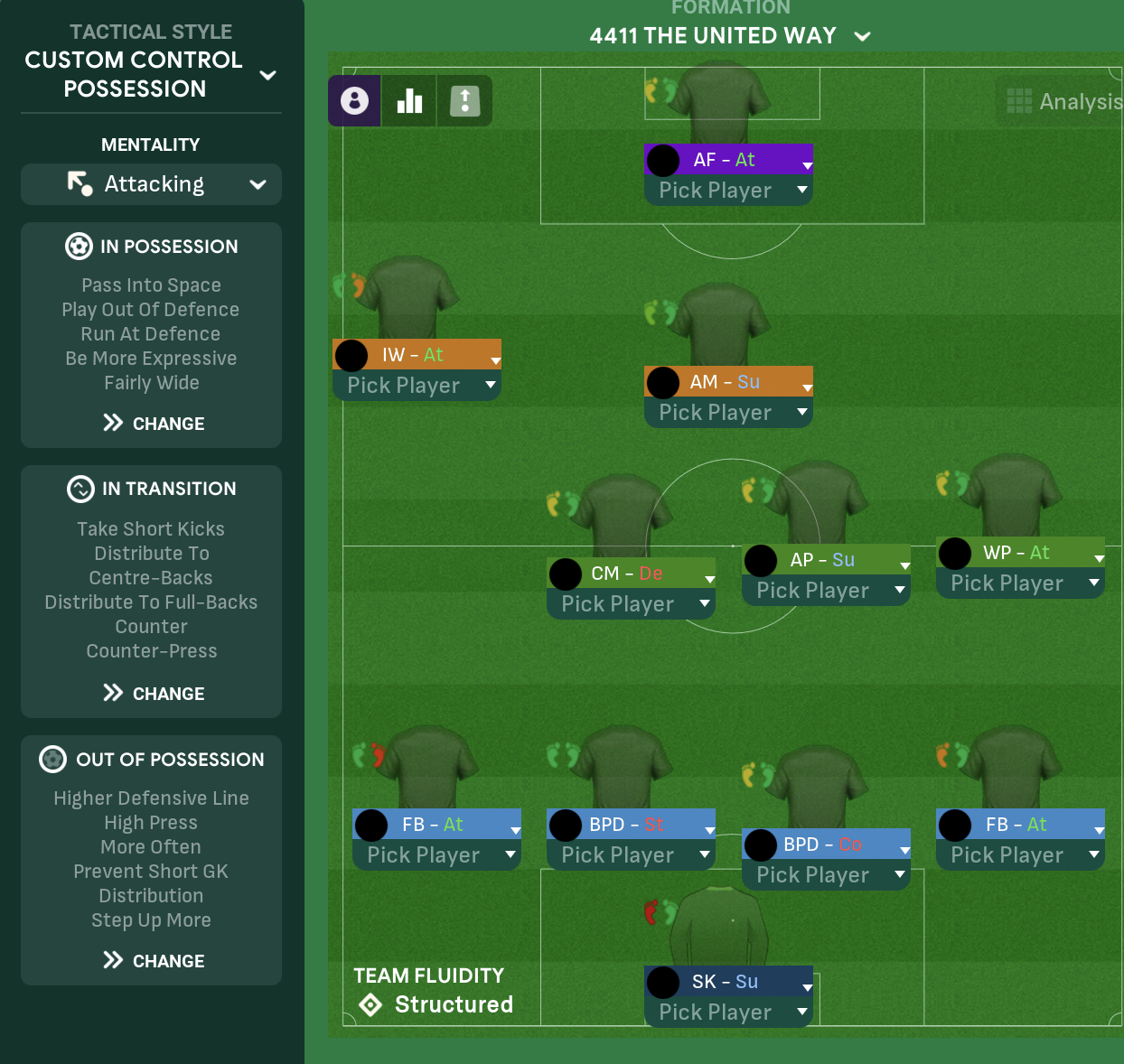
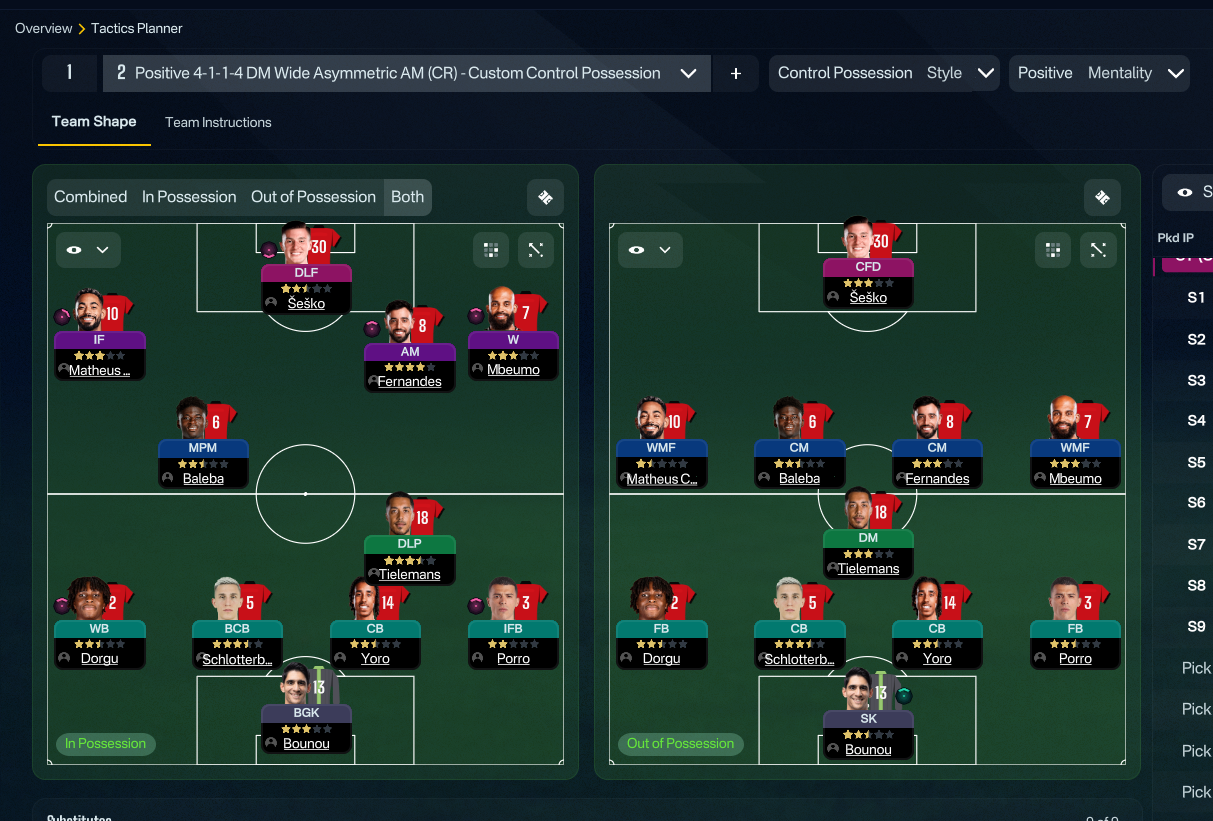
Guides for this formation
The tactical theory behind the 4-2-3-1 Wide: roles, instructions, and the trade-offs that decide whether the system holds up.
Player pairings
Midfield Pairs in 4-2-3-1 and 4-4-2
Double pivots and flat pairs in 4-2-3-1 and 4-4-2: when each pairing works, when it collapses, and the AMC unicorn that rescues both.
Read guide
Playing styles
Gegenpressing: A Full Guide
Klopp-style gegenpressing in FM, including squad profile, line-and-press pairing, sustainable workload, and the antipatterns to avoid.
Read guide