Uploaded Tactic
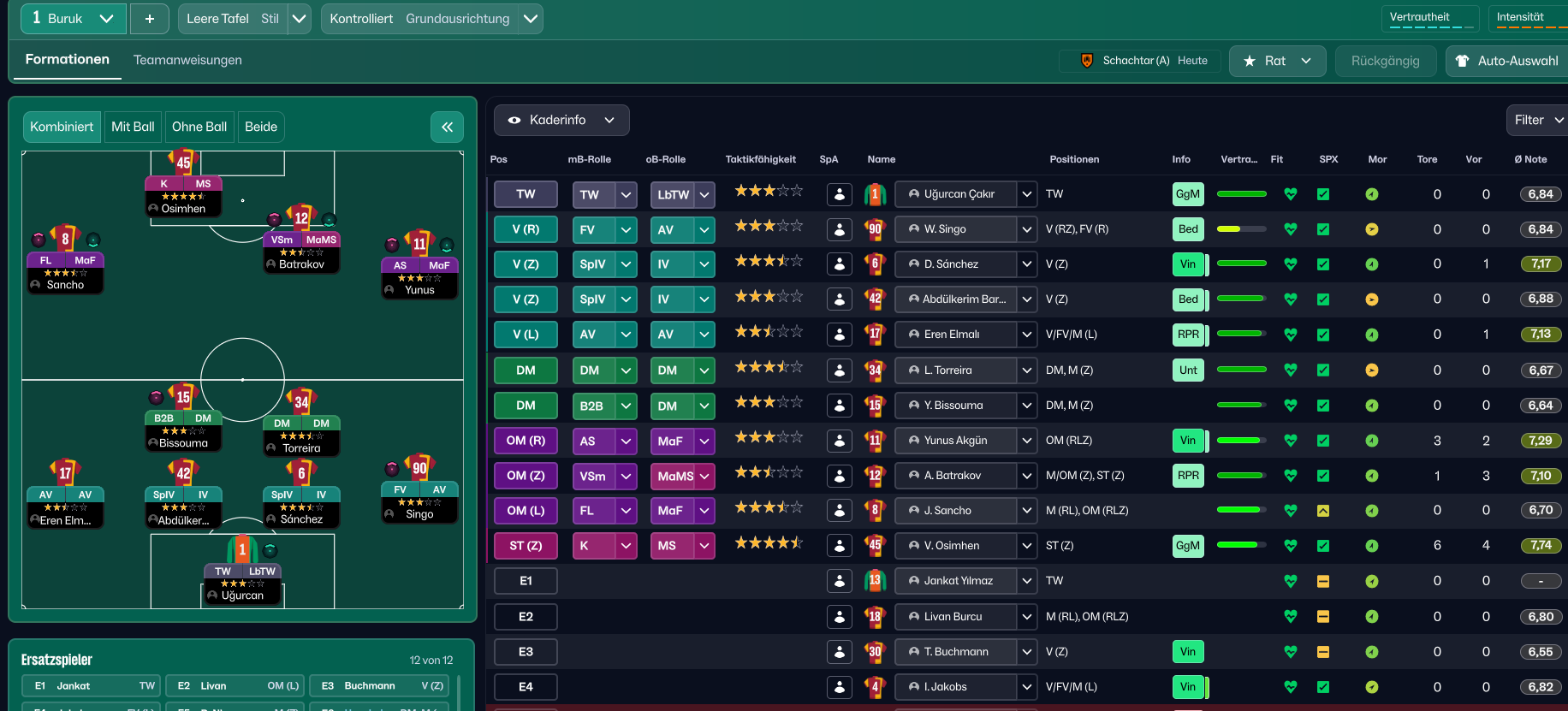
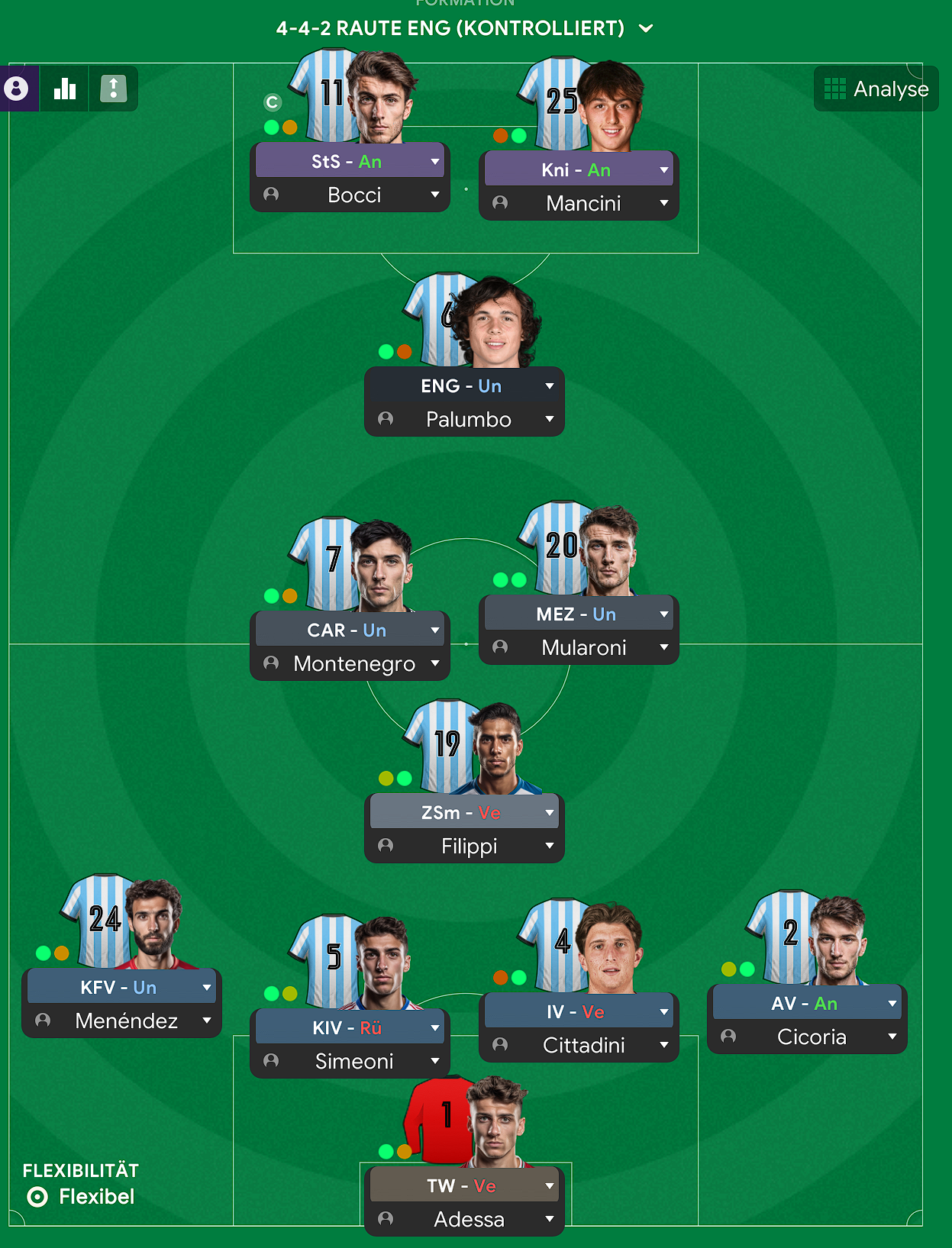
Formation & Style
Tactical Style:Controlled
Mentality:Positive
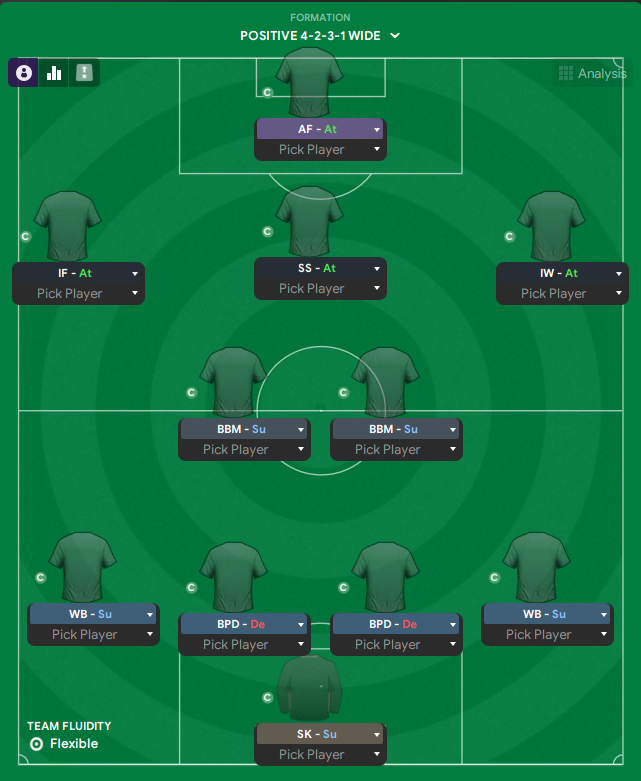
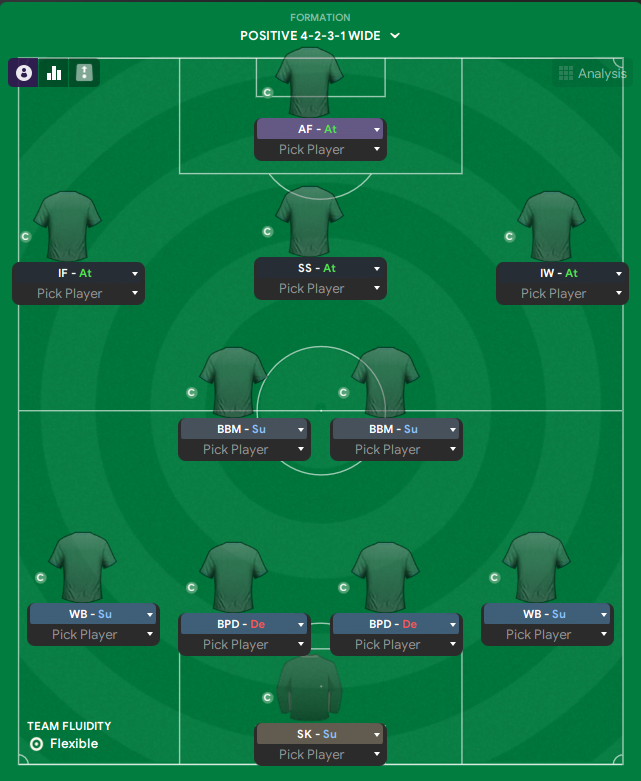
Formation:4-2-3-1 Wide
Team Fluidity:Fluid
In Possession
Play Out of Defence
Work Ball into Box
Width: Standard
In Transition
Counter
Counter Press
Out of Possession
Higher Defensive Line
Higher Line of Engagement
Prevent Short GK Distribution
Team Shape Without Ball
Shape:Compact and Structured
Description:Defensive shape maintains a strong line across the back with protection from midfielders, aiming to limit space for opposing attackers.
Evidence:Higher Defensive Line with No-Nonsense Centre-Backs at [2,2], [2,3].
Team Shape With Ball
Shape:Fluid and Versatile
Description:Attacking shape allows for quick transitions and varied movements from midfielders, ensuring offensive support to the striker.
Evidence:Advanced Playmaker roles at [5,3] and [5,4] combined with Inside Forward at [5,2].
Phase Description
Attacking Play
Utilizes width with overlapping wing-backs providing support to the wide attackers. Involves intricate passing in central areas to create goal-scoring opportunities.
Defensive Transition
Immediate pressing and regaining possession while denying space to the opposition, leveraging pace and positioning.
Main Focus
Building attacks patiently with a focus on exploiting flanks and utilizing playmakers' creativity.
Key Strengths
Dynamic Midfield Presence
The combination of roles like Deep-Lying Playmaker and Ball-Winning Midfielder provides both creativity and defensive stability.
Fluid Attack with Wide Options
Using Inside Forwards and Advanced Playmakers creates a multi-faceted attack that can adjust to opposition.
Strong Defensive Cohesion
Defenders supporting a midfield shield help in breaking down opposing plays efficiently.
Conflicting Directions
Risk of Overextension in Attack
With offensive duties assigned to wide players, it may leave the flanks vulnerable.
Midfield Overload Vulnerability
A high central press can expose gaps if the midfielders are outnumbered.
Pace Against Counter-attacks
Could concede space behind wing-backs if they venture too high.
Tactical Suggestions
Adjust Roles for Defensive Stability
Consider changing one DLP to a DM for more defensive stability.
Utilize On-the-Shoulder Striker
Change the ST role to Target Forward for a physical presence.
Increase Width with Wider Play
Set to a wider attacking width to stretch opposition defence effectively.
Ask Questions About Your Lineup
Related Tactics
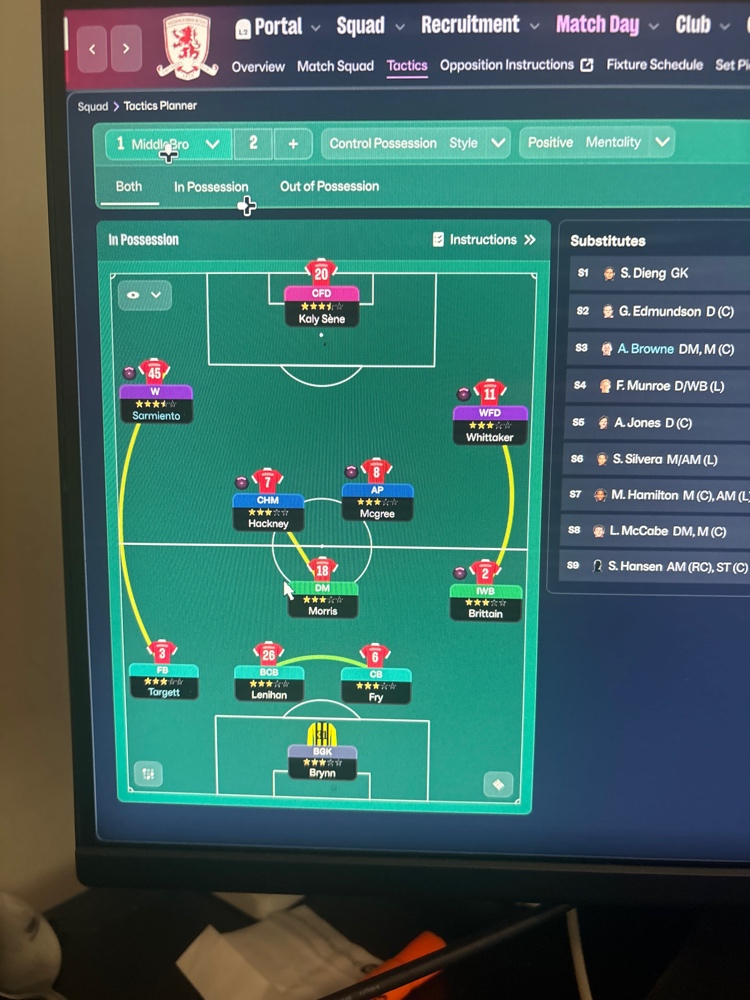
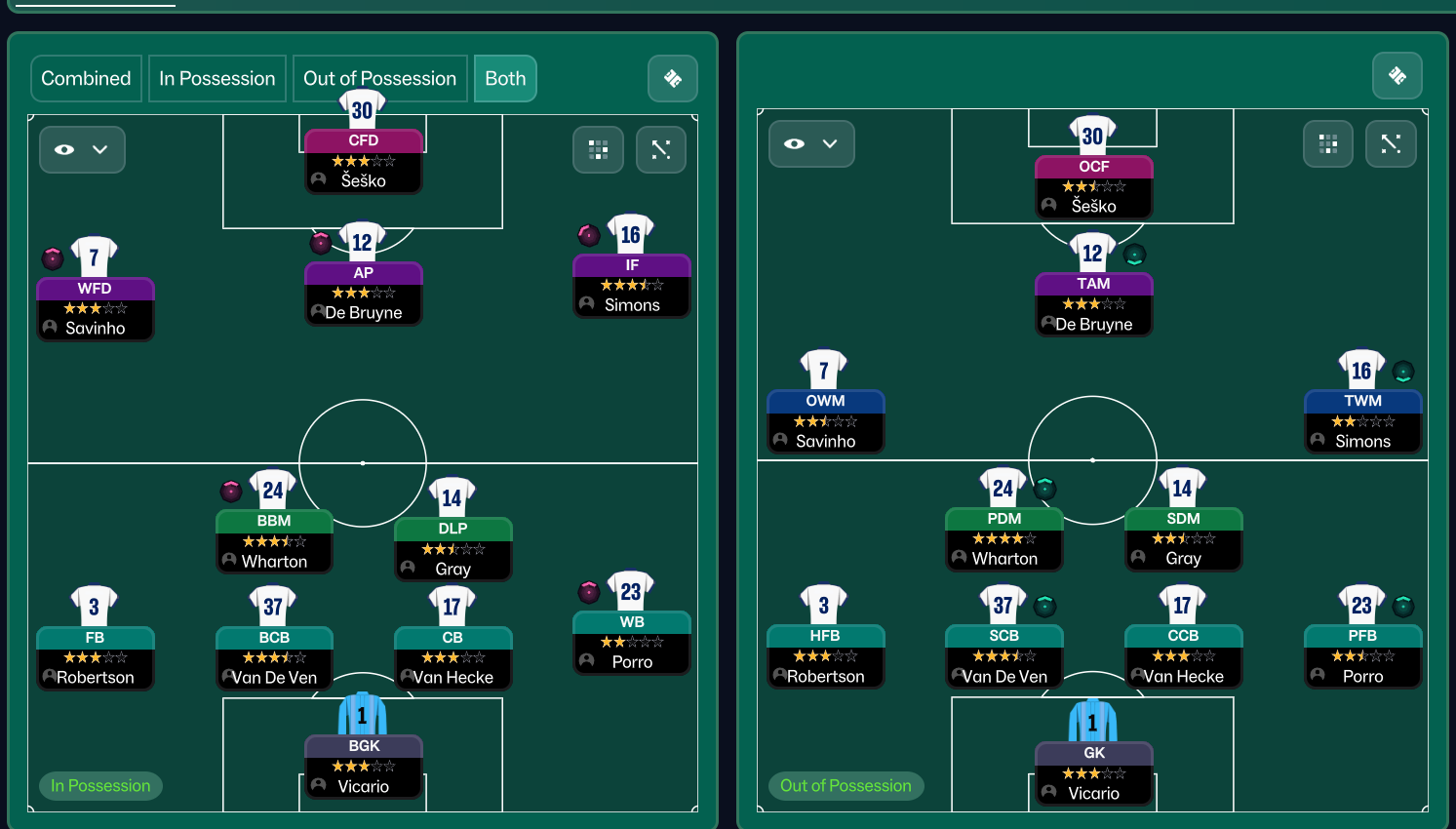
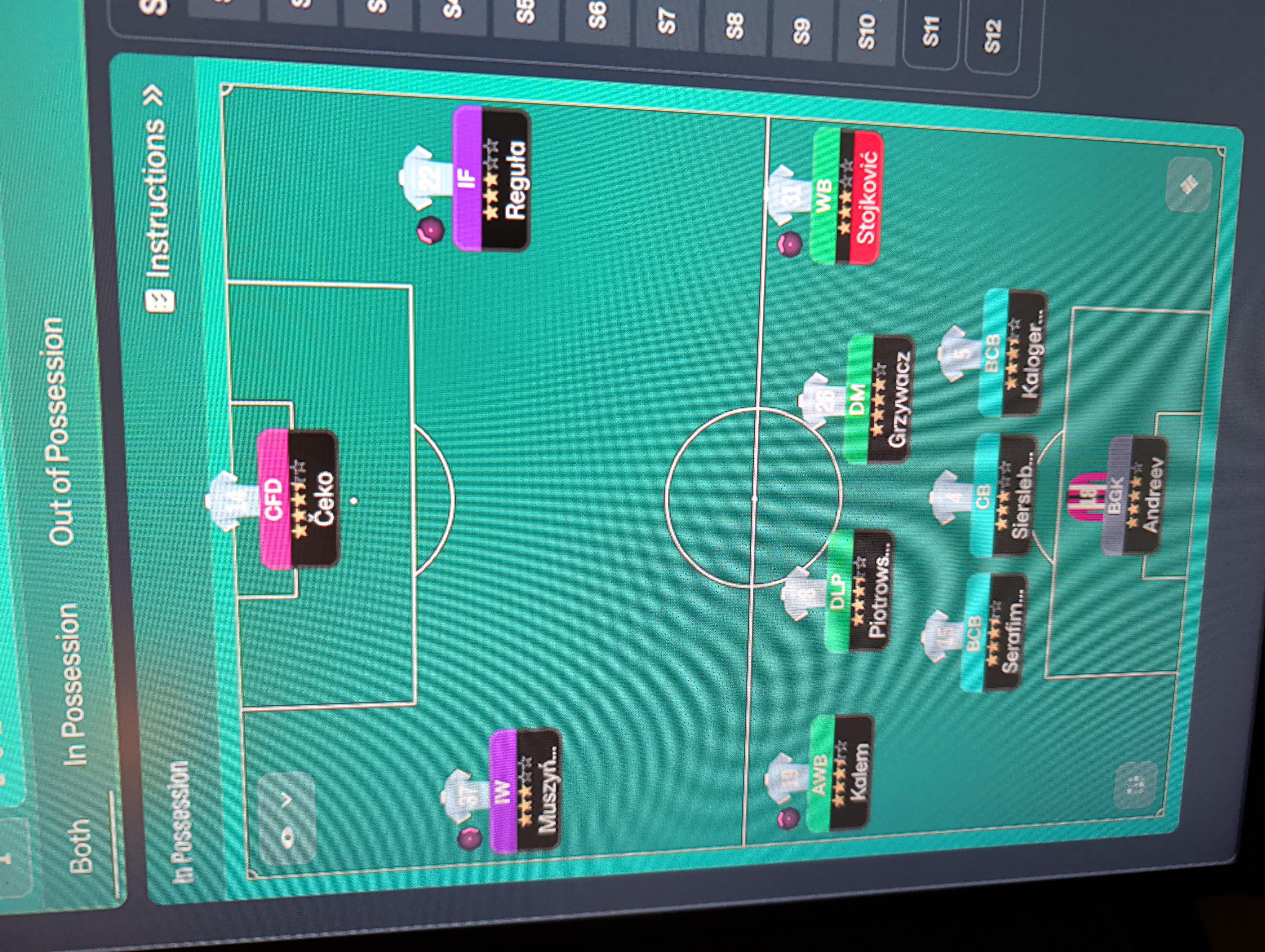
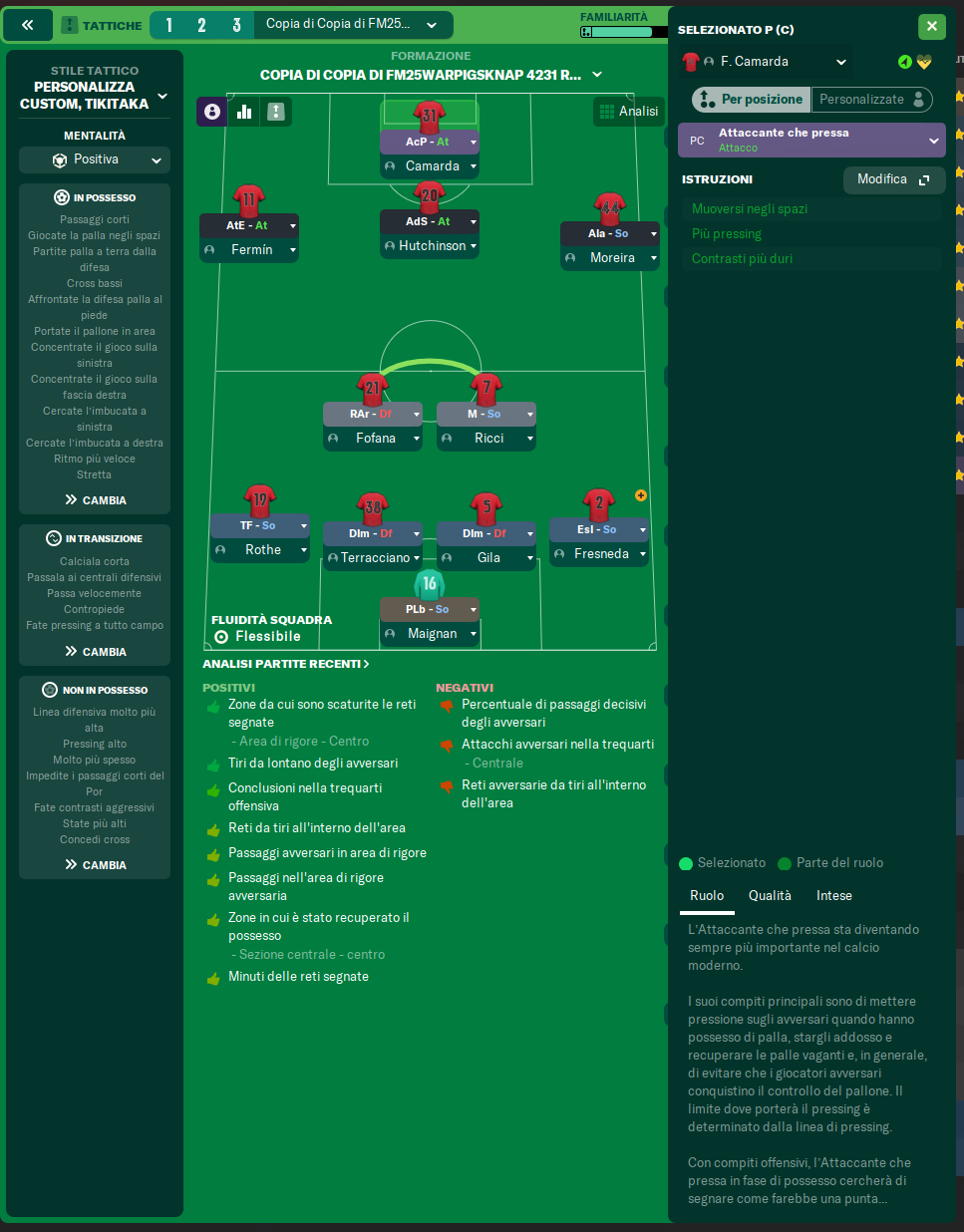
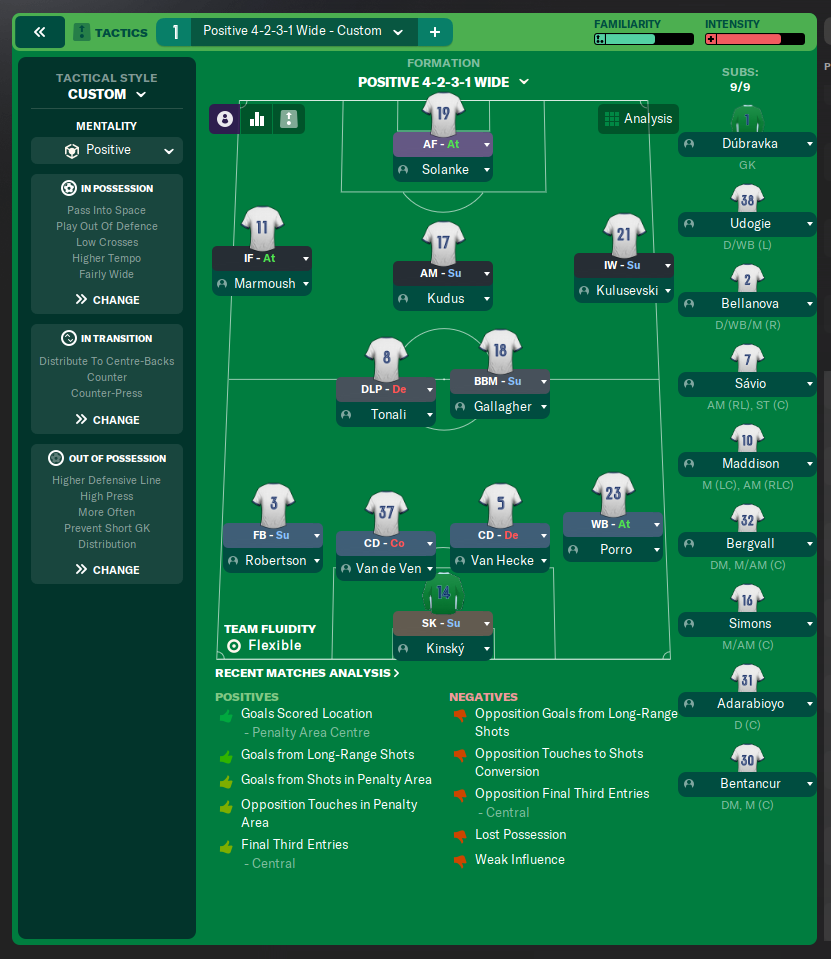
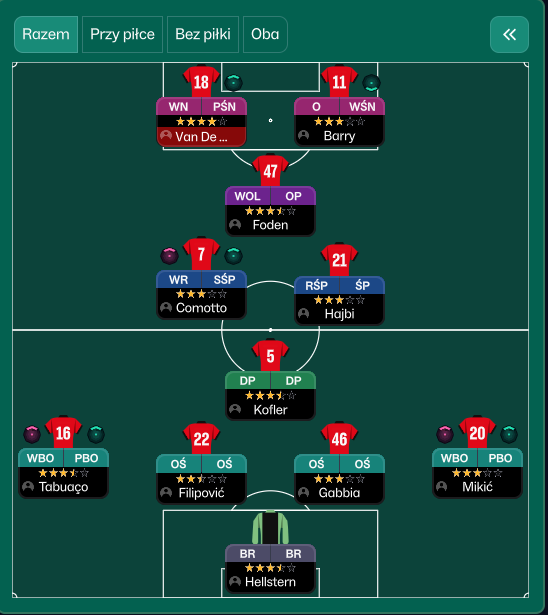
More Controlled tactics
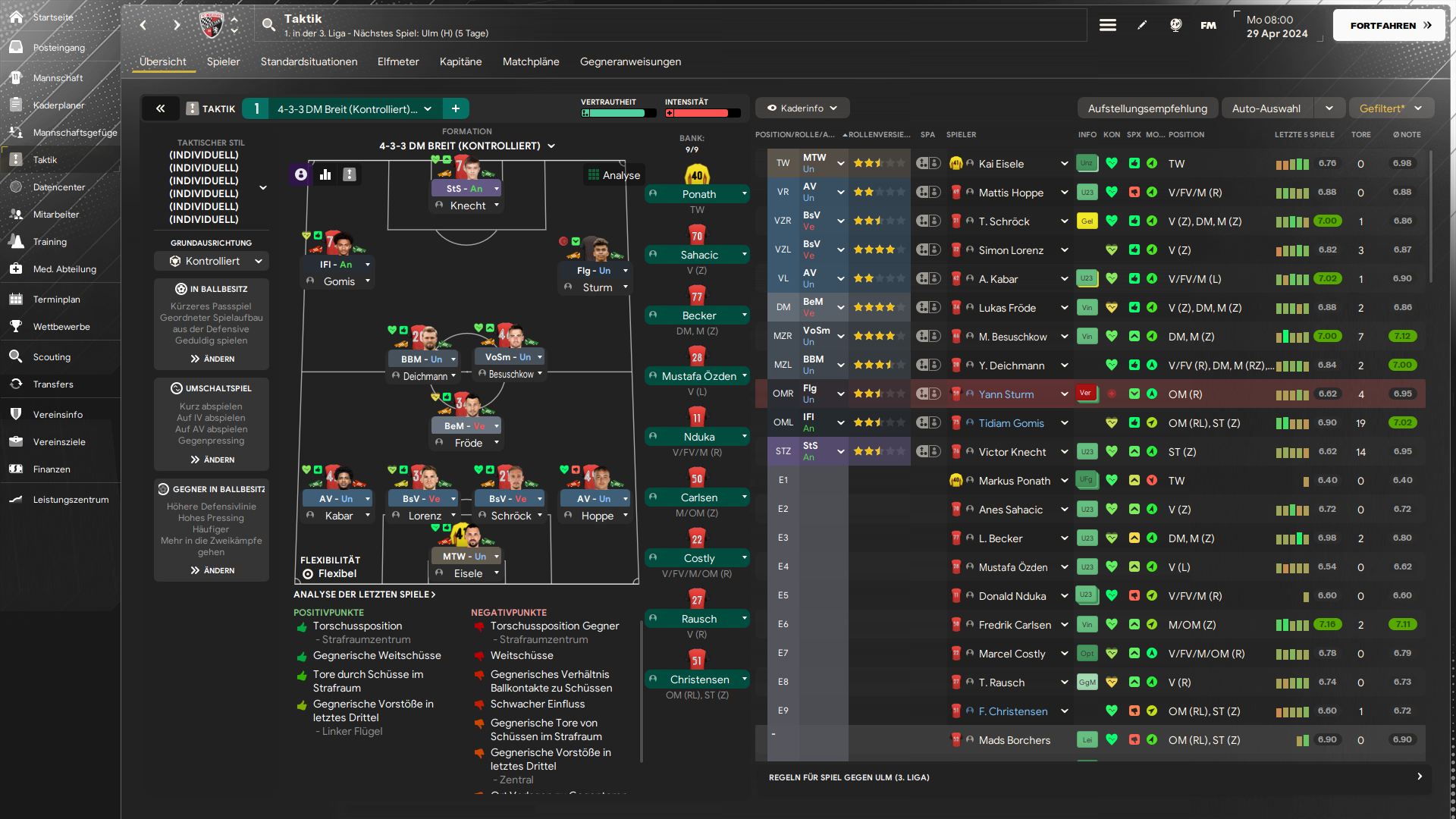
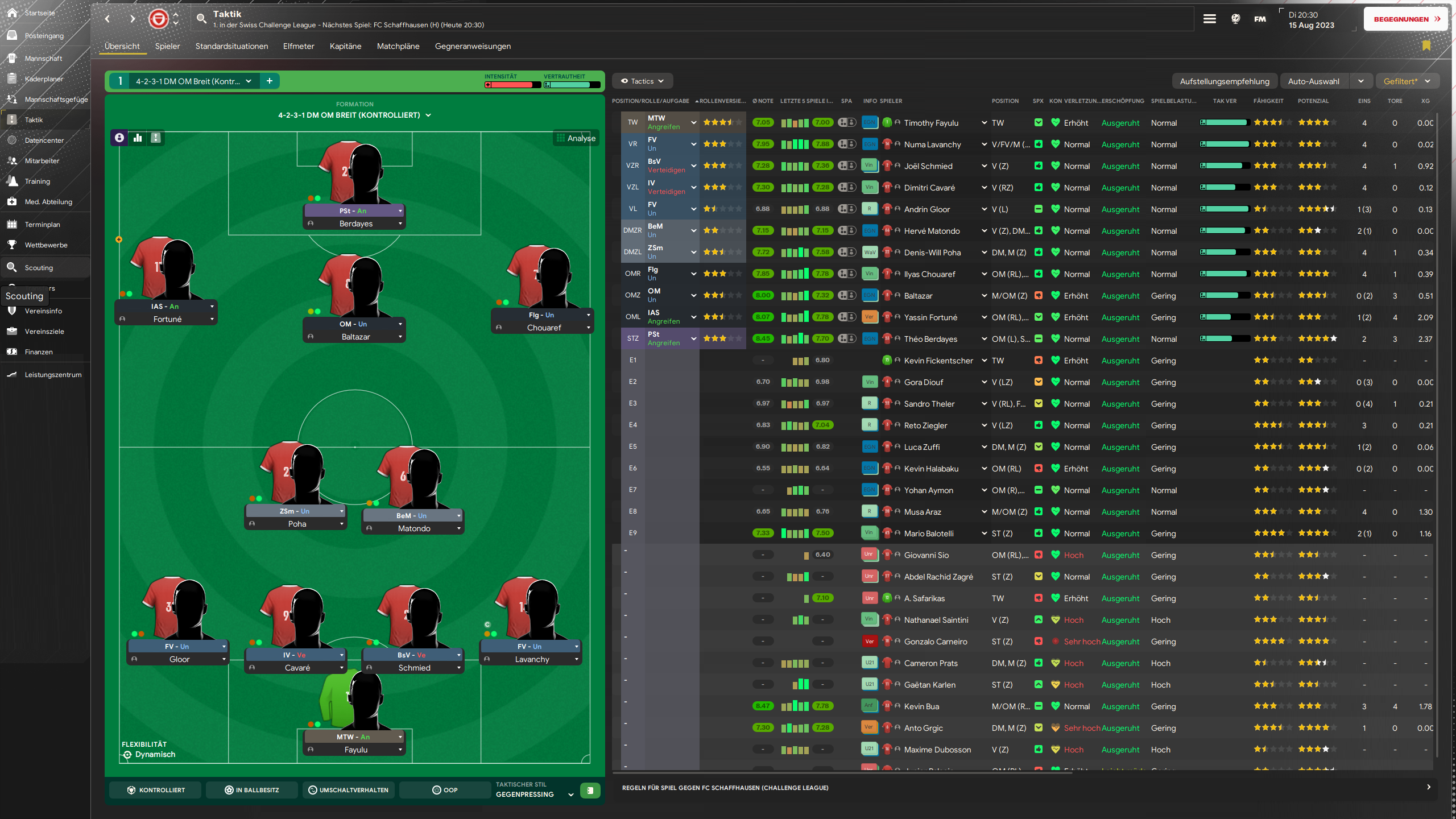
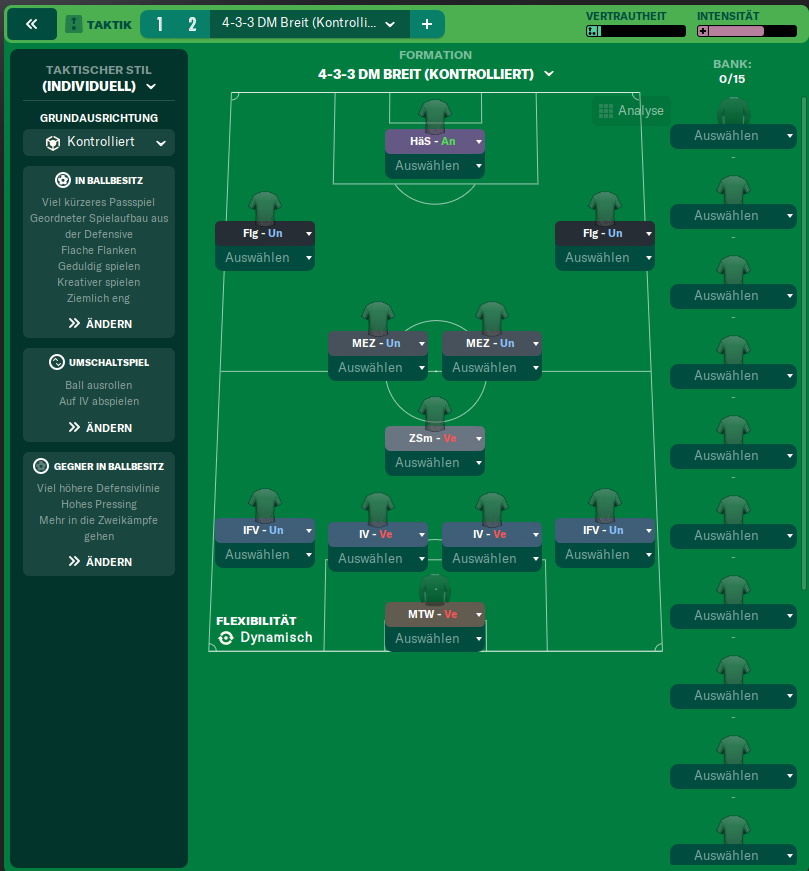
Guides for this formation
The tactical theory behind the 4-2-3-1 Wide: roles, instructions, and the trade-offs that decide whether the system holds up.
Player pairings
Midfield Pairs in 4-2-3-1 and 4-4-2
Double pivots and flat pairs in 4-2-3-1 and 4-4-2: when each pairing works, when it collapses, and the AMC unicorn that rescues both.
Read guide
Playing styles
Gegenpressing: A Full Guide
Klopp-style gegenpressing in FM, including squad profile, line-and-press pairing, sustainable workload, and the antipatterns to avoid.
Read guide