Uploaded Tactic
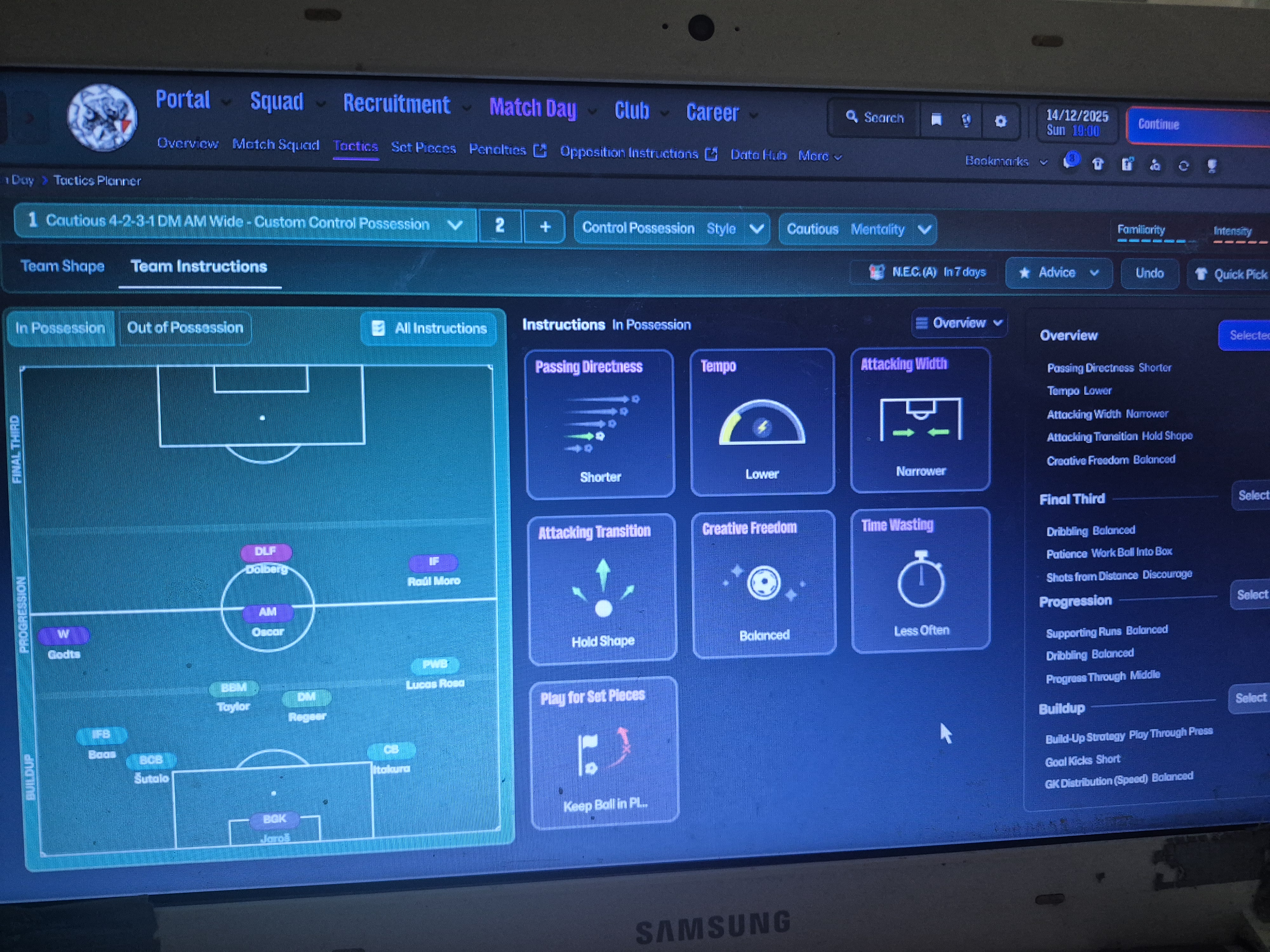
Formation & Style
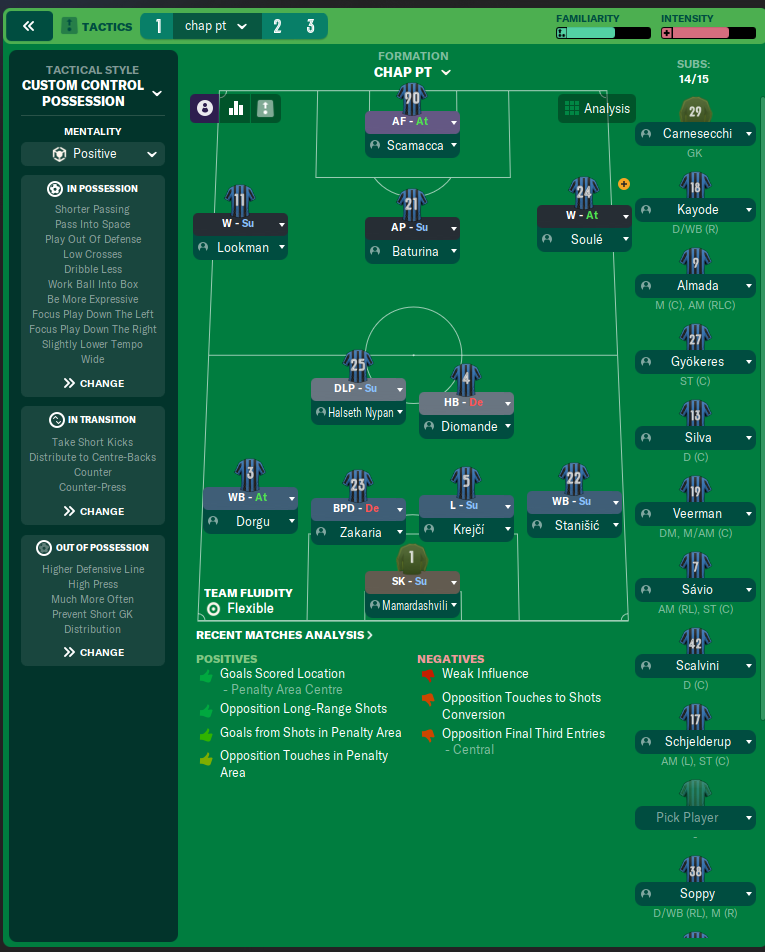
Tactical Style:Custom Control Possession
Mentality:Cautious
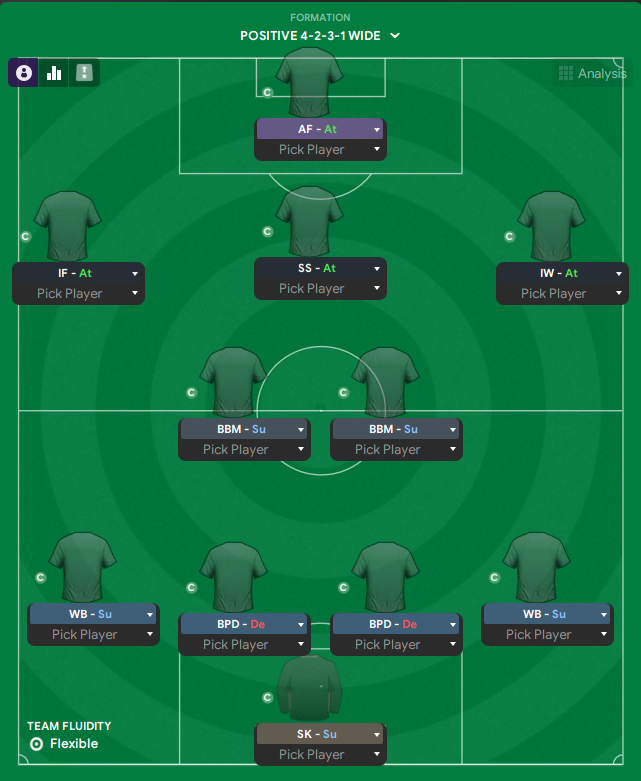
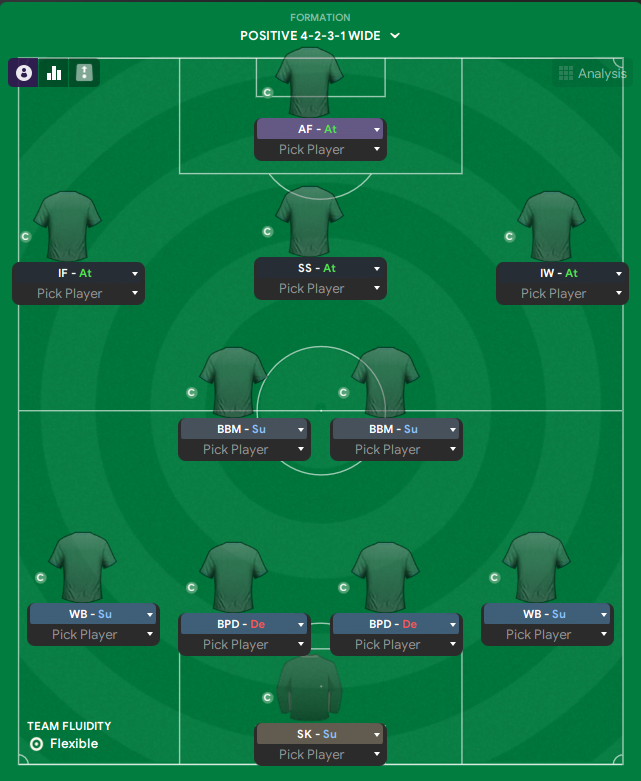
Formation:4-2-3-1 Wide
Team Fluidity:Structured
In Possession
Shorter Passing
Lower Tempo
Narrower Width
Hold Shape
Balanced Creative Freedom
Less Often Time Wasting
In Transition
Hold Shape
Out of Possession
Lower Defensive Line
Higher Line of Engagement
Trigger Press Less Often
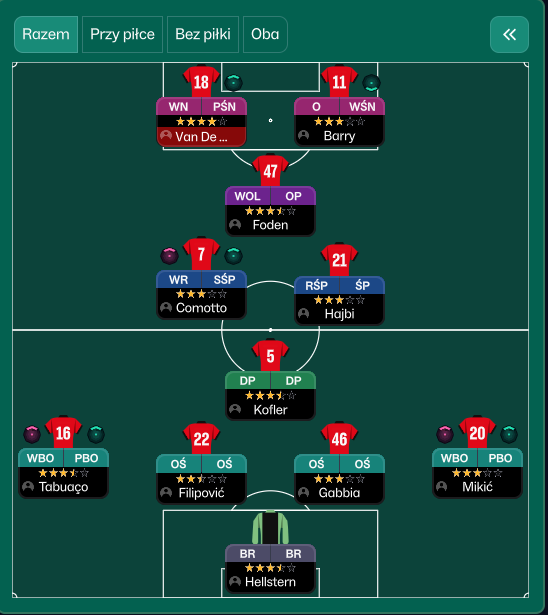
Team Shape Without Ball
Shape:4-2
Description:Compact defensive shape aiming to reduce space for opponents and maintain defensive stability.
Evidence:Lower Defensive Line with two CBs and full-backs positioned to provide width.
Team Shape With Ball
Shape:4-3-3
Description:Wide attacking shape that looks to stretch opposing defenses and create spaces for midfield runners.
Evidence:Attacking width set to Narrower with the wing-back and inside forward maintaining form.
Phase Description
Attacking Play
Utilizing width through wing-backs while maintaining a possession-based approach, prioritizing short passes to control the game.
Defensive Transition
Transitioning to a tight shape, maintaining defensive discipline while looking to recover possession with less pressing intensity.
Main Focus
Control of possession with patient build-up play, leveraging the strengths of the central midfield.
Key Strengths
Midfield Control
A strong midfield trio allows for effective ball retention and transition.
Width in Attack
The presence of wing-backs allows stretching of the opposition defense, creating spaces.
Flexible Forward Line
The attacking setup provides various options in the final third.
Conflicting Directions
Limited Pressing
Lower pressing intensity may lead to backpedaling against high-press opposition.
Risk of Width Exposure
With attacking width narrowed, the team may struggle defensively against wide attacks.
Cautious Mentality Constraints
Cautious approach can hinder attacking fluidity against weaker opponents.
Tactical Suggestions
Increase Pressing Intensity
By employing a more aggressive pressing approach, the team can recover possession faster and disrupt opponent play.
Adjust Attacking Width
Consider adjusting width to create more attacking options and leverage the strengths of wide players.
Evaluate Mentality
Depending on the opposition, adjusting the mentality to more positive could optimize attacking potential.
Ask Questions About Your Lineup
Related Tactics
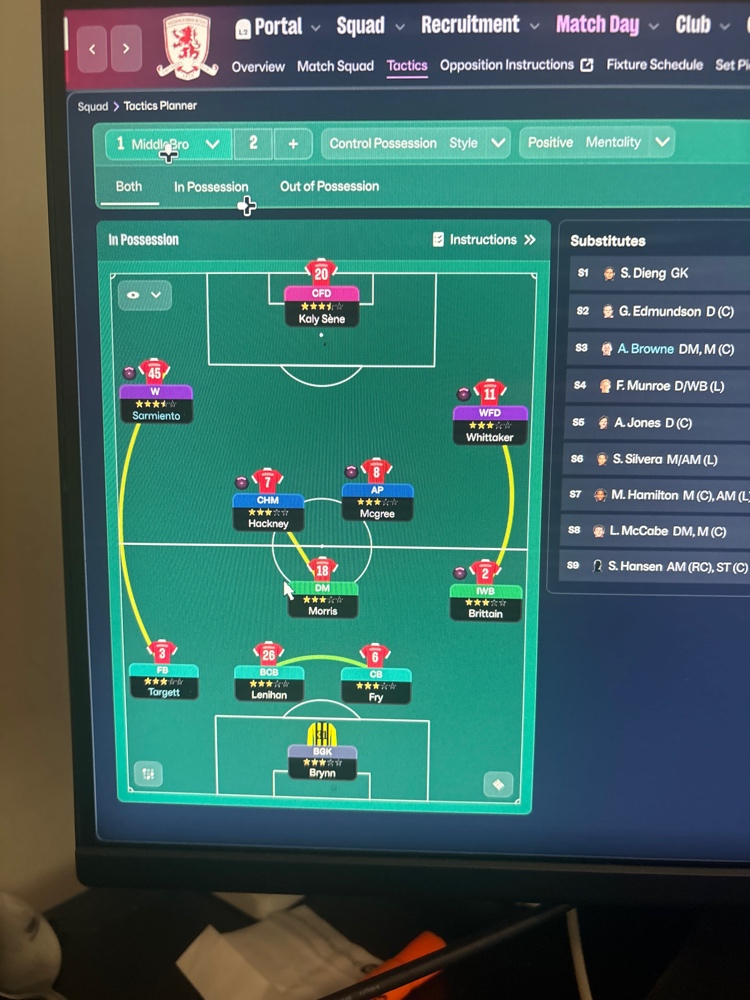
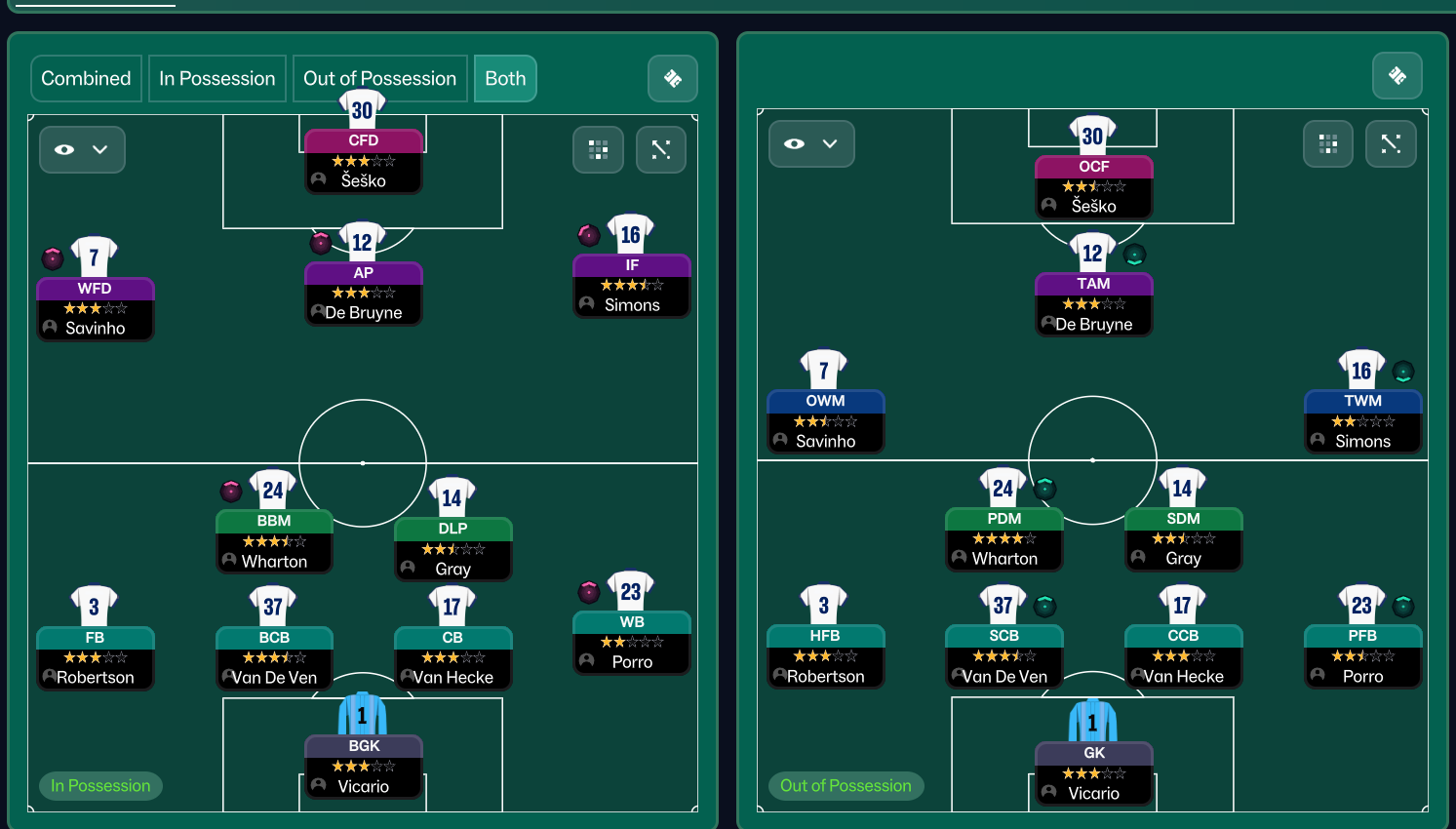
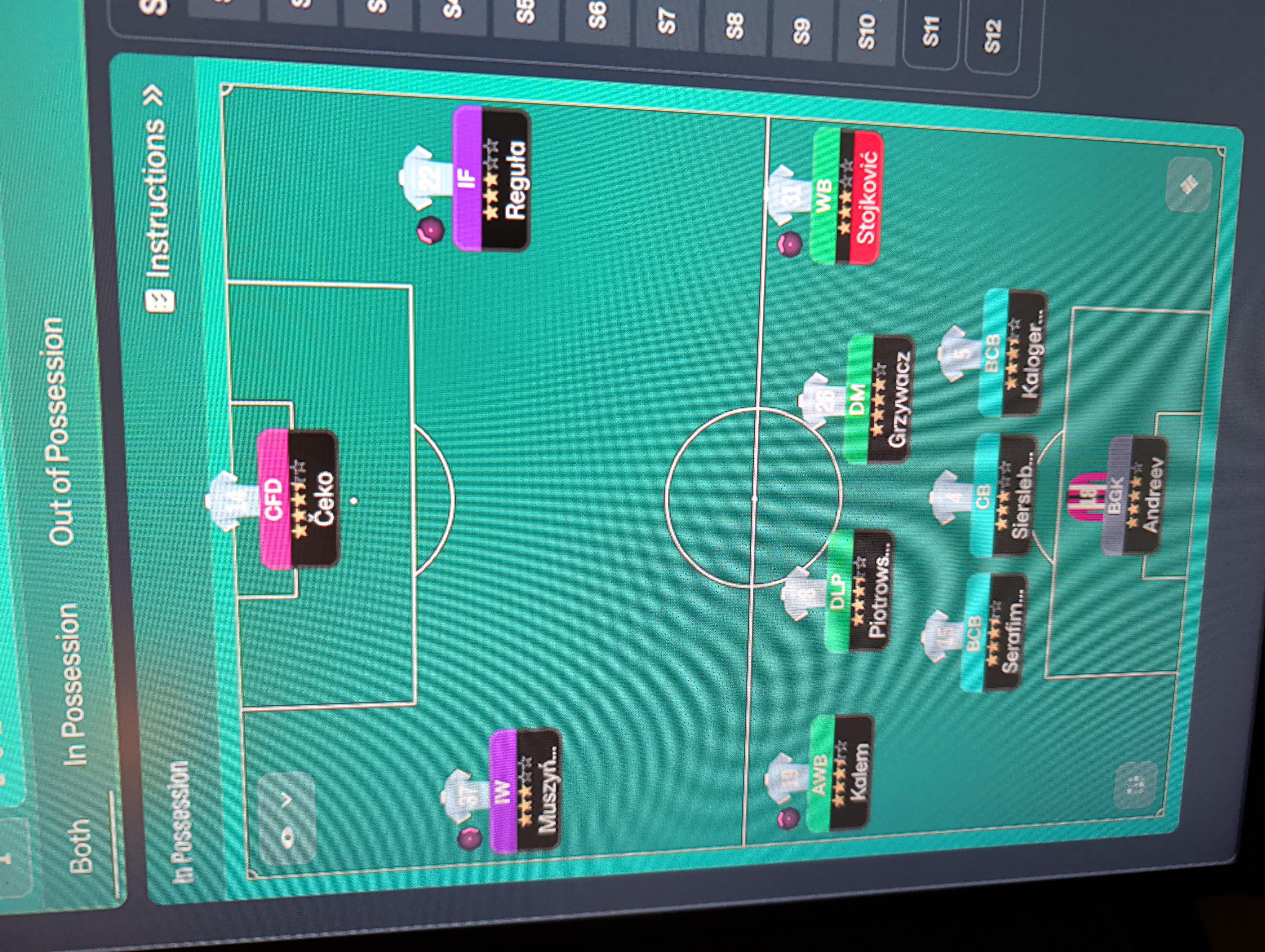
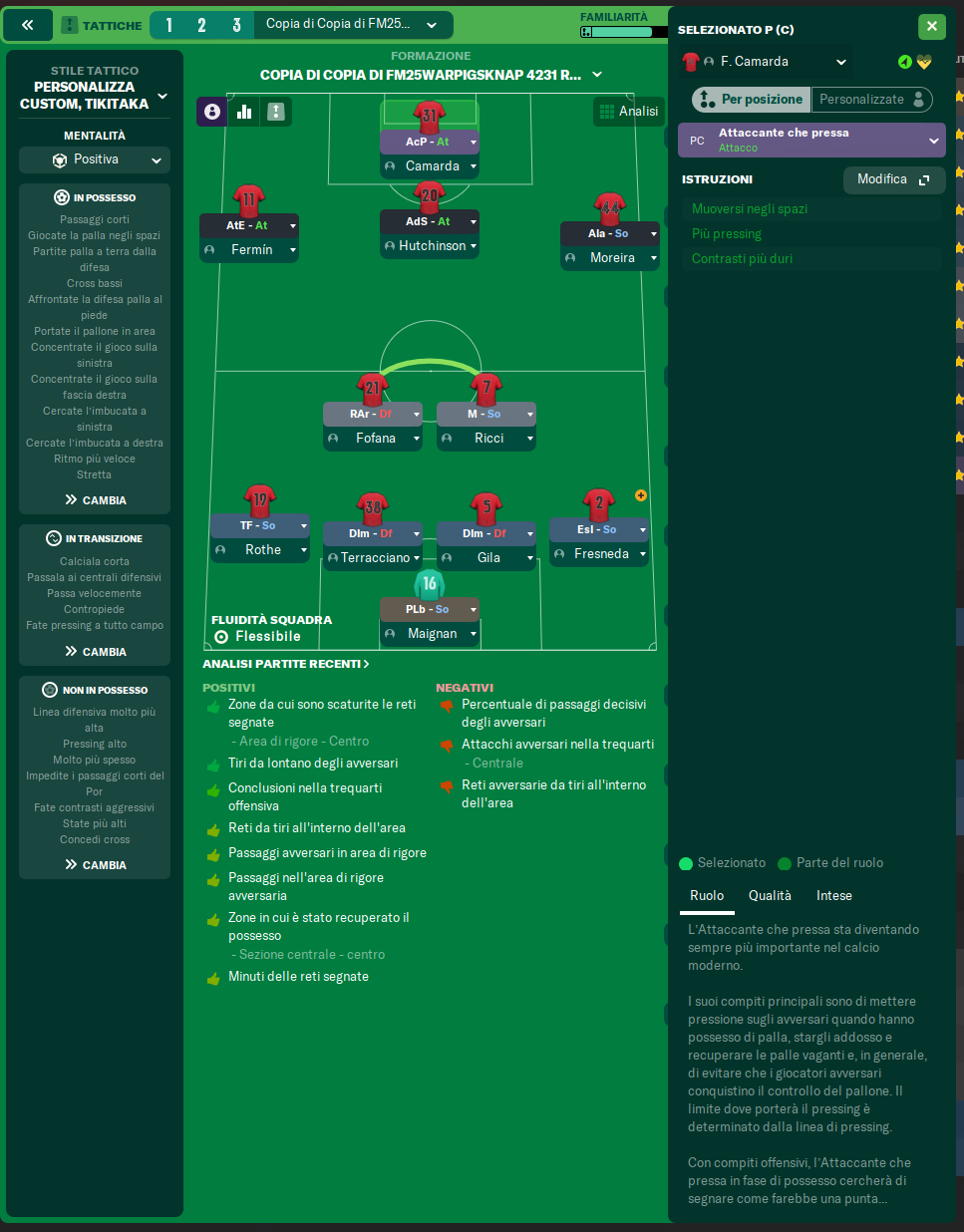
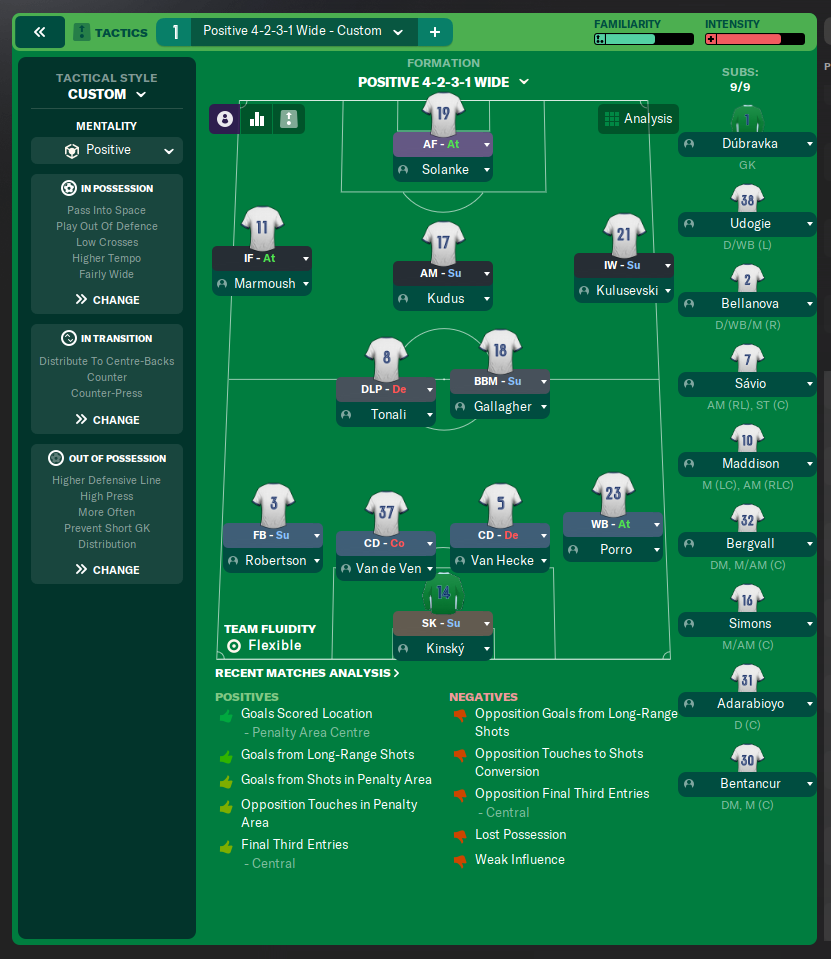
More Custom Control Possession tactics
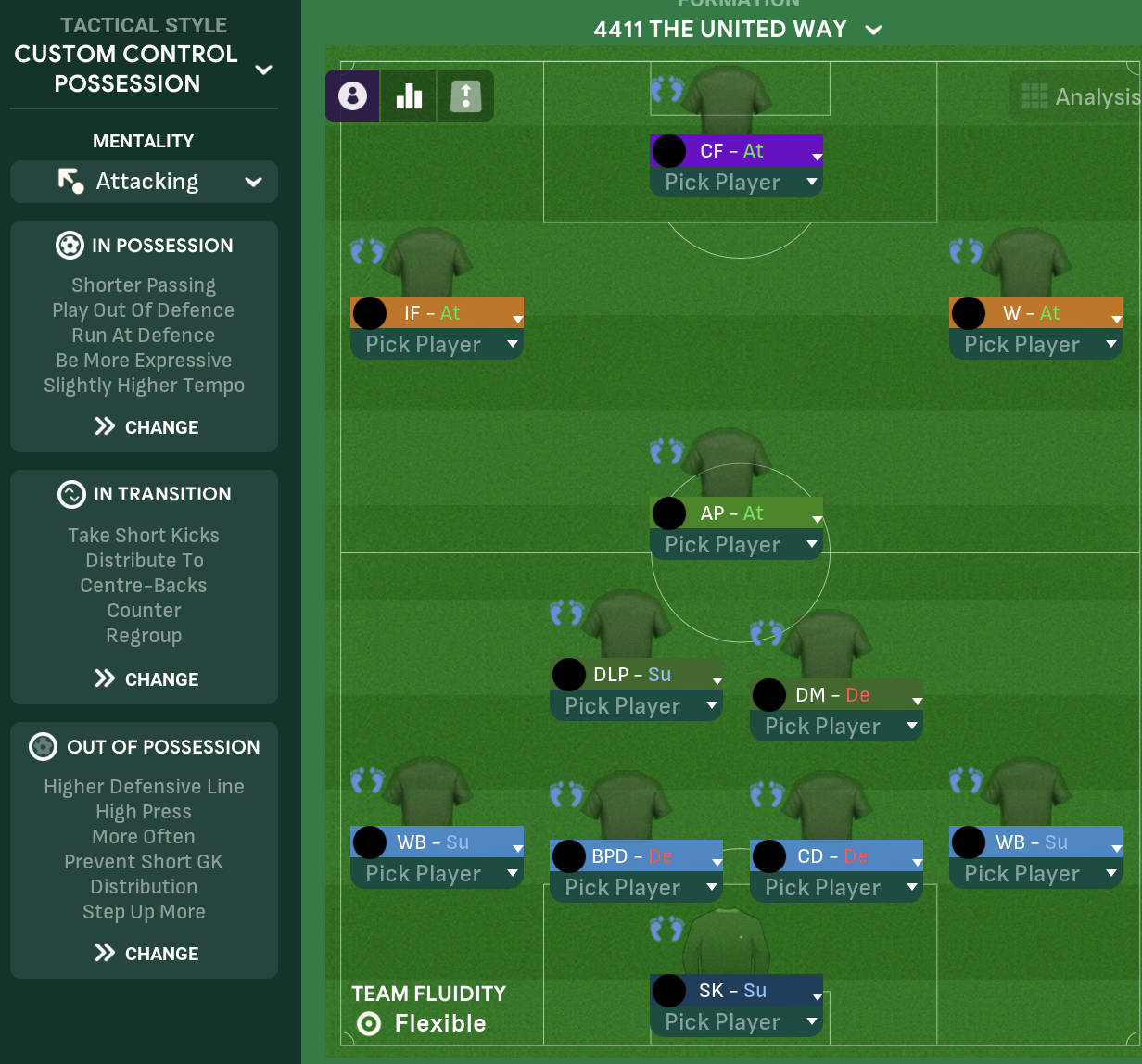
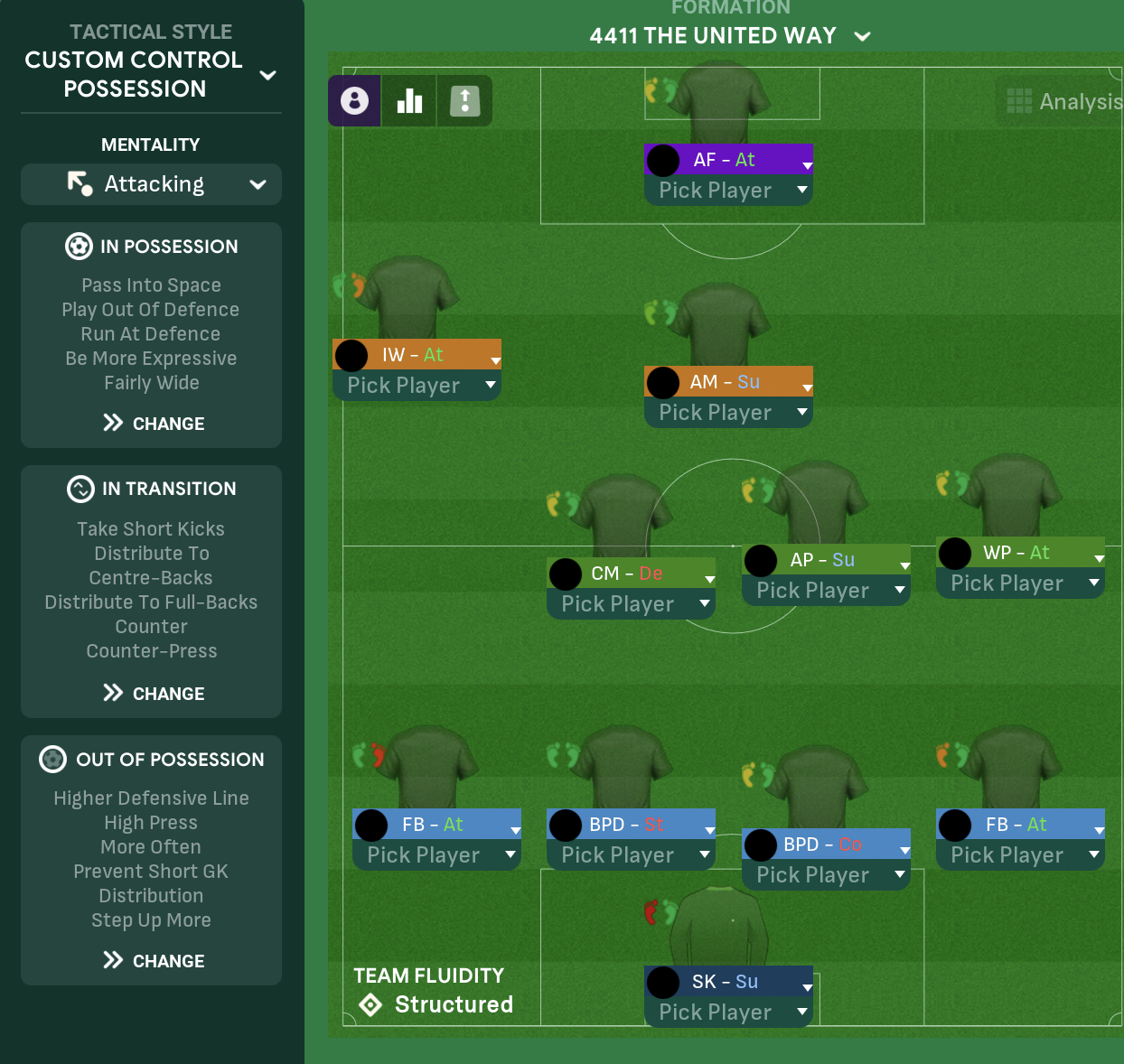
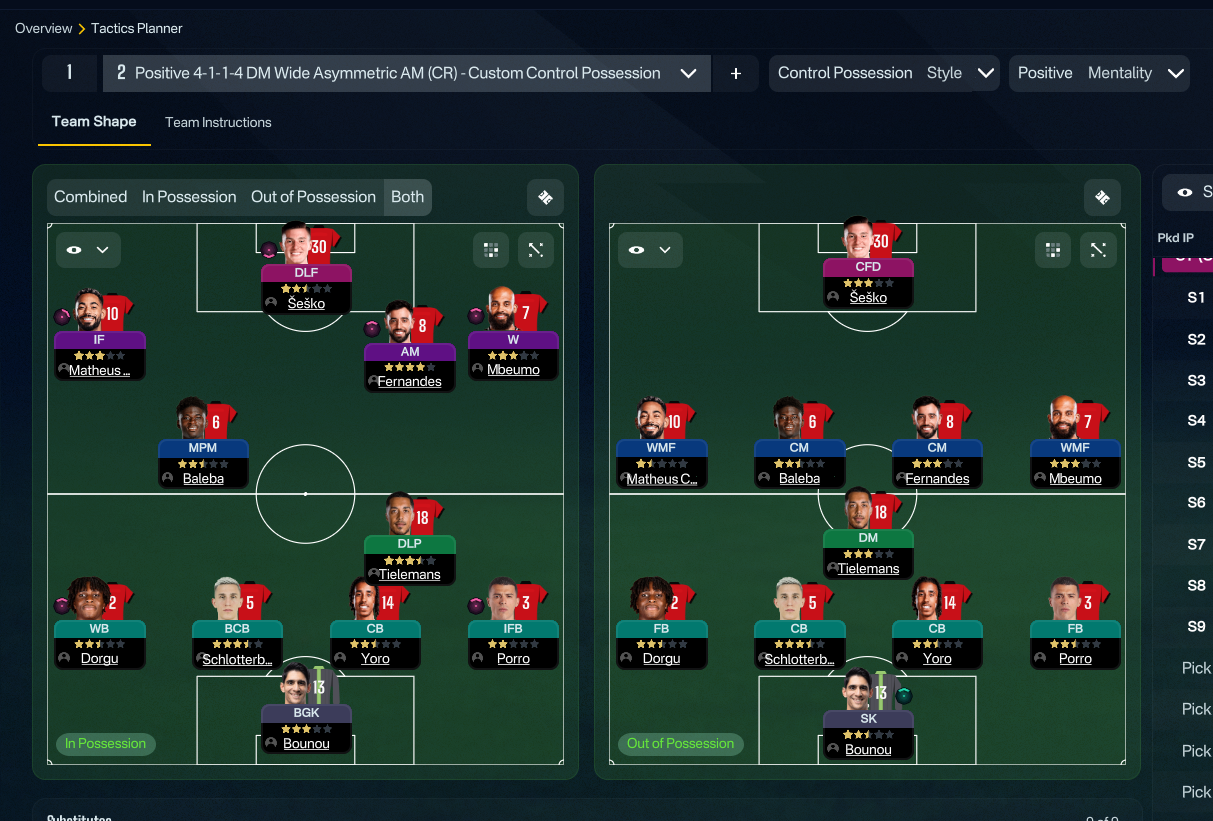
Guides for this formation
The tactical theory behind the 4-2-3-1 Wide: roles, instructions, and the trade-offs that decide whether the system holds up.
Player pairings
Midfield Pairs in 4-2-3-1 and 4-4-2
Double pivots and flat pairs in 4-2-3-1 and 4-4-2: when each pairing works, when it collapses, and the AMC unicorn that rescues both.
Read guide
Playing styles
Gegenpressing: A Full Guide
Klopp-style gegenpressing in FM, including squad profile, line-and-press pairing, sustainable workload, and the antipatterns to avoid.
Read guide