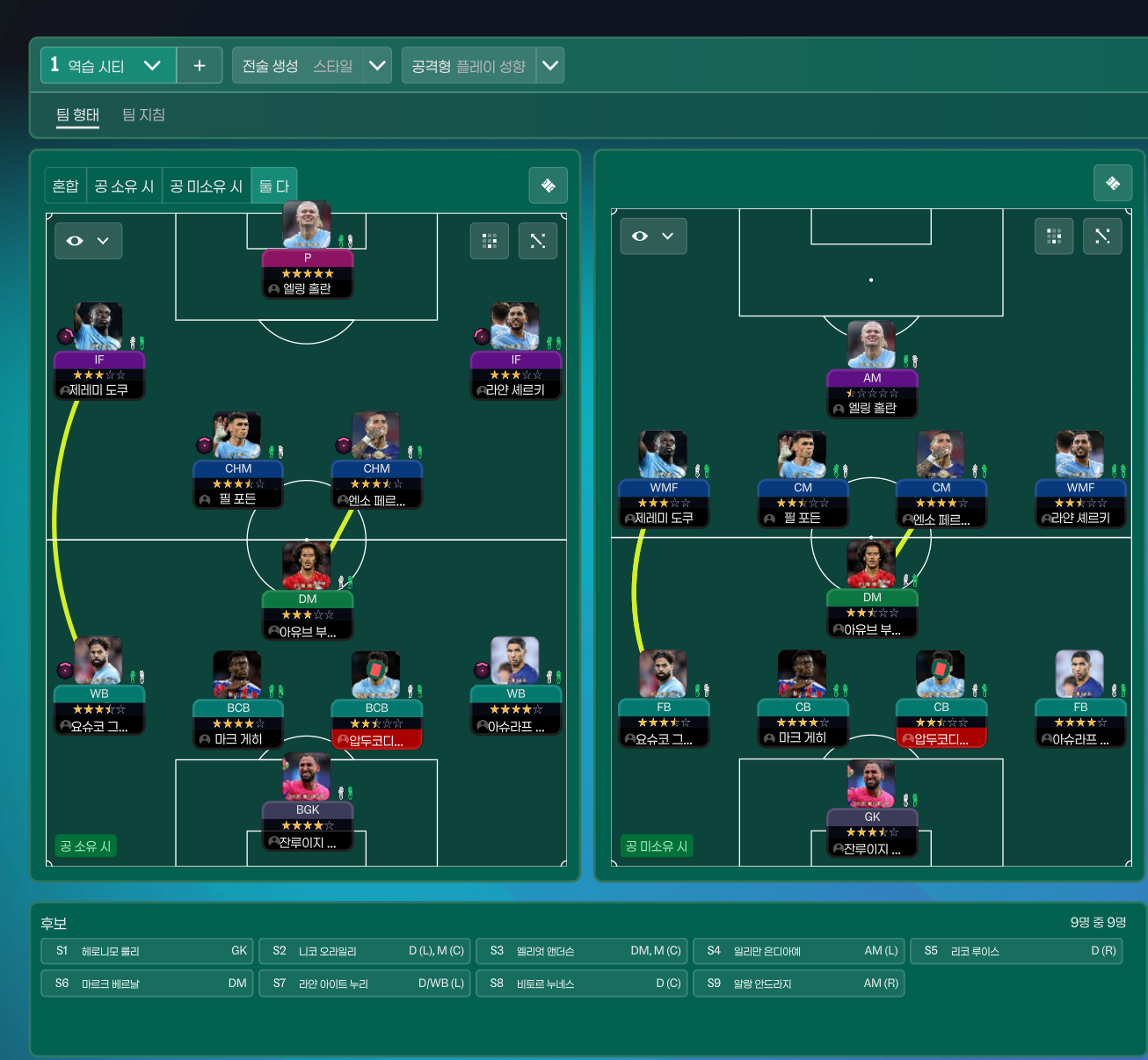
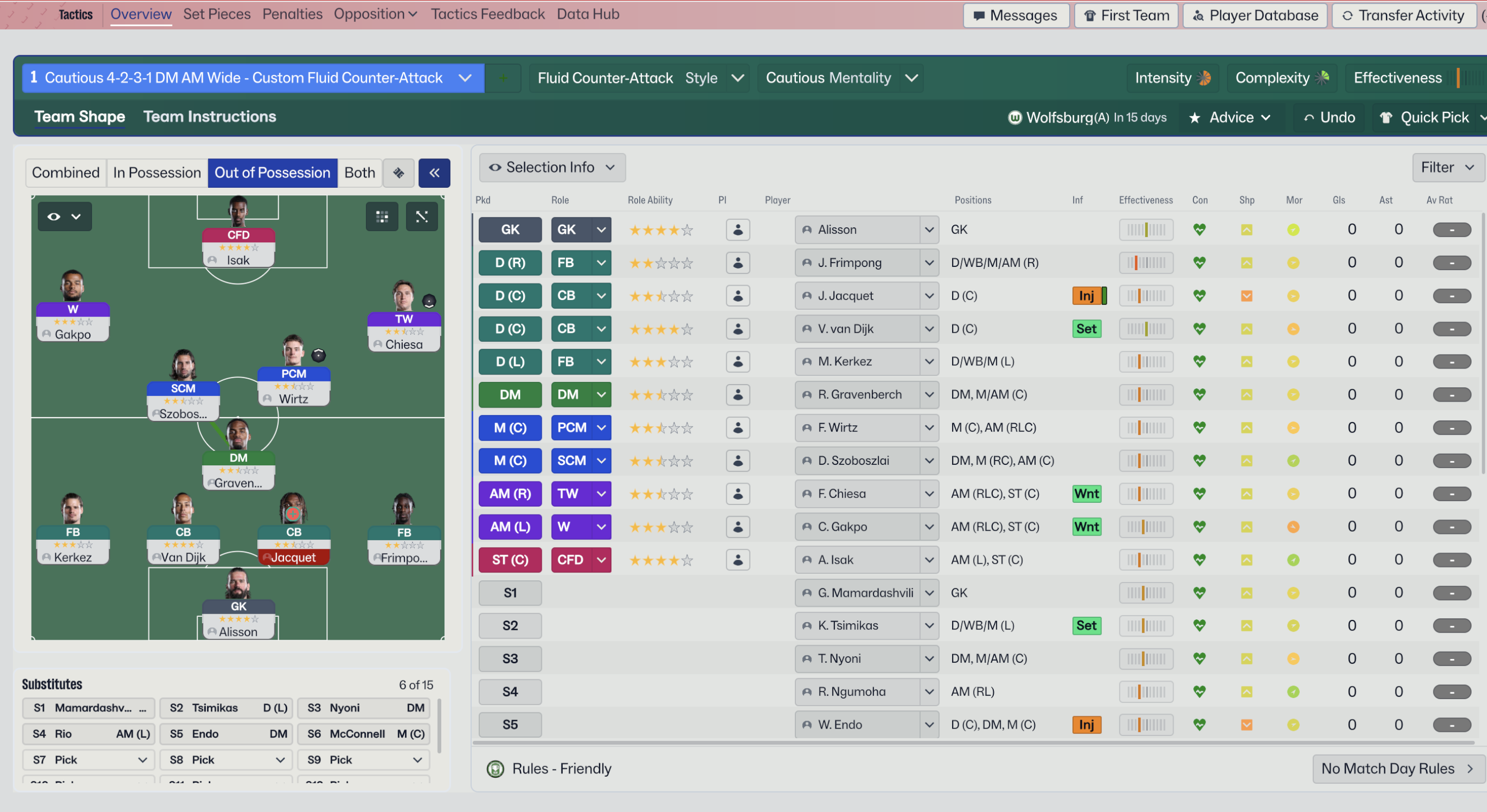
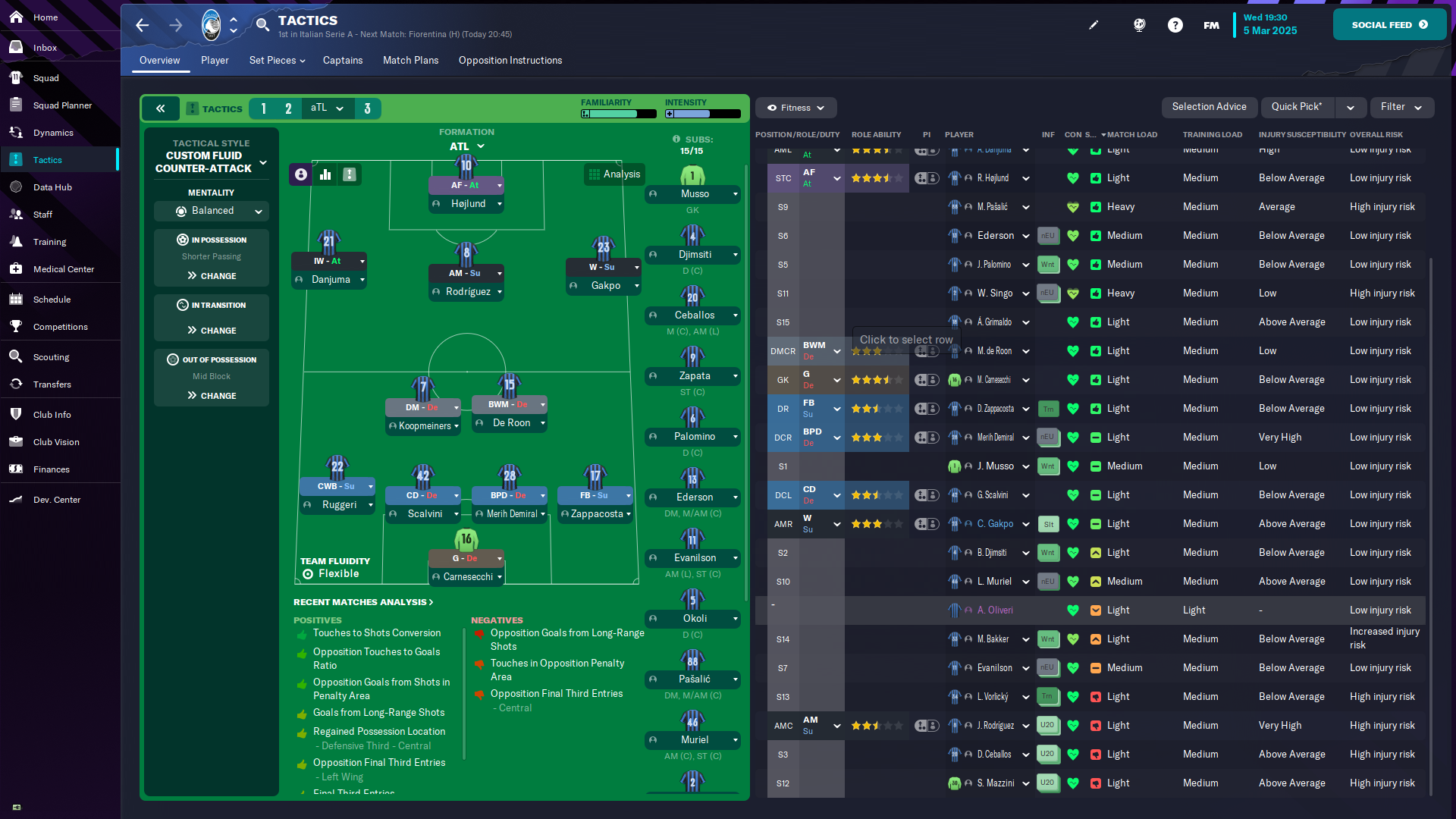
4-3-3 DM Wide
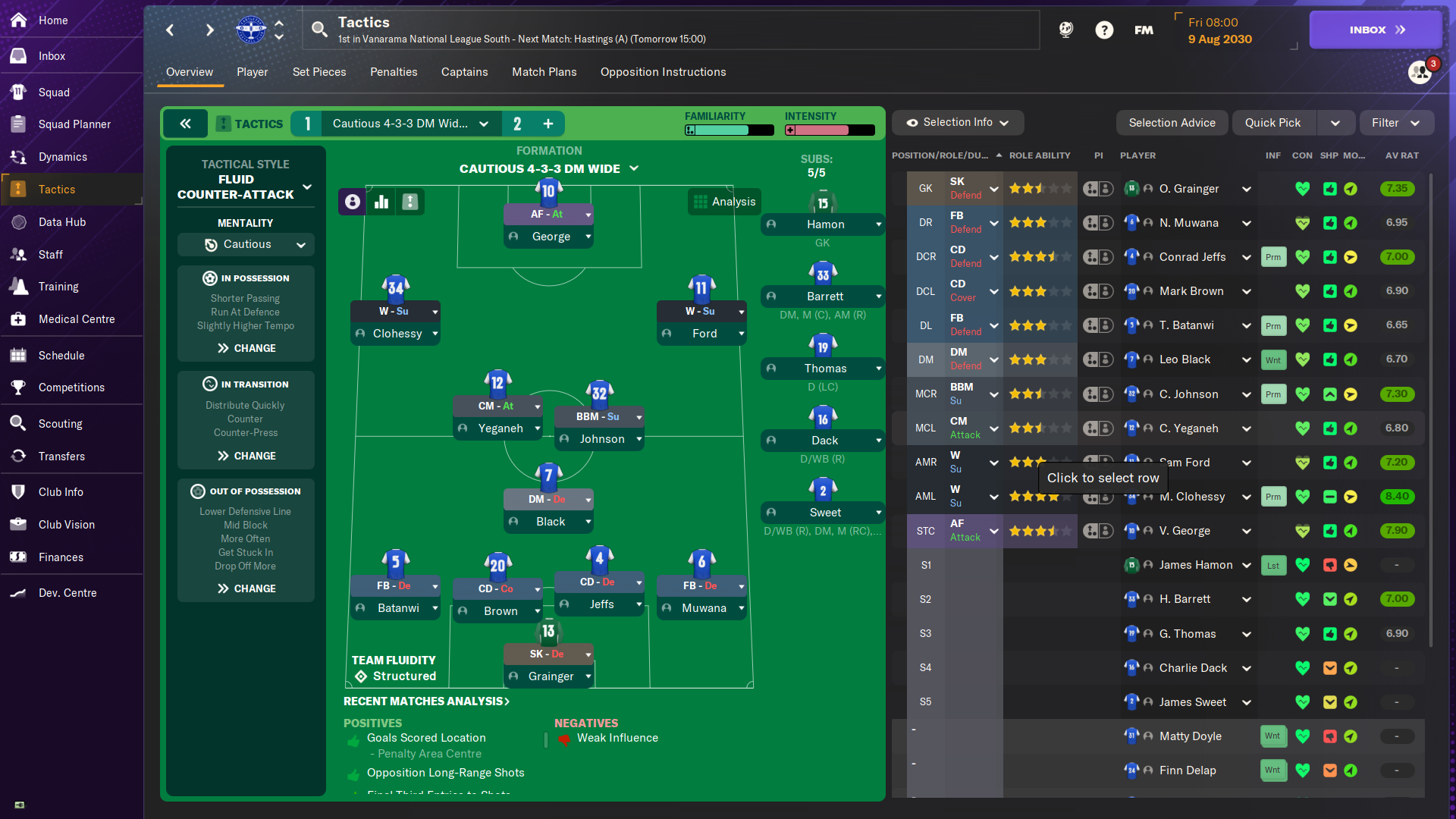
The formation provides a solid defensive structure with a DM and two CD, making it difficult for opponents to break through.
Loading tactical analysis...
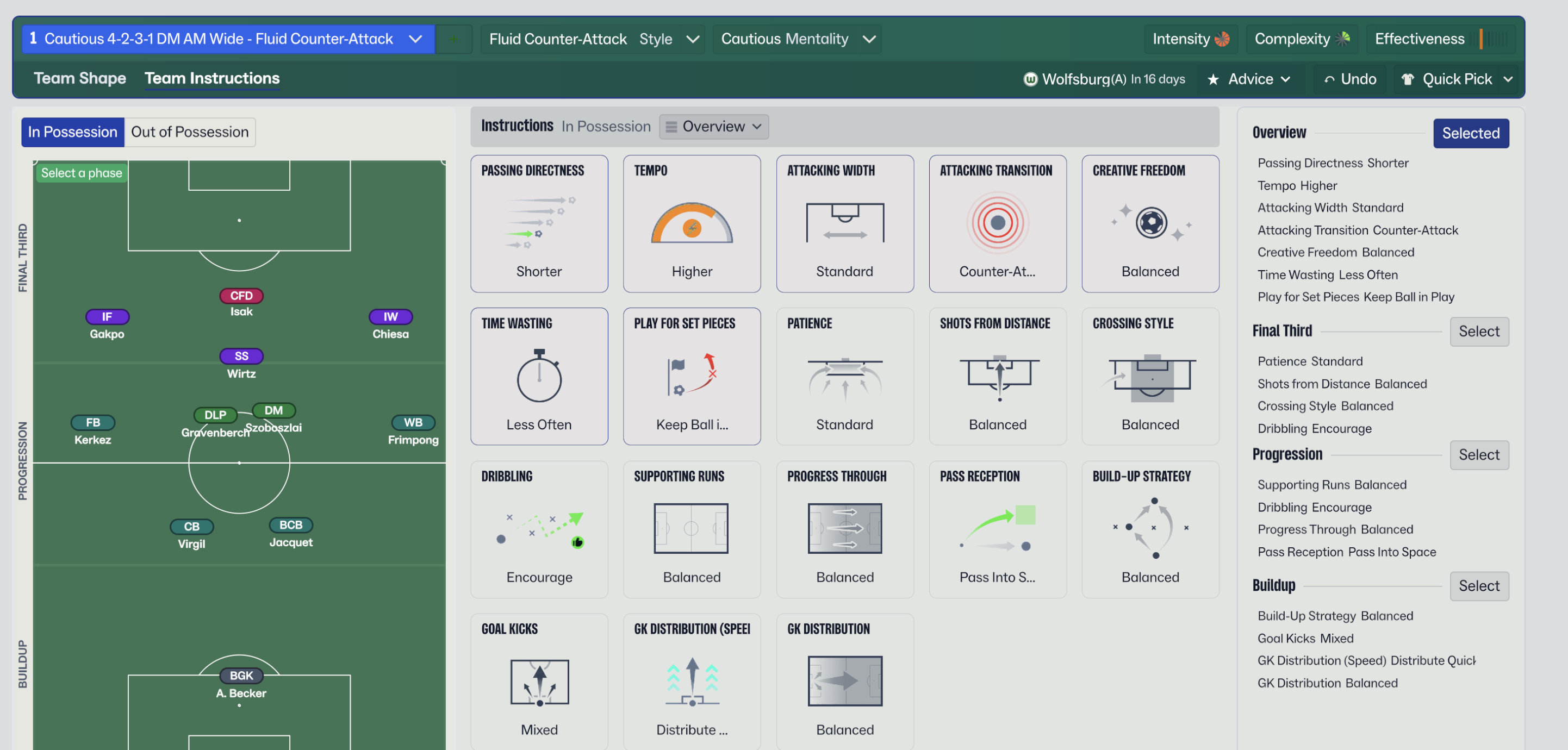
Fluid Counter-Attack
Cautious
4-3-3 DM Wide
Structured
Shorter Passing
Run At Defence
Slightly Higher Tempo
Distribute Quickly
Counter-Press
Lower Defensive Line
Mid Block
More Often Get Stuck In
Drop Off More
ST
Advanced Forward
Attack
CM
Central Midfielder
Attack
CM
Box-to-Box Midfielder
Support
DM
Deep Lying Playmaker
Defend
CD
Central Defender
Cover
The formation provides a solid defensive structure with a DM and two CD, making it difficult for opponents to break through.
The fluid counter-attack style allows for quick transitions, taking advantage of space left by opponents when they attack.
Having a cautious mentality may contradict the higher tempo in possession, potentially leading to poor decision-making in transition.
While the defensive setup is strong, it may lead to a lack of creativity and attacking threat if not balanced properly.
How does the team perform against teams that press high?
Are the wingers providing enough defensive cover?
Is the striker effectively linking up with the midfield?
How frequently does the team exploit wide areas?
What adjustments can be made against teams with strong central play?
Are substitutions effectively impacting game dynamics?
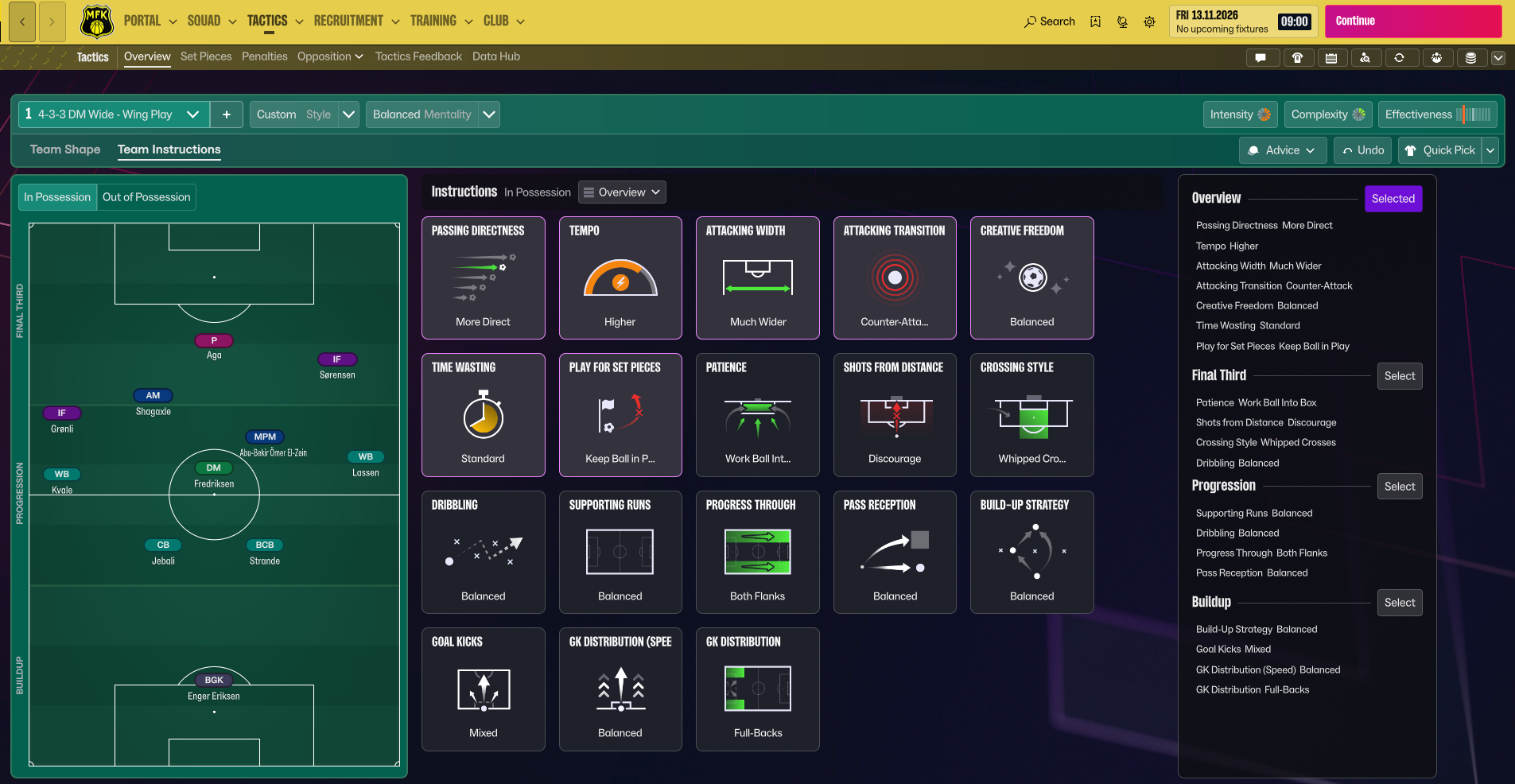
wing play
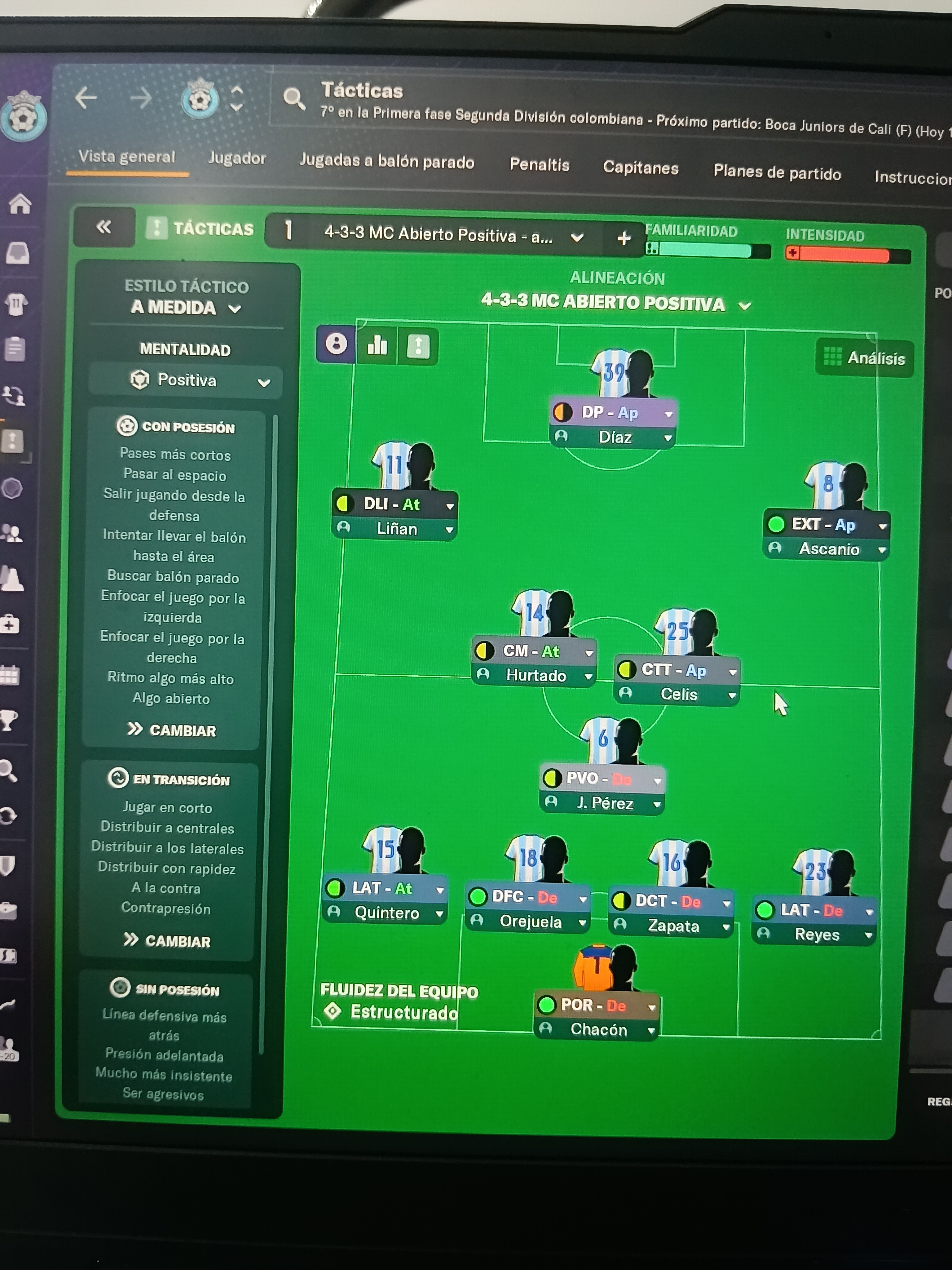
Gegenpress
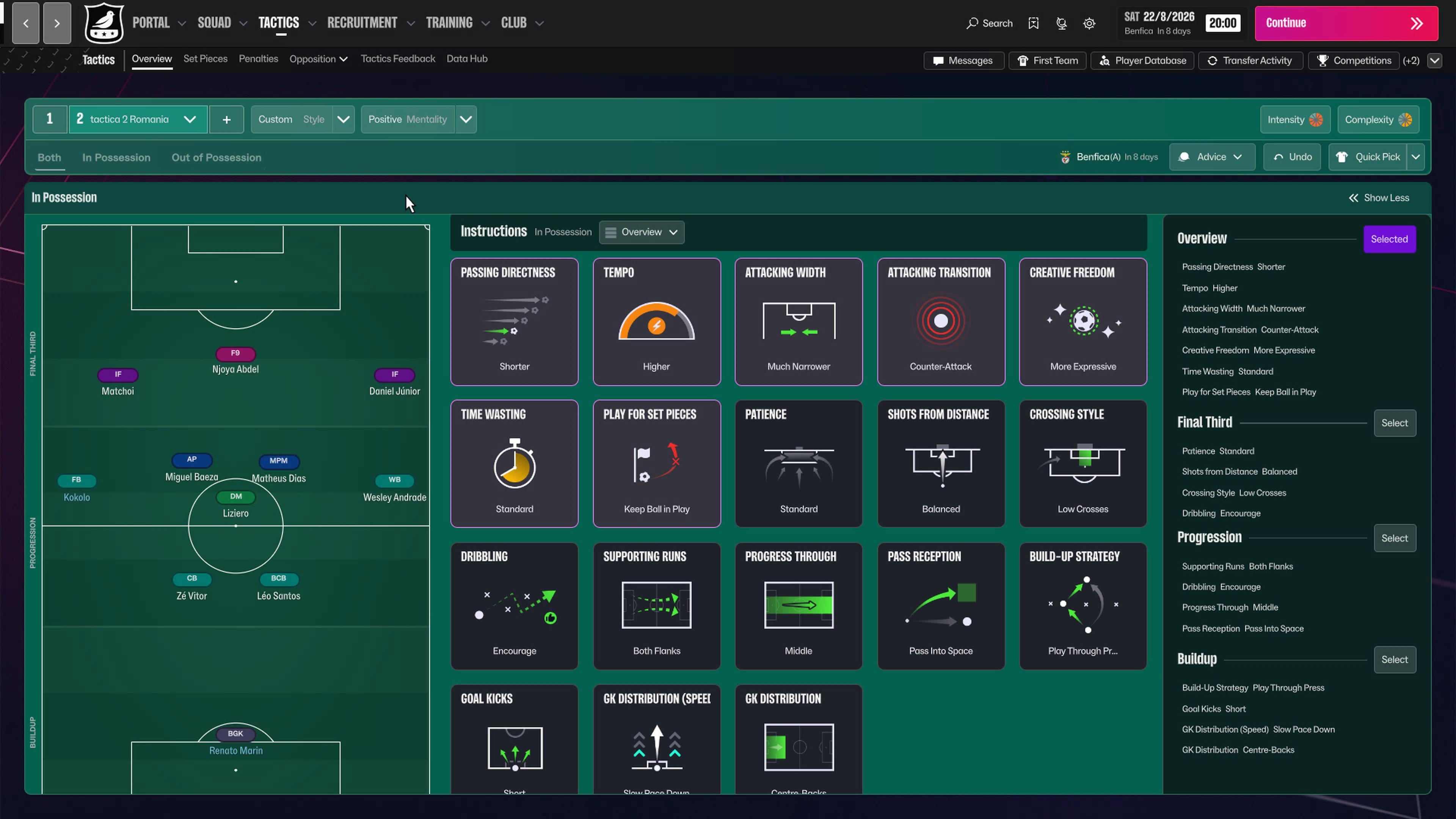
vertical tiki taka
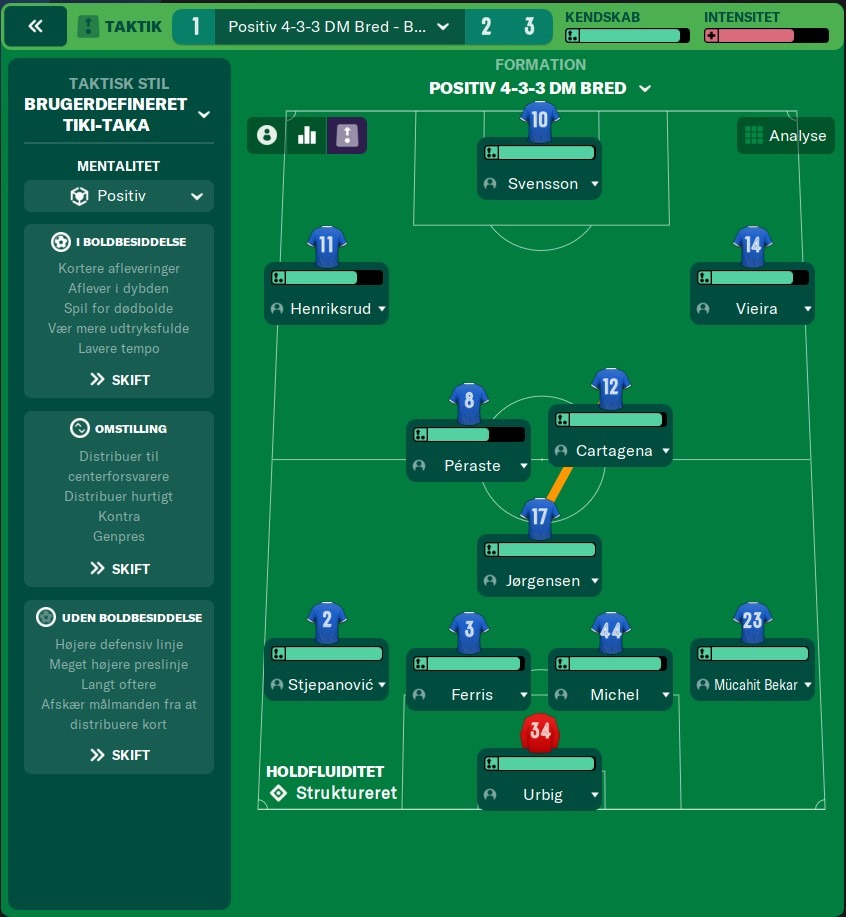
Tiki-Taka
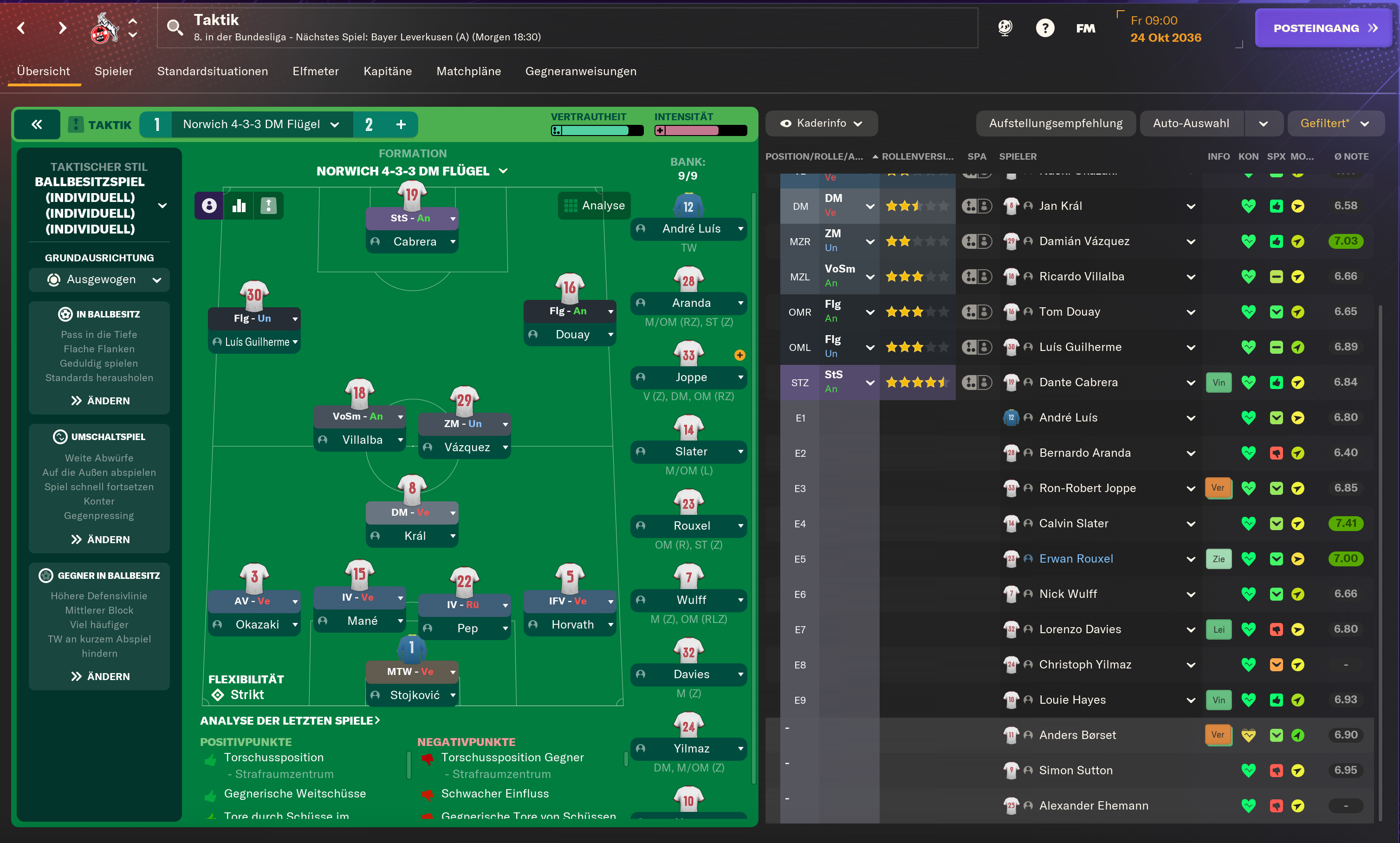
Wing Play
Vertical Tiki-Taka
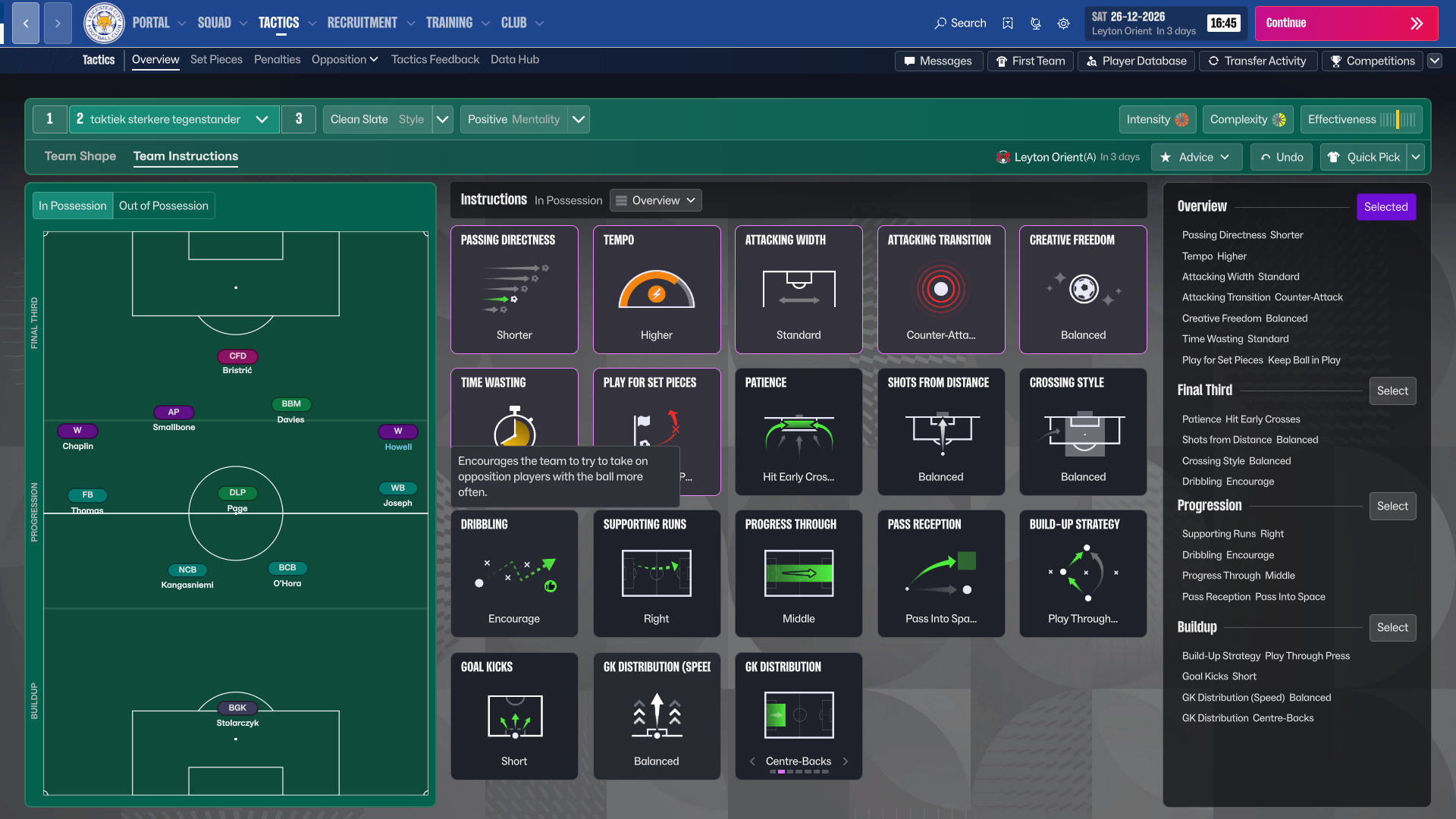
clean slate
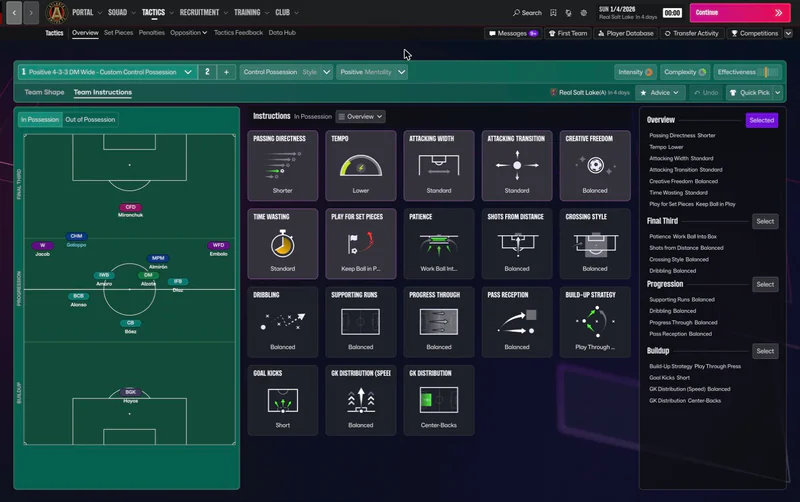
control possession
The tactical theory behind the 4-3-3 DM Wide: roles, instructions, and the trade-offs that decide whether the system holds up.
Master the classic 4-3-3: player roles, tactical variations, and the trade-offs that decide whether it sings or stalls.
Holder, runner, creator: the role distribution rule for three-man midfields, the AMC variants, and the antipatterns that break them.
Routines, takers, and target picks. How to turn corners and free-kicks into a reliable third of your goal output.