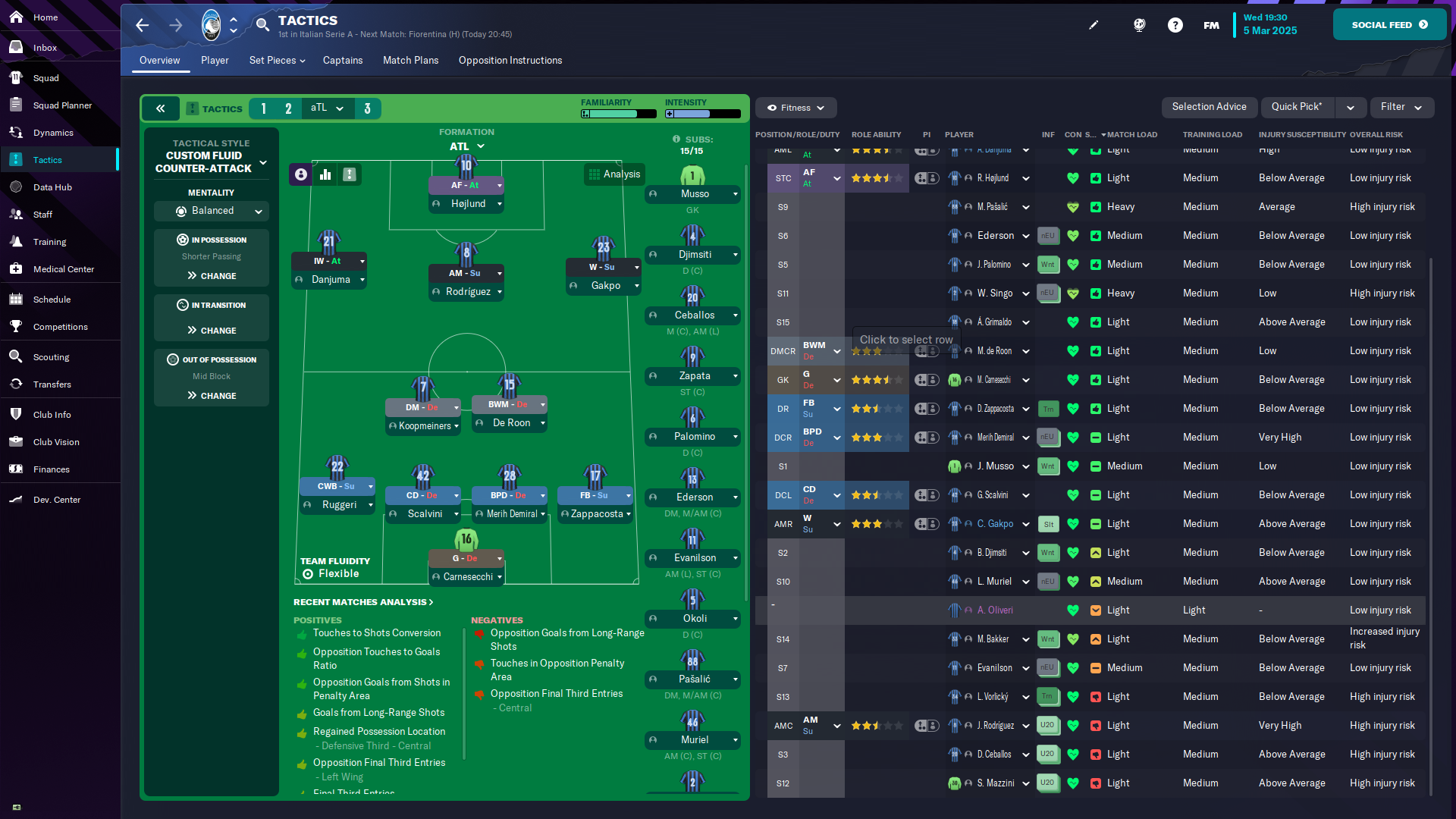
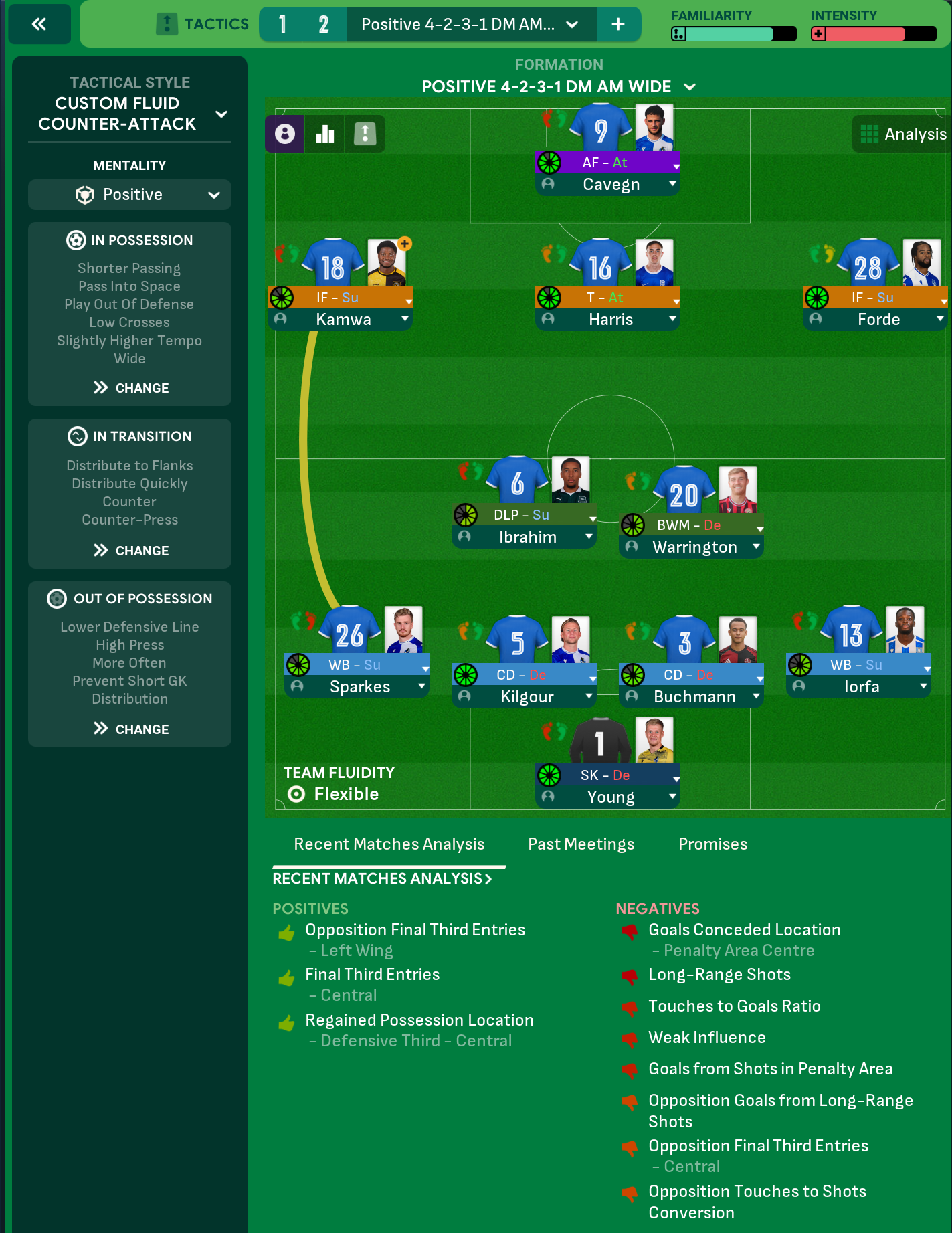
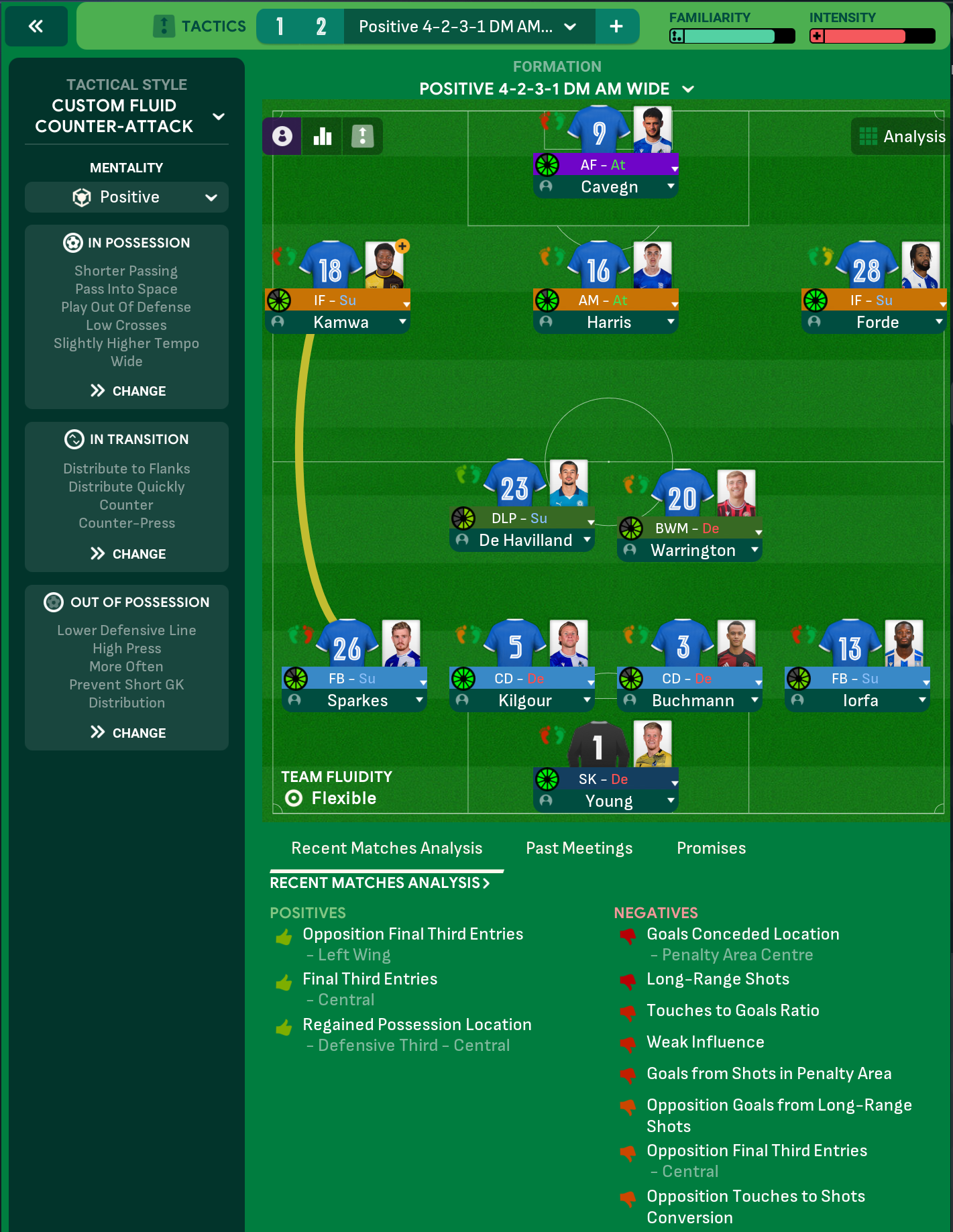
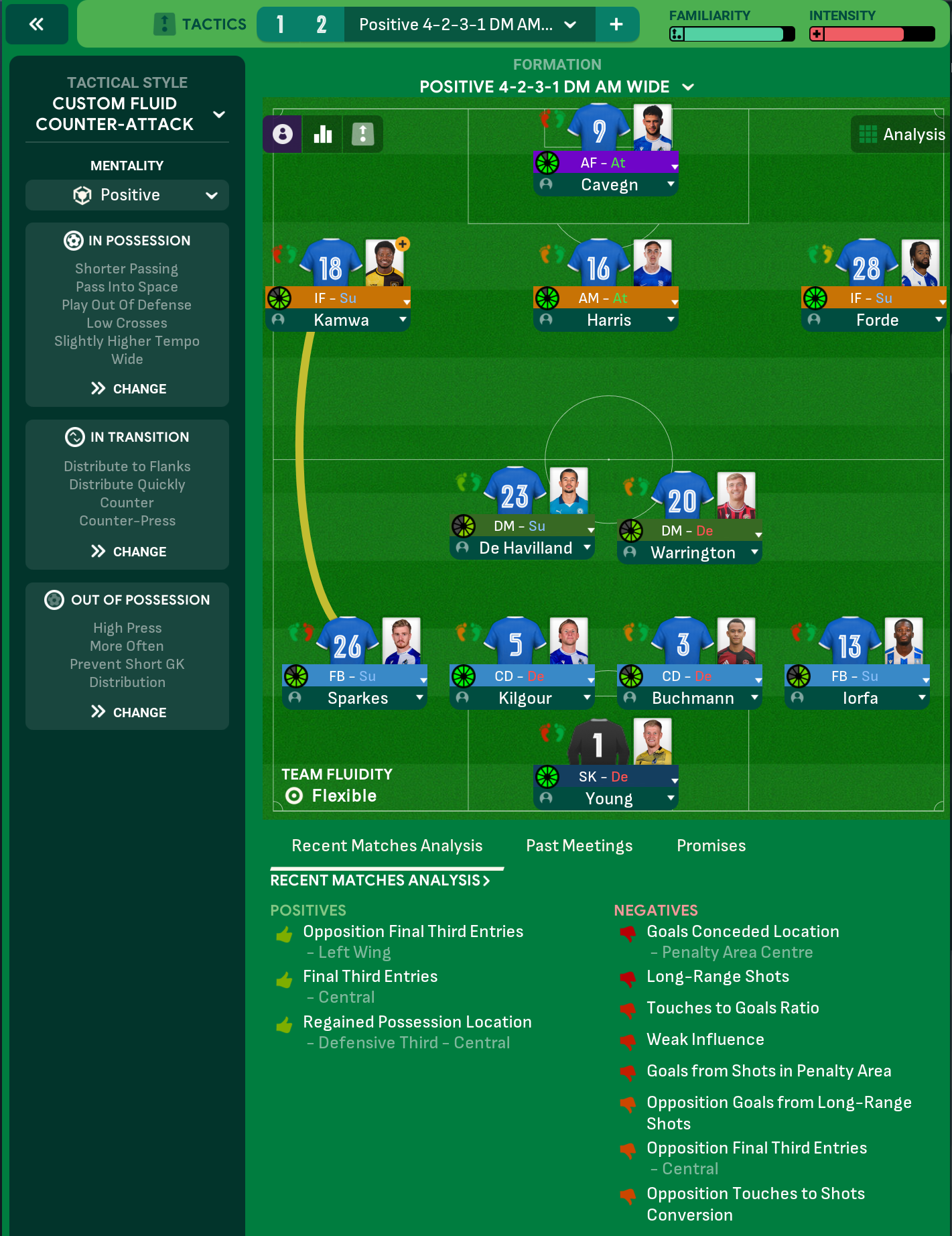
4-3-3 DM Wide
Utilizes quick transitions to exploit opponent's weaknesses during their attacking phases, capitalizing on pace and positioning.
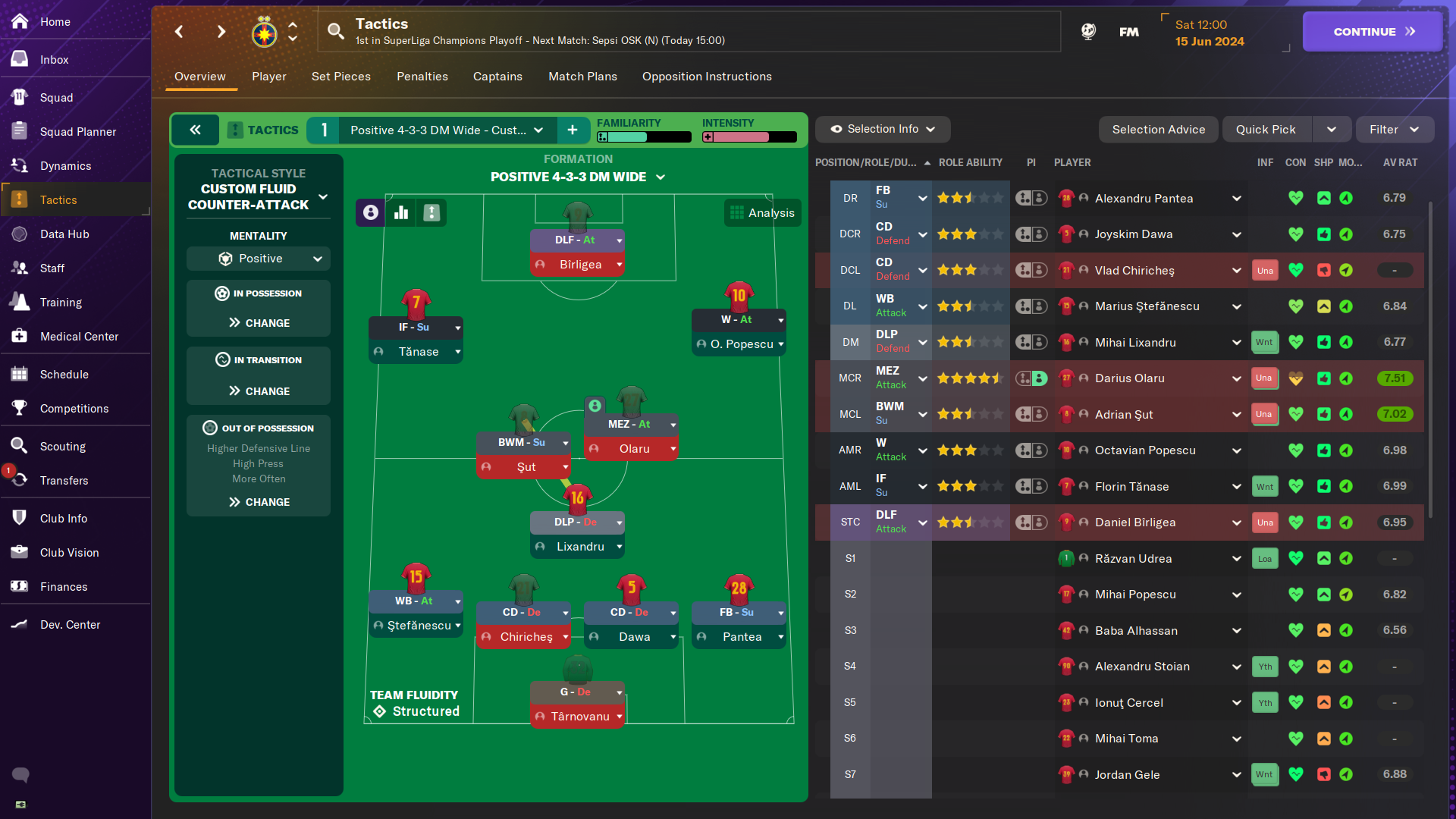
Loading tactical analysis...
Custom Fluid Counter-Attack
Positive
4-3-3 DM Wide
Structured
Focus Play Down Both Flanks
Work Ball Into Box
Counter
Counter-Press
Higher Defensive Line
High Press
More Often
STC
Deep-Lying Forward
Attack
AML
Inside Forward
Support
AMR
Winger
Attack
MCL
Mezzala
Support
MCR
Box-to-Box Midfielder
Support
DLP
Deep-Lying Playmaker
Defend
BWM
Ball-Winning Midfielder
Support
WB
Wing Back
Attack
CD
Central Defender
Defend
G
Goalkeeper
Defend
Utilizes quick transitions to exploit opponent's weaknesses during their attacking phases, capitalizing on pace and positioning.
The use of inside forwards and wingers helps stretch the opposition, creating space for central runners and making it difficult for defenders to track.
A higher defensive line may expose the team to counter-attacks, especially if the quick transition is not executed effectively.
The BWM and DLP may have overlapping responsibilities in midfield, causing congestion and reducing effectiveness in both marking and buildup.
How can I improve the team's ability to regain possession quickly?
Are the current player roles maximizing their strengths and contributions?
What adjustments can be made if the opponent adopts a low block?
How can we ensure consistent support during transitions between defense and attack?
Is our pressing strategy effectively disrupting the opponent's play?
What tactics can we employ to better utilize our wing play?
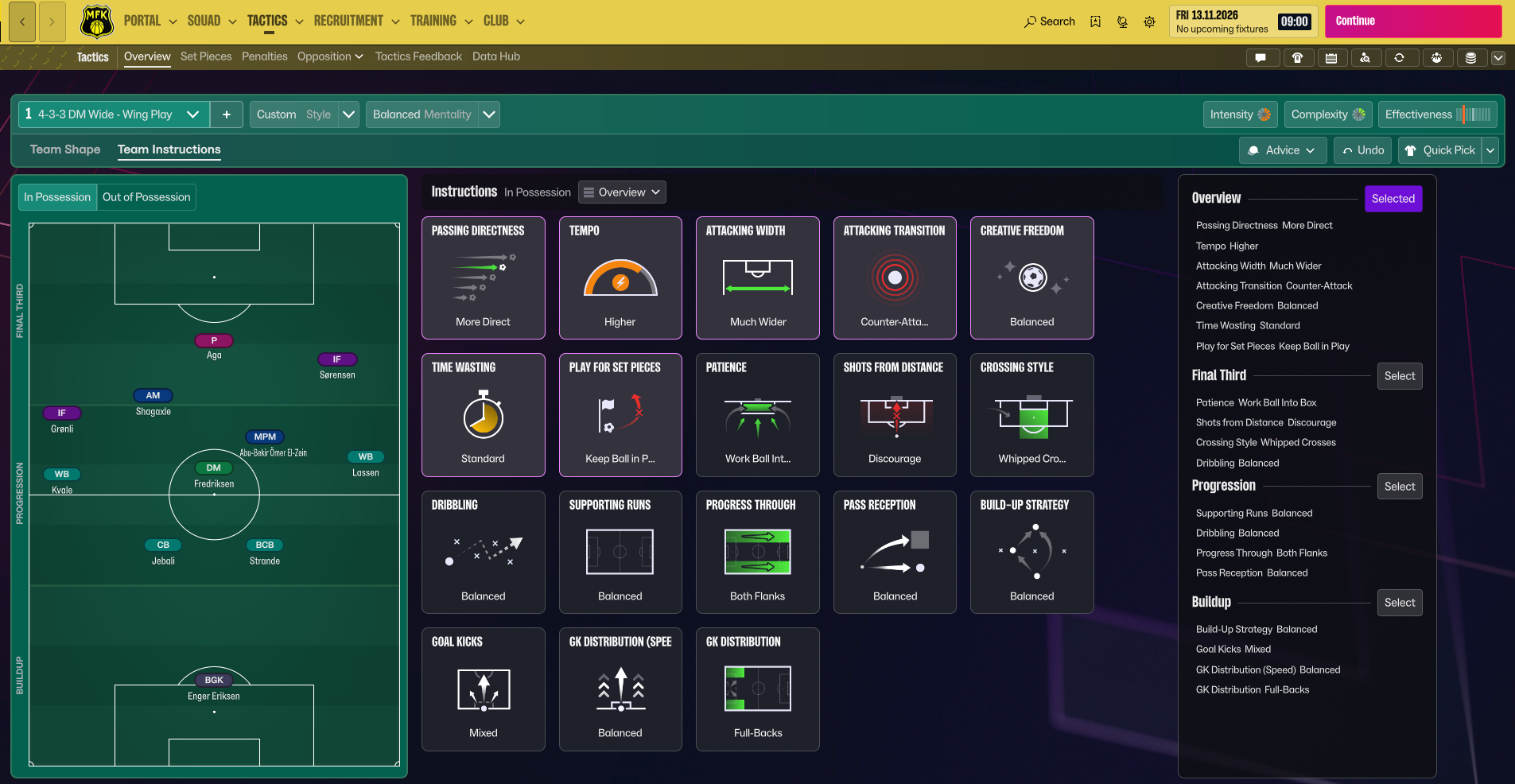
wing play
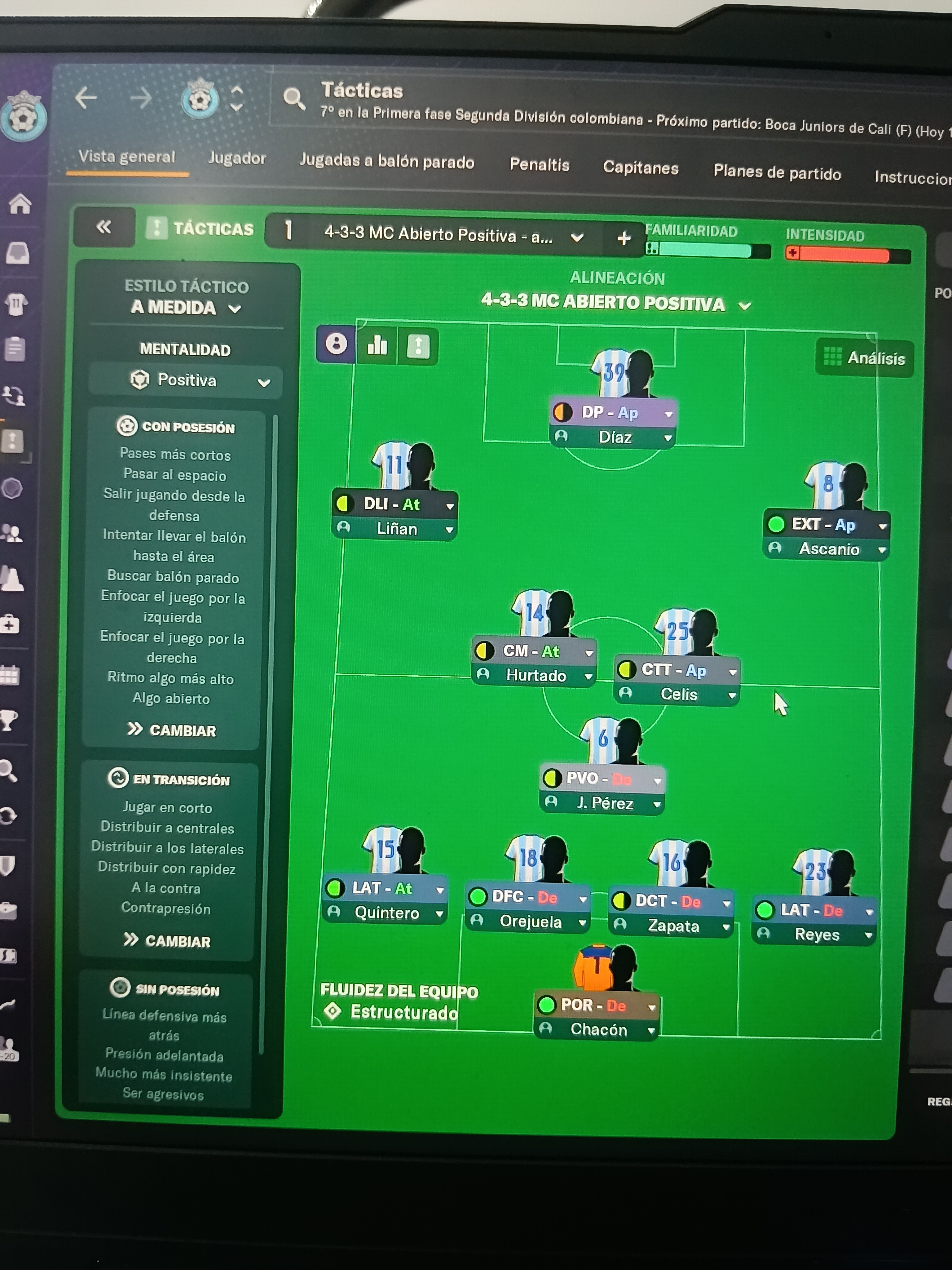
Gegenpress
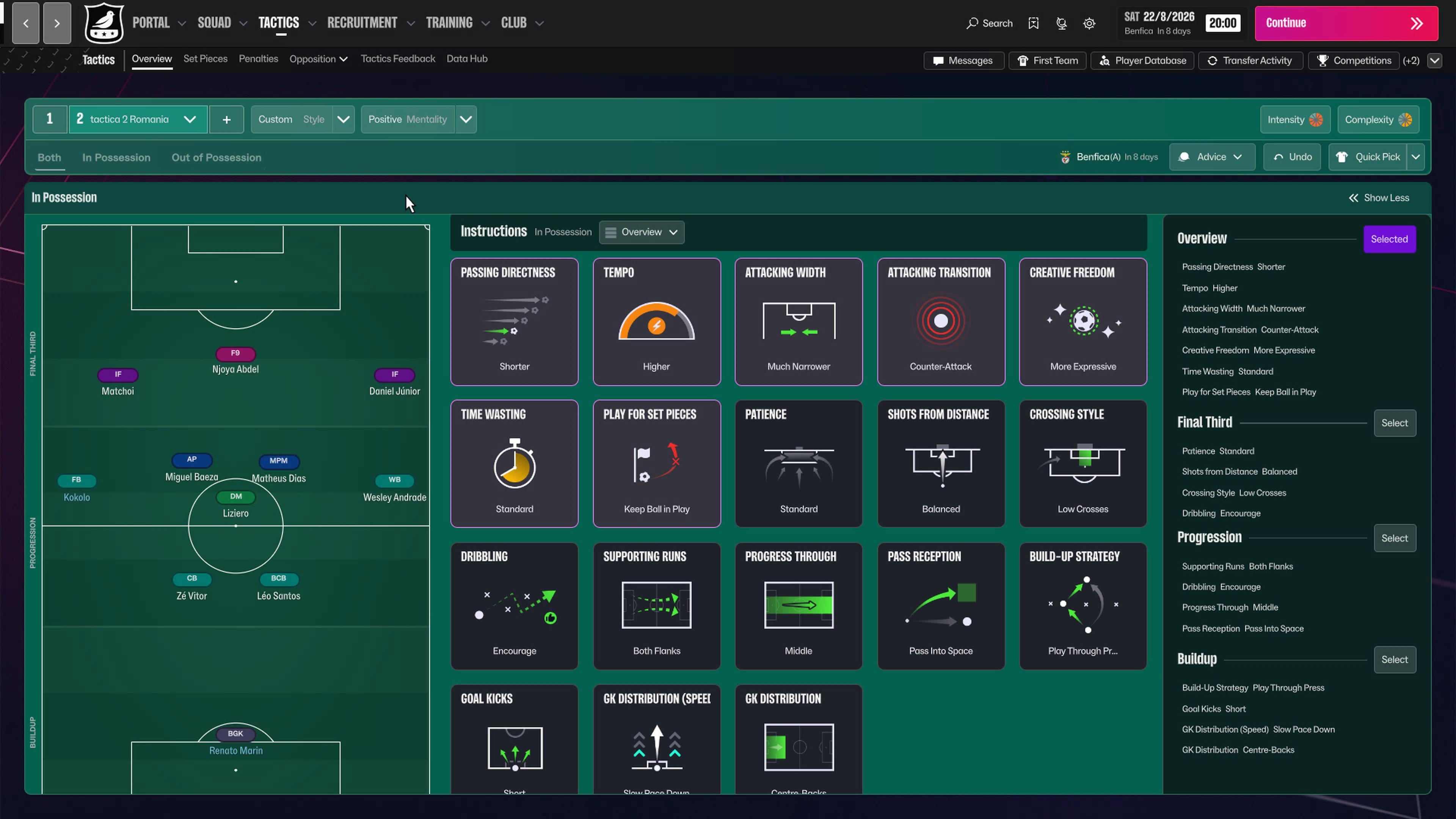
vertical tiki taka
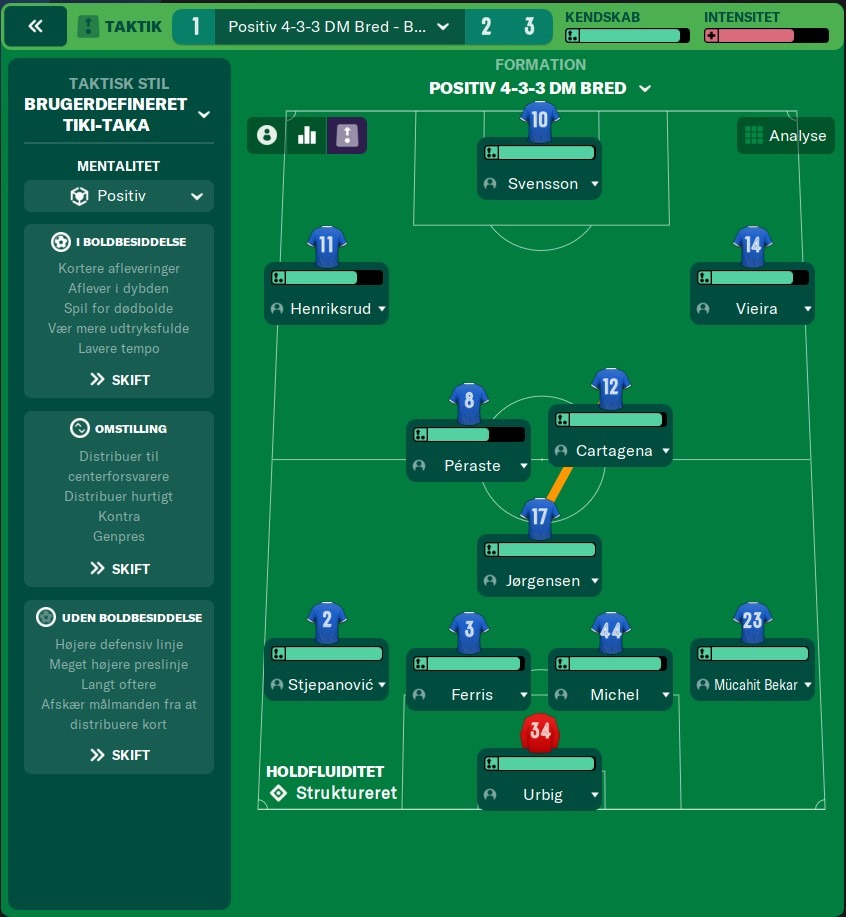
Tiki-Taka
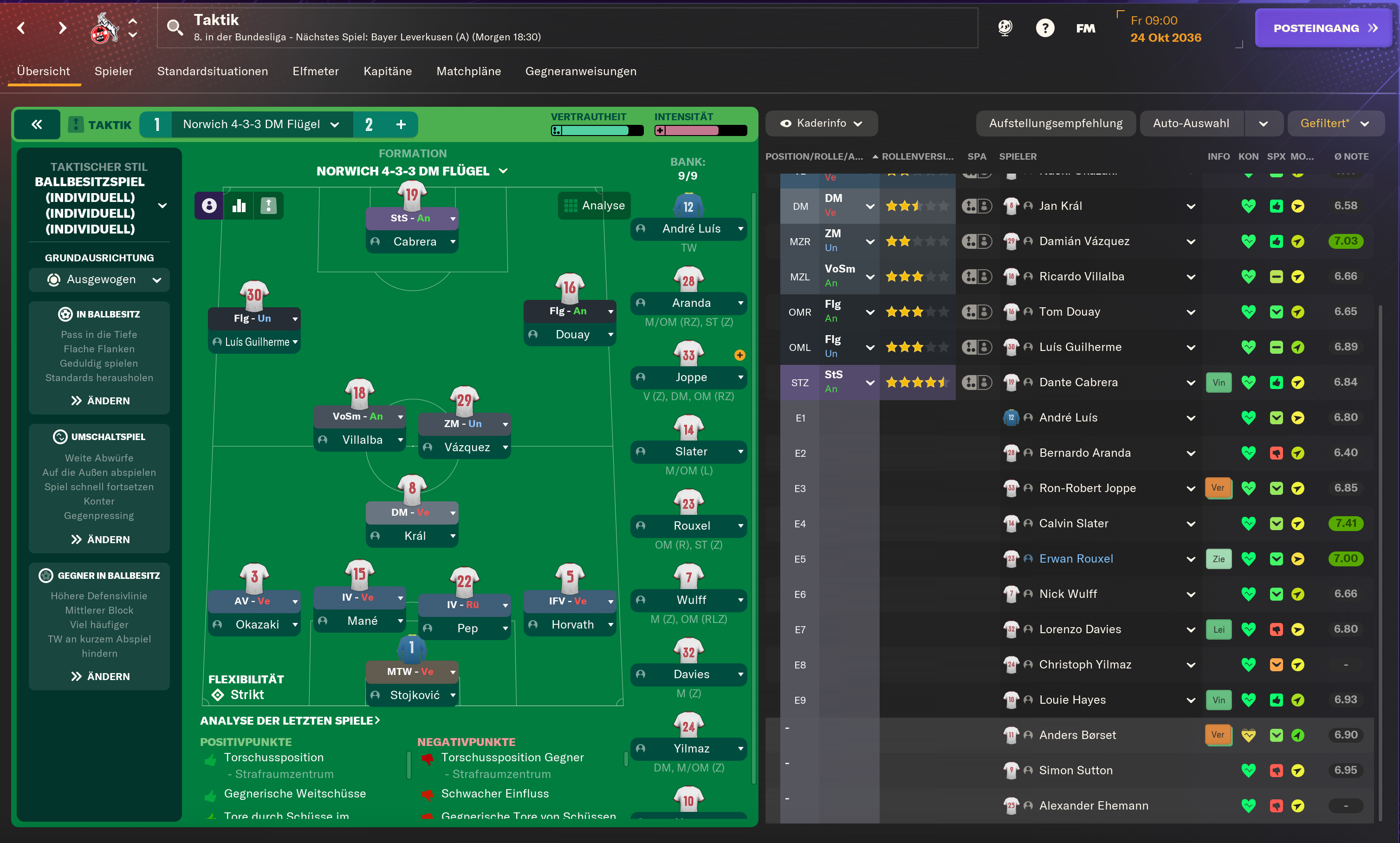
Wing Play
Vertical Tiki-Taka
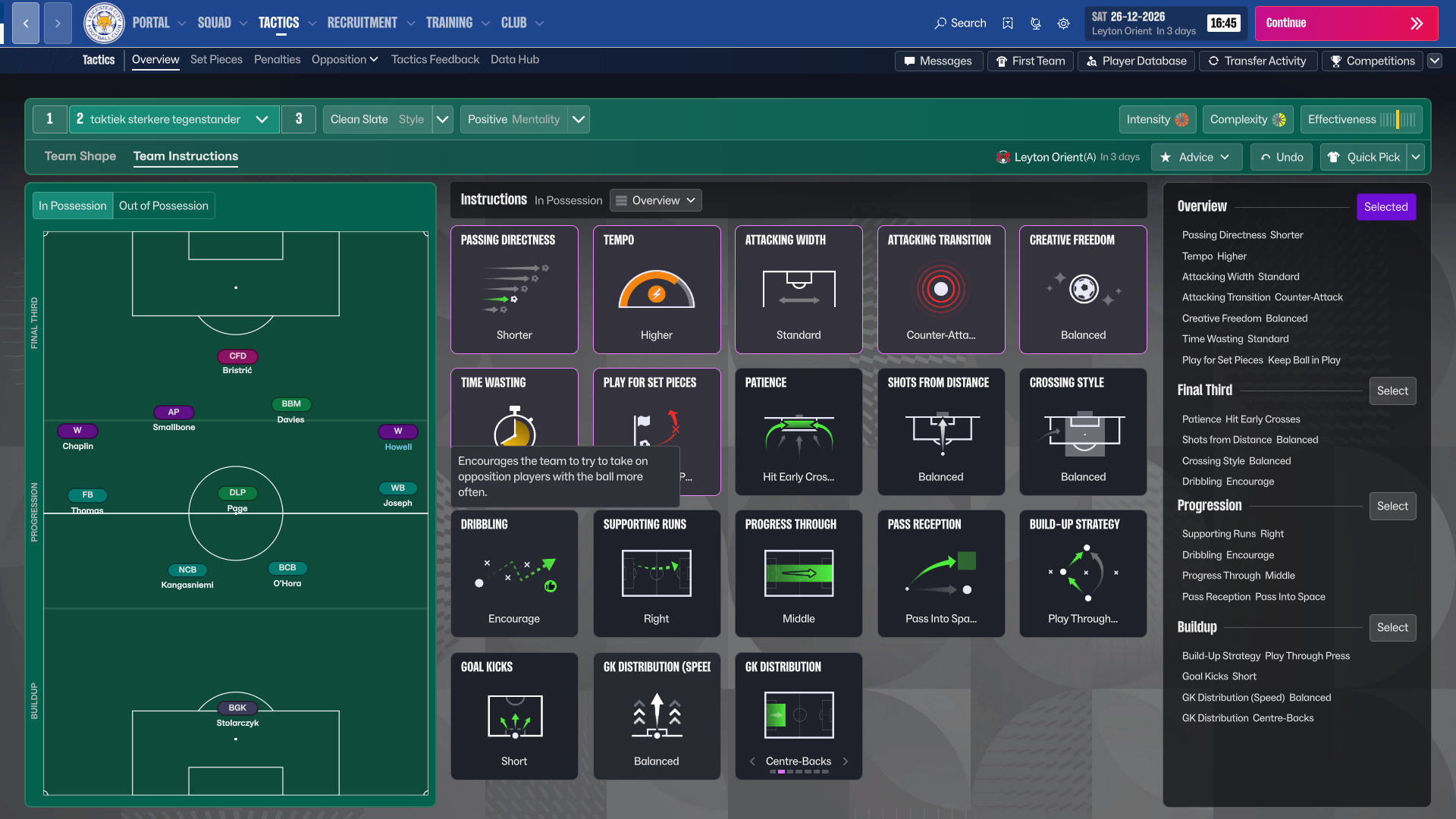
clean slate
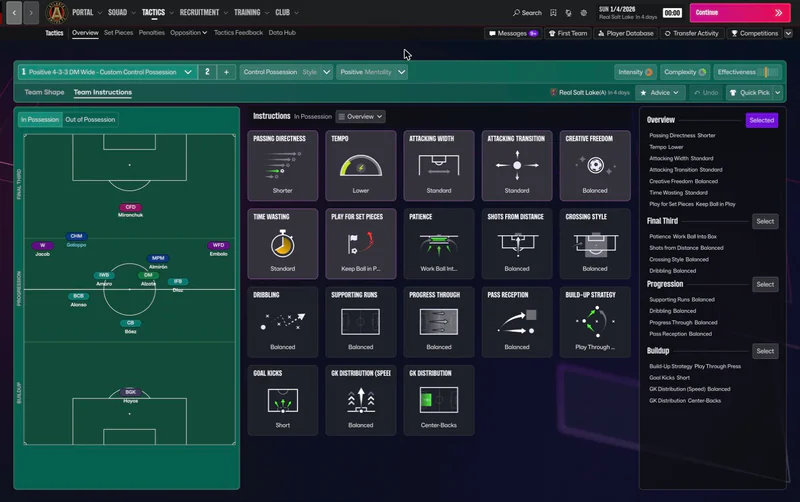
control possession
The tactical theory behind the 4-3-3 DM Wide: roles, instructions, and the trade-offs that decide whether the system holds up.
Klopp-style gegenpressing in FM, including squad profile, line-and-press pairing, sustainable workload, and the antipatterns to avoid.
Why circulation density and zonal occupation aren't the same thing in FM, and the half-space occupation rule that decides build-up.
How Mentality, Duty, and Role interact in FM, why duty trumps mentality every time, and the role-on-top-of-duty composition rules.