Uploaded Tactic
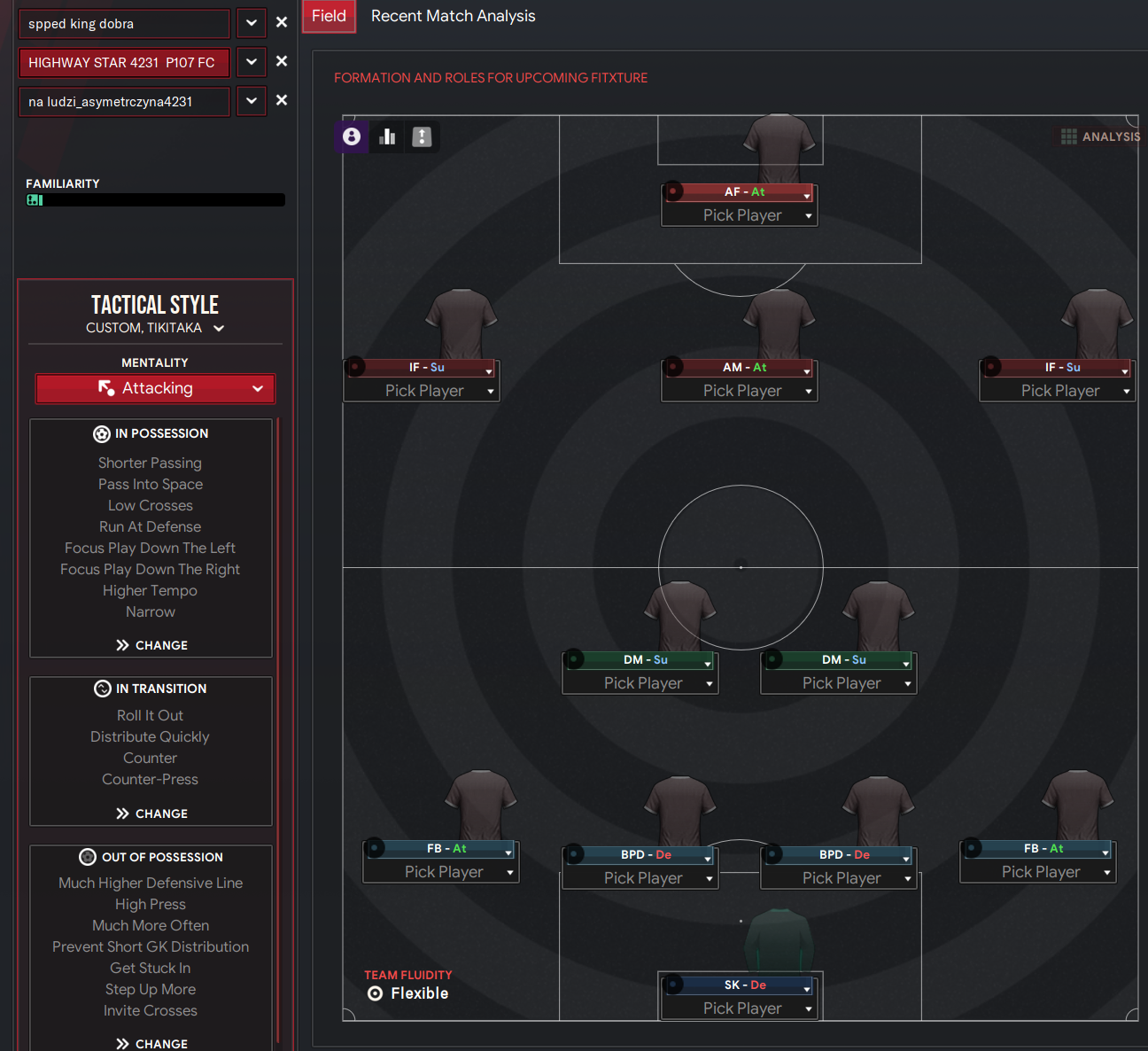
Formation & Style
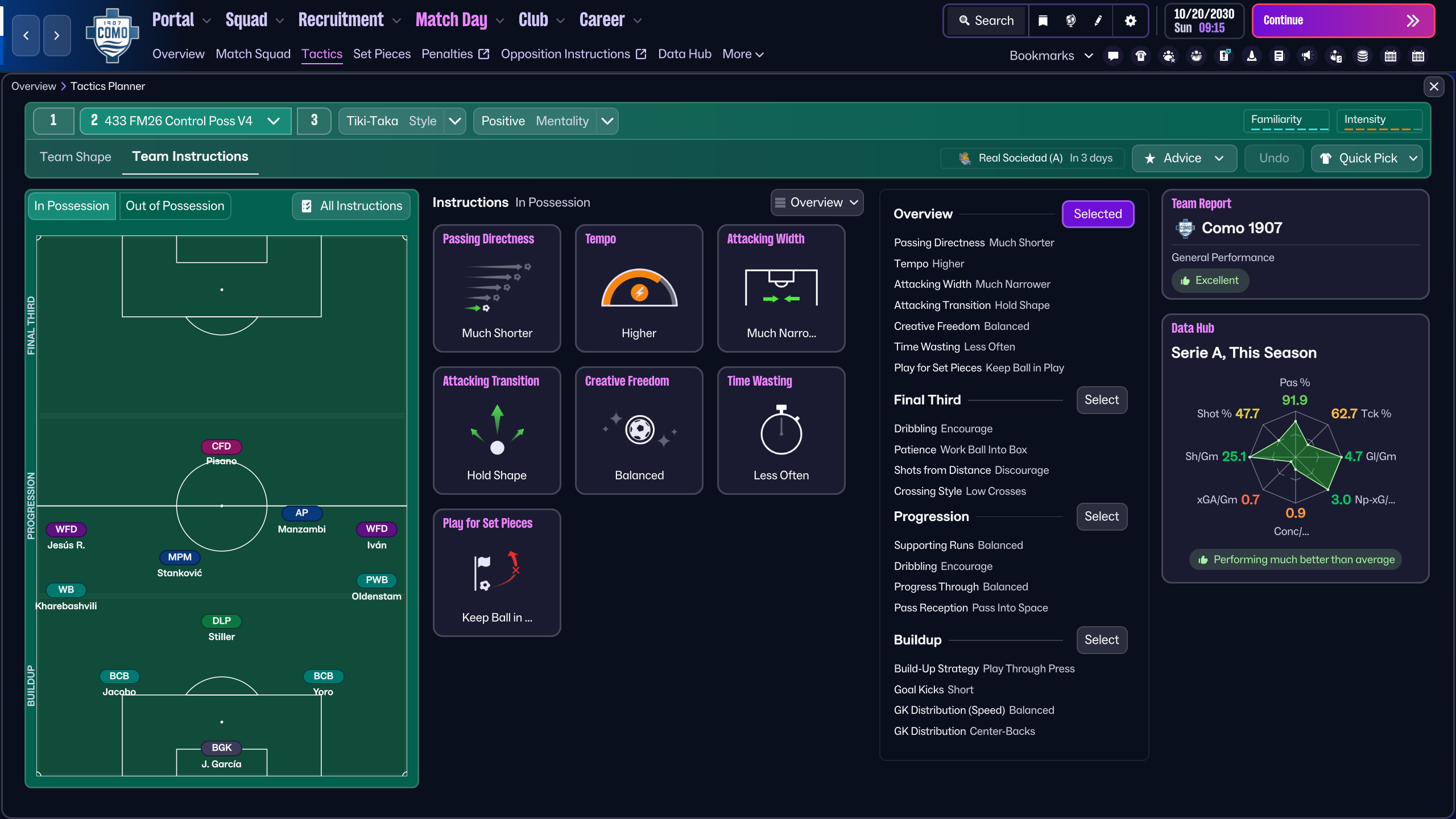
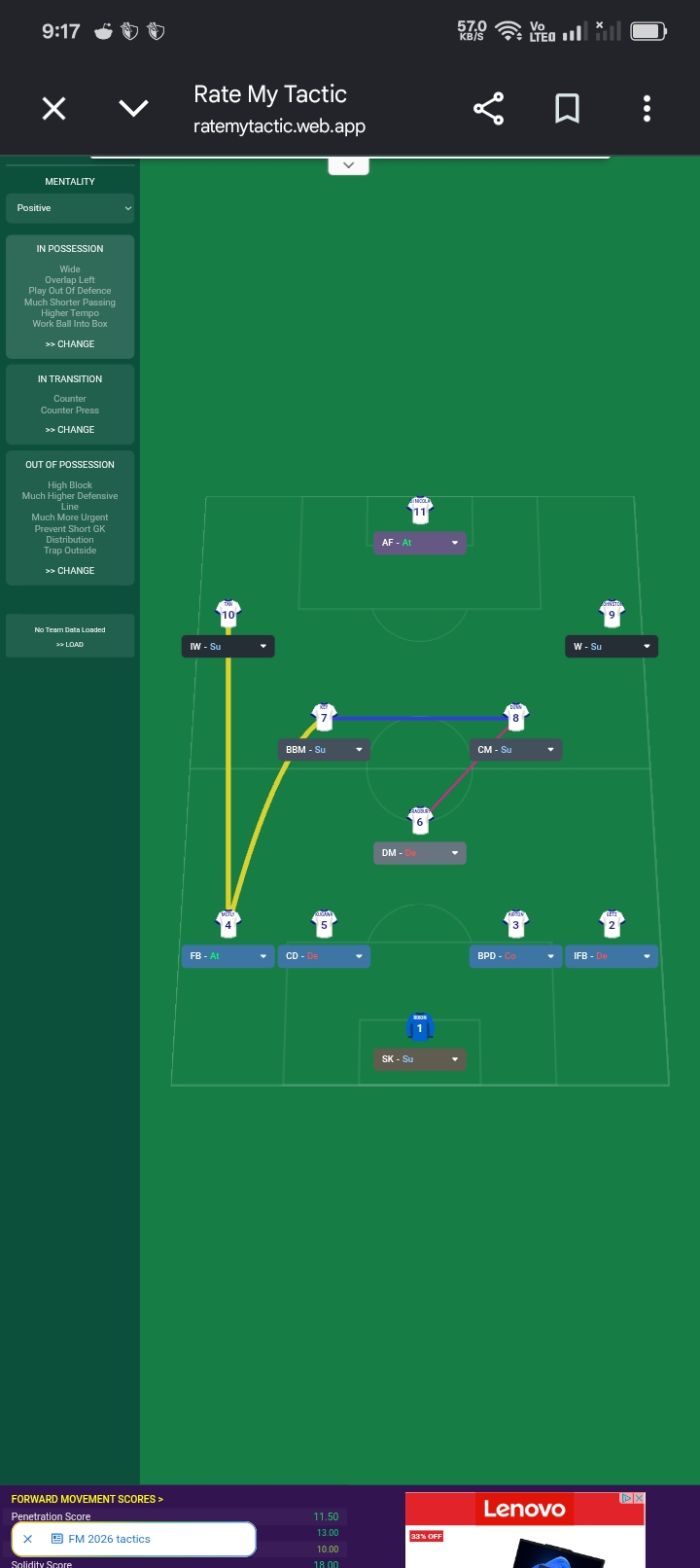
Tactical Style:Tiki-Taka
Mentality:Positive
Formation:4-3-3
Team Fluidity:Positive
In Possession
Much Shorter Passing
Higher Tempo
Much Narrower Attacking Width
Hold Shape in Attacking Transition
Balanced Creative Freedom
Less Often Time Wasting
Encourage Dribbling
Patience Work Ball Into Box
Discourage Shots from Distance
Low Crosses for Crossing Style
In Transition
Hold Shape in Transition
Out of Possession
Defensive Line:Higher
Line of Engagement:Higher
Pressing Intensity:More Urgent
Offside Trap:Yes
Team Shape Without Ball
Shape:Compact and Structured
Description:The team aims to remain compact when out of possession, utilizing a flat back four and a structured midfield.
Evidence:Flat 4 with two BPDs and holding shape in transitions.
Team Shape With Ball
Shape:Fluid and Dynamic
Description:Utilizes width provided by the wing-backs and wingers, combined with purposeful runs from the midfield.
Evidence:Much Narrower Attacking Width and support from Wingers with a focus on interchanging positions.
Phase Description
Attacking Play
The team focuses on maintaining possession and patiently building up play before making incisive passes into the attacking third.
Defensive Transition
Upon losing the ball, the players are instructed to hold shape to maintain structure.
Main Focus
Utilizing width through the wingers while encouraging movement and interchanging positions among the players.
Key Strengths
Positional Play
Strong emphasis on maintaining possession allows the team to control the game tempo.
Width in Attack
Wingers provide necessary width, opening channels for midfield runs.
Defensive Solidity
Two Ball-Playing Defenders enhance buildup while maintaining defensive integrity.
Conflicting Directions
Higher Defensive Line
Using a higher defensive line with less pace in defense could lead to vulnerabilities against counter-attacks.
Tempo vs. Time Wasting
Maintaining a higher tempo while also indicating less time wasting could lead to rushed plays.
Wing-Back Role Overlap
Overlap from wing-backs may contradict the less frequent crossing approach.
Tactical Suggestions
Consider Adjusting Defensive Line
To better manage the spacing behind the defense, consider adjusting to a lower block.
Increase Width in Attack
Wider wingers could better exploit the defensive flanks and create mismatches.
More Direct Passing Option
In certain match situations, a more direct passing style can expedite transitions.
Ask Questions About Your Lineup
Related Tactics
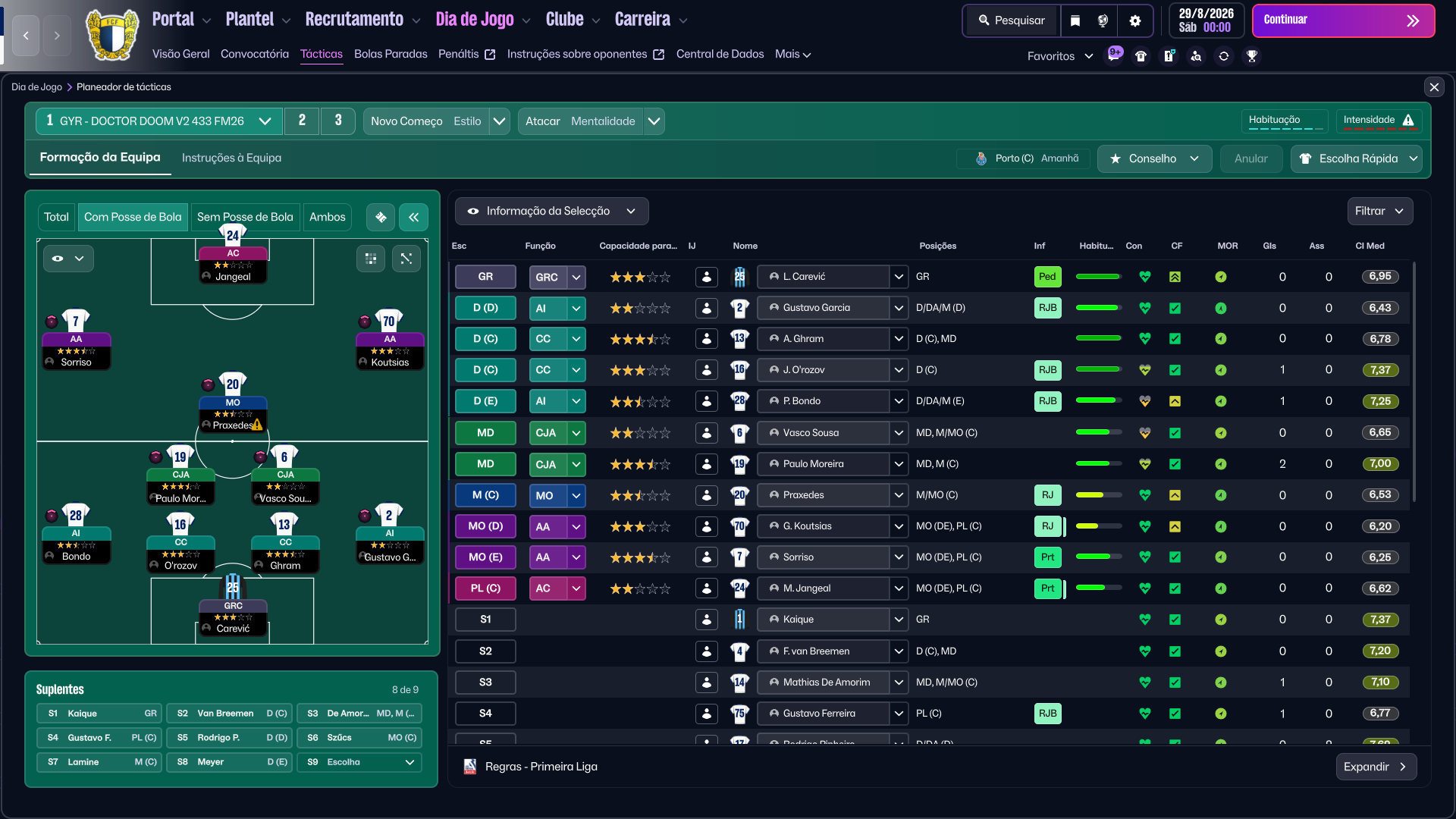
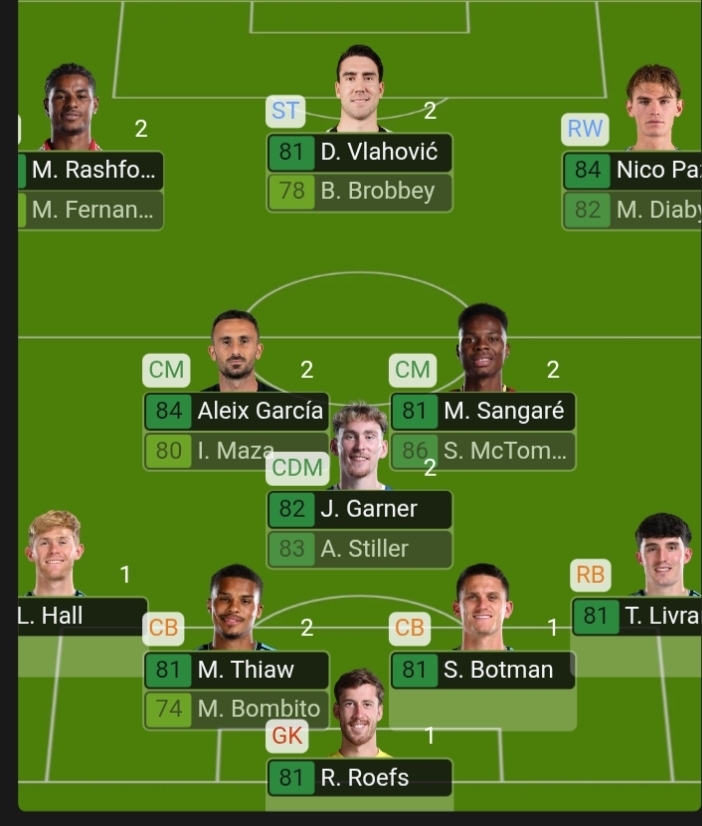
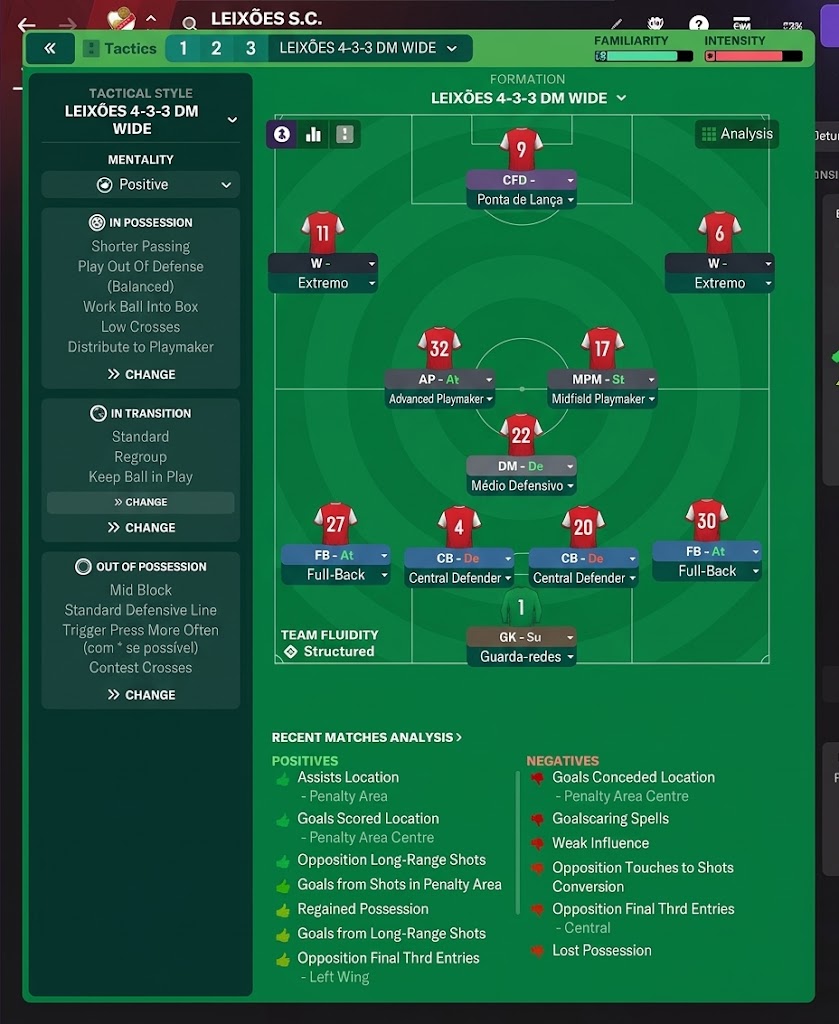
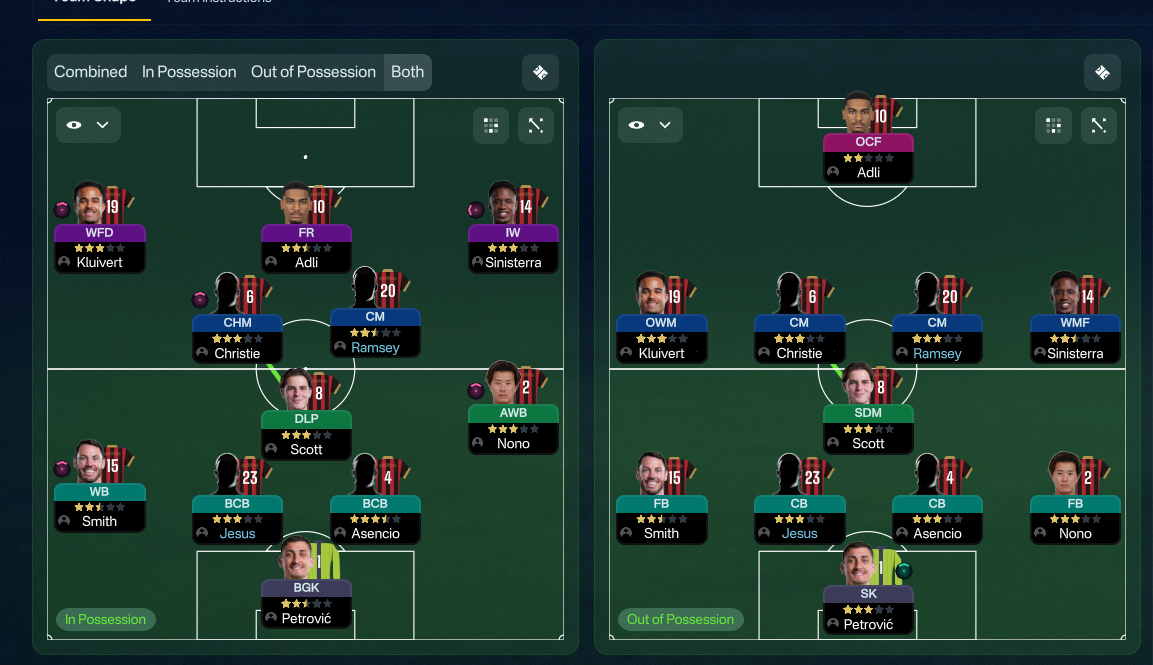
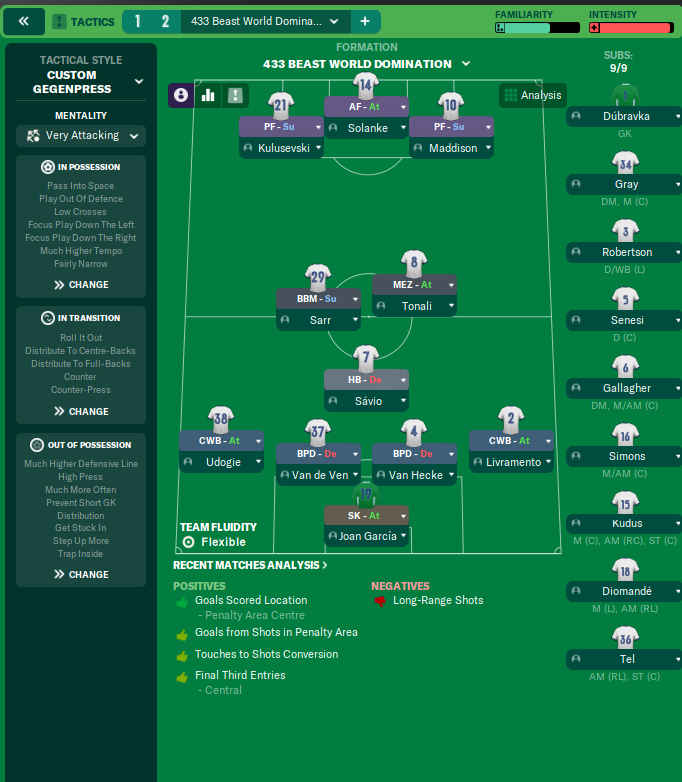
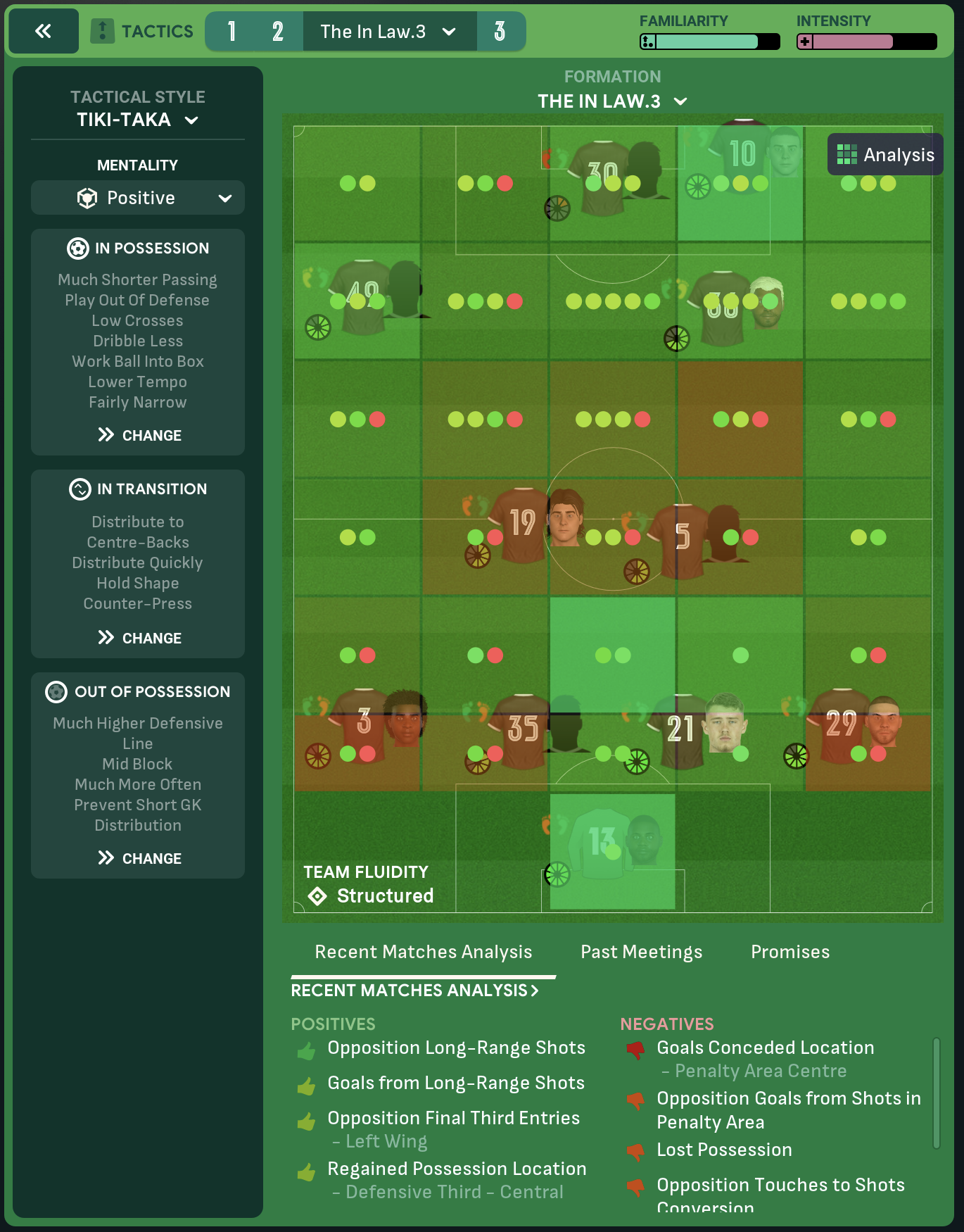
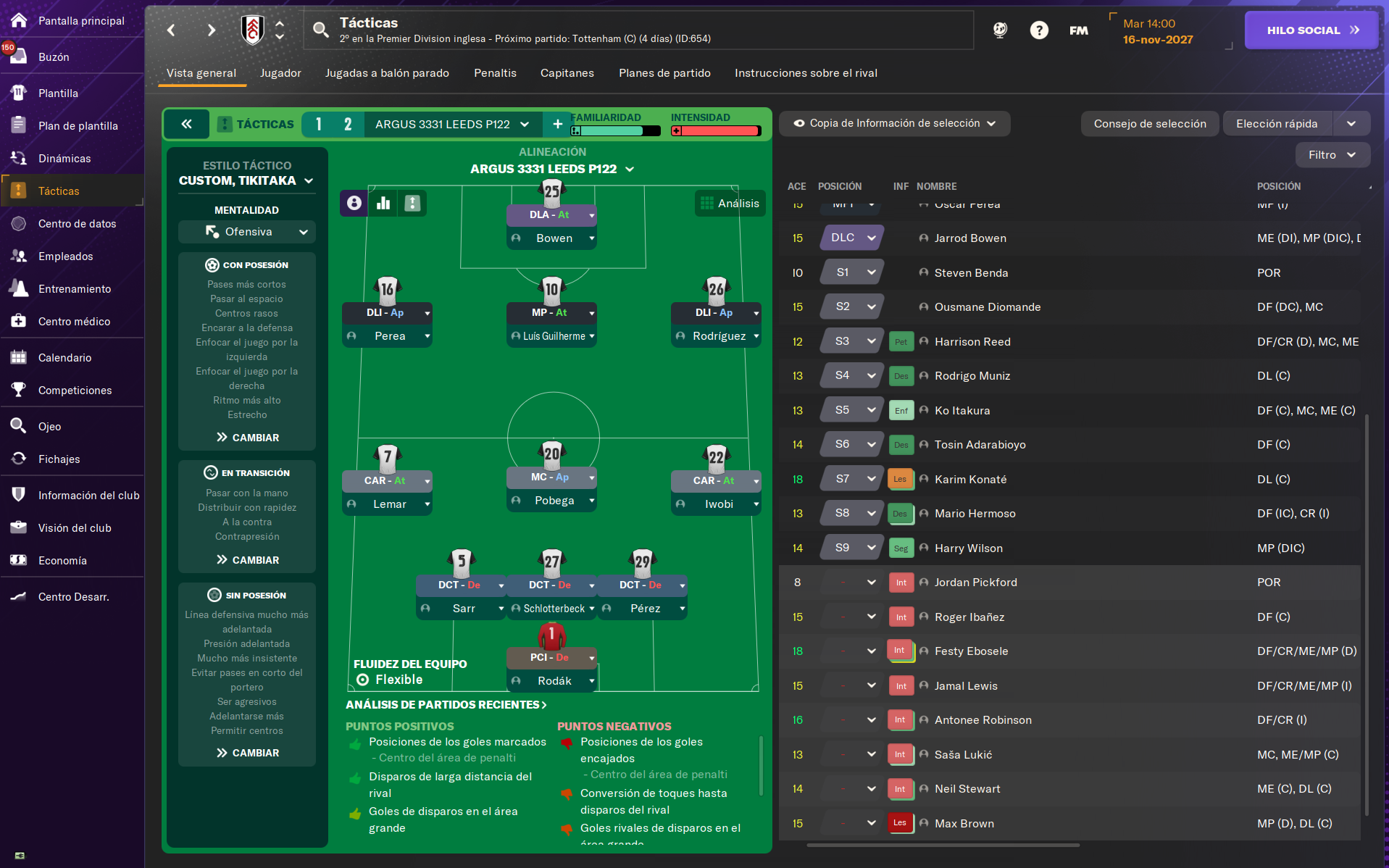
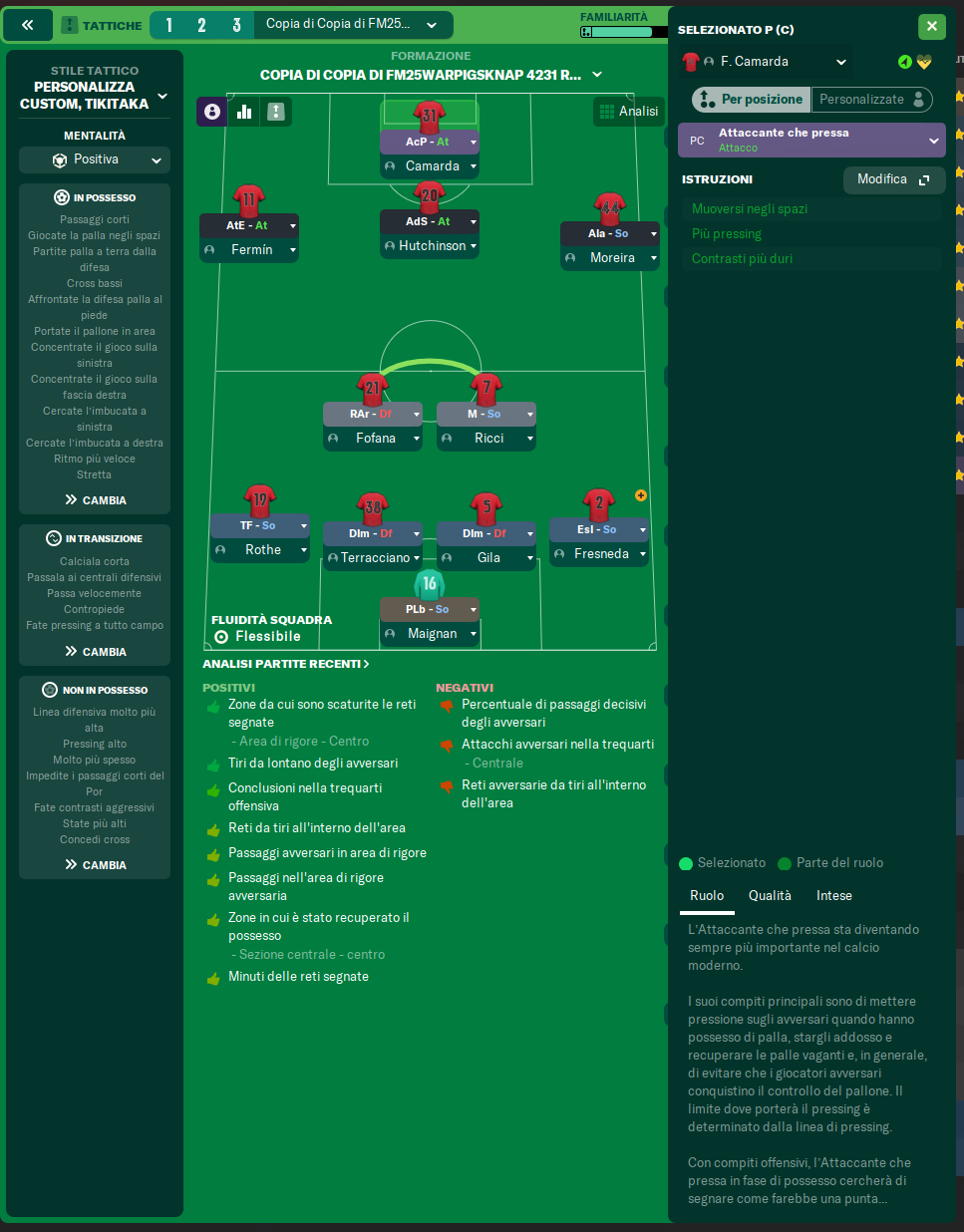
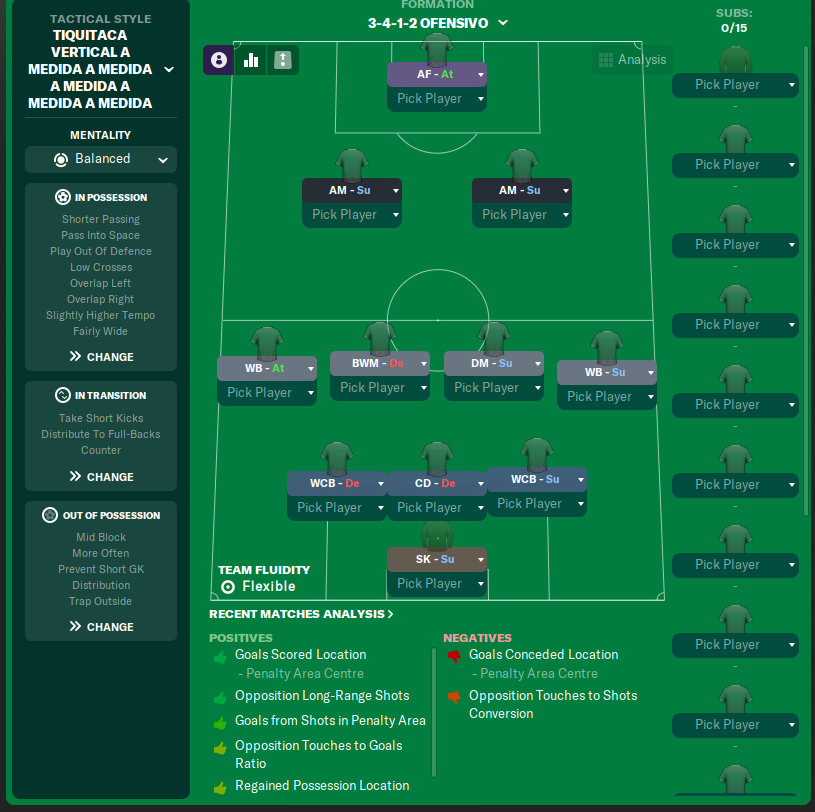
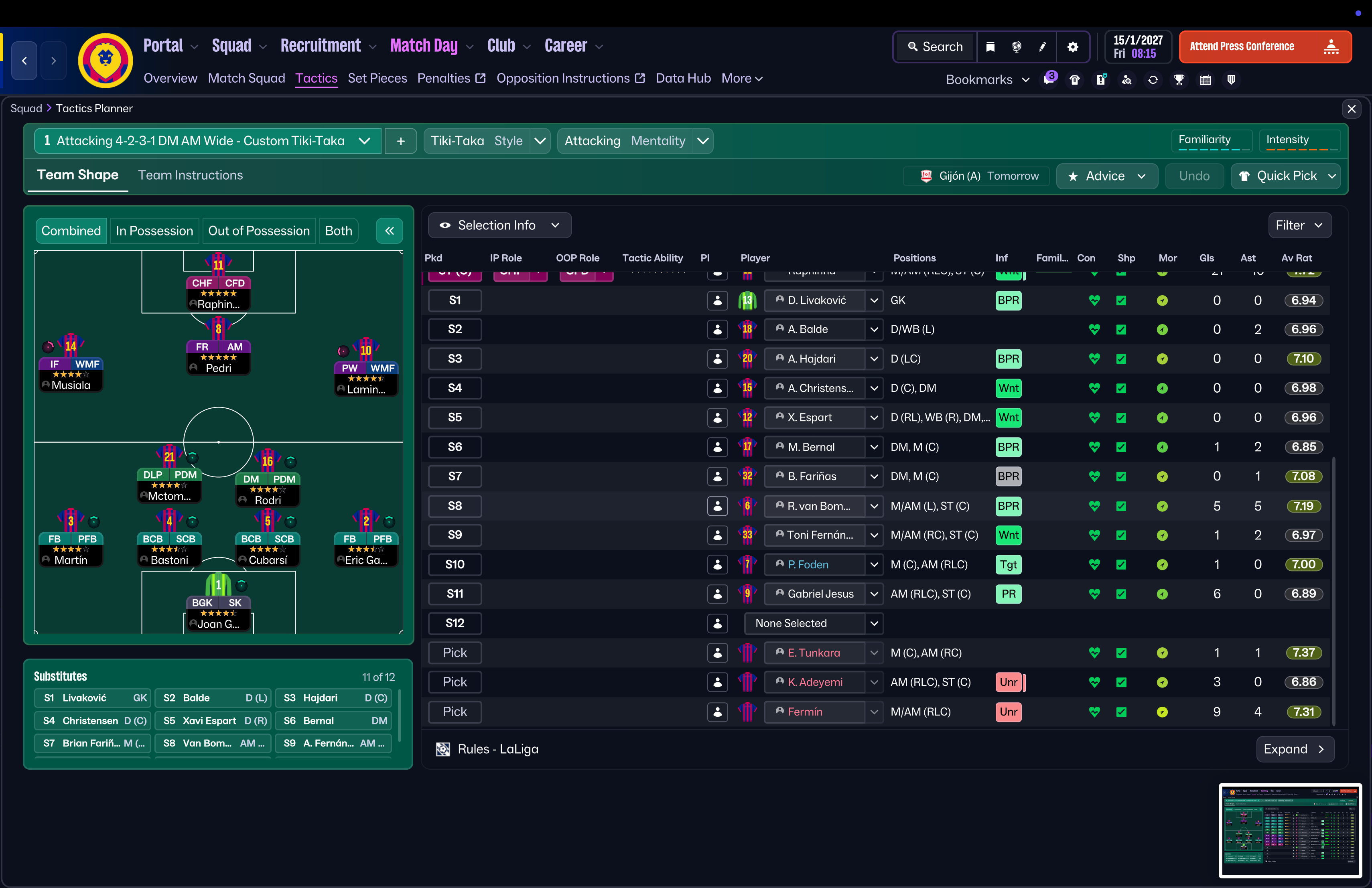
More Tiki-Taka tactics
Guides for this formation
The tactical theory behind the 4-3-3: roles, instructions, and the trade-offs that decide whether the system holds up.
Foundations
Understanding the 4-3-3 Formation
Master the classic 4-3-3: player roles, tactical variations, and the trade-offs that decide whether it sings or stalls.
Read guide
Player pairings
Midfield Trios
Holder, runner, creator: the role distribution rule for three-man midfields, the AMC variants, and the antipatterns that break them.
Read guide
Playing styles
Gegenpressing: A Full Guide
Klopp-style gegenpressing in FM, including squad profile, line-and-press pairing, sustainable workload, and the antipatterns to avoid.
Read guide