Uploaded Tactic
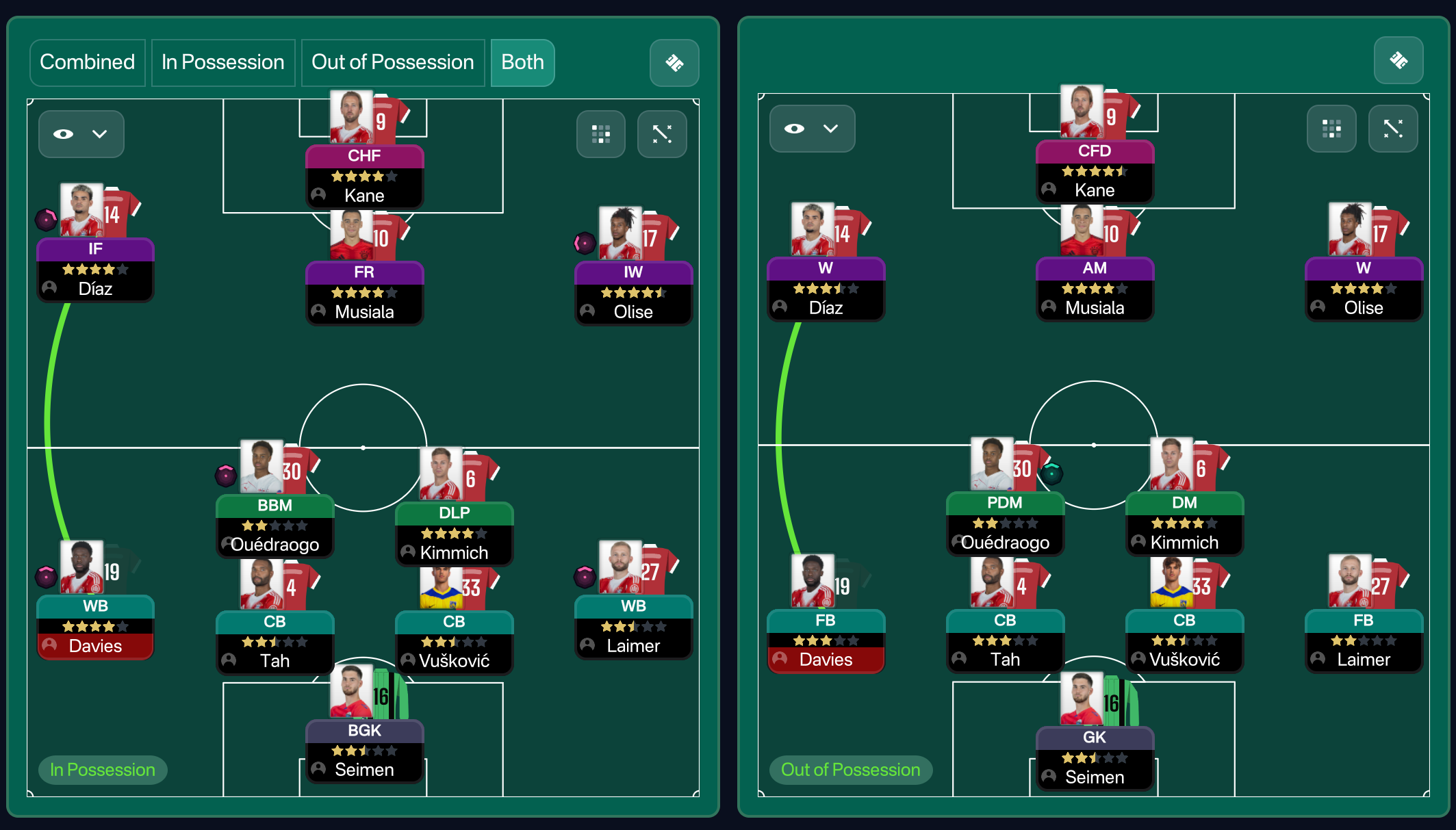
Formation & Style
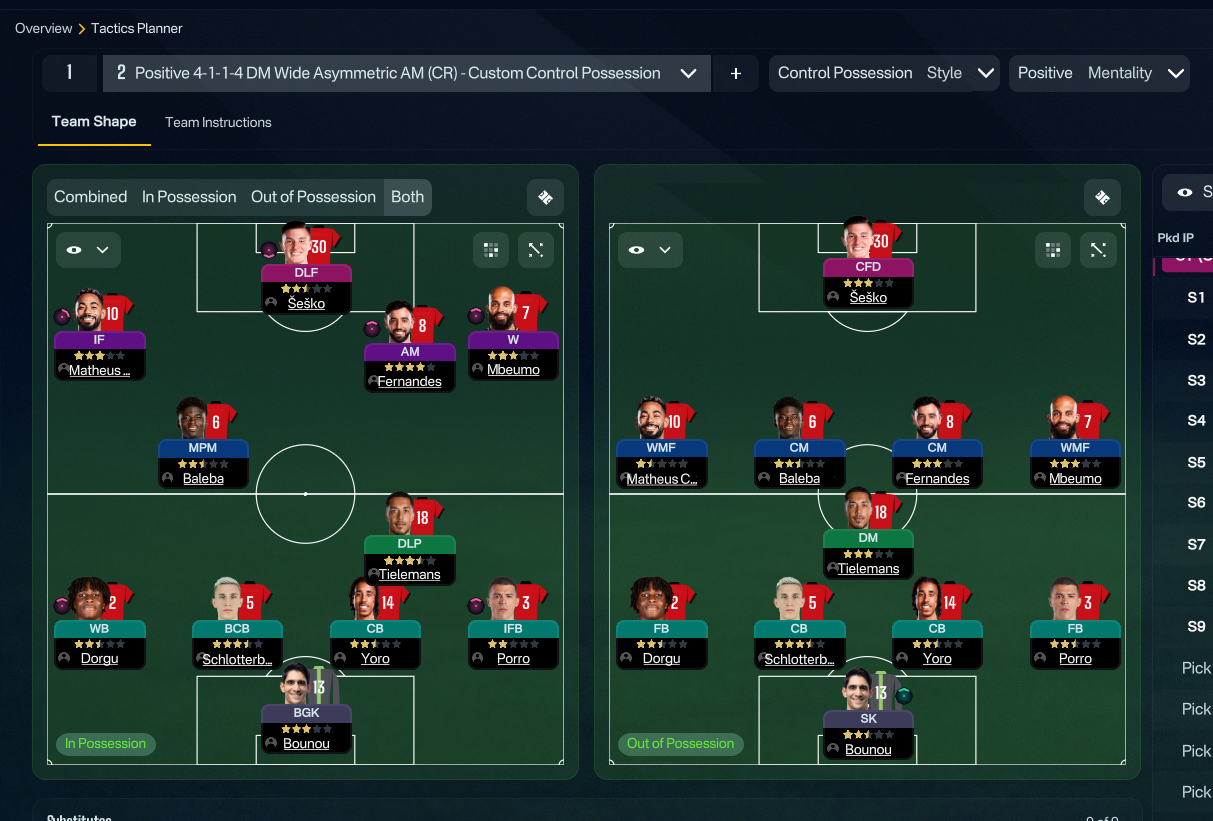
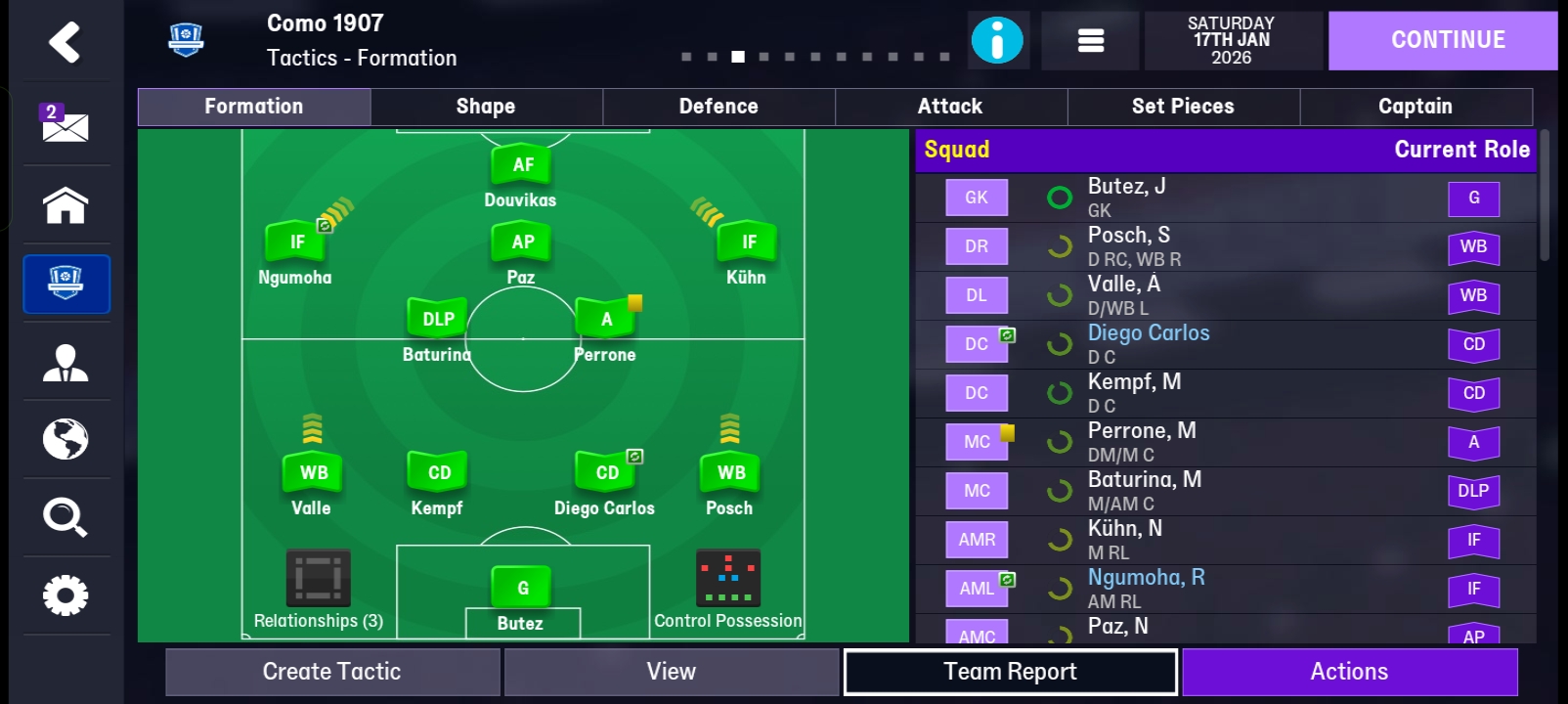
Tactical Style:Control Possession
Mentality:Positive
Formation:4-2-3-1 Wide
Team Fluidity:Structured
In Possession
Play Out of Defence
Pass Into Space
Look for Overlap
In Transition
Counter-Press
Counter
Out of Possession
Higher Line of Engagement
Higher Defensive Line
Prevent Short GK Distribution
Team Shape Without Ball
Shape:4-2
Description:Defensive phase sees two holding midfielders shield the back line.
Evidence:PDM at [3,2] and DM at [3,3] supporting CBs at [2,1],[2,3],[2,4].
Team Shape With Ball
Shape:3-2-3-1
Description:Focus on width from wing-backs and inside forwards with a central advanced playmaker.
Evidence:Winger at [5,1], Inside Forward at [6,2] with Complete Forward at [6,3].
Phase Description
Attacking Play
Utilizes width through wing-backs and inside forwards while maintaining possession.
Defensive Transition
Quickly reorganizes in a counter-press to recover the ball.
Main Focus
Create goal-scoring opportunities through quick transitions and overlapping runs.
Key Strengths
Wide Play
Strong width provided by wingers and wing-backs can stretch opposition.
Quick Transitions
Team can switch quickly from defence to attack, utilizing central playmakers.
Defensive Solidity
Three central defenders provide a robust backline to absorb pressure.
Conflicting Directions
Lack of Depth
Over-reliance on wing-backs and inside forwards can lead to overcrowding.
Vulnerability on Wings
Wing-backs may be caught high up the pitch during counter-attacks.
Midfield Overload
Two deeper midfielders may struggle against teams with a three-man midfield.
Tactical Suggestions
Shift to a 4-3-3 Formation
Adding an extra central midfielder can help control the midfield better.
Adjust Defensive Line
Lowering the defensive line may reduce vulnerability to pacey counter-attacks.
Rotate Wing-Backs
Implement strategic rotations to maintain balance during transitions.
Ask Questions About Your Lineup
Related Tactics
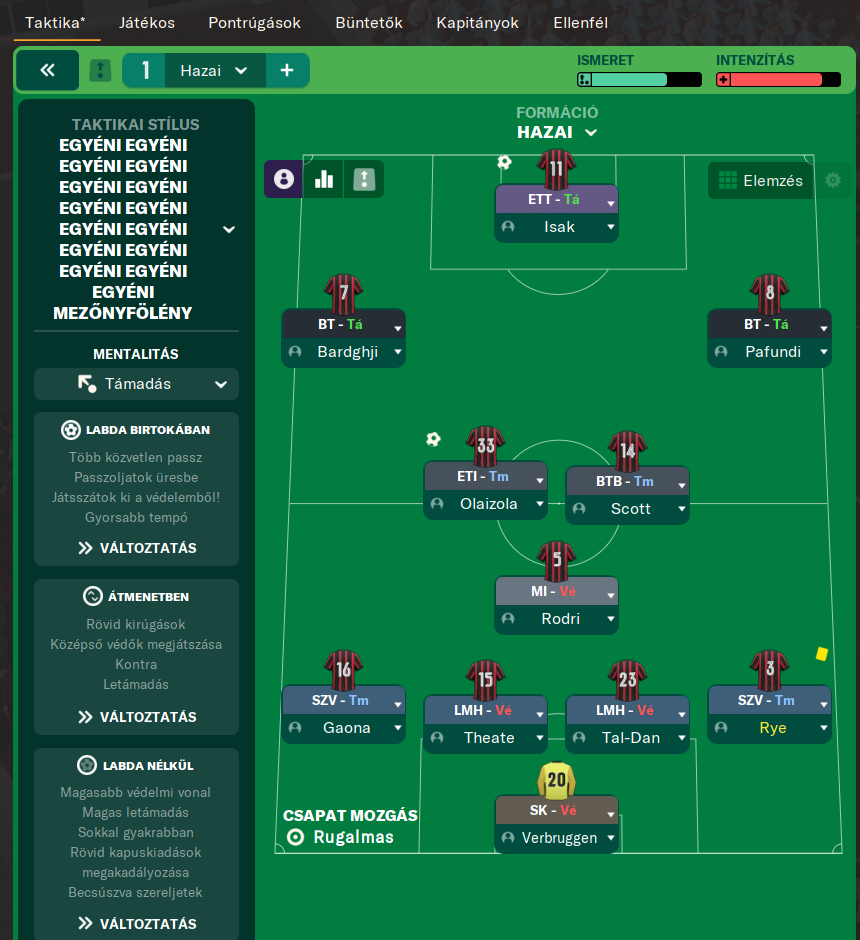
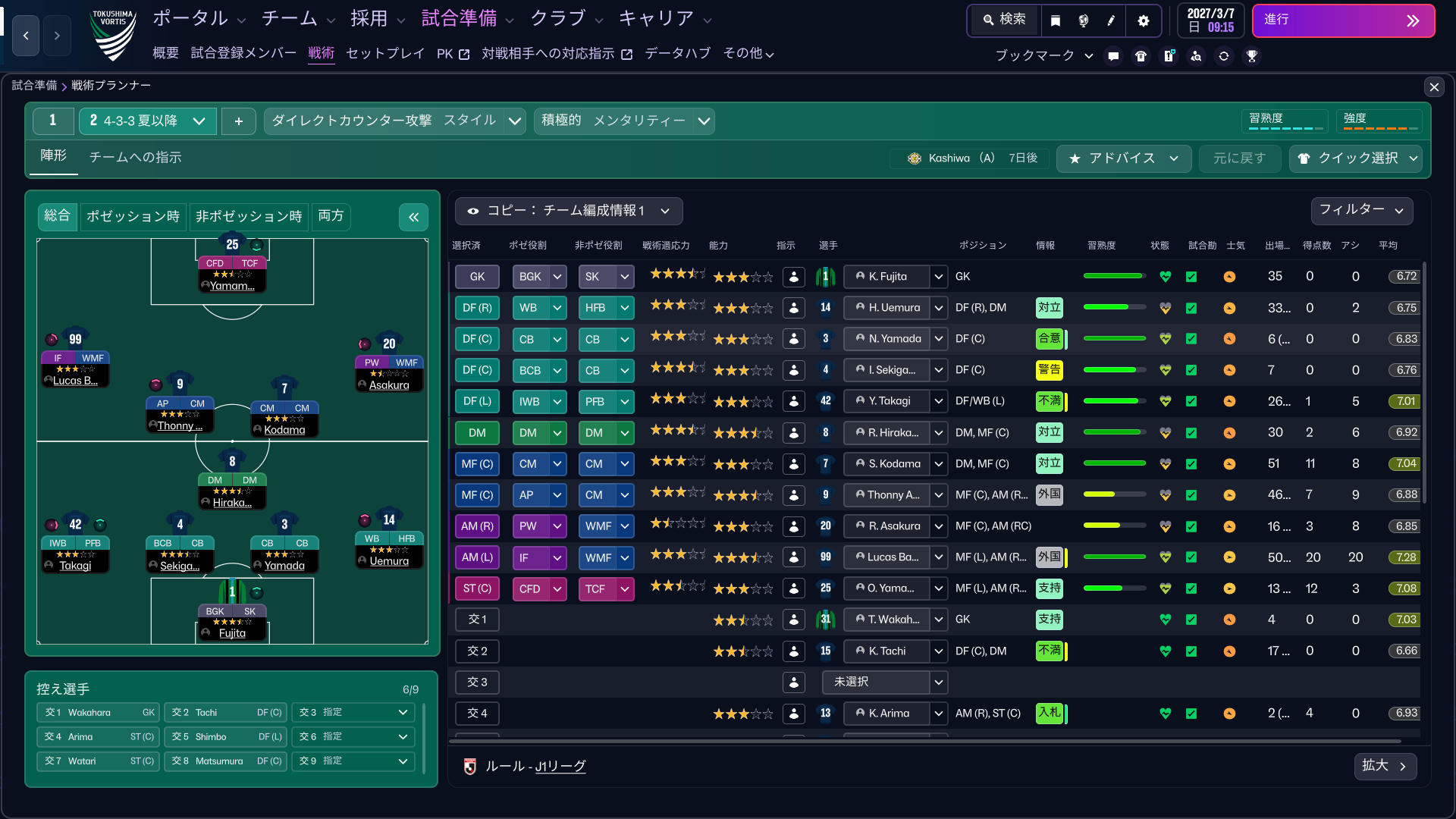
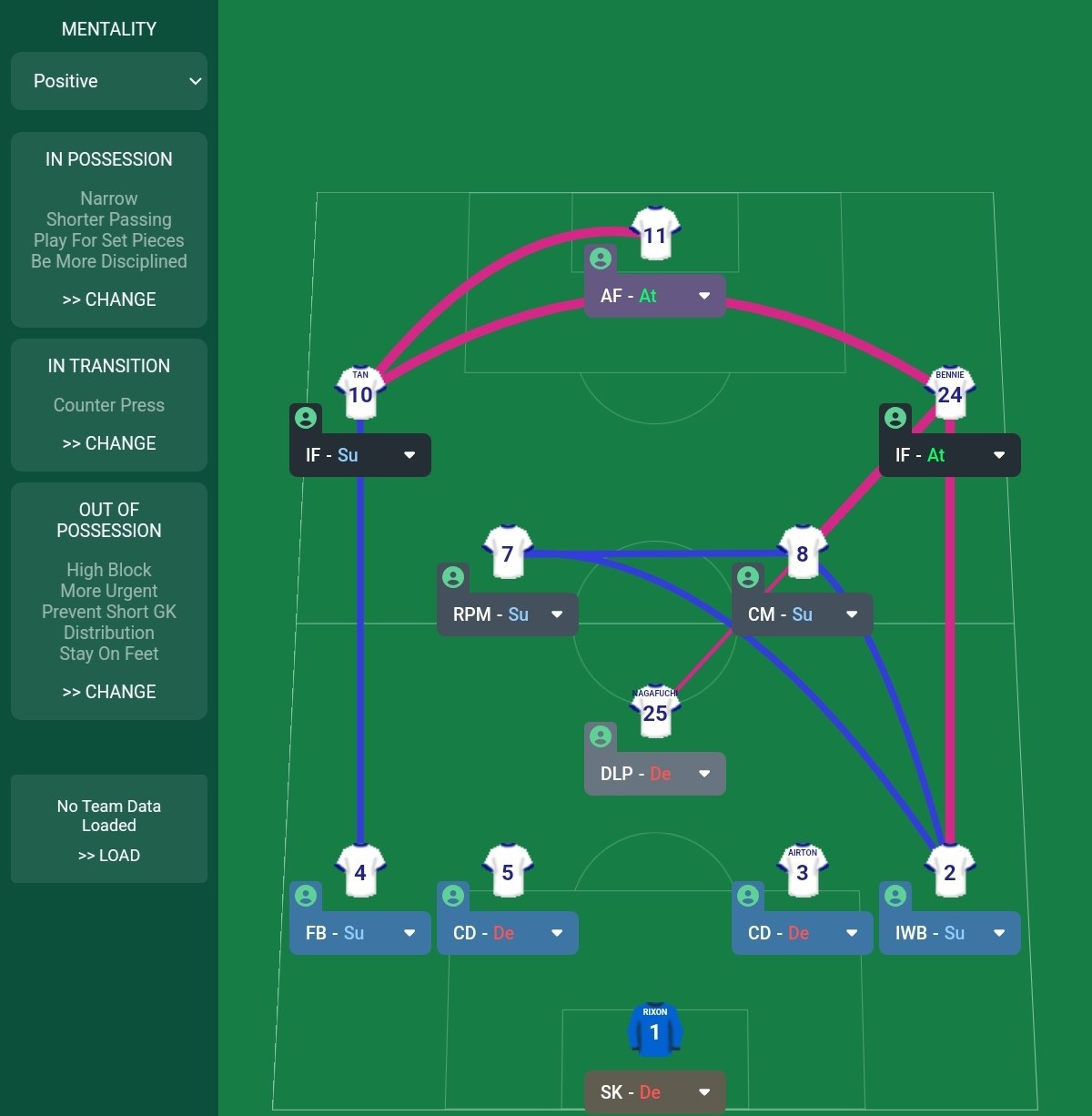
More Control Possession tactics
Guides for this formation
The tactical theory behind the 4-2-3-1 Wide: roles, instructions, and the trade-offs that decide whether the system holds up.
Player pairings
Midfield Pairs in 4-2-3-1 and 4-4-2
Double pivots and flat pairs in 4-2-3-1 and 4-4-2: when each pairing works, when it collapses, and the AMC unicorn that rescues both.
Read guide
Playing styles
Gegenpressing: A Full Guide
Klopp-style gegenpressing in FM, including squad profile, line-and-press pairing, sustainable workload, and the antipatterns to avoid.
Read guide