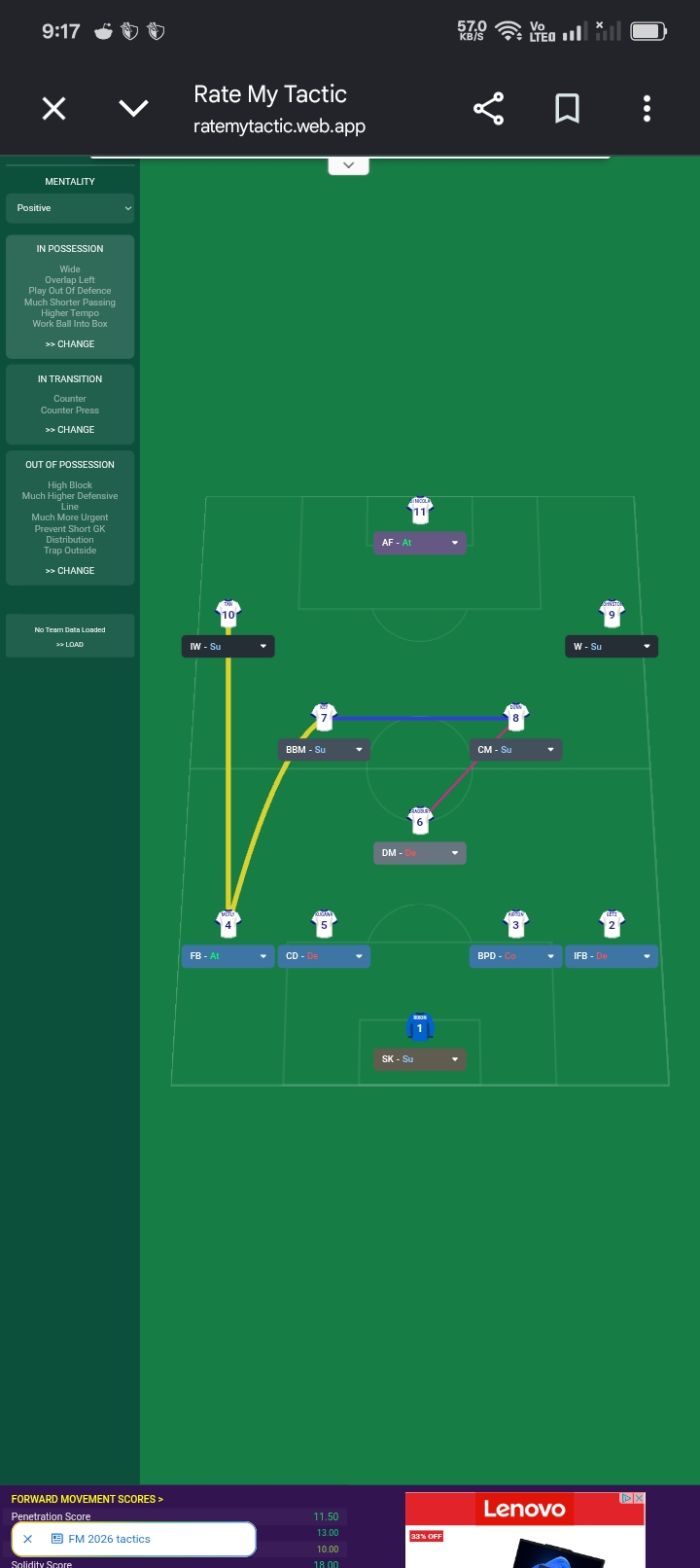
Uploaded Tactic
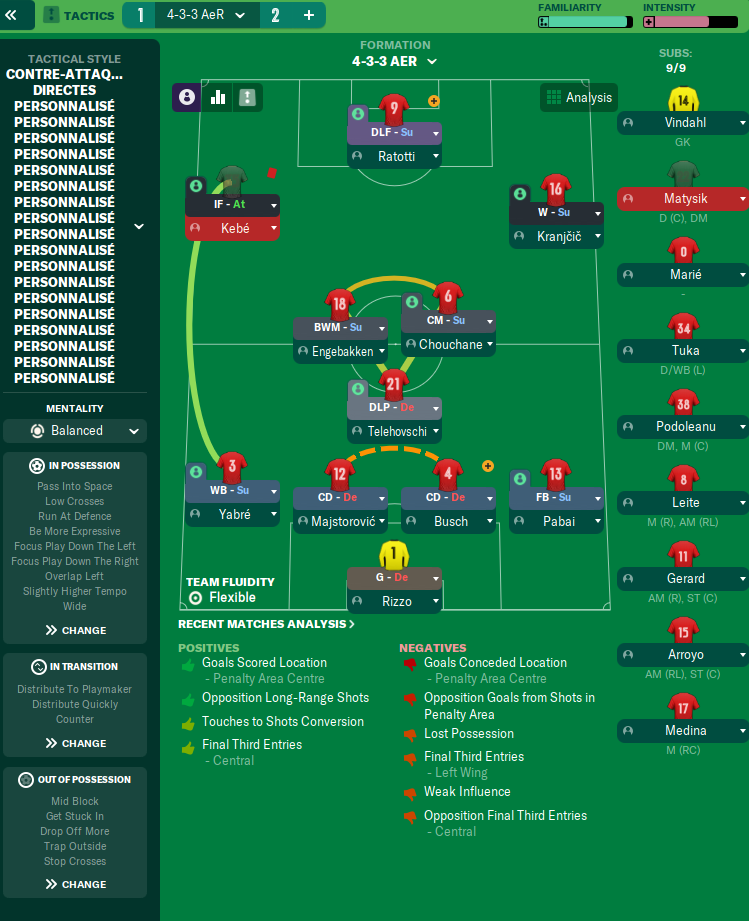
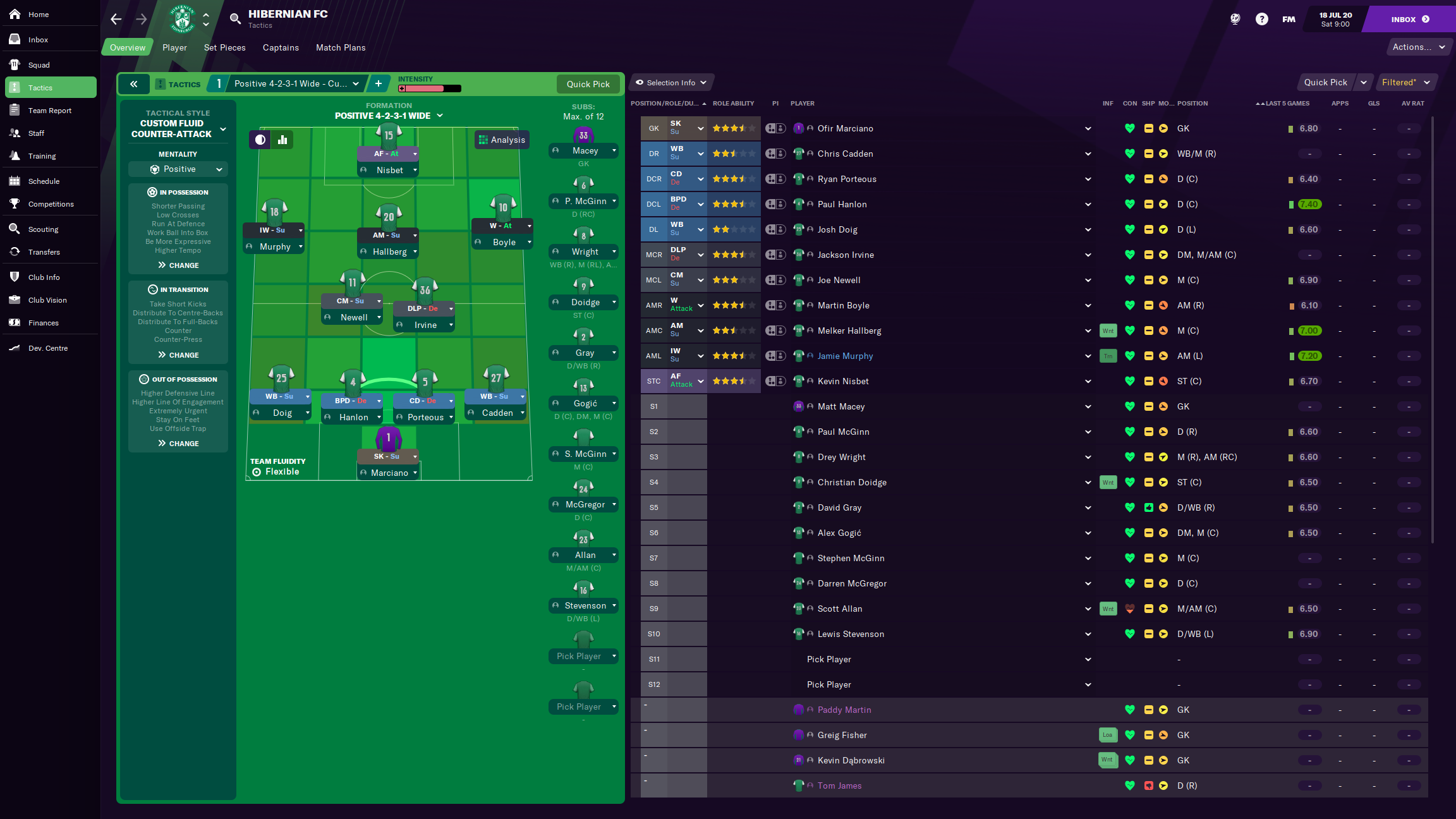
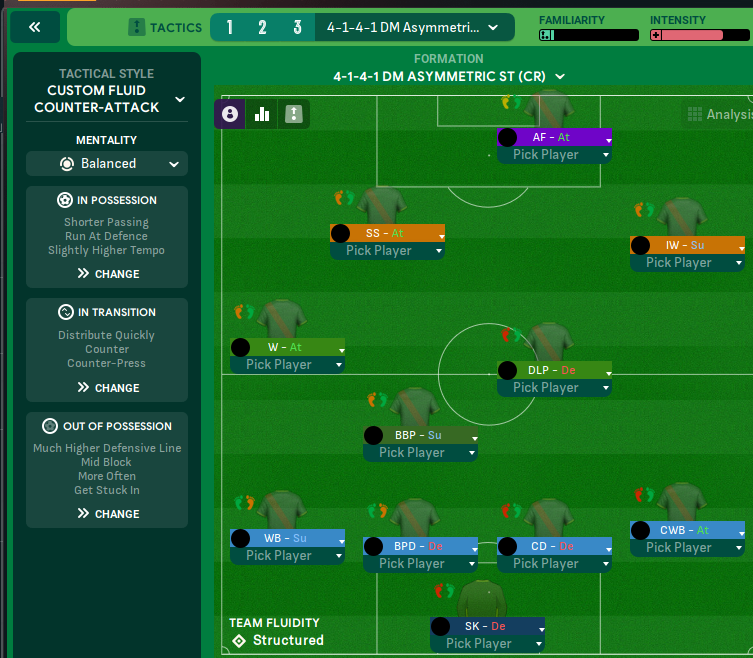
Formation & Style
Tactical Style:Counter-Attack
Mentality:Balanced
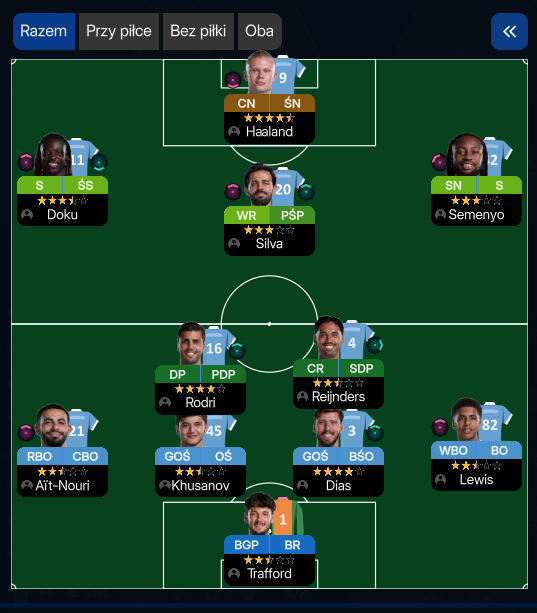
Formation:4-3-3
Team Fluidity:Flexible
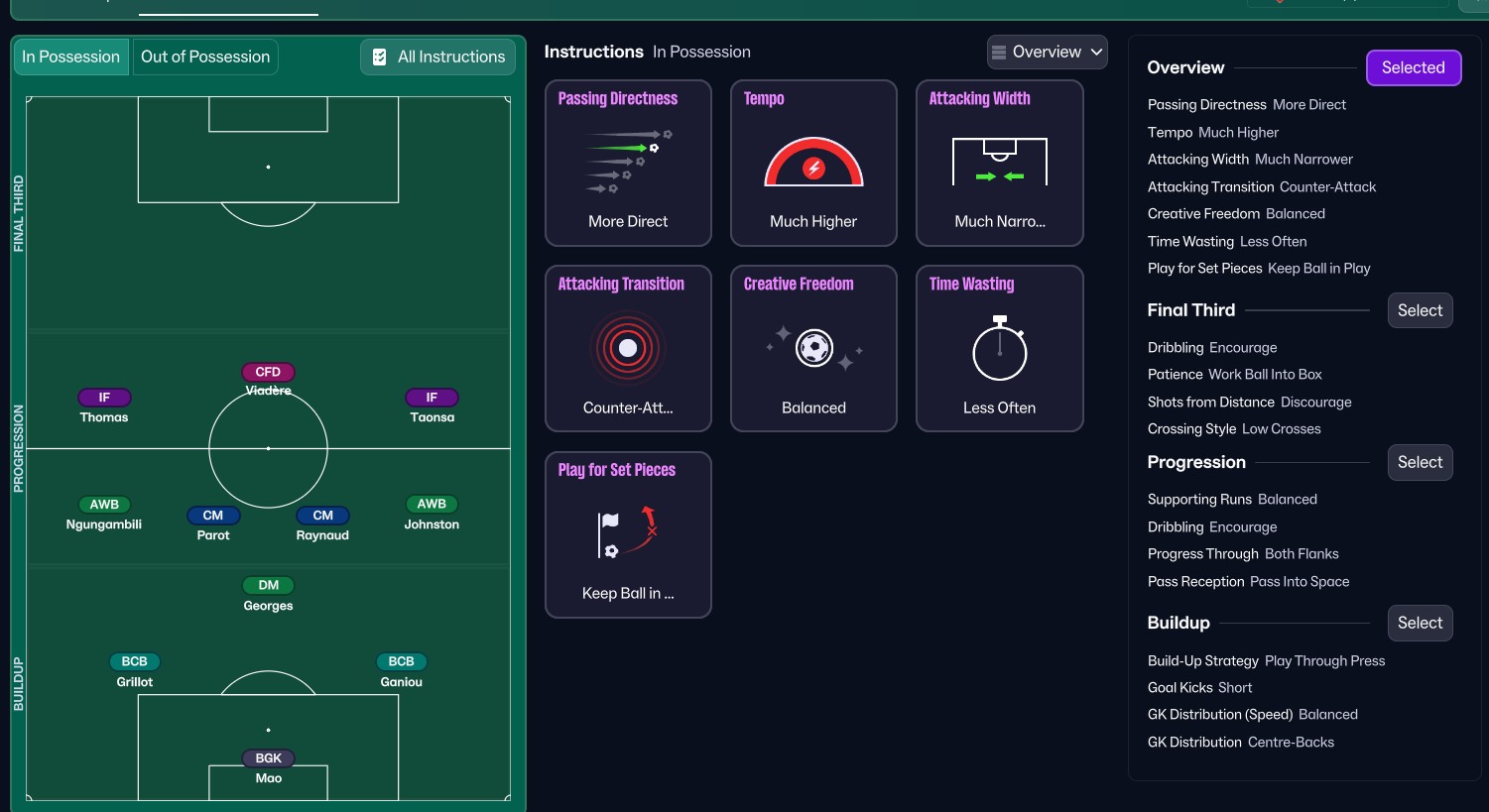
In Possession
Pass Into Space
Low Crosses
Run At Defence
Be More Expressive
Focus Play Down The Left
Overlap Left
Slightly Higher Tempo
Wide
In Transition
Distribute To Playmaker
Distribute Quickly
Counter
Out of Possession
Mid Block
Get Tighter
Drop Off More
Trap Outside
Stop Crosses
Team Shape Without Ball
Shape:Mid Block
Description:Maintains a mid block to minimize spaces in central areas, placing pressure on the ball.
Evidence:Evidence of 'Mid Block' and tight marking under 'out_of_possession' tactics.
Team Shape With Ball
Shape:Fluid 4-3-3
Description:Utilizes width effectively with wingers and an inside forward creating opportunities inside the box.
Evidence:Utilizing 'Pass Into Space' and 'Focus Play Down The Left'.
Phase Description
Attacking Play
Focuses on rapid counter-attacks with emphasis on exploiting space on the flanks and utilizing quick transitions.
Defensive Transition
Prioritizes compactness and pressing upon regaining possession, limiting opposition's progression.
Main Focus
Utilizing width with overlapping full-backs and quick interplay between midfield and attacking players.
Key Strengths
Rapid Transitions
Effective at moving from defense to attack with quick passing and smart positioning.
Use of Width
Wide play through wingers creates space and opportunities for inside forwards.
Solid Midfield Functionality
A strong midfield setup allows for both defensive stability and attacking support.
Conflicting Directions
Vulnerability to Central Attacks
While utilizing a mid block, it may struggle against teams that exploit central spaces.
Overreliance on Flanks
Excessive focus on wide play may lead to lack of midfield control.
Potential for Isolated Forwards
With a wide formation, there is a risk of forwards becoming isolated without sufficient support.
Tactical Suggestions
Increase Central Control
Consider adjusting tactics to allow for greater midfield dominance and support for the attackers.
Improve Defensive Cohesion
Work on defensive shape to prevent central penetrations and cover vulnerable areas.
Encourage Fluidity in Attack
Encourage midfielders to support attacks and maintain movement off the ball.
Ask Questions About Your Lineup
Related Tactics
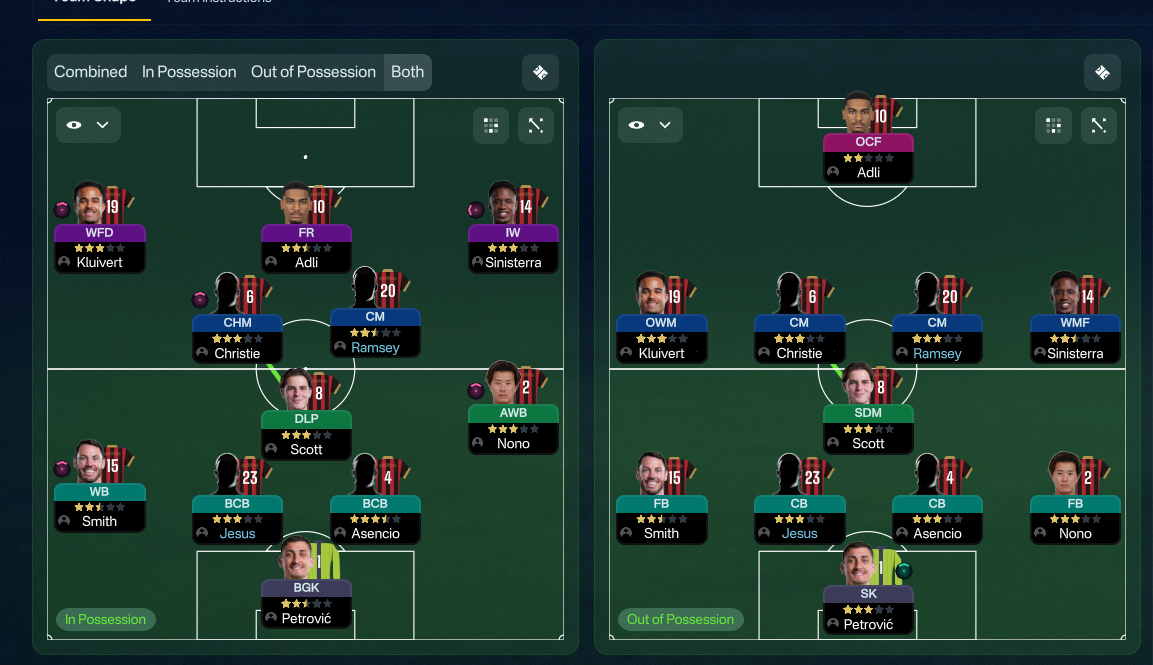
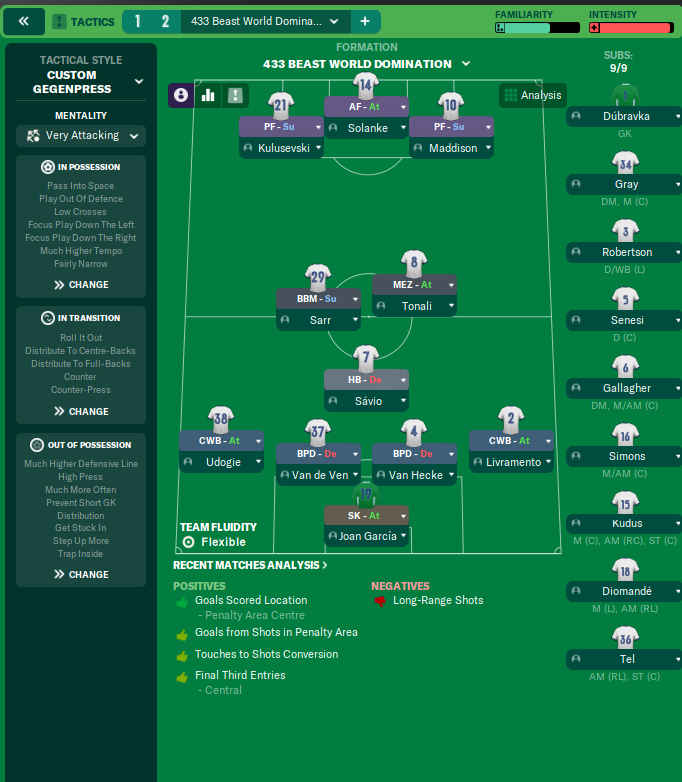
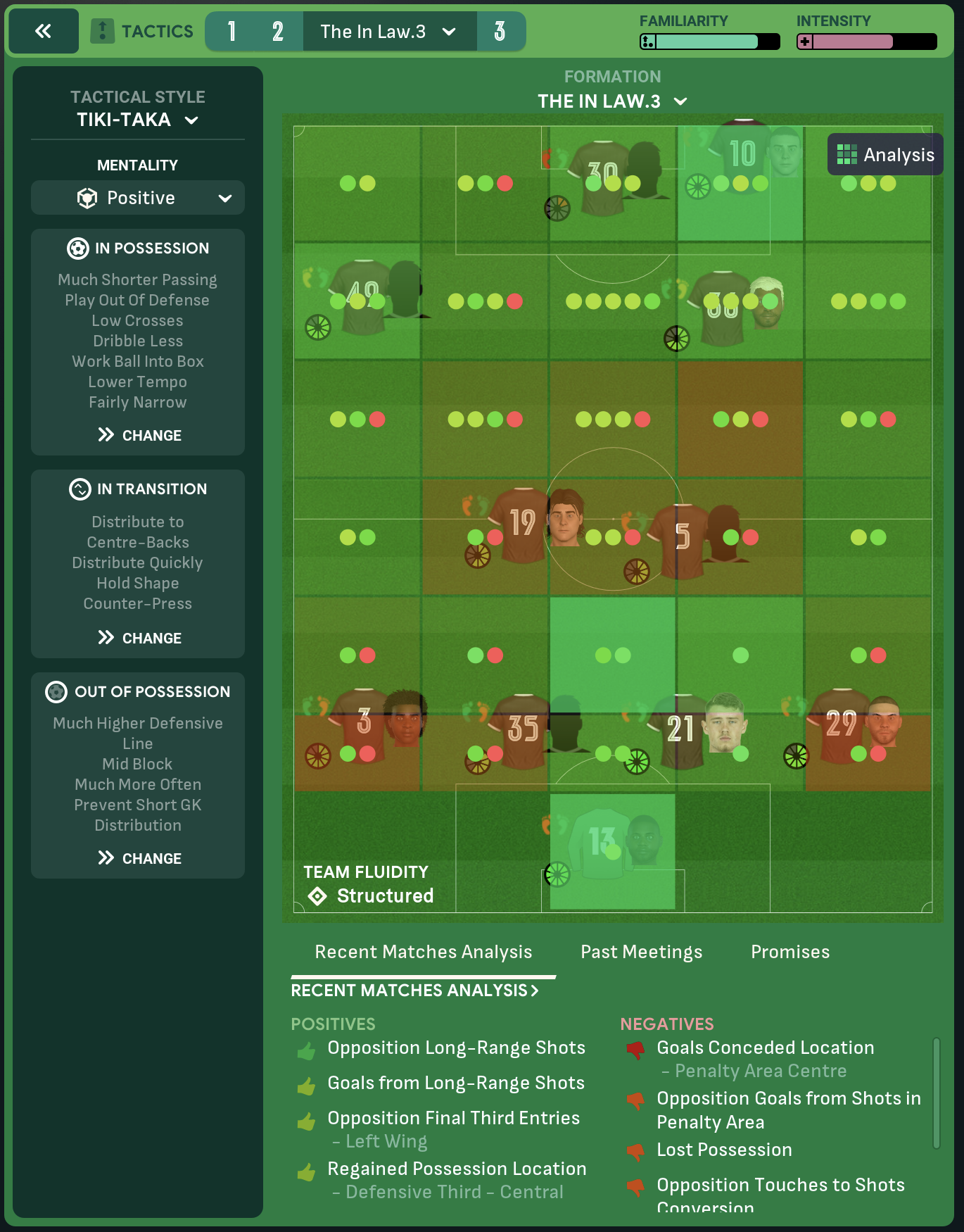
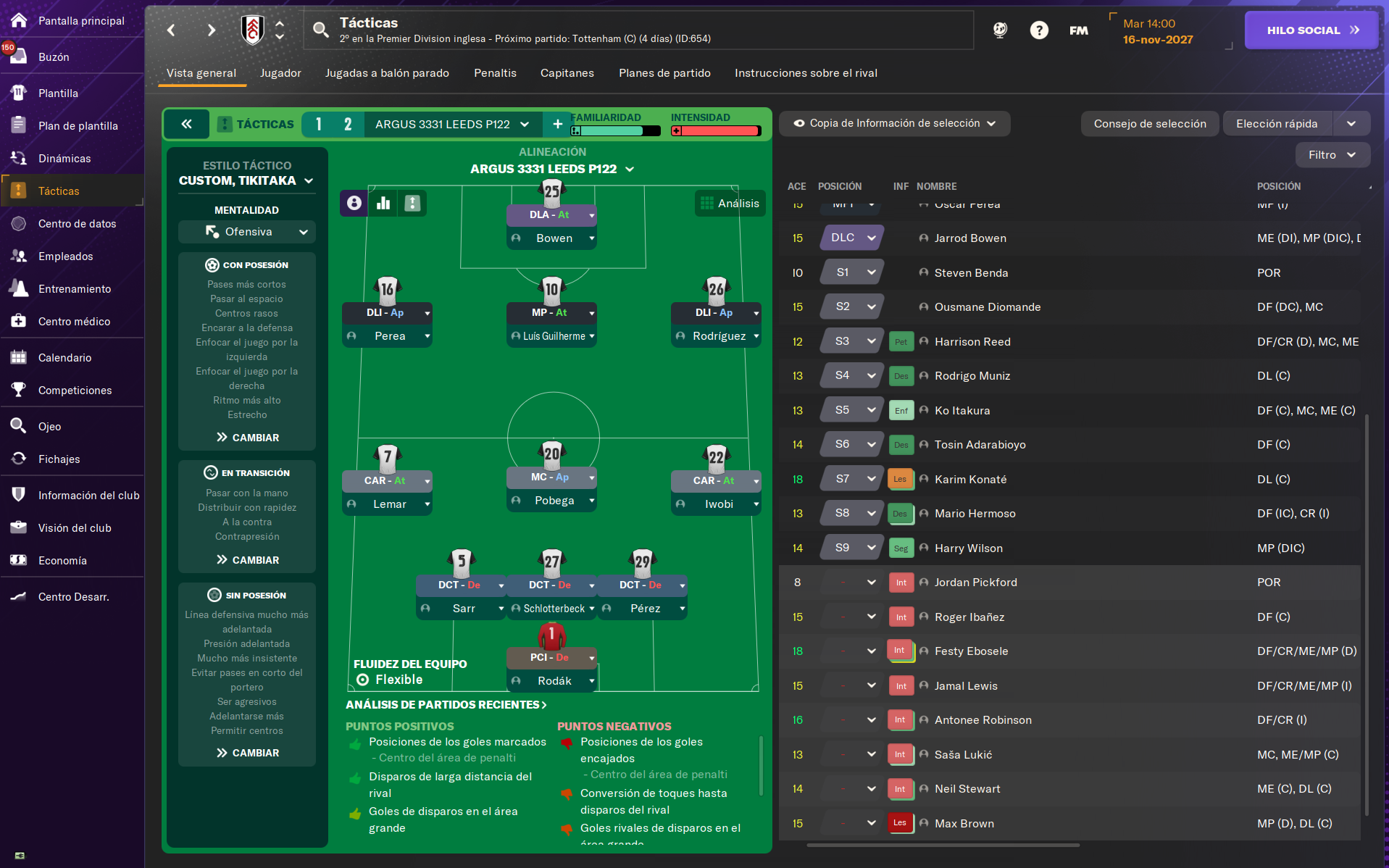
More Counter-Attack tactics
Guides for this formation
The tactical theory behind the 4-3-3: roles, instructions, and the trade-offs that decide whether the system holds up.
Foundations
Understanding the 4-3-3 Formation
Master the classic 4-3-3: player roles, tactical variations, and the trade-offs that decide whether it sings or stalls.
Read guide
Player pairings
Midfield Trios
Holder, runner, creator: the role distribution rule for three-man midfields, the AMC variants, and the antipatterns that break them.
Read guide
Playing styles
Gegenpressing: A Full Guide
Klopp-style gegenpressing in FM, including squad profile, line-and-press pairing, sustainable workload, and the antipatterns to avoid.
Read guide