Uploaded Tactic
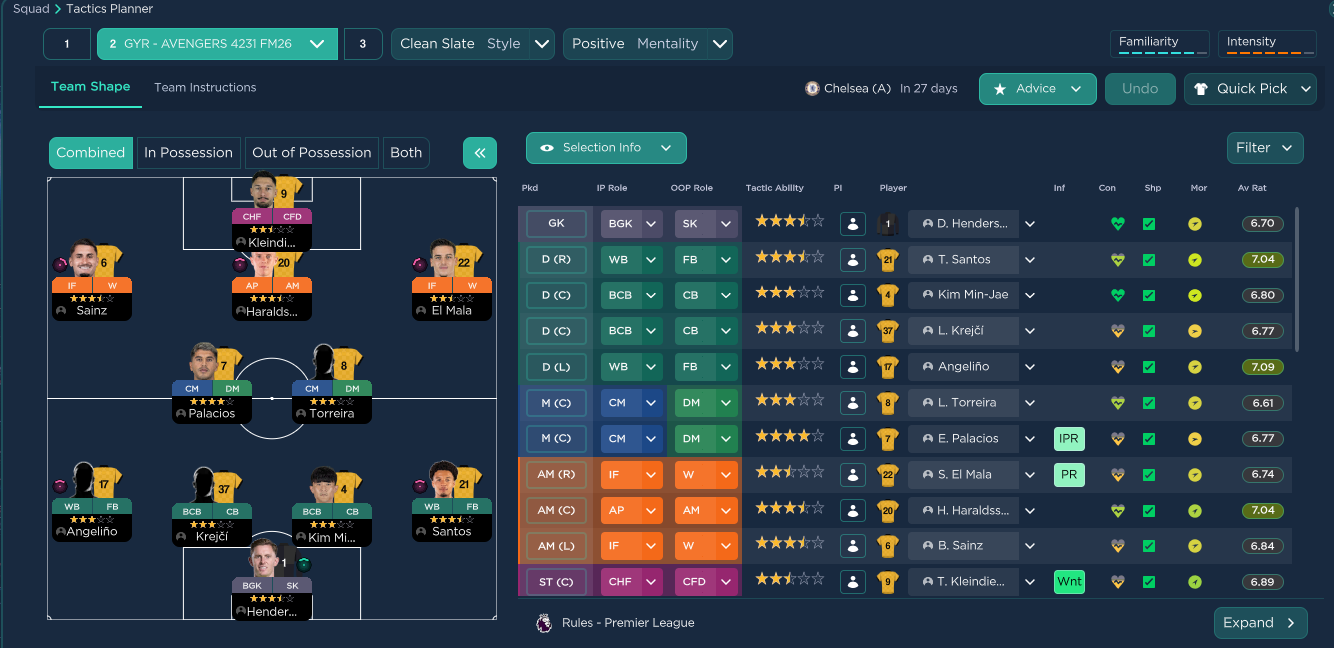
Formation & Style
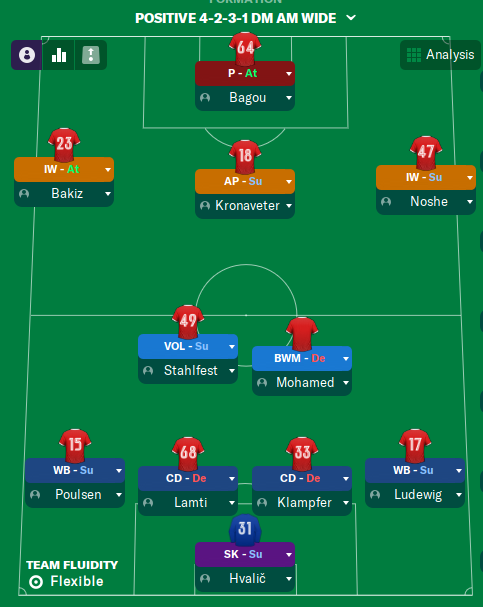
Tactical Style:Positive
Mentality:Positive
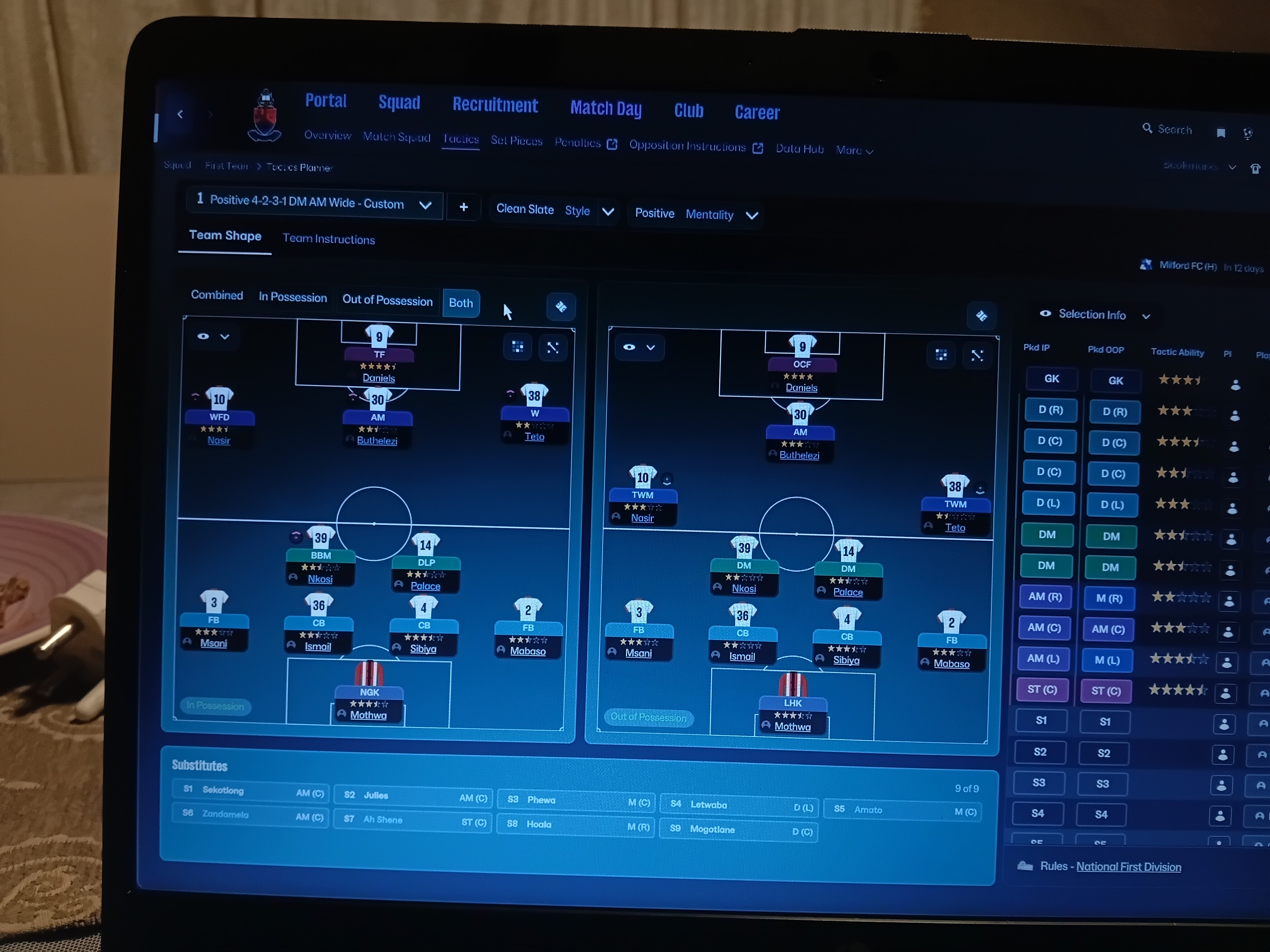
Formation:4-2-3-1
Team Fluidity:Structured
In Possession
Work ball into the box
Lower tempo
Look for overlap
Prevent Short GK Distribution
In Transition
Counter-press
Counter
Out of Possession
Higher Defensive Line
Higher Line of Engagement
Use Offside Trap
Team Shape Without Ball
Shape:4-2
Description:A structured block with two players shielding the defense.
Evidence:BPD-S at [2,2] and BPD-S at [2,3] provide support.
Team Shape With Ball
Shape:4-3
Description:Dynamic offensive shape with wing-backs pushing forward.
Evidence:WB-A at [2,1] and WB-S at [2,5] provide width.
Phase Description
Attacking Play
Focus on building through the midfield with quick combination play and utilization of width from the wing-backs.
Defensive Transition
The team looks to quickly regain possession through counter-pressing the opposition immediately after losing the ball.
Main Focus
Utilization of the wide areas and quick transitions to capitalize on defensive weaknesses.
Key Strengths
Flexibility in Attack
Wide attacking threat from wing-backs and inside forwards creates multiple options.
Strong Midfield Control
Central midfielders complemented by a defensive midfielder offer ball retention and distribution.
Versatile Forward Roles
Combination of inside forwards and a complete forward maximizes scoring potential.
Conflicting Directions
Vulnerability to Counter Attacks
High defensive line may leave gaps for fast counter-attacking teams.
Dependence on Wing Play
Heavy reliance on wing-backs for creativity may become predictable.
Transitions Require Quick Reactions
Success hinges on rapid responses during transition phases.
Tactical Suggestions
Consider Lower Defensive Line
Adjusting to a lower defensive line may mitigate counter-attacking threats.
Diversify Attacking Patterns
Introducing variations in wing play can prevent predictability.
Enhance Midfield Press
Increasing midfield pressing can regain ball possession more effectively.
Ask Questions About Your Lineup
Related Tactics
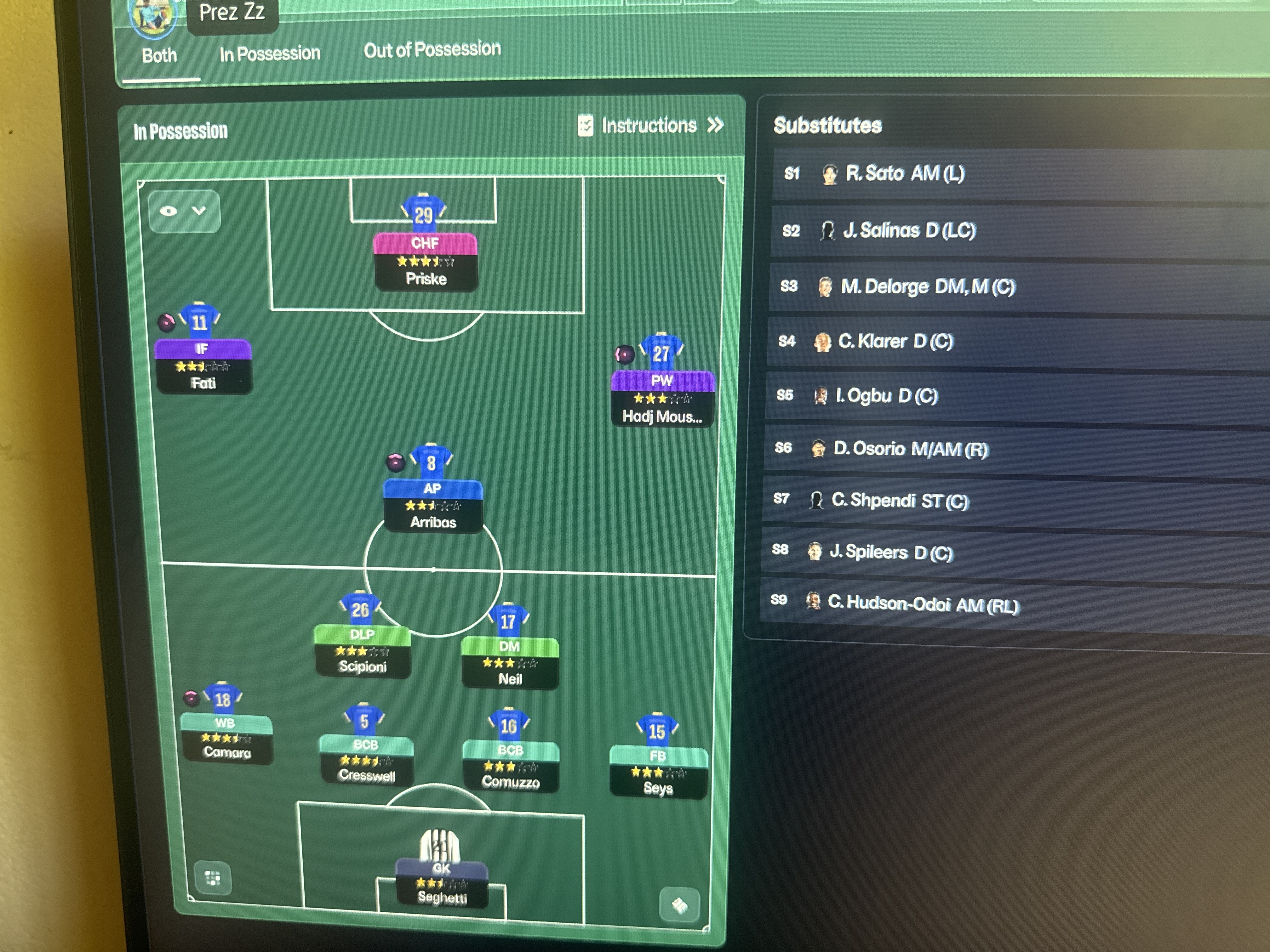
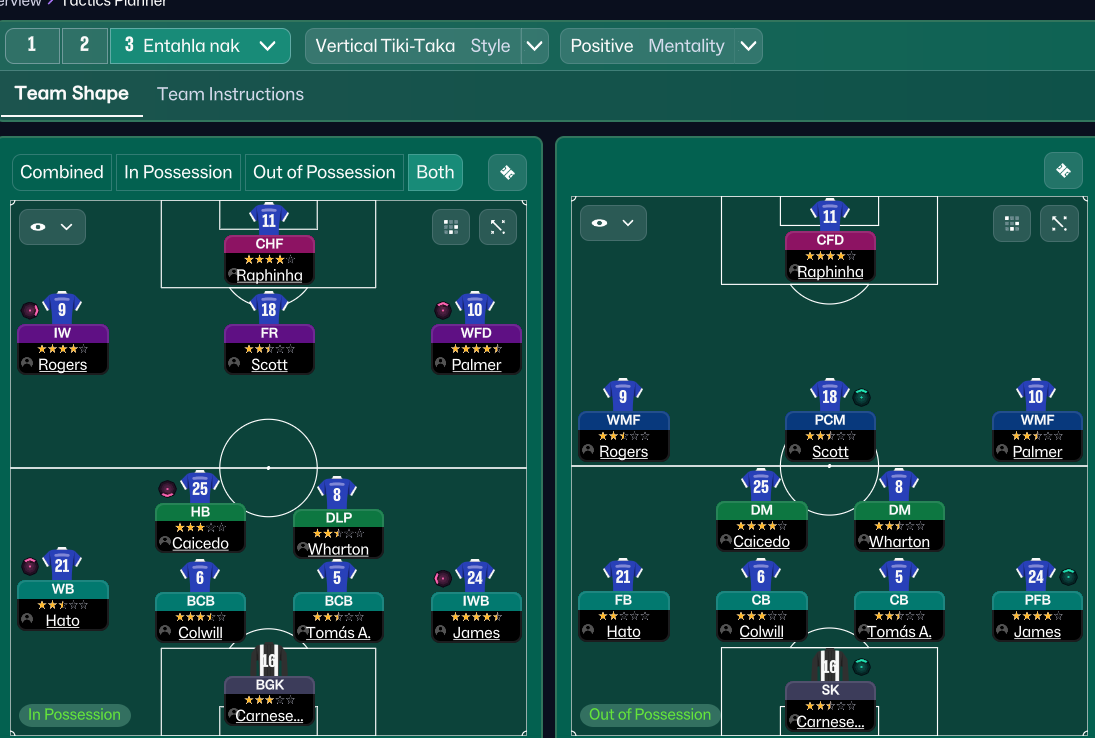
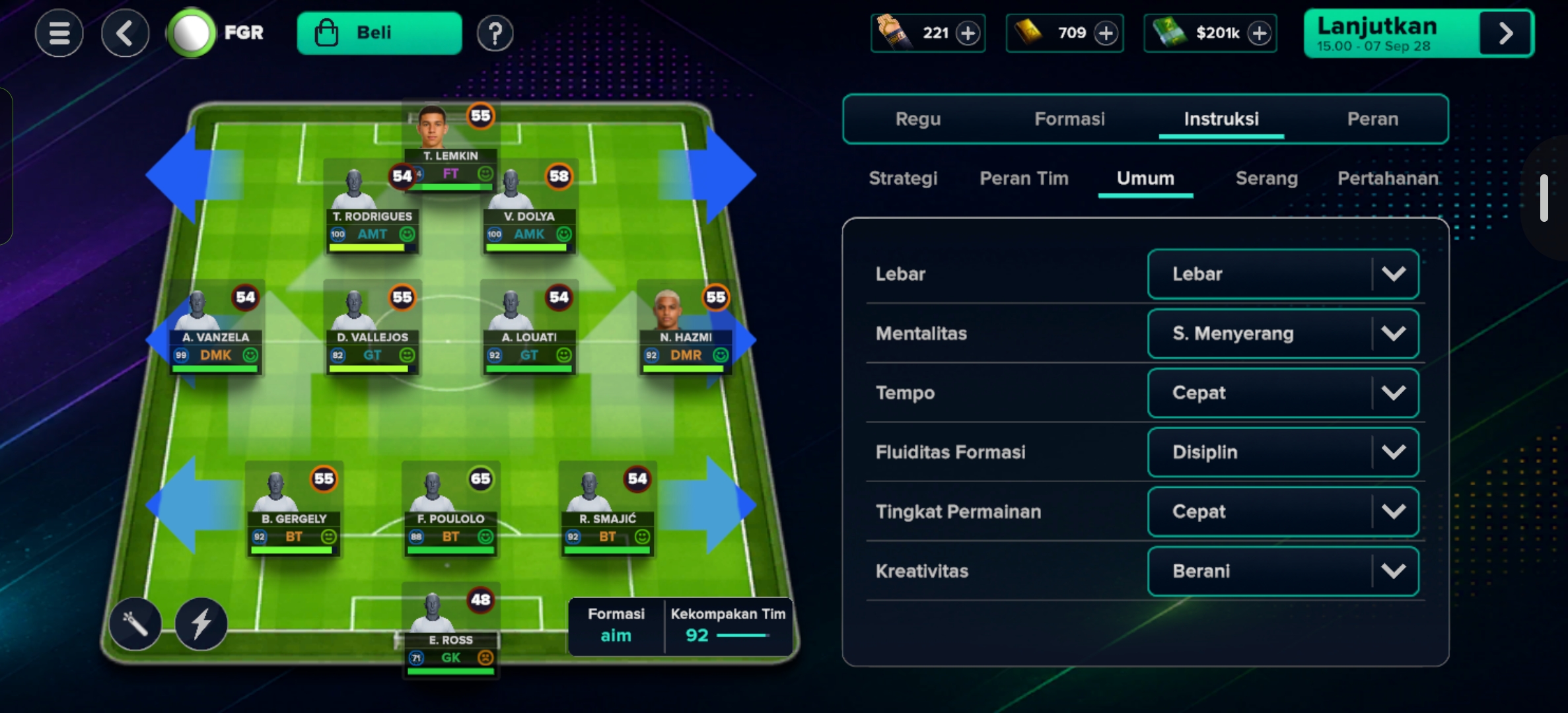
More Positive tactics
Guides for this formation
The tactical theory behind the 4-2-3-1: roles, instructions, and the trade-offs that decide whether the system holds up.
Player pairings
Midfield Pairs in 4-2-3-1 and 4-4-2
Double pivots and flat pairs in 4-2-3-1 and 4-4-2: when each pairing works, when it collapses, and the AMC unicorn that rescues both.
Read guide
Playing styles
Gegenpressing: A Full Guide
Klopp-style gegenpressing in FM, including squad profile, line-and-press pairing, sustainable workload, and the antipatterns to avoid.
Read guide