Uploaded Tactic
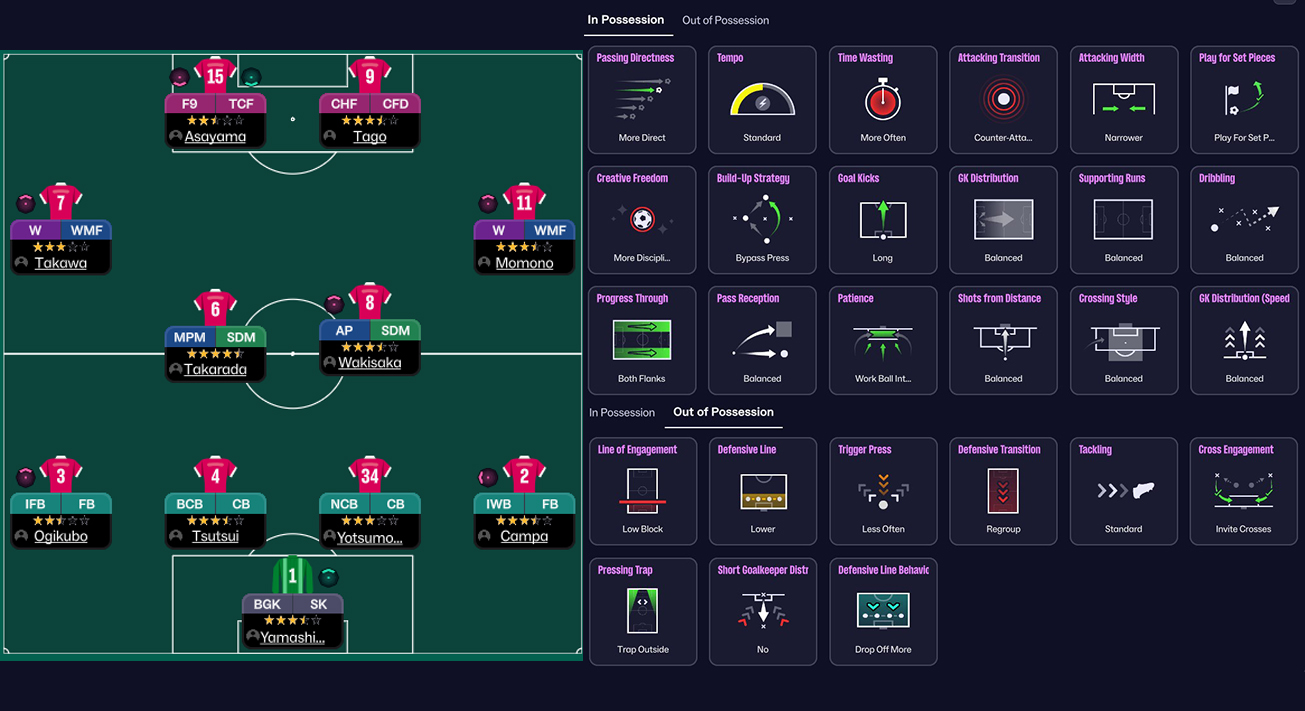
Formation & Style
Tactical Style:Possession
Mentality:Positive
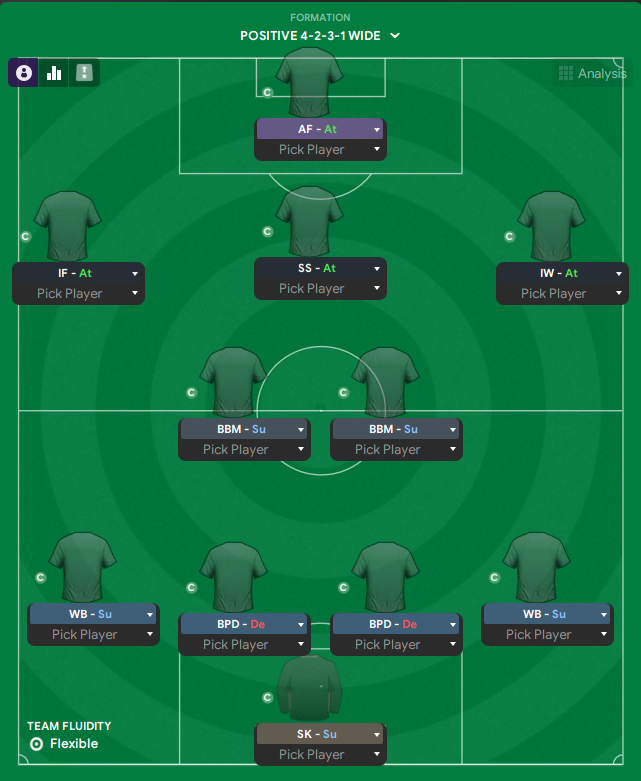
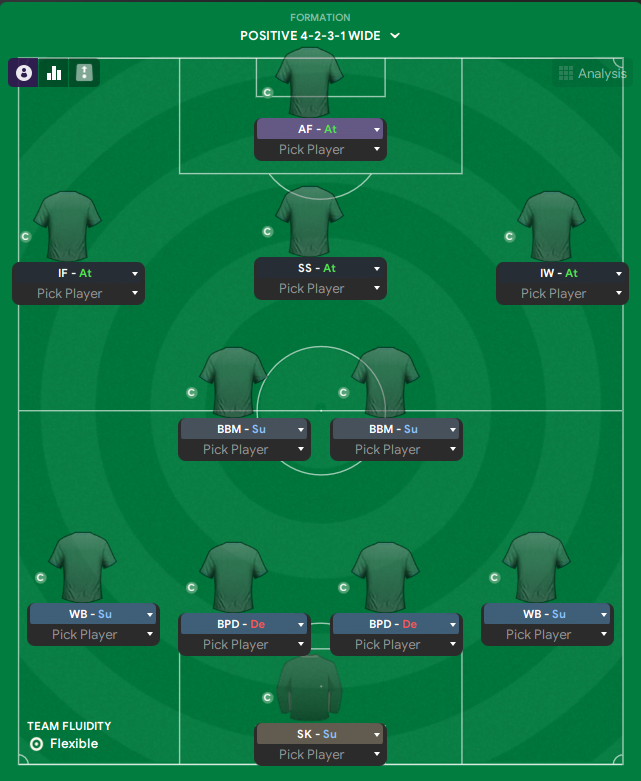
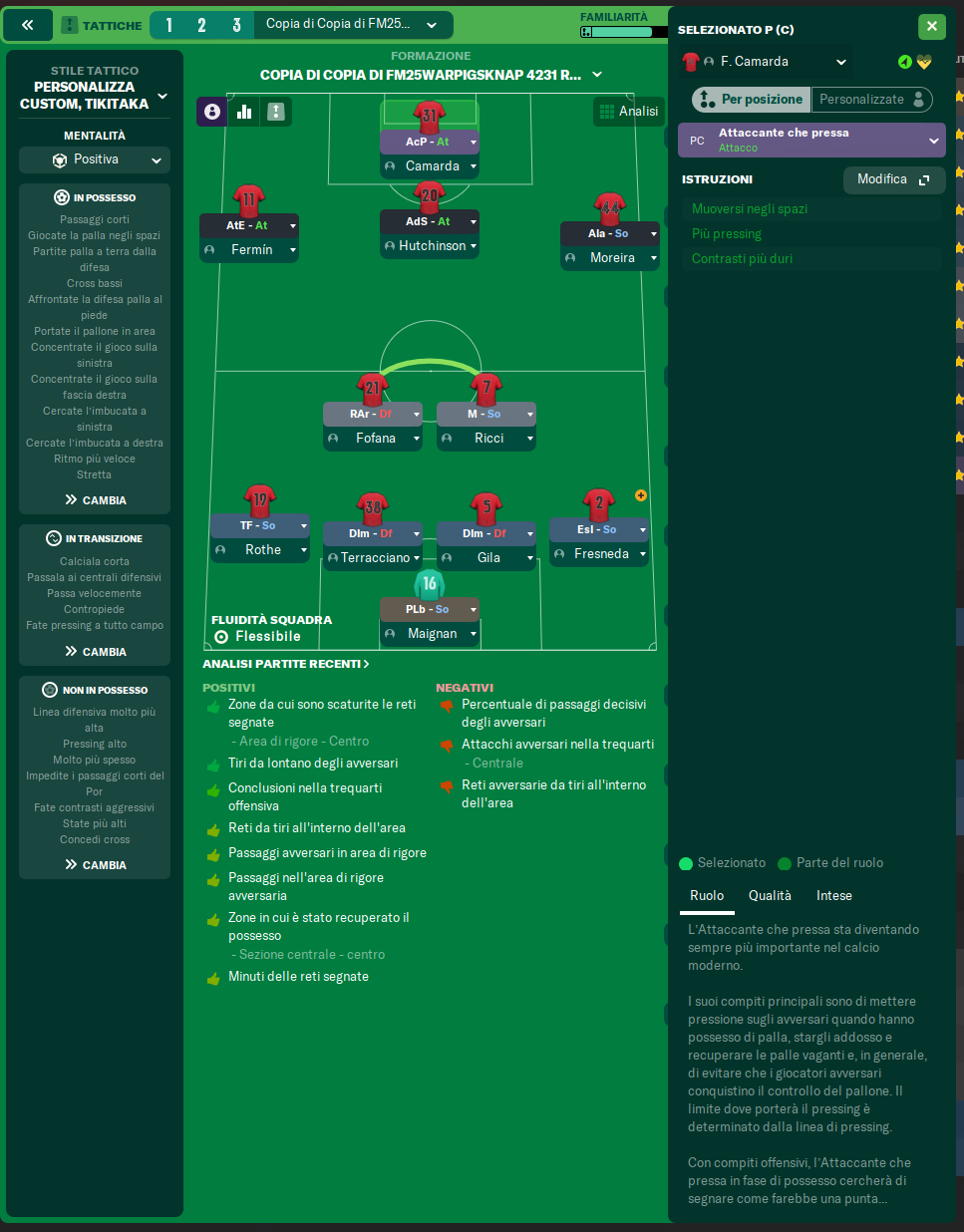
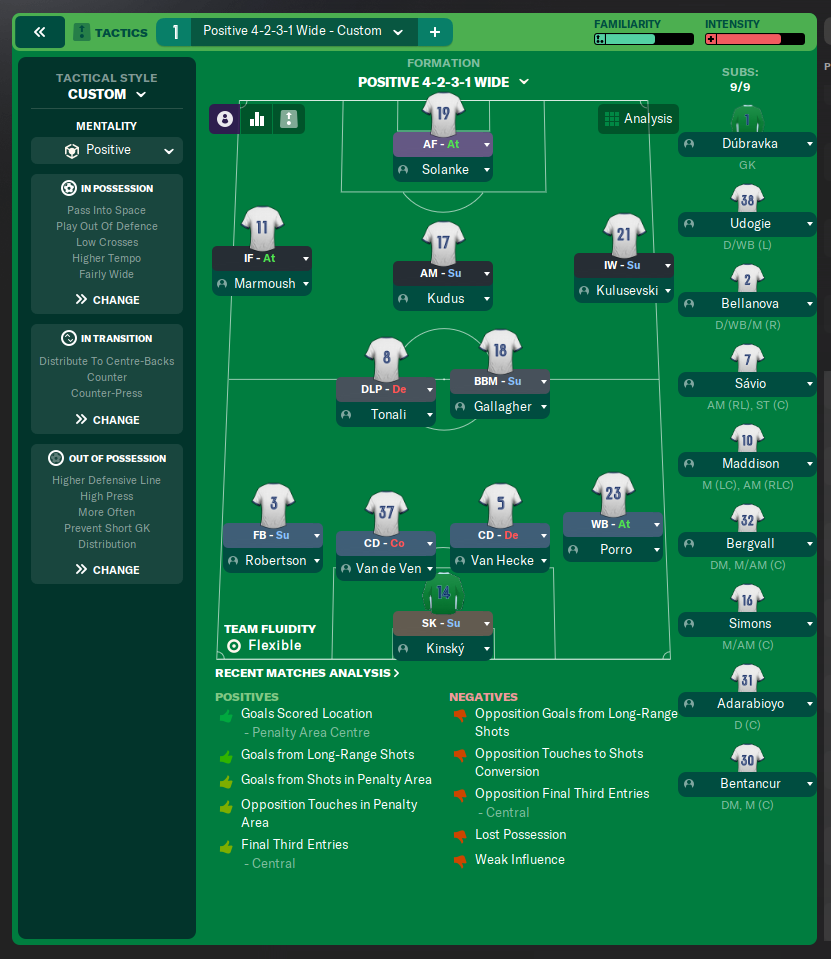
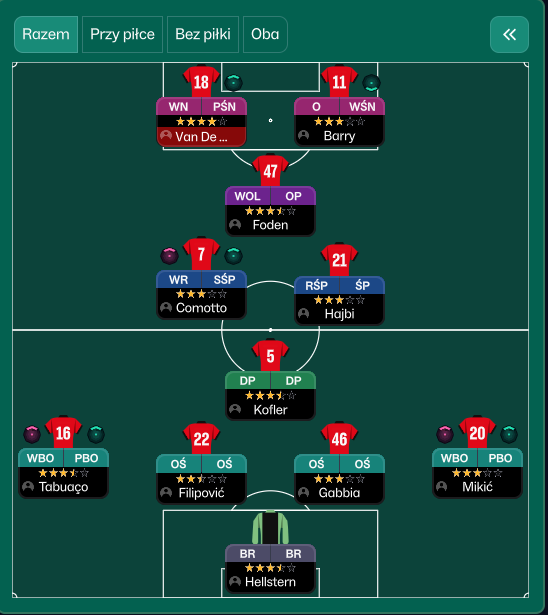
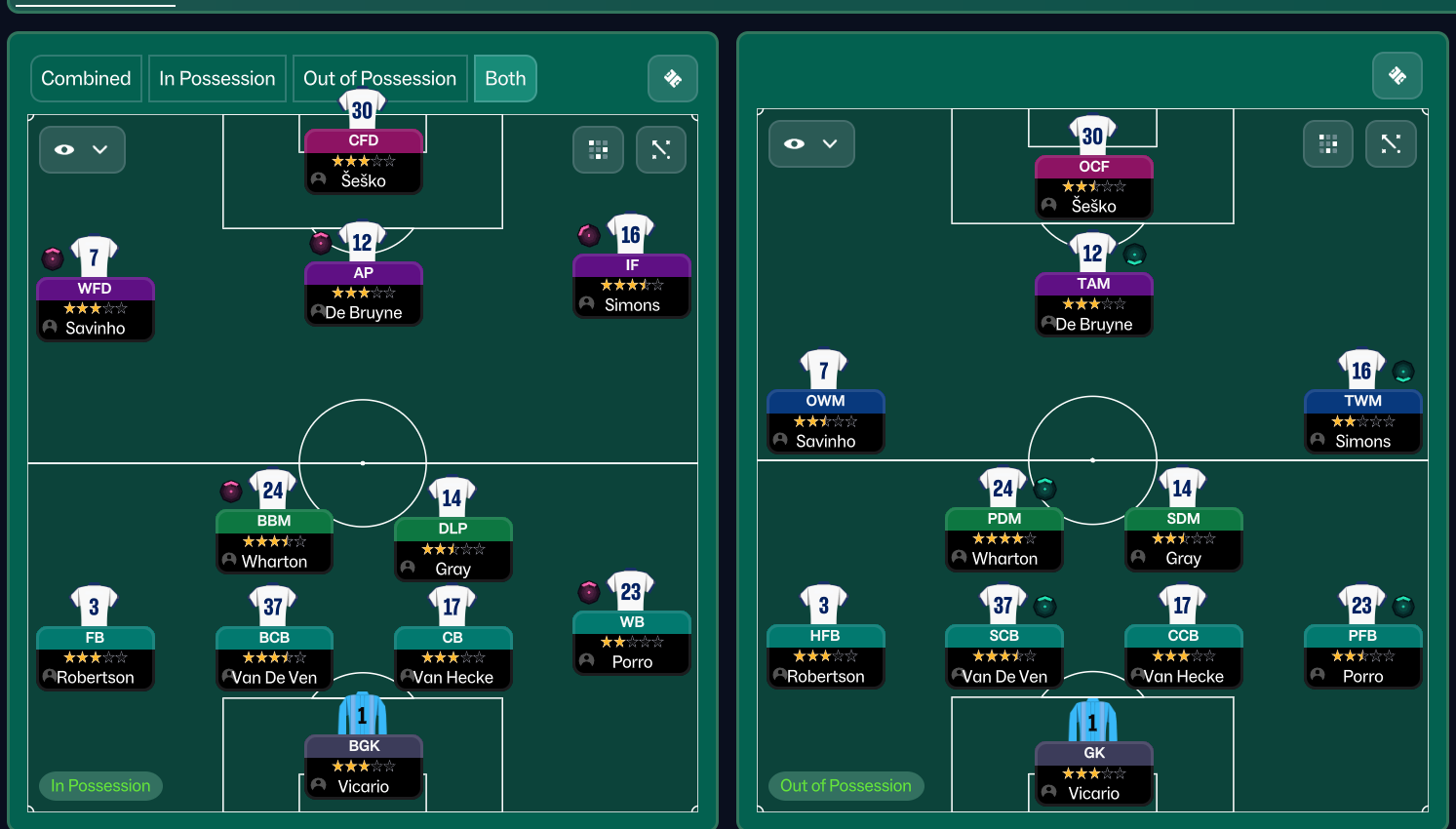
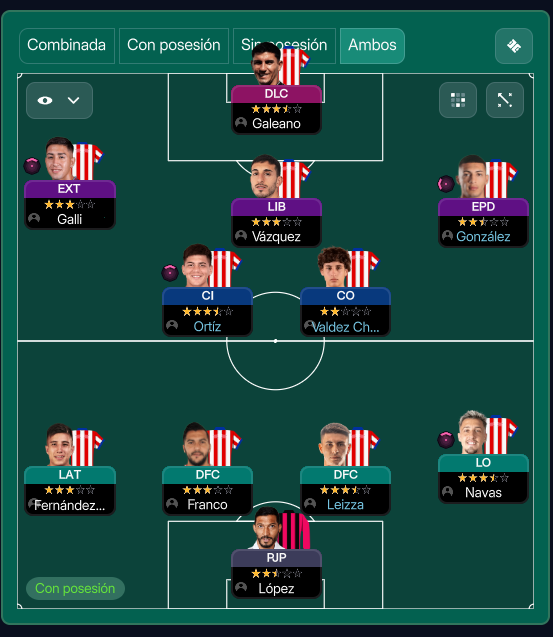
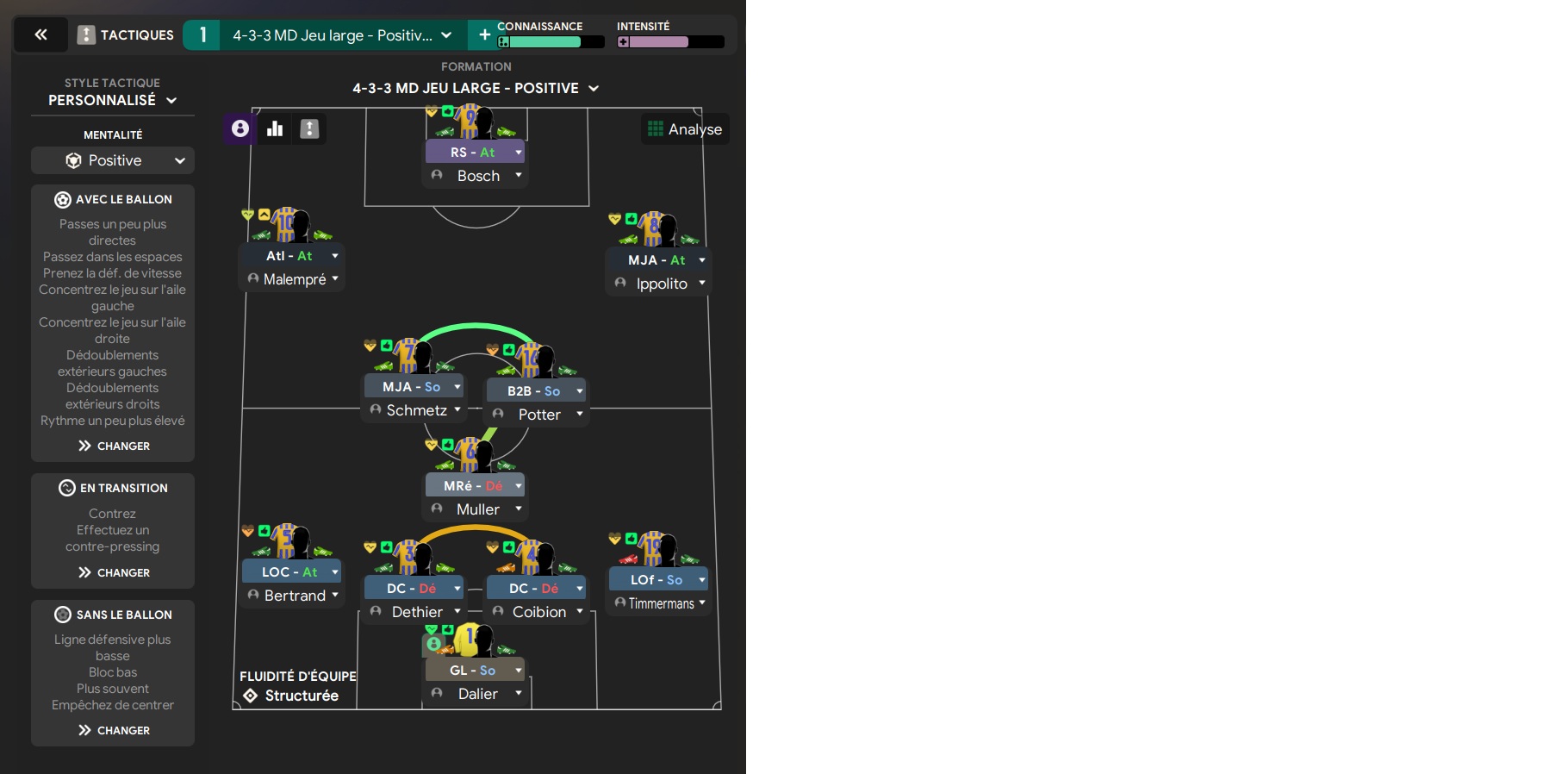
Formation:4-2-3-1 Wide
Team Fluidity:Fluid
In Possession
More Direct
Standard Tempo
More Disciplined
Bypass Press
Narrower Attack Width
Work Ball Into Box
In Transition
Counter-Attack
Regroup
Out of Possession
Low Block
Less Often Trigger Press
Invite Crosses
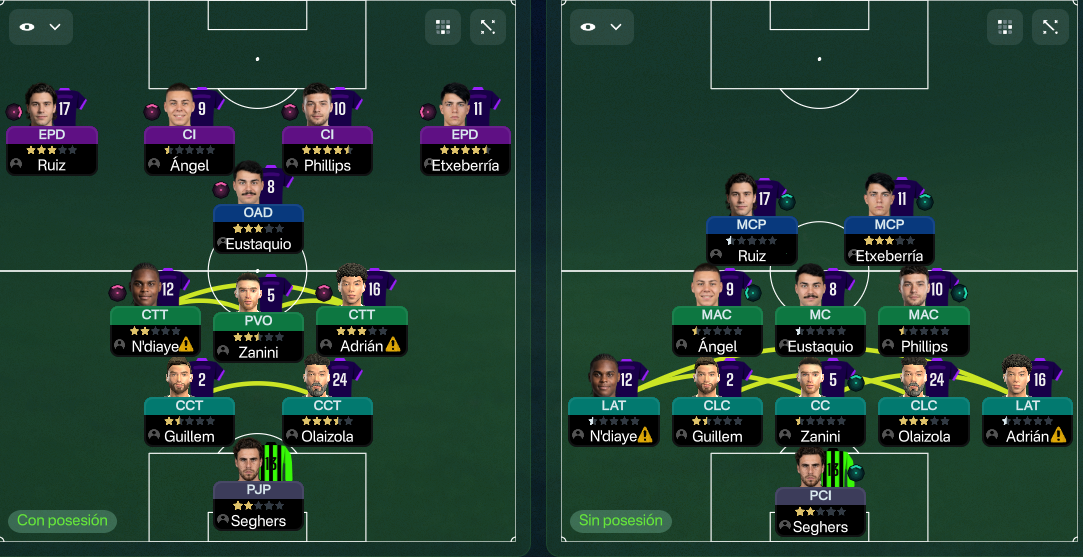
Team Shape Without Ball
Shape:4-2
Description:Defensive shape remains compact, ensuring cover across the midfield and defense.
Evidence:Low Block and Less Often Trigger Press with 4 defenders at the back.
Team Shape With Ball
Shape:4-3
Description:Attacking width allows for stretching the opposition; midfielders support forward runs.
Evidence:Narrower attack width with wide midfielders and an advanced playmaker.
Phase Description
Attacking Play
Utilizes wide play with quick transitions through the wings and work the ball into the box.
Defensive Transition
Regroup quickly to maintain shape and structure, focusing on compactness.
Main Focus
Possession retention and creative build-up play.
Key Strengths
Wide Play
Utilizing wide midfielders enhances the ability to stretch the opponent's defense.
Fluid Transitions
Quick transitions allow for counter-attacking opportunities when regaining possession.
Midfield Control
A combination of support roles in midfield promotes ball retention and creativity.
Conflicting Directions
Pressure Depth
Low block formation may not effectively apply pressure high up the pitch.
Midfield Setup
Utilizing two deeper midfielders might limit forward movement.
Width vs. Compactness
The emphasis on width in attack may conflict with defensive compactness.
Tactical Suggestions
Adjust Defensive Block
Consider adjusting to a mid block to apply pressure in the opposition's half.
Incorporate More Movement
Encourage movements from the false nine to draw defenders away.
Utilize Full-Back Runs
Encourage overlapping runs from wing-backs to stretch the defense further.
Ask Questions About Your Lineup
Related Tactics
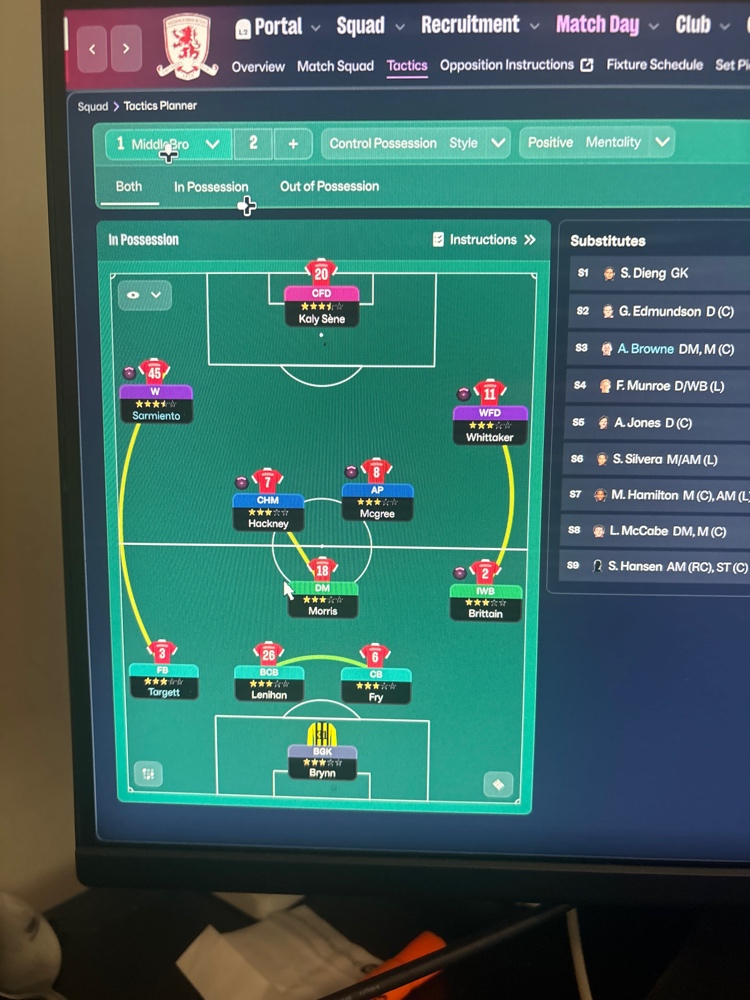
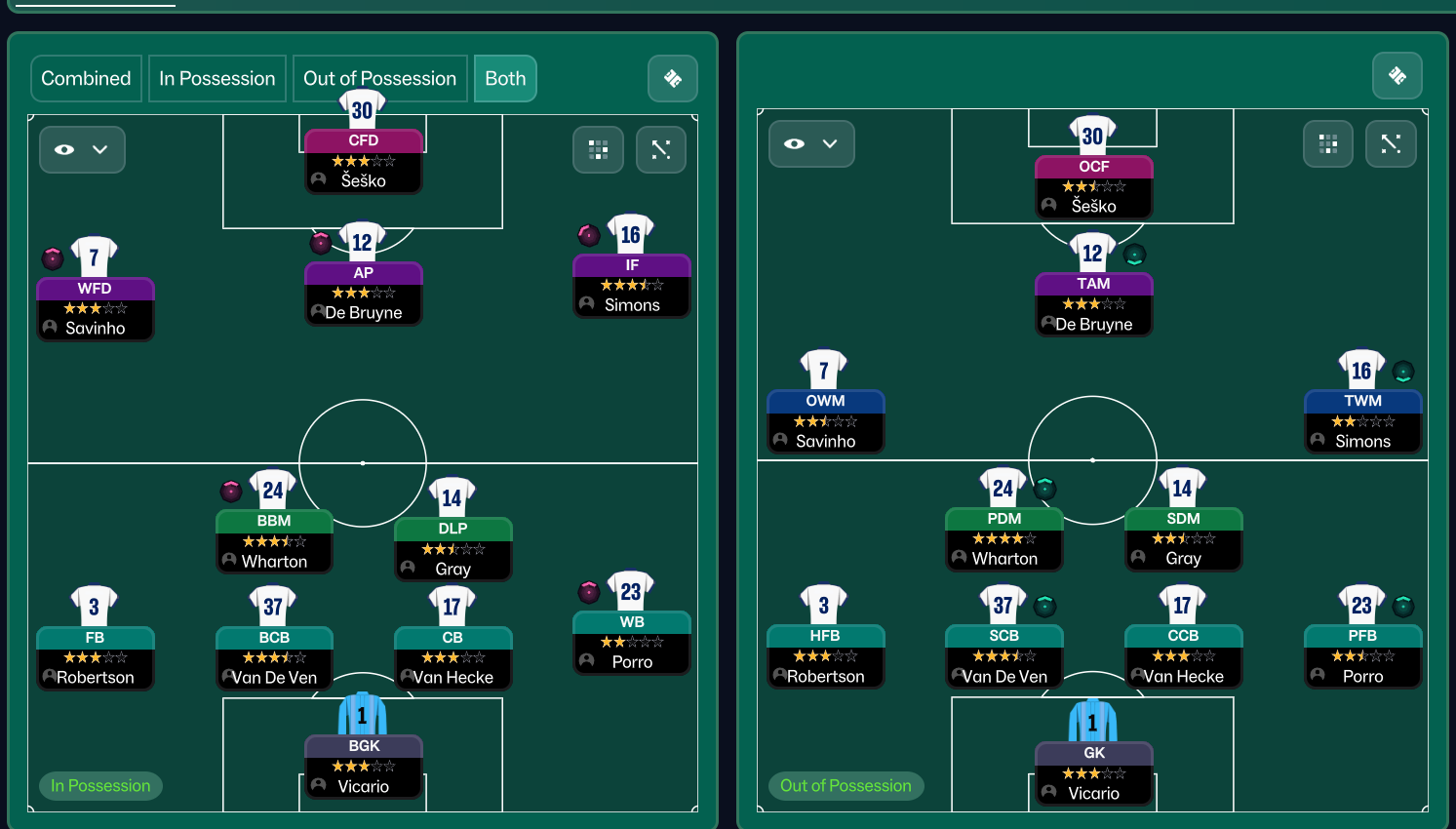
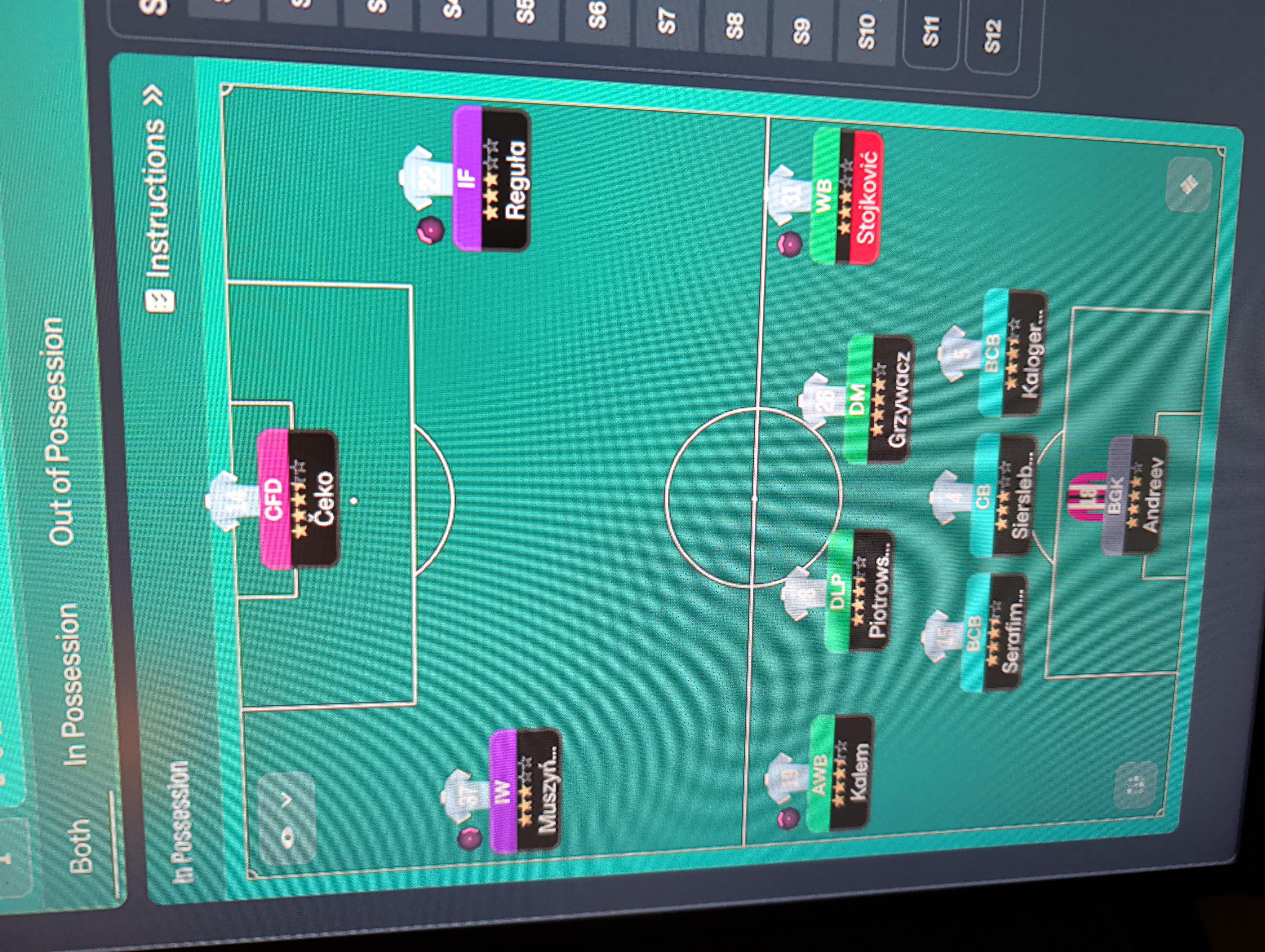
More Possession tactics
Guides for this formation
The tactical theory behind the 4-2-3-1 Wide: roles, instructions, and the trade-offs that decide whether the system holds up.
Player pairings
Midfield Pairs in 4-2-3-1 and 4-4-2
Double pivots and flat pairs in 4-2-3-1 and 4-4-2: when each pairing works, when it collapses, and the AMC unicorn that rescues both.
Read guide
Playing styles
Gegenpressing: A Full Guide
Klopp-style gegenpressing in FM, including squad profile, line-and-press pairing, sustainable workload, and the antipatterns to avoid.
Read guide