Uploaded Tactic
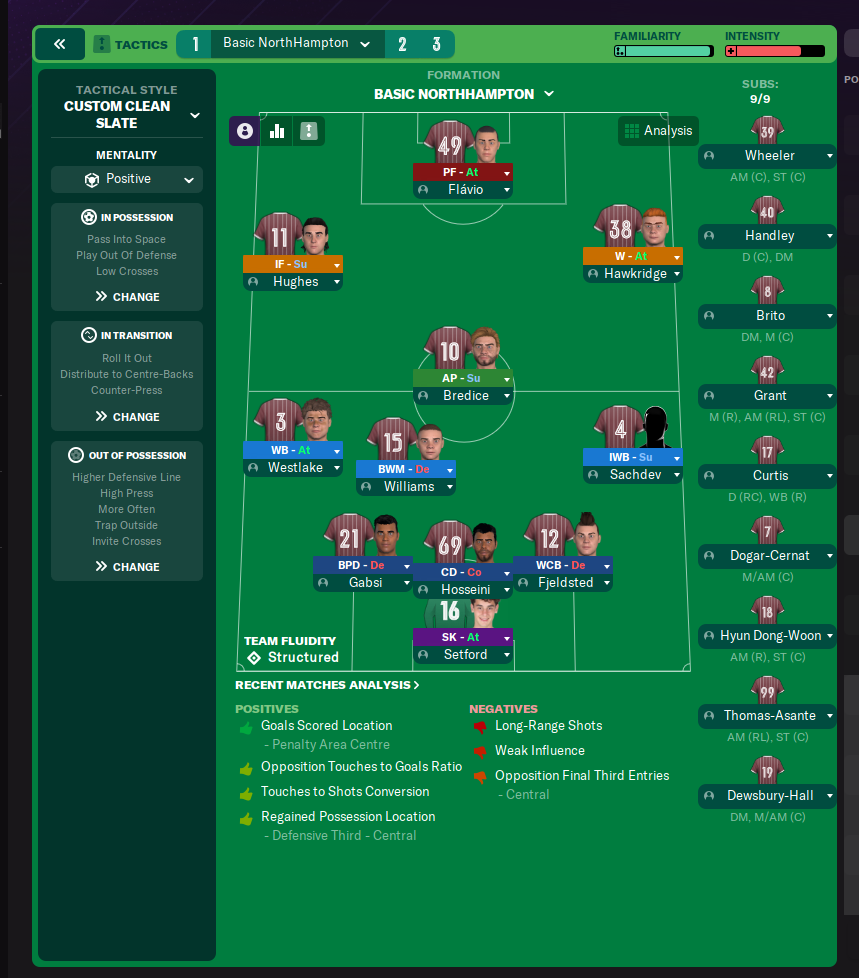
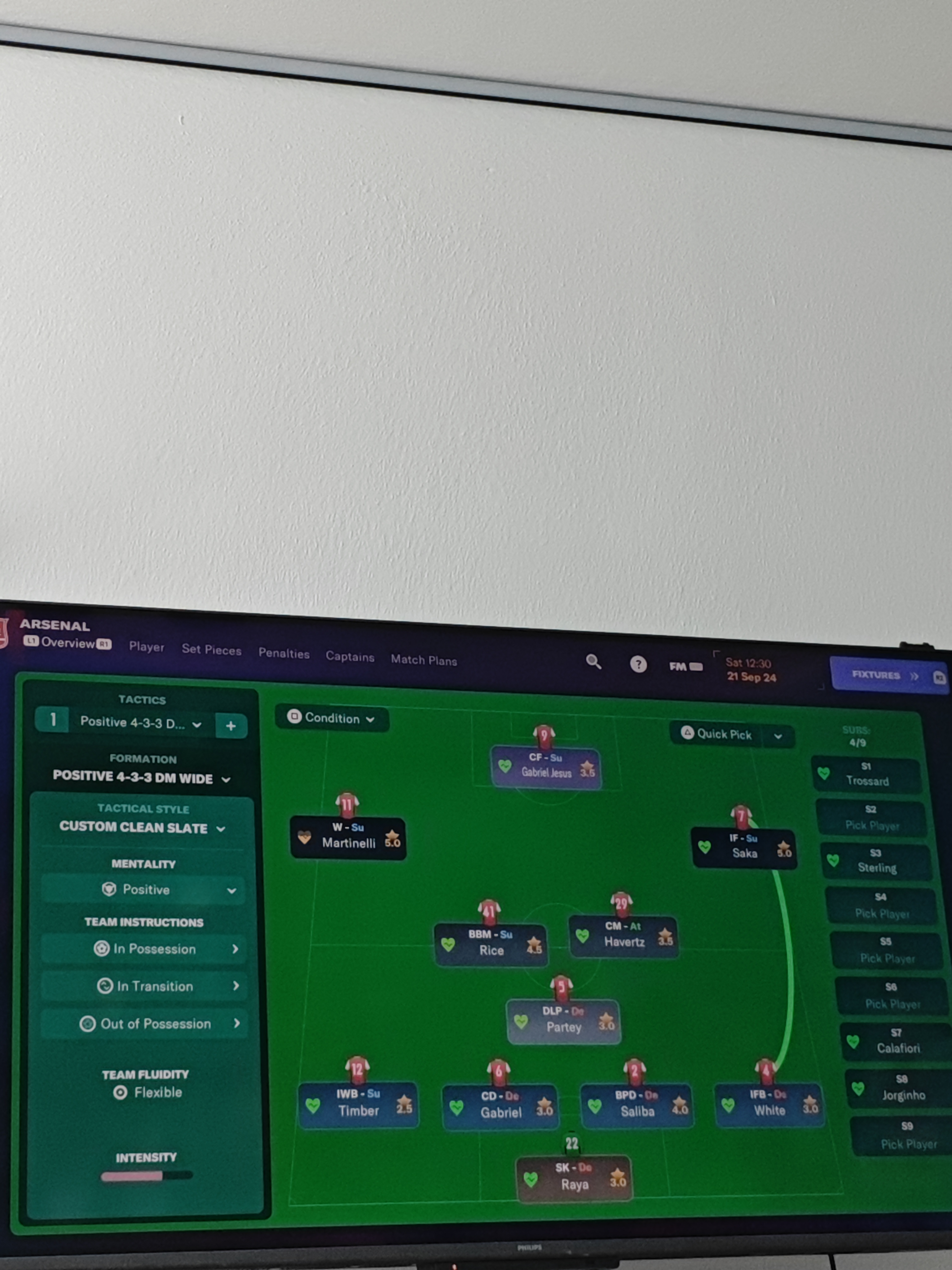
Formation & Style
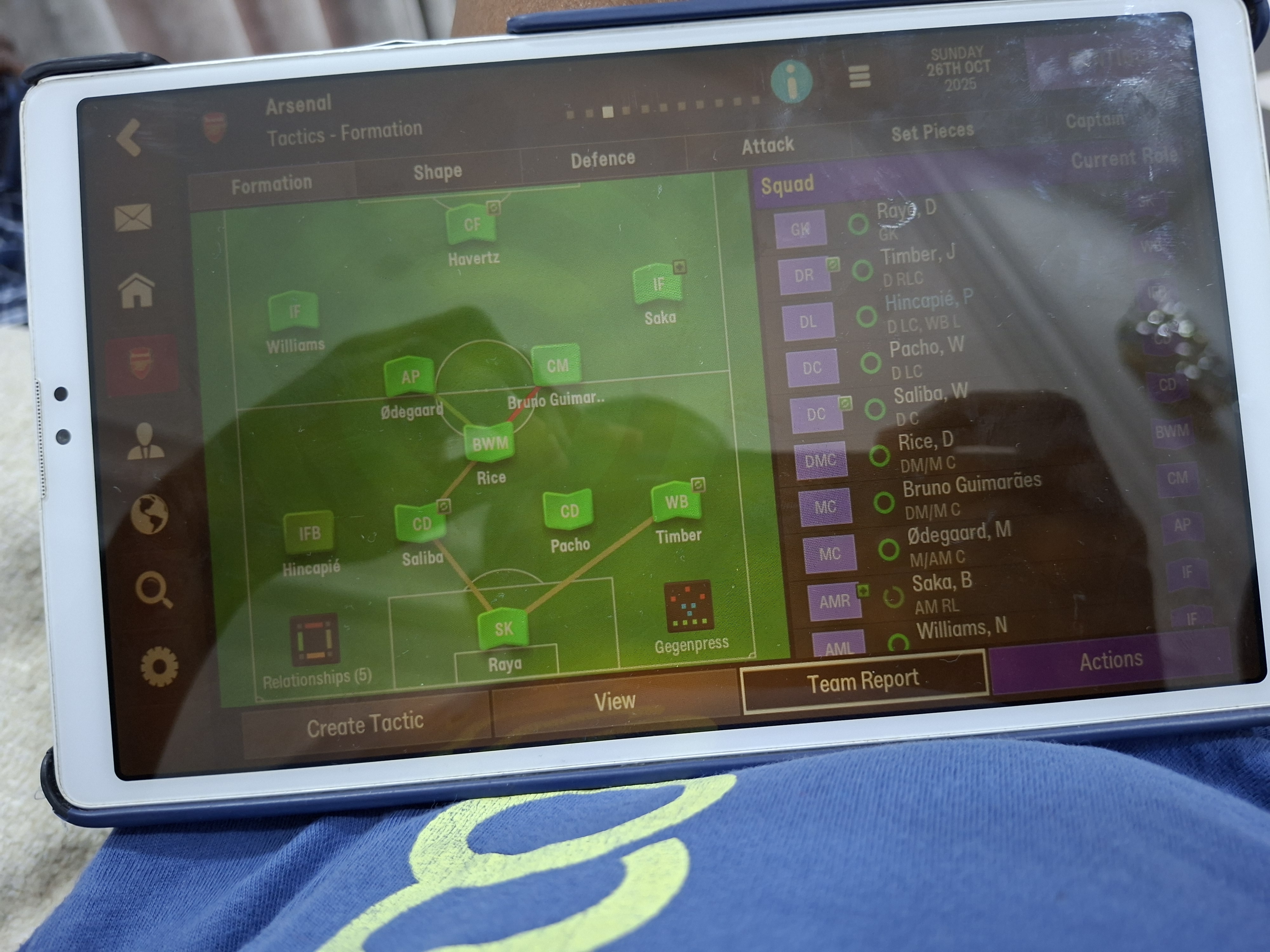
Tactical Style:Custom Clean Slate
Mentality:Positive
Formation:4-2-3-1 Wide
Team Fluidity:Structured
In Possession
Pass Into Space
Play Out Of Defence
Low Crosses
In Transition
Roll It Out
Distribute to Centre-Backs
Counter-Press
Out of Possession
Higher Defensive Line
High Press
More Often
Trap Outside
Invite Crosses
Team Shape Without Ball
Shape:4-2
Description:A structured defensive shape which aims to minimize space and react aggressively to opposition movements.
Evidence:Higher Defensive Line with High Press indicating a proactive approach to defending.
Team Shape With Ball
Shape:4-3
Description:The attacking shape is designed to stretch the play, making full use of width and incorporating quick, low crosses into the penalty area.
Evidence:Winger and Inside Forward roles combined with low crosses strategy.
Phase Description
Attacking Play
Utilizing width and quick ball movement, the team seeks to exploit spaces out wide and make low crosses into the box.
Defensive Transition
Emphasizing a quick recover when losing possession, players are instructed to initiate a counter-press to regain control high up the pitch.
Main Focus
Prioritizing possession-based football with an emphasis on passing into space to unsettle opposition defenders.
Key Strengths
Effective Use of Width
The formation allows for effective use of width through the Winger and Wing-Back roles, creating space for inside players.
Counter-Pressing
The implementation of a counter-press strategy helps in quickly regaining possession and disrupting the opposition's build-up.
Dynamic Midfield
The midfield setup provides a balance between defensive stability and creative playmaking.
Conflicting Directions
Slow Build-Up
The focus on quick passing and low crosses conflicts with any slow build-up play.
High Defensive Line with Counter-Attacks
While high pressing is deployed, it can lead to vulnerabilities against quick counter-attacks.
Ball Retention vs. Direct Play
The emphasis on possession can clash with using direct long balls.
Tactical Suggestions
Consider Defensive Midfield Support
Adding a support duty to the BWM could provide more balance in midfield during transitions.
Reassess High Press Settings
Evaluate the intensity of the high press to minimize exhaustion and retain structure in defence.
Enhance Central Creativity
Consider using a more attacking role in the midfield to enhance goal-scoring opportunities.
Ask Questions About Your Lineup
Related Tactics
More Custom Clean Slate tactics
Guides for this formation
The tactical theory behind the 4-2-3-1 Wide: roles, instructions, and the trade-offs that decide whether the system holds up.
Player pairings
Midfield Pairs in 4-2-3-1 and 4-4-2
Double pivots and flat pairs in 4-2-3-1 and 4-4-2: when each pairing works, when it collapses, and the AMC unicorn that rescues both.
Read guide
Playing styles
Gegenpressing: A Full Guide
Klopp-style gegenpressing in FM, including squad profile, line-and-press pairing, sustainable workload, and the antipatterns to avoid.
Read guide