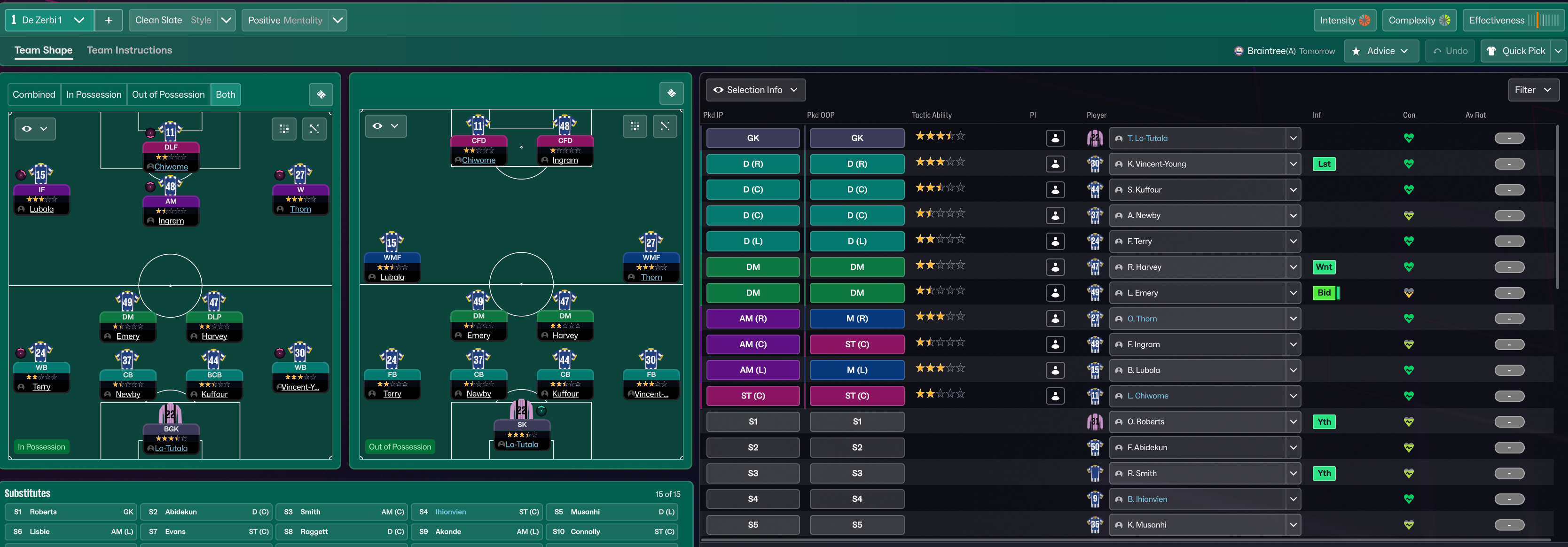
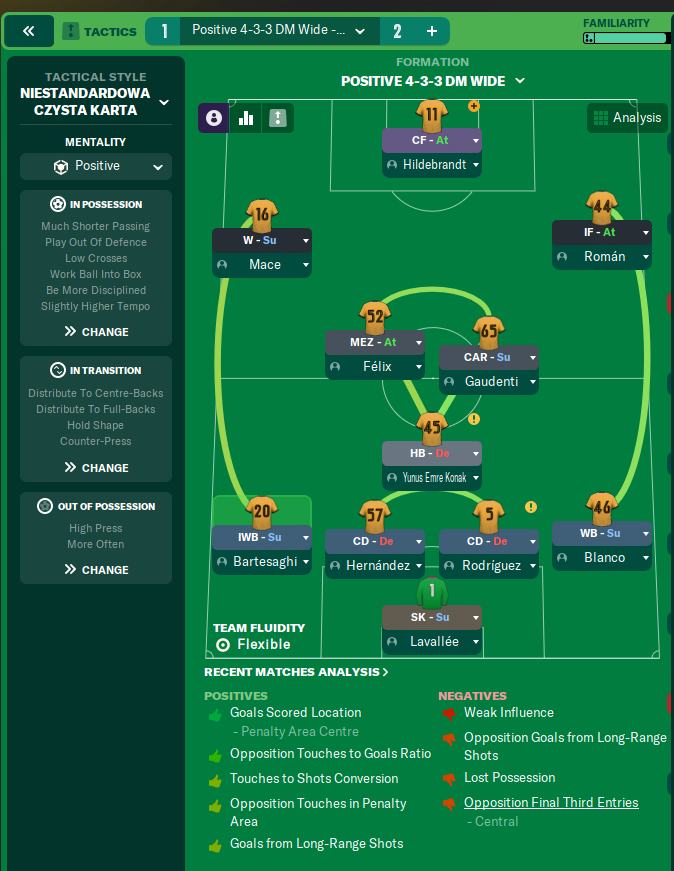
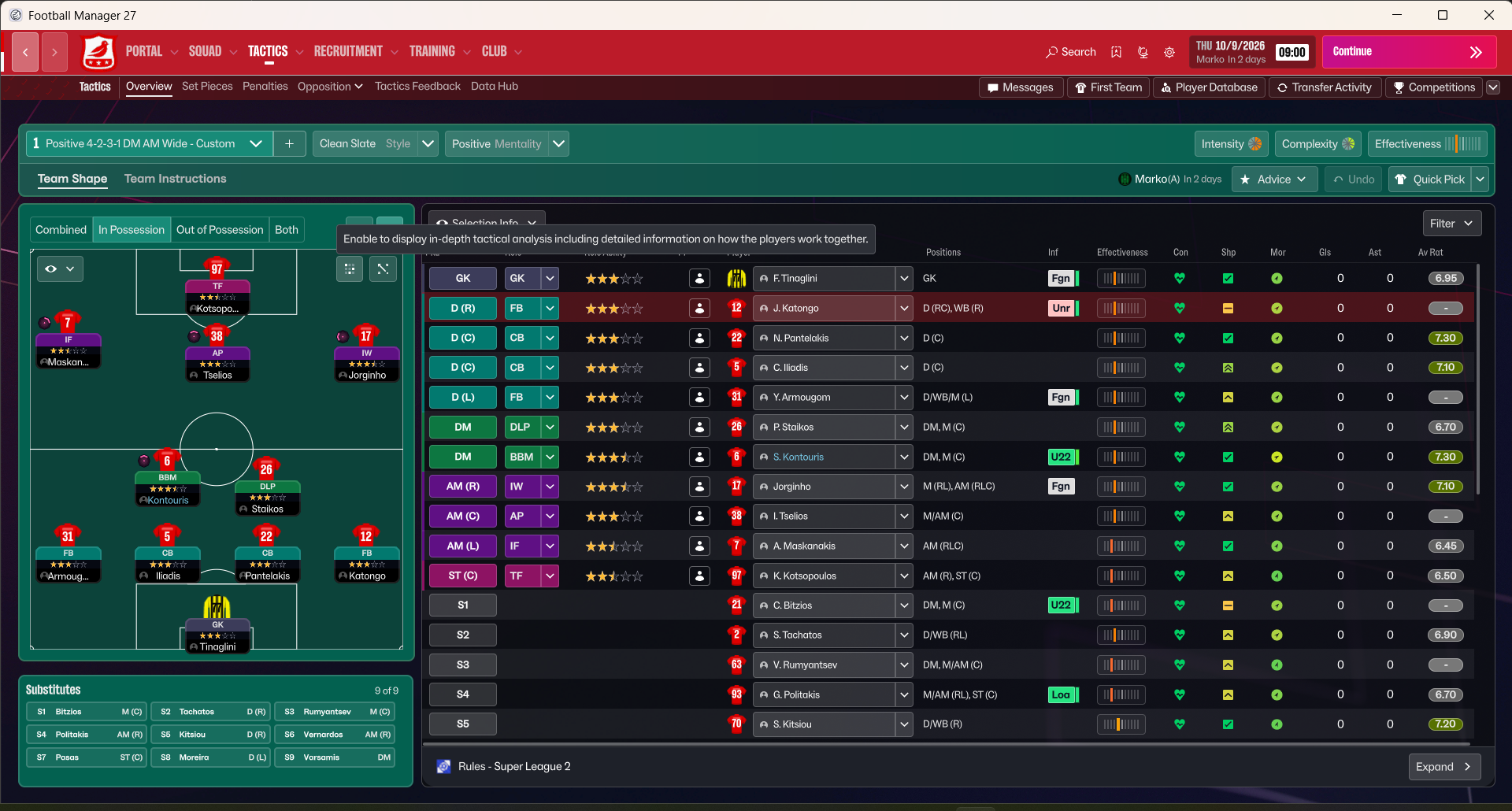
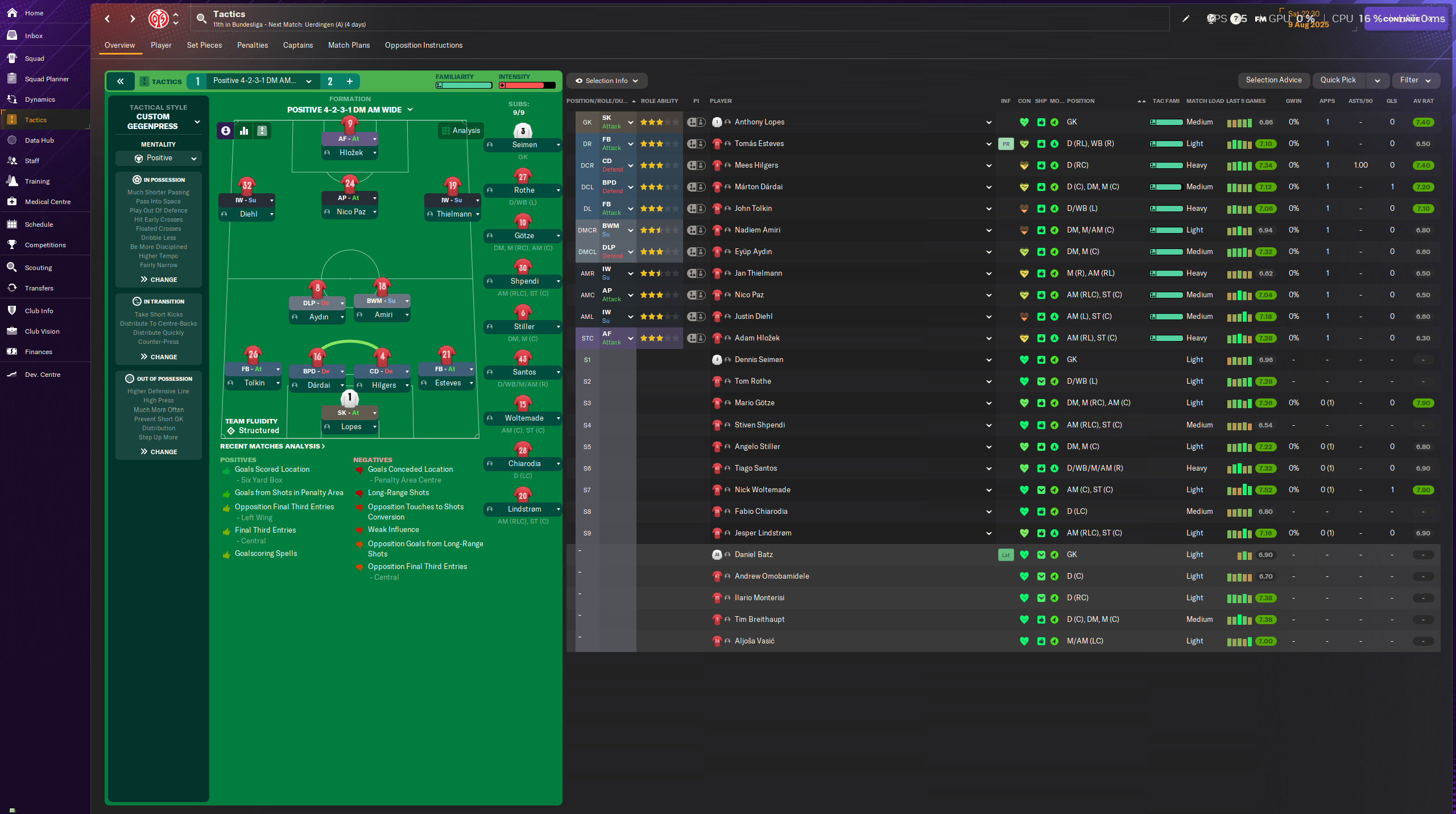
4-3-3 DM Wide
The three central midfielders, including a Ball Winning Midfielder, provide both defensive solidity and attacking support, allowing for effective ball…
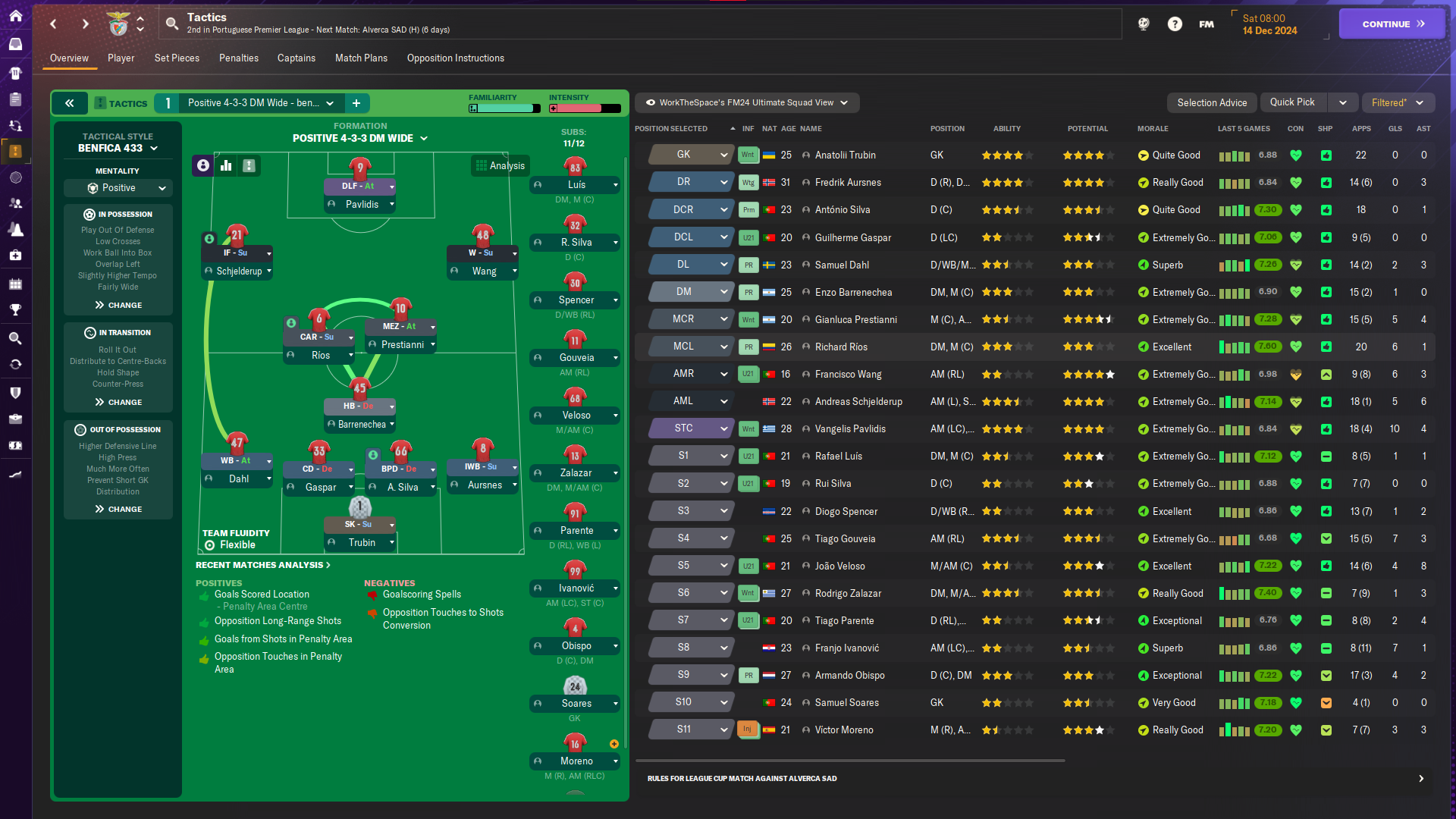
Loading tactical analysis...
Positive
Positive
4-3-3 DM Wide
Flexible
Play Out of Defence
Work Ball Into Box
Use Overlaps
Slightly Higher Tempo
Fairly Wide
Roll It Out
Distribute to Centre-Backs
Hold Shape
Counter-Press
Higher Defensive Line
High Press
Much More Often Prevent Short GK Distribution
GK
Sweeper Keeper
Support
DCR
Ball Playing Defender
Defend
DCL
Central Defender
Defend
WB-R
Wing Back
Attack
MCR
Central Midfielder
Attack
DM
Ball Winning Midfielder
Defend
MCL
Central Midfielder
Support
IF-L
Inverted Forward
Attack
STC
DLF
Attack
AMR
Winger
Support
AML
Winger
Support
The three central midfielders, including a Ball Winning Midfielder, provide both defensive solidity and attacking support, allowing for effective ball progression.
The formation utilizes wingers and wing-backs to stretch the opposition, creating space for central plays.
Using both inverted forwards and traditional wingers can create confusion in the roles; focusing on one type may better suit the attacking system.
A higher defensive line can be vulnerable to fast counter-attacks if the centre-backs lack pace, requiring cautious positioning.
How do the player's attributes fit into their assigned roles?
Does the team struggle with defensive transitions, especially against fast attackers?
Are the wing-backs forming effective overlaps with the wingers?
Can the midfield trio work together more effectively in both attack and defense?
How is player morale affecting team performance?
Is the current mentality allowing the team to perform at its best against stronger oppositions?
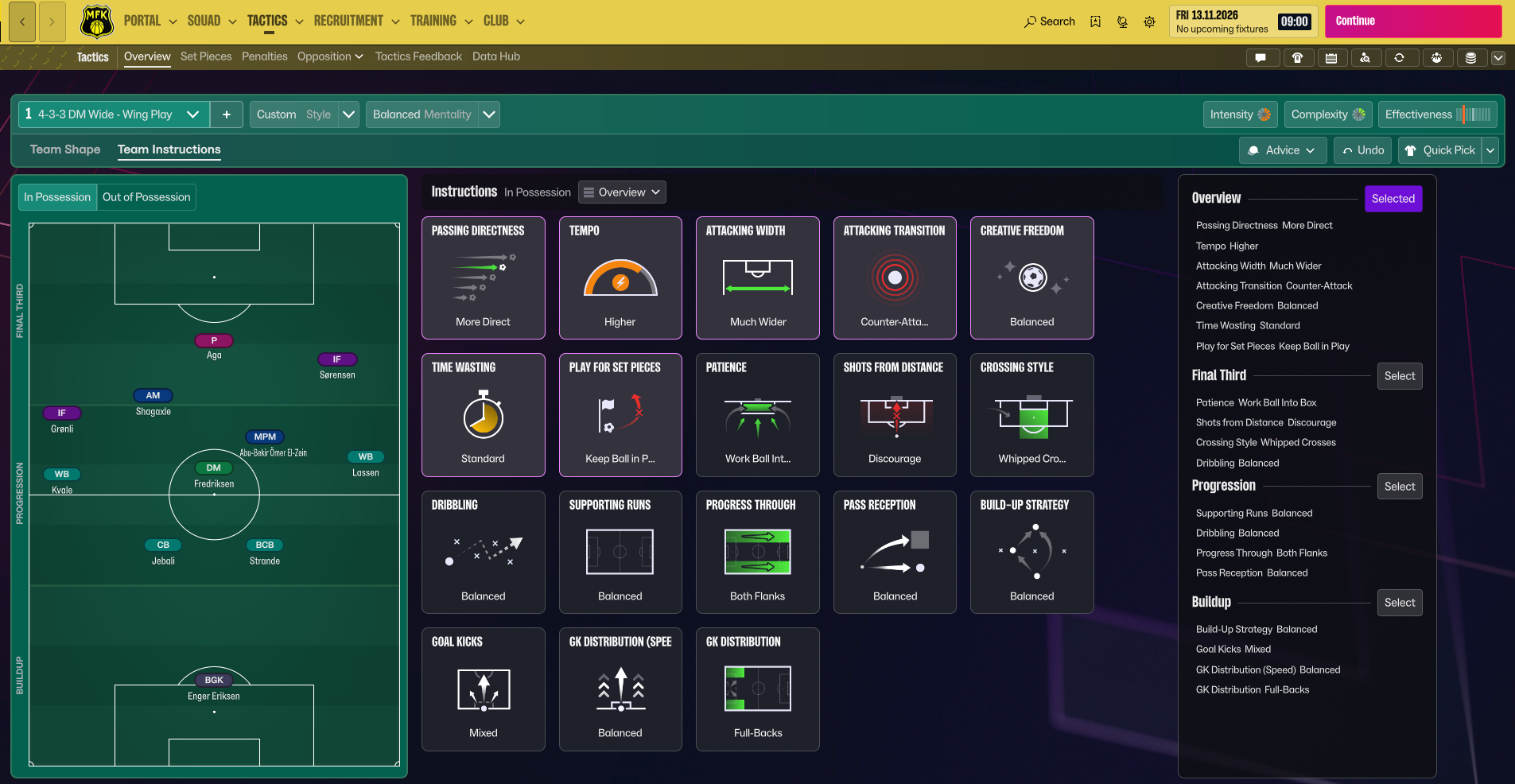
wing play
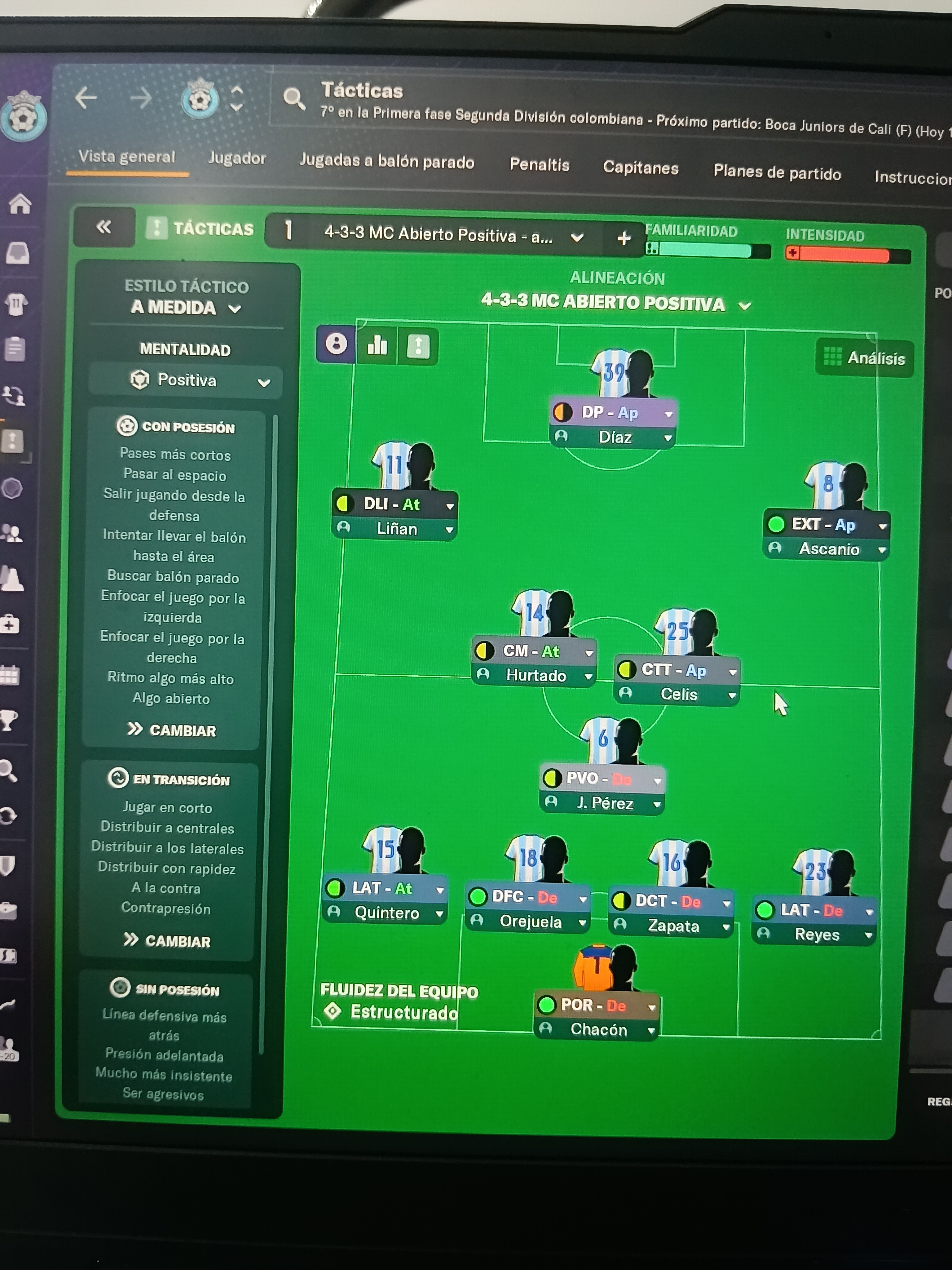
Gegenpress
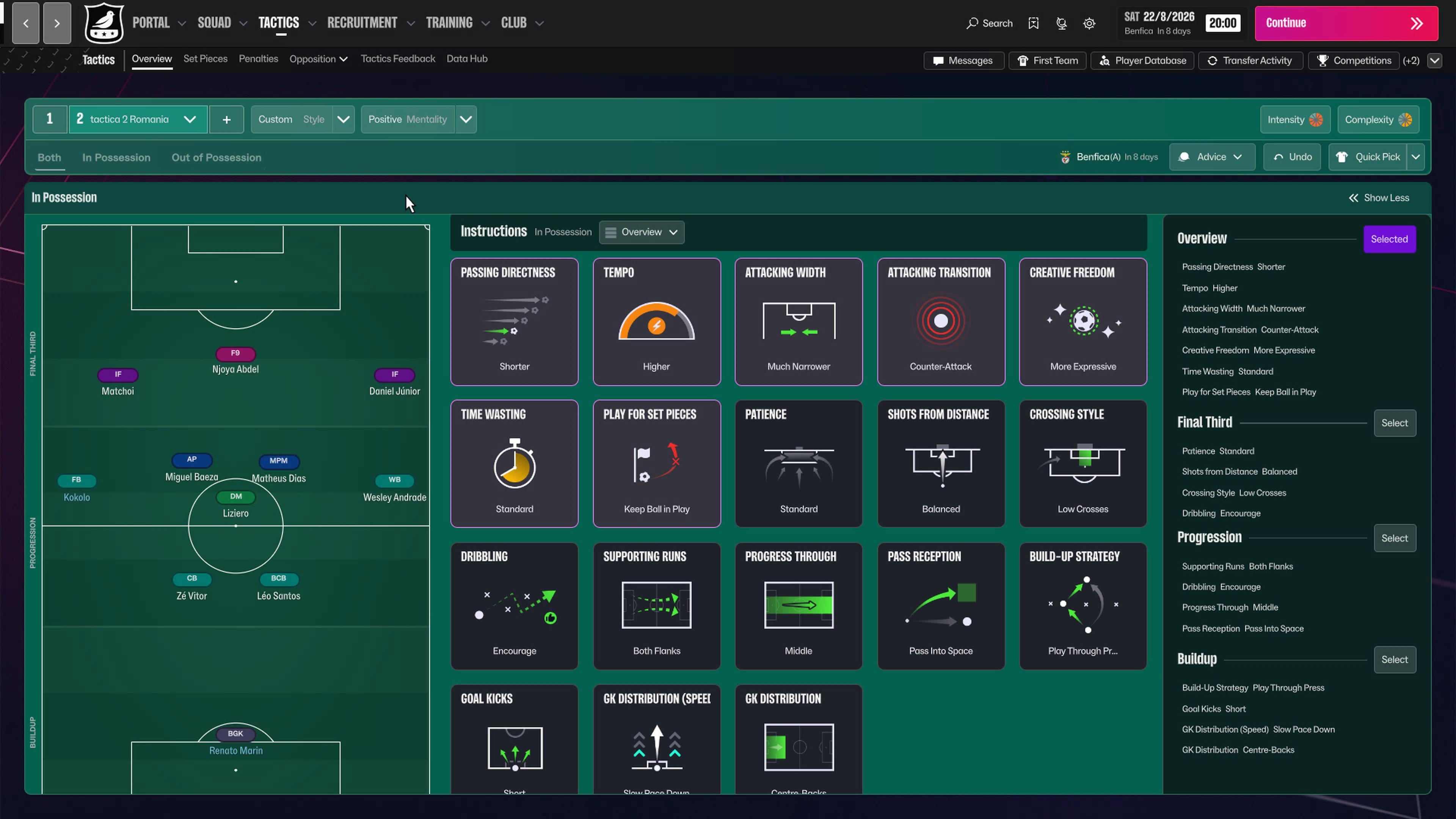
vertical tiki taka
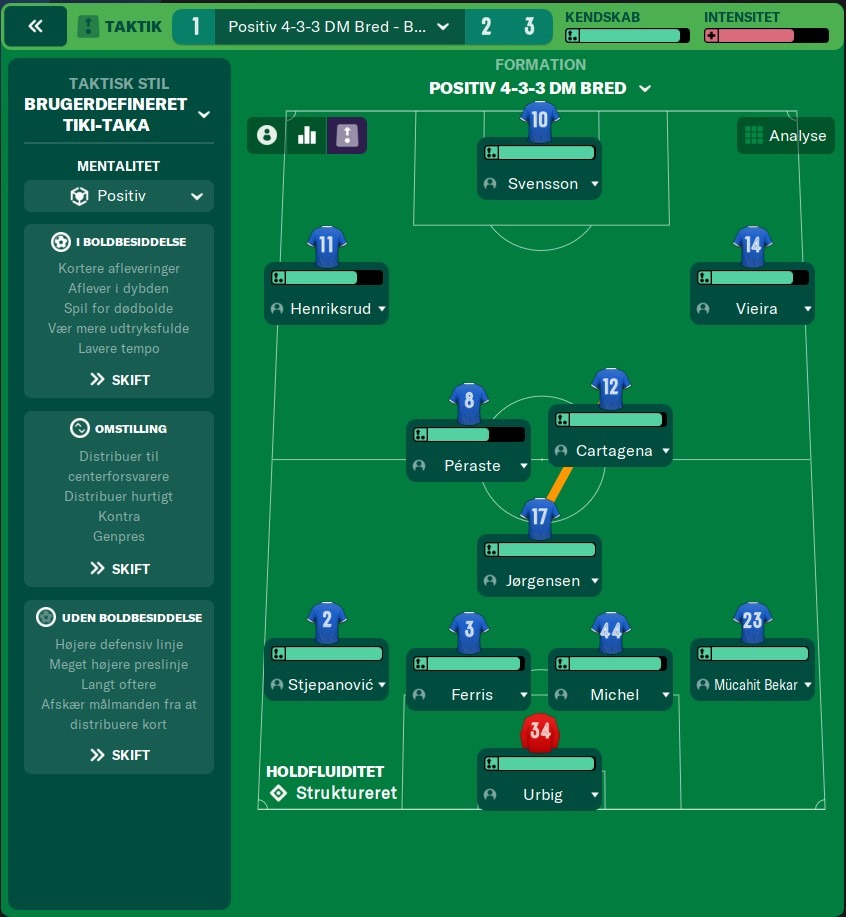
Tiki-Taka
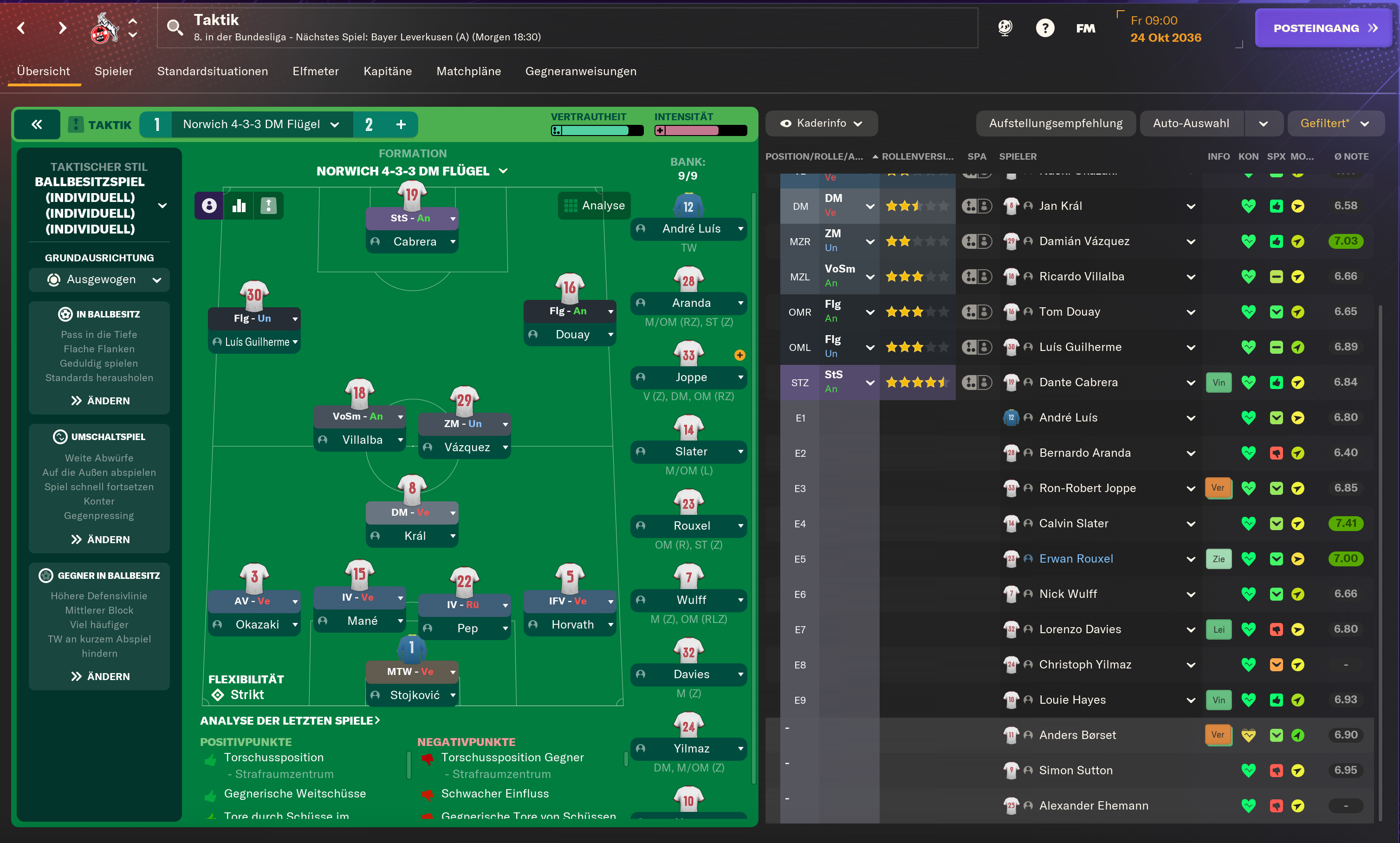
Wing Play
Vertical Tiki-Taka
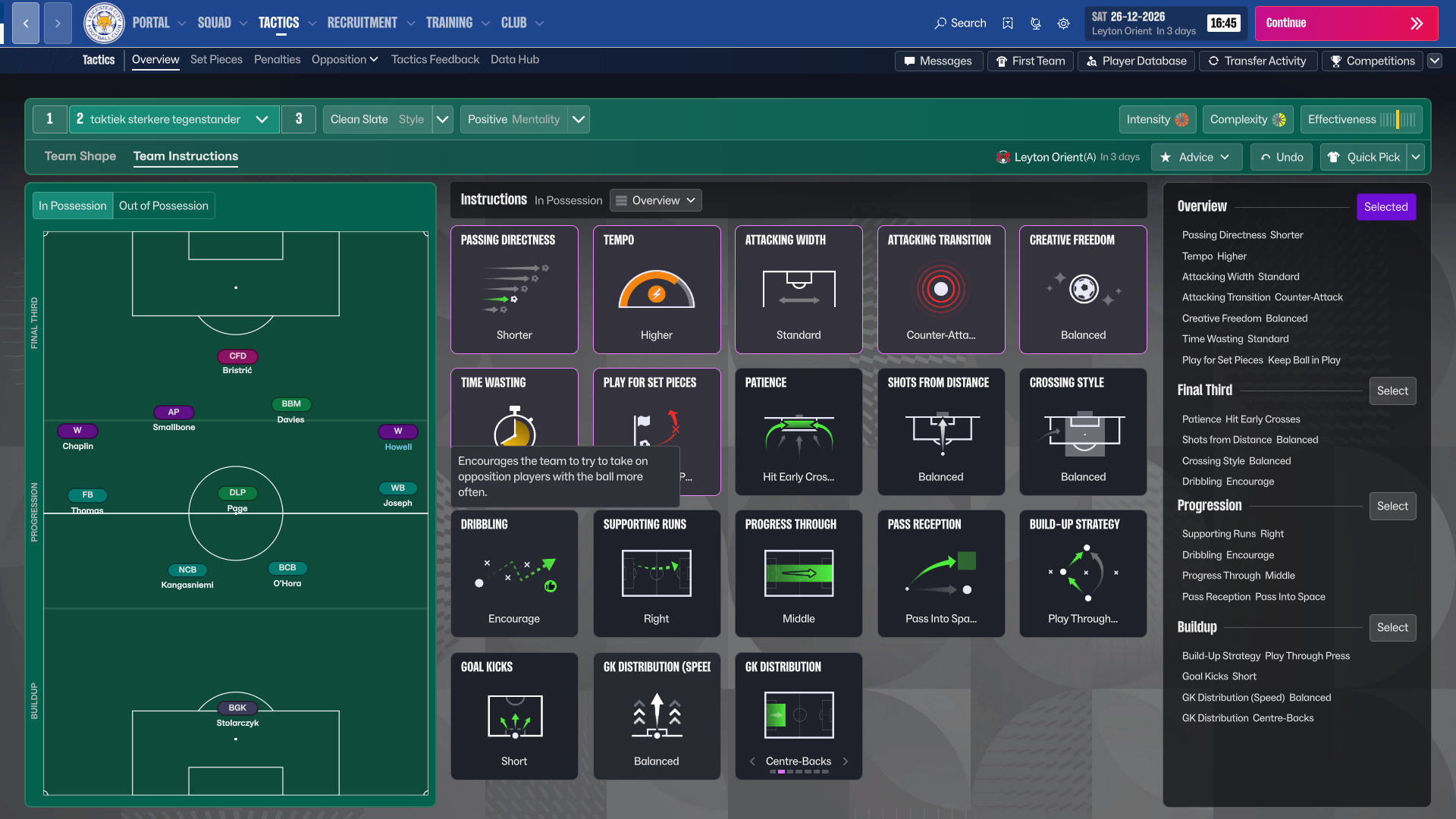
clean slate
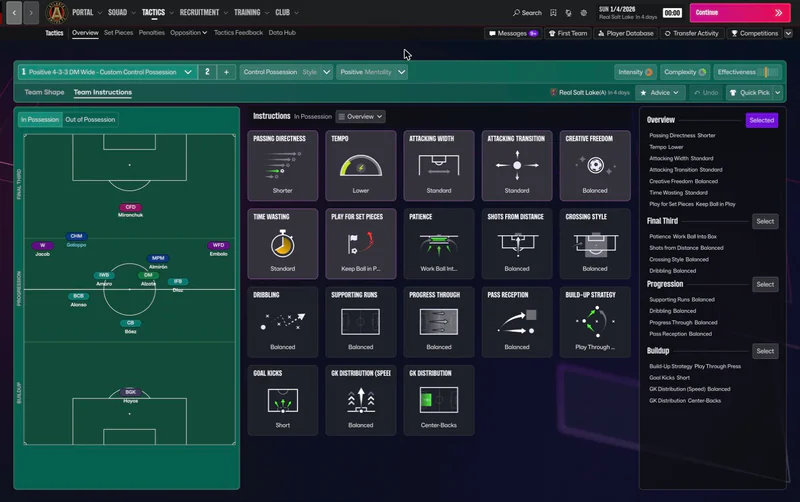
control possession
The tactical theory behind the 4-3-3 DM Wide: roles, instructions, and the trade-offs that decide whether the system holds up.
Holder, runner, creator: the role distribution rule for three-man midfields, the AMC variants, and the antipatterns that break them.
Klopp-style gegenpressing in FM, including squad profile, line-and-press pairing, sustainable workload, and the antipatterns to avoid.
Pass map, average position, xG, possession by zone: what each tablet panel tells you in FM and the tactical change it should trigger.