Uploaded Tactic
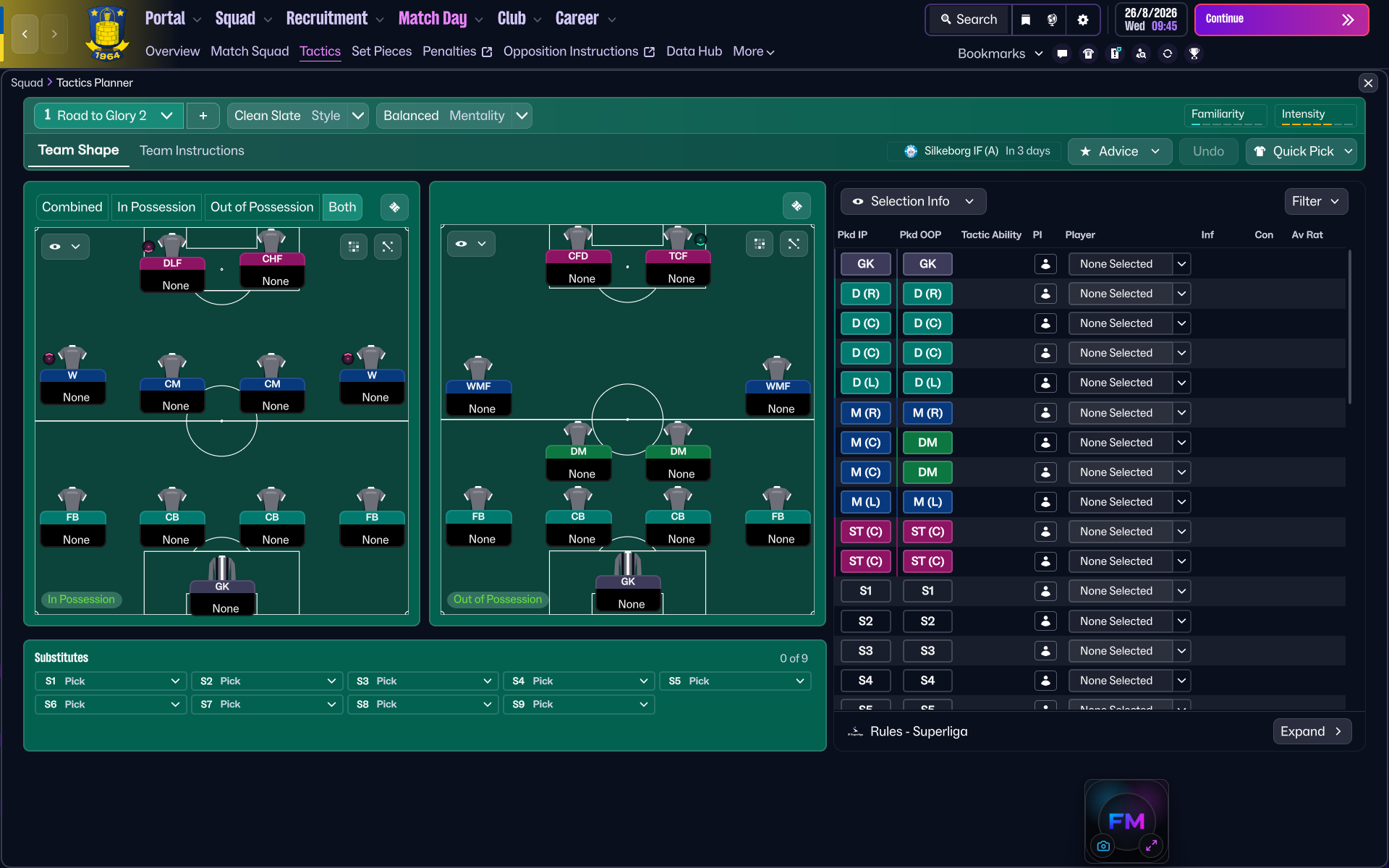
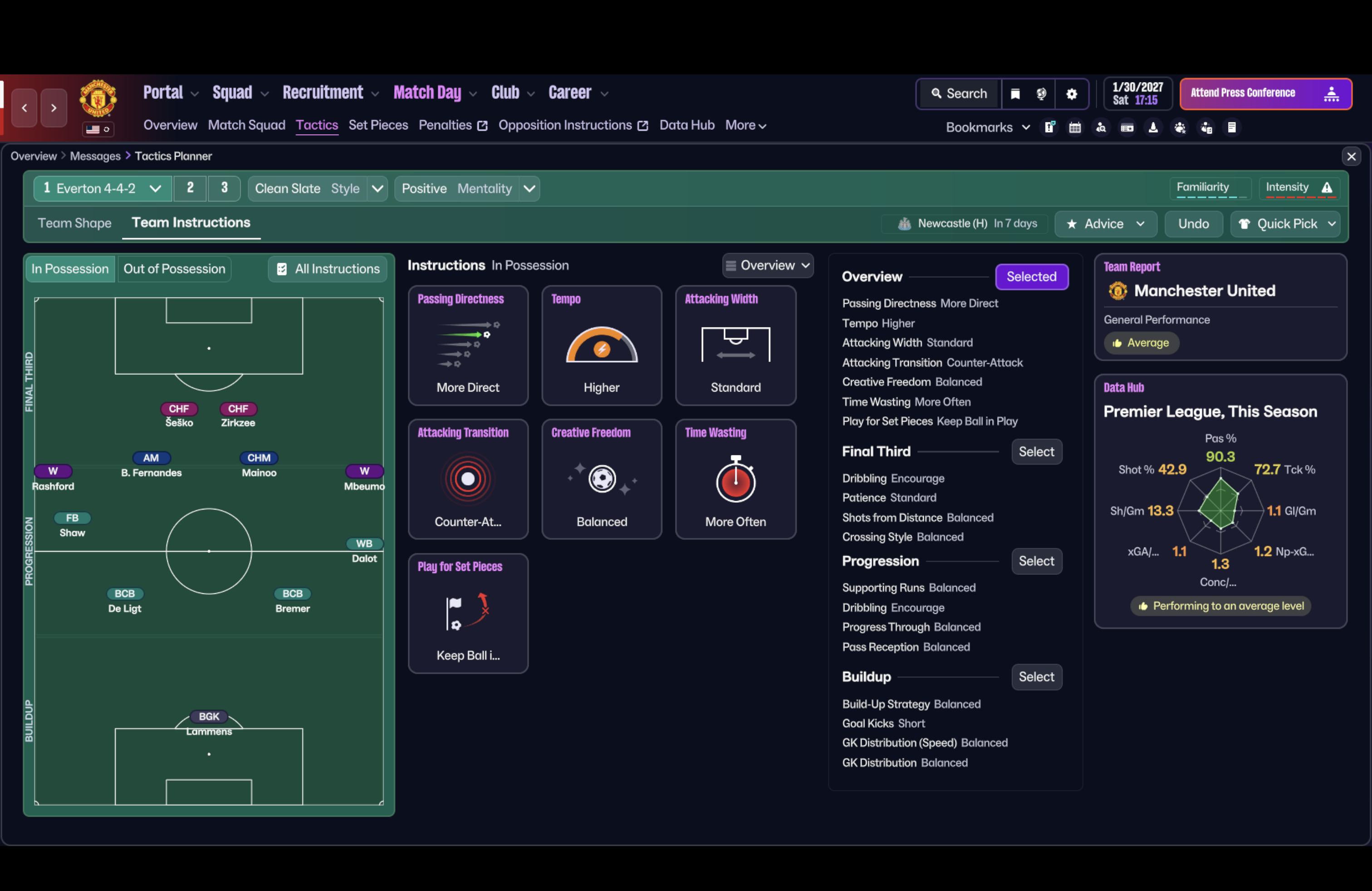
Formation & Style
Tactical Style:Balanced
Mentality:Balanced
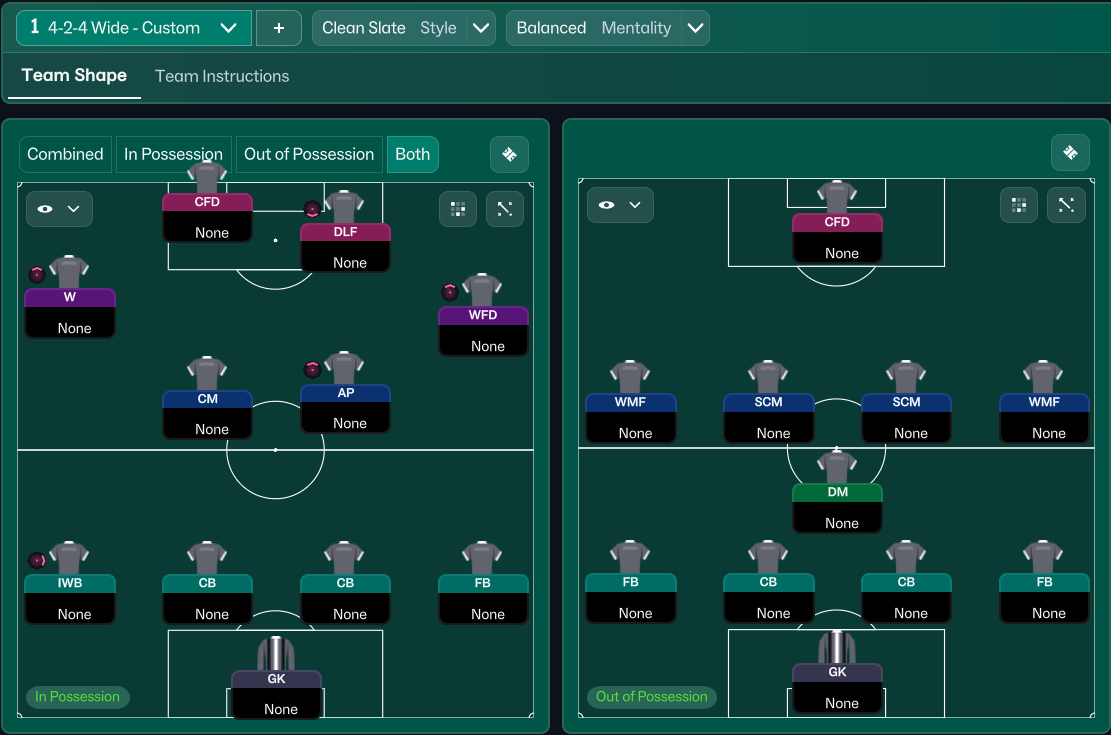
Formation:4-4-2
Team Fluidity:Structured
In Possession
Play Out of Defence
Work Ball Into Box
Play Wider
In Transition
Counter
Counter Press
Out of Possession
Higher Defensive Line
Higher Line of Engagement
Prevent Short GK Distribution
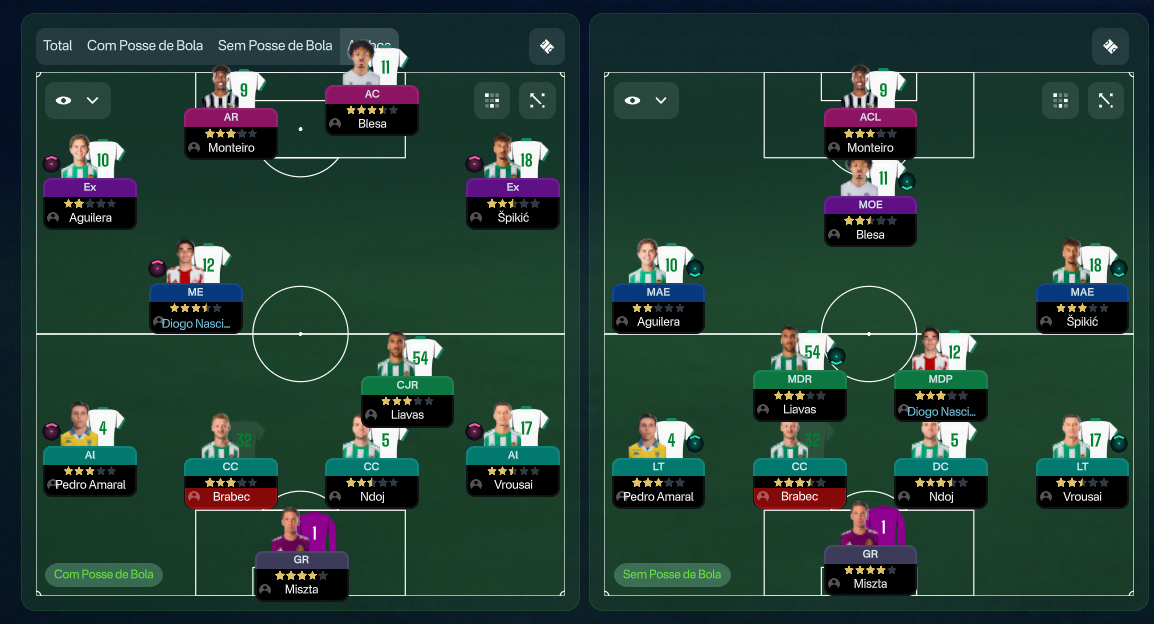
Team Shape Without Ball
Shape:Compact Block
Description:Organized structure aimed at narrowing space in midfield while maintaining depth.
Evidence:Defensive Midfielders (DM) at [3,2] and [3,4] provide cover for the defensive line.
Team Shape With Ball
Shape:Fluid Width
Description:Exploits space on the flanks to allow wingers to take on defenders and draw attention from central areas.
Evidence:Wingers (WM) at [5,1] and [5,5] stretching the opposing defense.
Phase Description
Attacking Play
Focuses on building from the back, using width via wingers, and taking calculated risks with strikers.
Defensive Transition
Presses high to regain possession quickly, utilizing the counter press to exploit turnovers.
Main Focus
Combining width and depth allows for flexible attacking options.
Key Strengths
Wide Attacking Threat
Wingers provide pace and width to stretch opposing defenses.
Solid Defensive Foundation
A strong defensive line anchored by two center-backs protects the goal effectively.
Counter Capability
Ability to transition quickly from defense to attack using a counter strategy.
Conflicting Directions
High Line Usage
While utilizing a high defensive line can be beneficial, it may expose the defense to counter-attacks, especially against fast attackers.
Midfield Solidity vs Offensive Creativity
Playing with two DM's provides stability but may limit forward creative play from the midfield.
Winger Dependency
Heavy reliance on wingers for width could result in a lack of central attacking threat if they are marked out of the game.
Tactical Suggestions
Reevaluate Midfield Roles
Consider integrating a more attacking personnel in the midfield to enhance creativity and goal threat.
Adjust Defensive Line
Experiment with lowering the defensive line to mitigate risks against fast counter-attacking teams.
Utilize Advanced Playmaker
Adding an advanced playmaker in central midfield could enrich attack options and link up with forwards more effectively.
Ask Questions About Your Lineup
Related Tactics
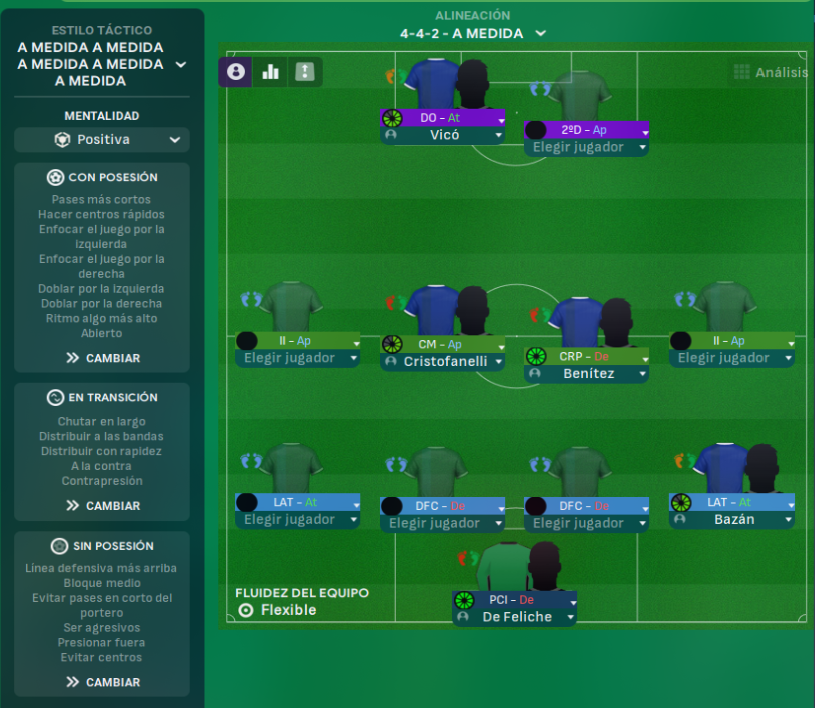
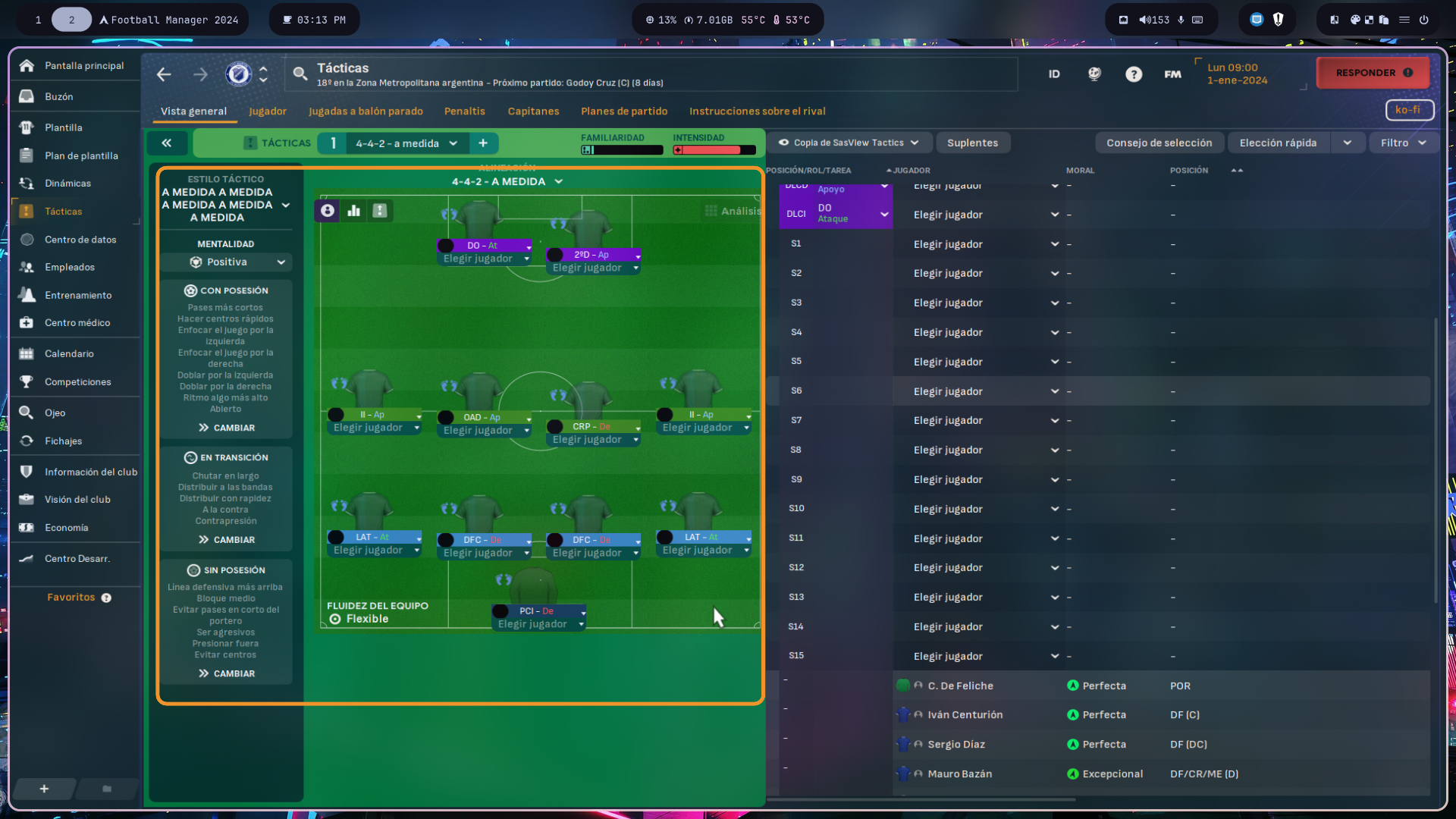
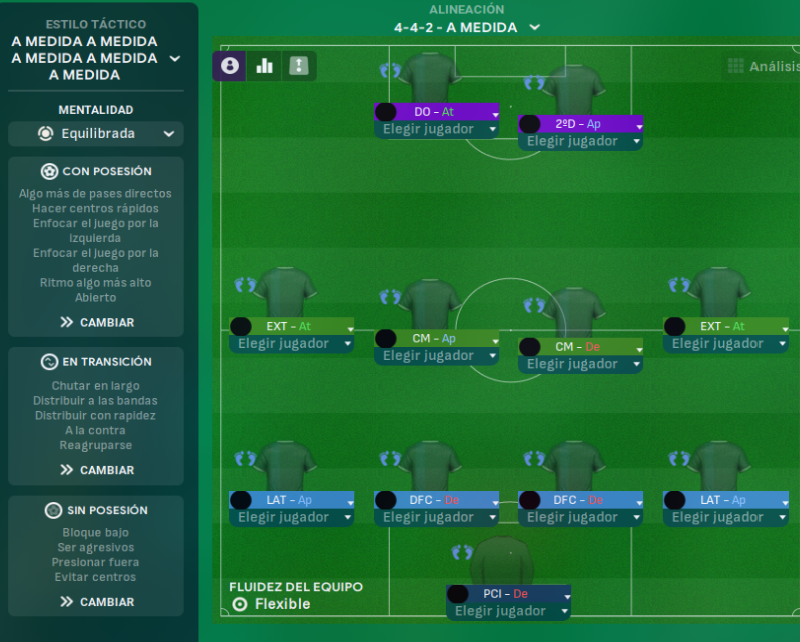
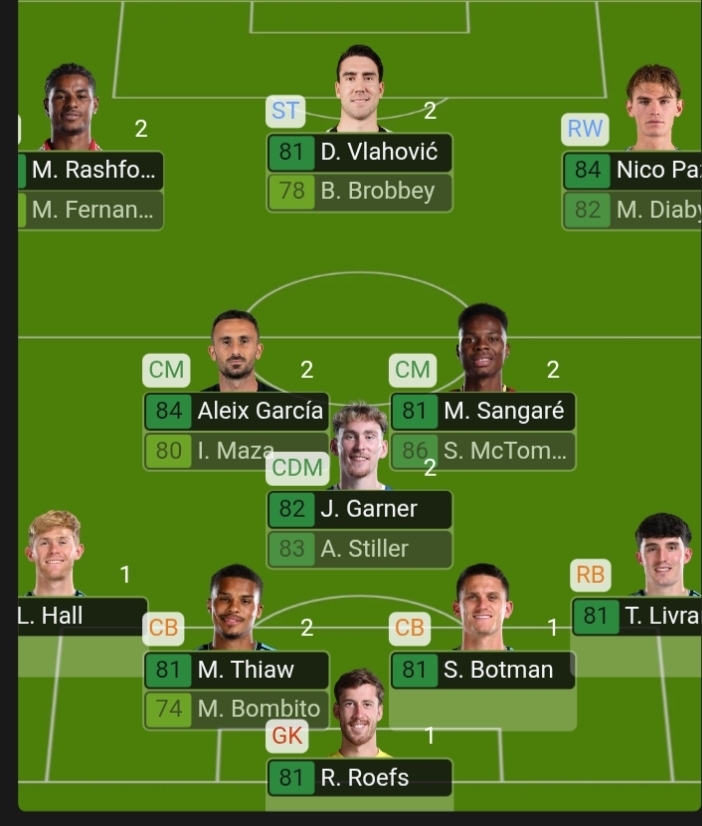
More Balanced tactics
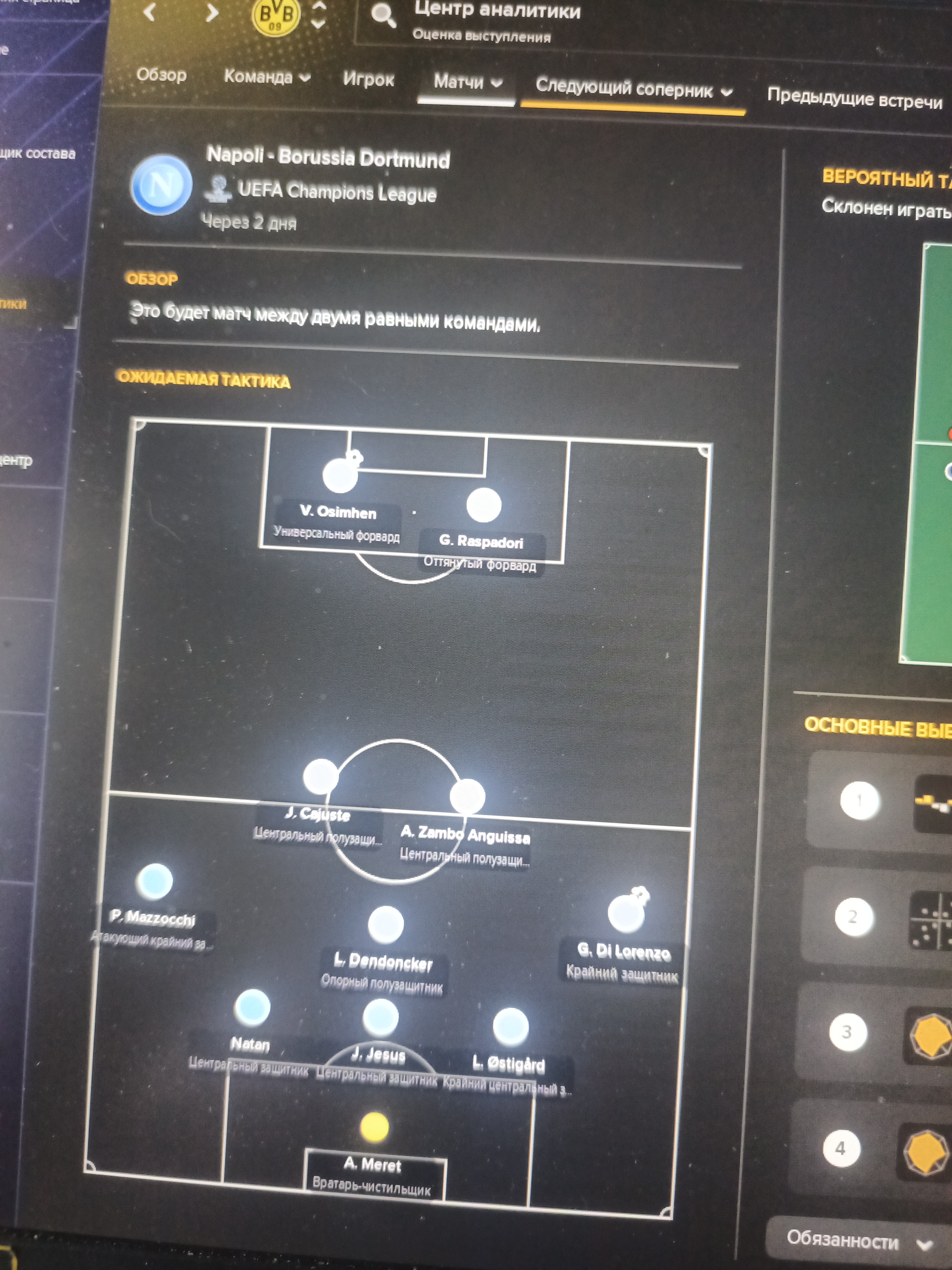
Guides for this formation
The tactical theory behind the 4-4-2: roles, instructions, and the trade-offs that decide whether the system holds up.
Player pairings
Midfield Pairs in 4-2-3-1 and 4-4-2
Double pivots and flat pairs in 4-2-3-1 and 4-4-2: when each pairing works, when it collapses, and the AMC unicorn that rescues both.
Read guide
Playing styles
Direct, Vertical Football
Long-ball football done well in FM. When direct, vertical play is the right choice, and what the Direct Passing TI actually changes.
Read guide
Playing styles
Counter-Attacking Excellence
Sit deep, win the ball, and break in three passes. The roles, instructions, and squad profile that make it work.
Read guide